Understanding Your Audience and Crafting Your Unique Selling Proposition
Before a single word is typed or a photo is uploaded, the foundation of a great Airbnb listing lies in understanding who you are trying to reach and what makes your property genuinely unique. This dual focus allows you to tailor every aspect of your listing for maximum impact. Consider the diverse demographics of travelers today: are you targeting families seeking spacious accommodations near attractions, adventurous couples looking for a romantic getaway, or perhaps business travelers in need of a quiet workspace and reliable internet? Each audience has distinct needs, preferences, and pain points that your listing should address directly.
For instance, if your property is situated in one of the Best Vacation Destinations Us 2026, such as a burgeoning coastal town or a serene mountain retreat, your audience might be leisure travelers planning their annual escape. They will value proximity to beaches, hiking trails, local eateries, and perhaps unique experiences like wine tasting or cultural festivals. Conversely, a city apartment near a convention center will appeal to corporate guests who prioritize fast Wi-Fi, comfortable desks, and easy access to public transport.
Once you have a clear picture of your ideal guest, you can begin to identify your property’s Unique Selling Proposition (USP). What sets your rental apart from the myriad others available? Is it an unparalleled view, a luxurious hot tub, a gourmet kitchen, a pet-friendly policy, or perhaps its historical charm? Perhaps you offer exceptional concierge services, providing personalized recommendations for local tours or dining experiences. Don’t underestimate seemingly small details; a fully stocked coffee bar with local brews or a collection of board games can be a significant draw for certain guests. Think about the experience you are offering, not just the physical space.
List out all your amenities, then highlight those that are truly exceptional or particularly appealing to your target demographic. For a family, a dedicated children’s play area or robust child-proofing might be a major differentiator. For a couple, a romantic fireplace or a secluded garden could be the clincher. Emphasizing these unique aspects throughout your listing – in your title, description, and photo captions – is crucial. This strategic approach ensures that your listing not only attracts the right guests but also communicates the specific value and memorable experience they can expect, setting the stage for positive reviews and repeat bookings.
The Art of the Airbnb Title: Hooking Guests from the Start

Your Airbnb title is arguably the most critical component of your listing after your primary photo. It is the first textual interaction a potential guest has with your property, and it must be compelling enough to entice them to click and learn more. Think of it as a headline in an advertisement: it needs to be informative, appealing, and keyword-rich, all within a concise character limit.
A great title serves multiple purposes. Firstly, it should clearly communicate the essential information. This typically includes the type of property (e.g., “Charming Cottage,” “Luxury Apartment,” “Spacious Villa”), its most appealing feature or location differentiator (e.g., “Beachfront,” “Downtown,” “Mountain Views”), and potentially its capacity or key amenity (e.g., “Sleeps 8,” “Hot Tub”). For example, instead of a generic “Lovely Home in Miami,” consider something more descriptive and enticing like “Oceanfront Miami Condo w/ Balcony & Pool – Sleeps 6” or “Historic Art Deco Villa in South Beach – Walk to Sand.”
Secondly, your title needs to incorporate relevant keywords that guests are likely to search for. If your property is near a famous landmark, a popular festival, or a specific type of attraction, include it. If it’s designed for a particular type of traveler, weave that in too. However, avoid keyword stuffing; the title must still read naturally and invite curiosity. Using adjectives that evoke a positive feeling – cozy, serene, vibrant, luxurious, charming, modern – can significantly enhance appeal.
Consider the psychological impact of your words. A title that promises an experience rather than just a place to sleep often performs better. For example, “Secluded Cabin Retreat w/ Fire Pit & Stargazing Deck” paints a picture far more vivid than “Cabin with Fire Pit.” Highlight what makes your place special and desirable. Is it the perfect spot for a romantic getaway? “Romantic Lakeside Cabin w/ Fireplace & Jacuzzi.” Is it ideal for a family vacation? “Family-Friendly Beach House w/ Kids’ Zone & Private Yard.”
Finally, keep an eye on the character limit imposed by Airbnb. While you want to be descriptive, brevity is key. Aim for clarity and impact. Test different titles and observe which ones generate more clicks. Often, including a geographical indicator, even if implied by the search, helps reinforce location, especially for properties in popular areas that appear in broad searches for places like the Best Vacation Destinations Us 2026. A well-crafted title is your first and best opportunity to capture a guest’s attention and compel them to explore your listing further, ultimately leading them closer to making a booking.
Description Mastery: Painting a Vivid Picture with Words
Start with a captivating opening paragraph that immediately hooks the reader. Use vivid language to set the scene and highlight your property’s absolute best features and unique selling propositions. Instead of saying, “It has a living room,” say, “Unwind in the expansive living area, bathed in natural light, offering panoramic views of the city skyline – perfect for evening relaxation or morning coffee with a view.” Focus on the benefits and experiences your guests will enjoy.
Following the compelling introduction, structure your description logically, perhaps using bullet points or short paragraphs for readability. Dedicate sections to different areas of your home:
- Living Spaces: Describe the comfort, entertainment options, and overall ambiance.
- Bedrooms: Detail bed sizes, mattress quality, linen types, and any unique features like blackout curtains or en-suite bathrooms.
- Kitchen & Dining: Highlight appliances, cookware, dining capacity, and whether it’s fully stocked for gourmet cooking or quick meals.
- Bathrooms: Mention amenities like fluffy towels, luxury toiletries, and shower/bath configurations.
- Outdoor Areas: If applicable, describe gardens, patios, balconies, BBQ facilities, or pools, emphasizing their utility and appeal.
- Neighborhood & Local Attractions: This is crucial. Paint a picture of the surrounding area. Is it vibrant and bustling, or quiet and serene? Mention proximity to popular attractions, restaurants, public transport, and local secrets. This is where you can naturally tie in a reference to guests exploring some of the Best Vacation Destinations Us 2026, positioning your rental as the ideal base camp.
Throughout your description, maintain a conversational yet professional tone. Use strong verbs and evocative adjectives. Avoid jargon or overly casual language. Address potential guest concerns proactively. If your property is on a busy street, acknowledge it and then highlight how noise is mitigated (e.g., double-paned windows). Be transparent and honest; accuracy builds trust and prevents negative reviews.
Crucially, for hosts who How To Manage Vacation Rental Remotely, your description becomes an even more vital tool for setting expectations and providing essential information. Clearly outline your check-in process, whether it’s keyless entry or a lockbox. Detail what guests need to know about house rules, waste disposal, and any instructions for appliances. Provide recommendations for local services, restaurants, and activities that guests can access easily. This level of detail not only enhances the guest experience but also minimizes the need for direct intervention, making remote management smoother and more efficient. Conclude with a warm invitation, encouraging guests to book and experience the unique charm of your property for themselves.
Photography and Visuals: A Picture is Worth a Thousand Bookings

In the visually-driven world of online travel, high-quality photography is not merely an advantage; it is an absolute necessity. Regardless of how eloquently your listing description is written, poorly lit, cluttered, or amateurish photos will deter potential guests faster than anything else. A picture truly is worth a thousand bookings, and investing in professional photography is one of the wisest expenditures a vacation rental host can make.
Professionalism Pays Off: While smartphone cameras have advanced significantly, they generally cannot replicate the wide-angle lenses, expert lighting, and post-production editing that professional photographers bring to the table. Professionals understand composition, staging, and how to capture the ‘feel’ of a space, making your property look its absolute best. They can highlight architectural features, show off the expansive views, and create an inviting atmosphere that casual photos simply miss.
Staging is Key: Before any photos are taken, ensure your property is impeccably clean, decluttered, and well-staged. Think like an interior designer. Fluff pillows, straighten bed linens, remove personal items, and add touches of color with fresh flowers or art. For the kitchen, perhaps a bowl of fresh fruit or a stylish coffee maker. For bathrooms, neatly folded towels and a few luxury toiletries. The goal is to present a welcoming, aspirational space that guests can envision themselves enjoying.
Variety and Coverage: Aim for a comprehensive set of photos that showcase every room and significant feature of your property. Include:
- Exterior Shots: Front facade, garden, pool, patio, and any unique outdoor amenities.
- Living Areas: Show the comfort and layout.
- Bedrooms: Capture each bedroom from multiple angles, highlighting bed size and special features.
- Bathrooms: Present them as clean, modern, and well-appointed.
- Kitchen & Dining: Emphasize functionality and any high-end appliances.
- Unique Features: Hot tub, fireplace, home office, game room, stunning views.
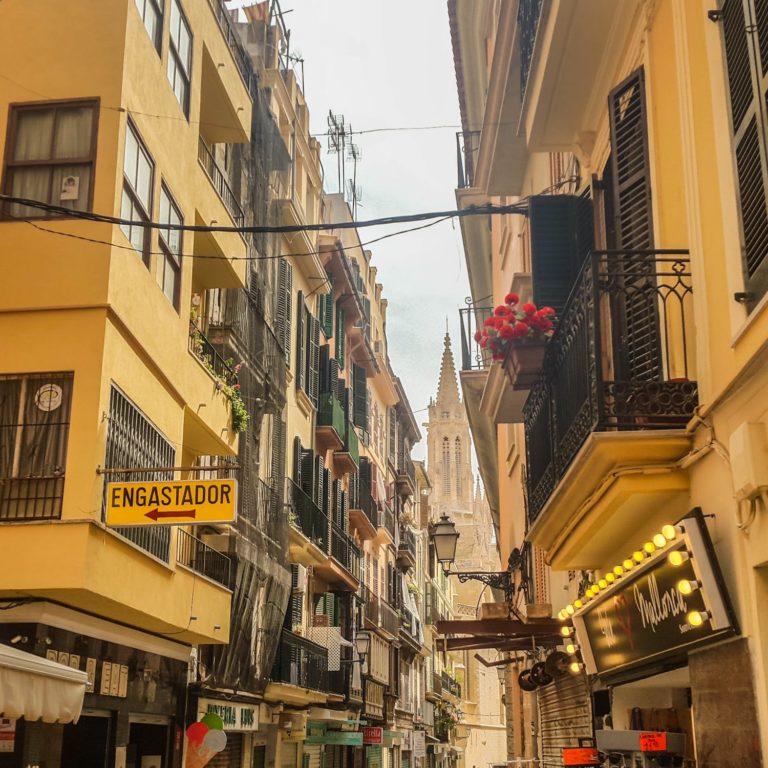
- Neighborhood Glimpses: If possible, include a few shots of nearby attractions, beaches, or local landmarks (e.g., a picturesque street scene if your property is in a charming area often featured among the Best Vacation Destinations Us 2026).
Order Matters: The first photo in your listing is critical; it should be your absolute best, most captivating image – often an exterior shot or a beautifully staged living area that immediately grabs attention. Follow with a logical flow, guiding the guest through the property as if they were taking a virtual tour. Start with common areas, then move to bedrooms, bathrooms, and finally unique features or outdoor spaces.
Captions and Videos: Don’t forget captions! Use them to highlight specific features not immediately obvious in the photo, add a touch of personality, or reiterate benefits. For example, “Enjoy sunset cocktails on the private balcony with breathtaking ocean views.” If you have the capability, a short, professionally produced video tour can be incredibly engaging, offering an even more immersive experience for potential guests and further differentiating your listing.
Setting Competitive Pricing and Optimizing Your Calendar
Pricing your Airbnb listing effectively is a delicate balance between maximizing your income and attracting a consistent flow of bookings. Too high, and you risk low occupancy; too low, and you leave money on the table. A truly great Airbnb listing isn’t just about compelling words and pictures; it’s also about a smart pricing strategy and an optimized calendar that aligns with market demand and your financial goals.
Dynamic Pricing is Essential: The days of static pricing are largely over. The vacation rental market is dynamic, influenced by seasonality, local events, day of the week, lead time, and even competitor pricing. Implement a dynamic pricing strategy that allows your rates to fluctuate. Airbnb’s Smart Pricing tool can be a starting point, but many successful hosts also use third-party pricing tools that offer more granular control and sophisticated algorithms. These tools analyze vast amounts of data to suggest optimal prices, helping you capitalize on peak demand and fill gaps during off-peak times.
Understanding Your Market: Research comparable listings in your area. What are similar properties charging? Pay attention to their amenities, location, and review ratings. Identify peak seasons (e.g., summer holidays, ski season, major festivals) and adjust your prices accordingly. For properties in areas that are consistently listed among the Best Vacation Destinations Us 2026, you can often command higher prices during high-demand periods, but you must remain competitive. Conversely, during the shoulder or off-seasons, consider slightly lower rates or special offers to maintain occupancy.
Seasonal Adjustments and Local Events: Always factor in local events. Concerts, sports events, university graduations, and public holidays can dramatically increase demand and allow for significant price surges. Stay informed about your local calendar and proactively adjust your rates. For example, if your property is near a popular national park, you’ll see higher demand during warmer months and perhaps during specific wildlife migration periods.
Minimum Stay Requirements: Carefully consider your minimum stay policy. While longer stays reduce turnover costs and effort, they can also deter short-term travelers. Conversely, very short stays (1-2 nights) can lead to higher cleaning fees and more administrative work. Many hosts use varying minimum stays: longer during peak times or weekends, shorter during weekdays or off-peak periods. Experiment to find the sweet spot for your property.
Discounts and Promotions: Offer weekly or monthly discounts to incentivize longer stays, which are often preferred by digital nomads or those seeking extended breaks. Early bird discounts or last-minute deals can also be effective strategies to fill your calendar. Consider special promotions for repeat guests or those booking directly through your own channels.
Leveraging Guest Behavior: Understanding how guests book can also inform your pricing. Many travelers, especially those who know How To Use Travel Rewards Points for their flights and other travel expenses, are often looking for the best value on accommodations. This doesn’t necessarily mean the cheapest, but rather the best quality and experience for their budget. Positioning your property as a high-value option, even at a slightly higher price point, can be attractive to these guests who have already optimized their travel costs elsewhere. Always ensure your pricing reflects the value and quality of the experience you are providing, keeping an eye on your operational costs, including cleaning, utilities, and host fees, to ensure profitability.
House Rules, Amenities, and Guest Expectations: Clarity is King
A truly great Airbnb listing doesn’t just attract guests; it attracts the right guests and ensures a smooth, positive experience for everyone involved. This is achieved through absolute clarity regarding your house rules, a comprehensive listing of amenities, and transparent management of guest expectations. Misunderstandings often lead to negative reviews, and clear communication is your best defense.
Comprehensive Amenities List: Beyond the basics, think about every feature and convenience your property offers. Guests often filter searches by specific amenities, so failing to list something means missing out on potential bookings. Be meticulous:
- Essentials: Wi-Fi, heating, air conditioning, hot water, towels, bed linens, soap, toilet paper.
- Kitchen: All appliances (oven, microwave, coffee maker, dishwasher), basic cooking essentials (oil, salt, pepper), dishes, cutlery, pots and pans.
- Entertainment: TV (with streaming services?), board games, books, sound system.
- Outdoor: Patio/balcony, BBQ grill, outdoor furniture, pool, hot tub.
- Family-Friendly: Crib, high chair, children’s books/toys, child-proofing.
- Work-Friendly: Dedicated workspace, high-speed internet, printer.
- Accessibility: Step-free access, wide doorways, grab rails.
- Safety: Smoke detector, carbon monoxide detector, fire extinguisher, first aid kit.
The more detailed and accurate your amenities list, the better. It builds trust and ensures guests know exactly what to expect.
Clear, Concise House Rules: House rules are essential for protecting your property, ensuring neighborly peace, and maintaining a positive experience for future guests. They should be easy to understand and unambiguous. Airbnb provides a dedicated section for rules, but it’s often beneficial to summarize the most critical ones within your description or a welcome message. Common rules include:
- No smoking/vaping inside.
- No pets (or specific pet policies).
- Quiet hours (e.g., 10 PM to 8 AM).
- Maximum occupancy.
- No parties or events.
- Check-in/check-out times.
- Waste disposal instructions.
- Security measures (e.g., don’t leave doors/windows unlocked).
Frame rules positively where possible, explaining the why behind them. For example, instead of “No loud music,” try “Please respect our neighbors by keeping noise levels to a minimum after 10 PM.” Ensure guests acknowledge and agree to these rules before booking.
Setting Realistic Expectations: Beyond rules and amenities, manage expectations about the property itself. If your charming historic home has quirks, mention them. If there’s a steep driveway or stairs, be upfront. If a nearby construction project is ongoing (and you can’t control it), inform guests. Transparency here can prevent disappointment and negative reviews. Similarly, clearly communicate your check-in and check-out procedures, especially if you How To Manage Vacation Rental Remotely. Provide detailed instructions for key access, Wi-Fi passwords, and any important operating instructions for appliances. A digital welcome guide, accessible via a QR code or link, can consolidate all this information, making it easy for guests to find what they need without contacting you repeatedly. This proactive approach fosters a sense of professionalism and care, ensuring guests feel supported and informed throughout their stay.
Continuous Optimization and Guest Engagement
Creating a great Airbnb listing is not a one-time task; it’s an ongoing process of refinement, adaptation, and engagement. The most successful hosts understand that continuous optimization and proactive guest communication are crucial for sustaining high occupancy rates, achieving excellent reviews, and ensuring long-term success in the dynamic vacation rental market. The digital landscape and traveler expectations are constantly evolving, and your listing must evolve with them.
Monitor Performance Metrics: Regularly review your listing’s performance. Airbnb provides host dashboards with valuable data on views, bookings, conversion rates, and pricing suggestions. Pay attention to how many views your listing receives versus how many inquiries or bookings it generates. If you have many views but few bookings, your photos, pricing, or description might need adjustment. If you have few views, your title or search ranking could be the issue. Tools and insights can help you identify areas for improvement.
Respond to Reviews Promptly and Professionally: Guest reviews are the lifeblood of your Airbnb business. Always respond to every review, both positive and negative. Thank guests for their positive feedback and acknowledge their specific compliments. For negative reviews, respond calmly, professionally, and empathetically. Apologize if appropriate, offer solutions, and explain any steps you’ve taken to address their concerns. Publicly demonstrating your commitment to guest satisfaction can turn a potentially damaging review into a testament to your excellent customer service. It shows future guests that you are attentive and care about their experience, even when things go wrong.
Update Your Listing Regularly: Your property isn’t static, and neither should your listing be. Have you added new amenities, upgraded furniture, or completed renovations? Update your photos and description to reflect these improvements. Has a new popular restaurant opened nearby, or is there a new local attraction? Incorporate this into your neighborhood guide. Keeping your listing fresh and accurate ensures guests always have the most up-to-date information and reinforces the impression of a well-maintained and cared-for property. This is especially important for properties located in areas highlighted as Best Vacation Destinations Us 2026, where new attractions or amenities might frequently emerge.
Promotions and Special Offers: Don’t be afraid to experiment with promotions to boost bookings during slower periods or to attract specific types of guests. This could include last-minute discounts, special rates for longer stays (e.g., weekly or monthly), or even bundling experiences (e.g., a local tour package). For guests who know How To Use Travel Rewards Points for their travel, a great value offer on accommodation can be very attractive, pushing them to choose your property over others. Utilize Airbnb’s promotional tools or consider offering exclusive deals to past guests.
Cultivate Guest Relationships: Encourage repeat bookings by providing an exceptional experience every time. Consider small gestures like a personalized welcome note, a local treat, or a follow-up message after their stay. Building a positive relationship with guests can lead to direct bookings in the future, bypassing platform fees and fostering a loyal customer base. Continuous engagement and a commitment to excellence are what truly elevate a good Airbnb listing to a great one, ensuring sustained success and a thriving vacation rental business.
Frequently Asked Questions
Recommended Resources
Explore Japan Rail Pass Guide 2025 for additional insights.
For more on how to write, see Onomichi Cycling Route Guide on Onomichi Guide.