
The Perils of Drowsy Driving: Why Staying Alert is Non-Negotiable
Before we dive into the practical tips, it’s essential to understand the gravity of drowsy driving. It’s often underestimated, yet its consequences can be as severe as — and sometimes indistinguishable from — impaired driving. When you’re tired, your reaction time slows, your ability to concentrate diminishes, and your judgment becomes impaired. You might experience micro-sleeps, brief moments of unconsciousness that last only a few seconds but can be catastrophic at highway speeds. Imagine covering the length of a football field in that brief lapse of awareness; the risks are terrifyingly real.
Statistics consistently reveal that drowsy driving is a factor in a significant percentage of traffic accidents, leading to thousands of injuries and fatalities each year. It doesn’t matter if you’re a solo adventurer chasing the sunset or a family heading to a pre-booked, idyllic vacation rental; fatigue is an equalizer of danger. Ignoring the signs of drowsiness isn’t just a personal risk; it endangers everyone else on the road, including other vacationers, commuters, and even local residents. For vacation rental planners, understanding and mitigating this risk is part of ensuring a seamless and enjoyable experience for clients, from the moment they leave home until they arrive at their dream property. It’s about advocating for safety as much as it is about facilitating adventure. Recognizing the subtle cues your body sends, such as frequent yawning, heavy eyelids, or drifting thoughts, is the first critical step toward preventing a serious incident. Your journey is precious, and so is your life, and the lives of those around you.
Pre-Trip Preparation: Your First Line of Defense Against Drowsiness

The battle against road fatigue begins long before you even turn the key in the ignition. Effective pre-trip planning is your most potent weapon, setting the stage for a safe and enjoyable journey. Think of it as laying the groundwork for a successful expedition, much like how meticulous planning is required when you’re getting ready for a move to a new city – the more preparation, the smoother the transition and the less stress you’ll encounter on the actual day.
- Prioritize Sleep: This is non-negotiable. Aim for 7-9 hours of quality sleep in the nights leading up to your departure. A single night of poor sleep can impair your driving ability for days. Resist the urge to pull an all-nighter packing or working; your body and mind need to be fully rested to handle the demands of the road. If you’re planning a trip for clients, advise them to prioritize rest before their travel day.
- Strategic Route Planning: Don’t just map out the fastest route; plan for breaks. Identify rest stops, scenic overlooks, or interesting towns where you can pull over, stretch your legs, and recharge. For long drives, consider breaking up the journey with an overnight stay at a comfortable hotel or another delightful vacation rental. This isn’t just about safety; it’s about transforming the drive into an integral part of the adventure.
- Vehicle Maintenance Check: A well-maintained vehicle contributes to a less stressful drive, which in turn helps reduce fatigue. Ensure your tires are properly inflated, fluid levels are adequate, and lights are working. Breakdowns are not only inconvenient but can also cause immense stress and exhaustion.
- Pack Smart for Comfort: Your comfort in the car directly impacts your alertness.
- Ergonomics: Adjust your seat, steering wheel, and mirrors for optimal posture. Poor posture can lead to aches, stiffness, and increased fatigue.
- Climate Control: Pack layers of clothing to adjust to varying temperatures. A cabin that’s too hot can induce drowsiness, while one that’s too cold can be distracting.
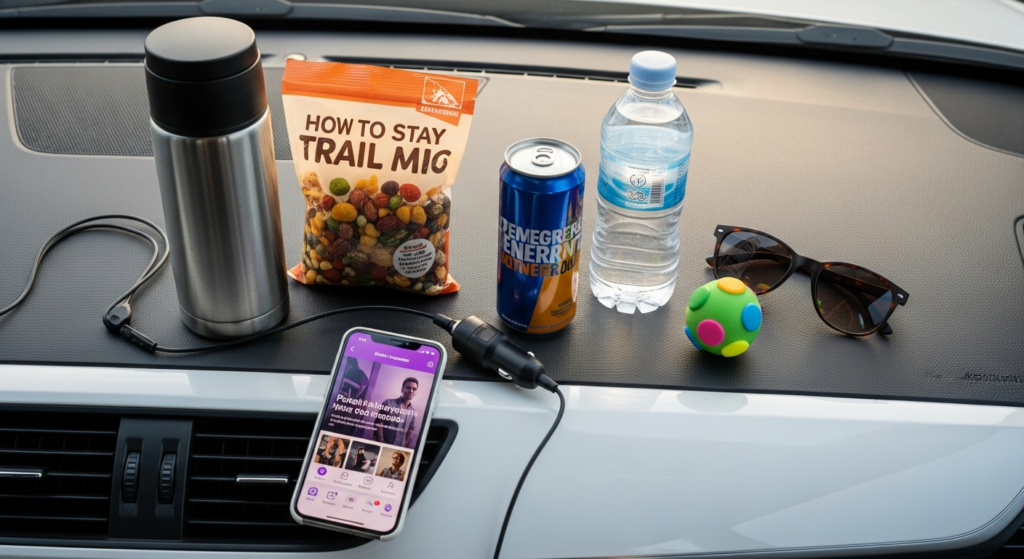
- Essentials at Hand: Keep water, snacks, sunglasses, and any necessary medications easily accessible to avoid fumbling or unnecessary stops.
- Travel Companions: If possible, travel with a co-pilot. Having another licensed driver means you can share the driving responsibilities, allowing each person to rest and rejuvenate. Even a non-driving companion can help by engaging in conversation, navigating, and assisting with snacks or drinks. This shared experience can make the journey more enjoyable and significantly safer, especially if you’re thinking about anniversary gift ideas for couples and planning a romantic road trip – sharing the drive can be a thoughtful gesture, ensuring both partners arrive refreshed and ready for romance.
- Know Your Limits: Be realistic about how far you can comfortably drive in a single day. Pushing yourself beyond your typical endurance dramatically increases the risk of fatigue. Plan for shorter driving segments, especially if you’re not accustomed to long-haul travel.
By investing time in these pre-trip preparations, you’re not just planning a drive; you’re orchestrating a successful and safe adventure, ensuring that the journey itself is as enjoyable as the destination.
Strategies for Staying Engaged While Driving: Mind, Body, and Environment
Engaging Your Mind
- Audio Entertainment: Turn off the monotonous radio static and switch to something stimulating.
- Podcasts: Dive into captivating stories, educational content, or thought-provoking discussions. Choose topics that genuinely interest you and require a degree of mental engagement.
- Audiobooks: Get lost in a good novel or a non-fiction narrative. The continuous flow of a story can keep your mind active without being visually distracting.
- Upbeat Music: Create a playlist of energetic, sing-along tunes that make you want to move. Avoid overly mellow or repetitive music that might lull you into a trance.
- Active Conversation: If you have passengers, engage them in lively discussions. Talk about your destination, past adventures, future plans, or even playful debates. Conversation keeps your brain active and provides a social connection that fights isolation-induced fatigue.
- Mental Exercises: When driving solo, try simple mental games. Count passing cars of a certain color, recall facts about your destination, or mentally plan out the next steps of your trip. Avoid complex problem-solving that might divert too much attention from the road.
- Chewing Gum: Studies suggest that chewing gum can increase alertness and improve reaction time. It keeps your jaw muscles active and can provide a subtle, consistent stimulation.
Keeping Your Body Active and Comfortable
- Posture Adjustments: Don’t stay in one rigid position. Periodically adjust your seat, stretch your neck and shoulders, and flex your feet and ankles. Good blood circulation is vital for alertness.
- Deep Breathing: Practice deep, diaphragmatic breathing. This increases oxygen flow to your brain and can help refresh your body and mind, combating the shallow breathing often associated with fatigue.
- Hydration: Keep a water bottle handy and sip frequently. Dehydration can lead to fatigue, headaches, and reduced concentration. However, be mindful of needing more frequent bathroom breaks.
- Temperature Control: Maintain a cool, fresh cabin environment. A warm, stuffy car is an invitation to drowsiness. Use your air conditioning, open windows periodically, or direct vents towards your face for a refreshing blast of air.
Optimizing Your Environment
- Sunlight Management: Use sunglasses to reduce glare and eye strain. However, avoid overly dark sunglasses that might make the interior feel too dim and conducive to sleep. Consider pulling over for a quick stretch and some natural light exposure if you’ve been driving in dim conditions for a while.
- Cleanliness and Organization: A cluttered car can be distracting and mentally draining. Keep your immediate driving space tidy and organized, with essentials easily accessible.
- Vary Your View: While always keeping your eyes on the road, try to vary your gaze between the road ahead, your mirrors, and the distant landscape. Staring fixedly at one point for too long can induce a hypnotic state.
By proactively engaging your mind, body, and optimizing your immediate surroundings, you transform driving from a passive act into an active, alert, and enjoyable part of your journey. These strategies are not just about preventing sleep; they’re about enhancing your overall driving experience and ensuring you arrive at your vacation rental destination feeling energized and ready to explore.
The Power of Strategic Breaks: Recharging Your Adventurous Spirit
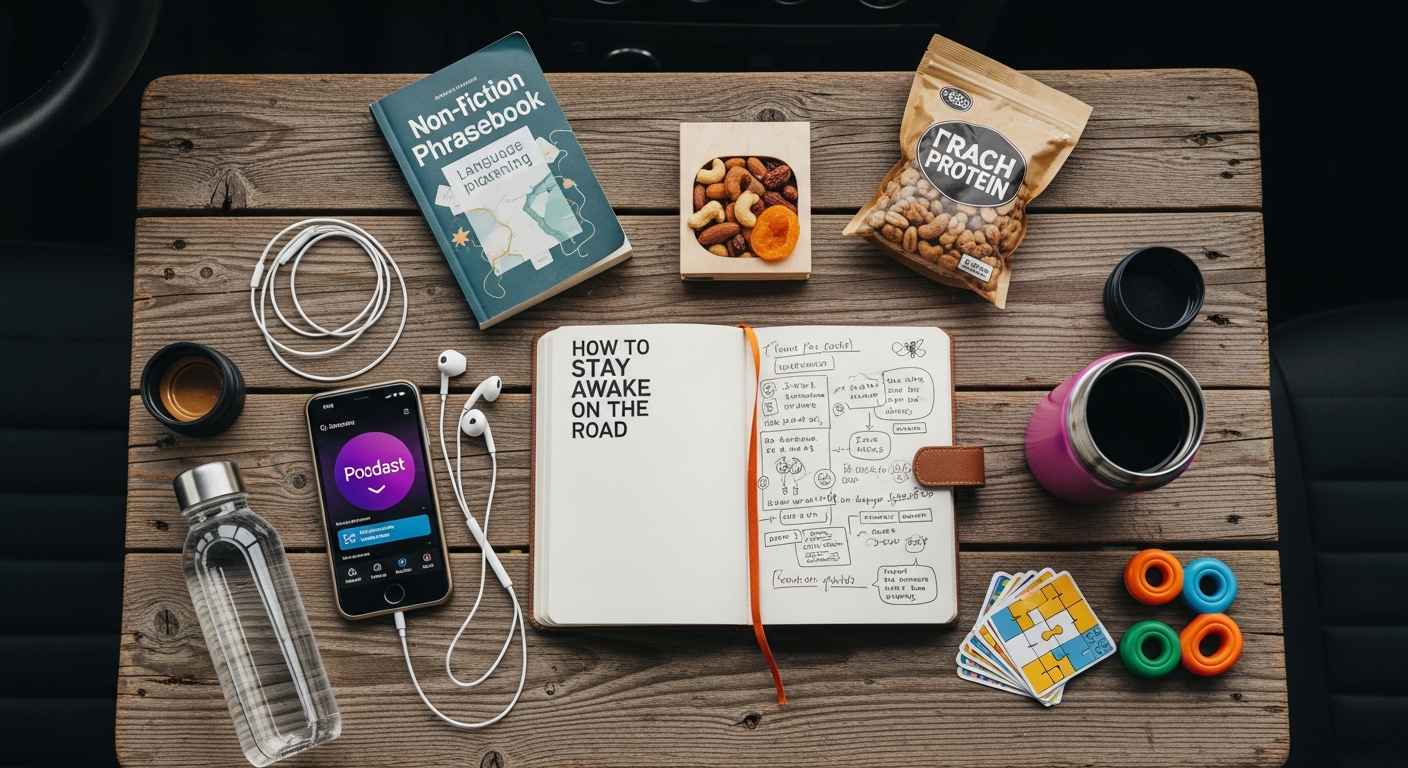
No amount of coffee or upbeat music can truly replace the rejuvenating power of a well-timed break. Strategic pauses are not just about safety; they are an integral part of the adventurous spirit, allowing you to discover hidden gems, stretch your legs, and truly appreciate the journey. For vacation planners, advising clients on incorporating these breaks is key to a holistic and stress-free travel experience.
When and How Often to Break
- Every 2-3 Hours: A widely recommended guideline is to take a break for at least 15-20 minutes every 2 to 3 hours of driving. This allows your body to reset, your eyes to rest, and your mind to refresh.
- Listen to Your Body: More importantly than any fixed schedule, listen to your body’s signals. If you start feeling any signs of drowsiness – yawning, heavy eyelids, drifting thoughts, difficulty recalling the last few miles – pull over immediately. Don’t try to push through it.
Making the Most of Your Breaks
- Get Out and Move: The most effective way to combat fatigue is to get out of the car and engage in some physical activity.
- Stretch: Perform full-body stretches to improve circulation and relieve muscle tension. Focus on your neck, shoulders, back, and legs.
- Walk: A brisk walk around a rest stop, gas station, or a small park can do wonders. Even a 5-10 minute stroll can significantly increase alertness.
- Light Exercise: If you’re at a larger rest area, consider doing some jumping jacks or other light exercises to get your heart rate up.
- Short Power Naps: If you’re really struggling with sleepiness, a 15-20 minute power nap can be incredibly effective. Find a safe, well-lit rest area, set an alarm, and recline your seat. Avoid napping for longer than 30 minutes, as this can lead to “sleep inertia” (that groggy feeling upon waking). A short nap is a lifesaver, but never nap on the shoulder of a highway.
- Hydrate and Snack: Use your break to refuel with healthy snacks and plenty of water. Avoid heavy, sugary, or greasy foods that can lead to a post-meal energy crash. We’ll delve deeper into nutrition shortly.
- Change Scenery: Don’t just sit in the car. Look for interesting local attractions, a scenic viewpoint, or a charming coffee shop. Turning a break into a mini-adventure can be wonderfully refreshing. For couples on a romantic getaway, these impromptu stops can even become part of your anniversary gift ideas for couples – a spontaneous discovery, a shared laugh over a roadside oddity, or a quiet moment to admire a view together.
- Eye Rest: Give your eyes a break from the constant focus on the road. Look at distant objects, close your eyes for a minute, or splash some cool water on your face.
- Mind Reset: Step away from navigation, music, and driving thoughts. Take a few deep breaths, listen to the sounds around you, or simply enjoy a moment of quiet reflection. This mental reset can be just as important as the physical one.
Remember, breaks aren’t delays; they’re investments in your safety and enjoyment. They allow you to arrive at your destination refreshed, ready to fully immerse yourself in the experience of your vacation rental, rather than feeling utterly drained from the journey.
Nutrition and Hydration on the Go: Fueling Your Journey Smartly
What you put into your body significantly impacts your energy levels and alertness, especially during long stretches on the road. Fueling your journey smartly isn’t about deprivation; it’s about making conscious choices that sustain your energy rather than causing crashes. This is a practical tip that applies to anyone needing sustained focus, whether it’s a long drive or even preparing for demanding shifts, as those getting started in travel nursing often learn about managing their energy effectively.
Hydration: The Foundation of Alertness
- Water is King: Dehydration is a stealthy culprit of fatigue, headaches, and reduced concentration. Keep a reusable water bottle filled and sip consistently throughout your drive. Aim for plain water over sugary drinks or excessive caffeine.
- Electrolyte-Rich Options (in moderation): For very long drives or in hot weather, an occasional electrolyte drink can help replenish essential minerals lost through sweat. However, check sugar content carefully.
- Avoid Sugary Beverages: While an initial sugar rush might feel invigorating, it’s invariably followed by a crash, leaving you more tired than before. Skip sodas, overly sweet juices, and energy drinks loaded with artificial ingredients.
Smart Snacking for Sustained Energy
The key to road snacks is choosing options that provide sustained energy release, are easy to eat with one hand, and don’t create a mess.
- Lean Protein Sources: Protein helps keep you full and provides a steady stream of energy.
- Hard-boiled eggs: Portable, nutritious, and satisfying.
- Jerky or meat sticks: Choose low-sodium, minimally processed options.
- Cheese sticks or cubes: A good source of protein and calcium.
- Nut butter packets: Convenient and energy-dense.
- Complex Carbohydrates: These provide sustained energy without the sharp spikes and crashes of simple sugars.
- Whole-grain crackers or bread: Pair with cheese or nut butter.
- Oatmeal (instant): If you have access to hot water during a break.
- Fresh fruit: Apples, bananas, oranges, and berries are packed with natural sugars, fiber, and vitamins. They are hydrating and refreshing.
- Healthy Fats: Crucial for brain function and satiety.
- Nuts and Seeds: Almonds, walnuts, cashews, pumpkin seeds, and sunflower seeds are excellent sources of healthy fats, protein, and fiber. Buy them unsalted or lightly salted.
- Avocado: Sliced avocado on whole-grain crackers is a fantastic option if you can manage it.
- Vegetables: Crunchy veggies are hydrating and provide a satisfying texture.
- Baby carrots, celery sticks, bell pepper strips: Easy to munch on and packed with vitamins.
- Limit Processed Foods: Chips, cookies, candy bars, and fast food might offer temporary comfort or a quick energy burst, but they often lead to sluggishness and indigestion later on. Their high sugar, unhealthy fat, and low nutrient content are counterproductive to sustained alertness.
- Mindful Eating: Even with healthy snacks, avoid mindless munching. Pay attention to your hunger cues and eat slowly. This also gives you a small mental break from driving.
By making conscious choices about what you eat and drink, you can turn your car into a mobile wellness station, ensuring your body and mind are optimally fueled for the long haul, keeping you sharp and ready for any adventure your vacation rental journey throws your way.
Technology as Your Ally (and Foe): Smart Tools for Safe Driving
In our modern world, technology plays a dual role on the road: it can be an indispensable ally in keeping you awake and safe, but also a significant source of distraction if misused. Harnessing its power wisely is key to enhancing your road trip experience in 2026.
Technology as an Ally
- Navigation Apps with Built-in Features: Modern GPS apps (Google Maps, Waze, Apple Maps) do more than just guide you.
- Traffic Alerts: Knowing about upcoming traffic jams or road closures can reduce stress and allow you to plan proactive breaks or detours.
- Rest Stop Locators: Easily find gas stations, restaurants, and rest areas, making strategic breaks much simpler to execute.
- Estimated Arrival Times: While not directly for alertness, having a clear understanding of your timeline can help manage expectations and prevent rushing, which often leads to fatigue.
- Fatigue Alert Systems (Vehicle-Integrated): Many newer vehicles come equipped with advanced driver-assistance systems (ADAS) that monitor driver behavior.
- Lane Departure Warnings: Alarms if you drift out of your lane without signaling, a common sign of drowsiness.
- Driver Attention Monitors: Some systems track eye movement or steering patterns and will issue a warning or suggest a break if signs of fatigue are detected.
- Adaptive Cruise Control: Helps maintain a safe following distance, reducing the mental load of constantly adjusting speed.
- Audio Entertainment Systems: As mentioned, podcasts, audiobooks, and music are fantastic for mental engagement. Modern car systems or smartphone integrations make managing these hands-free, minimizing distraction. Set up your playlists and audio queues before you start driving.
- Smartwatch/Wearable Alerts: Some smartwatches have “stand up” or “move” reminders that can be set for every hour, prompting you to remember to take a break when you pull over. While not specifically for driving, they reinforce the habit of movement.
- Dash Cams: While primarily for security and evidence, a dash cam can provide an objective record of your driving, and knowing it’s there might subtly encourage more attentive driving.
Technology as a Potential Foe (and How to Avoid It)
- Smartphone Distractions: The number one technological foe on the road is the smartphone.
- Texting and Driving: Absolutely forbidden. It takes your eyes off the road for critical seconds.
- Social Media Scrolling: The same applies. Notifications, updates, and the urge to check something can be overwhelming.
- Calling without Hands-Free: While hands-free calling is legal, prolonged, intense conversations can still be mentally distracting, drawing focus away from the road.
- Over-Reliance on Navigation: While helpful, don’t stare at your GPS screen constantly. Listen to voice commands and glance at the screen only when necessary.
- Bright Screens at Night: The blue light emitted from phone screens can disrupt your natural sleep cycle and cause eye strain, which can exacerbate fatigue, especially when driving at night. Dim screens or use night mode.
The key is to leverage technology as a tool for safety and engagement, while consciously mitigating its potential for distraction. Set up your devices, entertainment, and navigation before you depart. Put your phone on “Do Not Disturb” or “Driving Mode.” Remember, no text, email, or social media update is worth compromising your safety or the safety of others on the road. Embrace the tech that helps you stay alert, and firmly resist the tech that pulls your attention away from the journey.
Beyond the Wheel: Understanding Your Body’s Limits and Seeking Alternatives
Ultimately, staying awake on the road isn’t just about applying tricks and tips; it’s about deeply understanding your own body, respecting its limitations, and being prepared to pivot to alternative solutions when traditional methods aren’t enough. No amount of caffeine or willpower can overcome genuine exhaustion.
Recognizing and Respecting Your Limits
- Self-Awareness is Key: Pay close attention to your body’s signals. Drowsiness often creeps up subtly. Early warning signs include:
- Frequent yawning or blinking
- Difficulty keeping your eyes focused or open
- Drifting out of your lane or hitting rumble strips
- Missing exits or traffic signs
- Trouble remembering the last few miles driven
- Head nodding or “micro-sleeps”
- Irritability or restlessness
- Don’t Push Through: This is perhaps the most critical piece of advice. If you experience these signs, do not try to push through them. The risks are simply too high. Pull over immediately and safely.
- Avoid Peak Drowsiness Times: Our bodies naturally experience dips in alertness, typically between 2:00 AM and 6:00 AM, and again in the mid-afternoon (the post-lunch slump). If possible, plan your drives to avoid these times, especially for long, uninterrupted stretches.
- Understand the “Caffeine Crash”: While caffeine can provide a temporary boost, its effects wear off, often leaving you more tired than before. Use caffeine strategically and sparingly, not as a substitute for sleep.
When to Seek Alternatives
- Pull Over and Rest: This is the most immediate and effective alternative. Find a safe rest area, gas station, or hotel. Even a 20-minute power nap can significantly improve alertness. If you’re profoundly exhausted, it might be safer to get a room for the night.
- Share the Driving: If you have a co-pilot, utilize them. Switching drivers every few hours allows both individuals to rest, rejuvenate, and maintain higher levels of alertness. This is particularly valuable for long-haul journeys.
- Consider Public Transportation or Flights: For extremely long distances, or if you know you’re prone to fatigue, sometimes driving isn’t the best option. For those getting started in travel nursing, for instance, who might be commuting long distances between assignments after demanding shifts, prioritizing rest over driving might mean opting for a flight or train. It’s a pragmatic choice for overall well-being and safety.
- Break Up the Journey: Plan an overnight stop. Transform a grueling 12-hour drive into two manageable 6-hour segments, allowing for a full night’s rest in between. This not only enhances safety but can also turn the drive itself into a more enjoyable, multi-day adventure, allowing you to explore more along the way.
Embracing these principles means taking a holistic approach to your road trips. It means valuing your safety and well-being above adherence to a schedule. By combining smart preparation, active engagement, strategic breaks, proper nutrition, and a profound respect for your body’s needs, you ensure that every journey in 2026 is not just completed, but truly enjoyed, from the first mile to the moment you step into your incredible vacation rental. Happy travels!
Frequently Asked Questions
Recommended Resources
Explore Japan Cash Vs Credit Card Travel Tips for additional insights.
You might also enjoy Onomichi Food And Drink Guide from Onomichi Guide.