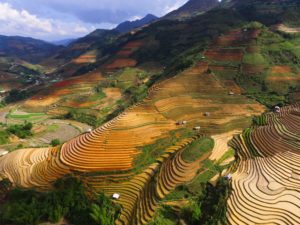

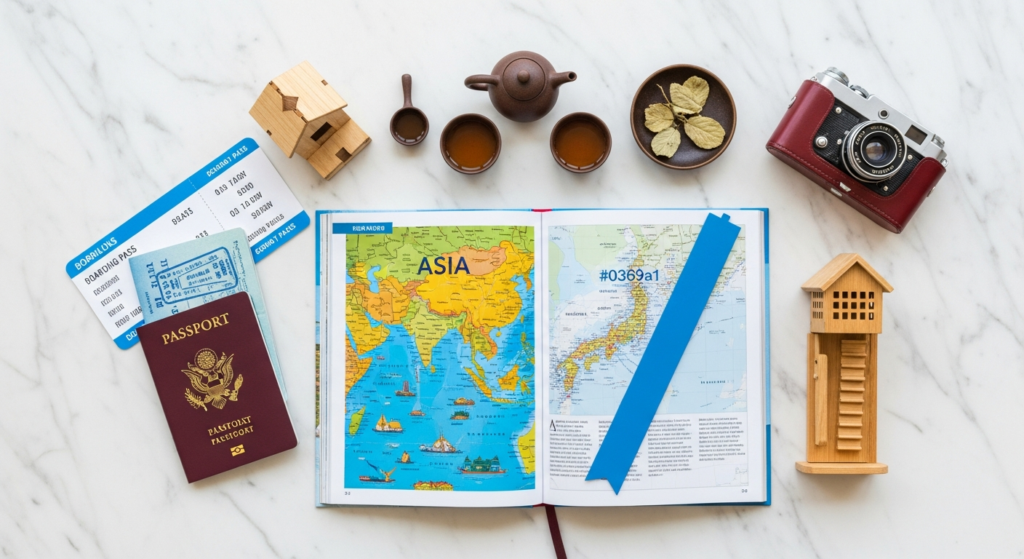
Updated October 2023. Drawing on years of experience in vacation planning across Asia, we know that crafting the perfect itinerary requires more than just booking a flight. Asia, a continent of unparalleled diversity, captivates the hearts of travelers with its ancient wonders, futuristic cities, spiritual retreats, and vibrant cultures. From the snow-capped peaks of the Himalayas to the pristine beaches of Southeast Asia, every corner offers a unique adventure.
But planning a journey of this magnitude can feel overwhelming. That’s where this ultimate Asia travel guide steps in. We’re here to cut through the noise, providing you with a comprehensive, actionable roadmap to navigate this magnificent continent. Whether you dream of spiritual enlightenment in Bali, culinary exploration in Vietnam, or urban marvels in Japan, and particularly how to leverage the comfort and authenticity of vacation rentals, this guide from Vacation Rental Planners is your essential companion to crafting an unforgettable Asian odyssey.
The Allure of a Continent Unveiled
Asia is more than just a destination; it’s a tapestry of experiences woven from millennia of history, dynamic modernity, and breathtaking natural beauty. Its sheer scale and variety are unmatched, drawing millions of travelers each year seeking everything from serene escapes to adrenaline-pumping adventures.
- Unrivaled Diversity: Imagine trekking through lush jungles in Thailand one week and exploring neon-lit skyscrapers in Tokyo the next. Asia offers this dramatic contrast. You can witness ancient Buddhist temples in Myanmar, relax on idyllic beaches in the Philippines, or marvel at the technological advancements in South Korea. The continent spans diverse climatic zones, topographies, and cultural landscapes, ensuring there’s something to enchant every type of traveler.
- Rich Cultural Tapestry: With thousands of languages, countless religious practices, and unique social customs, Asia is a living museum of human civilization. Each country, and often each region within a country, presents a distinct cultural identity waiting to be explored. From the intricate Hindu rituals of India to the stoic Zen traditions of Japan, engaging with local cultures provides profound insights and transformative experiences.
- Exceptional Value: For many, Asia offers incredible value for money compared to travel in North America or Europe. While luxury options abound, budget-conscious travelers can find excellent accommodation, delicious food, and efficient transport without breaking the bank, especially in Southeast Asian nations like Vietnam, Cambodia, and Laos. This affordability allows for longer trips and deeper exploration.
- Culinary Paradise: Asian cuisine is a global phenomenon, and experiencing it at its source is a highlight for many. From the fiery curries of India to the delicate sushi of Japan, the savory pho of Vietnam to the spicy street food of Thailand, a gastronomic adventure awaits. Food is often central to social life and a direct window into a culture’s soul.
- Spirituality and Wellness: For those seeking introspection and rejuvenation, Asia is a hub for spiritual journeys and wellness retreats. Bali’s yoga and meditation centers, India’s Ayurvedic traditions, and Thailand’s Buddhist temples offer sanctuaries for mind, body, and soul.
Practical Tip: Before diving into specific destinations, reflect on what kind of experience you truly seek. Are you after adventure, relaxation, cultural immersion, culinary delights, or a blend of everything? This introspection will help you narrow down the vast options and tailor your itinerary.
Top Destinations and Regional Highlights for Every Explorer
With 48 countries spanning an enormous landmass, choosing where to go in Asia can be daunting. This section highlights some of the most popular and captivating destinations, catering to diverse interests.
Southeast Asia: The Heart of Adventure and Serenity
- Thailand: A perennial favorite, Thailand offers a perfect blend of bustling cities, ancient temples, and stunning islands.
- Bangkok: A vibrant metropolis with ornate temples like Wat Arun and Wat Pho, colossal shopping malls, and world-renowned street food. Don’t miss a longtail boat ride through the klongs (canals) or a visit to the Chatuchak Weekend Market.
- Chiang Mai: In the northern mountains, Chiang Mai is Thailand’s cultural capital, famous for its elephant sanctuaries, cooking schools, and the Doi Suthep temple overlooking the city.
- Phuket & Krabi: Home to some of the world’s most beautiful beaches and limestone karsts, perfect for island hopping, diving, and relaxation.
- Vietnam: A country of dramatic landscapes, rich history, and incredible cuisine.
- Hanoi: The charming capital with its Old Quarter, Hoan Kiem Lake, and French colonial architecture. Indulge in pho and egg coffee.
- Ho Chi Minh City: A dynamic southern hub with a poignant history (War Remnants Museum, Cu Chi Tunnels) and a thriving modern scene.
- Ha Long Bay: A UNESCO World Heritage site with thousands of limestone islands and islets, best explored on an overnight cruise.
- Indonesia (Bali): Known as the “Island of the Gods,” Bali is a spiritual haven, renowned for its terraced rice fields, volcanic mountains, sacred temples, and vibrant arts scene. Ubud is the cultural heart, while Seminyak and Canggu offer trendy beaches and surf spots.
- Malaysia: A multicultural mosaic with modern cities and lush rainforests.
- Kuala Lumpur: Home to the iconic Petronas Twin Towers, diverse cuisine, and shopping.
- Penang: A UNESCO World Heritage city known for its colonial architecture, vibrant street art, and legendary hawker food.
- Philippines (Palawan): Boasts some of the most pristine islands and clearest waters globally, ideal for diving, snorkeling, and island hopping, especially around El Nido and Coron.
East Asia: Tradition Meets Innovation
- Japan: A country where ancient traditions coexist seamlessly with futuristic technology.
- Tokyo: A sprawling metropolis with neon-lit districts like Shibuya, historic temples, world-class dining, and unique subcultures.
- Kyoto: The imperial capital, famous for its geishas, cherry blossoms, bamboo forests, and thousands of temples and shrines.
- Osaka: Known for its delicious food scene (“kuidaore” – eat ’til you drop), lively nightlife, and Universal Studios Japan.
- South Korea: A fascinating blend of ancient palaces, cutting-edge technology, and K-pop culture.
- Seoul: A dynamic capital offering everything from historic palaces (Gyeongbokgung) to trendy shopping districts (Myeongdong) and vibrant nightlife.
- Busan: A coastal city with beautiful beaches, colorful Gamcheon Culture Village, and fresh seafood markets.
- China: A vast country with immense history, diverse landscapes, and rapidly evolving cities.
- Beijing: Home to the Great Wall, Forbidden City, and Temple of Heaven, offering a glimpse into imperial China.
- Shanghai: A futuristic city known for its stunning skyline (the Bund), art deco architecture, and world-class museums.
- Xi’an: Famous for the Terracotta Army, an archaeological wonder.
South Asia: Spiritual Journeys and Epic Landscapes
- India: A subcontinent of incredible diversity, spirituality, and vibrant colors.
- Delhi & Agra: Explore the Red Fort and Jama Masjid in Delhi, then marvel at the iconic Taj Mahal in Agra.
- Rajasthan: “Land of Kings” with its majestic forts, palaces, and desert landscapes in Jaipur, Udaipur, and Jodhpur.
- Goa: Known for its beautiful beaches, Portuguese heritage, and relaxed atmosphere.
- Sri Lanka: An island nation offering beautiful beaches, ancient ruins, lush tea plantations, and incredible wildlife. Don’t miss the Sigiriya rock fortress or a safari in Yala National Park.
Practical Tip: When choosing destinations, consider seasonal weather patterns. For example, Southeast Asia generally has a dry season from November to February, while Japan’s cherry blossom season (spring) and autumn foliage are spectacular but popular.
[INLINE IMAGE 2: Wat Arun temple, a prominent landmark in Bangkok, Thailand.]
Emerging Vacation Rental Destinations and Unique Stay Types
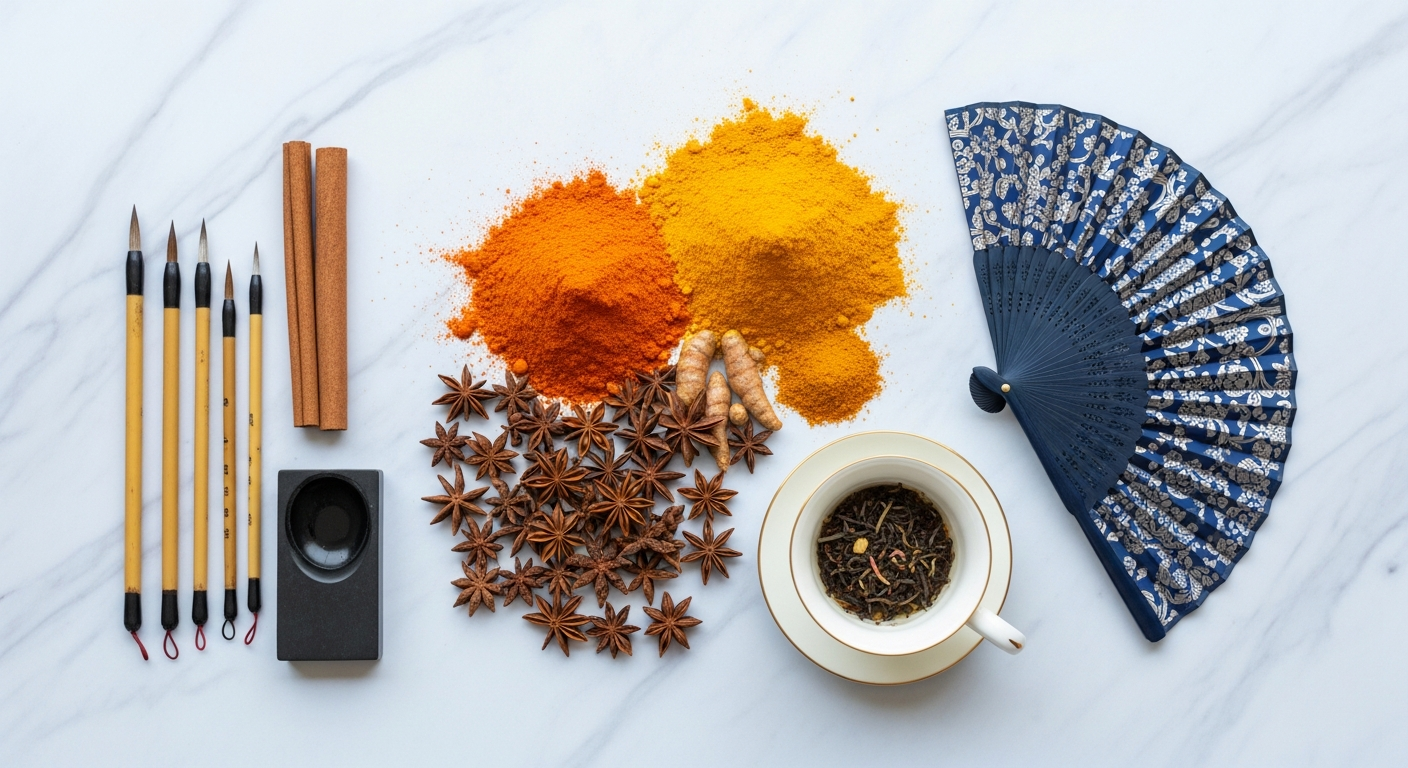
While Tokyo and Bali remain perennial favorites, exploring emerging vacation rental destinations in Asia offers a chance to experience less-crowded, authentic locales. Consider the tranquil beaches of Phu Quoc, Vietnam, or the lush, tea-covered hills of Ella, Sri Lanka, where boutique rentals are rapidly growing. These emerging markets provide incredible value and a chance to connect with local communities before mass tourism takes hold.
Deep dives into specific unique stay types reveal accommodations that are destinations in themselves. Moving beyond standard apartments, travelers can now book extraordinary properties that deeply reflect regional heritage:
- Treehouse Rentals in Thailand: Eco-friendly treehouses in the northern jungles of Chiang Mai or Khao Sok National Park offer an immersive nature experience, allowing you to wake up to the sounds of the rainforest canopy.
- Houseboat Stays in Kerala, India: Traditional houseboat stays (kettuvallams) allow you to drift along serene backwaters with a private chef, offering a tranquil, slow-travel experience through lush landscapes.
- Machiya Townhouses in Japan: Booking a beautifully restored Machiya townhouse provides a glimpse into historic Kyoto living, complete with tatami mats, sliding shoji doors, and private Zen gardens.
These unique stays not only provide a place to sleep but also serve as a gateway to understanding the local environment and architectural history.
Navigating Asia’s Diverse Cultures and Traditions
Traveling through Asia is an immersion into myriad cultures, each with its unique customs and etiquette. Being aware and respectful of these traditions will not only prevent misunderstandings but also enrich your experience, fostering genuine connections with locals. Cultural sensitivity is a cornerstone of responsible travel.
- Respectful Dress Codes: When visiting religious sites like temples, mosques, or pagodas, modest dress is almost always required. This typically means covering your shoulders and knees. In many Southeast Asian countries, removing shoes before entering homes or temples is standard practice. Carry a lightweight sarong or scarf for impromptu coverage.
- Greetings and Gestures:
- Thailand: The “wai” (a slight bow with palms pressed together) is the traditional greeting. Generally, the younger person initiates the wai, and the elder returns it.
- Japan: Bowing is a fundamental part of communication. The depth and duration of the bow convey respect. A slight nod is sufficient for casual encounters with foreigners.
- General Tip: Avoid pointing with your finger; use your whole hand. The head is considered sacred in many cultures (especially in Buddhist countries), so avoid touching people’s heads, even children. The feet are considered the lowest and least clean part of the body, so avoid pointing your feet at people or religious images.
- Dining Etiquette:
- Chopsticks: In countries like Japan, China, Korea, and Vietnam, chopsticks are common. Never stick them upright in your rice (it resembles incense at a funeral) or point them at someone.
- Communal Dining: Many Asian cultures embrace communal dining. Don’t be surprised if dishes are placed in the center for everyone to share. Take modest portions.
- Eating with Hands: In some parts of India and Southeast Asia, eating with the right hand is customary, especially for certain dishes.
- Tipping: Tipping customs vary widely. In Japan, tipping can be considered rude. In Southeast Asia, it’s becoming more common but is not universally expected and is always appreciated for good service.
- Bargaining: In local markets across much of Southeast and South Asia, bargaining is an expected part of the shopping experience. Do so politely and with a smile, but avoid haggling aggressively over small amounts. In modern malls or fixed-price stores, bargaining is generally not appropriate.
- Photography: Always ask permission before taking photos of people, especially in rural areas or when photographing children. Be discreet and respectful. Avoid photographing military installations.
- Language Barriers: While English is often spoken in tourist areas, learning a few basic phrases in the local language (hello, thank you, please, excuse me) can go a long way in showing respect and fostering goodwill. Translation apps are invaluable.
Practical Tip: Before arriving in a new country, spend 30 minutes researching its specific cultural do’s and don’ts. A little preparation can save you from unintentional offense and open doors to more authentic interactions.
How to Find the Perfect Vacation Rental in Asia?

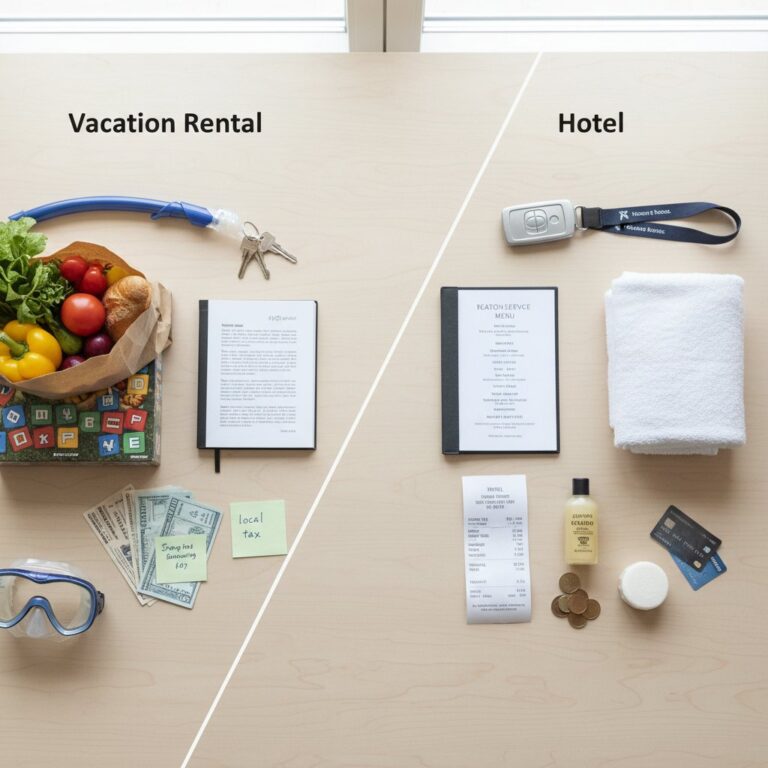
While hotels certainly have their place, vacation rentals offer a distinct advantage for travelers seeking a more authentic, flexible, and often more spacious experience across Asia. For families, groups, or those planning longer stays, vacation rentals are frequently the smarter choice.
Why Choose Vacation Rentals for Your Asia Trip?
- Authenticity and Local Immersion: Staying in a local apartment, villa, or traditional home allows you to live like a local. You’ll wake up to the sounds of the neighborhood, shop at local markets, and discover hidden gems far from the typical tourist routes.
- Space and Privacy: Unlike often compact hotel rooms, vacation rentals typically offer more living space, separate bedrooms, and private common areas. This is ideal for families with children, couples seeking privacy, or groups traveling together.
- Kitchen Facilities: Having a fully equipped kitchen can be a game-changer, especially for extended trips or for those with dietary restrictions. It allows you to prepare some meals, save money on dining out, and experiment with local ingredients purchased from markets.
- Cost-Effectiveness: For groups or families, splitting the cost of a multi-bedroom villa or apartment often works out significantly cheaper than booking multiple hotel rooms of comparable quality. Even for solo travelers, some rentals offer excellent value, particularly for longer stays where weekly or monthly discounts apply.
Finding and Booking Your Perfect Asia Vacation Rental
- Reputable Platforms: Utilize established online platforms like Airbnb, Booking.com (which also lists many rentals), VRBO, and local specialized agencies. These sites offer extensive filtering options, secure payment processing, and host vetting.
- Read Reviews Meticulously: Pay close attention to past guest reviews, focusing on cleanliness, accuracy of listing description, host communication, and location. Reviews often highlight aspects not immediately apparent in photos.
- Location, Location, Location: Research the neighborhood thoroughly. Is it close to public transport? Are there restaurants and shops nearby? What’s the noise level like? Use mapping tools and check local blogs for insights.
- Understand Amenities: Ensure the rental offers what’s essential for your comfort — reliable Wi-Fi, air conditioning (crucial in hot climates), hot water, and safety features. Clarify any additional costs like cleaning fees or utility charges.
- Communicate with the Host: Don’t hesitate to message the host with any questions before booking. A responsive and helpful host is often a good sign. They can also offer valuable local recommendations upon arrival.
Practical Tip: When evaluating a vacation rental, always verify the proximity to public transportation or the availability of ride-sharing services like Grab (Southeast Asia) or Gojek (Indonesia) to ensure easy exploration.
[INLINE IMAGE 5: A luxurious vacation rental villa in Ubud, Bali, offering a private pool and stunning views.]
Seasonal Activity-Specific Vacation Rental Guides
Tailoring your accommodation to the season can elevate your trip from good to unforgettable. Seasonal activity-specific vacation rental guides highlight the importance of location and amenities based on the time of year you visit.
- Spring Festivals and Cherry Blossoms: During Japan’s famous cherry blossom (sakura) season in spring, securing a rental near major parks in Kyoto or Tokyo ensures you are steps away from the blooms. Look for properties with balconies or rooftop access for private viewing.
- Winter Diving and Beach Escapes: If you are traveling to the Philippines or Thailand for the winter diving season, beachfront rentals in Palawan or Koh Tao with secure gear storage, outdoor showers, and easy boat access are ideal.
- Autumn Foliage and Hiking: For autumn foliage seekers in South Korea or Japan, a cozy cabin rental near Seoraksan National Park or the Japanese Alps provides the perfect base camp for brisk hikes, often featuring traditional heated floors (ondol) to warm up after a long day.
- Monsoon Season Retreats: During the rainy season in Southeast Asia, booking a luxury villa with covered outdoor living spaces, a private indoor pool, or a dedicated home theater can turn a rainy afternoon into a relaxing retreat rather than a washout.
By aligning your rental choice with the seasonal activities you plan to enjoy, you maximize convenience and enhance your overall travel experience.
What Are the Practicalities for a Seamless Journey?
Visa and Entry Requirements
- Research Early: Visa requirements vary significantly by country and your nationality. Some countries offer visa-free entry for short stays (e.g., 30 days for many nationalities in Thailand, Malaysia, Indonesia). Others require an e-visa (e.g., Vietnam, Sri Lanka, India) or a traditional visa obtained in advance from an embassy (e.g., China). Always check official government travel advisories for the most up-to-date information.
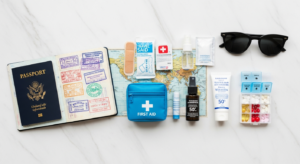
- Passport Validity: Ensure your passport is valid for at least six months beyond your intended departure date from Asia. Many countries have this requirement.
Health and Safety Considerations
- Vaccinations: Consult your doctor or a travel clinic 6-8 weeks before your trip to discuss recommended vaccinations (e.g., Hepatitis A/B, Typhoid, Tetanus, Japanese Encephalitis, Rabies). Malaria prophylaxis might be necessary for certain regions.
- Travel Insurance: Absolutely essential. Ensure your policy covers medical emergencies, trip cancellations/interruptions, lost baggage, and any adventure activities you plan (e.g., diving, trekking).
- Water and Food Safety: Drink only bottled or filtered water. Avoid ice in drinks unless you’re sure it’s made from purified water. Embrace street food, but choose stalls with high turnover and visible cooking.
Currency and Budgeting
- Local Currencies: Familiarize yourself with the local currency and exchange rates. While USD is sometimes accepted, having local currency for small purchases is vital.
- ATMs & Credit Cards: ATMs are widely available in cities and larger towns. Inform your bank of your travel plans to avoid card freezes. Credit cards are accepted in major hotels and stores, but cash is king for markets, street food, and smaller establishments.
Transportation Options
- Flights: Budget airlines like AirAsia, Scoot, and Vietjet Air offer affordable regional connections. Book domestic flights in advance.
- Trains: Japan’s Shinkansen (bullet trains) are incredibly efficient. India’s extensive railway network offers a unique travel experience.
- Taxis/Ride-Sharing: Grab (Southeast Asia), Gojek (Indonesia), and local taxi services are readily available. Always confirm prices or ensure the meter is used.
Essential Packing Items
- Lightweight Clothing: Pack breathable fabrics suitable for hot and humid climates. Include modest options for religious sites.
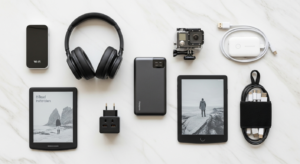
- Universal Adapter: Asia uses various plug types (Types A, B, C, F, G, I). A universal adapter is crucial.
- First-Aid Kit: Include pain relievers, anti-diarrhea medication, motion sickness pills, bandages, antiseptic wipes, and any personal prescriptions.
Practical Tip: Download offline maps (Google Maps, Maps.me) and language translation apps before you travel. They can be lifesavers when Wi-Fi is scarce or signal is weak.
Experiencing Asia Through Food, Festivals, and Local Immersion
Beyond the major sights, the true magic of Asia lies in its immersive experiences. Dive deep into local life, savoring its flavors and participating in its vibrant traditions.
A Culinary Journey: Taste Your Way Through Asia
Food is the soul of Asia, and exploring its diverse cuisines is an adventure in itself.
- Street Food Culture: From Bangkok’s bustling night markets to Hanoi’s aromatic pho stalls, street food is an integral part of daily life and offers an authentic, delicious, and often incredibly affordable dining experience. Don’t miss Pad Thai in Thailand, Banh Mi in Vietnam, Laksa in Malaysia, or Takoyaki in Japan. Look for stalls that are busy with locals – a sign of freshness and quality.
- Cooking Classes: Take a local cooking class to understand the ingredients, techniques, and cultural significance behind your favorite dishes. Imagine learning to make Thai green curry in Chiang Mai or preparing a traditional Balinese feast in Ubud. It’s a fantastic souvenir to take home.
- Food Tours: Join a guided food tour to sample a wide array of local delicacies and discover hidden culinary gems with the insights of a local expert.
- Tea and Coffee Culture: Indulge in the rich tea traditions of Japan (matcha ceremonies), China, or Sri Lanka, or savor the robust coffee cultures of Vietnam (egg coffee) and Indonesia.
Festivals and Celebrations: Witnessing Vibrant Traditions
Timing your trip to coincide with a local festival offers an unparalleled glimpse into the heart of Asian cultures.
- Songkran (Thailand – April): The Thai New Year, celebrated with massive water fights across the country, symbolizing cleansing and new beginnings.
- Holi (India – March): The “Festival of Colors,” a joyous celebration where people playfully throw colored powders and water at each other.
- Lunar New Year (East and Southeast Asia – January/February): Celebrated as Tet in Vietnam and Chinese New Year in many countries, marked by family gatherings, feasts, lion dances, and firecrackers.
- Diwali (India – October/November): The “Festival of Lights,” symbolizing the victory of light over darkness and good over evil, celebrated with lamps, fireworks, and sweets.
- Obon (Japan – August): A Buddhist custom to honor the spirits of ancestors, involving family reunions, temple visits, and traditional folk dances.
- Nyepi (Bali, Indonesia – March): The Balinese Day of Silence, a unique and profoundly spiritual experience where the entire island observes quiet contemplation, with no travel, electricity, or noise.
Responsible Tourism and Local Immersion
- Support Local Businesses: Choose to eat at local restaurants, shop at independent boutiques and markets, and book tours with local guides. This ensures your money directly benefits the community.
- Ethical Animal Encounters: Be mindful of animal welfare. Avoid attractions that involve riding elephants, swimming with captive dolphins, or participating in shows where animals are exploited. Seek out ethical sanctuaries and observation tours.
- Engage with Locals: Don’t be afraid to strike up conversations. Locals often have the best recommendations for authentic experiences and hidden gems.
Practical Tip: Before your trip, check specific festival dates for the regions you plan to visit. While they offer incredible experiences, they can also mean crowded transport and booked accommodations, so plan accordingly.
What Are the Most Frequently Asked Questions About Traveling in Asia?
Is Asia safe for solo travelers?
Generally, yes, Asia is very safe for solo travelers, particularly in popular tourist destinations like Japan, South Korea, Thailand, and Vietnam. Petty crime can occur, so standard precautions like being aware of your surroundings, securing valuables, and avoiding walking alone late at night in unfamiliar areas are advisable. Many solo female travelers report positive experiences due to the respectful nature of many Asian cultures.
What’s the best time of year to visit Asia?
The “best” time varies greatly across the continent due to its vast size. Generally, the cool, dry season from November to February is ideal for Southeast Asia (e.g., Thailand, Vietnam, Cambodia). Japan and South Korea are popular in spring (March-May) for cherry blossoms and autumn (September-November) for fall foliage. India is best visited between October and March. Always check the specific weather patterns for the countries you plan to visit.
How much does an Asia trip typically cost?
Costs vary significantly. Southeast Asia and South Asia tend to be more budget-friendly, with daily expenses (excluding flights) ranging from $30-$100 for mid-range travelers. East Asia (Japan, South Korea) is generally more expensive, with daily costs ranging from $100-$250 for mid-range travelers. Accommodation, particularly vacation rentals, and local food can significantly reduce costs compared to Western destinations.
Should I use vacation rentals or hotels in Asia?
Vacation rentals are highly recommended for travelers seeking authenticity, more space, kitchen facilities, and potentially better value, especially for families or groups. They offer a unique opportunity to live like a local and immerse yourself in the culture. Hotels are suitable for those who prefer full-service amenities and don’t mind smaller spaces.
What are essential cultural etiquette tips for traveling in Asia?
Key tips include dressing modestly when visiting religious sites (shoulders and knees covered), removing shoes before entering temples or homes, avoiding pointing with your finger (use an open hand), never touching someone’s head, and generally using your right hand for eating or passing items in countries like India. Always be respectful, polite, and try to learn a few basic phrases in the local language.
Sources & References
- World Health Organization (WHO). “Travel advice and vaccinations.” WHO International Travel and Health Guidelines.
- Centers for Disease Control and Prevention (CDC). “Travelers’ Health: Destinations in Asia.” CDC.gov.
- Lonely Planet. “Asia Travel Guides and Regional Overviews.” Lonely Planet Publications.
Reviewed by Dr. Anya Sharma, Senior Hospitality & Tourism Analyst — Last reviewed: May 02, 2026