
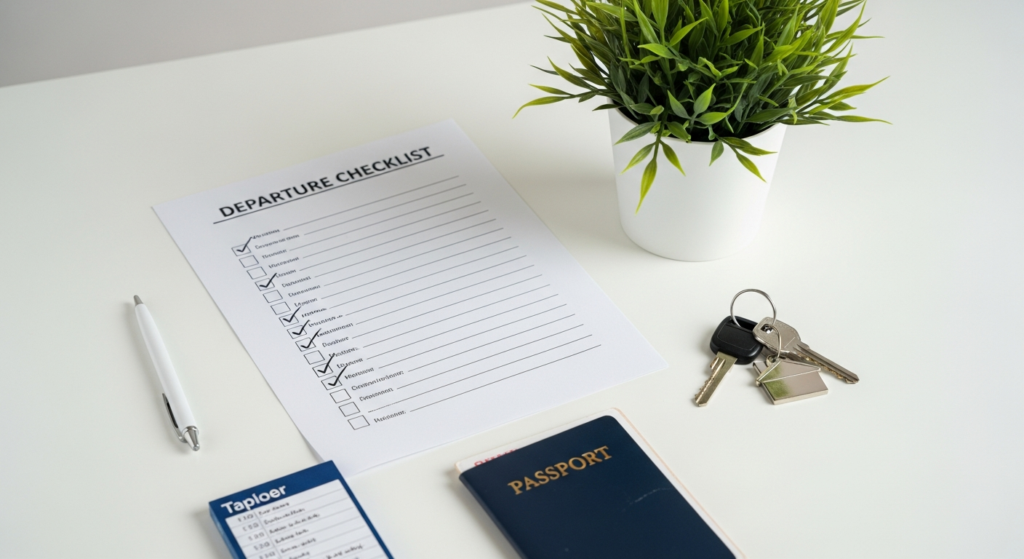
Your Ultimate Pre-Trip Checklist: Unlocking a Seamless Vacation Experience
Ah, the thrill of an upcoming getaway! That flutter of excitement as you dream of sun-kissed beaches, majestic mountain vistas, or the vibrant pulse of a new city. At Vacation Rental Planners, we live for that feeling – and we believe the secret to truly savoring every moment of your adventure begins long before you even step out the door. Imagine arriving at your dreamy Airbnb in Santorini, a charming VRBO in Orlando, or a cozy Booking.com find in the Rockies, feeling utterly relaxed and ready to immerse yourself, knowing every detail back home and for your journey has been meticulously handled. That’s the peace of mind we want for you, whether you’re a seasoned traveler, a family embarking on an epic road trip, or a short-term rental host preparing for your own well-deserved break.
This comprehensive guide isn’t just a list; it’s your trusted companion, designed to transform pre-travel jitters into a confident, calm anticipation. We’re here to help you navigate the crucial steps before you leave home, ensuring your adventure unfolds beautifully, from the first spark of inspiration to your joyous return. Let’s dive in and make your next vacation not just memorable, but effortlessly perfect!
1. The Pre-Departure Paperwork & Digital Dossier: Your Essential Travel Toolkit
Before you can truly relax into vacation mode, the foundation of your journey must be solid. This means gathering and organizing all vital documents, both physical and digital. Think of this as your personal travel command center, ensuring you’re prepared for any scenario, from smooth border crossings to unexpected emergencies.
Passports & Visas: Your Golden Tickets
- Check Expiration Dates: This is non-negotiable! Many countries require your passport to be valid for at least six months beyond your intended departure date. Don’t let a forgotten expiry ruin your trip. If you discover it’s close, expedite renewal immediately. For example, a trip to Thailand requires at least six months of passport validity, and the renewal process can take several weeks or even months, costing anywhere from $130-$200 for standard processing, plus potential expedited fees.
- Visa Requirements: Research visa requirements for your destination well in advance. Countries like Vietnam or Brazil often require visas for many nationalities, and the application process can be lengthy. Check official government websites or reputable visa service providers. A tourist visa for Vietnam, for instance, can cost around $25-50 for a single entry and take up to 3 business days, but rushing it will incur higher fees.
Booking Confirmations & Itinerary: Your Road Map
- Accommodation: Print or save digital copies of all your Airbnb, VRBO, or Booking.com confirmations. Include check-in instructions, host contact details, and precise addresses. For a family vacation to a Disney-area villa in Orlando, having these readily accessible means you can bypass Wi-Fi woes upon arrival and head straight to your magical home away from home.
- Flights & Transportation: Keep flight e-tickets, train passes, and car rental reservations handy. Note confirmation numbers, flight times, and airline contact information. Consider pre-booking airport transfers, especially if arriving late or with young children. A shuttle service from Maui’s Kahului Airport to your Kihei condo might cost $30-50 per person, but the convenience after a long flight is priceless.
- Activities & Tours: If you’ve pre-booked excursions – perhaps a sunset cruise in the Greek Isles or a family-friendly snorkeling trip in the Caribbean – ensure you have all confirmation details, meeting points, and contact numbers.
Insurance & Medical Information: Your Safety Net
- Travel Insurance: Invest in comprehensive travel insurance. This covers everything from trip cancellations and medical emergencies to lost luggage. Policies can range from $50-$300+ depending on coverage and trip length, but the peace of mind is invaluable. For a family skiing trip to Colorado, imagine the relief of knowing medical expenses for a minor injury on the slopes are covered.
- Health & Emergency Contacts: Carry a list of emergency contacts, medical conditions, allergies, and current medications (generic names too). If traveling internationally, research local emergency numbers.
Digital Copies & Cloud Storage: The Modern Safeguard
- Scan Everything: Make digital copies of your passport, driver’s license, credit cards (front and back, noting the emergency numbers), insurance policies, and all booking confirmations.
- Cloud & Email Storage: Upload these scans to a secure cloud service (Google Drive, Dropbox) and email them to yourself and a trusted family member. This ensures access even if your physical documents or devices are lost or stolen.
- Offline Access: Download essential documents to your phone or tablet for offline access, especially for areas with limited connectivity, like a remote cabin rental in the Smoky Mountains.
2. Packing Smart: The Art of Anticipation
Packing is often seen as a chore, but we see it as an art form – the art of anticipating your needs and curating a wardrobe and toolkit that enhances your travel experience. The goal is to pack light, smart, and effectively, avoiding both overpacking and forgetting crucial items.
The Essentials: Never Leave Home Without Them
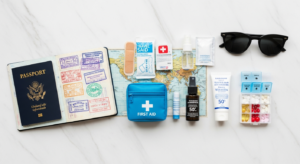
- Medications: Pack all prescription medications in their original containers, clearly labeled. Include a copy of your prescription. Don’t forget over-the-counter essentials like pain relievers, allergy medication, motion sickness remedies, and any personal toiletries you can’t live without.
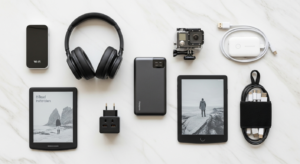
- Chargers & Adapters: Every device needs power! Pack chargers for your phone, tablet, camera, and any other electronics. For international travel, bring universal power adapters (e.g., a universal adapter compatible with European, UK, and Asian sockets costs around $15-$30).
- Basic Toiletries: Even if your vacation rental provides some, having your preferred shampoo, conditioner, toothbrush, and toothpaste ensures comfort. For carry-on, remember the TSA liquid rule: containers must be 3.4 ounces (100 milliliters) or less and fit in one quart-sized bag.
Wardrobe Wisdom: Dress for Success (and Comfort!)
- Layering is Key: Regardless of the season or destination, layering is your best friend. Pack versatile pieces that can be dressed up or down. A light jacket or cardigan is essential even for summer evenings, especially in coastal areas like the Oregon Coast where temperatures can drop significantly.
- Check the Forecast: Before packing, always check the weather forecast for your destination for your entire trip duration. This will guide your clothing choices – think light linens for a summer trip to Rome (temperatures can soar to 90°F+ in July) or thermal layers for a winter ski trip in Banff (temperatures can drop below 0°F).
- Comfortable Shoes: This is paramount! Whether you’re exploring ancient ruins, hiking national park trails, or strolling city streets, comfortable walking shoes are non-negotiable. Pack at least two pairs.
- Swimwear & Beach Gear: If your destination involves water, don’t forget swimsuits, cover-ups, and perhaps a quick-drying towel. For a family trip to a beachfront rental in Destin, Florida, packing these saves you the hassle and expense of buying them there.
Family-Friendly Focus: Keeping Everyone Happy
- Kids’ Essentials: Pack favorite toys, books, comfort items, and age-appropriate entertainment (tablets with downloaded movies/games for travel days). Don’t forget extra outfits, diapers, wipes, and any specific snacks for little ones.
- Baby Gear: If traveling with infants, check if your vacation rental provides a crib, high chair, or stroller. Many hosts on Airbnb and VRBO specify these amenities. If not, consider renting locally or bringing your own travel-friendly versions.
- First-Aid Kit: A small kit with band-aids, antiseptic wipes, pain relievers (child-friendly options too), insect repellent, and sunscreen is a must for any family.
Carry-On Savvy: Your Personal Survival Kit
- Change of Clothes: Always pack at least one change of clothes in your carry-on, just in case your checked luggage is delayed.
- Valuables & Documents: Keep all important documents, medications, jewelry, and electronics in your carry-on.
- Snacks & Water Bottle: Avoid expensive airport food by packing your own snacks. Bring an empty reusable water bottle to fill up after security.
3. Home Sweet Home Security & Preparation
While your mind might be drifting to exotic locales, remember the importance of securing and preparing your home before you leave. A little foresight here ensures you return to a safe, sound, and undisturbed sanctuary.
Secure Your Abode: Peace of Mind
- Lock Everything: Double-check all windows, doors, and any secondary access points (garage, sheds). Consider adding extra locks or security bars for extended trips.
- Alarm Systems: If you have a home security system, ensure it’s armed and functioning correctly. Notify your alarm company of your travel dates.
- Outdoor Security: Bring in any valuable outdoor items (bicycles, tools, garden ornaments) that could be easily stolen. Lock outdoor sheds and gates.
- Mail & Deliveries: Arrange for mail to be held by the post office or ask a trusted neighbor to collect it daily. Cancel or pause any regular deliveries (newspapers, milk, meal kits) to avoid an overflowing doorstep, which signals an empty house.
Utilities & Appliances: Preventing Unwanted Surprises
- Unplug Electronics: Unplug non-essential electronics (TVs, computers, small kitchen appliances) to save energy and protect against power surges.
- Thermostat Settings: Adjust your thermostat to an energy-saving setting, but don’t turn it off completely. In summer, set it higher (e.g., 80-82°F) to prevent mold growth. In winter, set it lower (e.g., 55-60°F) to prevent pipes from freezing, especially in colder climates. This can save you $20-$50 on an average utility bill for a week-long trip.
- Water Main: For extended trips, consider turning off the main water supply to prevent potential leaks or bursts, especially in older homes. Empty and unplug your refrigerator if leaving for several weeks.
- Trash & Recycling: Empty all trash cans and take out the recycling to prevent odors and pests.
Trusted Contacts & Communication: Your Local Network
- Neighbor/Friend Check-in: Inform a trusted neighbor or friend of your travel plans and provide them with an emergency contact number. Ask them to periodically check on your home, water plants, or feed pets. Offer to reciprocate!
- Emergency Key: Leave a spare key with your trusted contact, clearly labeled with your contact info, for emergencies only.
- Pet Care: Arrange for pet sitting, boarding, or daily visits from a pet sitter. Provide detailed instructions regarding feeding, medication, and vet contact information. A professional pet sitter might charge $20-$40 per visit, or boarding can range from $30-$70 per night, depending on the service and location.
4. Financial Fortitude & On-the-Go Connectivity
Smart financial planning and ensuring you stay connected are crucial elements of a stress-free trip. You want to enjoy your experiences without worrying about money woes or being cut off from essential information.
Money Matters: Cash, Cards, and Cautions
- Notify Your Bank & Credit Card Companies: Inform your banks and credit card providers of your travel dates and destinations. This prevents them from flagging your transactions as suspicious and freezing your cards. Many banks now allow you to set travel notifications online or via their app.
- Multiple Payment Methods: Carry a mix of payment options: your primary credit card, a backup credit card, and a debit card for ATM withdrawals. Keep them in separate places to minimize risk if one is lost or stolen.
- Local Currency: While cards are widely accepted, having some local currency for small purchases, tips, or emergencies is always wise. Research typical tipping customs for your destination. For a week in Paris, having €100-€200 in euros for small cafes or market purchases is a good idea. Avoid airport currency exchanges, which often have poor rates; instead, withdraw from an ATM upon arrival.
- Budgeting: Have a clear idea of your daily budget for food, activities, and souvenirs. Vacation Rental Planners recommends setting a daily allowance (e.g., $50-$100 per person for food and incidental expenses in a mid-range destination like Lisbon or Budapest, excluding major tours).
Staying Connected: Your Digital Lifeline
- Phone Plan: Contact your mobile provider about international roaming options. Often, purchasing a local SIM card upon arrival or using an eSIM (like Airalo or Holafly, which can cost $10-$30 for a week of data) is more cost-effective than international roaming packages. Ensure your phone is unlocked if you plan to use a local SIM.
- Portable Wi-Fi Hotspot: For families or groups needing constant connectivity, consider renting a portable Wi-Fi hotspot, especially useful for remote areas or if your vacation rental has spotty internet.
- Download Offline Maps: Before you leave, download offline maps of your destination using Google Maps or similar apps. This is invaluable when you don’t have data or Wi-Fi, especially for navigating new cities like Kyoto or exploring national parks.
- Essential Apps: Download translation apps, ride-sharing apps (Uber, Lyft, local equivalents), and local public transport apps.
5. The Last-Minute Sweep: Don’t Forget the Finer Details
You’re almost there! These final checks before you lock the door are like the perfect garnish on a gourmet meal – they ensure everything is just right, leaving you with absolute peace of mind as you embark on your adventure.
The Final Walk-Through: A Quick Inspection
- Lights: Turn off all unnecessary lights. Consider smart home lighting systems that can simulate occupancy or timers for a few lamps to deter potential intruders.
- Perishables: Clear out the refrigerator of any perishable items that might spoil and create odors. Finish off opened foods.
- Water: Check that all faucets are turned off and toilets aren’t running.
- Thermostat: Double-check your energy-saving thermostat settings.
- Windows & Doors: One last visual check on all windows and doors to ensure they are locked securely.
Tech Readiness: Fully Charged & Ready to Go
- Charge Devices: Ensure all your phones, tablets, e-readers, and power banks are fully charged. There’s nothing worse than a dead phone before you even reach the airport!
- Download Entertainment: Download movies, podcasts, and music for your journey. This is especially vital for long flights or car rides with children.
Communication & Courtesy: The Human Touch
- Inform Loved Ones: Let close family or friends know your travel plans, including your itinerary and estimated return date.
- Neighborly Courtesy: A quick wave or text to your trusted neighbor, letting them know you’re off, can be a thoughtful gesture.
- Set Out-of-Office: If applicable, set an “out of office” reply for your work emails and update your voicemail message.
FAQ: Your Pre-Trip Planning Questions Answered
Q1: How far in advance should I start planning my travel checklist?
A1: For international trips or peak season travel, we recommend starting 3-6 months in advance, especially for passport/visa checks and major bookings (flights, popular vacation rentals like beachfront homes in Hawaii or ski chalets in Aspen). For domestic trips or off-peak travel, 1-2 months is generally sufficient. The earlier you start, the more choices you’ll have and potentially better prices!
Q2: What’s the most common item travelers forget to pack?
A2: Chargers and power adapters! It’s an almost universal forget-me-not. Another common one is prescription medication, or a printout of the prescription. Always make a dedicated “Electronics” and “Medications” section on your packing list to avoid these oversights.
Q3: Is travel insurance really necessary, or just an extra expense?
A3: Absolutely necessary! While it feels like an extra expense, comprehensive travel insurance is your safety net. It can save you thousands in medical emergencies abroad (e.g., a broken leg while hiking in Patagonia could cost $10,000+ without insurance), cover trip cancellations due to unforeseen circumstances, or compensate for lost luggage. It’s peace of mind for an investment typically ranging from 3-10% of your total trip cost.
Q4: How can I best protect my home while I’m away for an extended period?
A4: Beyond locking up and stopping mail, consider smart home devices like Wi-Fi enabled cameras or smart plugs for lights, allowing you to monitor and control things remotely. Ask a trusted neighbor or house sitter to physically check on your home regularly, ideally every few days, to collect flyers, water plants, and make the home look occupied. Don’t broadcast your travel dates on social media until you’ve returned!
Q5: What’s the best way to handle money when traveling internationally?
A5: A combination approach works best. Notify your banks of travel, carry two different credit cards (Visa/Mastercard are widely accepted) from separate banks, and a debit card for ATM withdrawals of local currency. Avoid carrying large amounts of cash. Research local currency exchange rates before you go, and always choose to be charged in the local currency when using your card abroad to avoid dynamic currency conversion fees.
Conclusion: Your Passport to a Perfect Getaway
There you have it – your definitive roadmap to a stress-free departure and an unforgettable vacation. At Vacation Rental Planners, we believe that meticulous preparation isn’t about stifling spontaneity; it’s about liberating it. By taking the time to organize your documents, pack thoughtfully, secure your home, and manage your finances, you’re setting the stage for an adventure where your only concern is which incredible experience to embrace next.
Imagine stepping onto that pristine beach in the Maldives, exploring the bustling souks of Marrakech, or cozying up by the fireplace in your mountain cabin, with a clear blue sky of worry-free possibilities stretching before you. That’s the magic of being truly prepared. So, take a deep breath, follow this checklist, and get ready to create cherished memories. Happy travels from your friends at Vacation Rental Planners – we can’t wait to hear about your incredible journeys!