
Understanding Faith-Based Summer Programs for Toddlers
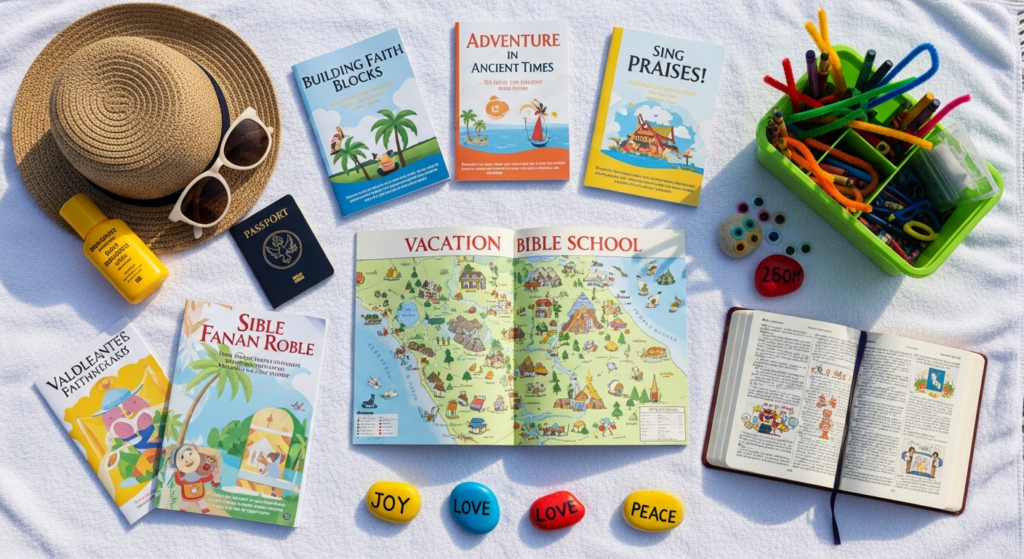
Faith-based summer programs, often referred to as Vacation Bible School (VBS), church camps, or community-led spiritual enrichment programs, are specially designed initiatives that integrate religious teachings and values into a fun, engaging summer curriculum. Unlike conventional daycare or preschool summer programs, these offerings provide an intentional focus on spiritual development alongside social, emotional, and cognitive growth. For toddlers, the approach is always gentle, age-appropriate, and centered around hands-on activities, storytelling, and play.
The core objective of these programs is to introduce very young children to fundamental spiritual concepts such as love, forgiveness, generosity, and community in a way that resonates with their developmental stage. This often means less direct theological instruction and more emphasis on experiential learning. Toddlers might learn about sharing through a group snack time, understand kindness by helping a friend with a puzzle, or appreciate creation through outdoor play and nature walks.
Key characteristics of faith-based summer programs for toddlers include:
- Play-Based Learning: The primary mode of instruction for toddlers is always play. Activities are designed to be fun and interactive, allowing children to learn through exploration and discovery.
- Simple Spiritual Stories: Narratives from religious texts are often adapted into simple, relatable stories that convey moral lessons without being overwhelming. These stories are usually accompanied by visual aids, puppets, or interactive elements.
- Songs and Movement: Music plays a vital role in toddler programs. Catchy songs with simple lyrics often reinforce spiritual themes, while movement and dance help burn energy and engage children physically.
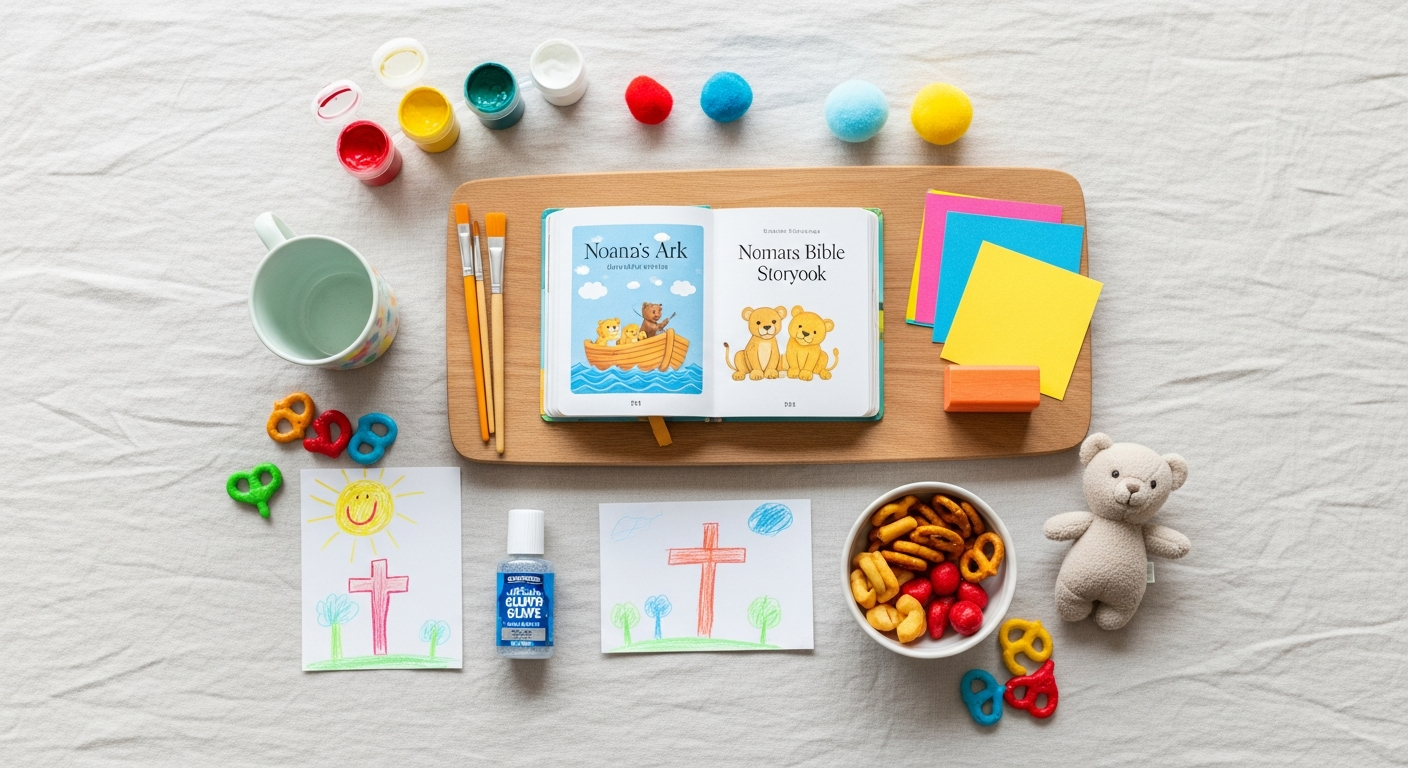
- Crafts and Creative Expression: Art projects are a staple, allowing toddlers to express themselves while often creating something tangible related to the day’s theme or story. This could be anything from painting a picture of a rainbow after a story about Noah’s Ark to decorating a heart after a lesson on love.
- Community and Fellowship: A strong emphasis is placed on building a sense of belonging and community. Toddlers learn to interact with peers and caring adults in a structured, supportive environment.
- Caring Adult Role Models: Staff and volunteers are typically members of the faith community, chosen for their dedication, patience, and ability to connect with young children. They serve as positive role models, embodying the values taught in the program.
These programs are not about rigorous academic instruction but rather about fostering a sense of wonder, belonging, and an early understanding of spiritual principles through joyful engagement. For parents seeking to introduce their toddlers to their faith in a gentle and celebratory manner, these summer programs offer an unparalleled opportunity.
Benefits of Faith-Based Programs for Toddlers
Enrolling your toddler in a faith-based summer program offers a multitude of benefits that extend far beyond the duration of the program itself. These advantages touch upon various aspects of a child’s development, laying a strong foundation for future growth.
- Early Introduction to Spiritual Concepts: Toddlers are incredibly receptive to new ideas, and faith-based programs provide a gentle, age-appropriate introduction to core spiritual concepts like love, compassion, forgiveness, gratitude, and the importance of community. These aren’t abstract lessons but are woven into daily activities, stories, and interactions, making them tangible and relatable for young minds. They learn that being kind to a friend is an act of love, or sharing a toy demonstrates generosity.
- Enhanced Social Development: Group settings are crucial for social skill development. In a faith-based program, toddlers learn to share, take turns, cooperate on simple tasks, and interact respectfully with peers and adults. The emphasis on universal values naturally encourages empathy and consideration for others, fostering positive social behaviors from an early age. They learn the joy of belonging to a group and contributing to shared activities.
- Emotional Growth and Security: Being part of a loving and supportive community provides toddlers with a sense of security and belonging. The consistent presence of caring adults and the emphasis on unconditional love can significantly boost a child’s self-esteem and emotional resilience. They learn to express emotions in healthy ways and navigate social situations with guidance, building confidence in a nurturing environment.
- Cognitive Stimulation through Engaging Activities: While spiritual in nature, these programs are rich in cognitive opportunities. Storytelling enhances listening skills and imagination. Crafts develop fine motor skills, creativity, and problem-solving. Songs aid in language development, memory, and rhythm. Simple puzzles, sensory bins, and building blocks further stimulate their growing minds, all often themed around the day’s spiritual lesson.
- Physical Activity and Outdoor Exploration: Most quality toddler programs recognize the importance of physical activity. Faith-based programs often incorporate outdoor play, structured games, and movement activities into their daily schedule. This allows toddlers to burn energy, develop gross motor skills, and explore the natural world. When considering a program, it’s wise to ensure they prioritize creating a safe outdoor environment for your family, even within the program’s setting. Look for fenced areas, age-appropriate play equipment, and attentive supervision during outdoor sessions. This physical engagement is vital for overall health and development.
- Parental Peace of Mind: Knowing your child is in a safe, stimulating, and values-driven environment can provide immense peace of mind. Parents can trust that their toddlers are not only being cared for but also being nurtured spiritually and morally, aligning with family values. This allows parents to focus on other responsibilities or simply enjoy a moment of quiet, knowing their child is thriving.
In essence, faith-based summer programs offer a holistic experience for toddlers, combining the joy of summer fun with profound lessons that contribute to their character development and spiritual foundation.
Key Considerations When Choosing a Program for Your Toddler
-
Denominational Alignment and Values:
This is often the primary consideration. Does the program’s specific faith tradition align with your family’s beliefs? While many programs focus on universal values like love and kindness, others may delve deeper into specific doctrines. Research the sponsoring organization (church, synagogue, mosque, etc.) and inquire about their specific approach to teaching toddlers. Some programs are broadly Christian, while others might be Catholic, Protestant, Jewish, or interfaith. Ensure the spiritual content is something you are comfortable with and wish for your child to be exposed to.
-
Program Structure and Schedule:
Toddler programs vary significantly in length and frequency. Are you looking for a half-day or full-day program? Is it a week-long intensive, or does it run for several weeks? Consider your toddler’s stamina and your family’s schedule. A half-day might be ideal for younger toddlers or those new to group settings, while older toddlers might thrive in a longer program. Understand drop-off and pick-up times, and inquire about flexibility for late arrivals or early departures if needed.
-
Staff-to-Child Ratio and Staff Qualifications:
For toddlers, a low staff-to-child ratio is paramount for safety, individualized attention, and effective care. Inquire about the exact ratio and ensure it meets or exceeds local licensing requirements. Also, ask about staff qualifications. Are they trained in early childhood education? Do they have experience working with toddlers? Are they CPR and First Aid certified? Most importantly, inquire about background checks for all staff and volunteers who will be interacting with children. This is a non-negotiable safety measure.
-
Curriculum and Activities:
Request a sample schedule or curriculum overview. Are the activities truly age-appropriate for toddlers? Look for a balance of active play, quiet time, creative arts, music, storytelling, and outdoor exploration. Will there be opportunities for free play as well as structured activities? Ensure the spiritual lessons are integrated gently and joyfully, rather than through rote memorization or overly complex concepts. A good program will focus on experiential learning.
-
Facilities and Environment:
Visit the program site if possible. Is the space clean, safe, and stimulating? Are there child-proofed areas? What kind of indoor and outdoor play spaces are available? Is the outdoor area secure and well-maintained, considering the principles of creating a safe outdoor environment for your family? Look for soft flooring, age-appropriate toys, and a general atmosphere that feels welcoming and conducive to learning and play for young children. Inquire about nap areas and changing facilities.
-
Health and Safety Protocols:
This is critical for toddlers. Ask about their procedures for handling medical emergencies, administering medication (if applicable), and managing allergies or special dietary needs. What are their illness policies? How do they ensure hygiene, especially regarding diaper changes, handwashing, and toy sanitization? A clear, well-communicated set of health and safety protocols is a sign of a responsible program.
-
Cost and Financial Aid:
Understand the total cost of the program, including any registration fees, supply fees, or extended care charges. Inquire if there are any sibling discounts or financial aid options available. Some faith-based organizations offer subsidized rates or scholarships to make their programs accessible to more families.
-
Reviews and References:
If possible, speak to other parents whose children have attended the program. Online reviews can also be helpful, though always take them with a grain of salt. A direct conversation with a parent who has first-hand experience can provide invaluable insights into the program’s strengths and areas for improvement.
By thoroughly evaluating these aspects, you can make an informed decision and choose a faith-based summer program that will be a wonderful and beneficial experience for your toddler in 2026.
Preparing Your Toddler for Their Faith-Based Summer Adventure (2026)

The transition to a new environment, even for a few hours a day, can be a big step for a toddler. Thoughtful preparation can make the experience smoother and more enjoyable for both your child and you. Think of it as a mini-expedition, much like preparing for a longer journey, though on a much smaller scale. Just as you would prepare for a 6 month long road trip with meticulous planning, preparing your toddler for a summer program requires a similar level of attention to detail for their comfort and security.
-
Pre-Visit the Program Site (If Possible):
Many programs offer open houses or opportunities for a brief visit before the official start. Take your toddler to see the facility, meet some of the staff, and explore the play areas. This familiarity can significantly reduce anxiety on the first day. Point out fun things they’ll get to do and see.
-
Talk About It Positively and Often:
Begin talking about the “summer program” or “VBS” a few weeks in advance. Use enthusiastic and positive language. Describe the fun activities they’ll do, the songs they’ll sing, and the new friends they might make. Read books about going to school or new places. Avoid language that suggests separation or abandonment; instead, focus on the exciting adventure.
-
Adjust Routines Gradually:
If the program’s schedule differs significantly from your current daily routine (e.g., earlier wake-up time, different nap schedule), start gradually adjusting your toddler’s sleep and meal times in the weeks leading up to the program. This helps minimize disruption and makes the transition easier for their internal clock.
-
Practice Separation:
If your toddler isn’t used to being away from you, practice short separations. Leave them with a trusted family member or friend for an hour or two. Always say a clear goodbye and return when promised. This builds trust and helps them understand that you will always come back.
-
Pack Essentials Thoughtfully:
Prepare a small bag with all necessary items. Label everything clearly with your child’s name: a change of clothes (accidents happen!), a small blanket or comfort item for nap time (if applicable), a water bottle, and any required snacks or special dietary foods. Check with the program for a specific packing list. Having their favorite comfort item can make the new environment feel more familiar.
-
Provide Program Information and Health Forms:
Ensure all registration forms, emergency contact information, and health forms (including allergy information or medication instructions) are completed accurately and submitted well in advance. Provide detailed notes on your toddler’s habits, preferences, fears, and any special needs. The more information the staff has, the better they can care for your child.
-
Manage Your Own Emotions:
Toddlers are highly attuned to their parents’ emotions. If you’re anxious or sad about the separation, your child will likely pick up on it. Project confidence and excitement. A quick, confident drop-off with a loving goodbye is often better than a prolonged, tearful farewell, even if it’s hard for you. Trust the staff to comfort your child.
-
Reinforce Independence:
Encourage simple acts of independence at home, such as helping to put on shoes, carrying their own bag, or choosing their snack. These small victories can build confidence and make them feel more capable in a new setting.
By taking these proactive steps, you can help ensure that your toddler approaches their faith-based summer program in 2026 with curiosity and excitement, ready to embrace new experiences and friendships.
Maximizing the Experience: Tips for Parents
Once your toddler is enrolled and attending their faith-based summer program in 2026, there’s still plenty you can do to enrich their experience and integrate the positive lessons into your family life. Active parental engagement, even if indirect, can amplify the benefits your child receives.
-
Communicate Regularly with Staff:
Build a good rapport with the program’s teachers and administrators. Share insights about your child’s day-to-day moods, any changes at home, or specific achievements. This open communication helps staff understand and support your toddler better. Ask about their day, what they learned, and any challenges they faced. A quick chat at pick-up or a brief email can make a big difference.
-
Engage in Follow-Up and Reinforce Lessons at Home:
Ask your toddler about their day. “What songs did you sing?” “What story did you hear?” “What craft did you make?” Even if their answers are simple or jumbled, it shows you’re interested. Reinforce the spiritual and moral lessons at home. If they learned about sharing, point out instances of sharing in your daily life. If they learned about kindness, encourage acts of kindness at home. Sing the songs they learned together.
-
Display Their Creations Proudly:
Toddlers love to see their artwork and crafts displayed. Hang their pictures on the fridge, show off their creations, and praise their efforts. This validates their participation and creativity, making them feel proud of their accomplishments at the program.
-
Connect with Other Parents:
If possible, connect with other parents whose children are attending the same program. This can create a supportive network where you can share experiences, carpool, or even plan playdates. Building a community around your child’s activities can enhance the overall experience for everyone. These connections can extend beyond the summer, much like the enduring value of connections fostered through traditions like the benefits of sending holiday cards, creating a sense of belonging and shared journey.
-
Volunteer (If Opportunities Exist):
Many faith-based programs rely on parent volunteers. If your schedule allows, consider volunteering for a day or even a few hours. This gives you an insider’s view of the program, allows you to meet other children and parents, and shows your toddler your active involvement. Even helping with setup or cleanup can be a way to contribute.
-
Document Memories:
Take photos (with permission, if other children are in the frame) of your toddler participating in activities, wearing their program t-shirt, or showing off their crafts. These memories will be precious keepsakes of their early spiritual journey and summer fun. Create a small photo album or scrapbook together.
-
Continue Spiritual Learning at Home:
The program is a starting point. Continue reading simple faith-based stories, singing spiritual songs, and discussing values like gratitude, generosity, and compassion as part of your family’s routine. This reinforces the lessons learned and integrates faith into their everyday life.
-
Be Mindful of Toddler Fatigue:
Even fun programs can be tiring for toddlers. Ensure they get adequate rest, especially during the program weeks. Don’t overschedule their evenings or weekends. Allow for downtime and quiet play to help them recharge.
By actively participating and supporting your toddler’s faith-based summer program experience, you not only help them get the most out of it but also strengthen your family’s connection to shared values and community.
Finding Faith-Based Summer Programs for Toddlers in 2026
Locating the perfect faith-based summer program for your toddler in 2026 requires a proactive approach. While word-of-mouth is powerful, several other avenues can help you discover the ideal fit for your family.
-
Local Churches, Synagogues, and Mosques:
The most direct route is to contact faith-based organizations in your immediate community. Many churches, synagogues, and mosques offer Vacation Bible School (VBS) or similar summer programs designed for young children. Even if they don’t explicitly advertise “toddler programs,” inquire about their VBS age ranges. Often, they have specific classes or dedicated spaces for 2-4 year olds. Check their websites, social media pages, or call their administrative offices. Some smaller congregations might not have extensive online presence, so a phone call or in-person visit can be very effective.
-
Community Centers and YMCA/YWCA Branches:
Some community centers, YMCAs, and YWCAs offer faith-based or values-driven summer programs that may be open to toddlers. These organizations often have broader community outreach and might partner with local faith groups. Check their summer program catalogs or online listings for age-appropriate options.
-
Online Directories and Local Parenting Groups:
Utilize online search engines with specific keywords like “toddler VBS 2026 [your city/region],” “faith-based summer programs for 2 year olds [your area],” or “church summer camp toddlers.” Many local parenting blogs, community forums, or Facebook groups dedicated to parents in your area are excellent resources. Parents often share recommendations, reviews, and information about local programs. Joining these groups and posting an inquiry can yield valuable leads.
-
School and Preschool Bulletin Boards:
If your toddler attends preschool or daycare, check their bulletin boards or newsletters. Sometimes, local faith-based programs will post flyers or information there. Preschool teachers or directors often have a good pulse on local community offerings and can provide recommendations.
-
Word-of-Mouth and Personal Referrals:
Talk to friends, family members, neighbors, and fellow parents at the park or playground. Personal referrals are often the most trusted source of information. Ask parents of slightly older children where they sent their toddlers for summer programs in previous years. They can offer insights into the quality, atmosphere, and specific details of various programs.
-
Early Registration is Key:
Many popular faith-based summer programs, especially those with good reputations and limited spots for toddlers, fill up very quickly. Registration for 2026 summer programs often begins in late fall 2025 or early winter 2026. Start your research well in advance to avoid disappointment. Look for “early bird” registration deadlines which sometimes come with a discount. Being proactive ensures you have the best selection and aren’t scrambling at the last minute.
-
Consider Interfaith Options:
If you’re open to a broader spiritual experience, look for interfaith programs or those that focus on universal moral values rather than specific doctrines. These can be wonderful for introducing concepts of peace, kindness, and community from a diverse perspective.
By exploring these various avenues and starting your search early, you significantly increase your chances of finding a nurturing and enriching faith-based summer program that perfectly suits your toddler’s needs and your family’s values for Summer 2026.
Frequently Asked Questions
Recommended Resources
Explore Cat Alley Onomichi Guide for additional insights.
Learn more about this topic in Best Restaurants In Hiroshima at Onomichi Guide.