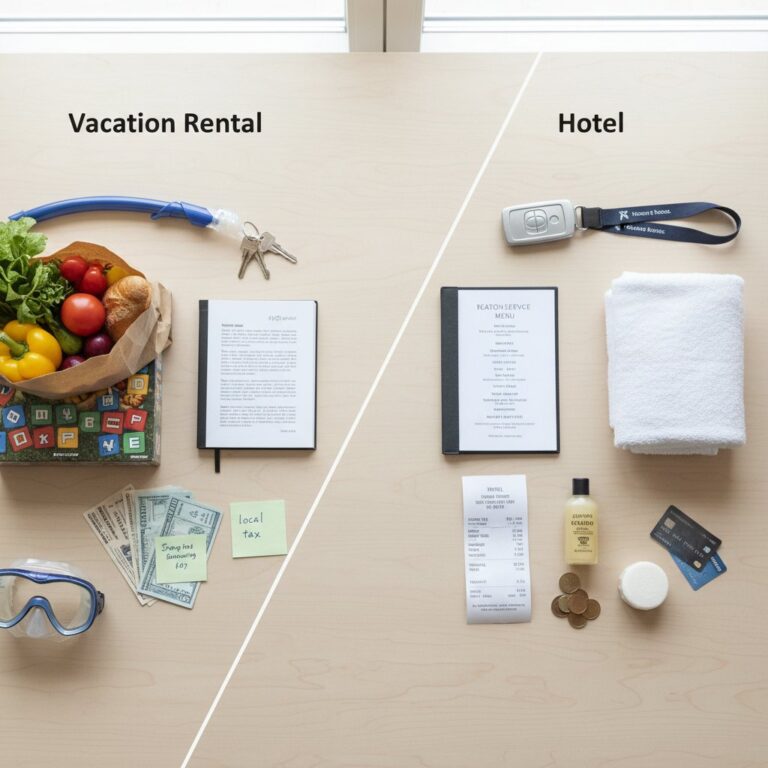

Direct Booking vs. Platforms: Pros and Cons for Vacation Rental Guests and Hosts
This comprehensive guide from Alex Johnson, an expert at Vacation Rental Planners, will cut through the complexity, offering an authoritative, in-depth analysis of direct booking versus platform reservations. We’ll delve into the financial implications, examine the booking experience, explore matters of trust and security, and discuss the strategic advantages and disadvantages for both guests seeking the perfect stay and hosts striving for optimal occupancy and profitability. By the end, you’ll be equipped with the insights and practical tips needed to confidently choose the booking method that best serves your needs, ensuring a more rewarding vacation rental journey for everyone involved.
The Fundamental Divide: Understanding Direct Booking vs. Platforms
Before diving into the specific advantages and disadvantages, it’s crucial to establish a clear understanding of what “direct booking” and “platform booking” truly entail in the vacation rental sphere. Each operates on distinct principles, offering different value propositions.
What is Direct Booking?
Direct booking refers to the process where a guest reserves a vacation rental property directly with the owner, property manager, or management company, bypassing third-party booking sites. This typically occurs through:
- The property’s dedicated website (e.g., Jane’s Beach House Rentals).
- Phone calls or email correspondence.
- Social media channels where owners promote their properties.
- Repeat bookings from previous guests.
- Referrals from friends, family, or other local businesses.
The essence of direct booking is a direct transaction and communication channel between the guest and the property operator, unmediated by a major online marketplace.
What are Vacation Rental Platforms?
Vacation rental platforms, also known as Online Travel Agencies (OTAs), are third-party websites that act as intermediaries between guests and hosts. They aggregate listings from countless property owners and managers, providing a centralized marketplace for discovery, booking, and often, payment processing. The most prominent examples include:
- Airbnb: Known for its vast range of unique accommodations, from spare rooms to entire homes.
- Vrbo (Vacation Rentals by Owner): Focuses primarily on entire homes and vacation properties.
- Booking.com: A giant in hotel bookings that has significantly expanded its vacation rental inventory.
- Expedia, Tripadvisor, HomeToGo: Other large players that offer vacation rental options alongside hotels and flights.
These platforms provide a structured environment with standardized search tools, review systems, customer support, and payment protections, making them incredibly popular for their convenience and perceived safety.
Actionable Tip for All: Define Your Booking Priorities Early
Before proceeding, take a moment to consider what matters most to you. Are you primarily driven by cost savings, convenience, flexibility, unique experiences, or peace of mind? Your answers will help you weigh the subsequent direct booking vacation rentals pros cons more effectively, guiding you towards the optimal choice.
Financial Implications: Costs, Savings, and Value for Guests and Hosts

One of the most significant factors influencing the choice between direct booking and platforms is the financial aspect. Understanding who pays what, and where potential savings lie, is critical for both guests and hosts.
For Guests: Understanding the True Cost
- Platform Service Fees: This is arguably the most talked-about “con” of using platforms. Most platforms charge guests a service fee, which can range anywhere from 5% to 20% of the booking subtotal (excluding taxes and cleaning fees). This fee is added on top of the host’s nightly rate and can significantly inflate the total cost. For example, a $1,500 booking might incur an additional $75 to $300 in guest fees.
- Dynamic Pricing & Surge Pricing: While not exclusive to platforms, platforms’ algorithms often employ sophisticated dynamic pricing, adjusting rates based on demand, seasonality, and even user browsing history. This can sometimes lead to higher prices compared to what an owner might charge directly during less busy periods.
- Potential for Direct Booking Savings: Property owners and managers often offer lower rates for direct bookings because they avoid paying platform commissions (which we’ll discuss next). These savings can be passed on to guests in the form of a discounted rate, complimentary add-ons (e.g., welcome basket, free late checkout), or loyalty programs for repeat guests. A direct booking could save a guest 10-15% on average compared to the same property listed on a platform.
For Hosts: Commissions, Costs, and Profit Margins
-
Platform Commissions: This is the primary financial “con” for hosts using platforms. Platforms charge hosts a commission or “host service fee” for each booking. This can vary widely:
- Airbnb: Typically 3% for hosts (more for “Superhosts” and “Airbnb Plus” listings), but can be 14-16% for hosts who opt for “host-only” fees where guests see a lower advertised price.
- Vrbo: Offers two models: an annual subscription fee ($499/year for unlimited bookings) or a per-booking commission model (typically 5% commission + 3% payment processing fee).
- Booking.com: Charges a commission ranging from 15% to 25% or more, depending on location and visibility options.
These fees directly impact a host’s profit margin. For a property generating $50,000 in annual revenue, a 15% commission means $7,500 goes to the platform.
- Payment Processing Fees: Both direct booking and platforms involve payment processing fees. Platforms usually integrate this into their service, but direct bookings require hosts to set up their own secure payment gateways (e.g., Stripe, PayPal), which come with their own transaction fees (typically 2-3% per transaction).
-
Marketing & Website Costs for Direct Booking: While direct booking eliminates platform commissions, it requires hosts to invest in their own marketing efforts. This can include:
- Developing and maintaining a professional website (typically $500 – $3,000 for initial setup, plus monthly hosting).
- SEO (Search Engine Optimization) to rank on Google.
- Social media marketing and advertising (e.g., Facebook/Instagram ads).
- Email marketing campaigns.
- Photography and video production.
These costs need to be weighed against the savings from avoided commissions. A host might spend $100-$500 per month on direct marketing to attract bookings, potentially saving more than they spend if they convert a good percentage of their bookings directly.
Actionable Tip for Guests: Always Compare
Before booking any property on a platform, search for the property’s name or the host’s name online. Many owners and managers maintain their own direct booking websites. Compare the total price (including all fees) on the platform with the direct booking rate. You might find a significant discount or added perks by booking directly, making the direct booking vacation rentals pros cons tip towards savings.
Actionable Tip for Hosts: Calculate Your Break-Even Point
Understand your actual cost of acquisition for both direct and platform bookings. Calculate how many direct bookings you need to offset your marketing and website costs, and compare that to the commissions you’d pay for the same number of bookings on a platform. This analysis helps you strategically allocate your resources and determine the optimal balance between channels.
The Booking Experience & Flexibility: Control, Communication, and Customization
Beyond the financial considerations, the actual process of booking and the degree of flexibility offered are significant differentiators between direct bookings and platforms.
For Guests: Convenience vs. Customization
-
Platforms (Pros):
- Ease of Search & Comparison: Platforms offer robust search filters, maps, and comparison tools, making it easy to find properties that fit specific criteria across a wide geographic area.
- Instant Booking: Many listings offer instant booking, allowing guests to secure a reservation within minutes without host approval.
- Standardized Interface: Familiar layout and booking process across all listings, reducing friction.
- Reviews & Ratings: A vast database of guest reviews and host ratings provides social proof and helps build confidence.
-
Platforms (Cons):
- Limited Pre-Booking Communication: Communication before a booking is confirmed is often restricted or monitored, making it difficult to ask nuanced questions or negotiate special requests.
- Rigid Policies: Cancellation policies are set by the platform or a limited selection offered by the platform, which can be less flexible than a direct arrangement.
- Impersonal Experience: The standardized nature can feel impersonal, lacking the connection with the local host or unique property story.
-
Direct Booking (Pros):
- Personalized Communication: Direct access to the owner/manager allows for detailed questions, negotiation, and custom arrangements (e.g., early check-in, late check-out, specific amenities, local recommendations).
- Flexibility & Negotiation: Owners often have more leeway to be flexible with cancellation policies, payment schedules, or special requests, fostering a more collaborative relationship.
- Unique Add-ons: Opportunity to arrange bespoke experiences, local tours, private chefs, or unique welcome packages directly with the host.
- Deeper Connection: Building a direct relationship with the host can enhance the overall vacation experience, providing local insights and a more personal touch.
-
Direct Booking (Cons):
- More Effort Required: Finding direct booking options often requires more proactive searching and less streamlined comparison tools.
- Less Standardized: Booking processes, cancellation policies, and website interfaces can vary widely from one property to another.
- Slower Booking Process: May involve more back-and-forth communication before a booking is confirmed.
For Hosts: Automation vs. Autonomy
-
Platforms (Pros):
- Automated Booking Flow: Platforms handle the entire booking process from inquiry to confirmation, including payment processing and calendar management.
- Reduced Administrative Burden: Less manual effort required for individual booking inquiries and processing.
- Visibility & Reach: Automated exposure to millions of potential guests without individual marketing effort.
-
Platforms (Cons):
- Loss of Control: Hosts are subject to the platform’s terms of service, cancellation policies, and communication guidelines.
- Censored Communication: Platforms often filter contact information and external links, making it harder to nurture direct relationships or offer repeat booking incentives.
- Guest Expectations: Guests often expect instant responses and rigid adherence to platform norms.
-
Direct Booking (Pros):
- Full Control: Hosts dictate their own terms, cancellation policies, payment schedules, and communication preferences.
- Personalized Guest Vetting: Ability to screen guests more thoroughly through direct conversation, potentially leading to better guest matches.
- Relationship Building: Fosters strong, direct relationships with guests, increasing the likelihood of repeat bookings and positive word-of-mouth referrals.
- Upselling Opportunities: Easier to offer additional services (e.g., private chef, tour booking, equipment rental) directly to guests.
-
Direct Booking (Cons):
- Increased Administrative Work: Requires more manual effort for inquiries, booking confirmations, payment processing, and calendar management.
- Requires Robust Tools: Hosts need their own booking engine, secure payment gateway, and potentially channel manager if they also list on platforms.
- Time Investment: Direct communication and personalization are time-intensive.
Actionable Tip for Guests: Leverage Platforms for Discovery, Then Dig Deeper
Use platforms to identify properties you love, then try to find the property’s direct booking website. This allows you to combine the convenience of platform discovery with the potential for personalized communication and better deals offered through direct channels.
Actionable Tip for Hosts: Automate Your Direct Bookings
To mitigate the administrative burden of direct booking, invest in a robust booking engine for your website. Tools like Lodgify, OwnerRez, or even integrated WordPress plugins can automate availability, pricing, and payment processing, allowing you to offer a seamless direct booking experience without constant manual oversight.
Trust, Security, and Support: Peace of Mind for All Parties
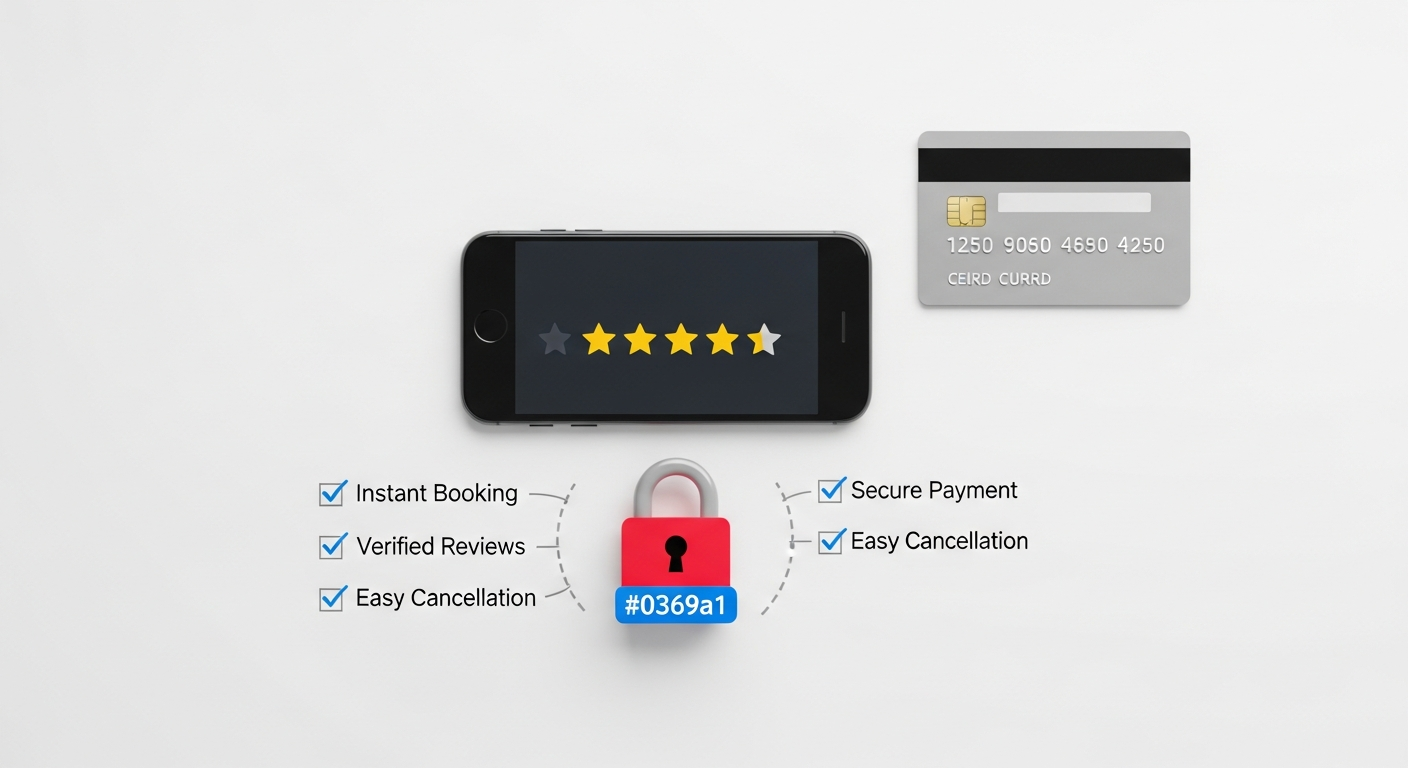
Security and trust are paramount in the vacation rental industry. Both guests and hosts want assurance that their bookings are legitimate, their payments are secure, and support is available should issues arise. Here, platforms typically offer a standardized safety net, while direct bookings rely on the owner’s reputation and robust personal systems.
For Guests: Perceived Safety vs. Personal Verification
-
Platforms (Pros):
- Payment Protection: Platforms hold guest payments securely until after check-in, reducing the risk of fraud.
- Host Vetting & Reviews: A system of public reviews and ratings provides transparency and helps guests evaluate host credibility. Many platforms also verify host identity.
- Customer Support & Dispute Resolution: Centralized support teams are available to mediate disputes, assist with booking issues, or provide refunds under specific conditions.
- Guarantees: Some platforms offer guest guarantees or insurance policies in case of major issues (e.g., property misrepresented, uninhabitable).
-
Platforms (Cons):
- Scams Still Exist: While less common, sophisticated scams can still occur on platforms, such as phishing attempts or off-platform payment requests.
- Support Can Be Generic: Platform customer service, while available, can sometimes be slow, impersonal, or adhere strictly to policy, lacking the personalized touch of direct communication.
Direct Booking (Pros):
- Direct Accountability: You know exactly who you’re dealing with, allowing for direct communication and resolution of any issues.
- Personalized Service: Issues are often resolved quickly and personally by the owner/manager who has a direct vested interest in guest satisfaction and reputation.
- Transparency: Reputable direct booking sites will have clear terms, contact information, and privacy policies.
Direct Booking (Cons):
- Verification Burden: Guests must independently verify the legitimacy of the property and owner (e.g., check for professional website, consistent reviews across multiple sites, business registration).
- Less Standardized Protection: There’s no third-party intermediary holding funds or mediating disputes, requiring guests to rely on the owner’s integrity and their own payment method’s protections (e.g., credit card chargebacks).
- Security Risks: Less professional direct booking sites might lack proper SSL certificates, secure payment gateways, or robust privacy policies, exposing guests to data risks.
For Hosts: Platform Safeguards vs. Personal Responsibility
-
Platforms (Pros):
- Guest Identity Verification: Platforms often verify guest identities, providing a layer of security for hosts.
- Host Guarantees & Insurance: Some platforms offer host protection programs (e.g., Airbnb Host Guarantee, Vrbo Homeowner Protection) against property damage, though these often have limitations and exclusions.
- Payment Collection & Fraud Prevention: Platforms handle secure payment processing, reducing the host’s risk of payment fraud.
- Dispute Mediation: Platform support can assist in mediating guest disputes or cancellations.
-
Platforms (Cons):
- Limited Protection Scope: Host guarantees often don’t cover all types of damage or loss, and the claims process can be lengthy.
- Platform Bias: In disputes, hosts sometimes feel platforms favor guests to protect their user base.
- Dependency: Hosts are reliant on the platform’s security and payment systems, with little control over changes.
-
Direct Booking (Pros):
- Full Control Over Policies: Hosts create their own robust rental agreements, security deposit policies, and house rules.
- Personal Guest Vetting: Ability to conduct thorough pre-booking conversations and screening, fostering a stronger sense of trust.
- Direct Payment Management: Hosts control when and how payments are collected, using their chosen secure payment gateways.
-
Direct Booking (Cons):
- Increased Liability: Hosts bear full responsibility for property security, guest safety, and dispute resolution.
- Need for Robust Systems: Requires hosts to implement secure website infrastructure (SSL certificate), PCI-compliant payment processing, and robust insurance policies (e.g., short-term rental liability insurance).
- Fraud Risk: Hosts must implement their own fraud detection measures for payments.
- No Built-in Mediation: Disputes must be resolved directly between host and guest, potentially escalating to legal action if not handled carefully.
Actionable Tip for Guests: Prioritize Secure Payments for Direct Bookings
When booking directly, always use a credit card for payment. Credit cards offer strong consumer protection, allowing you to dispute charges if services are not rendered as promised or if fraud is suspected. Never wire money or use unsecured payment methods for direct bookings.
Actionable Tip for Hosts: Comprehensive Insurance is Non-Negotiable
For direct bookings, ensure you have comprehensive short-term rental insurance that specifically covers guests, property damage, and liability. Do not rely solely on homeowner’s insurance, as many policies have exclusions for commercial short-term rentals. A robust rental agreement and clear security deposit policy are also vital for protecting your asset.
Marketing Reach vs. Effort: Balancing Exposure and Control for Hosts
For vacation rental hosts, the choice between direct booking and platforms often boils down to a strategic decision about marketing, reach, and the level of effort they are willing to invest to secure bookings.
Platforms: The Power of Mass Exposure (and its Trade-offs)
-
Pros:
- Massive Audience & Global Reach: Platforms like Airbnb and Vrbo boast millions of active users worldwide, providing unparalleled exposure to potential guests without any individual marketing effort from the host.
- Built-in SEO & Brand Authority: These sites dominate search engine results for vacation rentals, instantly putting your property in front of high-intent travelers who might never find your independent website.
- Instant Credibility & Trust: Guests inherently trust established platforms, reducing the need for hosts to build trust from scratch.
- Streamlined Marketing Tools: Platforms offer tools for listing creation, photo management, and sometimes even dynamic pricing suggestions.
-
Cons:
- High Competition: Your property is one among thousands in a given area, making it harder to stand out without exceptional reviews or unique features.
- Commoditization: Properties can become undifferentiated “commodities,” where guests often prioritize price over unique offerings, leading to downward price pressure.
- Platform Dependence: Your business is beholden to the platform’s algorithms, policies, and fee structures, which can change at any time.
- Limited Branding: Your property’s unique brand identity is often overshadowed by the platform’s branding. Direct communication is often restricted, limiting opportunities to build guest loyalty.
- Data Ownership: You don’t own the guest data (email addresses, preferences) from platform bookings, making direct marketing for repeat stays challenging.
Direct Booking: Cultivating Your Brand (with Effort)
-
Pros:
- Full Branding Control: You can cultivate a unique brand identity, showcase your property’s story, and create a memorable guest experience that reinforces your brand.
- Lower Cost Per Acquisition (Long-term): While initial setup costs exist, direct bookings eliminate ongoing platform commissions, significantly increasing profit margins over time. A host saving 10-15% commission on each booking will quickly recoup website and marketing costs.
- Stronger Guest Relationships & Repeat Business: Direct communication fosters loyalty, encouraging repeat bookings and referrals, which are the most cost-effective bookings to acquire.
- Data Ownership: You collect and own guest data, enabling targeted email marketing, loyalty programs, and personalized communication for future stays.
- Control Over Guest Selection: You have more control over who stays in your property, contributing to better guest quality and reduced risks.
-
Cons:
- Requires Significant Marketing Effort & Investment: Hosts must actively promote their property through various channels:
- Website Development & Maintenance: A professional, mobile-friendly website is essential.
- Search Engine Optimization (SEO): Optimizing your site to rank on Google for relevant keywords (e.g., “vacation rentals [your city]”).
- Social Media Marketing: Building a presence and engaging with potential guests on platforms like Instagram, Facebook, and Pinterest.
- Paid Advertising: Google Ads or social media ads to drive traffic to your website.
- Email Marketing: Building an email list and sending newsletters, promotions, and re-engagement campaigns.
- Slower Initial Growth: Building direct booking channels takes time and consistent effort; it’s not an overnight solution.
- Building Trust: You need to actively work to build trust and credibility with potential guests who may be unfamiliar with your brand.
- Requires Significant Marketing Effort & Investment: Hosts must actively promote their property through various channels:
Actionable Tip for Hosts: Adopt a Hybrid Strategy
The most successful hosts often employ a diversified approach. Use platforms for broad market exposure, especially during off-peak seasons or to fill gaps in your calendar. Simultaneously, invest in building your direct booking channels through a professional website, SEO, and email marketing. Strategically encourage guests who found you on a platform to book directly for future stays, perhaps offering a small discount or added amenity as an incentive. This balances the immediate reach of platforms with the long-term profitability and control of direct bookings, offering the best of both direct booking vacation rentals pros cons worlds.
The Guest Experience: Discovering Unique Stays and Personalized Service
The choice between direct booking and platforms significantly shapes the overall guest experience, from the initial search to the actual stay and beyond. Guests seeking different types of vacations will find each approach has distinct advantages.
Platforms: The Era of Convenience and Choice
-
Pros:
- Vast Selection: Platforms offer an unparalleled diversity of properties, from treehouses and castles to apartments and villas, catering to virtually any preference or budget.
- Easy Discovery: Intuitive search filters, map views, and curated lists make it simple to discover properties matching specific criteria (e.g., pet-friendly, beachfront, hot tub).
- Instant Gratification: The ability to browse, compare, read reviews, and book a property within minutes provides immense convenience for busy travelers.
- Peer-Guided Choices: Extensive review systems allow guests to benefit from the experiences of previous travelers, aiding in decision-making and setting expectations.
-
Cons:
- Homogenization: The sheer volume of listings can lead to a sense of sameness, where unique properties might get lost in the shuffle or stripped of their distinctive character by standardized listing formats.
- Impersonal Interactions: Communication is often limited to functional messages, reducing opportunities for guests to connect with hosts on a personal level or receive tailored recommendations.
- Hidden Gems Can Be Harder to Find: Truly unique, off-the-beaten-path properties often don’t have the budget or desire to compete on massive platforms and might be exclusively found through direct channels.
Direct Booking: The Pursuit of Authenticity and Personalization
-
Pros:
- Deeper Connection to the Property & Locale: Direct booking often facilitates a richer understanding of the property’s story, the owner’s passion, and local insights that platforms can’t convey.
- Tailored Experiences & Local Expertise: Hosts booking directly are more likely to offer personalized recommendations for local attractions, restaurants, and hidden gems. They can also arrange bespoke services (e.g., grocery stocking, private tours, special occasion planning).
- Unique Properties & Authentic Stays: Many truly unique, character-filled properties, especially those managed by passionate individuals or small local businesses, prioritize direct bookings to maintain their distinct identity and personal touch.
- Enhanced Responsiveness: When an issue arises, direct communication with the owner or manager can lead to faster, more personalized, and often more satisfactory resolutions.
- Potential for Exclusivity: Some owners reserve their best deals, perks, or even specific dates for direct booking guests as a reward for their loyalty.
-
Cons:
- Requires More Research: Guests must actively seek out direct booking websites, which may not be as prominent as platform listings.
- Less Standardized Experience: The quality of direct booking websites, communication, and overall process can vary greatly depending on the owner’s professionalism.
- Fewer Reviews (Potentially): Direct booking sites might have fewer publicly aggregated reviews compared to platforms, requiring guests to rely more on website testimonials or external sources.
Actionable Tip for Guests: Prioritize Your Travel Style
If you’re a traveler who values convenience, broad choice, and minimal interaction, platforms are an excellent fit. If you crave a more authentic, personalized, and unique experience, are willing to do a bit more research, and appreciate direct communication with local experts, then exploring direct booking options will likely yield more satisfying results.
Making the Right Choice: When to Opt for Direct or Platforms
There’s no universal “best” answer in the direct booking vs. platforms debate. The optimal choice for both guests and hosts depends heavily on individual priorities, specific circumstances, and the desired outcome. Often, a strategic blend of both approaches yields the most favorable results.
When Platforms Are the Best Choice
-
For Guests:
- First-time or Hesitant Travelers: The perceived safety net, standardized processes, and customer support of platforms offer reassurance.
- Budget-Focused & Comparison Shoppers: Easy comparison tools allow for quick identification of the cheapest available options across many properties, despite service fees.
- Last-Minute Bookings: The sheer volume of listings and instant booking options make platforms ideal for securing accommodation quickly.
- Broad Search & Less Specific Needs: When you prioritize finding any suitable place in a general area over a highly specific or personalized experience.
- Travelers to Unfamiliar Destinations: Relying on platform reviews and protections can be crucial in areas where local knowledge is limited.
-
For Hosts:
- New Property Owners: Platforms provide an invaluable launching pad for new rentals, offering instant exposure and a ready-made booking system without significant upfront marketing investment.
- Seeking Maximum Occupancy: For properties prioritizing high occupancy rates, platforms offer the broadest reach to fill calendars quickly.
- Limited Time/Resources for Marketing: Hosts who prefer a hands-off approach to marketing and guest acquisition, letting the platform do the heavy lifting.
- Niche Properties Needing Broad Exposure: For unique properties that might appeal to a global audience but require wide discovery.
- Diversification Strategy: Platforms can be a crucial component of a broader strategy, especially for filling off-peak dates or attracting new guests who might later be converted to direct bookers.
When Direct Booking Is the Best Choice
-
For Guests:
- Experienced Travelers & Repeat Guests: Those familiar with vacation rentals and specific destinations often seek deeper connections and better value.
- Seeking Specific Properties or Unique Experiences: If you’ve found a particular property you adore or desire a highly personalized, authentic stay, direct communication is key.
- Value Beyond Price: Guests prioritizing personal connection, local insights, customized services, and flexibility over the lowest possible base price.
- Longer Stays or Special Occasions: For bookings where personalized arrangements, discounts, or specific amenities are more likely to be negotiated directly.
- Loyalty & Repeat Bookings: Guests who want to build a relationship with a trusted host for future stays and potentially gain access to loyalty perks.
-
For Hosts:
- Established Properties & Strong Brands: Owners with a unique property, strong local reputation, and a desire to cultivate their own brand identity.
- Prioritizing Profit Margins: For hosts looking to maximize their net income by eliminating platform commissions.
- Seeking Full Control & Flexibility: Those who want complete autonomy over their booking policies, guest vetting, and property management.
- Building Guest Relationships & Repeat Business: Hosts who understand the long-term value of guest loyalty and direct communication for sustainable business growth.
- Willingness to Invest in Marketing: Owners prepared to invest time and resources into building and maintaining their own website, SEO, and marketing channels.
Actionable Tip for All: Embrace a Hybrid Approach
The most sophisticated guests often use platforms for initial discovery and then seek out direct booking options for the final reservation to potentially save money or gain more flexibility. Similarly, the most successful hosts leverage platforms for broad reach and market entry while simultaneously investing in direct booking channels to maximize profitability, build brand loyalty, and reduce reliance on third parties. Understanding the nuanced direct booking vacation rentals pros cons allows both parties to make strategic decisions that best fit their unique objectives.
By thoughtfully considering these points, both guests and hosts can navigate the vacation rental market with confidence, securing the best possible experiences and outcomes.
Conclusion
The choice between direct booking and utilizing major platforms for vacation rentals is a nuanced decision, laden with trade-offs and distinct advantages for both guests and hosts. We’ve explored the significant direct booking vacation rentals pros cons across financial implications, booking experience, trust and security, marketing reach, and guest experience. What emerges is not a clear winner, but rather a dynamic landscape where the “best” option is highly individualized, shaped by priorities, willingness to invest time or money, and desired levels of control and convenience.
For guests, platforms offer unparalleled convenience, vast selection, and a standardized safety net, ideal for quick searches and broad comparisons. However, direct booking often unlocks better value, personalized communication, and truly unique experiences for those willing to invest a little more time in their research. For hosts, platforms provide immediate exposure and a powerful booking engine, making them invaluable for market entry and maximizing occupancy. Yet, direct bookings offer superior profitability, full control, profound guest relationships, and the opportunity to build a lasting brand—provided the host is prepared to invest in their own marketing and booking infrastructure.
Ultimately, an informed approach is the most powerful tool. Both guests and hosts stand to benefit significantly from a hybrid strategy: guests can use platforms for discovery before checking direct booking options, while hosts can leverage platforms for reach and convert repeat guests to their direct channels. By understanding these complexities, you are empowered to make strategic decisions that enhance your travel experiences or optimize your rental business.
Ready to dive deeper into the world of vacation rentals? Explore our comprehensive guides and expert insights at Vacation Rental Planners, where we help you master every aspect of planning the perfect trip or managing a successful rental property.
Frequently Asked Questions