
Your Complete Guide to Planning an Unforgettable Vacation on a Budget in 2026 and Beyond
Forget the misconception that budget travel means roughing it. With the right approach, you can unlock incredible value, discover hidden gems, and create lasting memories without compromise. From choosing the perfect value-packed destination to mastering the art of accommodation savings and navigating local cuisine like a pro, we’ll walk you through every stage of planning. Get ready to transform your approach to vacation planning, ensuring your next adventure is not just enjoyable, but also financially brilliant. Let’s dive into the strategies that will empower you to explore more for less!
1. The Foundation: Setting Your Realistic Budget and Financial Goals
Before you even begin to browse destinations, the most crucial step in planning a budget-friendly vacation is to establish a clear, realistic budget. This isn’t just about picking a number; it’s about understanding your financial capacity and setting achievable saving goals. Think of your budget as your travel blueprint – it guides every decision you’ll make, from where you go to how long you stay.
How to Create Your Vacation Budget:
- Assess Your Current Finances: Start by looking at your monthly income and expenses. What disposable income do you have? How much can you realistically save each month leading up to your 2026 trip? Be honest with yourself.
- Determine Your Total Trip Cost: Research average costs for your desired trip duration. Consider all categories: flights, accommodation, food, activities, local transportation, travel insurance, and a contingency fund (always crucial!).
- Set a Savings Target: Based on your total estimated cost, divide it by the number of months until your departure date. This gives you your monthly savings goal. For example, if your trip costs $3,000 and you have 10 months, you need to save $300/month.
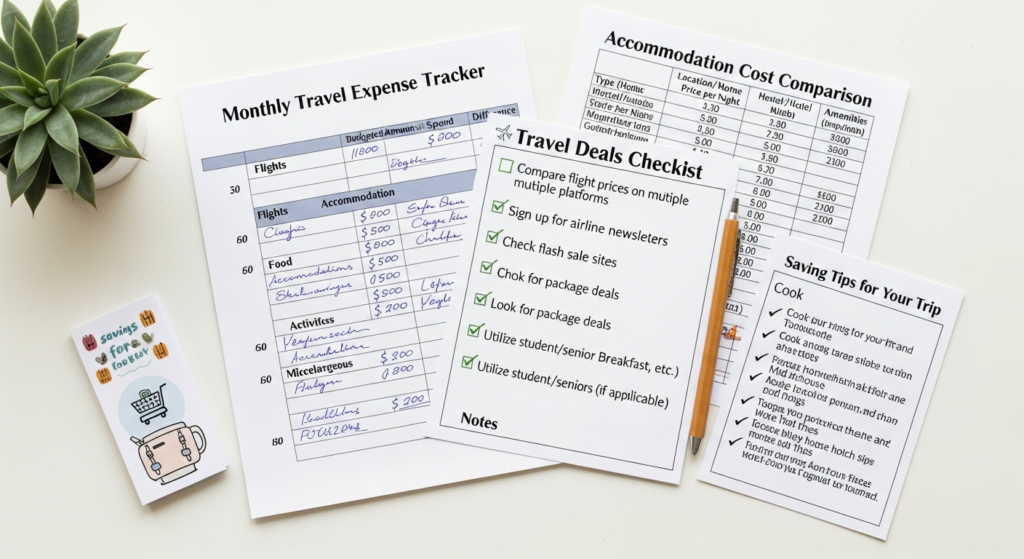
- Track Your Spending: Use budgeting apps, spreadsheets, or even a simple notebook to monitor your daily expenses. Identifying areas where you can cut back, even small amounts, can significantly boost your vacation fund. Studies show that people who actively track their spending save an average of 15% more than those who don’t.
- Prioritize and Compromise: Decide what aspects of your trip are non-negotiable and where you can be flexible. Is a luxurious stay a must, or would you prefer more money for experiences? Prioritizing helps allocate funds effectively.
Expert Tip for Budgeting:
Consider the “envelope system” digitally. Create separate savings accounts or digital envelopes for different vacation categories (e.g., “Flights,” “Accommodation,” “Activities”). Automatically transfer a portion of your income into these accounts each payday. This method, often championed by financial experts, makes saving tangible and prevents accidental overspending from your general savings. According to a recent survey, families who use dedicated savings accounts for travel achieve their financial goals 25% faster.
2. Strategic Destination Selection for Maximum Value
The destination you choose is arguably the biggest factor in your overall vacation cost. Some places are inherently more budget-friendly than others, offering incredible experiences without the hefty price tag. For your 2026 adventure, think beyond the usual suspects and explore regions that provide exceptional value.
Key Considerations for Budget-Friendly Destinations:
- Cost of Living: Research the local cost of living. Destinations where local wages are lower typically have lower prices for food, transportation, and activities. Southeast Asia (e.g., Vietnam, Thailand outside major tourist hubs), Eastern Europe (e.g., Portugal, Albania, Bulgaria), and parts of Central America (e.g., Mexico outside Cancun, Nicaragua) often offer excellent value.
- Currency Exchange Rates: A favorable exchange rate can make your money go much further. Keep an eye on global currency trends as you plan for 2026.
- Off-Peak or Shoulder Season Travel: This is a game-changer for budget travelers. Traveling during the shoulder season (just before or after peak season) or off-peak months means fewer crowds, lower prices for flights and accommodations, and often more authentic local experiences. For example, visiting the Mediterranean in May or September instead of July or August can save you upwards of 30% on overall costs, according to industry data.
- Domestic vs. International: Don’t overlook the incredible value and diverse experiences available within your own country. Eliminating international flight costs can free up a significant portion of your budget for longer stays or more activities.
- Emerging Destinations: As popular spots become more expensive, look for up-and-coming destinations that offer similar attractions at a fraction of the price. Think less-known islands, smaller cities, or national parks that aren’t yet on every tourist’s radar.
Budget-Friendly Destination Comparison (Estimated Costs per Person/Day, Excluding Flights):
| Destination Type | Example Destination | Estimated Daily Cost (USD) | Key Features for Budget Travelers |
|---|---|---|---|
| Beach/Culture | Hoi An, Vietnam | $30 – $60 | Delicious street food, affordable tailoring, historic charm, bicycle-friendly. |
| City Break/History | Krakow, Poland | $40 – $75 | Beautiful Old Town, cheap public transport, hearty meals, many free walking tours. |
| Nature/Adventure | The Balkans (Albania/Montenegro) | $35 – $70 | Stunning mountains, pristine coastlines, cheap guesthouses, local markets. |
| Family-Friendly | Orlando, Florida (off-peak) | $80 – $150 | Vacation rentals with kitchens, free resort activities, discounted park tickets. |
| Road Trip | U.S. National Parks (e.g., Utah) | $50 – $100 | Camping/budget motels, cooking own meals, park passes, endless free hikes. |
3. Mastering Accommodation Savings: Your Home Away From Home for Less
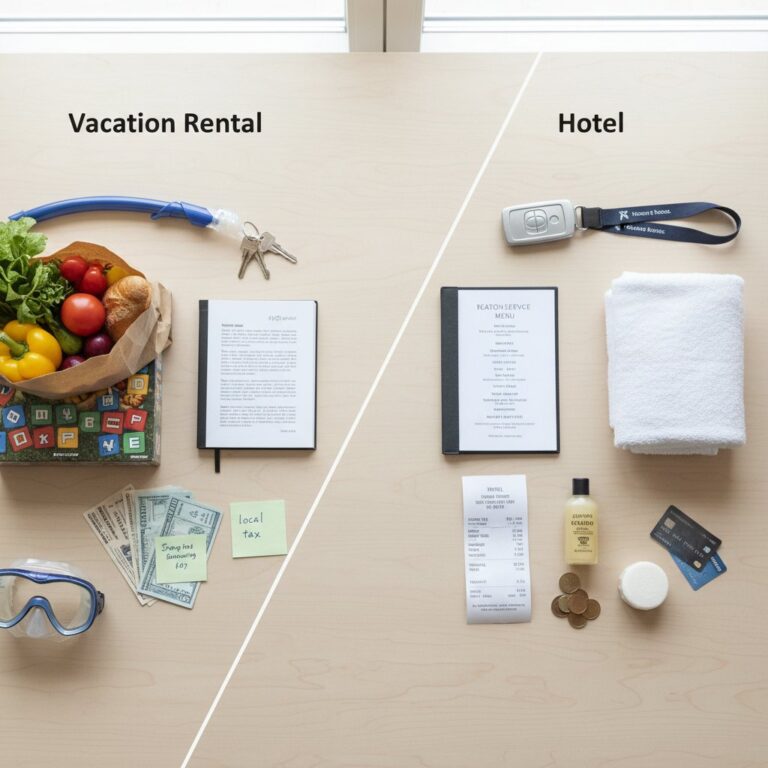
Accommodation often represents the largest single expense after flights. Smart choices here can dramatically reduce your overall vacation cost. This is where vacation rentals shine, offering incredible value, especially for families and longer stays.
Top Strategies for Affordable Stays:
- Embrace Vacation Rentals (Airbnb, Vrbo, etc.): Vacation rentals are a budget traveler’s best friend.
- Kitchen Access: This is a game-changer. Having a kitchen allows you to prepare some or all of your meals, saving hundreds of dollars compared to eating out for every meal. Airbnb data suggests that booking homes with kitchens can save families up to 30-40% on food costs.
- Space and Privacy: For families or groups, a vacation rental often provides more space and separate bedrooms than multiple hotel rooms, often at a lower cumulative price.
- Local Experience: Staying in residential areas offers a more authentic glimpse into local life, with access to local markets and neighborhood eateries that are typically more affordable than tourist traps.
- Long-Term Discounts: Many hosts offer significant discounts for weekly or monthly stays. If you have flexibility, consider extending your trip to take advantage of these savings.
- Consider Hostels (Private Rooms): Modern hostels have evolved far beyond dormitories. Many offer private rooms with en-suite bathrooms, providing a comfortable, social, and often very affordable option, especially for solo travelers or couples.
- House Swapping/Sitting: For the truly adventurous and flexible, platforms like HomeExchange or TrustedHousesitters allow you to stay for free by swapping homes with another traveler or caring for someone’s pets and home. This requires planning and trust but can eliminate accommodation costs entirely.
- Book in Advance (But Be Flexible): While last-minute deals sometimes exist, booking accommodation well in advance, especially for popular destinations or peak seasons, generally secures better prices and more options. However, for budget travel, being flexible with your dates can unlock incredible off-season deals.
- Look for “Hidden Gem” Locations: Instead of staying in the absolute city center, consider neighborhoods just outside the main tourist zone. They are often well-connected by public transport, offer lower prices, and provide a more local vibe.
Expert Tip for Vacation Rentals:
Always read reviews carefully, especially those related to cleanliness, location, and communication with the host. Look for Superhosts or Premier Hosts on platforms like Airbnb and Vrbo, as they often indicate a higher standard of service and reliability. Also, factor in cleaning fees and service charges when comparing prices, as these can significantly impact the final cost.
4. Smart Transportation & Flight Hacking for Seamless Travel
Getting to and around your destination can be another major budget drain. Strategic planning and flexibility are key to minimizing these costs, allowing more of your budget for experiences.
Cutting Flight Costs:
- Be Flexible with Dates: This is perhaps the most impactful tip. Flying mid-week (Tuesday-Thursday) or during the shoulder season almost always results in cheaper fares. A recent analysis by a major flight comparison site revealed that flying on a Tuesday can save travelers an average of 15% compared to weekend flights.
- Use Flight Comparison Sites & Price Alerts: Websites like Google Flights, Skyscanner, and Kayak allow you to compare prices across multiple airlines. Set up price alerts for your desired routes; you’ll be notified when fares drop.
- Consider Budget Airlines: Airlines like Spirit, Frontier, Ryanair, and EasyJet offer incredibly low base fares. Just be aware of their add-on fees for baggage, seat selection, and even printing boarding passes. Pack light to avoid checked bag fees!
- Fly into Alternative Airports: Sometimes, flying into a smaller, nearby airport and taking ground transport to your final destination can be significantly cheaper than flying directly into a major international hub.
- Book One-Way Tickets Separately: Occasionally, booking two one-way tickets on different airlines can be cheaper than a round-trip ticket on a single airline. Always compare.
- Utilize Credit Card Points/Miles: If you have travel rewards credit cards, start saving those points for your 2026 flights. Booking flights with points can essentially make them free, saving a huge chunk of your budget.
Saving on Ground Transportation:
- Public Transportation is Your Friend: Buses, trains, and subways are almost always the most economical way to get around cities. Purchase multi-day passes if available, as they often offer better value.
- Walk or Bike: For shorter distances, walking or renting a bike not only saves money but also offers a great way to experience a destination up close. Many cities now have affordable bike-sharing programs.
- Ride-Sharing & Carpooling: Apps like Uber and Lyft can be convenient, but always compare prices with local taxis. In some countries, local ride-sharing apps might be even cheaper. For longer distances, consider carpooling services like BlaBlaCar.
- Rent a Car Strategically: If you’re exploring rural areas or national parks, a rental car might be necessary. Book in advance, compare prices across different companies, and consider economy models. Always factor in fuel costs, insurance, and parking.
Expert Tip for Flights:
Clear your browser cookies or use incognito/private browsing mode when searching for flights. Some travel sites may track your searches and potentially increase prices if they see you repeatedly checking the same route. While this is debated, it’s a simple step that can’t hurt your chances of finding the best deal.
5. Savvy Food & Activity Planning: Experience More for Less
Eating and exploring are integral parts of any vacation, but they can quickly inflate your budget if not managed wisely. With a bit of planning, you can indulge in delicious local cuisine and exciting activities without overspending.
Food Savings Strategies:
- Utilize Your Vacation Rental Kitchen: As mentioned, this is paramount. Plan to cook at least one meal a day (breakfast is easiest) and pack lunches for excursions. Shop at local grocery stores and markets for fresh, affordable ingredients. This strategy alone can reduce your food budget by 40% for families.
- Embrace Street Food and Local Markets: In many destinations, street food is not only incredibly delicious and authentic but also incredibly cheap. Farmer’s markets and local food stalls offer fantastic culinary experiences at a fraction of restaurant prices.
- Lunch is the New Dinner: Many restaurants offer lunch specials or “prix fixe” menus that are significantly cheaper than their dinner counterparts, allowing you to enjoy a high-quality meal without the high price tag.
- Picnics and Packed Snacks: Before heading out for a day of sightseeing, pack some snacks, drinks, and even a simple picnic lunch. This avoids impulse purchases at overpriced tourist cafes.
- Drink Water: Avoid buying expensive bottled drinks constantly. Carry a reusable water bottle and refill it whenever possible (ensure the local water is safe to drink or use a filter bottle).
- Happy Hour Deals: If you enjoy a drink, look for happy hour specials at local bars and restaurants.
Activity Savings Strategies:
- Seek Out Free Attractions: Many cities offer incredible free attractions: parks, public gardens, free walking tours (tip your guide!), historical monuments, public beaches, and free museum days. Research these thoroughly before you go.
- Look for City Passes or Discount Cards: For destinations with many paid attractions, a city pass can offer significant savings if you plan to visit multiple sites. Do the math to ensure it’s truly cost-effective for your itinerary.
- Group Deals and Online Bookings: Check websites like Groupon, LivingSocial, or local equivalents for discounts on tours, activities, and even dining experiences. Booking tours and tickets online in advance often comes with a small discount compared to buying at the door.
- Outdoor Activities: Embrace nature! Hiking, swimming, biking, and exploring national parks are often free or have minimal entrance fees, offering immense enjoyment for little cost.
- Volunteer Opportunities: For longer trips, consider a work-exchange program (e.g., Workaway, WWOOF) where you can volunteer for a few hours a day in exchange for free accommodation and sometimes food.
Expert Tip for Activities:
Before you commit to a paid tour, check if there’s a free, self-guided alternative. Many cities have excellent audio guides or downloadable maps that allow you to explore at your own pace without the tour group price tag. Also, always check local tourism board websites for event calendars – you might stumble upon a free festival or concert!
6. Leveraging Technology and Travel Tools for Ultimate Savings
In the digital age, a plethora of apps and websites are designed to help you save money and plan more efficiently. Integrating these tools into your 2026 vacation planning strategy can yield significant savings and peace of mind.
Essential Digital Tools for Budget Travel:
- Flight & Accommodation Comparison Sites:
- Skyscanner / Google Flights / Kayak: For finding the cheapest flights. Use their “anywhere” or “flexible dates” features to uncover unexpected deals.
- Booking.com / Airbnb / Vrbo / Hostelworld: For comparing and booking accommodations. Filter by price, amenities, and read reviews diligently.
- Budgeting Apps:
- Mint / YNAB (You Need A Budget) / Excel: For tracking your pre-trip savings and on-the-go expenses. Staying aware of your spending prevents overruns.
- Local Transportation Apps:
- Google Maps / Citymapper: Essential for navigating public transport, finding walking routes, and estimating travel times.
- Uber / Lyft / Local Ride-Sharing Apps: For when public transport isn’t an option or you need convenience, but always compare prices.
- Food & Restaurant Apps:
- TripAdvisor / Yelp / Google Reviews: For finding highly-rated, affordable local eateries away from tourist traps.
- HappyCow: If you’re vegetarian/vegan, this app helps find plant-based options worldwide.
- Currency Exchange & Expense Tracking:
- XE Currency Converter: Get real-time exchange rates to avoid overpaying.
- Splitwise: Great for group travel to easily track and split shared expenses.
- VPN (Virtual Private Network):
- While not directly a savings tool, a VPN can sometimes help you find cheaper flights by making it appear you’re searching from a different country. It also offers security on public Wi-Fi.
- Offline Maps & Translation Apps:
- Google Maps (offline download): Save maps of your destination to use without data.
- Google Translate (offline download): Essential for communicating in foreign languages without incurring roaming charges.
Expert Tip for Tech Use:
Before your trip, download all necessary apps and offline maps/language packs while you have a strong Wi-Fi connection. This saves data, battery life, and reduces stress when navigating unfamiliar territory. Also, consider purchasing a local SIM card upon arrival or an eSIM for your phone to get affordable data, rather than relying on expensive international roaming plans.
7. Unexpected Savings & Avoiding Hidden Costs
Even the most meticulously planned budget can be derailed by unforeseen expenses or overlooked fees. Being aware of potential hidden costs and having strategies to mitigate them is crucial for a truly budget-friendly vacation.
How to Guard Against Hidden Costs:
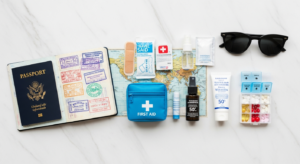
- Travel Insurance: While an upfront cost, comprehensive travel insurance can save you thousands in case of medical emergencies, trip cancellations, lost luggage, or other unforeseen events. It’s a non-negotiable for smart budget travelers. According to industry reports, travel insurance typically costs 4-8% of your total trip cost but can cover up to 100% of unforeseen expenses.
- Credit Card Foreign Transaction Fees: Many credit and debit cards charge 1-3% for transactions made in foreign currencies. Get a travel-friendly credit card that waives these fees. Always pay in local currency if given the option, as dynamic currency conversion (paying in your home currency abroad) often comes with unfavorable exchange rates.
- ATM Withdrawal Fees: Banks often charge fees for international ATM withdrawals, both from your home bank and the local ATM. Minimize withdrawals by taking out larger amounts less frequently, or use a debit card from a bank that reimburses foreign ATM fees.
- Baggage Fees: If flying budget airlines, adhere strictly to their baggage size and weight limits. Invest in a portable luggage scale to avoid costly surprises at the airport. Consider packing cubes to maximize space in carry-on luggage.
- Tipping Culture: Research the local tipping etiquette for restaurants, taxis, and service providers. Over-tipping or under-tipping can lead to awkward situations or unnecessary expenses.
- Souvenir Overspending: Set a budget specifically for souvenirs. Focus on small, meaningful items rather than expensive trinkets, or consider bringing back local consumables like spices or coffee.
- Roaming Charges: As mentioned in the tech section, avoid expensive roaming. A local SIM card or eSIM is a far more economical choice for staying connected.
- “Tourist Traps”: Be wary of attractions or restaurants that seem overly geared towards tourists, especially those with aggressive touts. These often come with inflated prices. Stick to places recommended by locals or good reviews.
Expert Tip for Hidden Costs:
Before you leave, make copies (digital and physical) of important documents: passport, visa, travel insurance, accommodation bookings. Store them securely in different places. If anything is lost or stolen, having these copies can save you immense time, stress, and potential costs associated with replacing documents abroad.
Key Takeaways
- Budget First: Establish a realistic budget and track savings diligently before booking anything to set a solid financial foundation for your trip.
- Strategic Destination & Timing: Choose destinations with a lower cost of living and travel during the shoulder or off-peak seasons to significantly reduce expenses.
- Embrace Vacation Rentals: Opt for vacation rentals with kitchens to save substantially on food costs and enjoy more space and a local experience.
- Flight & Transport Hacking: Be flexible with travel dates, use comparison sites, and prioritize public transport to minimize flight and ground transportation expenses.
- Smart Spending on the Go: Cook some meals, enjoy street food, utilize free activities, and leverage technology to maximize experiences while minimizing daily spending.
Frequently Asked Questions
Q: Is it really possible to plan a budget vacation for a family without feeling like we’re missing out?
A: Absolutely! Budget travel for families doesn’t mean sacrificing fun; it means being strategic. By choosing destinations known for value, opting for vacation rentals with kitchens, and focusing on free or low-cost activities like parks, beaches, and local markets, you can create incredibly rich and memorable experiences. Many families find that these authentic, less commercialized experiences are often more fulfilling than expensive tourist traps.
Q: How far in advance should I start planning and booking for a budget trip in 2026?
A: For optimal savings, start planning 6-12 months in advance. This gives you ample time to research destinations, track flight prices for ideal deals, and secure desirable vacation rentals before they’re booked up or prices increase. Flights often see their best prices 3-6 months out, while accommodation can be booked even earlier for prime locations or specific dates.
Q: What’s the biggest mistake budget travelers make, and how can I avoid it?
A: The biggest mistake is often not having a clear, detailed budget and then failing to track expenses during the trip. This leads to overspending and financial stress. To avoid this, dedicate time to creating a realistic budget, set aside a contingency fund (10-15% of your total budget), and use a budgeting app or spreadsheet to monitor your spending daily while traveling. Also, avoid impulse purchases in tourist areas.
Q: Are budget airlines truly worth it, or do the hidden fees negate the savings?
A: Budget airlines can offer significant savings, especially for short-haul flights. However, you must be diligent about understanding their fee structure. If you travel light with only a personal item or carry-on that meets their strict dimensions, and don’t require seat selection or other add-ons, the savings are real. The key is to read their policies carefully and factor in all potential fees when comparing total costs with full-service airlines.
Q: How can I save on food if I don’t have access to a kitchen or prefer to eat out?
A: Even without a kitchen, you can save substantially. Prioritize street food, local markets, and small, family-run eateries away from main tourist areas. Look for lunch specials, happy hour deals, and early bird dinners. Packing snacks and drinks for the day from a local grocery store is also a huge money-saver. Consider places that offer complimentary breakfast with your accommodation.
Planning a vacation on a budget for 2026 doesn’t have to be a daunting task. In fact, it can be an incredibly rewarding process, forcing you to think creatively and discover experiences you might otherwise overlook. By applying the comprehensive strategies outlined in this guide – from meticulous budgeting and strategic destination selection to leveraging vacation rentals, smart transport, and savvy daily spending – you’re well-equipped to craft an extraordinary journey without the financial strain.
Remember, the goal isn’t just to save money, but to maximize the value and richness of your travel experiences. Embrace flexibility, seek out local insights, and don’t be afraid to step off the well-trodden path. Your 2026 budget vacation isn’t just a trip; it’s an opportunity for smart, fulfilling, and unforgettable exploration. Happy planning, and may your adventures be abundant and your budget always balanced!