
Unlock Unforgettable Family Adventures: Your Ultimate Guide to Budget-Friendly Vacation Planning
The dream of a perfect family vacation often comes with a hidden asterisk: “if the budget allows.” But what if we told you that creating priceless memories with your loved ones doesn’t have to break the bank? Here at Vacation Rental Planners, we believe every family deserves the joy of discovery, the thrill of new experiences, and the relaxation of a getaway, regardless of their financial constraints. We understand the unique challenges and incredible rewards of family travel, and we’re here to be your trusted guide, proving that thoughtful planning can transform a tight budget into an abundance of adventure. Forget the misconception that “budget” means “boring.” Instead, envision vibrant local markets, sun-drenched beaches with free admission, majestic national parks, and cozy evenings spent cooking together in your very own vacation rental. This comprehensive guide is packed with insider tips, practical strategies, and inspiring ideas to help you craft a family vacation that’s rich in experiences, not expenses. Let’s embark on this exciting journey to budget-friendly bliss!
The Foundation of Frugal Fun: Crafting Your Budget & Destination Strategy
Before you even start dreaming of sparkling shores or majestic mountain peaks, the first step to any successful budget-friendly vacation is laying a solid financial foundation. This means understanding your “vacation DNA” – how much you can realistically spend and what kind of experience you truly crave.
Defining Your Budget: Fixed vs. Flexible
Start by getting crystal clear on your finances. How much money can you comfortably allocate to your trip without causing stress?
* Fixed Budget: If you have a strict limit (e.g., $2,000 for a week), every decision will revolve around this number. This requires meticulous planning and often means making trade-offs.
* Flexible Budget: If you have a general range (e.g., $2,000-$3,000), you have a bit more wiggle room for unexpected opportunities or a splurge here and there.
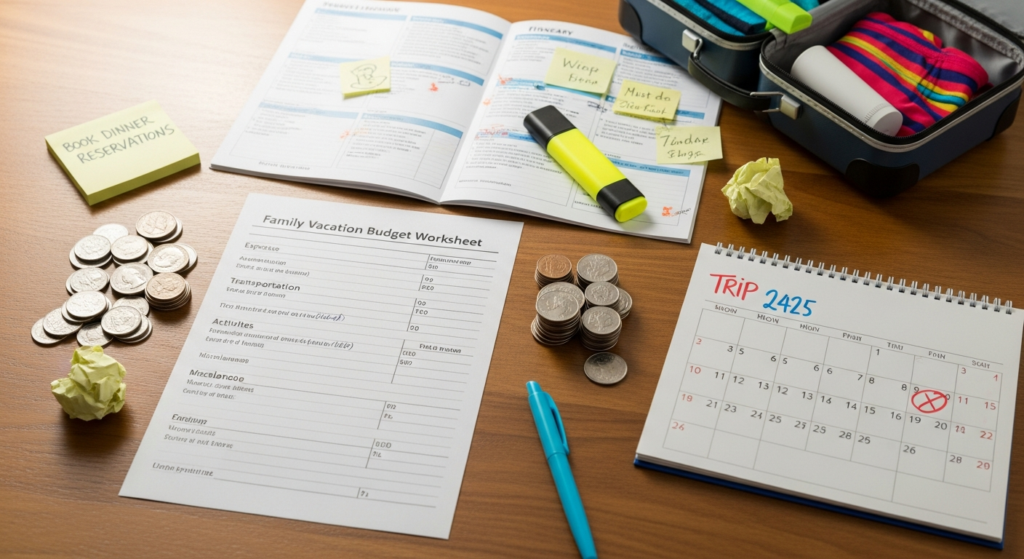
Once you have your number, break it down. Allocate percentages or specific amounts to major categories: accommodation, transportation, food, activities, and a buffer for emergencies or spontaneous fun. A common split might be 30% accommodation, 25% transportation, 20% food, 15% activities, and 10% buffer. Track every potential expense, from tolls and gas to souvenirs and that extra scoop of ice cream. There are many free budgeting apps (like Mint or YNAB) or even a simple spreadsheet that can help you visualize your spending.
Choosing Destinations Wisely: The Power of Place and Time
The “where” and “when” of your trip are paramount in budget planning.
* Off-Peak & Shoulder Season Travel: This is perhaps the most significant hack for budget travelers. Traveling during the off-season or shoulder season (the periods just before or after peak season) can dramatically reduce costs for flights, accommodations, and even activities. For instance, visiting a popular beach destination like Destin, Florida, in September or May instead of July can save you hundreds on a vacation rental and offer fewer crowds. Similarly, ski resorts in summer offer beautiful hiking and mountain biking at a fraction of winter prices.
* Hidden Gems vs. Hotspots: While Paris and Rome are iconic, their popularity often comes with a hefty price tag. Consider less-trodden but equally charming alternatives. Instead of the French Riviera, explore the stunning coasts of Portugal or Croatia. Rather than a major theme park destination, look for smaller, regional amusement parks or natural attractions.
* Proximity Matters: Sometimes, the best budget vacation is closer to home. A road trip to a nearby state park, national forest, or a quaint small town can offer incredible value. Gas might be your primary expense, and you’ll save significantly on flights and potentially even accommodation if you choose camping or a simple cabin.
* National Parks & State Parks: These are goldmines for budget family travel. For an entrance fee that’s often less than a single theme park ticket (or free with an America the Beautiful Pass), you get access to breathtaking landscapes, endless hiking trails, educational ranger programs, and opportunities for wildlife viewing. Consider destinations like Zion National Park, Utah, where family-friendly hikes like the Emerald Pools Trail offer stunning views. Camping or staying in a nearby town (e.g., Springdale) can keep costs down, with cabin rentals in the area sometimes starting around $150-$250/night for a family. Many state parks also offer affordable cabins or yurts.
* City Breaks with a Twist: Major cities can be expensive, but many offer a wealth of free attractions. Washington D.C., for example, boasts the Smithsonian museums (all free!), the National Mall, and numerous monuments. New York City has Central Park, the Staten Island Ferry (for Statue of Liberty views), and endless people-watching opportunities. Look for cities with robust public transportation to save on car rentals and parking.
By strategically choosing your destination and timing, you set the stage for maximum adventure at minimum cost.
Smart Stays: Mastering Vacation Rental Deals & Accommodation Hacks
For families, vacation rentals aren’t just an option; they’re often the smartest option, especially when budgeting. The benefits go far beyond just a bed to sleep in.
Why Vacation Rentals Rule for Families on a Budget
* Space & Privacy: Unlike cramped hotel rooms, rentals offer separate bedrooms, living areas, and often outdoor spaces. This means kids can have their own room, parents can relax after bedtime, and everyone has room to breathe.
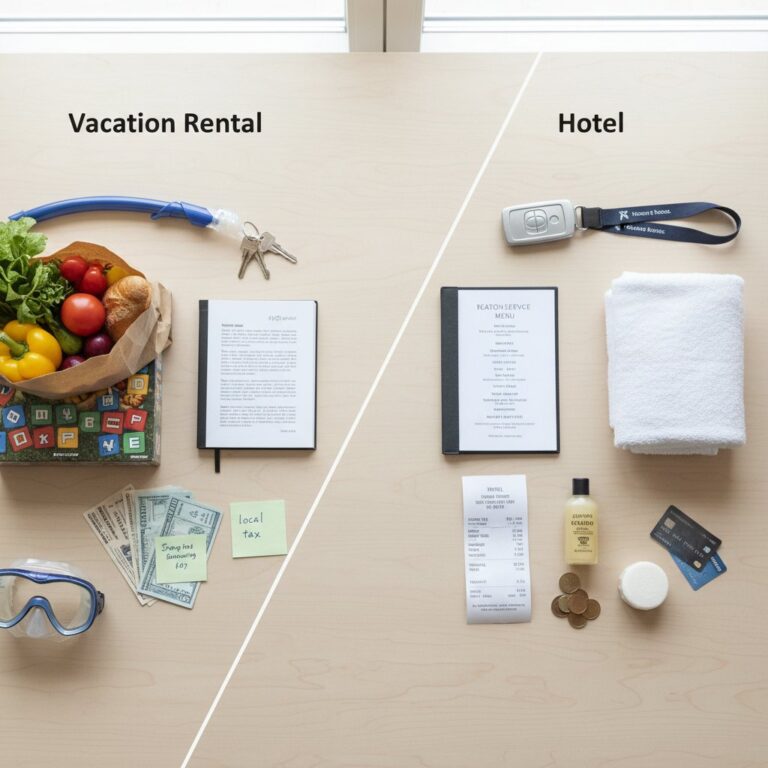
* Full Kitchens: This is the ultimate budget-saver. Being able to prepare meals, pack lunches, and enjoy snacks at “home” can cut your food budget by 50% or more. Imagine making breakfast together before a day of exploring or cooking a cozy dinner after a long hike – it’s not just economical, it’s part of the family experience.
* Amenities: Many rentals come with laundry facilities (another huge saver!), pools, game rooms, or direct beach access, providing entertainment without extra costs.
* Authentic Experience: Living like a local, even for a short while, offers a deeper connection to your destination.
Navigating Platforms: Airbnb, VRBO, and Booking.com
These platforms are your best friends in the search for the perfect family rental.
* Strategic Searching: Use filters religiously! Filter by:
* Price Range: Set your maximum budget from the start.
* Number of Guests: Be accurate; some hosts charge per person.
* Bedrooms/Bathrooms: Ensure everyone has comfortable sleeping arrangements.
* Amenities: Look for “kitchen,” “washer/dryer,” “pool,” “wifi” (essential for family entertainment!).
* Instant Book: If you need to confirm quickly.
* Superhost/Premier Host: These hosts generally have excellent reviews and provide great service.
* Location, Location, Location: Staying slightly outside the absolute prime tourist zone can yield significant savings. A rental just a 10-15 minute drive or public transport ride from the main attractions can be substantially cheaper. For example, a beachfront condo in Myrtle Beach, SC, might be $300+/night in peak season, but a charming bungalow a few blocks from the beach could be $150-$200.
* Read Reviews Religiously: Pay close attention to reviews, especially those mentioning cleanliness, accuracy of listing, noise levels, and host responsiveness. Look for families who have stayed there and what their experience was like.
* Booking Direct & Off-Platform Inquiries: While platforms offer protection, some property managers or individual owners have their own websites where you might find slightly lower prices (to avoid platform fees). However, always weigh the savings against the security of platform booking. For longer stays (a week or more), don’t hesitate to message hosts on Airbnb or VRBO to politely inquire about potential discounts. Many are willing to negotiate, especially during off-peak times.
Considering Alternatives Beyond the Traditional Rental
* Glamping: Imagine a comfortable tent, yurt, or cabin in a beautiful natural setting. Sites like Hipcamp or KOA offer options that are more affordable than a traditional rental but more comfortable than basic camping.
* House Swapping: Platforms like HomeExchange allow you to swap homes with another family, often for just a membership fee. This eliminates accommodation costs entirely!
* Hostels with Private Family Rooms: Many modern hostels offer private rooms with ensuite bathrooms, often at a fraction of hotel prices, and some even include shared kitchen facilities. This is particularly popular in Europe.
* Extended Stay Hotels: These hotel chains (like Residence Inn, Homewood Suites) offer suites with kitchenettes, free breakfast, and often evening receptions, providing a good middle ground between a full rental and a standard hotel.
Specific Examples:
* The Great Smoky Mountains (Gatlinburg/Pigeon Forge, TN): This area is a perennial family favorite, offering stunning natural beauty, hiking, and family-friendly attractions. During the shoulder seasons (spring and fall, outside of peak leaf-peeping or spring break), you can find charming 2-bedroom cabins with kitchens and hot tubs for $120-$200 per night on VRBO or Airbnb.
* Gulf Shores, Alabama: A fantastic, more affordable alternative to pricier Florida beaches. You can often snag a spacious 2-bedroom condo with a full kitchen and pool access for $180-$250/night during the early summer or late fall.
By being smart about where and how you stay, you unlock a massive component of your budget savings, freeing up funds for experiences.
Savvy Savings on Travel: Getting There Without Breaking the Bank
The journey to your destination is often one of the biggest budget line items. But with a bit of strategy, you can minimize costs without sacrificing comfort or convenience.
To Drive or To Fly? That is the Question.
* Road Tripping: For families, a road trip can be the ultimate budget-friendly adventure, especially for destinations within a 6-10 hour drive.
* Pros: Flexibility, no baggage fees, ability to pack more (snacks, drinks, entertainment), opportunities for spontaneous stops, and often a lower overall cost than flying for a family of four or more.
* Cons: Time-consuming, potential for car trouble, need to factor in gas, tolls, and wear-and-tear.
* Hacks: Plan your route to avoid excessive tolls. Pack a cooler with drinks and snacks to minimize expensive roadside stops. Consider a National Parks Pass ($80 annually) if you plan to visit multiple parks; it covers entrance fees for one vehicle and its occupants. If your car isn’t road-trip ready, renting a more fuel-efficient vehicle might even save you money on gas compared to driving your own gas-guzzler.
* Flying: If your destination is too far to drive, flying requires careful planning.
* Pros: Speed, convenience for distant destinations.
* Cons: Can be very expensive for families, baggage fees, airport hassles.
* Hacks:
* Be Flexible with Dates: Use “flexible dates” or “whole month” search options on Google Flights, Skyscanner, or Kayak to identify the cheapest days to fly. Flying mid-week (Tuesday-Thursday) is often cheaper than weekends.
* Book in Advance (but not too far): Sweet spot is often 2-4 months out for domestic flights, 3-6 months for international.
* Utilize Budget Airlines: Spirit, Frontier, Allegiant, and Southwest (check their own site) can offer very low base fares. Just be aware of their strict baggage policies and add-on fees. Factor these into your total cost.
* Incognito Mode & Price Alerts: Search for flights in incognito/private browsing mode to avoid dynamic pricing based on your search history. Set up price alerts on Google Flights or Hopper to be notified when fares drop for your desired route.
* Consider Nearby Airports: Flying into a smaller, regional airport 30-60 minutes away from your main destination can sometimes be significantly cheaper.
* Pack Light: Avoid checked bag fees by encouraging family members to pack in carry-on-sized bags. Master the art of capsule wardrobes!
Car Rentals at Your Destination
If you fly, you might need a car.
* Book Early: The earlier you book, the better the rates, especially during peak seasons.
* Avoid Airport Rentals: Airport rental locations often have higher taxes and fees. Look for off-airport locations that might offer shuttle service or be accessible via public transport.
* Comparison Shop: Use sites like Kayak, Expedia, and Costco Travel (for members) to compare prices across different rental companies.
* Check Your Insurance: Your personal car insurance or credit card might offer rental car coverage, saving you from buying the rental company’s expensive insurance.
Public Transportation & Ride-Sharing
In many major cities, relying on public transportation (subways, buses, trams) or ride-sharing apps (Uber, Lyft) can be far cheaper than renting a car, paying for parking, and navigating traffic. Invest in multi-day passes if available.
Culinary Cleverness: Eating Well Without Overspending
Food expenses can quickly derail a budget-friendly vacation, especially with hungry kids in tow. But with a well-stocked vacation rental kitchen, you have a secret weapon to delicious savings!
Embrace Your Vacation Rental Kitchen
This is the single most powerful tool for cutting food costs.
* Breakfast Power: Make breakfast at your rental every day. Cereal, oatmeal, eggs, toast, fruit – these are inexpensive, quick, and fuel your family for a day of adventure. A simple breakfast for a family of four can cost $5-$10 to prepare, compared to $40-$60 at a restaurant.
* Packable Lunches: Prepare sandwiches, wraps, salads, or leftovers from dinner for lunches on the go. This is especially crucial for beach days, hiking trips, or visits to parks where concession stand prices are inflated.
* Dinner Delight: Aim to cook dinner at the rental at least 50-70% of the time. This allows for healthier meals, family bonding over cooking, and substantial savings. Plan simple, crowd-pleasing meals: pasta, tacos, grilled chicken, sheet pan dinners, or slow-cooker meals.
* Grocery Shopping Strategy:
* Pre-Trip List: Plan out some meals and create a grocery list before you arrive.
* First Stop: Make a grocery store your first stop after checking into your rental. Stock up on staples (milk, bread, eggs, coffee), snacks, and ingredients for your planned meals. Look for local markets for fresh produce and regional specialties.
* Don’t Overbuy: While buying in bulk can save money, don’t buy so much that food goes to waste.
Smart Snacking & Hydration
* Always Carry Snacks: Kids (and adults!) get “hangry.” Pack a backpack with granola bars, fruit, crackers, nuts, and other non-perishable snacks. This prevents impulse buys at expensive tourist traps.
* Reusable Water Bottles: Fill them up before you leave your rental. This saves money on bottled water and is better for the environment. Many attractions have water fountains or refill stations.
Affordable Dining Out Options
You don’t have to cook every single meal. When you do eat out, be strategic:
* Lunch Specials & Happy Hour: Lunch menus are often significantly cheaper than dinner menus for similar items. Look for places with early bird specials or happy hour deals on appetizers.
* Picnics: Grab ingredients from a local deli or grocery store and enjoy a picnic in a park, by a scenic overlook, or on the beach. It’s a memorable experience and budget-friendly.
* Food Trucks & Local Markets: Explore local food trucks or farmers’ markets for delicious, authentic, and often more affordable meals than sit-down restaurants.
* “Kids Eat Free” Deals: Many family-friendly restaurants offer nights where kids eat free with a paying adult. A quick online search for your destination can reveal these gems.
* Share Plates: If portion sizes are generous, order fewer entrees and share, or order a mix of appetizers and sides for the table.
* Example Savings: A family of four eating all meals out might spend $150-$250+ per day. By cooking breakfast and dinner at the rental and packing lunches, you could easily bring that down to $50-$80/day for groceries and one or two modest restaurant meals, saving $1000 or more over a week!
Unforgettable Experiences for Less: Activities & Attractions on a Dime
The heart of any family vacation lies in the experiences you share. You don’t need to splurge on every single attraction to create lasting memories. In fact, some of the most cherished moments come from the simplest, most affordable activities.
Embrace the Free and Nearly Free
* Nature’s Playground: Beaches, parks, hiking trails, and nature preserves offer endless hours of free entertainment. Build sandcastles, collect seashells, splash in the waves, explore new trails, or have a scavenger hunt.
Example:* San Diego’s Balboa Park offers stunning gardens, architecture, and free outdoor performances, even if you don’t go into the paid museums. The beaches of San Clemente, California, provide miles of free sandy fun and a pier to stroll.
* Libraries & Community Centers: Many cities have public libraries with free children’s programs, story times, or even passes to local museums. Community centers might have affordable drop-in activities or playgrounds.
* Local Festivals & Events: Check the local tourism board’s website for free concerts, farmers’ markets, art walks, parades, or seasonal festivals happening during your visit. These are fantastic ways to experience local culture without spending a dime on admission.
* Museum Free Days/Evenings: Many museums offer free admission on specific days or evenings of the week. Research this in advance. In Washington D.C., all Smithsonian museums are always free!
* Walking Tours: Many cities offer “free” walking tours (where guides work for tips) that provide fascinating insights into history and culture.
* Scenic Drives & Overlooks: Pack a picnic and enjoy the views from a scenic route or mountain pass.
Strategic Spending on Paid Attractions
When you do decide to spend money on an attraction, do it wisely.
Bundled Passes (CityPASS, Go City): If you plan to visit multiple major attractions in a specific city, these passes can offer significant savings (e.g., 30-50% off individual ticket prices) compared to buying tickets separately. Do the math to ensure it’s truly a saving for your* family’s planned activities.
* Advance Booking Discounts: Many attractions offer discounts for purchasing tickets online in advance. This can range from 5-20% off.
* Group Discounts: If you’re traveling with another family, inquire about group rates.
* Membership Reciprocity: If you have a membership to a local museum, zoo, or science center, check if it offers reciprocal admission to similar institutions in other cities (e.g., ASTC Travel Passport Program for science museums).
* Early Bird or Late Entry: Sometimes, entering an attraction an hour or two before closing or right at opening can mean fewer crowds and a slightly lower cost.
Prioritize & Pick One: You don’t need to do everything*. Let each family member pick one “must-do” activity, and then fill the rest of your time with free or low-cost options.
* Coupons & Deals: Check local tourism brochures, hotel lobbies, or online coupon sites (Groupon, LivingSocial) for discounts on attractions or restaurants.
Creating Your Own Fun
Sometimes the best memories are made with simple, creative play.
* Board Games & Card Games: Pack a few favorites for evenings at the rental.
* Storytelling & Reading Aloud: A classic way to bond.
* Nature Crafts: Collect interesting leaves, stones, or shells and turn them into art.
* Scavenger Hunts: Create a simple list of things to find in your rental, a local park, or even a grocery store.
* Movie Night: Pop popcorn and watch a family movie on a streaming service included with your rental, or rent one for a few dollars.
Insider Secrets & Last-Minute Hacks for Budget Brilliance
Even with the best planning, a few extra tricks up your sleeve can make a big difference in keeping your family vacation on budget.
* Travel Insurance: A Calculated Risk: For budget travelers, travel insurance can seem like an unnecessary expense. However, for a major trip, especially with kids, it can be a lifesaver if someone gets sick, luggage is lost, or a natural disaster disrupts your plans. Compare policies carefully to find one that covers your primary concerns without overpaying. Sometimes, the peace of mind is worth the modest investment.
* Pack Smart, Pack Light: This isn’t just about fitting everything. It’s about avoiding airline baggage fees! Challenge everyone to pack in a carry-on. Use packing cubes to maximize space. Roll clothes. Wear your bulkiest items on the plane.
* Loyalty Programs & Credit Card Points: If you frequently fly with a particular airline or stay with a hotel chain, sign up for their loyalty programs. Points can accumulate quickly and lead to free flights or nights. Some travel credit cards offer significant sign-up bonuses that can cover a flight or a few nights’ stay, but always pay off your balance to avoid interest.
* Digital Detox & Wi-Fi Wisdom: Avoid expensive international roaming charges. Check if your vacation rental offers free Wi-Fi. Download maps, entertainment, and important documents before you leave home. Consider a local SIM card if you need constant connectivity overseas, or a portable Wi-Fi hotspot.
* Be Flexible & Spontaneous (Within Reason): While planning is key, sometimes the best budget deals pop up at the last minute. If you have the flexibility, keep an eye out for last-minute rental deals or flight sales. Also, be open to changing plans if a free local event suddenly appears.
* Embrace the “Staycation” Mindset: Sometimes, the most budget-friendly option is to explore your own backyard. Be a tourist in your hometown! Discover local parks, museums, and hidden gems you’ve never visited. Rent a local vacation rental for a night or two. This can be surprisingly rejuvenating and incredibly cheap.
* Cash is King (Sometimes): For small purchases, local markets, or places where card readers might be unreliable, having some local currency can be helpful. It also helps you stay aware of your spending.
* Postcard Power: Instead of expensive souvenirs, encourage kids to send postcards to friends and family. It’s a charming, inexpensive keepsake and teaches them about communication.
By integrating these clever hacks into your planning and travel style, you’ll find that budget travel isn’t about deprivation, but about maximizing value and enriching experiences.
Frequently Asked Questions About Budget Family Vacations
- Q1: Is it really possible to have a great family vacation on a tight budget?
- A1: Absolutely! A “great” family vacation isn’t measured by how much you spend, but by the quality of time spent together and the memories created. By focusing on smart planning, leveraging vacation rentals, prioritizing free or low-cost activities, and being resourceful with meals, you can have an incredibly rich and memorable trip. Think shared adventures in national parks, cooking delicious meals together in your rental, or exploring charming local towns – these experiences are often priceless and cost very little.
- Q2: When is the absolute best time to book a vacation rental for the best price?
- A2: Generally, booking during the “shoulder season” (just before or after peak season) or the true off-season offers the best rates and fewer crowds. For popular destinations, booking 4-6 months in advance for peak season travel can secure better prices and more options. For off-peak, you might find last-minute deals a few weeks out, but there’s more risk involved. Always compare prices across Airbnb, VRBO, and Booking.com, and don’t hesitate to message hosts about potential discounts for longer stays.
- Q3: What are some good budget-friendly destinations for families with young children?
- A3: Destinations rich in natural beauty and free activities are often ideal. Consider:
- National/State Parks: Yosemite, Zion, Great Smoky Mountains, or smaller state parks offer hiking, nature centers, and camping/cabin options.
- Beach Towns (off-season): Less crowded beaches like Gulf Shores, AL, or Outer Banks, NC, during spring or fall.
- Smaller Cities with Free Attractions: Washington D.C. (Smithsonian museums), St. Louis (Forest Park, zoo, science center), or cities with great public parks and playgrounds.
- Camping/Glamping: A fantastic way to connect with nature and keep costs low.
Look for places where the primary entertainment doesn’t involve expensive tickets.
- Q4: How can I save money on activities if I don’t want to just do free things?
- A4: Strategic spending is key!
- Bundle Passes: Invest in city passes (e.g., CityPASS) if you plan multiple major attractions.
- Advance Online Booking: Many attractions offer discounts for buying tickets online ahead of time.
- Look for Coupons: Check local tourism brochures, visitor centers, and sites like Groupon for deals.
- Reciprocal Memberships: If you have a museum or zoo membership at home, see if it grants free or discounted entry to partner institutions.
- Prioritize: Let each family member pick one “must-do” paid activity, and then balance it with free options.
Also, consider unique experiences that aren’t necessarily “attractions,” like a local cooking class or a guided nature walk, which can offer great value.
- Q5: Is travel insurance worth it for a budget trip?
- A5: While it’s an added expense, travel insurance can be very worthwhile, even for a budget trip, especially when traveling with family. It protects against unexpected events like trip cancellations due to illness, medical emergencies, lost luggage, or travel delays. For a family, these unforeseen issues can quickly turn a budget trip into a financial nightmare. Compare basic policies that cover emergencies and cancellations to find an affordable option that offers peace of mind. Your existing credit card or health insurance might also offer some basic travel coverage, so check those first!
Your Adventure Awaits: Dream Big, Spend Smart, Travel More
The idea of a budget-friendly family vacation isn’t a compromise; it’s an opportunity. An opportunity to teach your children the value of resourcefulness, the thrill of discovery beyond commercial attractions, and the deep satisfaction of creating memories together through shared experiences. Here at Vacation Rental Planners, we champion the belief that every family deserves to explore, to connect, and to rejuvenate, without the shadow of financial stress.
You now have a comprehensive toolkit of strategies, from meticulously crafting your budget and choosing smart destinations to mastering vacation rental deals, savvy travel, clever culinary planning, and finding unforgettable experiences for less. We’ve shown you how a full kitchen can save hundreds, how shoulder season travel unveils hidden gems, and how simple walks in nature can be more profound than any expensive ticketed event.
So, take a deep breath, gather your family, and start dreaming. With these tips in hand, the world is not just open for your exploration; it’s accessible. Begin planning your next adventure today, knowing that the most valuable souvenirs you’ll bring home are the laughter, the learning, and the love forged in the journey. Your unforgettable, budget-friendly family vacation isn’t just possible – it’s waiting for you to make it a reality. Happy planning, and even happier travels!
“`json
{
“@context”: “https://schema.org”,
“@graph”: [
{
“@type”: “Article”,
“mainEntityOfPage”: {
“@type”: “WebPage”,
“@id”: “https://www.vacationrentalplanners.com/blog/budget-family-vacation”
},
“headline”: “Unlock Unforgettable Family Adventures: Your Ultimate Guide to Budget-Friendly Vacation Planning”,
“image”: [
“https://www.vacationrentalplanners.com/images/family-budget-travel-hero.jpg”,
“https://www.vacationrentalplanners.com/images/family-cooking-vacation-rental.jpg”,
“https://www.vacationrentalplanners.com/images/family-national-park-hike.jpg”