
Unlock the World for Less: Your Ultimate Guide to Budget Travel & Unforgettable Adventures
The allure of new horizons, the whisper of ancient streets, the embrace of a pristine beach – travel calls to us all. Yet, for many, the dream of exploring the globe often collides with the perceived reality of high costs. At Vacation Rental Planners, we believe that wanderlust should never be limited by your wallet. We’re here to shatter the myth that unforgettable adventures are exclusive to the affluent. With the right strategies, a dash of creativity, and a healthy dose of insider knowledge, you can traverse continents, discover hidden gems, and create a lifetime of memories, all while staying firmly within your budget.
This comprehensive guide is your passport to smart, savvy, and sustainable travel. Whether you’re a solo explorer, a couple seeking romantic escapes, or a family yearning for enriching experiences without breaking the bank, we’ve distilled years of travel wisdom into actionable tips and practical advice. From mastering the art of booking to savoring local flavors and uncovering budget-friendly destinations, get ready to transform your travel dreams into tangible, affordable realities. Let’s embark on this journey together!
1. The Foundation of Frugality: Smart Planning & Savvy Booking
The secret to budget travel isn’t about cutting corners on experiences, but about making smart choices long before you pack your bags. Strategic planning is your most powerful tool for unlocking significant savings.
Timing is Everything: Embrace Off-Peak & Shoulder Seasons
The most impactful way to save on travel is to avoid the crowds and premium prices of peak season. Consider these alternatives:
- Shoulder Season: These are the periods just before or after the high season (e.g., April-May or September-October for Europe; late spring/early fall for many North American destinations). The weather is often pleasant, crowds are thinner, and prices for flights and accommodations can be 20-40% lower. Imagine exploring the historic streets of Rome in October without the crushing summer heat or throngs of tourists, or enjoying the beaches of the Outer Banks, NC, in May with delightful temperatures and fewer visitors.
- Off-Peak Season: While it might mean cooler weather or occasional rain, traveling during the true off-season can yield phenomenal deals. Think winter in Europe (excluding Christmas/New Year) where flights and hotels plummet, offering a chance to see iconic cities like Paris or Prague under a magical, snowy glow. A Caribbean vacation in late summer/early fall (hurricane season, but outside direct storm paths) can offer luxury resorts at budget prices, often 50% less than peak winter rates.
Flexible Dates & Destinations: Your Budget’s Best Friends
If your schedule allows, flexibility is gold. Flight search engines like Google Flights and Skyscanner have “Explore” or “Everywhere” features that let you see the cheapest destinations from your airport for a given month or date range. You might discover an incredible deal to a place you hadn’t considered, opening up new possibilities for adventure.
- “Cheapest Month” Option: When searching for flights, opt for flexible date ranges (e.g., “whole month” or “cheapest month”) rather than specific dates. You’d be surprised how much a difference a day or two can make. For example, flying mid-week (Tuesday-Thursday) is almost always cheaper than weekend travel.
- Destination Roulette: Instead of fixed ideas, let the deals guide you. Maybe you dreamed of Japan, but find an incredible fare to South Korea. Embrace the unexpected!
Booking Strategies: Advance vs. Last-Minute
There’s a sweet spot for booking, but it varies by what you’re reserving:
- Flights: Generally, 2-6 months in advance for international flights, and 1-3 months for domestic, yields the best prices. Booking too early (6+ months) can be expensive, as can booking last-minute (within 2 weeks).
- Accommodation (Vacation Rentals, Hotels): This can be more flexible. While popular vacation rentals on Airbnb or VRBO in prime locations might require advance booking, last-minute deals can sometimes be found on Booking.com or similar sites, especially during the off-season. Always compare prices across multiple platforms.
Accommodation Hacks: Beyond the Standard Hotel
When traveling with family or a group, vacation rentals are often the most budget-friendly and convenient option. They offer:
- Space and Privacy: More room than a typical hotel, often with separate bedrooms, which is ideal for families.
- Kitchen Facilities: A full kitchen allows you to prepare meals, saving a fortune on dining out. Imagine cooking a delicious breakfast or packing picnic lunches to take to the beach.
- Laundry: In-unit laundry facilities are a game-changer for longer trips, allowing you to pack lighter and avoid expensive hotel laundry services.
- Cost-Effectiveness: Dividing the cost of a multi-bedroom vacation rental among several travelers is usually cheaper per person than individual hotel rooms. For example, a 3-bedroom VRBO near Orlando’s attractions might cost $200-$300/night, which for a family of four or six is significantly less than two hotel rooms.
Other budget-friendly accommodation options include:
- Hostels: Many now offer private rooms with en-suite bathrooms, providing a social atmosphere at a lower price point.
- Guesthouses/B&Bs: Often locally owned, offering charm and value, especially in places like Southeast Asia or Central America (e.g., a guesthouse in Chiang Mai, Thailand, could be as low as $20-40/night for a private room).
- House Swapping/Sitting: For the truly adventurous and flexible, platforms like HomeExchange or TrustedHousesitters can offer free accommodation in exchange for caring for someone’s home or pets.
2. Mastering Transportation: Getting There & Getting Around Without Breaking the Bank
Transportation can eat up a significant portion of your travel budget, but with smart strategies, you can minimize costs without sacrificing convenience or experience.
Flights: The Art of the Deal
Securing cheap flights is an art, but one you can master:
- Be a Digital Ghost: Airlines track your searches. Use incognito/private browsing mode or clear your browser cookies before searching for flights to potentially see lower prices.
- Budget Airlines are Your Friends (with caveats): Carriers like Spirit and Frontier in the US, or Ryanair and EasyJet in Europe, offer incredibly low base fares. Just be aware of their strict baggage policies (often requiring payment for carry-ons and checked bags) and extra fees for seat selection. Pack light, adhere to their size limits, and you can save hundreds. A flight from London to Dublin on Ryanair might be as low as £20-50 (~$25-65 USD) if booked in advance.
- Consider Layovers: Direct flights are convenient but often pricier. A flight with a longer layover, or even one that requires you to change airports, can be significantly cheaper. Sometimes, these layovers can even be used for a mini-exploration of another city!
- Fly to Smaller Airports: Major hubs often have higher fees. Check if nearby smaller airports offer cheaper flights. For example, flying into secondary airports like London Luton (LTN) or Paris Beauvais (BVA) instead of Heathrow (LHR) or Charles de Gaulle (CDG) can save you money, though you’ll need to factor in transport costs to the city center.
- Travel Light: Avoid baggage fees by packing only a personal item and a carry-on that fits airline specifications. For shorter trips, this is often sufficient, and it saves time at the airport too.
Ground Transportation: Explore Like a Local
Once you’ve arrived, getting around doesn’t have to drain your funds:
- Public Transport is King: In most major cities worldwide, public transport (subways, buses, trams) is efficient, affordable, and gives you a taste of local life. A weekly pass in a city like Budapest or Berlin often costs less than two taxi rides. For families, children often ride free or at a reduced rate. Always research city-specific travel passes that offer unlimited rides and sometimes discounts on attractions.
- Buses for Inter-City Travel: Companies like FlixBus in Europe and North America, or local bus networks in Central/South America and Southeast Asia, offer incredibly cheap long-distance travel. While slower than trains or flights, they are a fantastic budget option. A bus from Lisbon to Seville could be as low as €20-40 (~$22-44 USD).
- Trains: While often pricier than buses, trains can be a great value, especially in regions with good rail networks (e.g., Europe, Japan). Rail passes (like Eurail or Japan Rail Pass) can offer savings if you plan extensive travel, but do the math – sometimes individual tickets booked in advance are cheaper.
- Car Rentals: Essential for exploring rural areas or National Parks. Use comparison sites like Kayak, Skyscanner, or Rentalcars.com. Book well in advance, especially for popular seasons. Consider smaller, more fuel-efficient cars, and if traveling abroad, be aware that manual transmission cars are often cheaper than automatics. Always scrutinize insurance options and fuel policies.
- Walking and Biking: The ultimate free transportation! Many cities are incredibly walkable, allowing you to discover hidden alleys and charming neighborhoods at your own pace. Renting bikes (or using bike-share programs) is also a fun and cheap way to explore, especially in flat cities like Amsterdam or Copenhagen.
3. Feasting Frugally: Savoring Local Flavors on a Shoestring
Food is an integral part of the travel experience, but it can also be a major expense. With a few strategic shifts, you can eat incredibly well, immerse yourself in local cuisine, and still keep your budget intact.
The Power of Self-Catering in Vacation Rentals
This is arguably the single most impactful way families and groups can save on food costs. By booking a vacation rental through Vacation Rental Planners partners like Airbnb or VRBO, you gain access to a full kitchen. This allows you to:
- Cook Breakfast: A simple breakfast of eggs, toast, fruit, and coffee can cost less than $5 per person when prepared at your rental, compared to $15-25+ per person at a restaurant.
- Pack Lunches: Before heading out for the day, whip up sandwiches, salads, or grab-and-go snacks. This saves money on expensive tourist-trap lunches and allows for scenic picnics in parks or by the beach.
- Prepare Dinners: Enjoy local ingredients from grocery stores or farmers’ markets. Not only is it cheaper, but it’s also a fantastic cultural experience. Imagine preparing a fresh seafood pasta in Italy or tacos with local produce in Mexico! For a family of four, cooking dinner at your rental could cost $20-40, while eating out could easily be $80-150+.
- Snacks and Drinks: Buy bottled water, sodas, and snacks in bulk at supermarkets instead of paying inflated prices at convenience stores or tourist sites.
Embrace Street Food & Local Markets
This is where true culinary magic happens, often at incredibly low prices:
- Street Food Havens: From the bustling night markets of Bangkok (where a full meal might cost $2-5 USD) to the taco stands of Mexico City ($1-2 per taco) or the sausage vendors in Berlin, street food offers authentic flavors and incredible value. Look for long lines of locals – that’s your sign of good quality and fair prices.
- Farmers’ Markets & Food Halls: Explore local markets for fresh produce, artisan cheeses, baked goods, and prepared foods. Many cities also have vibrant food halls where you can sample diverse cuisines affordably. Pike Place Market in Seattle or Borough Market in London, while touristy, still offer plenty of budget-friendly food stalls and picnic provisions.
Lunch Specials, Happy Hours & Early Bird Deals
Dining out doesn’t have to be off-limits. Just be strategic:
- Lunch is Cheaper: Many restaurants offer “prix fixe” lunch menus or specials that are significantly cheaper than their dinner counterparts, often featuring the same high-quality food.
- Happy Hour: Look for happy hour deals on drinks and appetizers. This can be a great way to try local delicacies and relax without a full dinner bill.
- Early Bird Specials: In some regions, dining before the peak dinner rush can net you discounts.
Hydration & Avoiding Tourist Traps
- Carry a Reusable Water Bottle: Refill it at taps (if safe) or water fountains. This saves money and reduces plastic waste.
- Avoid Restaurant Rows: Restaurants directly facing major tourist attractions often have inflated prices and mediocre food. Walk a few blocks away into side streets; you’ll find better food and better value where locals eat. Use apps like Google Maps to find highly-rated, local eateries.
- Skip the Fancy Drinks: Alcoholic beverages, especially cocktails, can quickly inflate your bill. Stick to water, or enjoy a local beer or wine if it’s part of the cultural experience and priced reasonably.
4. Experiences Over Expenses: Free & Low-Cost Adventures
The richest travel experiences often aren’t those that cost the most, but those that connect you with the destination’s heart and soul. Many of the most memorable activities are free or incredibly affordable.
Embrace the Great Outdoors
Nature offers unparalleled beauty and adventure, often for free or a minimal fee:
- National Parks & Wilderness Areas: In the US, an “America the Beautiful” pass ($80 annual fee) grants access to all National Parks and federal recreation sites for a year, a steal for families. Canada’s National Parks often have affordable day passes or seasonal passes. Spend days hiking, exploring trails, admiring waterfalls, or stargazing. Think Zion’s majestic canyons, Banff’s turquoise lakes, or the rugged coastlines of Acadia.
- Beaches & Lakes: From the iconic shores of California to the serene lakes of the Adirondacks or the Mediterranean coast, beaches and lakes offer endless free entertainment: swimming, sunbathing, building sandcastles, or simply relaxing with a book.
- Hiking & Biking Trails: Most regions have extensive networks of free hiking and biking trails, offering stunning views and a healthy way to explore.
Discover the Riches of Cities for Free
Urban centers are treasure troves of free cultural experiences:
- Free Walking Tours: Many cities offer “free” walking tours (tip-based) led by local guides. They’re a fantastic way to get an overview, learn history, and get local recommendations. Just remember to tip your guide generously!
- Parks & Public Squares: Iconic parks like Central Park in New York, Hyde Park in London, or Parque Retiro in Madrid are free to enter and offer hours of exploration, people-watching, and relaxation. Public squares are vibrant hubs of local life.
- Museums with Free Days/Hours: Many world-class museums offer free admission on specific days or evenings. For example, the Smithsonian museums in Washington D.C. are always free, and many London museums like the British Museum or National Gallery offer free general admission. Research these opportunities in advance.
- Public Art & Architecture: Wander through neighborhoods known for street art, admire historic buildings, or seek out public sculptures.
- Festivals & Local Events: Check local calendars for free concerts, cultural festivals, parades, or community markets happening during your visit.
Cultural Immersion & Unique Experiences
- People-Watching: Grab a coffee (or a cheap street snack) and find a busy bench. Observe daily life, listen to the language, and soak in the atmosphere. It’s free entertainment and a powerful way to connect with a place.
- Visit Local Libraries or Bookstores: Often housed in beautiful historic buildings, libraries can be fascinating architectural gems and offer a quiet refuge.
- Attend a Local Service or Event: If you’re respectful, attending a local church service, temple ceremony, or community gathering can be a profound cultural experience.
- Volunteering/Work Exchange: For longer trips, consider platforms like Workaway or WWOOF (World Wide Opportunities on Organic Farms) which connect travelers with hosts offering free accommodation and sometimes food in exchange for a few hours of work per day.
5. Budget-Friendly Destinations: Where Your Dollar Stretches Further
Choosing the right destination is paramount for budget travel. Some regions simply offer a lower cost of living, allowing your travel funds to go much further. Here are some top picks from Vacation Rental Planners:
Southeast Asia: The Backpacker’s Paradise (and Family Gem!)
This region consistently tops lists for affordability, offering incredible culture, stunning landscapes, and delicious food for a fraction of Western prices.
- Thailand: Beyond the bustling Bangkok, consider Chiang Mai in the north for its temples, cooking classes, and ethical elephant sanctuaries. Or explore the less-developed islands like Koh Lanta for beautiful beaches without the Phuket price tag. A comfortable private room in a guesthouse might be $20-40/night, street food meals $2-5.
- Vietnam: From the ancient town of Hoi An with its tailor shops and lantern-lit streets to the majestic Halong Bay and the vibrant cities of Hanoi and Ho Chi Minh City, Vietnam offers an intoxicating blend of history, culture, and cuisine. Expect to spend $30-50 USD per day for comfortable budget travel.
- Cambodia: Home to the awe-inspiring Angkor Wat temples, Siem Reap is incredibly affordable. Entrance to Angkor Wat is $37 for a 1-day pass, but accommodation and food are very cheap. You can easily find private rooms for $15-30/night and delicious meals for $3-7.
Eastern Europe: Old World Charm Without the Western Price Tag
While Western Europe can be notoriously expensive, its eastern counterparts offer similar historical richness, architectural beauty, and vibrant culture at a much lower cost.
- Hungary (Budapest): Known for its thermal baths, majestic Parliament building, and ruin bars, Budapest offers a grand experience for a budget price. A lovely Airbnb can be found for $50-80/night, and a hearty meal for $10-15.
- Czech Republic (Prague): The fairytale city of Prague, with its Charles Bridge and Old Town Square, is a popular choice. While becoming more popular, it remains more affordable than Paris or Rome. You can still enjoy cheap beer, hearty food, and inexpensive public transport.
- Poland (Krakow): A city steeped in history, with a beautiful medieval market square, Wawel Castle, and a poignant Jewish Quarter. Excellent value for food, accommodation, and cultural experiences. A typical daily budget might be $40-70 USD for a comfortable experience.
- Portugal (Lisbon & Porto): While gaining popularity, Portugal still offers excellent value compared to other Western European nations. Enjoy delicious seafood, Fado music, and charming historic districts. A spacious vacation rental in Lisbon can be found for $80-150/night, and meals are generally very reasonable.
Central & South America: Rich Culture, Stunning Nature
This region offers incredible diversity, from ancient ruins to lush rainforests and vibrant cities, all at accessible prices.
- Mexico (Beyond the Resorts): While Cancun and Tulum can be pricey, cities like Oaxaca or Mérida offer rich cultural experiences, incredible food, and beautiful colonial architecture at a fraction of the cost. Daily budgets of $35-60 USD are achievable.
- Colombia (Medellin & Cartagena): Colombia has emerged as a fantastic budget destination. Medellin, the “City of Eternal Spring,” offers vibrant culture and stunning mountain views. Cartagena boasts colorful colonial architecture and Caribbean charm. Accommodation and food are very affordable.
- Peru (Cusco & Sacred Valley): While the permit for Machu Picchu adds a significant cost, the rest of Peru, especially outside Lima, is very budget-friendly. Cusco, the gateway to Machu Picchu, is a charming city where you can find hostels for $10-20/night or private rooms for $30-50. Local markets offer cheap, delicious food.
Domestic Gems (USA/Canada): Exploring Your Own Backyard
Don’t overlook the incredible value and beauty within North America:
- National Parks: As mentioned, multi-day trips to parks like Moab (Utah), Big Bend (Texas), or Glacier National Park (Montana/Canada) can be incredibly affordable, especially if camping or staying in nearby budget-friendly towns and cooking your own meals.
- Smaller Cities & Coastal Towns (Off-Season): Explore places like Asheville, NC; Savannah, GA; or the Canadian Maritimes (Nova Scotia, Prince Edward Island) during their shoulder seasons. You’ll find charming vacation rentals, delicious local food, and fewer crowds at better prices than peak summer. For instance, a cozy vacation rental in Cape Breton, Nova Scotia, during late spring could be $100-180/night, offering access to stunning coastal drives and fresh seafood.
6. Smart Money Management & Essential Travel Hacks
Beyond where you go and how you book, how you manage your money on the ground can make a huge difference to your budget.
Budget Tracking & Financial Discipline
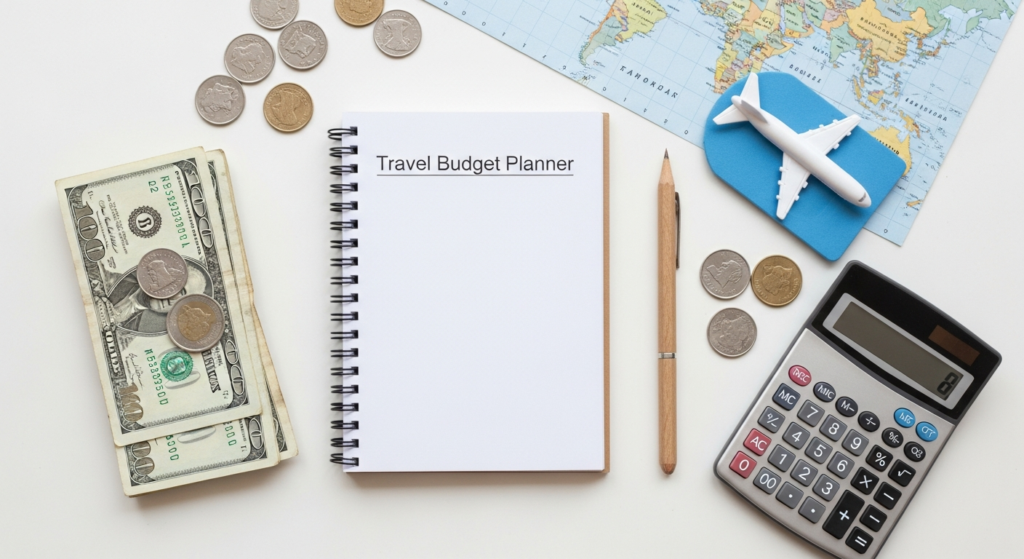
- Create a Daily Budget: Before you leave, estimate your daily expenses for food, activities, and transport. Use apps like Mint or You Need A Budget (YNAB) or a simple spreadsheet to track your spending as you go. This helps you stay accountable and adjust if you’re overspending.
- Separate Funds: Use separate accounts or cards for travel expenses to easily monitor and control your spending.
Avoid Bank Fees & Get the Best Exchange Rates
- No-Fee Debit/Credit Cards: Get a credit card with no foreign transaction fees and a debit card that reimburses ATM fees (e.g., Charles Schwab checking account in the US). These cards can save you hundreds of dollars over a long trip.
- Withdraw Larger Sums: When using an ATM, withdraw larger amounts less frequently to minimize per-transaction fees.
- Decline Dynamic Currency Conversion: When offered the choice to pay in your home currency or the local currency at ATMs or card readers, ALWAYS choose the local currency. Your bank will give you a better exchange rate.
- Notify Your Bank: Always inform your bank of your travel plans to avoid having your cards frozen due to suspicious activity.
Stay Connected Affordably
- Local SIM Card or eSIM: Instead of expensive international roaming, buy a local SIM card upon arrival. Data packages are usually very affordable (e.g., $10-20 for several GB in many Southeast Asian countries). Alternatively, use an eSIM provider like Airalo for digital convenience.
- Use Wi-Fi: Rely on free Wi-Fi in cafes, hotels, and vacation rentals for most of your internet needs.
Miscellaneous Hacks
- Travel Insurance is Non-Negotiable: While an upfront cost, comprehensive travel insurance can save you from catastrophic financial loss due to medical emergencies, trip cancellations, or lost luggage. Look for policies that cover your specific needs.