
Unlock Your Wanderlust: The Ultimate Step-by-Step Guide to Planning a Budget Vacation
Imagine waking up to the gentle lapping of waves on a pristine beach, exploring ancient ruins that whisper tales of bygone eras, or savoring exotic flavors in a bustling marketplace – all without the nagging worry of breaking the bank. For too long, the dream of a truly unforgettable vacation has been overshadowed by the perceived cost. But what if we told you that your dream getaway, whether it’s a family adventure, a romantic escape, or a solo exploration, is not only within reach but can be meticulously planned to fit your budget? At Vacation Rental Planners, we believe that incredible travel experiences should be accessible to everyone. We’re here to be your trusted guide, offering insider tips, practical advice, and a step-by-step roadmap to crafting the budget vacation of a lifetime. Get ready to transform your travel aspirations into reality, one smart decision at a time!
Step 1: Dream Big, Budget Smart – Laying Your Financial Foundation
Every epic journey begins with a vision, but a successful budget vacation begins with a clear financial framework. This isn’t about restriction; it’s about empowerment. Knowing your financial boundaries allows you to make informed choices and ensures your trip is filled with joy, not stress.
Defining Your Vacation Budget: The Grand Total and Daily Breakdown
Before you even think about destinations, sit down and determine your absolute maximum budget. Be realistic. This figure should encompass everything: flights, accommodation, food, activities, local transportation, souvenirs, and a contingency fund.
Once you have your grand total, break it down. If you’re planning a 7-day trip with a $2,000 budget (excluding flights, which are often a separate lump sum), that’s roughly $285 per day. This daily figure becomes your compass. It helps you decide, for example, if that fancy restaurant meal is worth skipping a paid activity later or if cooking at your vacation rental is a smarter move.
* Pro Tip for Families: Factor in “kid-specific” costs like extra snacks, small souvenir allowances, or specific attraction tickets. Having a separate, small daily allowance for these can prevent budget creep.
Tracking Your Current Spending & Identifying Savings Opportunities
Before you start saving, understand where your money is currently going. Use a budgeting app, a spreadsheet, or even a simple notebook to track every dollar for a month or two. You might be surprised at how much you spend on daily coffees, takeout lunches, or unused subscriptions.
* Cut the Fluff: Can you make coffee at home? Pack your lunch? Temporarily pause non-essential subscriptions? Even saving $20-$50 a week adds up quickly. Over six months, that’s $480-$1200 – potentially a flight or a week’s accommodation!
* Set Up an Automatic Savings Plan: Treat your vacation fund like a bill. Set up an automatic transfer from your checking to a separate savings account immediately after you get paid. Even small, consistent contributions are powerful.
Prioritizing Your “Must-Haves” vs. “Nice-to-Haves”
This is where the art of budget travel truly shines. What are your non-negotiables? Is it a specific type of accommodation, a particular activity, or a certain culinary experience?
* Example: For one traveler, a comfortable, private vacation rental (like those found on Airbnb or VRBO) might be a “must-have,” meaning they’ll compromise on eating out every meal. For another, experiencing local street food is paramount, so they might choose a more basic guesthouse.
* Family Focus: A private pool might be a “must-have” for a family with young children, while lavish dinners are a “nice-to-have.” Discuss these priorities as a family to ensure everyone feels invested and excited.
The Golden Rule: Build in a Contingency Fund
No matter how meticulously you plan, unexpected expenses can arise. A small emergency fund (5-10% of your total budget) is crucial. This covers things like a minor medical issue, an unexpected baggage fee, or a spontaneous, irresistible local experience. It’s your peace-of-mind fund.
By laying this solid financial groundwork, you’re not just budgeting; you’re building anticipation and taking control of your travel dreams.
Step 2: Destination Decoded – Choosing Your Budget-Friendly Paradise
With your budget framework in place, it’s time for the exciting part: choosing where to go! The secret to budget-friendly destinations isn’t necessarily about going somewhere “cheap,” but about choosing places where your dollar stretches further without compromising on incredible experiences.
Embrace Shoulder Seasons and Off-Peak Travel
This is perhaps the single most impactful budget-saving strategy. Shoulder seasons (the periods just before or after peak season) offer fantastic weather, fewer crowds, and significantly lower prices for flights and accommodation.
* Specific Examples:
* Mediterranean Europe (Spain, Portugal, Greece): Aim for April-May or September-October. You’ll enjoy pleasant temperatures (e.g., Portugal in May averages 60-70°F), fewer tourists, and potentially 20-40% savings on vacation rentals compared to July/August. A charming 2-bedroom apartment in Lisbon might drop from $150/night to $90/night.
* Caribbean: Visit in late spring (May-June) or fall (late August-November, outside hurricane peak). You might find luxurious all-inclusive resorts or private villas on Booking.com at half the price of winter rates.
* US National Parks: Early spring (April-May) or late fall (September-October) means cooler weather, stunning foliage (fall) or wildflowers (spring), and fewer cars queuing at popular spots like Yosemite or Zion.
Explore “Value Destinations” Where Your Dollar Stretches Further
Some regions simply offer a lower cost of living, meaning everything from meals to transportation to activities is more affordable.
* Southeast Asia (Thailand, Vietnam, Cambodia): This region is a perennial favorite for budget travelers. You can often find comfortable, air-conditioned vacation rentals or guesthouse rooms for $30-$70/night. Delectable street food might cost $2-$5 a meal, and local transportation is incredibly cheap. For a family of four, a week in Chiang Mai, Thailand, could be wonderfully immersive for $1000-$1500 (excluding international flights).
* Eastern Europe (Hungary, Poland, Czech Republic, Croatia – outside peak August): Cities like Budapest, Krakow, and Prague offer stunning architecture, rich history, and vibrant culture at a fraction of Western European prices. A stylish Airbnb in Budapest could be $60-$100/night, and a hearty meal with a drink for $10-$15. Croatia’s coast, while popular, can be more affordable in late May or September.
* Mexico (Beyond the Resorts): While Cancun and Cabo can be pricey, cities like Oaxaca, Mérida, or even Puerto Vallarta (away from the most touristy zones) offer incredible value. Imagine a charming 2-bedroom rental for $50-$100/night, street tacos for $1 each, and cultural experiences for a minimal fee.
* US National Parks & Camping: If you love the outdoors, national parks offer unparalleled beauty for a low cost. Camping fees are typically $20-$40/night. Even cabin rentals or budget motels just outside park entrances can be very reasonable, especially if you cook your own meals.
Consider Domestic Travel for Reduced Flight Costs
Sometimes, the most budget-friendly option is closer to home. Eliminating expensive international flights can free up a significant portion of your budget for experiences.
* Example: Instead of an expensive flight to Europe, consider a road trip to explore the charming small towns of New England in the fall, or the stunning deserts of the American Southwest. You can often find fantastic vacation rentals (or even glamping options) on platforms like VRBO or Airbnb that allow families to spread out and cook.
When choosing your destination, research the average costs for food, transportation, and common activities. Websites like Numbeo.com can give you a good idea of a destination’s general cost of living. The goal is to find a place that excites you and aligns beautifully with your financial parameters.
Step 3: Smart Stays & Savvy Flights – Mastering Travel Logistics
Now that you know where you’re going, it’s time to lock in the big-ticket items: flights and accommodation. This is where strategic planning can yield the most significant savings.
Conquering Airfare: Your Gateway to Savings
Flights are often the biggest upfront cost, but with flexibility and smart searching, you can drastically reduce them.
* Be Flexible with Dates: If your schedule allows, flying mid-week (Tuesday-Thursday) or during off-peak seasons almost always costs less. Tools like Google Flights’ calendar view or Skyscanner’s “Cheapest Month” feature are invaluable for finding the sweet spot.
* Consider Nearby Airports: Don’t just search for your destination’s main airport. Sometimes flying into a smaller, regional airport nearby and taking ground transport can save hundreds. For example, flying into Oakland instead of SFO, or Bergamo instead of Milan.
* Budget Airlines are Your Friend (with caveats): Airlines like Spirit, Frontier, Ryanair, and easyJet offer incredibly low base fares. Just be aware of their strict baggage policies and add-on fees. Pack light (a personal item that fits under the seat is usually free) and understand what’s included. A family of four could save $200-$400 on a domestic flight by choosing a budget airline, provided they avoid checked bags.
* Set Price Alerts: Use Google Flights, Kayak, or Hopper to track prices for your desired route. You’ll get notifications when fares drop.
* Browse in Incognito Mode: Some theories suggest airline websites track your visits and may increase prices. While not definitively proven, it doesn’t hurt to search in incognito/private mode.
* Book in Advance (But Not Too Far): For international flights, 2-8 months out is often the sweet spot. For domestic, 1-4 months. Booking last minute is rarely cheaper.
Accommodations: Your Home Away From Home (on a Budget)
Your choice of lodging significantly impacts your budget, especially for families.
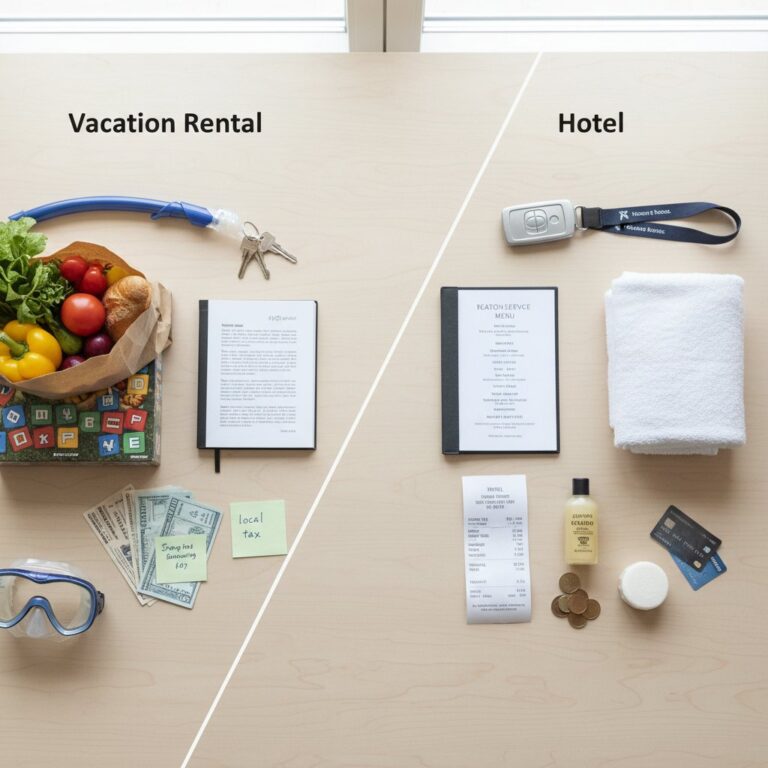
* Vacation Rentals (Airbnb, VRBO, Booking.com Homes): For families or groups, vacation rentals are often a game-changer.
* Space & Privacy: A 2-bedroom rental on Airbnb in Orlando might cost $150-$250/night, offering more space than two hotel rooms which could easily exceed $300.
* Kitchen Facilities: This is the ultimate budget hack. Cooking even just breakfast and some dinners at your rental can save hundreds over a week. Imagine buying fresh local produce and preparing a simple meal on the patio of your charming VRBO in Tuscany!
* Laundry: Having access to a washer/dryer means packing less and avoiding expensive hotel laundry services.
* Read Reviews Thoroughly: Pay close attention to reviews regarding cleanliness, location, hidden fees, and host responsiveness.
* Book Direct (Sometimes): Once you’ve found a rental you like, sometimes you can save by searching for the property directly online and booking through the owner’s website, avoiding platform fees.
* Hostels (Private Rooms): Don’t dismiss hostels! Many offer private rooms with en-suite bathrooms that are cleaner, more modern, and more affordable than budget hotels. They also often have communal kitchens, social areas, and offer organized activities. A private room in a highly-rated Lisbon hostel could be $50-$90/night.
* Guesthouses & B&Bs: These often provide a more personal touch and can be excellent value, especially in regions like Southeast Asia or parts of Europe. They might include breakfast, adding to your savings.
* Camping/Glamping: For nature lovers, this is incredibly budget-friendly. National and state park campsites are generally $20-$50/night. Glamping options offer a touch more comfort (like a furnished tent or yurt) for slightly more, but still less than a traditional hotel.
* House-sitting/Home Exchange: For truly long-term or adventurous budget travelers, platforms like TrustedHousesitters or HomeExchange can offer free accommodation in exchange for caring for pets or swapping homes.
When booking, compare prices across multiple platforms (Airbnb, VRBO, Booking.com, Expedia, etc.). Look for deals and discounts, especially for longer stays, as some hosts offer weekly or monthly discounts. Always factor in cleaning fees and service charges, which can add a significant chunk to the total.
Step 4: Culinary Adventures & Local Charms – Eating & Exploring on a Dime
Travel is about sensory experiences, and food and activities are central to that. You don’t need to splurge to savor local flavors or immerse yourself in a destination’s culture.
Feasting Smart: Delicious Food Without the High Price Tag
Food can quickly devour a budget, especially when traveling with family. But it’s also an incredible way to experience a culture.
Embrace Your Vacation Rental Kitchen: This is your secret weapon. Plan to cook at least one or two meals a day, especially breakfast. Stock up on essentials from local grocery stores upon arrival. Imagine making fresh pasta in Italy or a traditional paella in Spain using local ingredients! This can save a family of four $50-$100 per day*.
* Local Markets & Street Food: Immerse yourself in the local scene! Farmers’ markets offer fresh, affordable produce and often prepared foods. Street food stalls provide authentic, delicious, and incredibly cheap meals. In Mexico City, a full meal of tacos, quesadillas, and a drink might be $5-$8. In Vietnam, a bowl of Pho or Banh Mi sandwich is often $2-$4.
* Pack Snacks & Reusable Water Bottles: Avoid expensive airport or tourist-trap convenience store markups. Bring granola bars, fruit, and nuts from home. Refill your water bottle throughout the day.
* Lunch Specials & Happy Hours: Many restaurants offer more affordable lunch menus or early bird specials. Happy hour deals aren’t just for drinks; they often include discounted appetizers that can serve as a light, affordable dinner.
* Picnics with a View: Grab some local bread, cheese, cured meats, and fruit from a market and enjoy a scenic picnic at a park or beach. It’s an experience in itself and incredibly budget-friendly.
* “Free Water” Culture Check: In some countries (like the US), tap water is free and safe. In others, you’ll need to buy bottled water. Factor this into your daily expenses.
Exploring for Less: Unforgettable Experiences on a Budget
Some of the best travel memories don’t cost a dime.
* Free Attractions:
* Parks & Beaches: Spend a day relaxing on the pristine beaches of Florida’s Panhandle, or hiking the stunning trails of a local state park.
* Museum Free Days/Hours: Many world-class museums (e.g., The Getty Center in Los Angeles, British Museum in London) have free admission or specific free days/evenings. Check their websites in advance.
* Walking Tours: Many cities offer free (tip-based) walking tours led by passionate locals. It’s a fantastic way to get oriented and learn about the city’s history and culture. Remember to tip your guide generously if you enjoyed the tour.
* Window Shopping & People Watching: Simply strolling through charming neighborhoods, browsing local shops, and soaking in the atmosphere is a free and rich cultural experience.
* Public Libraries: Some iconic libraries offer beautiful architecture and quiet places to relax.
* Public Transportation: Embrace local buses, trams, and subways. They’re significantly cheaper than taxis or ride-shares and offer a more authentic glimpse into local life. Research multi-day passes if you plan on using public transport frequently. A 7-day metro pass in New York City could be around $33, while daily taxi fares could be $100+.
City Passes (Use with Caution): For some destinations, a city pass (e.g., Paris Pass, London Pass) can offer good value if you plan to visit many included attractions. However, do the math: list out the individual admission prices of the attractions you actually want to see* and compare it to the pass price. Don’t buy a pass for attractions you won’t use.
* Student/Senior/Family Discounts: Always ask! Many attractions offer discounted rates for students, seniors, or families. Make sure to carry relevant ID.
* Look for Local Events: Check local tourism websites or event listings for free concerts, festivals, or markets happening during your visit.
By combining smart food choices with an appreciation for free and low-cost activities, your budget vacation will be rich in authentic experiences without draining your wallet.
Step 5: The Art of the Deal – Leveraging Discounts & Smart Spending
Beyond the big-ticket items, there are countless ways to shave dollars off your trip through savvy planning and leveraging available resources.
Harness the Power of Travel Reward Credit Cards
If you’re disciplined with credit cards, travel reward cards can be a game-changer.
* Sign-Up Bonuses: Many cards offer substantial point bonuses (e.g., 50,000-100,000 points) after meeting an initial spending requirement. These points can often cover a round-trip flight or several nights in a hotel.
* Everyday Spending: Use your card for everyday purchases to accumulate points. Look for cards that offer bonus points on categories like groceries or dining.
* No Foreign Transaction Fees: If traveling internationally, ensure your card has no foreign transaction fees (typically 3% of every purchase), which can add up quickly.
* Travel Perks: Some premium cards offer perks like lounge access, free checked bags, or travel insurance, saving you money and enhancing your experience.
* Caution: Only pursue travel cards if you can pay your balance in full every month to avoid interest charges that would negate any travel benefits.
Seek Out Discounts Everywhere
* Membership Discounts: Are you an AAA member? AARP? A student with an ISIC card? Many hotels, car rentals, attractions, and even restaurants offer discounts. Always ask!
* Group Rates: If traveling with a larger group, inquire about group discounts for tours, attractions, or even vacation rentals.
* Travel Insurance – A Necessary “Expense”: While it feels like an added cost, comprehensive travel insurance can save you astronomical sums if something goes wrong (medical emergency, trip cancellation, lost luggage). Compare policies carefully to find one that covers your specific needs without unnecessary frills. For a family trip, comparing policies on sites like Squaremouth or InsureMyTrip can reveal options ranging from $100-$300 for a week’s coverage.
Smart Money Management Abroad
* ATM Withdrawals vs. Currency Exchange: Generally, withdrawing local currency from an ATM (especially one associated with a major bank) offers the best exchange rate. Inform your bank of your travel dates to avoid fraud alerts. Avoid airport currency exchange kiosks; their rates are notoriously bad.
* Limit Cash, Use Cards (Wisely): While cash is essential for street vendors and small purchases, using a credit card with no foreign transaction fees for larger purchases offers security and better exchange rates.
* Local SIM Card vs. Roaming: Purchasing a local SIM card upon arrival (often for $10-$30 for a week of data and calls) is almost always cheaper than international roaming charges from your home provider, especially for families who need to stay connected.
Souvenirs: Thoughtful Mementos Over Trinkets
Resist the urge to buy cheap, mass-produced trinkets. Instead, look for:
* Local Crafts: Support local artisans and bring home something truly unique.
* Consumables: Local spices, coffee, tea, or a bottle of regional wine make excellent, often affordable, souvenirs that you can enjoy at home.
* Experiences: Consider a local cooking class or a guided tour as your “souvenir” – memories that last a lifetime.
By being proactive in seeking out discounts and managing your money wisely, you’ll find that saving money on your budget vacation is not just possible, but surprisingly easy and rewarding.
Step 6: Before You Go – Final Checks for a Flawless Budget Trip
You’ve planned, you’ve saved, you’ve booked! Now, as departure day approaches, a few final checks ensure a smooth, stress-free, and budget-conscious journey.
Pack Smart, Pack Light: Avoid Baggage Fees
This is critical, especially when flying budget airlines.
* The Capsule Wardrobe: Choose versatile clothing items that can be mixed and matched. Stick to a color palette.
* Layering: Instead of bulky sweaters, pack layers that can be added or removed as temperatures change.
* Liquids Limit: Familiarize yourself with TSA/security rules for liquids in carry-ons to avoid having to discard expensive toiletries.
* Wear Your Bulkiest Items: Wear your heaviest shoes and jacket on the plane.
* Measure & Weigh: Before you leave, weigh your bags to ensure they meet airline requirements for carry-on and checked luggage. Overweight fees can be exorbitant – an extra $50-$100 per bag easily. For a family of four on a budget airline, avoiding just one checked bag can save $60-$100 each way!
Communicate with Your Vacation Rental Host
If staying in an Airbnb or VRBO, reach out to your host a few days before arrival.
* Confirm Arrival Details: Reconfirm check-in times and key pick-up/access instructions.
* Ask for Local Tips: Hosts are often treasure troves of local knowledge. Ask for recommendations on budget-friendly restaurants, local markets, or hidden gems.
* Address Any Concerns: Clarify any last-minute questions about amenities or house rules.
Finalize Your Flexible Itinerary
While it’s a budget trip, don’t over-schedule.
* Rough Outline: Have a general idea of what you want to do each day, but leave room for spontaneity and relaxation.
* Group Activities Geographically: Plan activities in the same area together to save on transportation time and costs.
* Booking in Advance: For popular (free or paid) attractions, consider booking time slots online to avoid long queues, which can waste precious vacation time.
Digital Documents & Important Information
* Backup Copies: Scan or photograph your passport, visas, flight confirmations, hotel bookings, and travel insurance details. Store them in a secure cloud service (Google Drive, Dropbox) and email copies to yourself and a trusted person back home.
* Emergency Contacts: Have a list of emergency contacts, including local embassy information, your bank’s fraud line, and travel insurance contact.
* Offline Maps: Download offline maps (Google Maps, Maps.Me) for your destination to navigate without needing data.
Small Touches for Big Savings
* Travel-Size Toiletries: If you can’t bring full-size bottles, use reusable travel-size containers to avoid buying expensive travel kits at your destination.
* Basic First-Aid Kit: Small cuts, headaches, or upset stomachs can be easily managed with a few basic supplies from home, saving you from searching for a pharmacy in an unfamiliar place.
With these final preparations, you’re not just ready to travel; you’re ready to embark on an adventure that’s thoughtfully planned, financially smart, and utterly unforgettable.
Frequently Asked Questions About Budget Travel
- Q: Is it really possible to have a good vacation on a tight budget, or will I just feel deprived?
- A: Absolutely! Budget travel isn’t about deprivation; it’s about smart choices and authentic experiences. By prioritizing what truly matters to you (e.g., local food, nature, cultural immersion) and being flexible, you’ll discover that some of the best travel memories come from simple, affordable pleasures – like a picnic overlooking a stunning vista or a bustling street food market. You’ll often experience more like a local and less like a tourist, which is incredibly enriching.
- Q: What’s the best time to book flights and vacation rentals for the lowest prices?
- A: For flights, generally 2-8 months in advance for international travel and 1-4 months for domestic, avoiding last-minute bookings. Tuesdays and Wednesdays are often the cheapest days to fly. For vacation rentals, booking further in advance (4-6 months, especially for popular properties or peak season) gives you more options and better prices. However, last-minute deals can sometimes pop up, but it’s a gamble. Always aim for shoulder seasons (just before or after peak) for significant savings on both flights and accommodation.
- Q: How can I save money on food, especially with a family, without eating fast food every day?
- A: The key is leveraging your vacation rental kitchen! Plan to cook breakfast and some dinners. Visit local grocery stores and farmers’ markets for fresh ingredients – it’s an experience in itself! Embrace local street food, which is often delicious, authentic, and incredibly cheap. Look for lunch specials or happy hour deals at restaurants. Pack snacks and refillable water bottles to avoid overpriced convenience store purchases.
- Q: Should I use a travel agent for a budget trip, or plan it myself?
- A: For a budget trip, planning it yourself often yields the most savings. Travel agents typically work on commission and might not always prioritize the absolute lowest cost. By using online tools (Google Flights, Skyscanner, Airbnb, VRBO, Booking.com), comparing prices across platforms, and being flexible, you can often find better deals. A travel agent might be beneficial for complex itineraries or if you need help with specific niche travel, but for general budget planning, DIY is usually best.
- Q: Is travel insurance worth the cost for a budget vacation?
- A: Absolutely, yes! Travel insurance is a non-negotiable for any trip, budget or luxury. The cost is minimal compared to the potential expenses of a medical emergency abroad, trip cancellation due to unforeseen circumstances, or lost luggage. For a family, a basic comprehensive policy might cost $100-$300 for a week, but it provides invaluable peace of mind against thousands of dollars in potential losses. Always compare policies to ensure you get adequate coverage for your specific needs.
Your Budget-Friendly Adventure Awaits!
There you have it – your comprehensive roadmap to planning an unforgettable vacation without the financial strain. From setting your initial budget and choosing the perfect value destination to mastering the art of smart bookings, savvy eating, and clever exploration, every step brings you closer to your dream getaway.
At Vacation Rental Planners, we believe that travel is not a luxury reserved for the few, but a transformative experience accessible to all. By embracing flexibility, doing your research, and making conscious choices, you’ll discover that a budget vacation doesn’t mean compromising on quality or excitement. In fact, it often leads to more authentic, immersive, and truly memorable adventures.
So, take a deep breath, reread these steps, and start dreaming. Your next incredible journey is waiting, and it’s perfectly within your reach. Happy planning, and may your travels be filled with wonder, joy, and incredible value!
“`json
{
“@context”: “https://schema.org”,
“@graph”: [
{
“@type”: “Article”,
“mainEntityOfPage”: {
“@type”: “WebPage”,
“@id”: “https://www.vacationrentalplanners.com/blog/how-to-plan-a-budget-vacation-step-by-step”
},
“headline”: “Unlock Your Wanderlust: The Ultimate Step-by-Step Guide to Planning a Budget Vacation”,
“image”: [
“https://www.vacationrentalplanners.com/images/budget-vacation-hero.jpg”,
“https://www.vacationrentalplanners.com/images/family-budget-travel.jpg”,
“https://www.vacationrentalplanners.com/images/affordable-destination.jpg”
],
“datePublished”: “2023-10-27T09:00:00+08:00”,
“dateModified”: “2023-10-27T09:00:00+08:00”,
“author”: {
“@type”: “Organization”,
“name”: “Vacation Rental Planners”,
“url”: “https://www.vacationrentalplanners.com”
},
“publisher”: {
“@type”: “Organization”,
“name”: “Vacation Rental Planners”,
“logo”: {
“@type”: “ImageObject”,