
The Foundation: Strategic Planning and Budgeting for Economical Expeditions
Successful budget travel begins long before you pack your bags. It’s rooted in meticulous planning and a crystal-clear understanding of your financial limits. Think of your budget as your travel compass, guiding every decision from destination choice to daily spending.
Crafting Your Travel Budget: The Non-Negotiable First Step
Before you even begin dreaming of specific locales, sit down and create a realistic budget. This isn’t just about how much you can spend, but how much you want to spend, carefully allocating funds to key categories:
- Transportation: Flights, trains, buses, car rentals, local transit.
- Accommodation: Hotels, hostels, vacation rentals, camping.
- Food: Groceries, restaurant meals, snacks, drinks.
- Activities & Entertainment: Tours, museum entries, excursions, nightlife.
- Miscellaneous: Travel insurance, visas, souvenirs, emergency fund.
Use budgeting apps or a simple spreadsheet to track every penny. Knowing where your money goes is the first step to controlling it. Be honest with yourself about your spending habits and build in a buffer for unexpected costs. This proactive approach ensures you avoid financial stress while on the road.
The Power of Early Booking and Off-Peak Travel
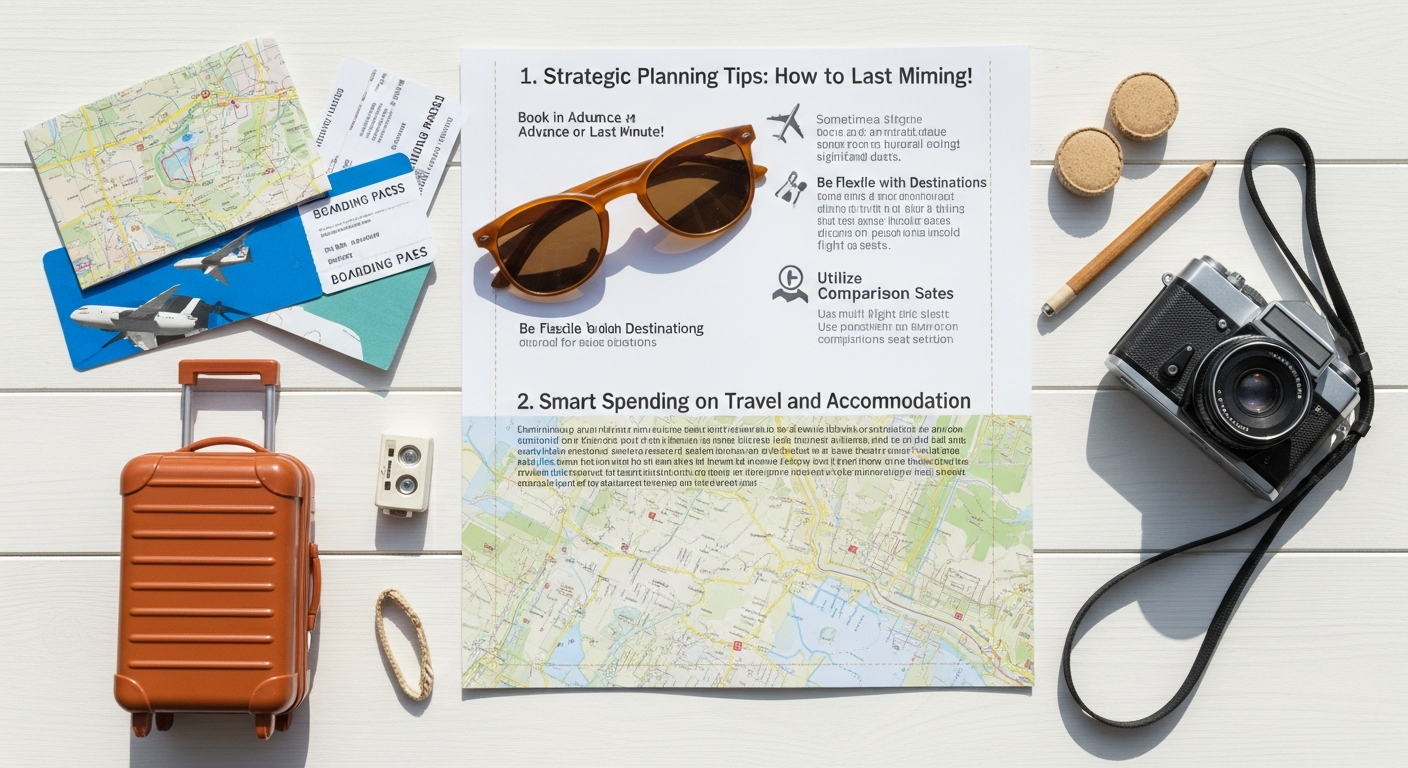
Timing is everything when it comes to saving money. Booking in advance, especially for flights and popular accommodations, almost always yields better prices. Airlines and vacation rental owners often release their best rates months in advance, rewarding those who plan ahead. Conversely, last-minute deals can sometimes be found, but they come with inherent risks and less choice, making them a gamble for the budget-conscious.
Equally impactful is the choice of when you travel. Opting for off-peak seasons can dramatically reduce costs across the board. Flights are cheaper, accommodation rates plummet, and tourist attractions are less crowded, offering a more authentic and enjoyable experience. Shoulder seasons (just before or after peak season) offer a sweet spot of decent weather and lower prices.
Flexibility: Your Secret Weapon for Savings
If your schedule allows, being flexible with your travel dates and even your destination can unlock significant savings. Flight search engines often have “flexible date” options that show you the cheapest days to fly within a month or even a year. Sometimes shifting your departure by a single day can cut hundreds off your airfare.
Similarly, having an open mind about your destination can lead to incredible discoveries. Instead of fixating on one popular locale, research places that are currently more affordable. A little research can reveal unexpected treasures.
Smart Accommodation: Your Home Away From Home (Without the High Price Tag)
Accommodation often represents one of the largest expenditures in any travel budget. However, a plethora of options exist beyond traditional hotels that cater specifically to the budget traveler, offering comfort, convenience, and community without the hefty price tag.
Embracing the Vacation Rental Advantage
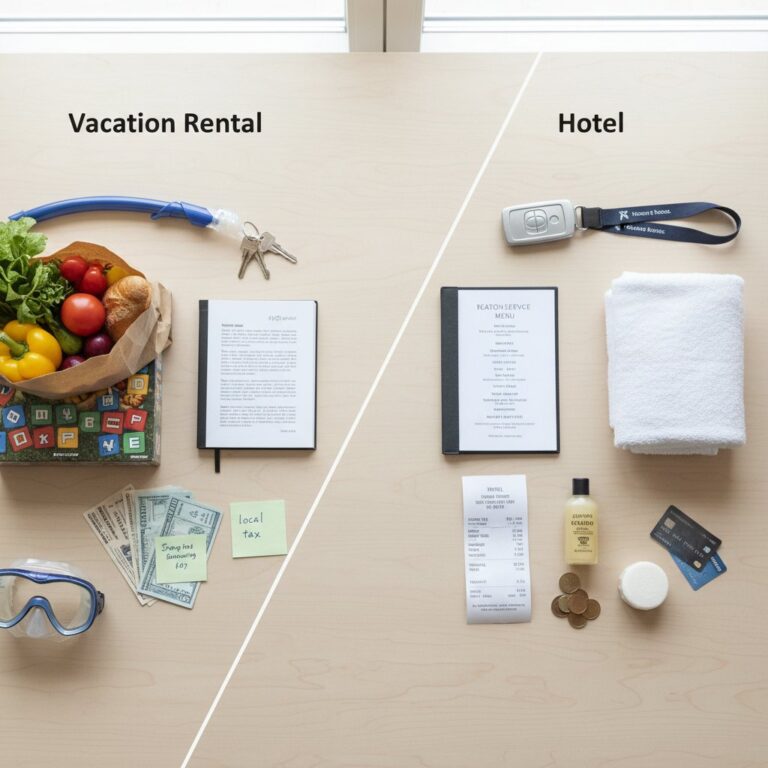
For families, groups, or extended stays, vacation rentals often present an unbeatable value proposition compared to hotels. Platforms like Airbnb, Vrbo, and local rental agencies offer everything from cozy apartments to spacious homes. The primary advantage lies in the ability to cook your own meals, which can lead to enormous savings on dining out. Furthermore, many rentals offer more space, privacy, and amenities like laundry facilities, making longer trips more comfortable and cost-effective.
Hostels: A Social and Budget-Friendly Hub
For solo travelers or those on a shoestring budget, hostels are an excellent choice. Far from the dingy stereotypes of the past, many modern hostels offer stylish, clean, and safe environments with both dormitory-style rooms and private options. They are fantastic for meeting fellow travelers, participating in organized activities, and often include amenities like free Wi-Fi, communal kitchens, and sometimes even complimentary breakfast. The social atmosphere can enrich your travel experience significantly.
Beyond the Usual: Unique and Ultra-Affordable Stays
- House-Sitting & House Swapping: Platforms like TrustedHousesitters connect travelers with homeowners looking for someone to care for their pets and home while they’re away. This can provide free accommodation in exchange for light duties. House swapping involves exchanging your home with another traveler, offering zero-cost lodging.
- Camping & Glamping: For nature lovers, camping is incredibly budget-friendly, especially in national or state parks. “Glamping” (glamorous camping) offers a more comfortable experience with furnished tents or cabins, still often cheaper than traditional hotels.
- Couchsurfing: Stay for free with local hosts around the world. While it requires an open mind and a willingness to connect, it offers an unparalleled cultural immersion and zero accommodation costs.
Navigating the World: Economical Transportation Strategies
Mastering Air Travel Without Breaking the Bank
Flights are often the biggest hurdle for budget travelers, but there are ways to make them more affordable:
- Be Flexible with Dates & Airports: As mentioned, flexibility is key. Also, check prices from nearby airports; sometimes flying into a smaller, less popular airport can be significantly cheaper, even with the added cost of ground transport to your final destination.
- Embrace Budget Airlines: Carriers like Spirit, Frontier, Ryanair, and EasyJet offer incredibly low base fares. However, be vigilant about their fees for baggage, seat selection, and even printing boarding passes. Factor these into your overall cost.
- Use Flight Comparison Sites & Set Price Alerts: Websites like Google Flights, Skyscanner, and Kayak allow you to compare prices across multiple airlines. Set up price alerts to be notified when fares drop for your desired route.
- Consider Layovers: Direct flights are convenient but often more expensive. Opting for flights with longer layovers or even stopovers in other cities can save money and potentially allow you to explore an extra destination for free.
- Fly Mid-Week: Tuesdays, Wednesdays, and Saturdays are generally the cheapest days to fly. Avoid Fridays and Sundays.
Ground Transport: The Scenic and Economical Route
Once you’re at your destination, or for inter-city travel, ground transportation can be far more economical and often more enjoyable than flying.
- Buses: Long-distance buses are often the cheapest way to travel between cities and even countries. Services like FlixBus, Greyhound, and local networks offer extensive routes at a fraction of the cost of trains or flights.
- Trains: While sometimes more expensive than buses, trains offer a comfortable, scenic, and efficient way to travel, especially in Europe (e.g., Eurail passes) and parts of Asia. Booking in advance can yield significant savings.
- Ride-Sharing & Carpooling: Apps like BlaBlaCar connect drivers with passengers heading in the same direction, allowing you to share fuel costs.
- Local Public Transport: In cities, always prioritize subways, buses, and trams. Purchase multi-day passes if available, as they offer unlimited rides and better value than single tickets.
- Walk or Bike: The ultimate budget option! Walking and biking allow you to experience a destination up close, save money on transit, and get some exercise.
- Car Rentals: If you need a car, use comparison sites, book the smallest car you can manage, and opt for manual transmission if possible. Check fuel policies and insurance options carefully.
Culinary Adventures on a Budget: Eating Well Without Overspending
Food is a fundamental part of any travel experience, but restaurant bills can quickly derail a budget. Eating cheaply doesn’t mean sacrificing deliciousness; it means being smart about where and what you eat.
Embrace Self-Catering and Local Markets
This is where vacation rentals truly shine. Having access to a kitchen allows you to prepare your own meals, which is invariably cheaper than dining out three times a day. Visit local supermarkets and, even better, farmers’ markets for fresh, seasonal produce, cheeses, and baked goods. Cooking your own breakfast and packing lunches for your daily excursions can save a substantial amount of money.
Savor Local Street Food and Budget-Friendly Eateries
One of the best ways to experience a new culture is through its food. Seek out street food vendors, food trucks, and small, local restaurants that cater to residents rather than tourists. These spots often offer incredibly flavorful dishes at a fraction of the cost of sit-down restaurants. Ask locals for their recommendations – they know where the hidden gems are.
Smart Hydration and Snack Strategies
- Carry a Reusable Water Bottle: Refill it wherever possible (taps, cafes, public fountains). This saves money on bottled water and reduces plastic waste.
- Pack Snacks: Before leaving for the day, throw some granola bars, fruit, or nuts in your bag. This prevents impulse purchases of overpriced snacks when hunger strikes.
- Limit Alcoholic Beverages: Drinks can add up quickly. Enjoy them in moderation, or seek out happy hour deals.
Experience More, Spend Less: Free and Low-Cost Activities
Many of the most memorable travel experiences don’t cost a dime. Focus on immersing yourself in the local culture and natural beauty rather than chasing expensive attractions.
Embrace Nature and Public Spaces
Parks, beaches, hiking trails, and public gardens are almost always free and offer incredible opportunities for recreation and relaxation. Exploring the coastline or hiking through a national park can be just as rewarding as any paid tour. Pack a picnic, bring a book, and enjoy the surroundings.
Many cities also offer free walking tours (often tip-based), providing historical context and local insights from a knowledgeable guide. These are an excellent way to get acquainted with a new place.
Seek Out Free Attractions and Events
- Museum Free Days/Hours: Many museums offer free admission on specific days or evenings. Check their websites in advance.
- Local Festivals & Markets: Immerse yourself in the local scene by attending free festivals, parades, or browsing bustling public markets.
- Architectural Wonders: Simply wandering through historic districts, admiring unique architecture, or visiting grand churches and cathedrals can be a captivating experience.
- Outdoor Concerts & Performances: Especially during warmer months, many cities host free concerts, movies in the park, or street performances.
Consider City Passes (With Caution)
City passes that offer discounted entry to multiple attractions can be a good deal, but only if you plan to visit enough included sites to make it worthwhile. Calculate the individual cost of the attractions you genuinely want to see versus the pass price. Don’t feel pressured to visit everything just because it’s included.
Financial Acumen on the Go: Managing Your Money Wisely
Smart money management extends beyond budgeting for expenses; it also involves how you handle your funds while traveling to avoid fees and ensure security.
ATM vs. Currency Exchange: The Best Way to Get Local Currency
Generally, using a debit card at an ATM is the most cost-effective way to get local currency. However, be aware of two types of fees:
- Your Bank’s Fees: Some banks charge foreign transaction fees (typically 1-3%) and ATM withdrawal fees. Look for banks that waive these fees for international travel.
- Local ATM Fees: The ATM operator itself might charge a fee. These are often displayed before you confirm the transaction.
Avoid exchanging currency at airports or tourist traps, as their exchange rates are usually very poor. Always withdraw larger amounts from ATMs to minimize per-transaction fees, but don’t carry excessive cash. When asked if you want to be charged in local currency or your home currency, always choose the local currency. This ensures the ATM uses the interbank exchange rate, which is far more favorable than the dynamic currency conversion (DCC) rate offered by the ATM.
Credit Cards for Travel: Rewards and No Foreign Transaction Fees
Certain travel credit cards offer significant benefits, such as no foreign transaction fees, travel insurance, and rewards points that can be redeemed for flights or accommodation. Use them for larger purchases, but always have a debit card for ATM withdrawals and some cash for smaller vendors or emergencies.
Notify Your Bank and Have an Emergency Fund
Always inform your bank and credit card companies of your travel plans to prevent them from flagging your transactions as fraudulent. Furthermore, build an emergency fund into your travel budget. This separate pot of money is crucial for unexpected situations like medical emergencies, lost luggage, or sudden travel changes. Peace of mind is priceless.
Guard Against Tourist Scams
Unfortunately, scams are a reality in many tourist areas. Be vigilant, research common scams in your destination, and trust your instincts. Always be wary of unsolicited help, overly friendly strangers, or deals that seem too good to be true.
Leveraging Technology and Community for Ultimate Savings
In the digital age, your smartphone and online communities are powerful tools for budget travel.
Essential Travel Apps for the Frugal Explorer
- Flight & Accommodation Search: Skyscanner, Google Flights, Kayak, Hopper (predicts price changes), Booking.com, Airbnb, Hostelworld.
- Budgeting & Expense Tracking: Mint, You Need A Budget (YNAB), or simple spreadsheet apps.
- Navigation: Google Maps (download offline maps), Citymapper (for public transit in major cities).
- Communication: WhatsApp, Google Translate (download offline languages).
- Local Deals & Food: TheFork, Groupon (for local activities/restaurants), Yelp, TripAdvisor.
- VPN: A Virtual Private Network can sometimes help you find cheaper flights or accommodation by masking your location, as prices can vary by country.
Tap into the Global Travel Community
Online forums, Facebook groups, and Reddit communities dedicated to budget travel, specific destinations, or even solo travel are goldmines of information. Ask questions, read tips from experienced travelers, and even find travel buddies. Websites like Couchsurfing or Workaway offer not just accommodation but also opportunities to connect with locals and experience a destination authentically, often in exchange for volunteer work.
Conclusion: Your Passport to Affordable Adventures Awaits
Traveling on a budget is not a limitation; it’s an opportunity for creativity, resourcefulness, and deeper immersion into the world. By embracing strategic planning, smart accommodation choices, economical transportation, savvy eating habits, and a willingness to explore free and low-cost activities, you can unlock incredible experiences without the financial strain. Remember, the goal is not to spend nothing, but to spend wisely, ensuring every dollar invested contributes to a rich, memorable, and sustainable travel experience. So, start planning, pack smart, and prepare to discover that the world is indeed your oyster, even on a budget.
Frequently Asked Questions
Recommended Resources
Learn more about this topic in Japan Pocket Wifi Vs Sim Card at Onomichi Guide.
For more on cheap travel tips, see Onomichi History And Culture Guide on Onomichi Guide.
From Our Network
- how to get to Onomichi from Tokyo (en Onomichiguide)
Travel Credit Cards & Points/Miles: Budget Travel’s Secret Weapon
For budget travelers willing to invest a few hours in setup, travel rewards credit cards can unlock flights, hotel stays, and more at 0–50% of the cash price. Here’s a practical primer:
Understanding Points vs. Miles
- Transferable points — The most flexible currency. Chase Ultimate Rewards (earned on Chase Sapphire cards), American Express Membership Rewards (AmEx Gold, Platinum), Capital One Miles, and Citi ThankYou Points can each transfer to 10–20+ airline and hotel partners at 1:1 or better ratios. One Chase Ultimate Rewards point transferred to United or Hyatt can be worth $0.015–$0.025 — far above the standard $0.01 “cash value.”
- Airline miles — Tied to a specific airline or alliance (Delta SkyMiles, United MileagePlus, American AAdvantage, Southwest Rapid Rewards). Best for travelers loyal to one carrier or hub city. Domestic economy awards typically start at 5,000–15,000 miles one-way.
- Hotel points — Marriott Bonvoy, Hilton Honors, and World of Hyatt each offer redemptions at tens of thousands of properties. Hyatt is particularly valuable for vacation rental planners — the free night certificates from the World of Hyatt Credit Card can cover resort fees at properties near top destinations.
Beginner Strategy: The 1-2-3 Stack
- Open a no-annual-fee travel card for everyday spending (Capital One Quicksilver or Chase Freedom Unlimited — both earn transferable points/cash back with no foreign transaction fees).
- Add one premium travel card after building credit history — the Chase Sapphire Preferred ($95/year) earns 3x on dining + 2x on travel and includes trip cancellation/interruption insurance ($10,000 per person).
- Use sign-up bonuses strategically — a single 60,000-point bonus is typically worth $600–$1,200 in travel if transferred to airline partners. Don’t open more than 2-3 cards per year to protect your credit score.
Key rule: Travel credit cards only save you money if you pay the balance in full every month. Carrying a balance at 20–29% APR will eliminate any rewards benefit. If you carry balances, skip travel cards and use a 0% intro APR card first.
Travel Insurance & Visas: What Budget Travelers Must Know
Travel Insurance: The One Budget Item You Shouldn’t Skip
Travel insurance typically costs 4–10% of your total trip cost. For a $1,500 trip, that’s $60–$150 — a small price for potentially unlimited medical coverage abroad.
- World Nomads (Generali Global Assistance) — The most popular choice for backpackers and budget travelers. Covers emergency medical ($100,000+), trip cancellation, lost luggage, and adventure sports (hiking, surfing, scuba). Annual policies from $120–$200/year for US residents. Activate and extend policies while already traveling.
- SafetyWing — Monthly subscription ($42–$68/month, billed every 4 weeks) specifically designed for long-term travelers and digital nomads. Covers emergency medical in 180+ countries. No trip cancellation coverage but ideal for open-ended or multi-country itineraries.
- Allianz Global Assistance — Best for families and complex trip itineraries. AllTrips Premier plan ($400–$600/year) covers unlimited trips up to 45 days each, including trip interruption, medical evacuation (up to $1M), and baggage delay.
The U.S. State Department’s Smart Traveler Enrollment Program (STEP — step.state.gov) is free and allows US citizens to register their trip with the nearest US Embassy or Consulate, receiving safety alerts and enabling evacuation assistance. Enroll before every international trip.
Visa & Entry: Know Before You Go
- ESTA (Electronic System for Travel Authorization) — Required for citizens of Visa Waiver Program (VWP) countries (38 nations including UK, EU members, Australia, Japan) traveling to the US. Cost: $21. Apply at esta.cbp.dhs.gov. Valid for 2 years, multiple entries, up to 90 days per visit. Apply at least 72 hours before travel.
- Schengen Visa — US citizens can stay in the 27 Schengen Area countries (most of the EU + Iceland, Norway, Switzerland, Liechtenstein) for up to 90 days in any 180-day period without a visa. Track your Schengen days carefully — overstaying results in fines and entry bans.
- ETIAS (European Travel Information and Authorization System) — Beginning 2025–2026, US citizens visiting Schengen countries will need ETIAS pre-authorization ($8, valid 3 years). Check ETIAS.com for current launch status.
- eTA Canada — Electronic Travel Authorization required for visa-exempt foreigners flying to Canada. Cost: CAD $7 ($5 USD). Apply at canada.ca/en/immigration-refugees-citizenship. Valid 5 years. Not required if entering by land or sea.
- Passport validity rule: Many countries require your passport to be valid for 6 months beyond your planned departure date. Check your destination’s requirements on the U.S. State Department website (travel.state.gov) before booking.
Sample Daily Budgets by Region: What to Expect in 2026
These ranges reflect dorm/budget accommodation + street food + free activities + local transport. Figures are approximate 2026 estimates based on historical travel cost data:
| Region | Budget Traveler | Mid-Range | Tips |
|---|---|---|---|
| Southeast Asia Thailand, Vietnam, Indonesia |
$25–$45/day | $70–$120/day | Street food $1–$3/meal. Guesthouses $10–$20/night. Overnight sleeper trains save on both transport and accommodation. |
| Western Europe France, Germany, Spain, Italy |
$80–$130/day | $150–$250/day | Hostels €20–€40/night. Free museum days (Louvre: free 1st Saturday of month for under 26). Supermarket picnics save €20–€30/day vs restaurants. |
| Eastern Europe Poland, Czech Republic, Hungary |
$40–$65/day | $80–$130/day | Warsaw, Prague, Budapest offer Western European experiences at 40–60% lower cost. FlixBus inter-city buses from €5–€20. |
| South America Colombia, Peru, Argentina |
$35–$60/day | $80–$150/day | Argentina’s blue-rate dollar exchange (use official Wise or Remitly transfers) can reduce costs 40–60% versus official rate. Peru’s Machu Picchu circuit requires advance permit ($12–$47 on MachuPicchu.gob.pe). |
| US Domestic National Parks, cities |
$100–$160/day | $200–$350/day | Camping at NPS sites: $10–$30/night. City hostels: $40–$80/night. Vacation rentals for groups of 3+ often beat hotel costs. Use Hopper app for price prediction on domestic flights. |
| Japan | $60–$90/day | $120–$200/day | JR Pass (7-day: ~$340 USD) covers most Shinkansen (bullet trains) and is worth it for multi-city trips. Convenience store meals (7-Eleven/FamilyMart) cost $4–$8 and are high quality. |
Pro budget tip: The Nomadic Matt Budget Calculator (nomadicmatt.com) and TravelBuddy app let you input your destination and travel style to get crowdsourced real-time cost estimates from other travelers. For up-to-date exchange rates, use Wise (formerly TransferWise) — consistently 3–5% better than bank rates.