
Pre-Departure Planning Essentials: Laying the Groundwork for a Seamless Trip
The foundation of any successful trip is laid long before you pack your first suitcase. Meticulous planning in the initial stages can save you countless hours of stress and potential headaches down the line. This section covers the critical administrative and research tasks that form the backbone of your travel preparations.
Booking & Itinerary Confirmation
Before you even think about what to pack, ensuring all your major bookings are solidified and accessible is paramount. Double-checking these details can prevent frustrating surprises upon arrival.
- Flights and Accommodation: Confirm all flight details, including departure and arrival times, terminal information, and baggage allowances. For accommodations, verify reservation dates, check-in/check-out procedures, and any special requests you might have made. Keep digital and physical copies of all confirmations.
- Transportation: If you’ve booked rental cars, trains, or inter-city buses, reconfirm these reservations. Note down pick-up/drop-off locations, times, and any specific requirements. Consider pre-booking airport transfers to avoid scams or long waits.
- Activities & Tours: For popular attractions or tours, pre-booking is often essential, especially during peak seasons or when visiting highly sought-after locations like some of the Best Vacation Destinations Us 2026. Confirm your slots and understand cancellation policies.
- Detailed Itinerary: Create a clear, concise itinerary that includes all confirmed bookings, addresses, contact numbers, and timings. Share this with a trusted family member or friend who is not traveling with you.
Essential Documents & Copies
Your travel documents are your gateway to your destination. Protecting them and having backups is non-negotiable.
- Passport & Visas: Ensure your passport is valid for at least six months beyond your intended return date. Check visa requirements for your destination(s) well in advance and apply as needed. Keep photocopies of your passport and visa separately from the originals.
- Identification: Carry a secondary form of identification, such as a driver’s license or national ID card, especially if you’re traveling domestically or need an alternative in case your passport is lost.
- Travel Insurance Policy: Have your travel insurance policy details readily available, including policy numbers and emergency contact information. We’ll delve deeper into travel insurance later, but knowing you have it and how to use it is key.
- Medical Prescriptions & Records: If you take prescription medication, carry a copy of the prescription and a doctor’s note, especially for controlled substances. Also, keep a list of your important medical information, including allergies and blood type.
- Digital Backups: Scan or photograph all important documents (passport, visa, flight tickets, hotel bookings, insurance policy) and save them to a secure cloud service (e.g., Google Drive, Dropbox) or email them to yourself. This provides accessible backups in case physical documents are lost or stolen.
Research & Local Knowledge
A well-informed traveler is a confident traveler. Understanding your destination’s nuances can enhance your experience and help you navigate unforeseen challenges.
- Local Laws & Customs: Familiarize yourself with local laws, cultural etiquette, and social norms. What might be acceptable in your home country could be offensive elsewhere.
- Health & Safety Advisories: Check government travel advisories for your destination regarding safety, health risks, and political stability. Be aware of common scams or areas to avoid.
- Currency & Exchange Rates: Understand the local currency, typical exchange rates, and common payment methods. It’s wise to have some local currency for immediate expenses upon arrival.
- Emergency Contacts: Know the local emergency numbers (police, ambulance, fire) and the contact information for your country’s embassy or consulate at your destination.
- Language Basics: Learning a few basic phrases in the local language can go a long way in showing respect and facilitating interactions.
Financial Preparedness: Securing Your Funds, Leveraging Rewards & Protecting Your Investment

Managing your finances wisely before and during your trip is crucial for a stress-free experience. This involves not only ensuring you have access to funds but also making smart choices about how you pay and protecting your financial investment in the trip.
Managing Your Money Abroad
Having a diversified approach to your travel money is the smartest strategy.
- Notify Your Bank: Inform your bank and credit card companies of your travel dates and destinations. This prevents them from flagging your overseas transactions as fraudulent and freezing your cards.
- Credit and Debit Cards: Carry a combination of credit and debit cards. Research cards that offer no foreign transaction fees. Understand your daily withdrawal limits for debit cards and credit limits for credit cards.
- Local Currency: Arrive with a small amount of local currency for immediate expenses like taxis, tips, or small purchases where cards might not be accepted. You can obtain this from your bank before you leave or at an airport ATM upon arrival. Avoid exchanging large sums at airport kiosks due to unfavorable rates.
- Emergency Funds: Have a separate, accessible emergency fund, perhaps in a separate account or a pre-loaded travel card, for unexpected situations.
- Budgeting: Set a daily or weekly budget and track your expenses to avoid overspending. Utilize budgeting apps if helpful.
Maximizing Travel Rewards Points
For savvy travelers, your accumulated rewards points can transform a good trip into a great one, significantly reducing costs for flights, accommodation, and even experiences. Understanding How To Use Travel Rewards Points effectively is a skill that can save you thousands.
- Point Redemption Strategy: Before booking, assess your points balances across different loyalty programs (airlines, hotels, credit cards). Compare the value of redeeming points for flights versus hotels, as the redemption value can vary greatly. Sometimes, transferring points to a partner airline or hotel chain yields a better return.
- Booking Flights: Look for “sweet spots” in airline loyalty programs where you can get disproportionately high value for your points on specific routes or cabins. Be flexible with your travel dates if possible, as off-peak redemption rates are often lower.
- Hotel Stays: Many hotel loyalty programs offer free night redemptions. Consider using points for aspirational stays or to offset the cost of longer trips. Check for fifth-night free benefits or other promotions.
- Credit Card Portals: Some credit card travel portals offer fixed-value redemptions for flights, hotels, and car rentals. While sometimes less lucrative than direct airline/hotel redemptions, they offer flexibility if you don’t have enough points with a specific brand.
- Bonus Categories & Sign-up Bonuses: Plan your spending to maximize earning points in bonus categories before your trip. If you’re considering new credit cards, time applications to take advantage of sign-up bonuses that can fund a significant portion of your travel expenses for 2026.
Travel Insurance: Your Safety Net
While an added expense, travel insurance is an investment in peace of mind. It protects against unforeseen circumstances that can derail your trip and your finances.
- Coverage Types: Understand the different types of coverage: trip cancellation/interruption, medical emergencies, emergency evacuation, baggage loss/delay, and rental car coverage.
- Policy Details: Read the fine print carefully. Know what is and isn’t covered, including any exclusions or deductibles. Pay particular attention to medical coverage limits and pre-existing condition clauses.
- Purchase Timing: It’s often best to purchase travel insurance shortly after making your initial trip deposit, as some benefits (like “cancel for any reason” or pre-existing condition waivers) have time-sensitive enrollment periods.
- Emergency Contacts: Keep your insurance provider’s emergency contact information readily accessible, both digitally and physically.
Home Security & Maintenance: Peace of Mind While You’re Away
Securing Your Property
Making your home look occupied and impenetrable is key to deterring potential intruders.
- Locks & Windows: Ensure all doors and windows are securely locked. Consider upgrading to smart locks for remote monitoring and control.
- Alarm System: Activate your home alarm system and notify your alarm company of your absence. If you don’t have one, consider temporary security solutions or smart home devices.
- Mail & Deliveries: Arrange for mail to be held by the postal service or ask a trusted neighbor to collect it daily. Cancel or pause newspaper and other regular deliveries.
- Lights & Timers: Use light timers on interior lights to simulate occupancy. Smart lighting systems allow you to control lights remotely or set up randomized schedules.
- Valuables: Store irreplaceable valuables in a safe deposit box or a hidden home safe. Avoid leaving expensive items in plain sight.
- Social Media Silence: Resist the urge to post about your trip on social media until you’ve returned. This signals an empty home to potential criminals.
Utilities & Appliances
Preventing potential hazards and conserving energy while you’re away is a smart move.
- Water: Turn off your main water supply, especially if you’re leaving for an extended period, to prevent leaks or burst pipes. Drain exterior hoses.
- Thermostat: Adjust your thermostat to an energy-saving setting, but don’t turn off heating/cooling entirely, especially in extreme weather, to prevent damage from freezing pipes or excessive humidity. Smart thermostats allow remote monitoring and adjustment.
- Unplug Electronics: Unplug non-essential electronics to save energy and protect against power surges. This includes TVs, computers, and small kitchen appliances.
- Waste: Empty all trash cans and dispose of perishable food items to prevent odors and pests.
Pet & Plant Care Arrangements
Your furry friends and green companions need care in your absence.
- Pet Sitters/Boarding: Arrange for a trusted pet sitter, dog walker, or secure boarding facility for your pets. Provide detailed instructions regarding feeding, medication, and routines.
- Plant Watering: Ask a neighbor or friend to water your indoor and outdoor plants, or set up an automatic watering system for longer trips.
- Emergency Contacts: Leave emergency contact information for your vet and plant care instructions with your designated caregivers.
Leveraging Smart Home Technology for Remote Management
The advancements in smart home technology offer unparalleled control and peace of mind. For those familiar with how to manage vacation rental remotely, many of these tools are already part of your operational toolkit and can be seamlessly applied to your primary residence.
- Smart Security Systems: Install smart security cameras (indoor and outdoor) that provide live feeds and motion alerts to your phone. Integrate these with smart locks and alarm systems for a comprehensive security blanket.
- Remote Monitoring: Use smart home hubs to monitor temperature, humidity, and even water leaks from anywhere in the world. This is particularly useful for preventing costly damage from environmental factors.
- Automated Routines: Set up automated routines for lights, blinds, and even entertainment systems to give the impression of an occupied home. This mimics the sophisticated scheduling often used in professional vacation rental management.
- Trusted Access: If you have a house-sitter or a neighbor checking in, smart locks allow you to grant temporary, trackable access without sharing physical keys, much like managing guest access in a vacation rental.
- Energy Efficiency: Smart thermostats and smart plugs allow you to manage energy consumption remotely, ensuring you’re not wasting electricity or gas while you’re away, a principle central to sustainable property management, whether it’s your home or a rental.
Packing Smart: The Art of Efficient Travel
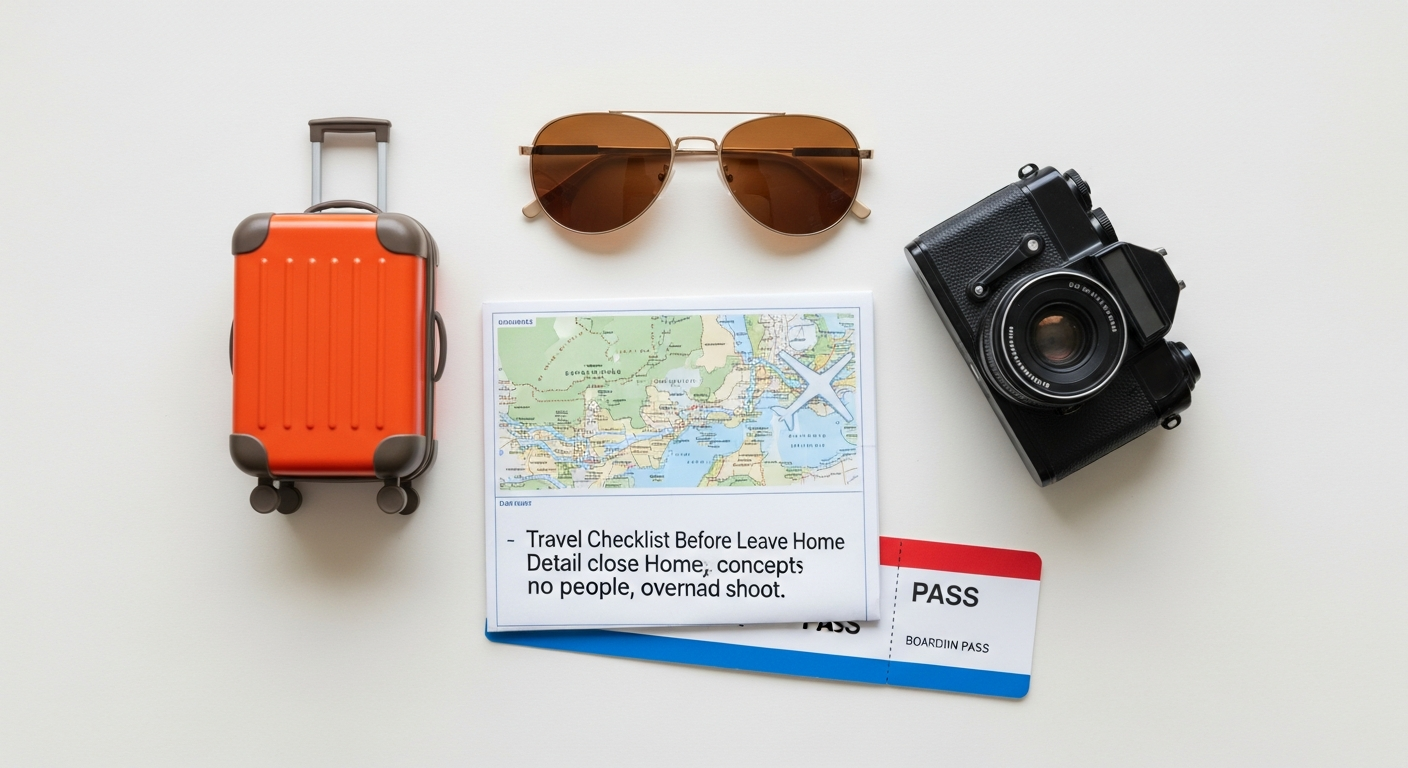
Packing can be one of the most daunting tasks, but with a strategic approach, you can ensure you have everything you need without overpacking. The goal is efficiency, versatility, and preparedness.
Clothing for Every Occasion & Climate
Research your destination’s weather forecast for your travel dates and pack accordingly, layering is often the best strategy.
- Versatile Pieces: Pack clothes that can be mixed and matched to create multiple outfits. Neutrals are your best friends.
- Layering: Include base layers, mid-layers (sweaters, fleeces), and an outer layer (waterproof jacket) to adapt to changing temperatures.
- Specific Attire: If your trip includes formal events, hiking, swimming, or specific cultural sites, remember to pack appropriate attire and footwear.
- Undergarments & Socks: Pack enough for each day, plus a few extras.
- Pajamas: Comfortable sleepwear for your nights away from home.
Toiletries & Personal Care
Consolidate your toiletries to save space and comply with airline liquid restrictions.
- Travel-Sized Essentials: Shampoo, conditioner, soap, toothpaste, deodorant, moisturizer, and sunscreen in travel-sized containers.
- Medications: All prescription medications (in original containers with labels) and any over-the-counter remedies you might need (pain relievers, antacids, allergy medicine).
- Feminine Hygiene Products: Pack enough for your trip.
- Hairbrush/Comb & Styling Products: Only bring what you absolutely need.
- Shaving Kit: Razors and shaving cream.
- Hand Sanitizer & Wet Wipes: Essential for cleanliness on the go.
Electronics & Chargers
In our connected world, electronics are often indispensable. Ensure you have the right gear and power solutions.
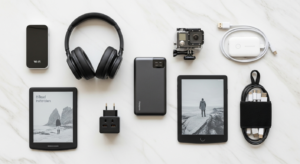
- Phone & Charger: Your primary communication and navigation tool.
- Portable Power Bank: Crucial for keeping devices charged on long days out.
- Universal Travel Adapter: If traveling internationally, a universal adapter with USB ports is a must.
- Headphones: For entertainment during transit or privacy.
- Camera & Accessories: If you’re a photography enthusiast, don’t forget your camera, extra batteries, and memory cards.
- Tablet/E-reader: For entertainment or reading during downtime.
Medications & First Aid
Being prepared for minor ailments or injuries can prevent discomfort and save you from hunting for pharmacies in unfamiliar places.
- Prescription Medications: Pack more than enough for your trip, keeping them in their original containers with clear labeling. Carry a copy of your prescription and a doctor’s note.
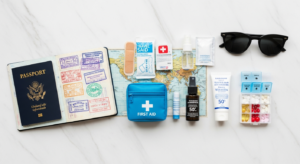
- Basic First Aid Kit: Band-aids, antiseptic wipes, pain relievers, allergy medication, antacids, motion sickness tablets, and any personal specific items like blister plasters or insect repellent.
- Glasses/Contacts & Solution: Bring an extra pair of glasses or sufficient contact lenses and solution.
Miscellaneous Essentials
Small items that often make a big difference to your comfort and convenience.
- Reusable Water Bottle: Stay hydrated and reduce plastic waste.
- Small Backpack/Day Bag: For daily excursions.
- Foldable Shopping Bag: Handy for souvenirs or groceries.
- Travel Pillow & Eye Mask: For comfort during long journeys.
- Copies of Documents: As mentioned, digital and physical copies of all important travel documents.
- Snacks: A few non-perishable snacks for transit or emergencies.
Health & Wellness on the Go: Prioritizing Your Well-being
Your health is your most valuable asset, especially when traveling. Proactive steps to safeguard your well-being can ensure your trip remains enjoyable and free from preventable health issues.
Medical Consultations & Vaccinations
Before traveling to certain regions, medical advice is essential to protect yourself from local health risks.
- Doctor’s Visit: Schedule a check-up with your doctor several weeks before your trip, especially if you have pre-existing conditions or are traveling to remote areas. Discuss your travel plans and any potential health concerns.
- Vaccinations: Inquire about recommended or required vaccinations for your destination. Some vaccinations require multiple doses over several weeks, so plan well in advance.
- Preventative Medications: Discuss any preventative medications you might need, such as anti-malarials or altitude sickness medication.
Prescription Management
Ensuring you have uninterrupted access to your necessary medications is non-negotiable.
- Sufficient Supply: Pack enough prescription medication to last your entire trip, plus a few extra days’ worth in case of unexpected delays.
- Original Containers: Keep all medications in their original, labeled containers to avoid issues with customs.
- Doctor’s Note: Carry a signed letter from your doctor detailing your medications, dosages, and why they are prescribed, especially for controlled substances or syringes.
- Carry-On Bag: Always pack essential medications in your carry-on bag, not checked luggage, to ensure they are accessible and protected from loss or extreme temperatures.
Emergency Contacts & Information
In case of an emergency, having critical information readily available can be a lifesaver.
- Emergency Contact List: Create a physical and digital list of emergency contacts, including family members, your doctor, and your travel insurance provider.
- Medical Alert Information: If you have severe allergies or medical conditions, consider wearing a medical alert bracelet or carrying a card with this information.
- Blood Type & Allergies: Have your blood type and a list of any allergies (medication, food, environmental) easily accessible.
- Embassy/Consulate Information: Keep the contact details for your country’s embassy or consulate at your destination handy.
Digital & Connectivity Checklist: Staying Connected & Entertained
In today’s interconnected world, ensuring your digital readiness is just as important as your physical preparations. This section covers everything you need to stay connected, informed, and entertained while on the move.
Device Preparation
Getting your gadgets ready before you leave can save you data charges and headaches.
- Charge All Devices: Ensure your phone, tablet, camera, e-reader, and power bank are fully charged before departure.
- Clear Storage: Free up space on your phone and camera for new photos and videos. Back up existing media to a cloud service or external hard drive.
- Software Updates: Perform any necessary software updates on your devices before you leave. This avoids slow downloads on unreliable Wi-Fi and potential security vulnerabilities.
- Security: Ensure your devices have strong passwords or biometric security enabled. Consider installing a “find my device” app.
Data & Roaming Solutions
Staying connected without incurring exorbitant charges requires planning.
- International Roaming Plan: Contact your mobile provider to inquire about international roaming plans or travel passes. Compare costs carefully, as they can be expensive.
- Local SIM Card: For longer trips or multiple destinations, purchasing a local SIM card upon arrival is often the most cost-effective option. Ensure your phone is unlocked before you leave.
- eSIM: Many newer phones support eSIMs, allowing you to download a local data plan without needing a physical SIM card. This offers great flexibility and often better rates.
- Portable Wi-Fi Hotspot: Consider renting or buying a portable Wi-Fi hotspot for reliable internet access for multiple devices, especially if you’re traveling in a group.
- Offline Maps: Download offline maps of your destination (e.g., Google Maps) so you can navigate without an internet connection.
Offline Access & Entertainment
Prepare for periods of no internet access, whether it’s during a long flight or in a remote location.
- Download Entertainment: Download movies, TV shows, music, podcasts, and audiobooks to your devices.
- E-books & Articles: Load up your e-reader or tablet with books and articles for leisure reading.
- Travel Apps: Download useful travel apps such as currency converters, translation tools, ride-sharing apps, and local public transport guides.
- Cloud Access: Ensure you can access important documents and photos stored in the cloud, but also have offline copies as a backup.
Last-Minute Checks & Departure Day Protocol: The Final Sweep
Even with meticulous planning, the final hours before you walk out the door are crucial for a quick, confident departure. This ‘last sweep’ ensures nothing is overlooked and you leave with absolute peace of mind.
The Final Walk-Through
Take a systematic tour of your home to ensure everything is in order.
- Windows & Doors: Double-check that all windows, doors, and garage doors are securely locked.
- Lights Off: Turn off all unnecessary lights, except for those on timers.
- Water Faucets: Confirm all faucets are turned off and not dripping. If you turned off the main water supply, ensure no taps were left open.
- Oven & Stovetop: Verify the oven and stovetop are off and unplug small kitchen appliances like toasters and coffee makers.
- AC/Heating: Set your thermostat to your desired vacation setting.
- Charging Devices: Unplug any devices that were charging, except those you specifically need to leave plugged in (e.g., smart home hubs).
- Pets & Plants: A final check on your pets (if they’re staying) or plants to ensure they have food/water or are ready for their sitter.
Waste & Perishables
Preventing unwelcome odors and pests while you’re away is a simple but important step.
- Empty Trash: Take out all household trash, especially from kitchen and bathroom bins.
- Clear Refrigerator: Dispose of any perishable food items that will spoil during your absence. Consider leaving a box of baking soda in the fridge to absorb odors.
Keys & Access
Ensure you have all necessary keys for your journey and that your home keys are secured.
- Travel Keys: Confirm you have your house keys (for return), car keys, and any other keys you might need for your trip (e.g., rental car keys, luggage locks).
- Hidden Keys: If you use a hidden spare key, ensure it’s securely placed or remove it if you prefer. Inform your trusted contact person where they can find a spare if needed.
- Neighbor/Friend Access: If a neighbor or friend is checking on your home, ensure they have the necessary access information and contact details.
By diligently following this comprehensive checklist, you empower yourself to travel with confidence, knowing that your home is secure, your finances are managed, and every detail of your journey has been considered. The joy of travel lies in discovery and relaxation, and thorough preparation is the key to unlocking that experience without unnecessary worry. Happy travels, and we look forward to hearing about your adventures in the Best Vacation Destinations Us 2026!
Frequently Asked Questions
Recommended Resources
Explore Day Trip To Onomichi From Hiroshima for additional insights.
Check out Shopping In Onomichi Japan on Onomichi Guide for a deeper dive.