
Planning the Ultimate Family Road Trip Adventure
The foundation of any successful family road trip lies in meticulous planning. While spontaneity has its charm, a well-thought-out itinerary and preparation minimize stress and maximize enjoyment, especially when traveling with children. From mapping your route to readying your vehicle, every detail contributes to a smoother, more enjoyable journey.
Setting the Route: More Than Just Directions
Choosing your destination is just the beginning. The route you take can significantly impact the overall experience. Consider the ages and interests of everyone in your family. Younger children might benefit from shorter driving days with frequent stops at playgrounds or attractions, while older kids might enjoy longer stretches punctuated by unique landmarks or cultural sites. Flexibility is key; build in buffer time for unexpected detours or spontaneous discoveries.
- Scenic Drives vs. Direct Routes: Decide whether your priority is reaching the destination quickly or enjoying the journey itself. Scenic byways often offer breathtaking views and charming small towns, but can add significant time to your trip.
- Interactive Mapping Tools: Utilize apps like Google Maps, Waze, or Roadtrippers to plot your course. These tools can help identify gas stations, rest stops, restaurants, and points of interest along your chosen path. Roadtrippers, in particular, is excellent for discovering hidden gems and planning stops.
- Avoid Over-Scheduling: While it’s good to have a plan, resist the urge to pack every minute. Allow for downtime, unexpected stops, and simply relaxing. Sometimes the best memories are made during unplanned moments.
- Factor in Time Zones: If crossing multiple time zones, consider the impact on sleep schedules, especially for young children. Adjusting meal and sleep times gradually can help ease the transition.
Remember that the journey itself is part of the adventure. Embrace the winding roads, the quaint towns, and the ever-changing landscapes as integral components of your family’s road trip story.
Budgeting for the Journey: Smart Spending, Maximum Fun
A realistic budget is crucial for preventing financial stress during your trip. Road trips can be more affordable than flying, but costs can quickly add up if not managed properly. Factor in all potential expenses, from fuel to souvenirs.
- Fuel Costs: This is often the largest variable expense. Use apps like GasBuddy to find the cheapest gas prices along your route. Consider driving a fuel-efficient vehicle or even renting one for the trip if your family car is a gas guzzler.
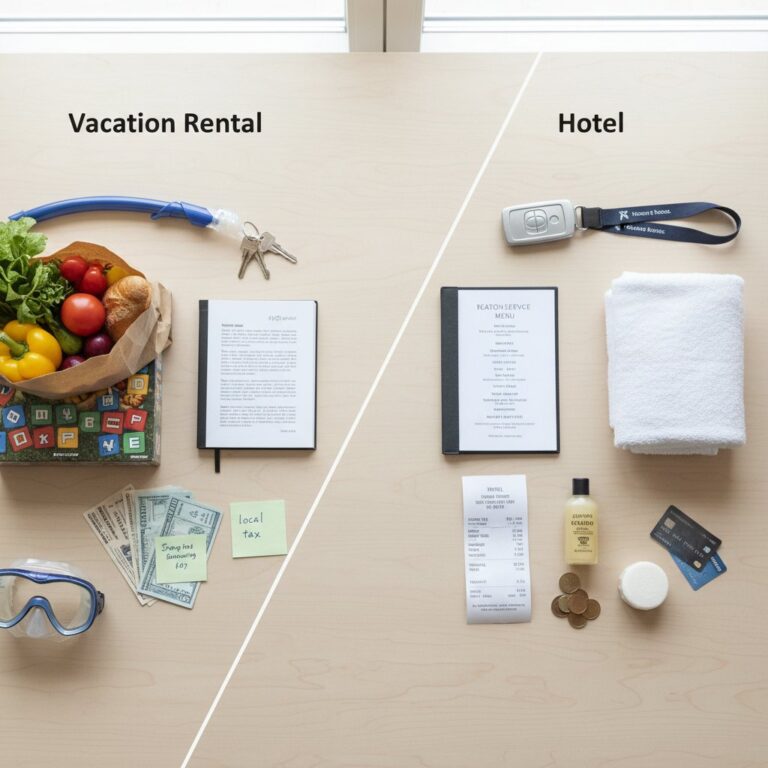
- Accommodation: Decide whether you’ll primarily stay in hotels, campgrounds, or vacation rentals. Vacation rentals often offer better value for families, providing more space, kitchens for cooking, and a home-like environment. We will delve deeper into the vacation rental advantage shortly.
- Food & Drink: Eating out for every meal can quickly deplete your budget. Plan to pack a cooler with snacks, drinks, and ingredients for some meals. This not only saves money but also allows for healthier eating options and fewer stops.
- Activities & Entertainment: Research attractions along your route and at your destination. Look for free or low-cost activities like national parks, public beaches, or free museums. Consider purchasing attraction passes if visiting multiple paid sites in a concentrated area.
- Contingency Fund: Always set aside extra money for unexpected expenses, such as vehicle repairs, emergency accommodation, or medical needs. A good rule of thumb is 10-15% of your total budget.
By carefully planning your expenditures, you can enjoy your road trip without worrying about breaking the bank, allowing you to focus on creating unforgettable experiences.
Vehicle Preparation: Your Road Trip Command Center
Your vehicle is your most important companion on a road trip. Ensuring it’s in top condition before you depart is paramount for safety and peace of mind.
- Maintenance Check-Up: Schedule a full service for your car a few weeks before your trip. This should include checking oil, tires (including the spare), brakes, fluids, battery, and lights. Ensure all necessary repairs are completed.
- Emergency Kit Essentials: Pack a comprehensive emergency kit. This should include jumper cables, a first-aid kit, flashlight, basic tools, reflective triangles, a blanket, non-perishable food, water, and an extra phone charger.
- Tire Pressure & Tread: Properly inflated tires improve fuel efficiency and safety. Check tire pressure regularly and ensure your tires have sufficient tread depth.
- Documentation: Keep your driver’s license, vehicle registration, and insurance information readily accessible. It’s also wise to have copies of important documents like passports or birth certificates if traveling internationally or for identification purposes.
- Clean & Organize: Start with a clean car, both inside and out. Organize your packing efficiently, ensuring essentials are easily reachable and non-essentials are neatly stowed away. Use organizers for toys, snacks, and trash to maintain order throughout the trip.
A well-prepared vehicle not only contributes to safety but also enhances comfort and reduces potential roadside frustrations, allowing your family to fully immerse themselves in the adventure.
Mastering On-the-Road Entertainment & Comfort
Long hours in the car can test anyone’s patience, especially children. Keeping everyone entertained and comfortable is vital for maintaining a harmonious atmosphere throughout your journey. A mix of technology and classic activities, coupled with smart snacking, can make all the difference.
Tech & Gadgets for All Ages
While disconnecting can be a goal, judicious use of technology can be a lifesaver on long drives. It’s about balance, not constant screen time.
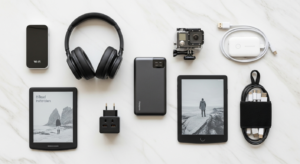
- Tablets & Portable Devices: Pre-load tablets with movies, TV shows, educational apps, and games. Ensure they are fully charged and bring car chargers or power banks.
- Headphones: Essential for multiple passengers watching or listening to different things, preserving peace and quiet for others.
- Portable Wi-Fi Hotspot: If your vehicle doesn’t have built-in Wi-Fi, a portable hotspot can keep everyone connected, whether for streaming, online gaming, or staying in touch. This is especially useful for older kids or adults who need to work remotely during parts of the trip.
- Power Inverters & Multi-Port Chargers: Ensure you have enough charging options for all devices. A power inverter can turn your car’s DC power into AC, allowing you to charge laptops and other larger electronics.
- Audiobooks & Podcasts: A fantastic option for shared entertainment. Choose stories or informational podcasts that appeal to various age groups, fostering discussion and shared experience.
Set clear guidelines for screen time before you leave to avoid arguments. Interspersing tech time with other activities helps keep engagement levels high and prevents boredom from setting in.
Classic Road Trip Games & Activities
Beyond screens, traditional road trip games are excellent for family bonding and keeping minds active.
- I Spy: A timeless favorite that encourages observation.
- 20 Questions: A great way to engage critical thinking skills.
- License Plate Game: Spotting plates from different states or creating words from the letters on license plates.
- Road Trip Bingo: Create bingo cards with common roadside sights (e.g., a red barn, a cow, a semi-truck).
- Storytelling: Start a collaborative story where each person adds a sentence or two.
- Travel Journals & Sketchbooks: Encourage kids to document their journey through writing or drawing. This is a wonderful way to capture memories and provide a creative outlet.
- Audiobooks & Sing-Alongs: As mentioned before, a good audiobook can captivate everyone, or put on a family-friendly playlist and sing your hearts out.
These activities not only pass the time but also create shared experiences and laughter, which are at the heart of any memorable family road trip.
Snacking Strategies & Hydration
Hunger and thirst can quickly lead to crankiness. A well-planned snack strategy keeps everyone fueled and happy, minimizing unnecessary stops and saving money.
- Cooler Essentials: Pack a well-insulated cooler with water bottles, juice boxes, string cheese, yogurt pouches, and fruit. Ice packs are a must to keep perishables fresh.
- Non-Perishable Snacks: Granola bars, crackers, pretzels, dried fruit, nuts (if no allergies), and fruit snacks are excellent shelf-stable options.
- Portion Control: Pre-portion snacks into individual baggies or containers to avoid overeating and reduce mess.
- Easy to Eat: Choose snacks that are easy to eat in the car and create minimal mess. Avoid sticky, crumbly, or smelly foods.
- Hydration is Key: Ensure everyone has access to water throughout the journey, especially in warmer climates. Refill water bottles at rest stops.
- Designated Snack Times: Establish specific snack times to prevent constant requests and grazing, which can lead to more mess and less structured eating.
By being prepared with a variety of healthy and easy-to-manage snacks, you can keep energy levels stable and avoid the dreaded “hangry” moments, making the journey much more pleasant for everyone.
Accommodation: The Vacation Rental Advantage
Finding the Perfect Stay for Your Family
Vacation rentals are ideally suited for family road trips, offering numerous advantages over traditional hotel rooms.
- Space and Privacy: Unlike a cramped hotel room, vacation rentals typically feature multiple bedrooms, living areas, and sometimes even a private yard. This extra space allows family members to spread out, have their own privacy, and relax without feeling on top of each other.
- Full Kitchen Facilities: One of the biggest benefits is access to a fully equipped kitchen. This allows you to prepare meals, saving significant money on dining out and catering to specific dietary needs or picky eaters. It also enables you to enjoy breakfast at a leisurely pace before hitting the road each morning.
- Cost-Effectiveness for Groups: For families or larger groups, a single vacation rental can often be more cost-effective than booking multiple hotel rooms. The per-person cost typically decreases with more occupants, offering superior value.
- Amenities & Comforts: Many vacation rentals come with amenities that enhance a family trip, such as laundry facilities (a game-changer on longer road trips!), private pools, hot tubs, game rooms, or even themed children’s rooms. These features add to the enjoyment and convenience, making the stay feel like a true retreat.
- Authentic Local Experience: Staying in a residential neighborhood or a unique property allows families to experience destinations like a local, fostering a deeper connection to the area’s culture and community.
- Flexibility & Pet-Friendliness: Many vacation rentals offer more flexible check-in/out times or are pet-friendly, accommodating furry family members who are often part of road trip adventures.
When booking, always read reviews, check the property’s proximity to attractions, and confirm amenities important to your family, such as Wi-Fi, air conditioning, and parking. Platforms like Airbnb, Vrbo, and local property management sites offer a vast selection to fit every family’s needs and budget.
Leveraging Remote Management for Your Rental Stays
For vacation rental planners and property owners, the ability to manage properties remotely has revolutionized the industry, and guests benefit from this efficiency. As a guest, understanding that your rental is professionally managed, often remotely, provides a layer of assurance and seamless experience. This is where topics like How To Manage Vacation Rental Remotely become incredibly relevant, even from a guest’s perspective.
When you arrive at a vacation rental, the smooth process you experience—from keyless entry codes sent directly to your phone, to a clean and fully stocked property, and responsive communication with property managers—is often a result of sophisticated remote management strategies. This means:
- Seamless Check-in/Check-out: Remote management often employs smart locks and digital instructions, allowing you to access the property without needing to meet anyone in person. This is incredibly convenient for road trippers who might arrive late or have fluctuating schedules.
- Prompt Communication: Property managers, even if not physically on-site, are typically available via phone, text, or app to address any questions or issues that arise during your stay. This ensures a quick resolution to anything from a Wi-Fi problem to needing extra towels.
- Consistent Quality: Owners who manage their properties remotely often rely on a network of trusted local cleaners, maintenance personnel, and service providers. This ensures that the property maintains a high standard of cleanliness and functionality, regardless of where the owner is located.
- Detailed Guest Information: Remote management systems allow hosts to provide comprehensive digital guidebooks, outlining local attractions, dining recommendations, and house rules, enhancing your overall stay.
For families on a road trip, the reliability and convenience offered by well-managed vacation rentals—whether the management is on-site or remote—make them an ideal choice. It means less hassle upon arrival and departure, and more time to focus on enjoying your family vacation.
Maximizing Savings & Experiences
A family road trip doesn’t have to break the bank to be memorable. Smart strategies for saving money and seeking out unique experiences can elevate your journey from good to extraordinary, ensuring you get the most value and enjoyment out of every mile.
Harnessing Travel Rewards Points for Your Journey
One of the most effective ways to reduce the cost of travel, including road trips, is by strategically utilizing travel rewards points. For detailed guidance, consider exploring resources on How To Use Travel Rewards Points.
- Credit Card Rewards: Many travel credit cards offer lucrative sign-up bonuses and ongoing rewards points for everyday spending. These points can be redeemed for a variety of travel expenses.
- Flights: While a road trip minimizes flight needs, points can be used for flights to a starting point or from an endpoint if you’re doing a one-way trip and flying back.
- Hotel Stays: If your road trip includes nights in hotels, points can cover these costs entirely or partially.
- Car Rentals: Some credit card programs allow you to redeem points for car rentals, which can be particularly useful if you need a larger or more fuel-efficient vehicle for your road trip than your personal car.
- Cash Back: Some general travel rewards cards offer cash back, which can be applied directly to your road trip budget for gas, food, or activities.
- Loyalty Programs: Join loyalty programs for hotel chains, rental car companies, and even gas stations. Accumulating points through these programs can lead to free nights, discounted rentals, or savings at the pump.
- Strategic Redemption: Learn when and how to get the most value from your points. Often, transferring points to airline or hotel partners yields better value than redeeming for cash back or gift cards. Plan your point redemption well in advance, especially for high-demand travel periods.
- Travel Portals: Many credit card issuers have their own travel portals where you can book travel directly using points. Compare these rates with booking directly or through other sites to ensure you’re getting the best deal.
By integrating travel rewards into your planning, you can significantly offset major expenses, allowing your family to enjoy more experiences or allocate savings to other aspects of the trip.
Discovering Off-the-Beaten-Path Gems
While iconic attractions are often on the itinerary, some of the most memorable road trip moments come from discovering unexpected, less-crowded spots. These hidden gems offer unique insights into local culture and natural beauty.
- Local Tourist Boards: Before arriving in a new town, check the local tourism website or stop at a visitor center. They often highlight lesser-known attractions, local events, and unique eateries.
- Roadside Attractions: Embrace the kitsch! Giant balls of twine, quirky museums, and unique sculptures are part of the American road trip experience and offer great photo opportunities and laughs.
- State and Local Parks: Beyond the famous national parks, state and local parks offer incredible beauty, hiking trails, and picnic spots, often with fewer crowds and no entrance fees.
- Farmers Markets & Local Eateries: Skip the chain restaurants and seek out local diners, cafes, and farmers markets. This is where you’ll find authentic regional flavors and connect with the community.
- Geocaching: Turn your stops into a treasure hunt! Geocaching is an outdoor recreational activity where participants use a GPS receiver or mobile device to hide and seek containers, called “geocaches” or “caches,” at specific locations marked by coordinates.
These unique discoveries add layers of richness and spontaneity to your road trip, creating stories that will be retold for years to come.
Spotlight on Top Destinations for 2026
As you plan your family road trip for the near future, consider destinations that offer a wealth of experiences for all ages. Looking ahead to 2026, certain types of destinations continue to rise in popularity for their blend of natural beauty, cultural attractions, and family-friendly activities. While specific city recommendations might change, broad categories remain perennially appealing. For families seeking inspiration, our insights on the Best Vacation Destinations US 2026 can provide a starting point.
- National Parks & Outdoor Adventures: From the majestic Grand Canyon to the lush landscapes of Zion, the US National Parks system offers unparalleled opportunities for hiking, wildlife viewing, and connecting with nature. Consider exploring lesser-known parks or different regions of popular parks to avoid peak crowds. Regions like the Pacific Northwest, with its stunning coastlines and forests, or the vast open spaces of the Southwest, offer endless outdoor exploration.
- Coastal Charms: Whether it’s the historic appeal of New England’s seaside towns, the vibrant energy of Florida’s beaches, or the dramatic beauty of California’s coast, beach destinations remain a top choice for family relaxation and water activities. Look for destinations that combine beach time with nearby attractions like aquariums, boardwalks, or quaint downtowns.
- Cultural & Historical Hubs: Cities rich in history and culture, such as Boston, Philadelphia, or Washington D.C., offer educational and engaging experiences for families. Museums, historical sites, and interactive exhibits can make learning fun. Similarly, cities known for their unique music scenes or culinary traditions provide a different kind of cultural immersion.
- Theme Park & Entertainment Capitals: For families seeking high-energy fun, destinations centered around theme parks, water parks, or major entertainment complexes continue to be popular. While these often require careful budgeting, they promise excitement and thrill for children and adults alike.
- Mountain Retreats & Lake Destinations: The serenity of mountain towns like Asheville, NC, or the recreational opportunities around the Great Lakes or Lake Tahoe, offer a refreshing alternative. Activities can range from skiing and snowboarding in winter to boating, fishing, and hiking in warmer months.
When selecting your 2026 road trip destination, think about what kind of experiences your family values most and research vacation rentals in those areas to ensure a comfortable and convenient base for your adventures.
Safety, Security, and Contingency Planning
While the allure of spontaneous adventure is strong, a responsible family road trip includes robust planning for safety, security, and unexpected events. Being prepared ensures that minor mishaps don’t escalate into major problems, allowing you to enjoy your journey with peace of mind.
Vehicle Safety & Maintenance on the Go
Your vehicle is your family’s mobile home for the duration of the trip. Keeping it safe and functional is paramount.
- Pre-Trip Inspection (Revisited): As mentioned earlier, a professional inspection is a must. Ensure tires, brakes, fluids, lights, and belts are all in excellent working order.
- Emergency Roadside Kit: Beyond basic tools, include jumper cables, a flashlight with extra batteries, reflective triangles or flares, a basic tool kit, duct tape, and a tire pressure gauge.
- Roadside Assistance Membership: Invest in a membership like AAA or ensure your car insurance plan includes comprehensive roadside assistance. This is invaluable for tire changes, jump-starts, or towing services.
- Monitor Dashboard Lights: Pay attention to any warning lights that illuminate on your dashboard. Don’t ignore them; pull over safely and consult your vehicle’s manual or a mechanic.
- Regular Checks: During multi-day trips, do quick checks yourself. Inspect tires for visible damage, check oil and fluid levels, and ensure all lights are working before heading out each morning.
- Child Safety Seats: Ensure all child safety seats are correctly installed and appropriate for the child’s age, weight, and height. Never compromise on child car seat safety.
Being proactive about vehicle maintenance and having a plan for breakdowns can prevent significant delays and stress.
Health & Medical Preparedness
Health concerns can arise unexpectedly. Being prepared can make a big difference.
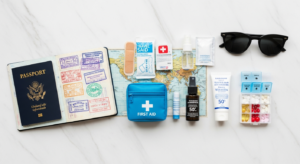
- Comprehensive First-Aid Kit: Pack a well-stocked first-aid kit with bandages, antiseptic wipes, pain relievers (for adults and children), allergy medication, motion sickness remedies, tweezers, thermometer, and any personal prescriptions.
- Prescription Medications: Ensure you have enough of any necessary prescription medications for the entire trip, plus a few extra days’ supply. Keep them in their original containers and easily accessible. Consider carrying a copy of prescriptions.
- Health Insurance Information: Carry your health insurance cards and a list of emergency contacts. Know what your policy covers for out-of-network care if traveling far from home.
- Sun Protection: Pack sunscreen, hats, and sunglasses, especially if your trip involves outdoor activities or sunny destinations.
- Hydration and Nutrition: Continue to prioritize healthy snacks and plenty of water to keep everyone feeling well and minimize illness.
- COVID-19 & Other Illnesses: Stay informed about local health guidelines. Pack hand sanitizer and masks. If anyone feels unwell, have a plan for isolating and seeking medical attention.
A little foresight in medical preparedness can prevent minor ailments from becoming major disruptions to your family’s road trip.
Emergency Protocols & Communication
Knowing what to do in an emergency can provide immense peace of mind.
- Emergency Contacts List: Have a printed list of important phone numbers (family members not on the trip, doctors, insurance providers, roadside assistance) in addition to saving them on your phone.
- “What If” Scenarios: Discuss potential emergencies with your family, such as getting separated in a crowded place, what to do if the car breaks down, or how to react to a natural disaster. Establish clear procedures.
- Meeting Points: If visiting large attractions or crowded areas, designate a clear, easy-to-find meeting point in case anyone gets separated.
- Communication Devices: Ensure all phones are charged, and consider carrying a portable power bank. Have a backup communication plan if cell service is spotty (e.g., a written note with contact info).
- Vehicle Security: Always lock your car, even when making quick stops. Avoid leaving valuables in plain sight. When staying in vacation rentals, ensure all doors and windows are locked, just as you would at home.
While no one wants to think about emergencies, having a plan in place is a crucial step in ensuring a safe and secure family road trip experience.
Post-Trip Reflection & Future Adventures
The end of a road trip doesn’t mean the end of the adventure. Reflecting on your journey and preserving memories are just as important as the trip itself, and they lay the groundwork for future family escapades.
Capturing & Preserving Memories
The stories and experiences from your road trip are precious. Make an effort to capture and preserve them for years to come.
- Photo Albums & Scrapbooks: Organize your digital photos into an album or print them for a physical scrapbook. Encourage kids to contribute drawings, tickets, or small souvenirs.
- Travel Journals: If your family kept journals during the trip, encourage them to add final thoughts and reflections. These make wonderful keepsakes.
- Video Montages: Compile short video clips taken during the trip into a fun montage set to music.
- Souvenir Collection: Encourage each family member to choose a meaningful souvenir from one of the stops. These small tokens can spark vivid memories later.
- Story Time: Dedicate time after the trip to share favorite moments, funny anecdotes, and discoveries. These shared narratives reinforce family bonds and keep the adventure alive.
These efforts ensure that the memories created on the road endure, becoming cherished family lore.
Planning Your Next Great Escape
Every road trip offers valuable lessons. Use your recent experience to inform and improve future family adventures.
- Debrief & Feedback: Have a family discussion about what went well, what could have been better, and what everyone enjoyed most. Did certain activities work better than others? Was the pace too fast or too slow?
- Lessons Learned: Did you overpack? Under-budget for snacks? Realizing these things now will make the next trip even smoother.
- Dreaming Up New Destinations: The end of one trip is the perfect time to start brainstorming for the next. Perhaps the next adventure will be to one of the Best Vacation Destinations US 2026 you’ve been eyeing, or a totally different type of journey.
- Building on Success: Identify what aspects of the trip were most successful – perhaps a specific type of accommodation, a particular entertainment strategy, or a favorite kind of stop – and incorporate those into future plans.
Family road trips are an evolving tradition. Each journey builds on the last, refining your family’s unique travel style and deepening your shared experiences. By planning thoughtfully, embracing the unexpected, and learning from every adventure, your family can look forward to countless more memorable miles on the open road.
Frequently Asked Questions
Recommended Resources
Explore Onomichi Accommodation Guide for additional insights.
Learn more about this topic in Hiroshima To Kyoto Travel Guide at Onomichi Guide.