
Unlock the Magic, Not Your Life Savings: Your Ultimate Budget-Friendly Guide to Walt Disney World
The dream of a Walt Disney World vacation sparkles in the eyes of countless families and travelers. It’s a place where fairy tales come to life, where thrilling adventures await, and where memories are etched into the heart forever. But let’s be honest, the “Happiest Place on Earth” can sometimes feel like the “Most Expensive Place on Earth” if you’re not careful. As your trusted travel planning guide, Vacation Rental Planners is here to tell you that the magic of Disney World is absolutely within reach, even on a budget. With smart planning, insider tips, and a sprinkle of flexibility, you can experience the wonder without emptying your savings account. Get ready to turn that dream into an affordable reality!
Timing is Everything: Navigating Disney’s Seasons for Savings
One of the most impactful decisions you’ll make when planning a budget-friendly Disney trip is when you choose to go. Disney World’s prices for accommodations, tickets, and even flights fluctuate dramatically with demand, making seasonal timing your number one budget hack.
Understanding Peak vs. Off-Peak:
* Peak Seasons (Most Expensive, Most Crowded): These typically align with school holidays, major public holidays, and special events. Think Spring Break (late March/early April), summer (June-August), Thanksgiving week, Christmas, and New Year’s Eve. During these times, resort rates soar, ticket prices are at their highest tiers, and parks are packed. While the atmosphere is undoubtedly festive, be prepared for long lines and premium pricing.
* Off-Peak Seasons (Least Expensive, Fewer Crowds): These are your golden windows for savings!
* Mid-January to mid-February: After the New Year’s rush and before Spring Break. The weather is usually pleasant, and crowds are manageable.
* Late August to late September: Once schools resume. This is arguably the best time for budget travelers. While it’s hurricane season (travel insurance is a good idea!) and can be hot, the crowds are significantly lower, and prices plummet. Many value resorts offer enticing discounts during this period.
* Mid-November to mid-December (excluding Thanksgiving week): After Thanksgiving and before the Christmas rush. You might even catch the start of Disney’s holiday decorations and special events without the highest crowds and costs.
The “Shoulder Seasons” Sweet Spot:
These are the periods just outside the absolute peak or off-peak, offering a balance of decent weather, moderate crowds, and reasonable prices. Early May, early June, and early October can sometimes fall into this category, though they lean more towards moderate-to-high pricing depending on specific events.
Flexibility is Your Friend:
If your schedule allows for flexibility, use it to your advantage. By targeting off-peak dates, a family of four could easily save hundreds, if not thousands, of dollars on accommodation and park tickets alone. For example, a week at an All-Star Resort in September could be 20-30% cheaper than the same week in July, and park ticket prices per day decrease significantly when purchased for less busy times of the year. Always check Disney’s official crowd calendars and historical pricing trends when setting your dates.
Accommodation Adventures: Where to Stay Without Breaking the Bank
Where you lay your head at night can be the single largest cost factor in your Disney World vacation. The good news is, you have fantastic budget-friendly options both on and off Disney property.
On-Site Value Resorts: The Magic with a Modest Price Tag
Disney’s Value Resorts offer an immersive experience at a fraction of the cost of their Moderate or Deluxe counterparts. These resorts are designed with playful, oversized themes that kids adore, from giant surfboards at All-Star Movies to massive pop culture icons at Pop Century.
* The All-Star Resorts (Movies, Music, Sports): These are Disney’s most budget-friendly resorts, often starting around $120-$200 per night depending on the season. While the rooms are basic, they are clean, comfortable, and offer access to all Disney transportation (primarily buses), early park entry, and the magic of staying within the Disney bubble.
* Pop Century Resort: A step up from the All-Stars, Pop Century offers a fun, nostalgic trip through the decades. Its biggest advantage is direct access to the Disney Skyliner gondola system, providing quick and scenic transportation to Epcot and Hollywood Studios – a huge perk that saves time and hassle. Prices typically range from $180-$300 per night.
* Art of Animation Resort: While it has standard rooms (similar to Pop Century pricing), its main draw is the Family Suites, perfect for larger families who want to stay together. These suites, themed to beloved animated films, include a kitchenette and two bathrooms, but come at a higher price point (often $400-$600+ per night). If you can split the cost with another family or value the space, it can still be a good deal compared to two separate rooms elsewhere.
Benefits of On-Site Value Resorts:
* Free Transportation: Access to Disney’s extensive bus, boat, Monorail, and Skyliner network. No rental car or parking fees needed!
* Early Park Entry: Get a 30-minute jump start on the general public into any theme park every day, crucial for popular rides.
* Proximity and Immersion: You’re always in the Disney magic, which is invaluable for many families.
Off-Site Vacation Rentals: Your Home Away From Home
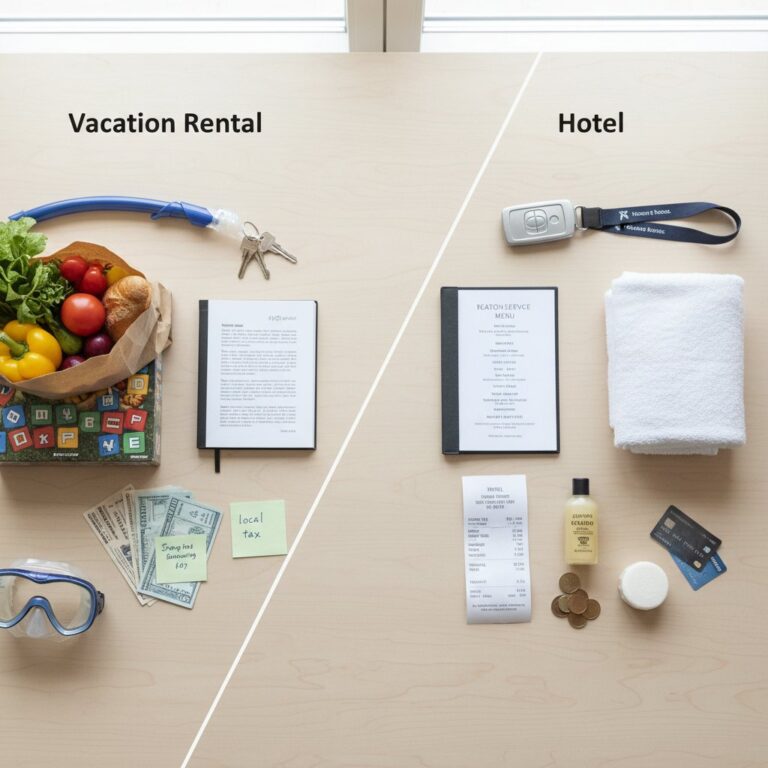
For families seeking more space, privacy, and incredible value, off-site vacation rentals are a game-changer. Platforms like Airbnb, VRBO, and Booking.com are treasure troves of options ranging from cozy condos to sprawling multi-bedroom homes with private pools.
Where to Look for Off-Site Rentals:
* Kissimmee: A perennial favorite, Kissimmee offers a vast array of vacation homes, townhomes, and condos just a 10-20 minute drive from Disney. You can find 3-bedroom townhomes with shared pools starting from $150-$250 per night, or 5-7 bedroom homes with private pools for $300-$500+ per night, which becomes incredibly cost-effective when split among multiple families or a large group. Look for communities like Emerald Island, Windsor Hills, or Reunion Resort.
* Davenport: A bit further out (20-30 minutes to Disney), Davenport often offers even better value, especially for larger homes. You might find a 4-bedroom home with a private pool for under $250 per night during off-peak seasons.
* Celebration/Lake Buena Vista: These areas are closer to Disney and tend to be a bit pricier but offer excellent access. You might find stylish condos or townhomes here.
Advantages of Off-Site Vacation Rentals:
* Space and Privacy: Far more room than a standard hotel room, perfect for families with kids who need separate sleeping areas or quiet spaces.
* Full Kitchens: This is perhaps the biggest money-saver. Preparing your own breakfast, packing lunches, and cooking dinners drastically reduces your dining budget.
* Private Pools/Resort Amenities: Many rentals come with private pools, or access to incredible community amenities like water parks, clubhouses, and game rooms – fantastic for non-park days.
* Cost-Effectiveness for Groups: For larger families or multiple families traveling together, splitting the cost of a large rental home is almost always cheaper than booking multiple hotel rooms.
Considerations for Off-Site:
* Transportation: You’ll likely need a rental car (factor in daily parking fees at Disney parks, currently $30/day for standard vehicles) or rely on rideshares like Uber/Lyft, which can add up. Some rental communities offer shuttle services, but these often have limited schedules.
* No Disney Perks: You won’t get early park entry or seamless Disney transportation.
Budget-Friendly Off-Site Hotels: Good Neighbor Options
Another off-site option is staying at a hotel in the surrounding Orlando area. Many “Good Neighbor Hotels” are located near Disney Springs or along Hotel Plaza Boulevard, offering shuttle services to the parks (check schedules and fees). Look for chains like Holiday Inn, Best Western, or Marriott properties that cater to families. Prices can range from $100-$250 per night, often including breakfast or basic amenities.
Our Recommendation: For ultimate budget savings and flexibility, especially for families or groups, a well-located vacation rental in Kissimmee or Davenport, combined with a strategic plan for groceries and transportation, is often the winning formula.
Ticket Tactics: Maximizing Park Time While Minimizing Costs
Disney World tickets are the gateway to the magic, but they also represent a significant portion of your budget. Smart ticket strategies are essential.
1. Multi-Day Tickets are Cheaper Per Day:
The longer you stay, the cheaper the per-day cost of a theme park ticket becomes. A 1-day ticket can cost upwards of $109-$189+ depending on the park and date, while a 4-day ticket might average $100-$120 per day, and a 7-day ticket even less. If you’re planning multiple park days, always buy a multi-day ticket.
2. Park Hopper vs. Base Ticket:
* Base Ticket (One Park Per Day): This is your budget-friendly choice. It allows you entry into one park per day. While it might seem limiting, it encourages a deeper dive into each park, reducing travel time between parks and ensuring you get the most out of your chosen destination for the day. For first-timers or those on a tight budget, this is highly recommended.
* Park Hopper: Allows you to visit multiple parks in one day. While flexible, it adds a significant cost (often an extra $65-$85+ per ticket for the entire duration of your trip) and can lead to “Hopperitis” – spending too much time traveling between parks instead of enjoying them. Only consider Park Hopper if you have a very specific plan to leverage it (e.g., morning at Magic Kingdom, evening at Epcot for dinner) and are comfortable with the added expense.
3. Authorized Ticket Sellers:
Never buy tickets from unauthorized sources. You risk purchasing invalid tickets. Stick to Disney’s official website or reputable, authorized third-party sellers like Undercover Tourist or legitimate travel agencies. These often offer slight discounts (usually $5-$20 per ticket) compared to Disney’s direct prices, especially for multi-day tickets.
4. Genie+ and Individual Lightning Lane (ILL): Use Smartly or Skip:
Disney Genie+ (a paid service that allows you to select return times for Lightning Lane access to certain attractions) and Individual Lightning Lane (a la carte purchases for high-demand rides like Guardians of the Galaxy: Cosmic Rewind or Tron Lightcycle/Run) can save you time in lines but add to your budget.
* Budget Approach: Skip them! Focus on rope drop (arriving before park opening), using the My Disney Experience app to monitor wait times, and utilizing early park entry (if staying on-site). Many classic rides and shows rarely have prohibitive wait times.
* Strategic Splurge: If there’s one absolute must-do ride for your family with historically long waits, consider purchasing an ILL for just that one ride. Genie+ for an entire family for multiple days can quickly add up to hundreds of dollars. Evaluate if the time saved is worth the significant cost.
5. Consider Non-Park Days:
Don’t feel pressured to visit a theme park every single day of your trip. Incorporate “off-days” into your itinerary. These days can be spent enjoying your resort’s amenities (especially if you have a vacation rental with a pool!), exploring Disney Springs (free entry, great shopping and dining, often live entertainment), visiting the free Disney Boardwalk entertainment district, or even enjoying mini-golf. These non-park days save you the cost of a ticket and provide a much-needed break from the park hustle.
Feast Like Royalty (Without the Royal Bill): Dining on a Dime
Food and drink can sneak up on your budget faster than you can say “Bibbidi-Bobbidi-Boo!” However, with careful planning, you can enjoy delicious meals without overspending.
1. Bring Your Own Snacks and Drinks:
This is, hands down, the biggest food budget-saver. Disney allows guests to bring food and non-alcoholic beverages into the parks (no glass containers).
* Stock Up: Before your trip, or upon arrival, make a grocery run to a local supermarket (Publix, Walmart, Target are plentiful near Disney). Purchase granola bars, fruit snacks, juice boxes, bottled water, chips, and easy-to-pack sandwiches.
* Hydrate for Free: Don’t buy bottled water in the parks. Every Quick Service restaurant will provide free cups of ice water upon request. Bring a reusable water bottle and refill it frequently. This alone can save a family $50-$100+ over a week.
2. Prioritize Quick Service and Mobile Ordering:
* Quick Service: These counter-service restaurants offer a wide variety of meals, from burgers and fries to healthier bowls and international cuisine, at much lower prices than Table Service. Examples include Pecos Bill Tall Tale Inn and Cafe (Magic Kingdom), Woody’s Lunch Box (Hollywood Studios), Sunshine Seasons (Epcot), and Satu’li Canteen (Animal Kingdom).
* Mobile Ordering: Use the My Disney Experience app to order food from Quick Service locations. This saves immense time waiting in line and allows you to browse menus and prices at your leisure, making budget-friendly choices.
3. Share Meals and Order Kids’ Meals:
Portions at many Quick Service locations can be generous. Don’t be afraid to share an entree, especially for lighter eaters. Also, adults are often allowed to order kids’ meals at Quick Service locations, which are smaller portions at a lower price point and often come with a drink and side.
4. Breakfast at Your Rental/Resort:
Eating breakfast at your vacation rental or resort room is a no-brainer for savings. Cereal, oatmeal, bagels, or eggs cooked in your rental kitchen cost pennies compared to park breakfasts.
5. Pack a Lunch:
Consider packing full lunches to eat in the parks. A cooler (within size limits) filled with sandwiches, fruit, and snacks can save a family of four $60-$100+ per day. Find a quiet bench or a shaded spot and enjoy your picnic!
6. Be Strategic with Character Dining and Table Service:
* Character Dining: While an unforgettable experience, character meals are expensive (often $40-$60+ per person). If it’s a must-do, consider it for breakfast or lunch, which are usually slightly cheaper than dinner. Or, opt for character meet-and-greets in the parks, which are free.
* Table Service: If you want one nice sit-down meal, pick one that offers good value or a unique experience. Research menus and prices on the My Disney Experience app beforehand. Consider places like Sanaa (Animal Kingdom Lodge) for unique views and delicious food, or Via Napoli Ristorante e Pizzeria (Epcot) for authentic, shareable pizzas.
7. Resort Food Courts:
If staying on-site, the food courts at the Value and Moderate resorts offer decent, reasonably priced meals and often have refillable mug options (though only valid at your resort).
Smart Strategies for Seamless Savings: Transportation, Souvenirs & More
Beyond the big-ticket items, numerous smaller decisions can add up to significant savings.
Transportation Tricks: Getting Around Orlando Affordably
* Disney’s Free Transportation (On-Site Guests): If staying at a Disney resort, leverage their complimentary buses, Monorail, Skyliner, and boats. This saves you rental car costs, gas, and the daily $30 Disney park parking fee. It’s convenient and part of the immersive experience.
* Rideshares (Uber/Lyft): For off-site guests, rideshares are often more cost-effective than a rental car, especially if you only need them for park days. Factor in surge pricing during peak hours. A ride from Kissimmee to Magic Kingdom can range from $15-$30 one-way.
* Rental Car (Off-Site Guests): If you plan to explore beyond Disney (Universal, beaches, etc.) or are staying further off-site, a rental car offers maximum flexibility. Just remember to budget for the rental cost, gas, and Disney’s daily parking fee. Compare prices from various rental agencies well in advance.
Souvenir Smarts: Cherish Memories, Not Debt
* Set a Souvenir Budget: Before you even leave home, discuss and set a clear souvenir budget for each family member.
* Pin Trading: A fun and relatively inexpensive way to collect souvenirs! Purchase a starter pack of official Disney pins online or at a discount store (like Walmart or Target for legitimate Disney pins), then trade with Cast Members throughout the parks.
* Autograph Books: A classic, affordable souvenir. Buy one beforehand or make your own, then collect signatures from characters throughout the parks.
* Discount Stores: For official Disney merchandise at a fraction of the cost, visit local Orlando-area Target or Walmart stores. You can often find t-shirts, toys, and other themed items. The Disney Character Warehouse outlet stores (two locations in Orlando premium outlets) also offer significantly discounted park merchandise.
* Photos: While Disney PhotoPass and Memory Maker are fantastic services, they are an added expense. Leverage your smartphone for countless high-quality photos. Cast Members are always happy to take a picture of your group with your own device.
Pack Like a Pro: Avoid Park Markups
* Sunscreen: Florida sun is intense! Buy sunscreen before you arrive; park prices are significantly higher.
* Ponchos: Afternoon rain showers are common. Pack lightweight ponchos from a dollar store or Amazon instead of paying $10-$15 each in the parks.
* First Aid Essentials: Small cuts, blisters, headaches – be prepared. A mini first-aid kit can save you a trip to the expensive park first-aid station for basic supplies.
* Comfortable Shoes: This isn’t a budget tip, but it’s crucial for enjoyment. You will walk miles each day. Invest in good walking shoes!
Gift Cards: Pre-Pay for Savings
Purchase Disney gift cards at a discount before your trip. Many grocery stores or big-box retailers offer promotions (e.g., 5% off when using certain credit cards, or bonus points). You can use these gift cards for tickets, food, merchandise, and even some resort stays, effectively getting a small discount on almost everything.
Crafting Your Itinerary: The Art of Budget-Conscious Fun
A well-planned itinerary isn’t just about efficiency; it’s also about making the most of your budget and ensuring every dollar spent contributes to an unforgettable experience.
1. Prioritize Your Must-Dos:
Sit down with your family before the trip and list everyone’s top 3-5 “must-do” attractions, shows, character meet-and-greets, or snacks. This helps focus your park time and ensures you don’t feel pressured to spend extra on experiences that aren’t high on your list. For example, if your kids only care about meeting princesses, don’t splurge on a costly character dining experience if you can achieve it through free meet-and-greets in the park.
2. Embrace “Resort Days” or “Non-Park Days”:
As mentioned, incorporating days where you don’t use a theme park ticket is a fantastic budget strategy.
* Explore Disney Springs: This vibrant shopping, dining, and entertainment district offers live music, unique stores, and delicious (often more affordable) food options. Parking is free, and there’s no admission cost.
* Resort Hopping: If staying off-site or at a value resort, take a bus or Skyliner to a Deluxe Resort (like Polynesian, Grand Floridian, or Wilderness Lodge) to admire the lobbies, enjoy the atmosphere, and perhaps grab a relatively inexpensive treat. It’s a taste of luxury without the price tag.
* The Boardwalk Entertainment District: Located between Epcot and Hollywood Studios, this charming area offers street performers, unique shops, and beautiful views, especially at sunset. It’s free to wander and enjoy.
* Fort Wilderness Campfire Sing-Along: A free, fun evening activity featuring Chip ‘n’ Dale, a movie under the stars, and campfire songs at Disney’s Fort Wilderness Resort. You can even bring your own s’mores supplies!
* Your Vacation Rental Pool: If you have a private pool or access to a fantastic community pool, dedicate a full day to relaxation and swimming. It’s an ideal way to recharge and save a park ticket.
3. Pace Yourself:
Don’t try to cram too much into each day. Over-scheduling leads to exhaustion, stress, and potentially impulse spending. Build in breaks, whether it’s a mid-day nap back at your resort or simply finding a quiet spot in the park to relax. A well-rested family is a happier, more resilient family, less prone to expensive meltdowns.
4. Leverage Free Entertainment:
Disney World is full of free entertainment: street performers, parades, firework shows (you don’t need a prime viewing spot to enjoy them), and the general atmosphere. Don’t underestimate the magic of simply being there and soaking it all in.
5. Stay Flexible, But Have a Plan:
While it’s important to have a general itinerary, be prepared to adapt. If a ride has a ridiculously long wait, pivot to another. If the weather changes, have a backup indoor activity. This flexibility prevents frustration and keeps your budget intact.
Frequently Asked Questions About Budget Disney Trips
- Q: Is it really possible to do Disney World on a tight budget?
- A: Absolutely! While Disney World can be expensive, it is entirely possible to have a magical trip without overspending. By strategically choosing your travel dates, accommodation, dining, and ticket options, you can significantly reduce costs. Many families enjoy wonderful trips with careful planning and smart choices, often saving hundreds or even thousands of dollars.
- Q: How far in advance should I book everything to save money?
- A: For optimal savings, start planning and booking 6-12 months in advance, especially for accommodation and flights. Disney often releases discounts and packages far out, and vacation rentals book up quickly. Booking early also gives you the best selection and prices for flights. Park tickets can be purchased a few months out, but ensure you reserve your park days as soon as you have tickets.
- Q: What’s the biggest budget trap people fall into at Disney World?
- A: The biggest budget trap is impulse spending on food and souvenirs within the parks. Buying multiple bottled waters, snacks, and full meals daily, plus unplanned souvenir purchases, quickly adds up. To avoid this, bring your own snacks/drinks, pack lunches, make a grocery run, and set a strict souvenir budget beforehand.
- Q: Can I really save money by staying off-site in a vacation rental?
- A: Yes, for many families, especially those with more than two children or multiple generations traveling together, staying off-site in a vacation rental is a huge money-saver. The cost per night for a multi-bedroom home with a kitchen and pool often beats two or more on-site hotel rooms. The ability to cook your own meals provides even greater savings, potentially offsetting rental car and parking costs.
- Q: Are there any hidden fees I should know about?
- A: Be aware of a few potential “hidden” costs. If staying off-site, remember the $30/day standard parking fee at Disney parks. Some off-site hotels may have resort fees. Vacation rentals might have cleaning fees and local taxes not always upfront in the advertised nightly rate – always check the total cost. Factor in potential rideshare costs if you forgo a rental car, and remember that Genie+ and Individual Lightning Lane purchases are optional add-ons if you choose to use them.
Your Magical, Budget-Friendly Disney Adventure Awaits!
Planning a Disney World vacation on a budget isn’t about sacrificing magic; it’s about smart choices that enhance your experience and give you peace of mind. Imagine the joy of seeing your children’s faces light up at Cinderella Castle, knowing you achieved it without financial stress. From choosing the perfect off-peak dates to packing your own snacks and finding that ideal vacation rental, every thoughtful decision contributes to a more relaxing and enjoyable trip. At Vacation Rental Planners, we believe everyone deserves a sprinkle of Pixie Dust. So take these tips, start planning, and get ready to create priceless memories at Walt Disney World – without the hefty price tag. The magic is calling, and it’s more affordable than you think!
“`json
{
“@context”: “https://schema.org”,
“@graph”: [
{
“@type”: “Article”,
“mainEntityOfPage”: {
“@type”: “WebPage”,
“@id”: “https://www.vacationrentalplanners.com/blog/budget-disney-world-trip-planning”
},
“headline”: “Unlock the Magic, Not Your Life Savings: Your Ultimate Budget-Friendly Guide to Walt Disney World”,
“description”: “Dreaming of a Walt Disney World vacation but worried about the cost? This comprehensive guide from Vacation Rental Planners shows you how to plan an unforgettable, budget-friendly trip to Disney World, covering accommodations, tickets, dining, transportation, and insider tips for families and short-term rental hosts.”,
“image”: [
“https://www.vacationrentalplanners.com/images/disney-budget-hero.jpg”,
“https://www.vacationrentalplanners.com/images/disney-budget-family.jpg”
],
“author”: {
“@type”: “Organization”,
“name”: “Vacation Rental Planners”,
“url”: “https://www.vacationrentalplanners.com”
},
“publisher”: {
“@type”: “Organization”,
“name”: “Vacation Rental Planners”,
“logo”: {
“@type”: “ImageObject”,
“url”: “https://www.vacationrentalplanners.com/images/logo.png”
}
},
“datePublished”: “2023-10-27T08:00:00+00:00”,
“dateModified”: “2023-10-27T08:00:00+00:00”,
“keywords”: “Disney World budget, Disney trip on a budget, affordable Disney vacation, Walt Disney World savings, cheap Disney tickets, Disney accommodations budget, vacation rental Disney, family Disney trip cost, Kissimmee rentals Disney, Davenport rentals Disney”,
“articleSection”: [
“Timing is Everything: Navigating Disney’s Seasons for Savings”,
“Accommodation Adventures: Where to Stay Without Breaking the Bank”,
“Ticket Tactics: Maximizing Park Time While Minimizing Costs”,
“Feast Like Royalty (Without the Royal Bill): Dining on a Dime”,
“Smart Strategies for Seamless Savings: Transportation, Souvenirs & More”,
“Crafting Your Itinerary: The Art of Budget-Conscious Fun”
]
},
{
“@type”: “FAQPage”,
“mainEntity”: [
{
“@type”: “Question”,
“name”: “Is it really possible to do Disney World on a tight budget?”,
“acceptedAnswer”: {
“@type”: “Answer”,
“text”: “Absolutely! While Disney World can be expensive, it is entirely possible to have a magical trip without overspending. By strategically choosing your travel dates, accommodation, dining, and ticket options, you can significantly reduce costs. Many families enjoy wonderful trips with careful planning and smart choices, often saving hundreds or even thousands of dollars.”
}
},
{
“@type”: “Question”,
“name”: “How far in advance should I book everything to save money?”,
“acceptedAnswer”: {
“@type”: “Answer”,
“text”: “For optimal savings, start planning and booking 6-12 months in advance, especially for accommodation and flights. Disney often releases discounts and