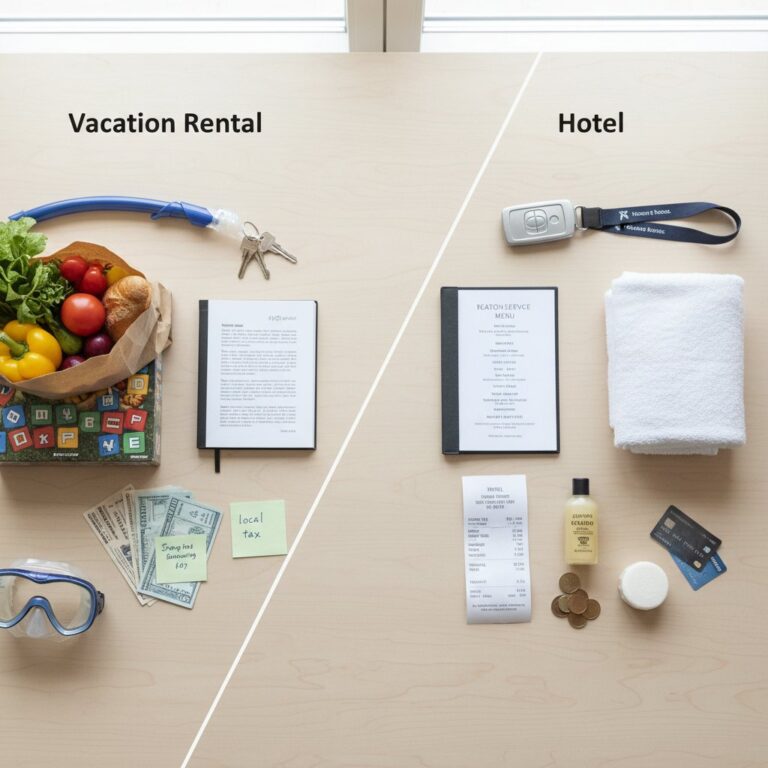

Understanding the Core Principles of Vacation Rental Pricing
Before diving into advanced tactics, it’s essential to establish a firm understanding of the fundamental principles that underpin all successful vacation rental pricing strategies. These foundational concepts serve as the bedrock upon which more complex dynamic models are built, ensuring that your pricing decisions are always tethered to reality and aligned with your broader business objectives. Ignoring these basics can lead to arbitrary pricing that fails to capture your property’s true value or alienates potential guests.
One of the most straightforward approaches is cost-plus pricing, where you calculate all your fixed and variable expenses (mortgage, utilities, cleaning, maintenance, insurance, property management fees, etc.) and add a desired profit margin. While simple, this method often overlooks market demand and competitor rates, potentially leaving money on the table or pricing you out of the market. It serves best as a baseline to ensure profitability, but rarely as a standalone strategy.
Value-based pricing, on the other hand, focuses on what guests are willing to pay based on the perceived value of your property and the experience it offers. This involves understanding your unique selling propositions – be it a prime location, luxury amenities, exceptional design, or personalized service. If your property offers breathtaking views, a private pool, or is situated in one of the Best Vacation Destinations Us 2026, guests will inherently expect to pay more. This strategy requires a deep understanding of your target audience and the value they place on specific features and experiences.
Another critical component is competitor-based pricing. This involves meticulously researching and analyzing the rates of comparable properties in your area. You’ll want to identify direct competitors – properties with similar size, amenities, location, and guest reviews. Tools and platforms allow you to monitor competitor rates in real-time, providing invaluable data for your own adjustments. The goal isn’t necessarily to undercut competitors but to understand the prevailing market rates and position your property competitively, either slightly above (if you offer superior value) or in line with the market.
Finally, goal-oriented pricing ties your rates directly to your business objectives. Are you aiming for maximum occupancy to build a strong review profile? Or is your primary goal maximizing revenue per available night (RevPAR)? Perhaps you’re targeting a specific annual profit margin. Your pricing strategy should be a direct reflection of these goals. For instance, if you’re launching a new listing, you might initially price lower to attract early bookings and gather positive reviews, gradually increasing rates as your reputation grows. Understanding these core principles ensures that every price adjustment you make is strategic, informed, and contributes to your overall success.
Embracing Dynamic Pricing: The Engine of Modern Vacation Rental Success

In today’s fast-paced travel landscape, static pricing is a relic of the past. The most successful vacation rental businesses operate on a foundation of dynamic pricing, a sophisticated strategy that adjusts rates in real-time based on a multitude of ever-changing factors. This isn’t just about seasonal adjustments; it’s about micro-adjustments driven by demand, supply, events, booking lead times, and even competitor behavior. Embracing dynamic pricing is no longer an option but a necessity for maximizing revenue and maintaining a competitive edge.
At its core, dynamic pricing leverages data analytics to predict demand and optimize pricing for every single night. This means your property’s nightly rate can fluctuate significantly from one day to the next, even within the same week. For instance, a Tuesday night in October might be priced considerably lower than a Saturday night in July, or a night during a major local festival.
Key Components of Dynamic Pricing:
- Seasonal Adjustments: This is the most basic form of dynamic pricing. You’ll have distinct rates for peak season (summer holidays, major school breaks), shoulder season (spring and fall, when demand is moderate), and off-peak season (winter months, excluding holidays). Understanding your local tourism calendar is crucial here.
- Event-Based Pricing: Local events, concerts, sporting events, conferences, and public holidays can create sudden surges in demand. Identifying these dates well in advance allows you to significantly increase your rates, sometimes by 2x or 3x, capturing premium revenue. Missing these opportunities is a common pitfall for hosts.
- Day-of-Week Pricing: Weekends (Friday and Saturday nights) almost universally command higher rates than weekdays due to increased leisure travel. Your dynamic strategy should reflect this consistent pattern.
- Booking Lead Time: Properties booked far in advance often justify a certain rate, while last-minute bookings might either demand a premium (if demand is high and supply low) or warrant a discount (to fill an otherwise empty slot). Dynamic pricing algorithms expertly manage this balance.
- Demand-Driven Pricing: This is where advanced algorithms truly shine. They analyze historical booking data, real-time market occupancy, flight patterns, weather forecasts, and even search trends to predict future demand. If demand is surging, prices increase; if it’s lagging, prices decrease to stimulate bookings.
Implementing dynamic pricing manually is incredibly time-consuming and prone to human error. This is where specialized pricing software (like PriceLabs, Beyond, or Wheelhouse) becomes indispensable. These tools integrate with your property management system or listing channels, constantly analyzing market data and automatically updating your rates. For those wondering How To Manage Vacation Rental Remotely, these tools are game-changers. They allow you to set your pricing strategy, define your minimum and maximum rates, and then let the algorithms do the heavy lifting, providing peace of mind and freeing up your time, regardless of your physical location. This automation ensures your property is always priced optimally, reacting instantly to market shifts that a manual approach could never keep up with.
Key Factors Influencing Your Vacation Rental Pricing Decisions
- Location, Location, Location: This remains the paramount factor. Proximity to major attractions, transportation hubs, business districts, beaches, mountains, or unique natural features directly impacts desirability and, consequently, pricing power. A property situated in one of the Best Vacation Destinations Us 2026, such as a beachfront home in Florida or a mountain retreat near a national park, will naturally command higher rates than a similar property in a less sought-after area. Urban properties near entertainment venues or convention centers can capitalize on event-driven demand, while secluded rural escapes might appeal to guests seeking tranquility at a premium. Analyze your immediate surroundings and understand what makes your specific spot appealing.
- Property Features & Amenities: The physical attributes of your rental significantly influence its value proposition. Consider the number of bedrooms and bathrooms, sleeping capacity, overall square footage, and the quality of furnishings and decor. Luxury amenities such as a private swimming pool, hot tub, gourmet kitchen, smart home technology, high-speed internet, dedicated workspace, or pet-friendly policies can justify higher prices. Unique features like a home theater, game room, or stunning architectural design also contribute significantly. Highlight these assets in your listing to justify your pricing.
- Local Market Conditions: Beyond your immediate competitors, broader market trends play a huge role. Are there new regulations impacting short-term rentals in your area? Is there an oversupply of similar properties, or is demand consistently outstripping supply? Economic indicators, local employment rates, and major development projects can all affect the health of your local tourism market. Staying informed about these macro trends helps you understand the overall pricing environment.
- Seasonality & Events: As discussed with dynamic pricing, understanding your local calendar is vital. This includes not just major holidays but also local festivals, university graduations, sporting events, concert series, and even seasonal weather patterns (e.g., ski season vs. summer hiking season). These periods create predictable surges in demand, allowing for significantly higher rates. Conversely, during low season, you might need to adjust prices downward or offer incentives to maintain occupancy.
- Operating Costs: While not a market-facing factor, your operational expenses form the absolute floor of your pricing strategy. You must cover mortgage/rent, utilities, insurance, cleaning fees, maintenance, supplies, property management fees, and any taxes. Understanding these costs ensures that even at your lowest acceptable rate, you are still profitable. This baseline allows you to set realistic minimums for your dynamic pricing tools.
- Target Audience: Who are you trying to attract? Families, couples, business travelers, luxury seekers, or budget-conscious adventurers? Each segment has different expectations and price sensitivities. A luxury property targeting high-net-worth individuals will have a vastly different pricing structure than a budget-friendly listing appealing to backpackers, even if they are in the same city. Tailoring your pricing to your ideal guest helps you attract the right bookings.
- Reviews & Reputation: Your online reputation, particularly your average star rating and the quality of your guest reviews, is a powerful pricing lever. Properties with consistently high ratings and glowing reviews can often command higher prices than comparable listings with a weaker reputation. Excellent service and positive guest experiences build trust and justify a premium, making investments in guest satisfaction directly translate into increased revenue potential.
By meticulously evaluating each of these factors, you can develop a comprehensive understanding of your property’s inherent value and its position within the market. This informed perspective is crucial for setting effective base rates and calibrating your dynamic pricing tools to achieve optimal financial outcomes.
Advanced Pricing Tactics and Revenue Optimization Strategies
Once you’ve mastered the fundamentals and embraced dynamic pricing, you can explore more sophisticated tactics to further optimize your revenue and attract specific segments of travelers. These advanced strategies go beyond simply adjusting nightly rates, delving into how you structure your offerings and incentives to maximize profitability and fill gaps in your booking calendar.
Implementing Minimum Stay Requirements:
One of the most effective ways to manage your booking calendar and increase profitability is through strategic minimum stay requirements. During peak seasons, holidays, and weekends, imposing a 2- or 3-night minimum stay (or even longer for certain periods) can significantly reduce turnover costs and administrative burden associated with single-night bookings. It also ensures you capture the full value of high-demand periods. Conversely, during low season or for last-minute gaps, you might relax or remove minimum stay requirements to entice guests and fill otherwise empty nights. Some dynamic pricing tools allow you to adjust minimum stays automatically based on demand.
Strategic Discounting:
While the goal is to maximize revenue, strategic discounting is not about devaluing your property; it’s about smart incentives.
- Long-Term Stay Discounts: Offering a percentage discount for stays of a week, two weeks, or a month can attract digital nomads, business travelers, or extended family vacations. These longer bookings provide stable income and reduce cleaning and turnover costs.
- Last-Minute Discounts: If you have a few empty nights approaching within a week or two, a small, targeted discount can be highly effective in securing a booking that might otherwise be lost. The revenue generated, even at a slight discount, is better than zero.
- Early Bird Discounts: For properties in very high-demand areas or those targeting specific events, offering a small discount for bookings made many months in advance can help secure early commitments and provide booking stability.
- Loyalty Programs: For repeat guests, a personalized discount or special offer can foster loyalty and encourage direct bookings, bypassing commission fees from online travel agencies (OTAs).
Always ensure your discounts are calculated to still be profitable and don’t cannibalize potential full-price bookings.
Bundling and Upselling Opportunities:
Consider offering value-added services or experiences that enhance the guest stay and provide additional revenue streams. This could include:
- Concierge services (e.g., arranging tours, restaurant reservations).
- Welcome packages with local delicacies or premium amenities.
- Partnerships with local businesses for discounted experiences (e.g., spa treatments, adventure tours).
- Early check-in/late check-out fees.
These bundles enhance the guest experience and make your property more appealing, potentially justifying a higher overall price point.
Yield Management Principles:
Drawing from the airline and hotel industries, yield management in vacation rentals focuses on selling the right product (your rental), to the right customer, at the right time, for the right price. This involves a continuous process of adjusting prices and restrictions (like minimum stays) based on demand forecasts, inventory levels, and competitor pricing. Advanced pricing software essentially automates many aspects of yield management, but understanding the underlying principles allows you to make more informed strategic decisions.
Leveraging Pricing Software and Analytics:
As mentioned, tools like PriceLabs, Beyond, and Wheelhouse are invaluable. They not only provide dynamic pricing capabilities but also offer robust analytics. These platforms can show you:
- Your occupancy rates compared to the market.
- Average daily rates (ADR) and Revenue Per Available Night (RevPAR) trends.
- Booking lead times.
- Demand forecasts for upcoming dates.
Regularly reviewing these analytics helps you understand what’s working and where adjustments are needed, allowing for continuous refinement of your strategy. For those who need to know How To Manage Vacation Rental Remotely, these dashboards provide the critical data necessary to make informed decisions from anywhere in the world.
A/B Testing Pricing Strategies:
For properties with multiple listings or those looking to experiment, A/B testing can be powerful. This involves testing two different pricing approaches (e.g., one with a higher base rate and more discounts, another with a lower base rate and fewer discounts) on similar properties or at different times to see which yields better results in terms of occupancy and revenue. This data-driven experimentation allows for continuous learning and optimization.
By integrating these advanced tactics with your core dynamic pricing strategy, you can move beyond simply setting rates to actively managing and optimizing your revenue streams, ensuring your vacation rental consistently performs at its peak financial potential.
Monitoring, Adjusting, and Continuously Optimizing Your Pricing
The work of a vacation rental planner doesn’t end once a pricing strategy is implemented. In fact, that’s often just the beginning. The market is constantly in flux, influenced by everything from local weather patterns and economic shifts to new competitor listings and global travel trends. Therefore, continuous monitoring, agile adjustment, and persistent optimization are absolutely crucial for long-term success and sustained revenue growth. A set-it-and-forget-it approach to pricing is a surefire way to leave money on the table or fall behind your competitors.
Regular Performance Review:
Establish a routine for reviewing your property’s performance metrics. Key indicators to track include:
- Occupancy Rate: The percentage of nights your property is booked. While high occupancy often seems desirable, 100% occupancy might indicate your prices are too low.
- Average Daily Rate (ADR): The average revenue earned per booked night. This helps you understand the quality of your bookings.
- Revenue Per Available Night (RevPAR): Calculated by multiplying your ADR by your occupancy rate, RevPAR is arguably the most important metric as it combines both pricing and occupancy effectiveness.
- Booking Lead Time: How far in advance guests are booking. A shortening lead time might suggest you can increase last-minute rates, while a very long lead time might mean you’re underpriced for future dates.
- Cancellation Rate: A high cancellation rate could indicate that your prices are too high, leading guests to find better deals elsewhere after booking.
Analyze these metrics on a weekly, monthly, and quarterly basis, comparing them against previous periods and local market averages. Look for trends and anomalies that require investigation.
Competitor Monitoring:
Your competitors aren’t static; their prices, amenities, and reviews are constantly evolving. Regularly (e.g., weekly or bi-weekly) check the rates of your top 5-10 direct competitors for various dates. Note their occupancy levels, minimum stay requirements, and any special offers. Many pricing tools offer competitor tracking features, making this task more manageable. Understanding where you stand relative to the competition allows you to make informed adjustments to maintain your competitive edge.
Guest Feedback Analysis:
Guest reviews and direct feedback are goldmines of information. Are guests consistently commenting on the great value? Or are they hinting that the price was a bit steep for the experience? Positive comments about specific amenities or services can justify maintaining or even increasing rates, while recurring complaints might signal a need for price adjustments or, more importantly, property improvements. Pay attention to both explicit and implicit feedback regarding value for money.
Flexibility and Quick Adjustments:
The market can change rapidly. A sudden local event, a major competitor dropping their prices, or an unexpected surge in demand can all necessitate immediate adjustments. Your pricing strategy should be agile enough to respond quickly. This is where dynamic pricing software truly shines, as it can make these micro-adjustments automatically based on predefined rules and real-time market data. For those seeking guidance on How To Manage Vacation Rental Remotely, leveraging these automated systems is paramount, as they provide continuous optimization without requiring your constant manual oversight. You can monitor performance dashboards from anywhere and intervene only when strategic overrides are needed.
A/B Testing and Experimentation:
Don’t be afraid to experiment with different pricing strategies, discounts, or minimum stay rules. Test a slightly higher rate for a specific shoulder season, or offer a unique bundle for a month. Measure the results meticulously using your performance metrics. What works for one property or market might not work for another, and continuous experimentation helps you discover your property’s optimal pricing sweet spot.
By embedding a culture of continuous monitoring and adjustment into your vacation rental operations, you ensure that your pricing strategy remains robust, responsive, and maximally profitable, always adapting to the ever-shifting landscape of the travel industry.
Integrating Pricing with Your Overall Vacation Rental Business Strategy
Effective pricing is not an isolated function; it’s intricately woven into the fabric of your entire vacation rental business strategy. When aligned correctly, your pricing decisions amplify your marketing efforts, reinforce your brand identity, maximize your return on investment (ROI), and contribute to the long-term sustainability and growth of your portfolio. Viewing pricing in this holistic manner allows you to make choices that support every facet of your operation, rather than merely focusing on short-term bookings.
Aligning Pricing with Marketing Efforts:
Your pricing strategy must speak the same language as your marketing messaging. If you market your property as a luxury escape, your pricing should reflect that premium positioning. Discounting heavily might contradict a luxury brand image. Conversely, if you position your rental as a budget-friendly option, your pricing should consistently be competitive within that segment.
- Promotional Campaigns: Pricing facilitates effective promotional campaigns. Special offers, early bird discounts, or last-minute deals can be powerful marketing hooks. Ensure these promotions are clearly communicated across all your channels (website, social media, OTAs) and that the pricing reflects the advertised value.
- Channel Management: Different booking channels (your direct website, Airbnb, Booking.com, VRBO) may have different fee structures or target audiences. Your pricing strategy might include slightly varied rates or minimum stays across channels to optimize profitability and reach the right guests on each platform. For example, you might offer a slightly lower rate or added perks for direct bookings to incentivize guests to bypass OTA fees.
- Brand Story: Pricing contributes to your brand story. A consistently well-priced property that offers excellent value helps build a strong reputation and encourages repeat bookings and positive word-of-mouth referrals.
Building Brand Value and Guest Loyalty:
Smart pricing isn’t just about revenue; it’s about building trust and loyalty. Guests who feel they received good value for their money are more likely to leave positive reviews, recommend your property, and become repeat customers. Overpricing can lead to disappointment and negative feedback, while underpricing might attract guests who don’t appreciate the property’s true value or who are more prone to complaints. Strive for a pricing strategy that delivers perceived value, fostering a positive guest experience that strengthens your brand. Consider creating loyalty programs or offering exclusive discounts to returning guests, reinforcing your appreciation and encouraging direct bookings.
Maximizing Return on Investment (ROI):
Ultimately, your pricing strategy is a primary driver of your investment’s financial performance. By optimizing occupancy and average daily rates, you directly impact your gross revenue. When combined with efficient cost management, this translates into higher net profits and a stronger ROI. Strategic pricing allows you to:
- Cover Operational Costs: Ensure all your expenses are met, providing a stable foundation.
- Generate Profit: Beyond breaking even, generate a healthy profit margin to make your investment worthwhile.
- Fund Improvements: Reinvest profits into property upgrades and enhancements, further increasing its value and allowing for higher pricing in the future.
An optimized pricing strategy can also free up capital and create financial flexibility. For instance, if your property is consistently generating strong profits due to astute pricing, you might find yourself with surplus funds. This could open opportunities to explore how to best utilize these resources, perhaps even learning How To Use Travel Rewards Points more effectively for personal travel, or reinvesting in another property. Strong rental income can make qualifying for premium travel rewards cards easier, allowing you to leverage business expenses to accumulate points for flights and hotel stays, turning your success into further perks.
Long-Term Sustainability and Growth:
A robust pricing strategy supports the long-term health and growth of your vacation rental business. It ensures consistent cash flow, which is vital for managing unexpected expenses, planning for future investments, or even expanding your portfolio. Stable and predictable revenue streams, driven by well-managed pricing, make your business more attractive to potential investors or buyers if you ever decide to sell. It allows you to confidently plan for the future, knowing that your core revenue generation is optimized and adaptable to market changes.
By integrating your pricing strategy with these broader business objectives, you transform it from a mere administrative task into a powerful strategic lever that drives profitability, strengthens your brand, and secures the sustained success of your vacation rental enterprise.
Frequently Asked Questions
Recommended Resources
Explore Shopping In Onomichi Japan for additional insights.
Explore Japan Travel Budget Guide for additional insights.