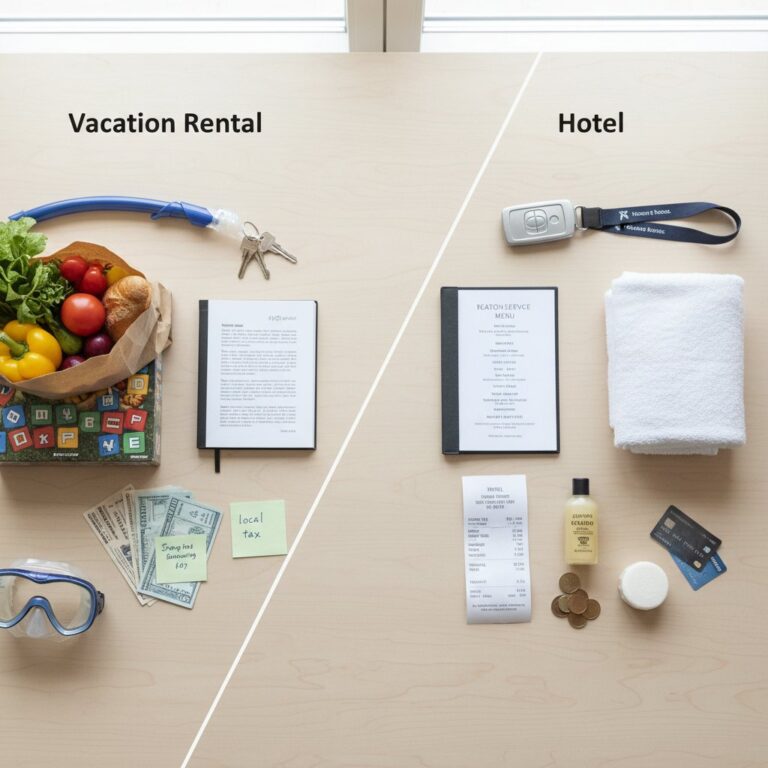

Updated May 2024. Transforming a second home into a profitable getaway is an exciting venture, but navigating the complex web of vacation rental legal requirements can quickly overwhelm even seasoned property managers.
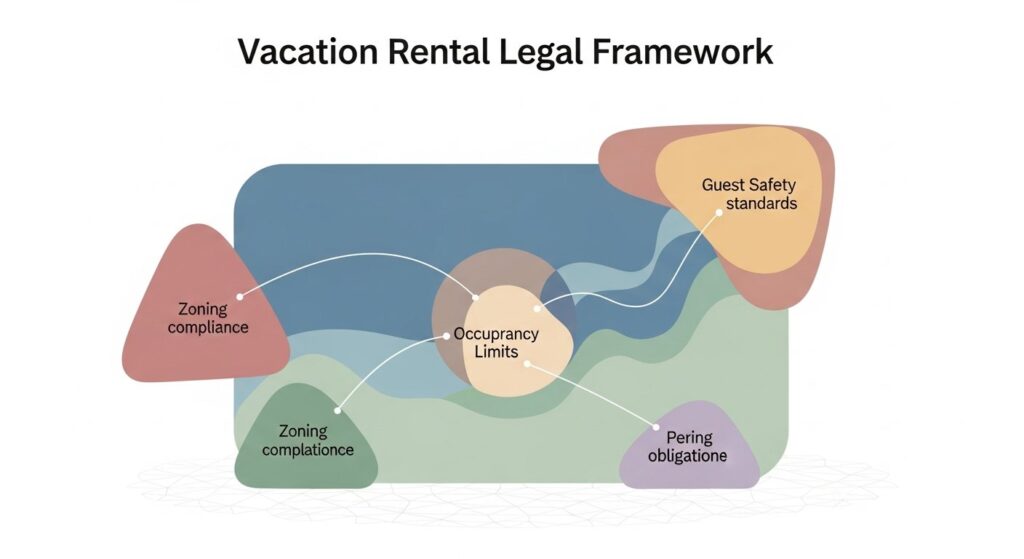
Local governments frequently update short-term rental policies to balance community needs with tourism growth. Owners must understand local zoning ordinances to avoid costly fines and sudden operational shutdowns. These regulations directly impact property usage, guest occupancy limits, and critical safety standards.
Whether you are launching a new beachfront cottage or optimizing a bustling urban apartment, absolute compliance forms the foundation of a sustainable business. This comprehensive guide breaks down the essential legal frameworks, tax obligations, and permitting processes you need to protect your investment and host with complete confidence.
What Permits and Licenses Do You Need for a Vacation Rental?
Operating a short-term stay business legally begins with securing the correct documentation from your local municipality. Zoning laws dictate where hospitality businesses can operate, and many residential zones strictly prohibit transient lodging.
Local Business Licenses
Before welcoming your first guest, you typically must apply for a general business license. This registers your enterprise with the city or county, ensuring you are recognized as a commercial entity. Requirements vary drastically; some jurisdictions require a simple online form, while others mandate in-person hearings.
Short-Term Rental Permits and Zoning
Beyond a general business license, most popular tourist destinations now require a specific short-term rental permit. Cities like Austin and Denver have implemented strict caps on the number of permits issued annually to preserve housing availability. Obtaining this permit often involves proving the property is your primary residence or meeting specific density requirements. In many coastal and highly trafficked urban areas, zoning boards require a Conditional Use Permit (CUP). This process often involves notifying neighbors within a certain radius and attending public hearings where community members can voice concerns.
HOA Bylaws and Health Certifications
You must also consider Homeowner Association (HOA) bylaws, which can supersede local laws and outright ban stays shorter than 30 days. Depending on your location, you may also need health department approvals, especially if you provide food or have a pool. Securing these foundational permits is non-negotiable; operating without them can result in daily fines exceeding $1,000, retroactive tax assessments, and permanent bans from hosting platforms.
[INLINE IMAGE 1: Flowchart illustrating the step-by-step permitting and licensing process for short-term rentals.]
Navigating Tax Obligations for Short-Term Rentals
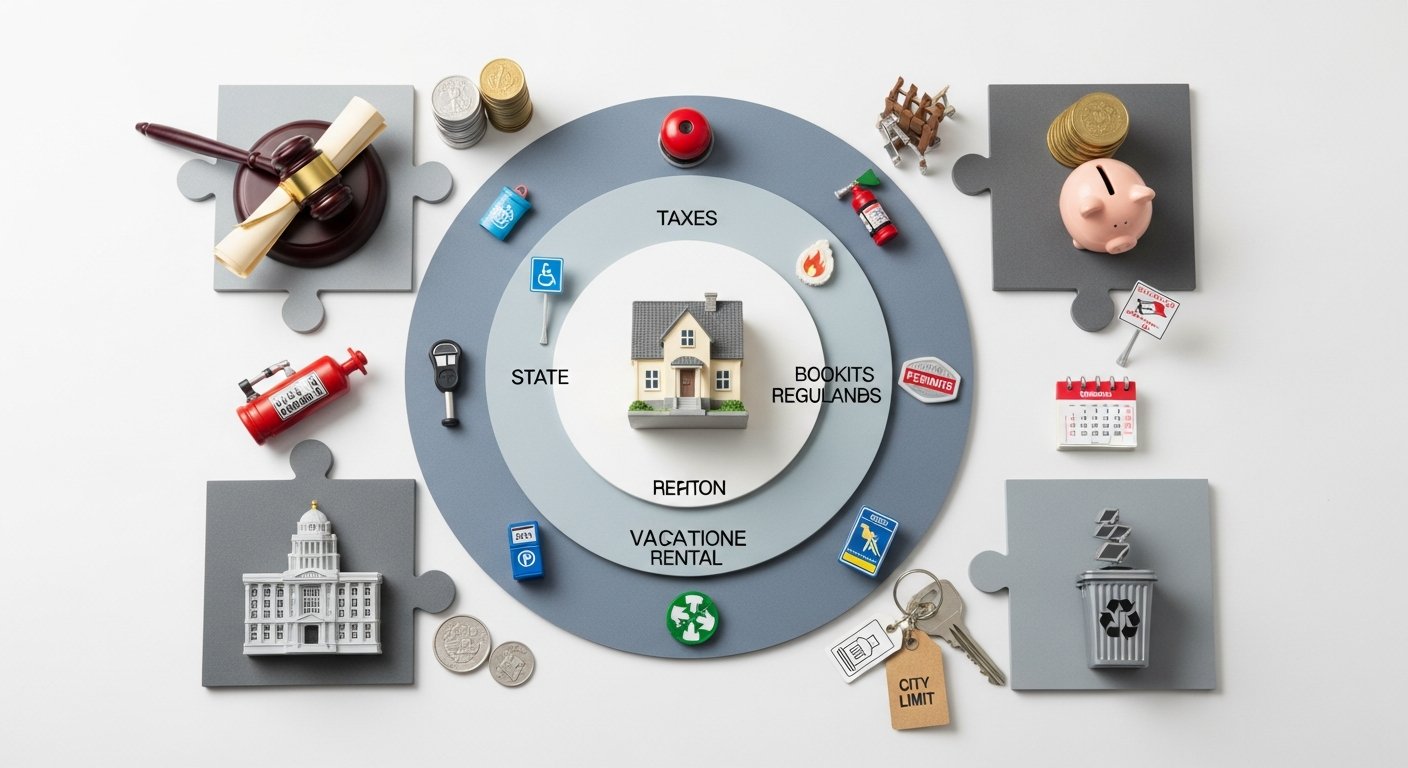
Understanding your financial responsibilities is just as critical as securing permits. The Internal Revenue Service (IRS) and local tax authorities have specific rules governing income generated from transient lodging.
Federal Income Tax and the 14-Day Rule
At the federal level, the IRS requires you to report all rental income. However, the “14-Day Rule” (or Augusta Rule) offers an exception: if you rent your property for 14 days or fewer per year and use it personally for more than 14 days, you do not have to report the income. For full-time hosts, all income is taxable. When tax season arrives, hosts who process significant transaction volumes will receive a Form 1099-K from their booking platforms, reporting gross earnings to the IRS.
Deductions and Depreciation
It is vital to maintain meticulous records of all deductible expenses to offset this income. Common deductions include property management fees, cleaning services, specialized insurance premiums, and even a portion of your utilities and internet bills. Additionally, property depreciation is one of the most powerful tax advantages available to real estate investors, allowing you to deduct the cost of the property over 27.5 years. You must consult with a certified public accountant (CPA) to ensure you are correctly classifying your property as an active business versus a passive investment.
State Sales and Local Occupancy Taxes
Most states require hosts to collect and remit sales tax on the accommodation fare. Additionally, local municipalities often levy a Transient Occupancy Tax (TOT) or lodging tax, which can range from 4% to 15% of the listing price. While platforms like Airbnb and Vrbo automatically collect and remit these taxes in many jurisdictions, the legal burden ultimately falls on the property owner.
Essential Safety and Accessibility Standards
Providing a secure environment is a fundamental legal obligation for any hospitality provider. Building codes and safety regulations are designed to protect guests from foreseeable harm.
Fire and Carbon Monoxide Safety
Every bedroom and common area must be equipped with functioning smoke detectors. Carbon monoxide detectors are mandatory in homes with gas appliances or attached garages. Furthermore, you must provide clearly marked fire extinguishers in the kitchen and near primary exits. Many local ordinances require a posted emergency evacuation map on the back of the main entry door.
Emergency Protocols and Outdoor Hazards
Beyond physical hardware, establishing clear emergency protocols is a legal necessity. You should provide guests with a comprehensive digital and physical manual detailing emergency contact numbers, the location of the main water shut-off valve, and the electrical breaker box. If your property features a swimming pool or hot tub, you face stringent safety requirements. Fencing with self-latching gates, pool alarms, and anti-entrapment drain covers are legally mandated in states like California and Florida. Failure to comply not only invites municipal fines but also creates massive liability exposure.
Accessibility Considerations
Accessibility considerations also play a crucial role. While the Americans with Disabilities Act (ADA) primarily applies to commercial facilities like hotels, short-term rentals with five or more rooms may fall under its purview. Even if your property is exempt, implementing accessible features—such as grab bars in bathrooms, ramp access, and widened doorways—can protect you from negligence claims and broaden your market appeal to older travelers and those with mobility challenges.
How Can You Protect Your Property from Liability?

Accidents happen, and when they occur on your property, you are the primary target for litigation. Shielding your personal assets from business liabilities is a critical step in property management.
Commercial Liability Insurance
Standard homeowner’s insurance policies almost universally exclude coverage for business activities, including short-term renting. If a guest slips and falls, your personal policy will likely deny the claim. Relying on platform-provided protections, such as Airbnb’s AirCover, is a common but risky strategy. While these programs offer a baseline of protection, they are not true insurance policies and often contain extensive exclusions regarding liability and high-value property damage. You must secure a dedicated commercial liability policy or a specialized short-term rental insurance policy that covers bodily injury, property damage, and loss of business income.
Forming a Limited Liability Company (LLC)
Forming a Limited Liability Company (LLC) is another vital layer of defense. Many owners choose to transfer their property title into an LLC to separate personal assets (like your primary residence and savings) from business assets. If a guest sues the LLC, they generally cannot pursue your personal wealth. However, maintaining this “corporate veil” requires strict separation of finances, dedicated business bank accounts, and proper administrative upkeep.
Regular Maintenance and Inspections
Finally, the legal concept of “premises liability” dictates that property owners must maintain a safe environment. Conducting and documenting regular inspections of stairs, railings, appliances, and walkways demonstrates a proactive approach to safety, which is your best defense against negligence claims.
Types of Rental Agreements and When to Apply Them
A well-crafted contract is your first line of defense against property damage and unruly guests. Relying solely on a booking platform’s generic terms of service leaves significant legal gaps.
Standard Short-Term Lease Agreements
For stays under 30 days, a standard short-term agreement outlines the basic terms of the transaction. This document should explicitly state the maximum occupancy, check-in/check-out times, and the cancellation policy. It serves as a binding contract that gives you the legal authority to evict overstaying guests or charge for damages. To ensure these agreements are legally enforceable, it is highly recommended to use digital signature software. Your contract should also include a “choice of law” and jurisdiction clause, specifying that any legal disputes will be handled in the county and state where the property is located.
Mid-Term and Corporate Housing Contracts
When stays extend beyond 30 days, guests often acquire “tenant rights” under local landlord-tenant laws. To mitigate this risk, mid-term agreements must include specific clauses regarding utility usage, interim cleanings, and a clear waiver of long-term tenancy rights where legally permissible. These are essential for traveling nurses or corporate relocations.
House Rules and Required Disclosures
House rules act as a critical addendum to the main agreement. They dictate behavioral expectations, such as quiet hours, smoking bans, and parking restrictions. Additionally, many states require specific legal disclosures, such as the presence of lead-based paint in homes built before 1978, or the use of exterior security cameras. Failing to disclose surveillance equipment can lead to severe privacy violation lawsuits and criminal charges.
[INLINE IMAGE 5: Infographic detailing the essential clauses and disclosures to include in a short-term rental agreement.]
Categories of Fair Housing and Anti-Discrimination Laws
Navigating equal opportunity laws is critical for modern property managers. Short-term rentals sit in a unique legal gray area, and courts increasingly apply traditional housing laws to hospitality models. According to the National Fair Housing Alliance, disability and familial status issues drive nearly 73% of all housing discrimination complaints.
Federal Fair Housing Act Protections
The Federal Fair Housing Act prohibits discrimination based on race, color, national origin, religion, sex, familial status, and disability. You must understand how federal mandates affect your daily operations. Your property description must welcome everyone. Avoid exclusionary language in your marketing materials. Phrases like “perfect for mature couples” or “not suitable for children” can easily trigger familial status discrimination claims. Instead of discouraging families, proactively highlight your Kid Friendly Vacation Rental Amenities to attract the right audience.
State and Local Anti-Discrimination Ordinances
Local jurisdictions frequently expand upon federal protections. Many states include sexual orientation, gender identity, and source of income as protected classes. Imagine a host in Seattle who denies a booking because the guest plans to use a housing voucher for a transitional month-long stay. Since Washington state law specifically protects source of income, that host faces immediate legal action and severe financial penalties. Always review your local Vacation Rental Terms to ensure your screening process complies with municipal codes.
Service Animal and Emotional Support Animal Regulations
Animal policies confuse many property managers. Service animals are not pets; they are highly trained working animals protected by the Americans with Disabilities Act. You cannot charge pet fees for them or deny a booking simply because your property is generally pet-free.
Guests frequently use Vacation Rental Search Filters to find accessible homes, making accurate, objective property descriptions essential. For a deeper dive, see our detailed guide on Service Animal Regulations for STRs.
Sources & References

- Internal Revenue Service (IRS). Tips on Rental Real Estate Income, Deductions and Recordkeeping. Retrieved from irs.gov
- U.S. Department of Housing and Urban Development (HUD). The Fair Housing Act. Retrieved from hud.gov
- American Planning Association (APA). Short-Term Rental Regulations and Community Zoning. Retrieved from planning.org
- National Fire Protection Association (NFPA). Fire Safety in Short-Term Rentals and Vacation Homes. Retrieved from nfpa.org