

Laying the Groundwork: Research and Strategic Planning for 2026
Embarking on the journey to start an Airbnb business in 2026 requires more than just enthusiasm; it demands rigorous research and strategic planning. The foundation of a successful short-term rental venture lies in understanding the market, identifying your niche, and navigating the regulatory environment that will shape the industry in the coming years.
Understanding the 2026 Market Landscape
The travel industry is dynamic, and what worked last year might not be optimal for 2026. Begin by analyzing current travel trends, economic forecasts, and technological advancements impacting hospitality. Are travelers prioritizing unique experiences, sustainable stays, or tech-enabled accommodations? Understanding these shifts will help you tailor your offering. Researching local demand patterns is crucial. Look at existing Airbnb listings in your target area: what are their occupancy rates, average nightly prices, and guest reviews? Tools like AirDNA or Mashvisor can provide invaluable data insights into market performance, seasonality, and competitor strategies.
Identifying High-Potential Locations: Best Vacation Destinations US 2026
Location is paramount in the vacation rental business. For 2026, certain areas in the US are projected to continue their strong performance or emerge as new hotspots due to infrastructure development, tourism initiatives, or changing traveler preferences. Consider destinations known for their natural beauty, cultural attractions, or major event venues. For example, established markets like Orlando, Florida, and Anaheim, California, will likely remain popular due to theme parks. However, emerging areas such as burgeoning wine regions, national park gateway towns, or cities investing heavily in arts and culinary scenes could offer higher returns with less competition. When researching, ask yourself: What draws people to this specific area? Is it year-round appeal or seasonal? Does it cater to families, couples, or solo travelers? A thorough understanding of “Best Vacation Destinations Us 2026” will guide your property acquisition decisions.
Navigating Local Regulations and Zoning Laws
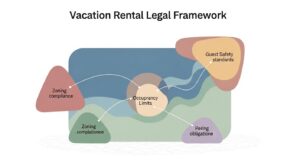
Perhaps the most critical, yet often overlooked, aspect of starting an Airbnb business is understanding the regulatory framework. In 2026, many municipalities continue to refine their short-term rental ordinances. These can range from outright bans in certain residential zones to strict permitting processes, licensing fees, occupancy limits, and specific safety requirements. Before you even consider a property, research the local laws in detail. Check city planning department websites, attend local council meetings, or consult with a real estate attorney specializing in short-term rentals. Non-compliance can lead to hefty fines, legal battles, and even the inability to operate your business. Ensure you understand requirements for business licenses, tourist taxes, and specific zoning designations that permit short-term rentals.
Crafting Your Business Plan
A well-defined business plan is your roadmap to success. It should outline your vision, target market, financial projections, operational strategies, and marketing approach. Define your unique selling proposition (USP): What makes your property stand out? Is it a unique design, exceptional amenities, a prime location, or unparalleled guest service? Your business plan should also include a detailed financial analysis, projecting startup costs, operational expenses, potential revenue, and your break-even point. This document will not only guide your decisions but also be essential if you seek external financing. Consider the long-term viability and potential for scaling your operations beyond a single property.
Financial Foundations and Legal Frameworks for Your 2026 Airbnb

Establishing a solid financial and legal framework is non-negotiable for a sustainable Airbnb business in 2026. This involves meticulous budgeting, understanding financing options, securing appropriate insurance, and ensuring full legal compliance from the outset. Overlooking these critical components can expose your business to significant risks and impede its growth.
Budgeting for Success: Initial and Ongoing Costs
Starting an Airbnb requires a clear understanding of both initial investment and recurring operational expenses.
Initial costs may include:
- Property Acquisition: Down payment, closing costs, renovation, and furnishing.
- Legal & Licensing: Business registration, permits, short-term rental licenses.
- Setup & Marketing: Professional photography, initial cleaning, smart home devices, listing optimization.
Ongoing expenses are equally important for accurate financial projections:
- Mortgage/Rent: Your primary housing cost.
- Utilities: Electricity, water, gas, internet, waste collection.
- Insurance: Specialized short-term rental policies.
- Maintenance & Repairs: Routine upkeep, emergency fixes.
- Cleaning Services: Professional turnover cleaning after each guest.
- Supplies: Toiletries, linens, kitchen essentials, welcome amenities.
- Platform Fees: Airbnb commission, payment processing fees.
- Taxes: Income tax, occupancy taxes, property taxes.
- Marketing & Software: Any external advertising, property management software subscriptions.
A detailed budget will help you set realistic pricing, manage cash flow, and understand your profitability thresholds.
Financing Your Airbnb Venture
Securing adequate funding is often the first major hurdle. Several financing avenues are available:
- Personal Savings: Utilizing your own capital reduces debt and interest payments.
- Traditional Mortgages: If purchasing a property, a conventional mortgage is a common route. Be aware that some lenders have restrictions on properties used for short-term rentals.
- Home Equity Loans/Lines of Credit (HELOC): If you own other property, you might leverage your existing equity.
- Business Loans: Banks and credit unions offer small business loans, though collateral may be required.
- Partnerships/Investors: Collaborating with partners or securing angel investors can provide capital, especially for larger portfolios.
- Creative Financing: Lease options or seller financing might be possibilities in certain markets.
Thoroughly research each option and choose the one that best aligns with your financial situation and risk tolerance.
Insurance Essentials for Short-Term Rentals
Standard homeowner’s insurance policies typically do not cover commercial activities like short-term rentals. It is absolutely crucial to secure specialized insurance. Look for a policy designed specifically for vacation rentals or short-term rental businesses. This type of insurance typically covers:
- Property Damage: Beyond what Airbnb’s Host Guarantee or AirCover offers.
- Liability: Protection against guest injuries on your property.
- Loss of Income: If your property becomes uninhabitable due to a covered event.
Consult with an insurance broker who understands the unique risks associated with short-term rentals to ensure comprehensive coverage. In 2026, insurance providers are becoming more sophisticated in offering tailored policies for this growing sector.
Legal Structure and Tax Implications
Deciding on the legal structure for your Airbnb business is an important step. Common options include:
- Sole Proprietorship: Simple to set up but offers no personal liability protection.
- Limited Liability Company (LLC): Provides personal asset protection, separating your business liabilities from your personal ones. This is often recommended for short-term rental businesses.
- S-Corporation/C-Corporation: More complex structures, usually for larger businesses or those seeking external investment.
Each structure has different tax implications. Speaking of taxes, short-term rental income is taxable. You’ll need to understand:
- Income Tax: Reporting your rental income and allowable deductions.
- Occupancy Taxes (Tourist Tax/Hotel Tax): Many localities levy a tax on guests per night. Airbnb often collects and remits these on your behalf, but it’s vital to confirm for your specific area.
- Sales Tax: Some states may require sales tax on rental income.
Keep meticulous records of all income and expenses. Consider consulting with a tax professional experienced in real estate and short-term rentals to optimize your tax strategy for 2026.
Property Acquisition and Setup: Creating an Irresistible Space
Buying vs. Leasing: Which is Right for You?
The choice between buying and leasing a property for your Airbnb business has significant implications:
- Buying: Offers long-term asset appreciation, greater control over renovations, and the ability to build equity. However, it requires a substantial upfront investment and comes with responsibilities like property taxes and major repairs.
- Leasing (Arbitrage): This involves renting a property and then sub-leasing it on Airbnb. It requires less upfront capital, offers more flexibility, and can be quicker to scale. However, it’s crucial to obtain explicit permission from your landlord, as most standard leases prohibit sub-leasing. Without proper authorization, you risk eviction and legal issues. Ensure your lease agreement for 2026 specifically allows short-term rentals.
Evaluate your capital availability, risk tolerance, and long-term business goals to make the best decision.
Property Selection: Features That Attract Guests
Whether buying or leasing, choose a property that appeals to your target demographic and maximizes rental potential. Consider:
- Location: Proximity to attractions, public transport, restaurants, and amenities. Is it in one of the Best Vacation Destinations US 2026?
- Layout & Size: Does it accommodate families, couples, or solo travelers? How many bedrooms and bathrooms? Open-plan living areas are often preferred.
- Amenities: Access to a pool, hot tub, outdoor space, fitness center, or private parking can significantly boost appeal and nightly rates.
- Condition: A well-maintained property requires less immediate renovation and fewer ongoing repairs.
- Unique Features: A stunning view, architectural character, or a distinct theme can make your listing memorable.
Always conduct a thorough property inspection and due diligence before committing.
Designing and Furnishing for Guest Comfort and Appeal
Your property’s interior design plays a pivotal role in attracting bookings and earning positive reviews. Aim for a balance of aesthetics, comfort, and functionality.
- Theme & Style: Develop a consistent design aesthetic that reflects the local culture or offers a unique experience. Avoid overly personal decor.
- Comfort is Key: Invest in high-quality mattresses, comfortable bedding, and plush towels. A good night’s sleep is a top priority for guests.
- Functionality: Ensure the space is practical. Provide ample storage, accessible power outlets, and clear instructions for appliances.
- Durability: Choose furniture and decor that can withstand frequent use and cleaning.
- Essential Amenities: Stock the kitchen with basic cooking utensils, plates, and cutlery. Provide a coffee maker, toaster, and microwave. Ensure reliable high-speed Wi-Fi is available, as it’s now an expected amenity.
Think about creating an atmosphere that makes guests feel at home, yet offers a distinctive vacation experience.
Embracing Smart Home Technology for 2026
Integrating smart home technology can enhance guest experience, improve operational efficiency, and boost security.
- Smart Locks: Keyless entry systems allow for remote check-ins and generate unique codes for each guest, eliminating the need for physical key exchanges.
- Smart Thermostats: Allow guests to control the climate easily and enable you to remotely monitor and adjust temperature settings between stays, saving energy.
- Noise Sensors: Discreet devices that alert you to excessive noise levels without recording conversations, helping to prevent parties and maintain good neighbor relations.
- Security Cameras: For exterior monitoring of the property (always disclose their presence in your listing and ensure they do not infringe on guest privacy).
- Voice Assistants: Devices like Amazon Echo or Google Home can provide local recommendations, play music, or answer common questions, adding a touch of modern convenience.
Ensure all smart devices are user-friendly and provide clear instructions for guests. This tech-forward approach will position your Airbnb as modern and convenient for 2026 travelers.
Listing Optimization and Marketing Strategies for 2026
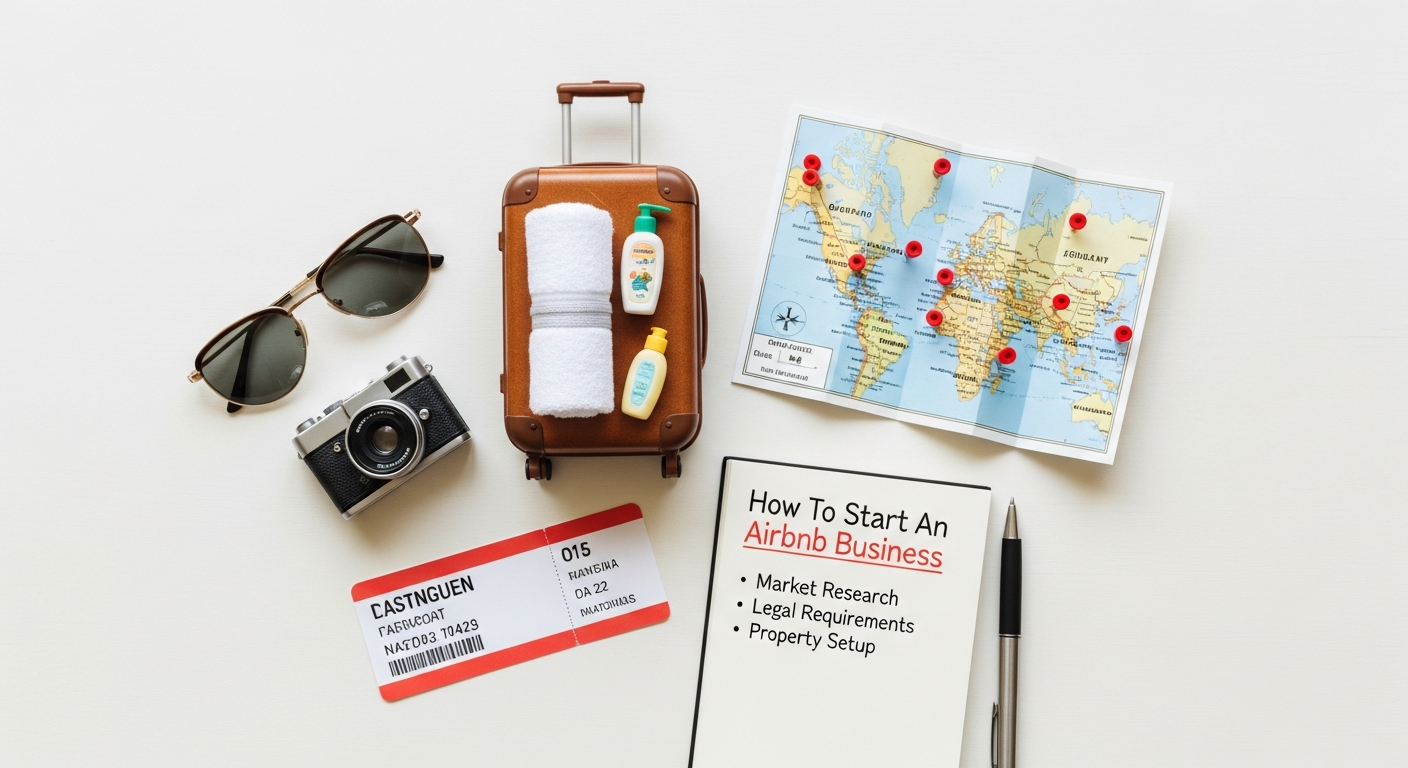
Having a fantastic property is only half the battle; guests need to find and be captivated by it. Effective listing optimization and a robust marketing strategy are essential to maximize bookings and revenue for your Airbnb business in 2026.
Capturing Attention with Professional Photography
In the visual world of online travel, high-quality photography is arguably the most crucial element of your Airbnb listing. Guests scroll quickly, and blurry, poorly lit, or unappealing photos will lead them to bypass your property.
- Hire a Professional: Invest in a professional real estate photographer who specializes in interiors. They understand lighting, composition, and angles that make a space look inviting and spacious.
- Highlight Key Features: Ensure photos showcase your best amenities – a stunning view, a modern kitchen, a cozy fireplace, or an inviting outdoor area.
- Showcase Cleanliness: Ensure every shot reflects a spotless, organized space.
- Day and Night Shots: Consider a few twilight or night shots to add ambiance, especially if you have attractive exterior lighting or city views.
Your photos are your first impression; make them count. A professional photoshoot is an investment that pays dividends in increased bookings and higher nightly rates.
Crafting a Compelling Listing Description
Once your photos grab attention, your listing description seals the deal. It should be engaging, informative, and persuasive.
- Catchy Title: Your title should be descriptive and highlight your property’s key selling points (e.g., “Luxurious Downtown Loft w/ Skyline Views & Free Parking”).
- Detailed Overview: Start with a strong hook that immediately communicates your property’s unique appeal.
- Highlight Amenities: Explicitly list all amenities, from high-speed Wi-Fi to a fully stocked kitchen and luxurious bedding.
- Local Attractions: Describe nearby attractions, restaurants, and activities. Connect your property to the “Best Vacation Destinations US 2026” and explain why your location is ideal for experiencing them.
- Set Expectations: Be transparent about any quirks, noise levels, or house rules to avoid misunderstandings.
- Use Keywords: Naturally integrate keywords guests might search for, such as “family-friendly,” “pet-friendly,” “beachfront,” “mountain cabin,” etc.
Proofread carefully and ensure your tone is welcoming and professional.
Dynamic Pricing Strategies for Maximum Revenue
Pricing your Airbnb competitively and dynamically is key to maximizing occupancy and revenue.
- Market Research: Continuously monitor competitor pricing in your area for similar properties.
- Seasonal Adjustments: Adjust prices based on seasonality, local events, and holidays. Demand for an Airbnb in one of the Best Vacation Destinations US 2026 will fluctuate throughout the year.
- Dynamic Pricing Tools: Utilize Airbnb’s Smart Pricing tool or third-party dynamic pricing software (e.g., Beyond Pricing, PriceLabs). These tools use algorithms to automatically adjust your prices based on demand, local events, day of the week, lead time, and competitor data.
- Discounts: Offer discounts for longer stays or for last-minute bookings to fill vacant nights.
- Minimum Stay: Adjust minimum stay requirements based on demand. During peak season, you might increase it; during low season, you might reduce it.
Regularly review your pricing strategy to ensure it remains optimized for 2026 market conditions.
Leveraging Airbnb’s Platform and External Marketing
Beyond optimizing your listing, active marketing is vital:
- Instant Book: Enable Instant Book to appeal to guests who want immediate confirmation and to improve your listing’s visibility in search results.
- Superhost Status: Aim for Superhost status by consistently providing excellent service. This badge enhances trust and visibility.
- Promotions: Utilize Airbnb’s promotional tools for new listings or to fill gaps in your calendar.
- Social Media: Showcase your property on Instagram, Facebook, and Pinterest with high-quality photos and engaging content. Use relevant hashtags and interact with potential guests.
- Direct Bookings: Consider creating your own website for direct bookings to save on platform fees. Promote it through social media and email marketing.
- Travel Rewards Points: If you accept direct bookings, consider offering incentives like discounts for guests who show proof of using their How To Use Travel Rewards Points for travel to your destination, or perhaps partner with local businesses to offer exclusive deals for your guests. This can attract a savvy traveler demographic looking for added value.
A multi-channel approach will broaden your reach and attract a wider range of guests.
Guest Experience and Operational Excellence in 2026
A thriving Airbnb business is built on exceptional guest experiences and seamless operations. In 2026, guests expect more than just a place to stay; they seek memorable experiences, responsive communication, and spotless accommodations. Mastering these operational aspects is key to earning five-star reviews and repeat bookings.
Mastering Communication: Before, During, and After the Stay
Effective communication is the cornerstone of great guest relations.
- Pre-Arrival: Send a welcome message with check-in instructions, directions, Wi-Fi details, and local recommendations a few days before arrival. Set clear expectations.
- During the Stay: Be available to answer questions or address issues promptly. A quick, polite response can turn a potential problem into a positive experience. Check in with guests via message after their first night to ensure everything is to their satisfaction.
- Post-Departure: Thank guests for their stay and encourage them to leave a review. Follow up with your own review promptly. This fosters goodwill and helps maintain your listing’s reputation.
Automate repetitive messages using Airbnb’s scheduled messages feature or a property management system to ensure consistency and efficiency.
Seamless Check-in/Check-out Processes
The first and last impressions count significantly.
- Automated Check-in: Smart locks or keypads are ideal for self-check-in, offering flexibility for guests and convenience for you. Provide detailed, easy-to-follow instructions with photos or even a short video.
- Clear Instructions: Create a digital welcome guide (or a physical one) that covers everything: Wi-Fi password, appliance instructions, local recommendations, emergency contacts, and house rules.
- Check-out Procedures: Clearly outline what guests need to do before leaving (e.g., starting the dishwasher, taking out trash, locking up). Keep it simple and respectful of their departure schedule.
A smooth, hassle-free process enhances guest satisfaction and reduces the need for direct intervention.
The Critical Role of Cleaning and Maintenance
Cleanliness is consistently cited as the most important factor in guest satisfaction and reviews.
- Professional Cleaning: Invest in a reliable professional cleaning service. They are efficient, thorough, and understand the high standards required for vacation rentals. Schedule cleans immediately after check-out, ensuring the property is pristine for the next guest.
- Vacation Rental Cleaning Checklist: Develop and provide your cleaning team with a detailed Vacation Rental Cleaning Checklist. This ensures consistency and that no detail is missed, from sanitizing high-touch surfaces to restocking amenities and performing deep cleans periodically.
- Maintenance Schedule: Implement a proactive maintenance schedule for appliances, HVAC systems, plumbing, and general wear and tear. Address minor issues before they become major problems.
- Emergency Repairs: Have a network of trusted handymen, plumbers, and electricians available for urgent repairs. Quick resolution of issues minimizes guest disruption.
A well-maintained and sparkling clean property is non-negotiable for positive reviews and repeat business in 2026.
Ensuring Guest Safety and Security
Guest safety and security are paramount.
- Smoke & Carbon Monoxide Detectors: Install and regularly test these essential safety devices.
- Fire Extinguisher: Provide an easily accessible fire extinguisher and clearly label its location.
- First-Aid Kit: A well-stocked first-aid kit is a must-have for minor scrapes and emergencies.
- Emergency Contacts: Provide a list of local emergency numbers (police, fire, ambulance) and your contact information.
- Secure Entry: Ensure all doors and windows have secure locks. Smart locks add an extra layer of security.
- Clear Pathways: Remove trip hazards and ensure good lighting, especially on stairs and outdoor paths.
Clearly communicate safety instructions and emergency procedures to guests.
Managing Reviews and Feedback
Reviews are the lifeblood of your Airbnb business.
- Encourage Reviews: Politely ask guests to leave a review after their stay.
- Respond to All Reviews: Thank guests for positive feedback. For negative reviews, respond professionally and empathetically, acknowledging their concerns and explaining steps taken to address them. This shows future guests you care about service.
- Learn and Improve: Use feedback, both positive and negative, as an opportunity to refine your operations and enhance the guest experience.
Your reputation is built on your reviews, making diligent management crucial for sustained success in 2026.
Scaling and Future-Proofing Your Airbnb Business for 2026 and Beyond
Once you’ve successfully launched and optimized your first Airbnb property, you might consider scaling your business. Future-proofing involves not just expanding, but also staying agile and informed about evolving industry trends and technologies for 2026 and beyond.
Expanding Your Portfolio: Growth Strategies
Scaling your Airbnb business can take several forms:
- Acquiring More Properties: This is the most direct way to grow. Apply the same rigorous research and planning that you did for your first property. Look for properties in high-demand areas, perhaps exploring new “Best Vacation Destinations US 2026” or diversifying into different property types (e.g., a city apartment, a beach house, a mountain cabin).
- Master Lease/Arbitrage Model: If you started by owning, consider adding properties through a master lease agreement with landlords. This allows for quicker expansion with less capital outlay, provided you have explicit permission.
- Co-Hosting/Property Management: Offer your expertise to other property owners. You can manage their listings for a percentage of the revenue, leveraging your operational knowledge without needing to acquire new properties yourself.
Growth should be strategic, not just opportunistic. Ensure you have the operational capacity to manage additional properties without compromising guest experience.
Building Your Team: Outsourcing and Automation
As your business grows, you won’t be able to do everything yourself. Building a reliable team and leveraging automation is essential for efficiency and preventing burnout.
- Professional Cleaning Crew: A dedicated and reliable cleaning team is non-negotiable. They are the backbone of your quick turnovers and guest satisfaction.
- Maintenance Staff/Handyperson: Have a go-to person for routine maintenance and emergency repairs.
- Virtual Assistant/Co-Host: For managing guest communications, scheduling, and administrative tasks.
- Property Management Software (PMS): Invest in a PMS to streamline bookings, calendars, pricing, guest communication, and reporting across multiple platforms. This is crucial for managing multiple listings effectively.
- Smart Home Devices: Continue to integrate technology like smart locks and thermostats to automate access and energy management.
Delegation and automation free up your time to focus on strategic growth and improving your business.
Diversifying Beyond Airbnb
While Airbnb is a dominant platform, relying solely on one channel can be risky.
- Multiple Listing Platforms: Cross-list your properties on other popular platforms like Vrbo, Booking.com, Expedia, and Google Vacation Rentals. This maximizes your visibility and reduces dependence on a single source of bookings. Use a channel manager within your PMS to synchronize calendars and prevent double bookings.
- Direct Bookings: Develop your own branded website to facilitate direct bookings. This allows you to bypass platform fees, build your own customer base, and offer special promotions. Encourage repeat guests to book directly.
- Email Marketing: Build an email list of past guests and potential customers. Send out newsletters with special offers, local event guides, or updates on your properties.
Diversification is a key strategy for long-term stability and resilience in the ever-changing vacation rental market of 2026.
Staying Ahead of Trends and Regulations for 2026 and Beyond
The short-term rental industry is constantly evolving. To future-proof your business:
- Monitor Industry News: Stay informed about new technologies, traveler preferences, and emerging market trends.
- Adapt to Regulations: Keep a close eye on local, state, and national legislative changes affecting short-term rentals. Be prepared to adapt your operations or business model if regulations become stricter.
- Embrace Sustainability: Travelers in 2026 are increasingly conscious of environmental impact. Consider sustainable practices like energy-efficient appliances, waste reduction programs, and eco-friendly cleaning supplies. Highlight these efforts in your listing.
- Personalization: Look for ways to personalize guest experiences, offering curated local guides, bespoke welcome gifts, or tailored recommendations based on guest preferences.
- Leverage Data: Use data from your booking platforms and PMS to understand guest demographics, peak booking times, and popular amenities. This data can inform future property acquisitions and marketing efforts.
By remaining adaptable, informed, and customer-centric, your Airbnb business will be well-positioned for success in 2026 and for years to come.
Frequently Asked Questions
Recommended Resources
Learn more about this topic in Onomichi Travel Guide 2025 at Onomichi Guide.
You might also enjoy Onomichi Accommodation Guide from Onomichi Guide.