
Charting Your Course: The Grand Design of Your 6-Month Road Trip
Embarking on a six-month road trip is akin to designing a masterpiece; it requires vision, precision, and a willingness to adapt. The initial planning phase is crucial, setting the foundation for the entire adventure. Think of it as crafting the ultimate itinerary, but with enough flexibility to chase unexpected detours and embrace the serendipity of the open road.
Defining Your Destination & Duration
- The Big Picture: Where do you want to go? Across a continent? Multiple countries? A deep dive into a specific region? Your chosen destinations will heavily influence everything from vehicle choice to budget. For a six-month journey, consider a broad theme or a series of interconnected regions rather than trying to hit every single landmark. Are you chasing national parks, coastal routes, or historical trails? Define your primary objective.
- Seasonality: Research weather patterns for your chosen path. You don’t want to spend months battling blizzards, monsoon rains, or sweltering heat. Aim for shoulder seasons to avoid peak crowds and enjoy more comfortable temperatures. Planning for 2026 means you have ample time to study these patterns and optimize your route for the best weather conditions. This foresight can make or break your experience.
- Pacing Yourself: Six months sounds like a lot of time, but it flies by when you’re constantly moving. Resist the urge to overschedule. Aim for an average of 3-5 days per major stop, with longer stays in places that truly captivate you. Remember, this isn’t a race; it’s an exploration. Allow for days of rest, unexpected discoveries, and simply soaking in the atmosphere. Over-planning leads to burnout; under-planning leads to missed opportunities. Find your sweet spot.
Budgeting for the Long Haul
Money is often the biggest hurdle for extended travel. A six-month road trip demands a robust financial plan that accounts for everything from daily expenses to unforeseen emergencies. It’s not just about gas and lodging; it’s about insurance, maintenance, activities, and the occasional splurge that makes the trip special.
- Fixed Costs:
- Vehicle Expenses: This includes vehicle payments (if applicable), comprehensive insurance, routine maintenance (oil changes, tire rotations), and a significant allocation for fuel. Research fuel prices along your intended route and factor in potential breakdown costs.
- Accommodation: Will you camp, stay in hotels, splurge on unique vacation rentals, or a mix of all three? Vacation rentals offer a fantastic way to save on food costs by cooking your own meals, provide a comfortable, home-like base for longer stays, and often come with amenities like laundry, which is invaluable on an extended trip.
- Insurance: Travel insurance is non-negotiable. Ensure it covers medical emergencies, trip interruptions, lost baggage, and vehicle-specific issues like roadside assistance. Read the fine print to understand what’s covered for such an extended period.
- Pre-Trip Preparations: Don’t forget costs associated with vehicle upgrades, specialized gear, and professional inspections before you even leave.
- Variable Costs:
- Food: Eating out for every meal can quickly drain your budget. Plan to cook many of your meals, especially when staying in equipped vacation rentals or camping. Budget for groceries, snacks, and the occasional restaurant indulgence.
- Activities & Entertainment: Set a daily or weekly budget for excursions, national park fees, museum entries, local experiences, and any specific hobbies (e.g., kayaking rentals, guided tours). These are the memories you’re making!
- Personal Expenses: This category covers toiletries, laundry services, souvenirs, gifts, and miscellaneous incidentals. It’s often underestimated, so be generous with your allocation.
- Communication: Costs for cell service, Wi-Fi hotspots, or international SIM cards.
- Emergency Fund: This is absolutely crucial. Aim for at least 1-2 months’ worth of your estimated daily expenses to cover unexpected repairs, medical emergencies, unforeseen detours, or even needing to fly home early. Having this cushion provides immense peace of mind.
- Tracking & Adjusting: Use budgeting apps or spreadsheets to track your spending in real-time. Be prepared to adjust your plans, cut back in some areas, or splurge a little more in others if you find yourself over or under budget. Flexibility is key to financial longevity on the road.
Your Mobile Command Center: Vehicle Selection & Preparation
Your vehicle is more than just transportation; it’s your home, your office, and your lifeline for half a year. Choosing and preparing the right vehicle is paramount for comfort, reliability, and safety, impacting every aspect of your six-month adventure.
Choosing Your Road Trip Companion
- Type of Vehicle:
- SUV/Crossover: Good for versatility, decent fuel economy, and some light off-road capability. Offers more space than a sedan for gear and potentially sleeping.
- Van/Campervan: Excellent for self-sufficiency, offering sleeping, cooking, and sometimes even basic bathroom facilities. Ideal for embracing a nomadic lifestyle and extended periods of independent travel.
- Truck with Camper Shell/Trailer: Offers significant storage and living space, suitable for families or those needing more amenities and comfort than a basic van. Provides a good balance of vehicle utility and living quarters.
- Sedan: Economical for fuel and easy to maneuver in cities, but limited space for gear and less suited for rougher terrains or extended camping. Best for couples or solo travelers packing light and primarily staying in established accommodations.
- Reliability: Opt for a vehicle known for its dependability and low maintenance issues. Check reviews, mileage, and a thorough maintenance history. A breakdown in a remote area can be costly, stressful, and a significant time sink. Investing in a reliable vehicle upfront saves headaches down the road.
- Space & Comfort: Consider how much gear you need, if you’ll be traveling with others, and if you need space to work, relax, or simply escape inclement weather inside the vehicle. Don’t underestimate the importance of personal space over six months.
Pre-Trip Vehicle Maintenance & Upgrades
Before you hit the road for 6 months, a thorough inspection and necessary maintenance are non-negotiable. This is an investment in your peace of mind, safety, and the longevity of your adventure. Think of it as a comprehensive health check for your rolling home.
- Professional Inspection: Have a trusted mechanic perform a comprehensive check-up. This includes brakes, tires (including the spare), all fluids, belts, hoses, battery, and lights. Address any potential issues before they become major problems on the road.
- Fluid Changes: Oil, transmission fluid, brake fluid, coolant, power steering fluid – all should be fresh and topped off. Carry extra of critical fluids.
- Tire Health: Ensure tires have good tread depth, are properly inflated, and consider rotating them. Understand how to change a flat tire yourself and practice if you’re unsure. A full-size spare tire is highly recommended over a donut.
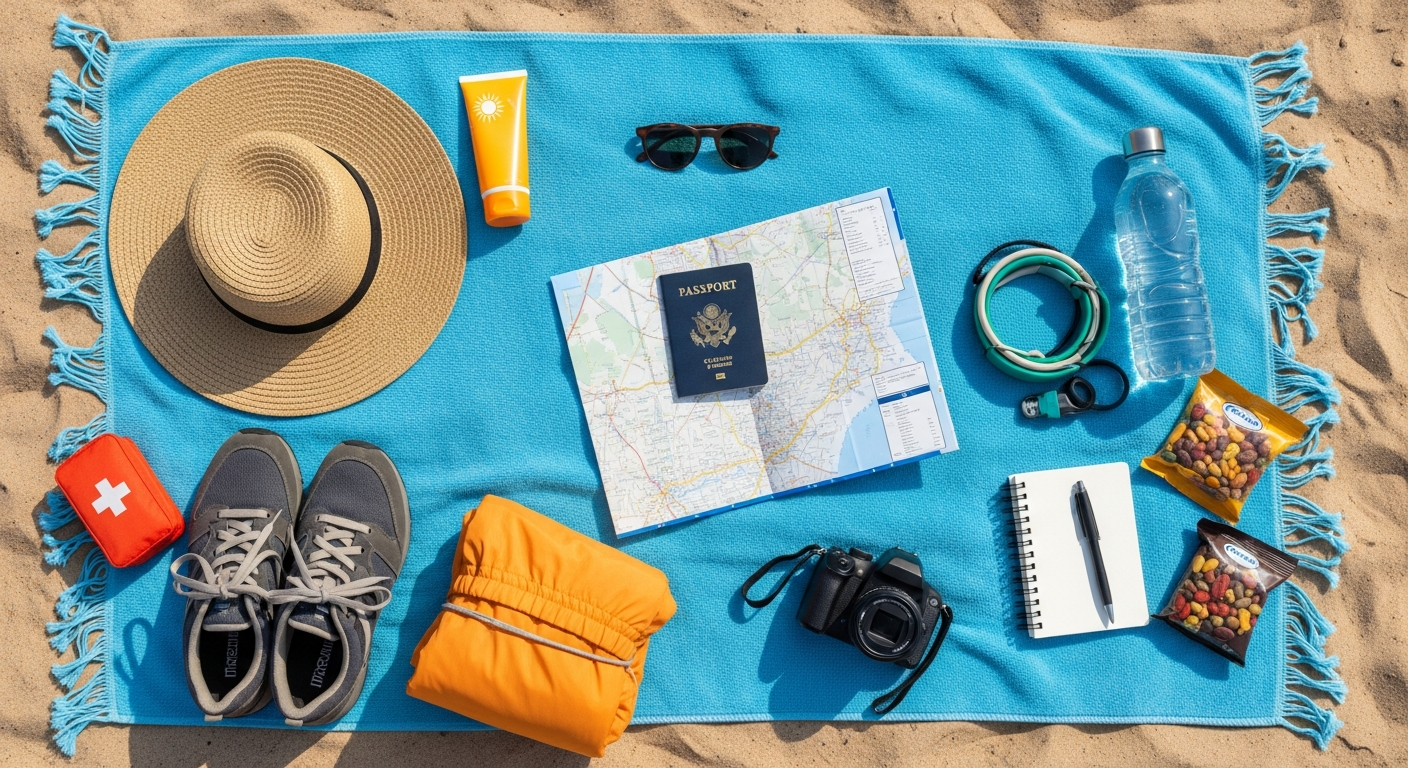
- Emergency Kit: Pack essential tools: jumper cables, a portable air compressor, tire repair kit, basic tool kit, duct tape, flashlight (with extra batteries), first-aid kit, reflective triangles, and extra fluids (oil, coolant). Also, include warm blankets, water, and non-perishable food.
- Navigation & Communication: Install a reliable GPS system (and have offline maps downloaded on your phone or tablet). Carry a car charger for all devices. Consider a satellite communication device or a personal locator beacon (PLB) for areas without cell service, especially if your journey takes you into remote wilderness where creating a safe outdoor environment for your family is paramount.
- Storage Solutions: Maximize your vehicle’s storage with roof racks, cargo boxes, internal organizers, and under-seat storage bins. A tidy vehicle means a less stressful journey.
Packing Smart: Essentials for Six Months on the Road
Clothing for All Seasons & Occasions
- Layering is Key: Pack versatile clothing that can be layered for varying temperatures. Think quick-drying fabrics that are easy to wash and wear. Include thermal layers, a waterproof outer shell, and lightweight breathable options.
- Mix & Match: Choose items that can be combined to create multiple outfits. Neutrals are your best friends, allowing for endless combinations with a few accent pieces. Aim for practicality over an extensive wardrobe.
- Specialty Gear: Depending on your planned activities, include specific items like sturdy hiking boots, a warm waterproof jacket, swimsuits, or specific sports attire. Don’t forget comfortable walking shoes!
- Laundry Plan: Plan for laundry stops every 1-2 weeks. Pack enough clothing to last between these cycles. Consider packing a small bag for dirty laundry to keep it separate.
The Road Trip Kitchen & Pantry
One of the biggest budget savers and health boosters on a long road trip is cooking your own meals. Equipping yourself for culinary adventures on the go will make your journey more economical and enjoyable, especially when you can stock up at local markets.
- Cooking Gear: Invest in a reliable portable stove (propane or butane), a set of nesting pots and pans, basic utensils (spatula, ladle, knife, cutting board), plates, bowls, and cutlery. A good cooler or a portable fridge/freezer is invaluable for keeping perishables fresh.
- Pantry Staples: Start with non-perishable items like pasta, rice, canned goods (beans, tomatoes), spices, coffee/tea, olive oil, and shelf-stable milk. Replenish as you go, taking advantage of local grocery stores and farmers’ markets.
- Reusable Items: Minimize waste and save money by packing reusable water bottles, coffee cups, food containers (for leftovers), and grocery bags.
Personal Comforts & Entertainment
- Bedding: If you plan on camping or sleeping in your vehicle, comfortable sleeping bags, pillows, and blankets are essential. Consider an inflatable mattress for added comfort.
- Hygiene: Pack travel-sized toiletries, quick-dry towels, and biodegradable soaps for eco-conscious travel, especially if you’re showering outdoors. Don’t forget hand sanitizer.
- Entertainment: Books, e-readers, downloaded podcasts, music playlists, audiobooks, and offline movies/shows are crucial for downtime and long drives. If you’re traveling with children, think about age-appropriate activities to keep them engaged. While not as structured as the ultimate guide to vacation bible school for toddlers, having a rotating selection of puzzles, coloring books, educational apps, and interactive games can make a huge difference in maintaining sanity and harmony for younger passengers during extended periods in the car.
- First-Aid & Medications: A comprehensive first-aid kit is absolutely essential. Include prescription medications (with extra doses and copies of prescriptions), pain relievers, allergy medications, bandages, antiseptic wipes, insect repellent, sunscreen, and any personal medical necessities. Learn basic first aid.
Logistics & Safety: Navigating the Unexpected
A long road trip inevitably presents unforeseen challenges, from minor detours to significant emergencies. Preparing for these logistical hurdles and prioritizing safety will ensure a smoother, more enjoyable, and ultimately safer journey for everyone involved.
Documentation & Digital Backup
- Essential Documents: Carry your valid driver’s license (and an International Driving Permit if traveling across borders), vehicle registration, insurance cards, passport/ID, medical insurance cards, and any necessary visas or permits. Keep physical copies separate from the originals.
- Digital Copies: Scan and save all important documents to a secure cloud service (e.g., Google Drive, Dropbox) and on an encrypted external hard drive. Keep a separate, secure list of emergency contacts, doctors, and critical numbers.
- Financial Preparedness: Notify your banks and credit card companies of your travel plans to avoid fraud alerts and account freezes. Carry a mix of payment methods: multiple credit cards (from
Recommended Resources
For more on how to prepare, see Onomichi Travel Guide 2025 on Onomichi Guide.
Explore Japan Pocket Wifi Vs Sim Card for additional insights.