
Getting Started: The Pre-Listing Essentials for Airbnb Success
Before you even think about uploading your first photo, a solid foundation is crucial for any successful Airbnb listing. This foundational phase involves meticulous research, understanding legal obligations, and preparing your property to meet the high expectations of modern travelers. Neglecting these early steps can lead to costly mistakes and a less than stellar guest experience, hindering your long-term potential.
Market Research: Identifying Your Niche and Understanding Demand
One of the most critical steps in establishing a profitable Airbnb listing is thorough market research. You need to understand who your potential guests are, what they’re looking for, and how your property fits into the existing landscape. Begin by exploring Airbnb listings in your local area. Pay close attention to:
- Competitor Analysis: What are similar properties offering? What are their price points, amenities, and guest reviews like? Identify gaps in the market that your property could fill.
- Demand Hotspots: Research popular events, attractions, and seasonal trends in your area. For instance, properties near major national parks or cultural hubs in the Best Vacation Destinations US 2026 will naturally command higher rates and experience greater occupancy. Understanding these demand drivers will help you tailor your offering and pricing strategy.
- Target Audience: Are you aiming for solo business travelers, families, couples, or large groups? The amenities, decor, and house rules you establish should cater directly to your chosen demographic. A family-friendly listing might require child-proofing and a crib, whereas a business traveler might prioritize high-speed internet and a dedicated workspace.
- Seasonal Trends: Analyze peak and off-peak seasons. Your pricing and marketing efforts should adapt accordingly. For example, a beachfront property will likely see higher demand in summer, while a cozy cabin might be more popular in winter.
By immersing yourself in local market dynamics, you can strategically position your property for optimal appeal and profitability, setting realistic expectations for your earnings and occupancy rates.
Legalities & Regulations: Navigating Permits, Taxes, and Local Laws
The regulatory landscape for short-term rentals is constantly evolving, and it varies significantly by location. It’s imperative to understand and comply with all applicable laws before listing your home. Failing to do so can result in hefty fines, legal issues, or even the forced removal of your listing.
- Local Zoning Laws: Check with your city or county planning department about zoning restrictions that might prohibit short-term rentals in residential areas.
- Permits and Licenses: Many jurisdictions require specific permits or licenses to operate a short-term rental. This could involve business licenses, hospitality permits, or even specific safety inspections.
- Occupancy Taxes: Be aware of local, state, and sometimes federal occupancy or tourism taxes that apply to short-term rental income. Airbnb often collects and remits some of these taxes on your behalf, but it’s your responsibility to confirm compliance for all applicable taxes.
- Homeowners Association (HOA) Rules: If your property is part of an HOA or condo association, review their bylaws carefully. Many HOAs have strict rules or outright bans on short-term rentals.
- Insurance: Your standard homeowner’s insurance policy likely won’t cover commercial short-term rental activities. You’ll need to investigate specialized short-term rental insurance or a landlord policy that includes liability coverage for guests. While Airbnb does offer Host Guarantee and Host Protection Insurance, these are secondary to your primary policy and have limitations.
Consulting with a local legal expert or a specialized short-term rental consultant can provide invaluable guidance in navigating these complex legal requirements, ensuring your operation is fully compliant from day one.
Property Preparation: Decluttering, Repairs, Safety, and Aesthetics
First impressions are everything, and the physical state of your property will significantly influence guest satisfaction and reviews. Investing time and effort into preparing your home will pay dividends.
- Declutter and Depersonalize: Guests want to feel comfortable and at home, but not like they’re staying in someone else’s personal space. Remove personal photos, excessive knick-knacks, and anything that makes the space feel cluttered.
- Essential Repairs: Fix any leaky faucets, broken light fixtures, sticky doors, or missing blinds. Everything should be in perfect working order. A pre-emptive maintenance check can save you from emergency repairs during a guest’s stay.
- Deep Clean: Professional-level cleanliness is non-negotiable. Every surface, every corner, every appliance should sparkle. This is one area where cutting corners will immediately show in guest feedback.
- Safety First: Install smoke detectors, carbon monoxide detectors, and a fire extinguisher. Provide clear emergency exits and a first-aid kit. Ensure all electrical outlets are safe and any potential hazards are addressed. Consider a printed sheet with emergency contacts and procedures.
- Aesthetic Appeal: Thoughtful decor, comfortable furniture, and quality linens elevate the guest experience. Focus on creating a cohesive and inviting atmosphere. Consider durable, easy-to-clean materials.
- Stocking Essentials: Provide basic amenities like fresh towels, clean bedding, toiletries (shampoo, conditioner, soap), toilet paper, and basic kitchen supplies (coffee, tea, salt, pepper, cooking oil). Think about what you’d appreciate in a hotel and go a step further.
A well-prepared home not only attracts more bookings but also leads to higher guest satisfaction, better reviews, and repeat business.
Financial Considerations: Budgeting for Startup Costs and Projecting Earnings
Understanding the financial implications upfront is crucial for a sustainable Airbnb business. It’s not just about the income; it’s also about the expenses.
- Startup Costs: These can include furniture, decor, kitchenware, linens, initial deep cleaning, smart locks, safety equipment, and any necessary repairs or renovations. Don’t forget professional photography costs.
- Ongoing Expenses: Factor in cleaning fees, utilities (electricity, water, gas, internet), property maintenance, consumables (toiletries, coffee), insurance, and potential management fees if you hire help.
- Tax Implications: As mentioned, understand income tax and occupancy tax liabilities. Keeping meticulous records of all income and expenses is vital for tax purposes.
- Projected Earnings: Based on your market research, estimate your average nightly rate and potential occupancy rate. Calculate your gross income and then subtract all your projected expenses to arrive at a realistic net profit. Be conservative with your initial projections.
A clear financial roadmap will help you assess the viability of your Airbnb venture and make informed decisions about pricing and investment.
Crafting an Irresistible Airbnb Listing: Photos, Description, and Pricing

Your Airbnb listing is your digital storefront. It’s the primary tool you have to attract potential guests and convince them to choose your property over others. A compelling listing isn’t just about showing your home; it’s about selling an experience.
The Power of Professional Photography: Your Listing’s Visual Hook
In the visually driven world of online travel, high-quality photos are arguably the single most important element of your Airbnb listing. They are the first thing potential guests see and often the deciding factor in whether they click to learn more.
- Hire a Professional: This is an investment, not an expense. Professional photographers specialize in real estate and know how to capture the best angles, lighting, and features of a property. They can make even a modest space look inviting and spacious.
- Showcase Every Room: Include clear, well-lit photos of every accessible room, including bedrooms, bathrooms, living areas, kitchen, and any outdoor spaces (patio, garden, balcony).
- Highlight Key Features: Do you have a stunning view? A cozy fireplace? A gourmet kitchen? Make sure these stand out. Use captions to draw attention to special amenities.
- Lifestyle Shots: Sometimes, including a few shots that depict the lifestyle your property offers can be effective – a cup of coffee on the balcony, a book by the fireplace, or friends gathered around the dining table (without people in the shots, generally).
- Order Matters: Arrange your photos logically, starting with the most appealing exterior or living area shot, then moving through the rest of the house.
Remember, guests scroll through dozens of listings. Your photos need to stop their scroll and make them imagine themselves in your space.
Compelling Title & Description: Telling Your Property’s Story
Once your photos have grabbed their attention, your title and description need to seal the deal. This is where you articulate the unique value proposition of your property.
- Catchy Title: Your title should be concise, descriptive, and keyword-rich. Highlight your property’s best features or location. Examples: “Cozy Beachfront Retreat with Ocean Views,” “Charming Downtown Loft – Walk to Everything,” “Spacious Family Home Near Disney in Orlando, a Top 2026 US Destination.”
- Engaging Summary: Start your description with a captivating summary that immediately conveys the essence of your space and what makes it special.
- Detailed Room-by-Room Breakdown: Elaborate on each room, describing its features, amenities, and overall vibe. Be specific about bed sizes, bathroom configurations, and kitchen appliances.
- Highlight Unique Selling Points (USPs): What sets your property apart? Is it the vintage decor, the smart home technology, the pet-friendly policy, or the access to local hiking trails? Emphasize these.
- Local Attractions and Proximity: Mention nearby points of interest, restaurants, shops, and transportation options. Help guests visualize their stay and how convenient your location is.
- Tone and Voice: Maintain a professional yet inviting tone. Use evocative language that paints a picture for the reader. Avoid jargon or overly casual language.
- Keywords for SEO: Naturally weave in relevant keywords that guests might search for, such as “family-friendly,” “pet-friendly,” “business travel,” “romantic getaway,” “beach access,” etc.
A well-written description anticipates guest questions and provides all the information they need to make a booking decision confidently.
Strategic Pricing: Maximizing Revenue and Occupancy
Pricing your Airbnb listing correctly is a delicate balance between maximizing your income and ensuring consistent bookings. Too high, and you’ll deter guests; too low, and you’ll leave money on the table.
- Dynamic Pricing: Utilize Airbnb’s Smart Pricing tool or third-party dynamic pricing software. These tools adjust your rates automatically based on demand, seasonality, local events, day of the week, and even competitor pricing. This is crucial for optimizing revenue.
- Seasonal Adjustments: Manually adjust prices for peak seasons (holidays, summer months, major local events) and lower them during off-peak times to maintain occupancy.
- Competitor Analysis: Regularly check what comparable listings in your area are charging. Don’t just match; aim to offer better value for your price point.
- Minimum Stay Requirements: Consider setting minimum stay lengths, especially during high demand periods, to reduce turnover costs and administrative burden.
- Discounts: Offer discounts for longer stays (weekly, monthly) to attract guests looking for extended visits. New hosts can also offer an introductory discount to generate initial bookings and reviews.
- Factor in All Costs: Ensure your nightly rate covers all your expenses (mortgage/rent, utilities, cleaning, supplies, insurance, taxes) and provides a healthy profit margin.
Regularly review and adjust your pricing strategy based on market feedback and your booking performance.
Setting House Rules & Amenities: Clarity and Comfort
Clear communication about house rules and a comprehensive list of amenities are essential for managing guest expectations and ensuring a smooth stay.
- Concise House Rules: Clearly state your expectations regarding noise levels, parties, smoking, pets, guest limits, check-in/check-out times, and any specific quirks of your property (e.g., septic system, quiet hours). Keep them polite but firm.
- Comprehensive Amenities List: Be exhaustive in listing all amenities your property offers. This includes everything from Wi-Fi and air conditioning to a coffee maker, washer/dryer, hairdryer, iron, and extra pillows. Guests often filter searches by amenities, so missing something could mean missing out on bookings.
- Special Touches: Go beyond the basics. Consider adding thoughtful amenities like a welcome basket, board games, local guidebooks, or a smart TV with streaming services. These small gestures can significantly enhance the guest experience and lead to five-star reviews.
Transparency upfront prevents misunderstandings and ensures guests are a good fit for your property.
Navigating the Airbnb Platform: From Account Setup to Publishing
Creating Your Host Account and Listing
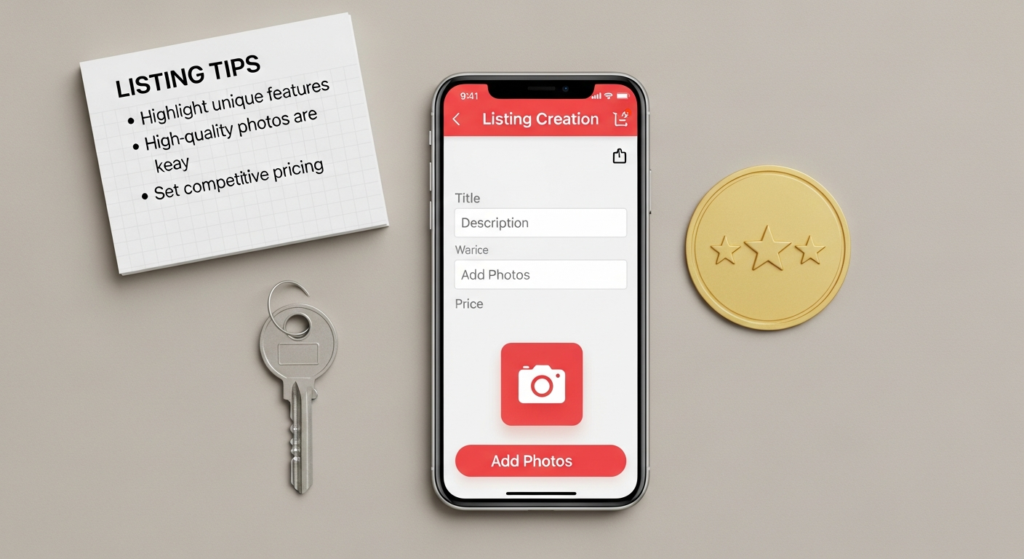
If you don’t already have one, you’ll need to create an Airbnb account. Once logged in, navigate to the “Host” section and choose “List your space.”
- Property Type: Select the type of property you’re listing (e.g., entire home, private room, shared room).
- Location: Accurately pinpoint your property’s location on the map. This is crucial for guests’ search results.
- Guest Capacity: Specify how many guests your property can comfortably accommodate, based on the number and size of beds.
- Bedrooms and Bathrooms: Provide accurate details about the number of bedrooms, beds in each room, and bathrooms (full and half baths).
Follow the prompts, filling in each section systematically. The Airbnb interface is designed to walk you through the process step-by-step.
Uploading Photos and Writing Your Description
This is where all your hard work on photography and copywriting comes into play. Upload your professional photos, ensuring they are high-resolution and correctly oriented. Then, copy and paste your compelling title and detailed description into the respective fields.
- Photo Captions: Add descriptive captions to each photo to highlight specific features or amenities.
- Accessibility Features: If your property has any accessibility features (e.g., step-free entrance, wide doorways, grab bars), make sure to list them. This opens your listing to a wider range of guests.
- Amenities Checklist: Airbnb provides a comprehensive checklist of amenities. Go through it carefully and select everything that applies to your property. Don’t miss anything!
Double-check for any typos or grammatical errors in your written content. A polished listing reflects professionalism.
Setting Calendar & Availability: Managing Bookings Seamlessly
Managing your calendar is vital to prevent double bookings and ensure your availability is always up-to-date.
- Sync Calendars: If you list on multiple platforms (e.g., Airbnb, Vrbo), use an iCal synchronization feature to link your calendars. This automatically blocks dates on one platform when booked on another.
- Block Personal Dates: Don’t forget to block out dates when you plan to use the property yourself, or when it needs maintenance or deep cleaning.
- Booking Window: Set how far in advance guests can book (e.g., 3 months, 6 months).
- Preparation Time: Add buffer days between bookings for cleaning and maintenance. A one-day buffer is standard, but you might need more for larger properties or if you manage How To Manage Vacation Rental Remotely.
Regularly reviewing and updating your calendar is a critical task for any host.
Payout Preferences: Getting Paid
Configure how you want to receive your earnings from Airbnb.
- Payout Method: Options typically include direct deposit to a bank account, PayPal, or Payoneer. Select the method most convenient for you.
- Currency: Choose your preferred currency for payouts.
- Taxpayer Information: You’ll need to provide your taxpayer information (e.g., W-9 for US hosts) to ensure Airbnb can report your earnings to the relevant tax authorities.
Ensure your payout information is accurate to avoid delays in receiving your funds.
Reviewing and Publishing: Your Listing Goes Live!
Before hitting that publish button, take one final, meticulous review of your entire listing.
- Read Through: Read your description aloud to catch awkward phrasing or errors.
- Check Photos: Ensure all photos are present, in the correct order, and load quickly.
- Verify Pricing: Confirm your nightly rates, cleaning fees, and any additional charges are correct.
- Preview: Use Airbnb’s preview function to see exactly what guests will see.
Once you’re confident everything is perfect, click “Publish.” Congratulations, your home is now live on Airbnb and ready to welcome guests!
Delivering an Exceptional Guest Experience: Communication and Hospitality
Listing your home is just the first step; sustained success on Airbnb hinges on providing an outstanding guest experience. This involves proactive communication, thoughtful hospitality, and efficient problem-solving.
Pre-Arrival Communication: Setting the Stage for a Smooth Stay
Effective communication begins well before your guests arrive. Proactive messages build trust and reduce anxiety.
- Welcome Message: Send a friendly welcome message shortly after booking, thanking them and confirming details.
- Check-in Instructions: A few days before arrival, send clear, concise check-in instructions. Include photos if using a smart lock or key box. Provide directions, parking information, and your contact details.
- House Manual: Provide a digital or printed house manual with essential information: Wi-Fi password, appliance instructions, local recommendations, emergency contacts, and trash/recycling guidelines.
Anticipate questions and provide answers before they’re asked.
During the Stay: Responsiveness and Local Recommendations
Your availability and helpfulness during a guest’s stay significantly impact their experience.
- Be Responsive: Aim to respond to guest inquiries promptly, ideally within a few hours. Quick responses show you care.
- Local Recommendations: Offer personalized recommendations for restaurants, activities, and hidden gems. This adds a personal touch and enhances their trip, especially if they are exploring Best Vacation Destinations US 2026.
- Check-in Message: A simple message on their arrival day to ensure they’ve checked in successfully and everything is to their satisfaction can go a long way.
Being an attentive but not intrusive host is the goal.
Post-Stay: Thank You Notes and Requesting Reviews
The guest experience doesn’t end when they check out. Post-stay communication is vital for collecting feedback and securing positive reviews.
- Thank You Message: Send a polite thank you message after they depart, wishing them safe travels.
- Prompt Reviews: Submit your review for the guest promptly. Airbnb often prompts guests to review you after you’ve reviewed them.
- Encourage Feedback: Politely ask guests to leave an honest review. Positive reviews are the lifeblood of your Airbnb business.
Every interaction is an opportunity to reinforce a positive impression.
Dealing with Issues: Problem-Solving Strategies
Despite your best efforts, issues can arise. How you handle them defines your professionalism.
- Stay Calm and Empathetic: Approach problems with a calm, understanding demeanor.
- Listen Actively: Fully understand the guest’s concern before offering solutions.
- Offer Solutions: Propose practical solutions quickly. This might involve calling a repair person, offering a partial refund, or providing alternative arrangements if feasible.
- Document Everything: Keep records of all communication and actions taken.
- Utilize Airbnb Resolution Center: For significant issues like property damage or disputes over refunds, use Airbnb’s Resolution Center to mediate.
Effective problem-solving can turn a potentially negative experience into an opportunity to showcase excellent customer service.
Mastering Operations: Cleaning, Maintenance, and Remote Management
Behind every successful Airbnb is a well-oiled operational machine. Efficient cleaning, proactive maintenance, and smart management strategies are crucial for long-term profitability, especially if you’re managing multiple properties or from a distance.
Cleaning Protocols: Ensuring Impeccable Standards
Cleanliness is non-negotiable and consistently ranks as a top priority for guests. Anything less than spotless will negatively impact your reviews.
- Professional Cleaning Team: For most hosts, especially those managing multiple properties or from afar, hiring a reliable professional cleaning service is essential. They understand the rigorous standards required for short-term rentals.
- Detailed Checklist: Provide your cleaning team with a comprehensive checklist to ensure no detail is missed. This should cover every room, surface, and appliance.
- Quick Turnovers: Develop efficient cleaning routines to facilitate quick turnovers between guests. This minimizes downtime and maximizes booking potential.
- Stocking Essentials: Ensure the cleaning team replenishes all consumables (toilet paper, paper towels, soap, shampoo, coffee, etc.) after each stay.
- COVID-19 Cleaning Guidelines: Adhere to any recommended health and safety cleaning guidelines from Airbnb or local authorities.
A sparkling clean property sets the stage for a positive guest experience every time.
Regular Maintenance: Proactive Care and Emergency Contacts
Preventive maintenance saves money and prevents guest inconvenience.
- Routine Inspections: Schedule regular inspections of your property to identify and address minor issues before they become major problems. Check for leaks, appliance functionality, and wear and tear.
- Seasonal Maintenance: Perform seasonal tasks like HVAC servicing, gutter cleaning, and pest control.
- Emergency Contacts: Have a list of reliable handymen, plumbers, electricians, and other contractors readily available for emergency repairs. Share this with your local co-host or property manager.
Being proactive about maintenance ensures your property remains in excellent condition and minimizes disruptions for guests.
How To Manage Vacation Rental Remotely: Tools and Strategies
Many hosts successfully manage their Airbnb properties without living nearby. Remote management requires strategic planning and leveraging technology and reliable local support.
- Smart Home Technology:
- Smart Locks: Allow for remote check-in/check-out with unique codes for each guest, eliminating key handoffs.
- Smart Thermostats: Control heating and cooling remotely, saving energy and ensuring guest comfort upon arrival.
- Noise Sensors: Monitor noise levels without recording conversations, helping enforce quiet hours.
- Security Cameras: For exterior monitoring (where permitted and disclosed) to enhance security.
- Local Co-Host or Property Manager: This is often the most critical component of remote management. A trusted local contact can handle check-ins, guest emergencies, maintenance issues, and property inspections.
- Communication Tools: Utilize messaging apps (WhatsApp, Slack) to communicate efficiently with your cleaning crew, maintenance staff, and co-host.
- Online Tools for Management:
- Channel Managers: If listing on multiple platforms, a channel manager syncs calendars, pricing, and bookings across all sites.
- Dynamic Pricing Software: Automates pricing adjustments based on market conditions.
- Guest Communication Platforms: Automate welcome messages, check-in instructions, and follow-ups.
- Virtual Tours: For future listings, consider offering virtual tours to give remote guests a comprehensive view of the property.
By effectively implementing these strategies, you can maintain high standards and guest satisfaction even when miles away from your property.
Optimizing for Long-Term Success: Reviews, Marketing, and Growth
Sustaining and growing your Airbnb business requires continuous effort beyond just getting bookings. It involves actively seeking feedback, expanding your reach, and analyzing your performance.
Earning 5-Star Reviews: The Cornerstone of Your Reputation
Positive reviews are the most powerful marketing tool for your Airbnb. They build trust, improve your search ranking, and attract more bookings.
- Exceed Expectations: Go the extra mile. A personalized welcome note, a small local treat, or an exceptionally clean space can turn a good stay into a memorable one.
- Respond to Feedback: Pay attention to guest feedback, both public and private. Use constructive criticism to improve your offering.
- Prompt Problem Resolution: As discussed, handling issues gracefully often leads to positive reviews, even if a problem occurred.
- Be a Great Guest: When you leave a positive review for your guests, they are more likely to reciprocate.
Consistently delivering excellence is the surest path to accumulating five-star reviews.
Responding to Reviews: Engagement and Professionalism
How you respond to reviews, both positive and negative, reflects your professionalism and commitment to guest satisfaction.
- Thank Positive Reviewers: A simple, personalized “thank you” shows appreciation.
- Address Negative Reviews Constructively: Respond calmly and professionally. Acknowledge the guest’s concerns, apologize if appropriate, and briefly explain any corrective actions you’ve taken. Avoid getting defensive. A well-handled negative review can actually build trust by showing you’re responsive and accountable.
Your responses are visible to future guests, so make them count.
Marketing Beyond Airbnb: Expanding Your Reach
While Airbnb is a powerful platform, diversifying your marketing efforts can enhance your visibility and reduce reliance on a single channel.
- Social Media: Create engaging content (photos, videos) of your property and local attractions for platforms like Instagram, Facebook, and Pinterest. Use relevant hashtags and target local tourism groups.
- Direct Bookings: Consider setting up a simple website for direct bookings. This allows you to avoid platform fees and build a direct relationship with repeat guests. Tools like WordPress with booking plugins can facilitate this.
- Local Partnerships: Collaborate with local businesses – restaurants, tour operators, event venues. They might refer guests to you, and you can recommend them in return.
Expanding your marketing footprint can lead to increased occupancy and potentially higher profits.
Analyzing Performance: Data-Driven Decisions for Growth
To truly optimize your Airbnb business, you need to regularly analyze your performance metrics.
- Airbnb Insights: Utilize the data and analytics provided by Airbnb in your host dashboard. Look at occupancy rates, average nightly rates, earnings, and guest demographics.
- Review Trends: Identify common themes in your guest reviews. Are there recurring compliments or complaints? This data is invaluable for making improvements.
- Financial Tracking: Keep detailed financial records using spreadsheets or accounting software. Monitor your income, expenses, and profit margins.
- Market Adjustments: Based on your analysis, make informed decisions about pricing adjustments, amenity upgrades, or marketing strategies.
Data-driven insights empower you to make strategic decisions that drive continuous improvement and growth.
Scaling Your Business and Leveraging Travel Benefits
As you gain experience and success, you might consider expanding your portfolio. This could mean acquiring additional properties in high-demand areas like the Best Vacation Destinations US 2026. The income generated from successful Airbnb hosting can open up new personal opportunities. For instance, understanding How To Use Travel Rewards Points becomes highly relevant. As your hosting income grows, you might find yourself traveling more frequently. By strategically using credit cards for your hosting expenses (cleaning supplies, maintenance, utilities), you can accumulate substantial travel rewards points. These points can then be leveraged to fund your personal vacations, allowing you to explore new destinations, scout potential new rental markets, or simply enjoy a well-deserved break, effectively turning your hosting success into personal travel adventures. This synergy between earning and exploring truly embodies the lifestyle potential of being a successful vacation rental planner.
Frequently Asked Questions
Recommended Resources
Related reading: Hiroshima Peace Park Memorial Visit (Onomichi Guide).
Check out What To Do In Onomichi Japan on Onomichi Guide for a deeper dive.