

The Allure of Travel Nursing: More Than Just a Job
The concept of travel nursing has captivated healthcare professionals for decades, but its appeal has grown exponentially, especially as more people seek careers that offer both stability and adventure. At its core, travel nursing involves registered nurses taking on temporary assignments, typically 8 to 26 weeks long, in hospitals and clinics across different states or even countries. These assignments fill critical staffing gaps, provide specialized care where it’s needed most, and offer nurses an incredible opportunity to broaden their skills and perspectives.
For the adventure-seeker, the benefits are undeniable. Picture yourself finishing a shift in a bustling New York City hospital, then spending your days off exploring Central Park, catching a Broadway show, or dining in world-class restaurants. A few months later, you might be hiking the majestic trails of Colorado, your home base a cozy vacation rental nestled in the mountains. This isn’t just a fantasy; it’s the everyday reality for thousands of travel nurses. The very nature of this work means constant change, new environments, and endless opportunities for exploration, aligning perfectly with the mindset of someone who loves planning incredible trips and discovering new places.
Beyond the undeniable thrill of travel, there are substantial professional advantages. Travel nurses gain invaluable experience working with diverse patient populations, healthcare systems, and technologies. This exposure hones their clinical skills, fosters adaptability, and builds a robust resume that stands out in any job market. Imagine becoming proficient in multiple electronic medical record (EMR) systems or experiencing various specialties from the inside out. This kind of broad experience is a goldmine for career advancement, allowing nurses to identify their true passions and specialize further down the line.
Financially, travel nursing often presents a compelling case. Many travel nurse positions offer significantly higher pay rates than permanent staff positions, especially when factoring in tax-free stipends for housing, meals, and incidentals. This financial flexibility can be a game-changer, enabling nurses to pay off student loans faster, save for a down payment on a home, or simply enjoy a higher quality of life. For couples considering special occasions, the enhanced financial freedom can mean planning those dream anniversary gift ideas for couples, like a romantic getaway to an exotic destination, becomes much more attainable.
Lastly, there’s the profound impact. Travel nurses step into situations where they are truly needed, often bringing relief to overworked staff and much-needed expertise to communities facing shortages. This sense of purpose, combined with the freedom to choose when and where you work, creates a deeply satisfying career path. It’s a chance to be a healthcare hero in new locales, experiencing the heart of different communities while living a life less ordinary.
Essential Foundations: Education, Experience, and Licensing
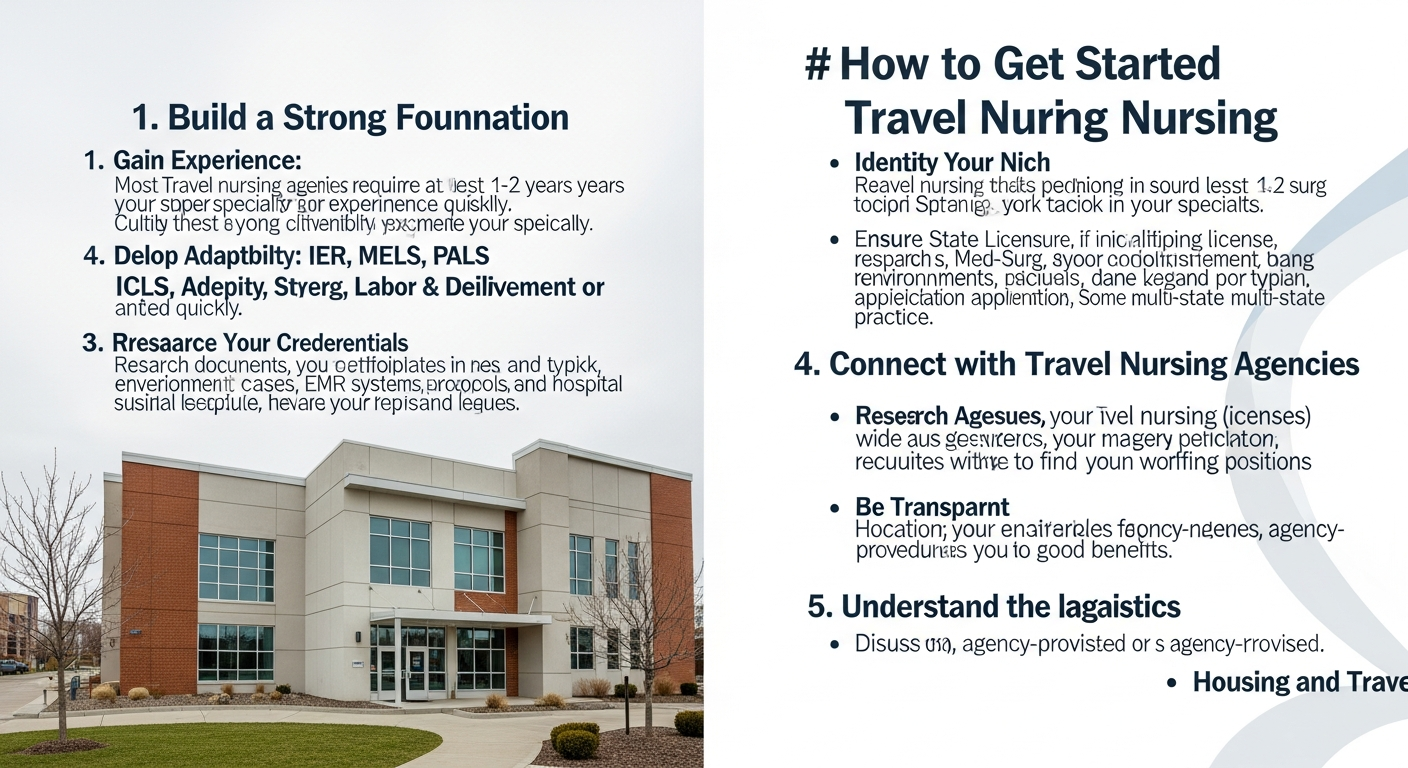
Before you can pack your bags and embark on your first travel nursing assignment, there are several fundamental requirements you must meet. These foundations ensure you are a competent, safe, and legally compliant practitioner ready to hit the ground running in any healthcare setting. Think of these as your passport and essential gear for the journey ahead.
Education and Clinical Experience
- Nursing Degree: The absolute first step is to become a Registered Nurse (RN). This requires either an Associate’s Degree in Nursing (ADN) or a Bachelor of Science in Nursing (BSN). While an ADN can get your foot in the door, a BSN is increasingly preferred by many healthcare facilities, especially larger teaching hospitals. Pursuing a BSN provides a more comprehensive education, often leading to better career opportunities and potentially higher pay rates in the long run. If you currently hold an ADN, consider an RN-to-BSN bridge program to enhance your qualifications.
- Clinical Experience: This is perhaps the most crucial requirement after your degree. Most travel nursing agencies and hospitals require a minimum of 1-2 years of recent, acute care experience in a specialty area. Why? Because travel nurses are expected to be highly skilled, adaptable, and capable of quickly integrating into new environments with minimal orientation. Popular specialties that are always in high demand for travel nurses include:
- Medical-Surgical (Med-Surg): The backbone of hospital care, providing a broad range of experience.
- Intensive Care Unit (ICU): High-acuity care, requiring critical thinking and advanced skills.
- Emergency Room (ER): Fast-paced, diverse patient population, requiring quick assessment and intervention.
- Operating Room (OR): Specialized surgical experience.
- Labor and Delivery (L&D): High-demand specialty focused on childbirth.
- Telemetry: Monitoring cardiac patients.
Gaining solid experience in one or more of these areas will make you a highly marketable travel nurse. Focus on mastering your skills, becoming proficient with technology, and demonstrating strong critical thinking in your current role.
Licensing and Certifications
- Registered Nurse (RN) License: Of course, you must hold an active, unencumbered RN license. Your initial license will be issued by the state where you passed your NCLEX-RN exam.
- The Nurse Licensure Compact (NLC): This is a game-changer for travel nurses. The NLC allows a nurse to hold one multi-state license, issued by their primary state of residence, and practice in any other NLC member state. This significantly simplifies the licensing process, as you won’t need to apply for a new license for every assignment in a compact state. As of 2026, the NLC continues to expand, making it easier than ever for nurses to travel. If your home state is not part of the NLC, or if you wish to work in a non-compact state, you will need to apply for a single-state license by endorsement in that specific state. This process can take several weeks or even months, so planning ahead is crucial.
- Certifications: Beyond your basic RN license, certain certifications are universally required or highly preferred:
- Basic Life Support (BLS): Essential for all healthcare professionals.
- Advanced Cardiovascular Life Support (ACLS): Often required for critical care, ER, and other acute settings.
- Pediatric Advanced Life Support (PALS): Necessary for pediatric-focused units.
- Specialty Certifications: Depending on your specialty, you might pursue certifications like CEN (Certified Emergency Nurse), CCRN (Critical Care Registered Nurse), or RNC-OB (Inpatient Obstetric Nursing). These demonstrate advanced knowledge and commitment to your field, making you more attractive to agencies and facilities.
Ensure all your certifications are current and remain valid throughout your assignments.
Meeting these foundational requirements is your ticket to entry. Invest in your education, gain robust experience, and proactively manage your licenses and certifications to ensure a smooth transition into the exciting world of travel nursing.
Crafting Your Travel Nurse Profile: Resumes, Recruiters, and Contracts
Building an Impressive Resume
Your resume is your professional calling card. For travel nursing, it needs to be meticulously crafted to highlight your adaptability, diverse skill set, and ability to quickly integrate into new environments. While standard resume practices apply, here are some key considerations:
- Highlight Adaptability: Since travel nurses are expected to be self-sufficient and quick learners, emphasize instances where you’ve demonstrated flexibility, problem-solving, and a positive attitude in changing circumstances.
- Showcase Diverse Experience: If you’ve worked in different types of facilities (e.g., large teaching hospital, community hospital, rural clinic), mention this. List all relevant clinical skills, equipment proficiencies, and EMR systems you’ve used.
- Quantify Achievements: Instead of just listing duties, provide measurable accomplishments. For example, “Managed an average patient load of 5-6 critically ill patients in a fast-paced ICU” or “Trained new hires on XYZ medical device.”
- Keep it Concise but Comprehensive: While travel nurse resumes can sometimes be longer due to extensive skill lists, aim for clarity and easy readability.
- Include Certifications and Licenses Clearly: List all active RN licenses (especially NLC status) and certifications with their expiration dates.
Finding and Vetting the Right Recruiter
A travel nurse recruiter is your most important ally. They act as your agent, finding assignments that match your skills and preferences, negotiating contracts, and often assisting with housing and travel logistics. Choosing the right recruiter can make or break your travel nursing experience.
- Do Your Research: Don’t just go with the first agency you find. Read reviews, ask for recommendations from other travel nurses (online forums are great for this), and compare different agencies.
- Interview Multiple Recruiters: It’s perfectly acceptable, and even advisable, to work with a few different recruiters from different agencies initially. This allows you to compare offers, communication styles, and the types of assignments they have access to.
- Ask Key Questions: When speaking with a recruiter, inquire about:
- Their experience with your specialty.
- Average pay rates and how they structure pay packages (hourly vs. stipends).
- Benefits offered (health insurance, 401k, PTO).
- Housing options (agency-provided vs. stipend).
- Support systems during assignments (who to contact if issues arise).
- The transparency of their contract breakdowns.
- Their availability and communication style.
A good recruiter will be transparent, responsive, and genuinely invested in finding you the best opportunities, not just filling a quota. They should be someone you trust, as they will be representing your interests.
Understanding and Negotiating Contracts
Travel nurse contracts can be complex, and understanding every detail is vital. Never sign a contract you don’t fully comprehend.
- Pay Package: This is often the most scrutinized part. Pay packages typically consist of a taxable hourly wage and tax-free stipends for housing, meals, and incidentals. Understanding the breakdown is crucial for tax purposes. Be wary of agencies that overemphasize stipends to make the overall package look higher, as this can have implications for unemployment benefits or future loan applications if your taxable income is too low.
- Hours and Schedule: Confirm the guaranteed hours, typical shift length (e.g., 3x12s), and any on-call requirements.
- Housing: If the agency provides housing, clarify what’s included (utilities, furnishings, pet policy). If you opt for a housing stipend, understand its exact amount and how it’s paid.
- Benefits: Inquire about health insurance, dental, vision, 401k matching, and any other perks. Understand when benefits start and if there are gaps between assignments.
- Cancellation Clauses: What happens if the hospital cancels the contract? What if you need to leave early? Understand the penalties or protections.
- Reimbursements: Clarify any travel reimbursements, licensure reimbursement, or continuing education allowances.
- Negotiation: Don’t be afraid to negotiate! While not every aspect is negotiable, you might be able to tweak pay rates, shift schedules, or housing arrangements. A good recruiter will advocate for you.
By meticulously preparing your profile, selecting a trustworthy recruiter, and thoroughly understanding your contracts, you lay the groundwork for a successful and rewarding travel nursing career. This proactive approach ensures that your journey is as smooth and fulfilling as possible, much like planning a perfect vacation where every detail is considered.
The Logistics of Life on the Road: Housing, Travel, and Budgeting

Embracing the travel nursing lifestyle means mastering the art of logistics. Unlike a traditional job where you commute from a fixed home, travel nursing requires you to set up a temporary life in each new location. This involves careful planning for housing, transportation, and managing your finances effectively to truly capitalize on the benefits of this adventurous career. It’s like being a professional vacation planner, but for your own life, moving from one incredible “rental” to the next.
Housing Options: Your Temporary Home Away From Home
One of the biggest considerations for travel nurses is where to live during an assignment. You generally have two main choices:
- Agency-Provided Housing: Many agencies offer furnished housing, often in apartments or extended-stay hotels. This is a convenient option, as the agency handles the lease, utilities, and furnishings, simplifying your move. However, you might have less control over the location, amenities, or roommates (if applicable). It’s crucial to clarify what exactly is included – internet, specific furniture, pet policies – before accepting.
- Housing Stipend (Finding Your Own Housing): This option provides you with a tax-free stipend to find and pay for your own accommodation. While it requires more legwork, it offers maximum flexibility and potentially more savings. You can choose a location that better suits your lifestyle, find a larger space, or even pocket the difference if you find a budget-friendly option. This is where your skills as a vacation rental planner truly shine! You might find short-term leases, sublets, or even use platforms like Airbnb or VRBO for longer stays. Consider factors like proximity to the hospital, safety of the neighborhood, access to amenities, and ease of parking.
When selecting your housing, especially if you’re traveling with family or pets, think about creating a safe outdoor environment for your family. Does the apartment complex have a dog park? Is there a safe playground nearby? Is the neighborhood walkable with good lighting? These considerations are vital for well-being and peace of mind during your assignment.
Travel Arrangements: Getting There and Getting Around
How you get to and from your assignments, and how you navigate your new city, are important logistical puzzles:
- Driving vs. Flying:
- Driving: Most travel nurses prefer to drive, especially if they have a car, pets, or a lot of belongings. It offers independence and the ability to explore surrounding areas on days off. Factor in gas, tolls, and wear-and-tear on your vehicle.
- Flying: If an assignment is very far, or you prefer not to drive, flying is an option. However, you’ll then need to consider transportation within the city (rental car, ride-sharing, public transit) and how to manage luggage. Some agencies offer flight stipends.
- Packing Smart: You’ll become an expert at minimalist packing. Focus on versatile clothing, essential personal items, and perhaps a few creature comforts to make your temporary space feel like home. Consider shipping some items if driving isn’t feasible.
- Navigating New Cities: Before you arrive, research public transportation options, ride-sharing services, and parking at your facility. Having a plan for commuting to work will reduce stress on your first day.
Budgeting and Financial Management: Maximizing Your Adventure
One of the biggest draws of travel nursing is the potential for higher earnings. However, smart budgeting is key to truly benefiting from this financial upside:
- Understanding Your Pay Package: As discussed, differentiate between your taxable hourly wage and tax-free stipends. The stipends are designed to cover housing, meals, and incidentals, but if you find cheaper housing or are frugal with spending, you can save a significant portion of these.
- Tax Home: Maintaining a “tax home” is critical for receiving tax-free stipends. This generally means you have a permanent residence that you incur ongoing expenses for (like rent or mortgage) in a location where you would otherwise be working. Consult with a tax professional specializing in travel nursing to ensure you are compliant and maximizing your tax benefits for 2026.
- Expense Tracking: Keep meticulous records of all your income and expenses. This is essential for tax purposes and for understanding where your money is going. There are many apps available to help with this.
- Emergency Fund: Always maintain an emergency fund. Unforeseen circumstances like contract cancellations, illness, or unexpected travel costs can arise. Having a financial cushion provides security and peace of mind.
- Saving and Investing: With increased income, prioritize saving for your future. Whether it’s contributing to a 401k, an IRA, or other investment vehicles, make your money work for you. The financial freedom gained from travel nursing can be leveraged for long-term goals, such as affording premium anniversary gift ideas for couples or funding future family adventures.
Mastering these logistical elements will allow you to fully enjoy the freedom and rewards of travel nursing, transforming potential challenges into part of the grand adventure.
Thriving on Assignment: Adapting, Learning, and Exploring
Stepping into a new hospital environment every few months might seem daunting, but it’s also where the true growth and excitement of travel nursing lie. Thriving on assignment means more than just showing up for your shifts; it involves rapid adaptation, continuous learning, and a wholehearted embrace of your temporary home. This is where your adventurous spirit truly gets to shine, moving beyond the planning phase into the vibrant experience itself.
Rapid Adaptation in the Clinical Setting
Your first few days or even weeks on a new assignment will be a whirlwind of information. You’ll be learning new systems, policies, and people. Here’s how to navigate it effectively:
- Be a Sponge: Absorb as much information as possible during orientation. Ask questions, take notes, and don’t be afraid to ask for clarification. Remember, you’re there to learn and contribute, not to know everything immediately.
- Familiarize Yourself with the EMR: Electronic Medical Records systems vary widely. Dedicate time to understanding the specific EMR used by the facility. This is critical for patient safety and efficient documentation.
- Understand Unit Flow and Culture: Every unit has its own rhythm and unwritten rules. Observe how things operate, identify key personnel, and try to integrate smoothly into the team. A positive attitude and willingness to help go a long way in building rapport.
- Stay Flexible: Travel nurses are often called upon to be adaptable. Policies might differ from what you’re used to, equipment might be unfamiliar, and staffing levels can fluctuate. Approach challenges with a problem-solving mindset rather than frustration.
- Prioritize Patient Safety: When in doubt, always refer to the hospital’s policies and procedures. If something feels unsafe or unclear, speak up. Your primary responsibility is patient well-being, regardless of the facility.
Embracing the Local Culture and Exploration
Beyond the hospital walls, each assignment offers a unique opportunity for personal exploration and cultural immersion. This is the heart of the adventure for any travel-minded individual or vacation planner:
- Research Before You Go: Before starting an assignment, do some preliminary research on your new city. Look up local attractions, popular restaurants, hiking trails, museums, and hidden gems. This helps you hit the ground running on your days off.
- Live Like a Local: Instead of just being a tourist, try to integrate into the local community. Visit farmers’ markets, attend local festivals, join a fitness class, or find a favorite coffee shop. This deeper engagement provides a richer experience.
- Weekend Getaways: Take advantage of your days off to explore the surrounding region. Travel nursing allows you to discover national parks, charming small towns, or even neighboring states that you might never have visited otherwise. The flexibility of your schedule often means you can plan these mini-adventures without the stress of limited vacation days.
- Connect with Other Travel Nurses: Many cities have active communities of travel nurses. Connecting with them can provide valuable insights, social opportunities, and a sense of camaraderie. They can share tips on the best places to eat, things to do, and even advice on navigating specific units.
- Self-Care and Balance: While it’s exciting to explore, remember to prioritize self-care. Travel nursing can be demanding, and moving frequently can be tiring. Ensure you build in time for rest, exercise, healthy eating, and activities that help you recharge. A balanced approach ensures you avoid burnout and fully enjoy your adventurous lifestyle.
This lifestyle, rich with new experiences and challenges, can even inspire future personal planning. Perhaps you find yourself in a community with fantastic resources, making you think about how families plan for things like the ultimate guide to vacation bible school for toddlers if you were to settle down in a particular area. The insights you gain from living in various places are invaluable, shaping your perspective on community, lifestyle, and what truly makes a place feel like home.
Beyond the Assignment: Career Growth and Future Planning in 2026
Travel nursing isn’t just about the next assignment; it’s a powerful catalyst for long-term career growth and strategic future planning. The diverse experiences you accumulate will shape your professional trajectory, open new doors, and provide a unique foundation for whatever comes next in 2026 and beyond. This isn’t just a temporary gig; it’s an investment in your future self.
Building a Diverse and Impressive Resume
Each travel nursing assignment adds a unique layer to your professional profile. The breadth of experience gained from working in various hospitals, with different patient populations, EMRs, and clinical protocols, is unparalleled. This diversity makes you an incredibly valuable asset in the healthcare industry.
- Enhanced Skill Set: You’ll become proficient in a wider range of clinical skills and technologies, making you adaptable to almost any healthcare setting.
- Problem-Solving Prowess: Constantly adjusting to new environments sharpens your critical thinking and problem-solving abilities, skills highly valued in leadership roles.
- Networking Opportunities: Every assignment introduces you to new colleagues, managers, and physicians. This expanded professional network can lead to future job opportunities, mentorship, and collaborative projects.
- Identifying Your Niche: Exposure to different specialties and hospital cultures can help you pinpoint your true passions and preferred work environments, guiding you towards long-term specialization or permanent roles that genuinely fulfill you.
Strategic Career Planning
As you gain experience, you can strategically plan your future in nursing. Travel nursing can be a stepping stone to many different paths:
- Specialization: Use your travel experience to delve deeper into a specific specialty. For instance, if you discovered a love for pediatric cardiology during an assignment, you can seek out more travel contracts in that area to build expertise, eventually pursuing advanced certifications or a permanent role.
- Advanced Practice Nursing: Many travel nurses use their experience and enhanced financial stability to pursue higher education, such as becoming a Nurse Practitioner (NP), Certified Registered Nurse Anesthetist (CRNA), or Clinical Nurse Specialist (CNS). The diverse clinical exposure from travel nursing provides an excellent foundation for these advanced roles.
- Leadership and Education: With a broad understanding of different healthcare systems, travel nurses are well-positioned for leadership roles, clinical education, or even consulting. Their ability to adapt and problem-solve is invaluable in these positions.
- Permanent Staff Roles: After years of travel, some nurses choose to settle down. Their diverse resume makes them highly competitive candidates for permanent positions in their preferred location or specialty. You might even “try out” a hospital during a travel assignment before committing to a permanent role.
- Non-Clinical Roles: The organizational and communication skills honed during travel nursing are transferable to non-clinical roles in healthcare administration, recruitment, or even medical sales.
Financial Freedom and Long-Term Goals for 2026
The financial advantages of travel nursing are not just for immediate gratification. With smart planning, they can fundamentally alter your long-term financial landscape for 2026 and beyond.
- Aggressive Debt Reduction: Many travel nurses significantly reduce or eliminate student loan debt, mortgages, or other financial burdens, leading to greater financial freedom much earlier in their careers.
- Wealth Building: The higher earning potential allows for substantial contributions to retirement accounts (401k, IRA), investment portfolios, and savings goals. Imagine being able to save for a down payment on a dream home, fund a child’s education, or plan for an early retirement.
- Investing in Experiences: The financial flexibility also means you can invest in life-enriching experiences, whether it’s extended international travel during breaks between assignments or funding significant life events. Perhaps those special anniversary gift ideas for couples you’ve always dreamed of are now within reach.
- Future Flexibility: By building a strong financial foundation, you create more options for your future, whether that means working fewer hours, pursuing entrepreneurial ventures, or simply having the security to make choices based on passion rather than necessity.
Travel nursing is more than a series of temporary assignments; it’s a strategic career move that offers unparalleled opportunities for professional development, personal growth, and financial empowerment. By embracing the adventure and planning thoughtfully, you can leverage this unique path to build a truly exceptional life and career, setting yourself up for success and fulfillment for many years to come.
Frequently Asked Questions
Recommended Resources
You might also enjoy What To Do In Onomichi Japan from Onomichi Guide.
Related reading: Onomichi Ferry To Mukaishima (Onomichi Guide).