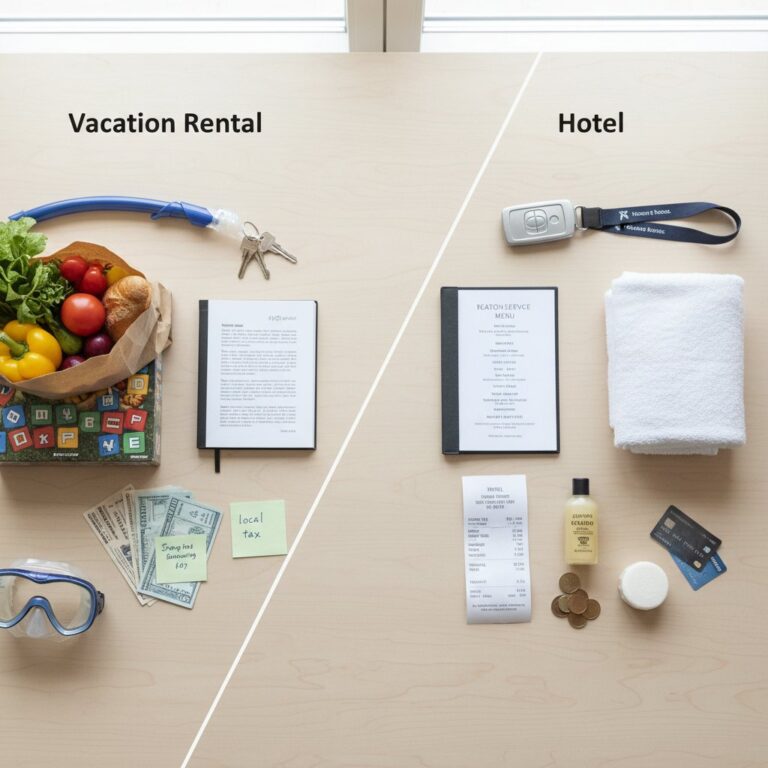


What Is a Short-Term Rental? Definition, Rules & Types (2026)
Affiliate disclosure: This article may contain affiliate links. Recommendations are independent and editorially driven.
The travel landscape has undergone a significant transformation in recent decades, largely fueled by the rise of what is a short term rental. Far beyond traditional hotels, these flexible accommodation options now offer everything from cozy city apartments to sprawling beachside villas. But what exactly defines a short-term rental, and what are the critical factors you need to understand, whether you’re a traveler seeking a unique stay or an aspiring property owner looking to enter the market?
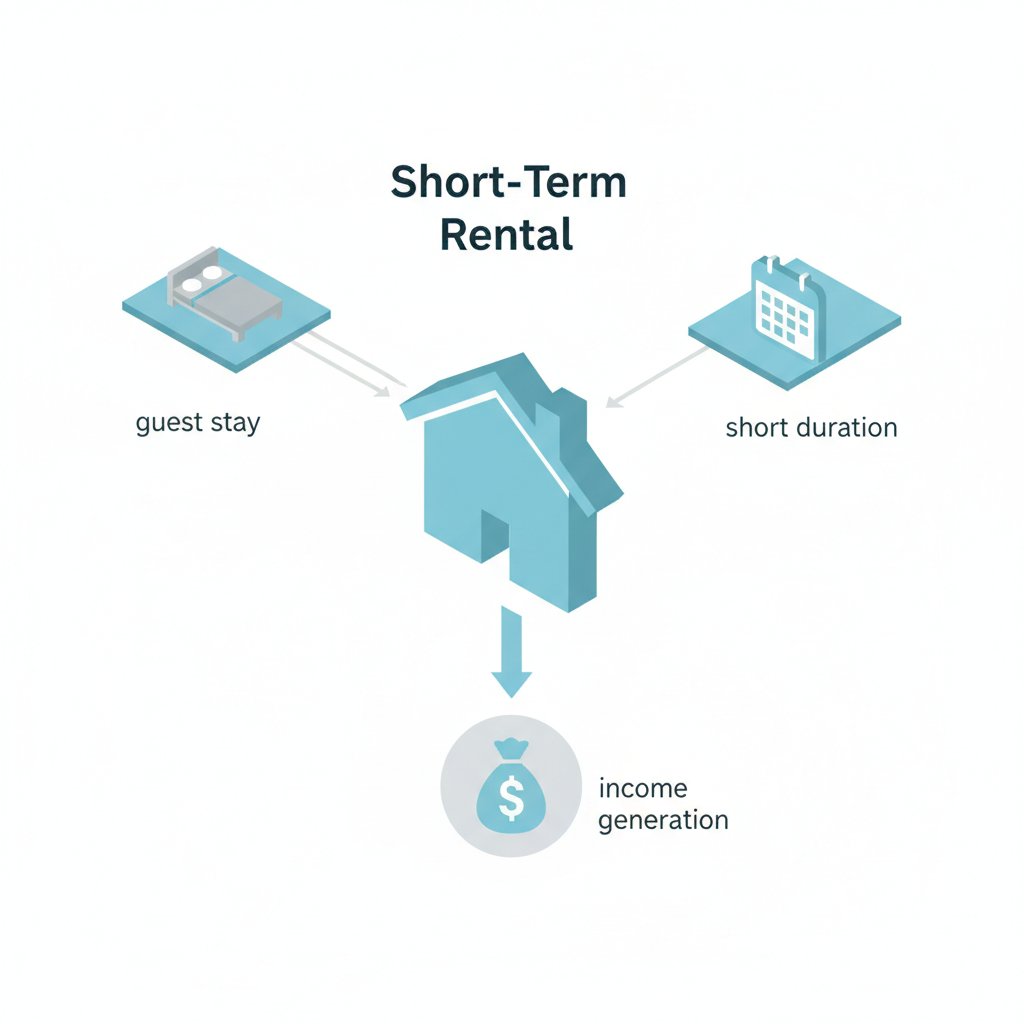
At its core, a short-term rental is a residential property rented out for a temporary, often brief, period, typically less than 30 consecutive days. This model contrasts sharply with long-term leases, which usually span months or even years. However, this seemingly simple definition belies a complex web of regulations, economic implications, and operational nuances that vary dramatically by location.
For travelers, short-term rentals offer unparalleled flexibility, unique experiences, and often more space and amenities than traditional hotels. For property owners and investors, they present a potentially lucrative income stream, but one that comes with its own set of responsibilities, including understanding local zoning laws, tax obligations, and the demands of hospitality. This comprehensive guide will demystify the world of short-term rentals, providing crucial insights for both guests and hosts in 2026 and beyond.
Defining “What Is a Short Term Rental?”: The Core Characteristics
Understanding what defines a short-term rental goes beyond just the duration of a stay. It encompasses a unique blend of characteristics that differentiate it from other forms of accommodation and property use. These core traits shape its appeal, its operation, and the regulatory environment it inhabits.
Duration: The Underpinning Factor
The most defining characteristic of a short-term rental is its limited duration. While the exact threshold can vary by jurisdiction, the most common definition centers around stays of less than 30 consecutive days. Some localities might stipulate 29 days or fewer, while others might extend it slightly, but the fundamental principle remains: it’s not a permanent residence.
- Typical stays: Ranging from one night to several weeks.
- Regulatory benchmark: This 30-day (or less) period is often the trigger for specific local laws, permits, and transient occupancy taxes that wouldn’t apply to longer-term leases.
- Flexibility: This short duration allows for frequent turnovers, maximizing potential income for hosts and offering guests a diverse range of flexible travel options.
Nature of Occupancy: Transient and Temporary
Unlike a traditional tenant who establishes residency, a short-term rental guest is a transient occupant. This means they are using the property for a temporary stay, often for leisure, business travel, or family visits, and do not intend to make it their permanent home. This distinction is crucial, as it affects tenant rights, landlord responsibilities, and tax classifications.
- Not a domicile: Guests do not establish legal residency or tenancy.
- Hospitality-focused: The service provided often leans more towards hospitality than traditional property management, including elements like cleaning services, amenities, and guest support.
- Usage patterns: Typically involves frequent comings and goings, potentially impacting neighborhood dynamics and local resources.
Property Types: Diverse and Evolving
The term “short-term rental” applies to an incredibly diverse array of properties. This is a significant part of its appeal, offering travelers unique experiences beyond standardized hotel rooms.
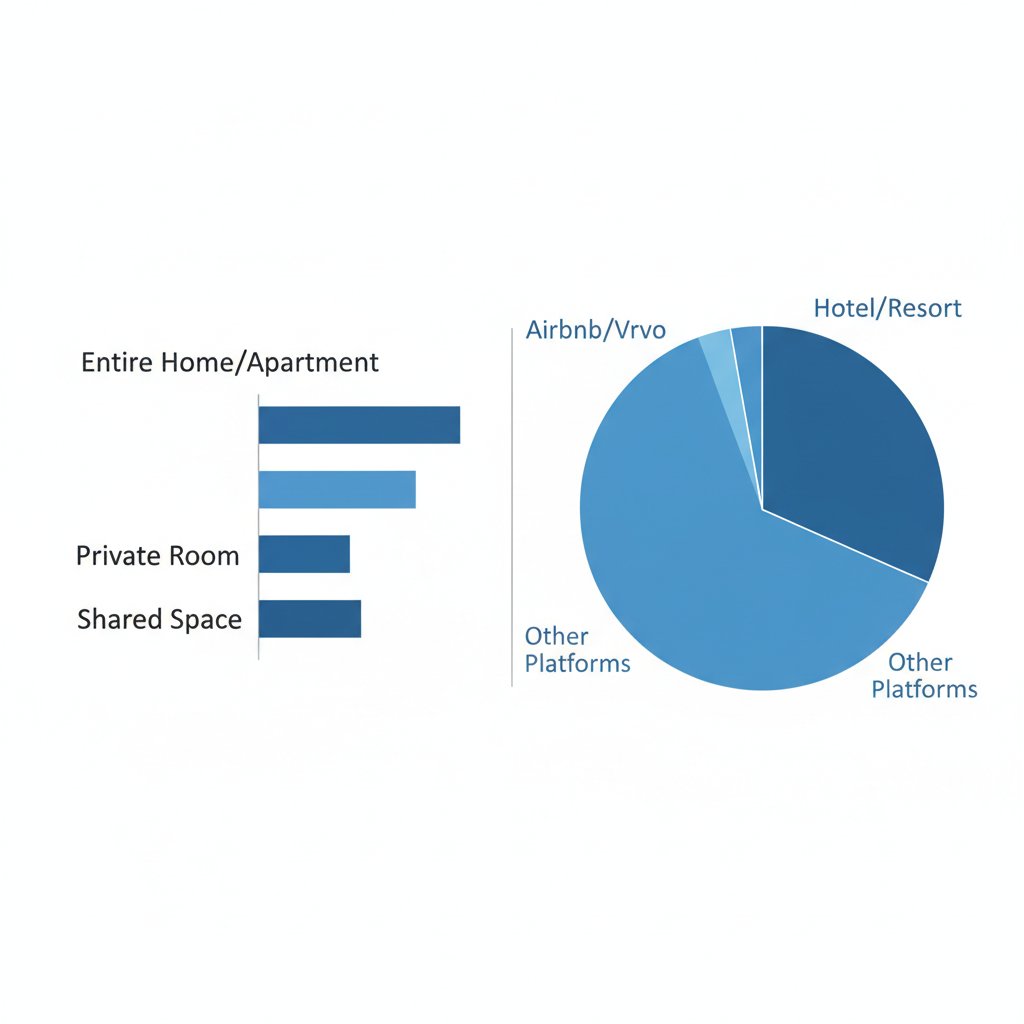
- Entire Homes/Apartments: The most common type, providing guests with private, self-contained living spaces.
- Private Rooms: Guests rent a room within a host’s primary residence, often sharing common areas.
- Unique Stays: Treehouses, luxury villas, cabins, boats, glamping tents, and even castles can all be classified as short-term rentals if offered for temporary stays.
- Vacation Homes: Properties primarily purchased or designated for recreational use by owners, often rented out when not in personal use.
Purpose of Stay: Leisure, Business, and Beyond
While often associated with vacations, guests utilize short-term rentals for a multitude of purposes:
- Leisure Travel: Family vacations, romantic getaways, friend reunions, and adventure trips.
- Business Travel: Extended work trips, corporate housing, relocation stays.
- Temporary Relocation: During home renovations, insurance claims, or transitioning between permanent residences.
- Event-Based Stays: Attending festivals, conferences, weddings, or sporting events.
This versatility makes short-term rentals a powerful force in both the leisure and business travel sectors.
[INLINE IMAGE 1: place after second H2 | alt=”what is a short term rental concept illustration”]
The Regulatory Landscape: Local Laws, Zoning, and Permits

For anyone involved with or considering short-term rentals, particularly property owners and investors, understanding the regulatory landscape is paramount. This is where the simple definition of “what is a short term rental” becomes significantly more complex, as local governments across the globe grapple with balancing economic opportunity, housing availability, and community concerns.
The Local vs. State vs. Federal Jurisdictional Nuance
Unlike many other industries, short-term rental regulation is predominantly a localized issue, though state and even federal influences can play a role.
- Local (City/County) Ordinances: These are the primary drivers of short-term rental rules. Cities often enact their own specific laws regarding permits, zoning, occupancy limits, and areas where short-term rentals are allowed. For example, New York City has some of the strictest regulations, while other cities might be more permissive.
- State Laws: Some states have passed overarching laws that can influence local regulations, either by pre-empting local control or by setting minimum standards. Florida, for instance, has preempted some local control over duration limits, while allowing cities to regulate other aspects.
- Homeowners Associations (HOAs) and Condo Boards: Beyond government regulations, properties within HOAs or condominium complexes are subject to their own covenants, conditions, and restrictions (CC&Rs). Many HOAs have strict rules or outright bans on short-term rentals, making this a critical check for any prospective host.
“The definition of a short-term rental is not universal; it’s a dynamic legal concept sculpted by municipal codes,” explains Sarah Jenkins, a real estate attorney specializing in property law. “What’s perfectly legal in one zip code could be a massive fine awaiting you in another, even within the same state. Due diligence on local ordinances before you invest or list a property is non-negotiable.”
Zoning Laws: Where Can You Operate?
Zoning laws dictate how land can be used within a specific area. Many municipalities designate certain zones as residential (single-family, multi-family), commercial, or mixed-use. The classification of a short-term rental often becomes a contentious point within these zones.
- Residential Zoning Conflicts: Historically, residential zones were for long-term residents. Short-term rentals, with their transient nature, can be seen as a commercial activity that clashes with the quiet enjoyment of neighbors. Many cities now explicitly ban or severely restrict short-term rentals in purely residential zones.
- Overlays and Specific Use Permits: Some cities have created “overlay districts” or require specific “conditional use permits” for short-term rentals, even in residential areas, allowing them under certain conditions (e.g., owner-occupied status, limited rental days per year).
- Commercial and Mixed-Use Zoning: Short-term rentals are generally more accepted, or even encouraged, in commercial or mixed-use zones, particularly in areas geared towards tourism.
Permitting and Licensing: The Gatekeepers
Most jurisdictions seeking to regulate short-term rentals require hosts to obtain specific permits or licenses. These processes vary widely:
- Registration: A simpler process where owners register their property with the city.
- Business License: Many places view short-term rentals as a business, requiring a standard business license.
- Specific Short-Term Rental Permit: A dedicated permit system, often with fees, inspections, and strict eligibility criteria (e.g., owner-occupancy requirements, maximum number of units per owner, proof of insurance).
- Occupancy Limits: Permits often specify the maximum number of guests allowed, driven by safety codes and neighborhood impact.
- Safety & Health Inspections: Some permits require properties to pass safety inspections, ensuring fire safety, adequate exits, and general habitability.
Failure to comply with permitting and licensing requirements can result in significant fines, operational suspensions, or even legal action. It’s crucial for any host to consult their local city or county government’s planning or permitting department.
Learn more about effective short-term rental property management.
Tax Implications: Beyond the Booking Fee
One of the most overlooked, yet critical, aspects for short-term rental owners is the array of tax obligations. Moving beyond the operational costs, understanding applicable sales, occupancy, and income taxes is crucial for profitability and compliance.
Transient Occupancy Taxes (TOTs) / Hotel Taxes
Often referred to as “hotel taxes,” “lodging taxes,” or “bed taxes,” Transient Occupancy Taxes (TOTs) are specific taxes levied on guests for temporary stays in hotels, motels, and, increasingly, short-term rentals. These taxes are a significant source of revenue for many local governments, funding tourism initiatives, public services, and infrastructure.
- Purpose: To generate revenue from visitors who use local resources but may not contribute to property or income taxes.
- Collection: In most cases, the host is responsible for collecting these taxes from the guest and remitting them to the appropriate local (city/county) or state authority. Major platforms like Airbnb and Vrbo often collect and remit these taxes on behalf of hosts in many jurisdictions, simplifying the process. However, it’s the host’s ultimate responsibility to verify this is happening correctly or to handle it themselves if the platform doesn’t.
- Rates: TOT rates vary wildly, from a few percent to over 15-20% in popular tourist destinations. These rates are usually added on top of the nightly rate and cleaning fees.
Sales Tax
Depending on the state and locality, short-term rental income may also be subject to sales tax, similar to other retail or service transactions. This is less common than TOTs but still applicable in some areas.
- Variation by State: Some states consider short-term rentals a taxable service, while others do not.
- Host Responsibility: If applicable, hosts must register for a sales tax permit and regularly remit collected sales tax revenue.
Income Tax: Business or Hobby?
All income generated from a short-term rental is generally considered taxable income by federal, state, and sometimes local governments. The way this income is treated for tax purposes largely depends on how frequently the property is rented and whether the owner provides “substantial services.”
- IRS Guidelines (US Example):
- Rental for less than 15 days in a year: Often considered personal use, and the income might be entirely tax-free (with some limitations on deducting expenses). This is known as the “14-day rule” or “vacation home rule.”
- Rental for 15+ days and no substantial services: Typically treated as a passive activity, reported on Schedule E (Supplemental Income and Loss). Deductible expenses (mortgage interest, property taxes, insurance, utilities, depreciation, repairs, cleaning, management fees) can offset income. Losses from passive activities may be subject to limitations.
- Rental for 15+ days and substantial services (e.g., daily cleaning, concierge, meals): Can be considered an active business, potentially reported on Schedule C (Profit or Loss from Business). This allows for more comprehensive business expense deductions and can be more advantageous for certain tax strategies.
- State Income Tax: Beyond federal, state income taxes will apply to net rental income in states with an income tax.
- Self-Employment Tax: If your short-term rental activity is considered a “business” rather than a passive investment, you may also be subject to self-employment taxes (Social Security and Medicare), as you are essentially operating as a self-employed individual.
Due to the complexity of tax laws, especially concerning passive vs. active income and the interplay of local, state, and federal regulations, it is highly recommended that all short-term rental owners consult with a qualified tax professional or certified public accountant (CPA). They can provide tailored advice, ensure compliance, and help optimize deductions.
[INLINE IMAGE 2: place after fourth H2 | alt=”what is a short term rental comparison illustration”]
Short-Term vs. Long-Term Rentals: A Comparative Analysis
The distinction between short-term and long-term rental properties is fundamental, impacting everything from operational strategies to legal frameworks, financial returns, and risk profiles. Understanding these differences is crucial for both property owners deciding on a rental strategy and guests weighing their accommodation options.
Key Differences at a Glance
Let’s break down the primary areas where these two models diverge:
| Feature | Short-Term Rental | Long-Term Rental |
|---|---|---|
| Duration of Stay | Typically < 30 days (often nights to weeks) | Typically > 30 days (months to years) |
| Tenant/Guest Status | Transient guest; no tenant rights established | Tenant; protected by tenant/landlord laws |
| Furnishings | Fully furnished, equipped with linens, kitchenware, etc. | Often unfurnished (though furnished options exist) |
| Utilities & Services | Often included in the nightly rate (electricity, water, internet) | Typically paid by the tenant |
| Maintenance & Cleaning | Frequent professional cleaning, linens, amenities replenishment | Tenant responsible for general cleanliness; landlord for major repairs |
| Income Potential | Higher nightly rates; robust income in peak seasons, but more volatile | Lower, more stable monthly income; less seasonality |
| Operating Costs | Higher: marketing, cleaning, utilities, amenities, property management fees, permits | Lower: less frequent turnover, fewer direct service costs |
| Regulatory Burden | High: specific STR permits, zoning laws, transient occupancy taxes, business licenses | Lower: standard landlord-tenant laws, property taxes |
| Risk Factors | Vacancies, market volatility, reputation management, regulatory changes | Damages by long-term tenants, eviction challenges, rent control |
| Operational Demands | High: guest communication, booking management, cleaning coordination, maintenance, emergency support | Lower: vetting tenants, collecting rent, handling periodic repairs |
Deep Dive into Key Differences:
Guest Experience vs. Tenant Living
- Short-Term: Focus is on a curated “experience.” Guests expect hotel-level amenities and hospitality services – fresh towels, welcome baskets, local recommendations, and prompt resolutions to issues. The property is a temporary escape or a functional base for a trip.
- Long-Term: Focus is on providing a stable home. Tenants are primarily concerned with privacy, space, and a safe environment for their daily lives. Services are minimal beyond essential maintenance.
Financial Volatility vs. Stability
- Short-Term: Offers the potential for significantly higher income, especially in popular tourist areas or during peak seasons and events. However, income is highly susceptible to economic downturns, travel restrictions, off-seasons, and increased competition. High demand times can lead to premium pricing.
- Long-Term: Provides a more predictable and stable monthly income. While the per-day revenue is lower, there’s less concern about occupancy rates and seasonality. Vacancy risk is generally lower once a reliable tenant is secured.
Operational Intensity
- Short-Term: Requires almost constant attention. This includes dynamic pricing strategies, marketing across multiple platforms, rigorous cleaning schedules, constant guest communication (before, during, and after stay), restocking supplies, and immediate response to maintenance issues. It’s akin to running a small hotel.
- Long-Term: While still demanding, it involves less frequent interaction. Key tasks include tenant screening, lease agreement management, rent collection, and addressing major repairs or emergencies.
Legal & Regulatory Environment
- Short-Term: Operates in a rapidly evolving and often restrictive regulatory environment. Local governments frequently update laws regarding permits, licenses, and zoning, making compliance a continuous challenge. Transient occupancy taxes are a universal concern.
- Long-Term: Governed by established landlord-tenant laws, which vary by state but are generally more consistent. Focus is on tenant rights, eviction processes, and lease agreement adherence.
For investors, the decision between short-term and long-term rests heavily on desired income stability, operational appetite, property location, and risk tolerance. For travelers, the choice is between the bespoke, amenity-rich experience of a short-term rental and the often more budget-friendly, independent living of a long-term lease (if available for shorter periods, like corporate housing).
Discover expert Airbnb booking tips for your next vacation.
Types of Short-Term Rentals for Travelers
The “what is a short term rental” definition expands considerably when you consider the sheer variety of options available to travelers. Beyond the standard house or apartment, the market has evolved to offer unique and specialized experiences catering to every taste and budget.
1. Entire Homes/Apartments
This is arguably the most popular and recognized type of short-term rental, epitomized by platforms like Airbnb and Vrbo.
- Characteristics: Guests have exclusive access to a fully furnished and equipped private living space, including bedrooms, bathrooms, a living area, and typically a full kitchen.
- Benefits for Travelers: Privacy, space for families or groups, self-catering options (saving on dining out), often a more authentic local experience, and amenities like washing machines or private outdoor areas.
- Ideal For: Families with children, groups of friends, business travelers needing more space or an extended stay, and those seeking a “home away from home” experience.
2. Private Rooms
In this setup, guests rent a private bedroom within a host’s primary residence, sharing common areas like the kitchen, living room, and sometimes bathrooms.
- Characteristics: More affordable than entire homes, this option often provides a more direct interaction with a local host.
- Benefits for Travelers: Cost-effective, opportunities for local insights and recommendations from the host, sense of community.
- Ideal For: Solo travelers, budget-conscious individuals, those interested in cultural exchange, or travelers only needing a place to sleep and minimal amenities.
3. Shared Rooms/Spaces
Less common in the traditional short-term rental market but still present, especially in hostel-like environments.
- Characteristics: Guests rent a bed in a shared bedroom (e.g., dormitory-style), with common access to all other areas.
- Benefits for Travelers: Extremely budget-friendly, social atmosphere, popular with backpackers and young travelers.
- Ideal For: Solo budget travelers, young adventurers, those seeking to meet other travelers.
4. Vacation Homes and Destination Properties
These are properties specifically purchased or designated for recreational use by owners, often in popular tourist destinations, and frequently rented out when not in personal use. This category often overlaps significantly with “Entire Homes/Apartments” but carries a distinct connotation of being a dedicated getaway property.
- Characteristics: Can range from cozy cabins in the mountains to luxurious beachfront villas. Often managed by dedicated property management companies.
- Benefits for Travelers: Access to desirable locations, often with premium amenities (pools, hot tubs, spectacular views), suitability for longer vacation stays.
- Ideal For: Extended family vacations, destination weddings, luxury getaways, or those seeking specific recreational access (e.g., ski-in/ski-out access).
5. Unique Stays
This category highlights the innovation and creativity within the short-term rental market, offering truly memorable and unconventional accommodations.
- Characteristics: Treehouses, yurts, glamping tents, converted buses or tiny homes, historic castles, houseboats, renovated train cars, and more.
- Benefits for Travelers: Unforgettable experiences, Instagrammable moments, connection with nature, novelty, and adventure.
- Ideal For: Adventurous travelers, couples looking for a romantic escape, families seeking a unique bonding experience, those who prioritize novelty over convention.
6. Aparthotels and Serviced Apartments
Blending the best of hotels and private living, these offer apartment-style accommodations with hotel-like services.
- Characteristics: Fully furnished apartments with separate living, sleeping, and kitchen areas, but with professional services such as daily cleaning, front desk reception, and sometimes concierges or room service.
- Benefits for Travelers: More space and privacy than a traditional hotel, self-catering options, consistent service quality, often suitable for longer business trips or family stays.
- Ideal For: Business travelers needing extended stays, families wanting more amenities and space than a hotel, anyone valuing consistent service with apartment conveniences.
The vast range of options in the short-term rental market ensures that there’s a perfect fit for nearly every traveler’s preference, budget, and purpose of visit. This diversity is a key driver of the industry’s continued growth and popularity.
Plan your perfect family trip with our comprehensive guide.
The Benefits and Challenges of Short-Term Rentals
The rise of short-term rentals has brought both exciting opportunities and significant hurdles. Understanding this duality is crucial for anyone engaging with this evolving market, whether as a traveler, an investor, an or a local community member.
For Travelers:
Benefits:
- Unique Experiences & Authenticity: Access to local neighborhoods, unique architectural styles, and often personalized recommendations from hosts, providing a more immersive travel experience than chain hotels.
- More Space & Amenities: Often includes separate living areas, multiple bedrooms, full kitchens, and amenities like private pools, gardens, or laundry facilities, which are ideal for families, groups, or longer stays.
- Cost-Effectiveness (for groups/longer stays): Can be more economical than booking multiple hotel rooms for groups, or provide better value for extended trips due to kitchen access and less frequent dining out.
- Flexibility & Variety: An extensive range of property types and locations globally, offering choices for every budget, style, and travel purpose. Last-minute bookings are often possible.
- Privacy: The ability to enjoy a private space without the constant presence of hotel staff or other guests.
Challenges:
- Inconsistent Quality & Service: Unlike hotels with standardized services, quality can vary greatly between individual hosts and properties.
- Booking Risks: Potential for cancellations, misrepresentation of properties, or issues (e.g., cleanliness, maintenance) that may not be immediately resolved without a dedicated front desk.
- Regulatory Uncertainty: Some bookings in non-compliant areas may face disruptions from local authorities.
- Lack of Traditional Hotel Services: No daily housekeeping (unless specifically arranged), room service, or concierges.
- Hidden Fees: Cleaning fees and service charges can sometimes significantly increase the advertised nightly rate.
For Property Owners & Investors:
Benefits:
- Higher Earning Potential: Can generate significantly more income than long-term rentals, especially in high-demand tourist areas or during peak seasons.
- Flexibility of Use: Owners can block out dates for personal use, allowing them to enjoy their property while also generating income.
- Property Maintenance: Frequent cleaning and guest turnover can lead to better oversight of property condition and quicker identification of maintenance needs.
- Diversification of Investment: Offers an alternative real estate investment strategy with potentially higher returns than traditional rentals.
Challenges:
- Intensive Management & Operations: Requires constant communication with guests, managing bookings, coordinating cleaning, addressing maintenance, and marketing – effectively running a hospitality business.
- High Demand for Customer Service: Guests expect prompt responses and solutions to any issues, often 24/7.
- Vacancy Risk & Seasonality: Income can be highly volatile, with periods of low occupancy during off-peak seasons, economic downturns, or travel restrictions.
- Significant Startup Costs: Furnishing, equipping, and decorating a property to attract guests requires substantial initial investment.
- Complex Regulatory Compliance: Navigating ever-changing local laws, permits, licensing, and various tax obligations (TOT, sales tax, income tax) can be daunting and costly.
- Increased Wear and Tear: Frequent turnover and transient use can lead to faster depreciation and more frequent repairs.
- Neighborhood Impact & Community Relations: Potential for neighbor complaints regarding noise, parking, or safety, which can lead to further regulatory scrutiny.
Navigating the short-term rental market requires careful consideration of these benefits and challenges. For travelers, it’s about choosing the right experience; for owners, it’s about robust planning, compliance, and commitment to hospitality.
Explore our comprehensive vacation rental destination guides.
The Future of Short-Term Rentals: Trends and Outlook
The short-term rental market is anything but static. Driven by technological innovation, evolving traveler preferences, and an intricate dance with regulatory bodies, its future promises continued change and adaptation. Understanding these trends is key for both current and aspiring participants in the sector.
1. Continued Regulatory Evolution and Compliance Focus
The era of “unregulated wild west” for short-term rentals is largely over. We can expect:
- More Granular Local Laws: Cities will continue to refine their ordinances, moving beyond blanket bans to more nuanced regulations – distinguishing between owner-occupied, non-owner-occupied, and even primary residences rented out seasonally.
- Increased Enforcement: With more sophisticated data tracking and enforcement mechanisms, cities will get better at identifying and fining non-compliant properties.
- Platform Responsibility: Booking platforms will likely face increased pressure, and in some cases, legal mandates, to share data with local authorities and ensure listings are compliant with local laws. This could mean more stringent listing requirements for hosts.
- “Good Neighbor” Policies: A growing emphasis on policies that mitigate negative community impacts, such as noise restrictions, parking limits, and higher fines for disruptive guests.
2. Technology-Driven Enhancements
Innovation will continue to reshape how short-term rentals are managed and experienced:
- Smart Home Integration: More widespread use of smart locks, smart thermostats, occupancy sensors (for energy efficiency, not privacy), and voice assistants to enhance guest convenience and host management.
- AI and Automation: AI-powered tools for dynamic pricing, automated guest communication, sentiment analysis from reviews, and predictive maintenance will become standard for professional hosts and property managers.
- Virtual and Augmented Reality: Enhanced virtual tours for properties will allow guests to experience a listing more fully before booking, reducing disappointment upon arrival.
- Blockchain for Booking & Payments: While still nascent, decentralized booking systems and secure payment processing could emerge as a niche, offering transparency and reduced fees.
3. Shifting Traveler Preferences
Post-pandemic, traveler demands have evolved, influencing the types of short-term rentals that will thrive:
- Focus on Health & Hygiene: Enhanced cleaning protocols and clear communication about them will remain crucial. Contactless check-in/check-out will be expected.
- Remote Work Accommodation: The rise of remote and hybrid work means more travelers seeking properties with dedicated workspaces, reliable high-speed internet, and a comfortable environment for extended “workcations.”
- Sustainability and Eco-Tourism: Growing demand for environmentally friendly properties, hosts committed to sustainable practices, and rentals in nature-focused destinations.
- Specialized Experiences: Demand for unique stays (treehouses, yurts, glamping) and properties catering to niche interests (wellness retreats, culinary tours, adventure sports) will continue to grow.
- “Bleisure” Travel: The blending of business and leisure travel will boost demand for properties that cater to both work and relaxation.
4. Professionalization of the Industry
As the market matures, expect a continued trend towards professional management:
- Growth of Property Management Companies: More individual hosts will turn to professional property managers to handle the complexities of operations, compliance, and marketing, especially as regulations increase.
- Standardization (within diversity): While unique properties will always be popular, there will be a push for better quality control, more standardized amenities, and clearer service expectations, bridging the gap between hotel predictability and private rental uniqueness.
- Investment Portfolios: Large institutional investors are increasingly entering the short-term rental market, viewing it as a legitimate asset class, leading to more purpose-built short-term rental communities.
5. Impact on Housing Markets
The debate about the impact of short-term rentals on housing affordability will intensify:
- Renewed Scrutiny: As housing shortages persist in many urban centers, the argument about converting long-term housing stock into short-term rentals will lead to more robust discussions and potential policy changes.
- Balance Challenges: Municipalities will continue to struggle with finding the right balance between supporting tourism-driven economic benefits and protecting local housing supply.
The short-term rental industry, while facing its share of headwinds, remains a vibrant and evolving sector. Its ability to adapt to regulatory changes, embrace technological advancements, and cater to the ever-changing needs of travelers will define its trajectory in the years to come.
Conclusion: Navigating the World of Short Term Rentals
The question of “what is a short term rental” reveals a multifaceted industry that has profoundly reshaped the travel and hospitality landscape. Far from a simple transaction, it encompasses a dynamic interplay of legal definitions, economic opportunities, operational demands, and evolving consumer preferences.
For travelers, short-term rentals offer an unparalleled universe of choices, promising unique experiences, more space, and often better value than traditional accommodations. Whether you’re seeking a cozy apartment in a bustling city, a secluded cabin for a digital detox, or a luxurious villa for a family reunion, the short-term rental market delivers flexibility and authenticity. However, understanding how to vet properties, read reviews, and communicate effectively with hosts is crucial for a seamless experience.
For property owners and investors, the allure of potentially higher returns is significant, but it comes with a substantial commitment. Successfully operating a short-term rental in 2026 demands a keen understanding of local zoning laws, meticulous attention to permitting and licensing, diligent collection and remittance of various taxes (including transient occupancy taxes), and a high level of customer service. The line between a passive investment and an active business is often blurred, particularly for tax purposes, making professional guidance indispensable.
Moreover, the continuous evolution of this sector—driven by technological innovation, shifting traveler desires, and especially, the ever-morphing regulatory environment—means that adaptability is key. Property owners must stay informed about community concerns and legal changes, while platforms and local governments work to find a sustainable equilibrium that supports both economic growth and neighborhood integrity.
In essence, a short-term rental is more than just a temporary place to stay; it’s a micro-hospitality business and a vital component of the global travel ecosystem. As its influence continues to grow, so too does the importance of understanding its core characteristics, navigating its complexities, and recognizing its profound impact on travelers, homeowners, and communities alike.
Frequently Asked Questions
Q1: How many days is considered a short-term rental?
A1: Typically, a short-term rental is defined as a rental period of 30 consecutive days or less. However, this definition can vary by state and local jurisdiction. Some places might set the limit at 29 days or fewer, while others might have slightly different thresholds. It’s crucial to check local regulations as this duration often triggers specific permits, licenses, and transient occupancy taxes.
Q2: What is the main difference between a short-term and long-term rental?
A2: The primary difference lies in the duration of the stay and the legal status of the occupant. Short-term rentals are for transient stays (typically less than 30 days) where guests generally do not acquire tenant rights. Long-term rentals involve leases for extended periods (months to years) where occupants are considered tenants and are protected by landlord-tenant laws. This impacts everything from furnishing requirements and utility payments to regulatory burdens and income stability.
Q3: Do I need a special license or permit to operate a short-term rental?
A3: In most jurisdictions, yes. Due to growing concerns about housing, neighborhood impact, and taxation, many cities and counties now require short-term rental operators to obtain specific permits, licenses, or register their properties. Requirements vary widely and can include zoning restrictions, safety inspections, and owner-occupancy rules. Always check with your local government’s planning or permitting department before listing a property.
Q4: Are short-term rental earnings taxable?
A4: Yes, income from short-term rentals is generally subject to various taxes. This includes federal and state income taxes on your net rental income, similar to other business income. Additionally, most jurisdictions levy “Transient Occupancy Taxes” (TOTs), also known as hotel or lodging taxes, which hosts are responsible for collecting from guests and remitting to the relevant local authorities. In some areas, sales tax may also apply. Consulting a tax professional is highly recommended.
Q5: Is it more profitable to run a short-term or long-term rental?
A5: Short-term rentals often have the potential for higher gross income, particularly in popular tourist destinations or during peak seasons, due to higher nightly rates. However, they also come with significantly higher operating costs (cleaning, utilities, marketing, management, permits) and greater income volatility due to vacancies and seasonality. Long-term rentals generally offer more stable, predictable income with lower operational demands, though often at a lower monthly rate. The “profitability” depends on location, market demand, operational efficiency, and your risk tolerance.
What Is a Short-Term Rental? Definition, Rules & Types (2026)
Affiliate disclosure: This article may contain affiliate links. Recommendations are independent and editorially driven.
The travel landscape has undergone a significant transformation in recent decades, largely fueled by the rise of what is a short term rental. Far beyond traditional hotels, these flexible accommodation options now offer everything from cozy city apartments to sprawling beachside villas. But what exactly defines a short-term rental, and what are the critical factors you need to understand, whether you’re a traveler seeking a unique stay or an aspiring property owner looking to enter the market?
At its core, a short-term rental is a residential property rented out for a temporary, often brief, period, typically less than 30 consecutive days. This model contrasts sharply with long-term leases, which usually span months or even years. However, this seemingly simple definition belies a complex web of regulations, economic implications, and operational nuances that vary dramatically by location.
For travelers, short-term rentals offer unparalleled flexibility, unique experiences, and often more space and amenities than traditional hotels. For property owners and investors, they present a potentially lucrative income stream, but one that comes with its own set of responsibilities, including understanding local zoning laws, tax obligations, and the demands of hospitality. This comprehensive guide will demystify the world of short-term rentals, providing crucial insights for both guests and hosts in 2026 and beyond.
Defining “What Is a Short Term Rental?”: The Core Characteristics
Understanding what defines a short-term rental goes beyond just the duration of a stay. It encompasses a unique blend of characteristics that differentiate it from other forms of accommodation and property use. These core traits shape its appeal, its operation, and the regulatory environment it inhabits.
Duration: The Underpinning Factor
The most defining characteristic of a short-term rental is its limited duration. While the exact threshold can vary by jurisdiction, the most common definition centers around stays of less than 30 consecutive days. Some localities might stipulate 29 days or fewer, while others might extend it slightly, but the fundamental principle remains: it’s not a permanent residence.
- Typical stays: Ranging from one night to several weeks.
- Regulatory benchmark: This 30-day (or less) period is often the trigger for specific local laws, permits, and transient occupancy taxes that wouldn’t apply to longer-term leases.
- Flexibility: This short duration allows for frequent turnovers, maximizing potential income for hosts and offering guests a diverse range of flexible travel options.
Nature of Occupancy: Transient and Temporary
Unlike a traditional tenant who establishes residency, a short-term rental guest is a transient occupant. This means they are using the property for a temporary stay, often for leisure, business travel, or family visits, and do not intend to make it their permanent home. This distinction is crucial, as it affects tenant rights, landlord responsibilities, and tax classifications.
- Not a domicile: Guests do not establish legal residency or tenancy.
- Hospitality-focused: The service provided often leans more towards hospitality than traditional property management, including elements like cleaning services, amenities, and guest support.
- Usage patterns: Typically involves frequent comings and goings, potentially impacting neighborhood dynamics and local resources.
Property Types: Diverse and Evolving
The term “short-term rental” applies to an incredibly diverse array of properties. This is a significant part of its appeal, offering travelers unique experiences beyond standardized hotel rooms.
- Entire Homes/Apartments: The most common type, providing guests with private, self-contained living spaces.
- Private Rooms: Guests rent a room within a host’s primary residence, often sharing common areas.
- Unique Stays: Treehouses, luxury villas, cabins, boats, glamping tents, and even castles can all be classified as short-term rentals if offered for temporary stays.
- Vacation Homes: Properties primarily purchased or designated for recreational use by owners, often rented out when not in personal use.
Purpose of Stay: Leisure, Business, and Beyond
While often associated with vacations, guests utilize short-term rentals for a multitude of purposes:
- Leisure Travel: Family vacations, romantic getaways, friend reunions, and adventure trips.
- Business Travel: Extended work trips, corporate housing, relocation stays.
- Temporary Relocation: During home renovations, insurance claims, or transitioning between permanent residences.
- Event-Based Stays: Attending festivals, conferences, weddings, or sporting events.
This versatility makes short-term rentals a powerful force in both the leisure and business travel sectors.
[INLINE IMAGE 1: place after second H2 | alt=”what is a short term rental concept illustration”]
The Regulatory Landscape: Local Laws, Zoning, and Permits
For anyone involved with or considering short-term rentals, particularly property owners and investors, understanding the regulatory landscape is paramount. This is where the simple definition of “what is a short term rental” becomes significantly more complex, as local governments across the globe grapple with balancing economic opportunity, housing availability, and community concerns.
The Local vs. State vs. Federal Jurisdictional Nuance
Unlike many other industries, short-term rental regulation is predominantly a localized issue, though state and even federal influences can play a role.
- Local (City/County) Ordinances: These are the primary drivers of short-term rental rules. Cities often enact their own specific laws regarding permits, zoning, occupancy limits, and areas where short-term rentals are allowed. For example, New York City has some of the strictest regulations, while other cities might be more permissive.
- State Laws: Some states have passed overarching laws that can influence local regulations, either by pre-empting local control or by setting minimum standards. Florida, for instance, has preempted some local control over duration limits, while allowing cities to regulate other aspects.
- Homeowners Associations (HOAs) and Condo Boards: Beyond government regulations, properties within HOAs or condominium complexes are subject to their own covenants, conditions, and restrictions (CC&Rs). Many HOAs have strict rules or outright bans on short-term rentals, making this a critical check for any prospective host.
“The definition of a short-term rental is not universal; it’s a dynamic legal concept sculpted by municipal codes,” explains Sarah Jenkins, a real estate attorney specializing in property law. “What’s perfectly legal in one zip code could be a massive fine awaiting you in another, even within the same state. Due diligence on local ordinances before you invest or list a property is non-negotiable.”
Zoning Laws: Where Can You Operate?
Zoning laws dictate how land can be used within a specific area. Many municipalities designate certain zones as residential (single-family, multi-family), commercial, or mixed-use. The classification of a short-term rental often becomes a contentious point within these zones.
- Residential Zoning Conflicts: Historically, residential zones were for long-term residents. Short-term rentals, with their transient nature, can be seen as a commercial activity that clashes with the quiet enjoyment of neighbors. Many cities now explicitly ban or severely restrict short-term rentals in purely residential zones.
- Overlays and Specific Use Permits: Some cities have created “overlay districts” or require specific “conditional use permits” for short-term rentals, even in residential areas, allowing them under certain conditions (e.g., owner-occupied status, limited rental days per year).
- Commercial and Mixed-Use Zoning: Short-term rentals are generally more accepted, or even encouraged, in commercial or mixed-use zones, particularly in areas geared towards tourism.
Permitting and Licensing: The Gatekeepers
Most jurisdictions seeking to regulate short-term rentals require hosts to obtain specific permits or licenses. These processes vary widely:
- Registration: A simpler process where owners register their property with the city.
- Business License: Many places view short-term rentals as a business, requiring a standard business license.
- Specific Short-Term Rental Permit: A dedicated permit system, often with fees, inspections, and strict eligibility criteria (e.g., owner-occupancy requirements, maximum number of units per owner, proof of insurance).
- Occupancy Limits: Permits often specify the maximum number of guests allowed, driven by safety codes and neighborhood impact.
- Safety & Health Inspections: Some permits require properties to pass safety inspections, ensuring fire safety, adequate exits, and general habitability.
Failure to comply with permitting and licensing requirements can result in significant fines, operational suspensions, or even legal action. It’s crucial for any host to consult their local city or county government’s planning or permitting department.
Learn more about effective short-term rental property management.
Tax Implications: Beyond the Booking Fee
One of the most overlooked, yet critical, aspects for short-term rental owners is the array of tax obligations. Moving beyond the operational costs, understanding applicable sales, occupancy, and income taxes is crucial for profitability and compliance.
Transient Occupancy Taxes (TOTs) / Hotel Taxes
Often referred to as “hotel taxes,” “lodging taxes,” or “bed taxes,” Transient Occupancy Taxes (TOTs) are specific taxes levied on guests for temporary stays in hotels, motels, and, increasingly, short-term rentals. These taxes are a significant source of revenue for many local governments, funding tourism initiatives, public services, and infrastructure.
- Purpose: To generate revenue from visitors who use local resources but may not contribute to property or income taxes.
- Collection: In most cases, the host is responsible for collecting these taxes from the guest and remitting them to the appropriate local (city/county) or state authority. Major platforms like Airbnb and Vrbo often collect and remit these taxes on behalf of hosts in many jurisdictions, simplifying the process. However, it’s the host’s ultimate responsibility to verify this is happening correctly or to handle it themselves if the platform doesn’t.
- Rates: TOT rates vary wildly, from a few percent to over 15-20% in popular tourist destinations. These rates are usually added on top of the nightly rate and cleaning fees.
Sales Tax
Depending on the state and locality, short-term rental income may also be subject to sales tax, similar to other retail or service transactions. This is less common than TOTs but still applicable in some areas.
- Variation by State: Some states consider short-term rentals a taxable service, while others do not.
- Host Responsibility: If applicable, hosts must register for a sales tax permit and regularly remit collected sales tax revenue.
Income Tax: Business or Hobby?
All income generated from a short-term rental is generally considered taxable income by federal, state, and sometimes local governments. The way this income is treated for tax purposes largely depends on how frequently the property is rented and whether the owner provides “substantial services.”
- IRS Guidelines (US Example):
- Rental for less than 15 days in a year: Often considered personal use, and the income might be entirely tax-free (with some limitations on deducting expenses). This is known as the “14-day rule” or “vacation home rule.”
- Rental for 15+ days and no substantial services: Typically treated as a passive activity, reported on Schedule E (Supplemental Income and Loss). Deductible expenses (mortgage interest, property taxes, insurance, utilities, depreciation, repairs, cleaning, management fees) can offset income. Losses from passive activities may be subject to limitations.
- Rental for 15+ days and substantial services (e.g., daily cleaning, concierge, meals): Can be considered an active business, potentially reported on Schedule C (Profit or Loss from Business). This allows for more comprehensive business expense deductions and can be more advantageous for certain tax strategies.
- State Income Tax: Beyond federal, state income taxes will apply to net rental income in states with an income tax.
- Self-Employment Tax: If your short-term rental activity is considered a “business” rather than a passive investment, you may also be subject to self-employment taxes (Social Security and Medicare), as you are essentially operating as a self-employed individual.
Due to the complexity of tax laws, especially concerning passive vs. active income and the interplay of local, state, and federal regulations, it is highly recommended that all short-term rental owners consult with a qualified tax professional or certified public accountant (CPA). They can provide tailored advice, ensure compliance, and help optimize deductions.
[INLINE IMAGE 2: place after fourth H2 | alt=”what is a short term rental comparison illustration”]
Short-Term vs. Long-Term Rentals: A Comparative Analysis
The distinction between short-term and long-term rental properties is fundamental, impacting everything from operational strategies to legal frameworks, financial returns, and risk profiles. Understanding these differences is crucial for both property owners deciding on a rental strategy and guests weighing their accommodation options.
Key Differences at a Glance
Let’s break down the primary areas where these two models diverge:
| Feature | Short-Term Rental | Long-Term Rental |
|---|---|---|
| Duration of Stay | Typically < 30 days (often nights to weeks) | Typically > 30 days (months to years) |
| Tenant/Guest Status | Transient guest; no tenant rights established | Tenant; protected by tenant/landlord laws |
| Furnishings | Fully furnished, equipped with linens, kitchenware, etc. | Often unfurnished (though furnished options exist) |
| Utilities & Services | Often included in the nightly rate (electricity, water, internet) | Typically paid by the tenant |
| Maintenance & Cleaning | Frequent professional cleaning, linens, amenities replenishment | Tenant responsible for general cleanliness; landlord for major repairs |
| Income Potential | Higher nightly rates; robust income in peak seasons, but more volatile | Lower, more stable monthly income; less seasonality |
| Operating Costs | Higher: marketing, cleaning, utilities, amenities, property management fees, permits | Lower: less frequent turnover, fewer direct service costs |
| Regulatory Burden | High: specific STR permits, zoning laws, transient occupancy taxes, business licenses | Lower: standard landlord-tenant laws, property taxes |
| Risk Factors | Vacancies, market volatility, reputation management, regulatory changes | Damages by long-term tenants, eviction challenges, rent control |
| Operational Demands | High: guest communication, booking management, cleaning coordination, maintenance, emergency support | Lower: vetting tenants, collecting rent, handling periodic repairs |
Deep Dive into Key Differences:
Guest Experience vs. Tenant Living
- Short-Term: Focus is on a curated “experience.” Guests expect hotel-level amenities and hospitality services – fresh towels, welcome baskets, local recommendations, and prompt resolutions to issues. The property is a temporary escape or a functional base for a trip.
- Long-Term: Focus is on providing a stable home. Tenants are primarily concerned with privacy, space, and a safe environment for their daily lives. Services are minimal beyond essential maintenance.
Financial Volatility vs. Stability
- Short-Term: Offers the potential for significantly higher income, especially in popular tourist areas or during peak seasons and events. However, income is highly susceptible to economic downturns, travel restrictions, off-seasons, and increased competition. High demand times can lead to premium pricing.
- Long-Term: Provides a more predictable and stable monthly income. While the per-day revenue is lower, there’s less concern about occupancy rates and seasonality. Vacancy risk is generally lower once a reliable tenant is secured.
Operational Intensity
- Short-Term: Requires almost constant attention. This includes dynamic pricing strategies, marketing across multiple platforms, rigorous cleaning schedules, constant guest communication (before, during, and after stay), restocking supplies, and immediate response to maintenance issues. It’s akin to running a small hotel.
- Long-Term: While still demanding, it involves less frequent interaction. Key tasks include tenant screening, lease agreement management, rent collection, and addressing major repairs or emergencies.
Legal & Regulatory Environment
- Short-Term: Operates in a rapidly evolving and often restrictive regulatory environment. Local governments frequently update laws regarding permits, licenses, and zoning, making compliance a continuous challenge. Transient occupancy taxes are a universal concern.
- Long-Term: Governed by established landlord-tenant laws, which vary by state but are generally more consistent. Focus is on tenant rights, eviction processes, and lease agreement adherence.
For investors, the decision between short-term and long-term rests heavily on desired income stability, operational appetite, property location, and risk tolerance. For travelers, the choice is between the bespoke, amenity-rich experience of a short-term rental and the often more budget-friendly, independent living of a long-term lease (if available for shorter periods, like corporate housing).
Discover expert Airbnb booking tips for your next vacation.
Types of Short-Term Rentals for Travelers
The “what is a short term rental” definition expands considerably when you consider the sheer variety of options available to travelers. Beyond the standard house or apartment, the market has evolved to offer unique and specialized experiences catering to every taste and budget.
1. Entire Homes/Apartments
This is arguably the most popular and recognized type of short-term rental, epitomized by platforms like Airbnb and Vrbo.
- Characteristics: Guests have exclusive access to a fully furnished and equipped private living space, including bedrooms, bathrooms, a living area, and typically a full kitchen.
- Benefits for Travelers: Privacy, space for families or groups, self-catering options (saving on dining out), often a more authentic local experience, and amenities like washing machines or private outdoor areas.
- Ideal For: Families with children, groups of friends, business travelers needing more space or an extended stay, and those seeking a “home away from home” experience.
2. Private Rooms
In this setup, guests rent a private bedroom within a host’s primary residence, sharing common areas like the kitchen, living room, and sometimes bathrooms.
- Characteristics: More affordable than entire homes, this option often provides a more direct interaction with a local host.
- Benefits for Travelers: Cost-effective, opportunities for local insights and recommendations from the host, sense of community.
- Ideal For: Solo travelers, budget-conscious individuals, those interested in cultural exchange, or travelers only needing a place to sleep and minimal amenities.
3. Shared Rooms/Spaces
Less common in the traditional short-term rental market but still present, especially in hostel-like environments.
- Characteristics: Guests rent a bed in a shared bedroom (e.g., dormitory-style), with common access to all other areas.
- Benefits for Travelers: Extremely budget-friendly, social atmosphere, popular with backpackers and young travelers.
- Ideal For: Solo budget travelers, young adventurers, those seeking to meet other travelers.
4. Vacation Homes and Destination Properties
These are properties specifically purchased or designated for recreational use by owners, often in popular tourist destinations, and frequently rented out when not in personal use. This category often overlaps significantly with “Entire Homes/Apartments” but carries a distinct connotation of being a dedicated getaway property.
- Characteristics: Can range from cozy cabins in the mountains to luxurious beachfront villas. Often managed by dedicated property management companies.
- Benefits for Travelers: Access to desirable locations, often with premium amenities (pools, hot tubs, spectacular views), suitability for longer vacation stays.
- Ideal For: Extended family vacations, destination weddings, luxury getaways, or those seeking specific recreational access (e.g., ski-in/ski-out access).
5. Unique Stays
This category highlights the innovation and creativity within the short-term rental market, offering truly memorable and unconventional accommodations.
- Characteristics: Treehouses, yurts, glamping tents, converted buses or tiny homes, historic castles, houseboats, renovated train cars, and more.
- Benefits for Travelers: Unforgettable experiences, Instagrammable moments, connection with nature, novelty, and adventure.
- Ideal For: Adventurous travelers, couples looking for a romantic escape, families seeking a unique bonding experience, those who prioritize novelty over convention.
6. Aparthotels and Serviced Apartments
Blending the best of hotels and private living, these offer apartment-style accommodations with hotel-like services.
- Characteristics: Fully furnished apartments with separate living, sleeping, and kitchen areas, but with professional services such as daily cleaning, front desk reception, and sometimes concierges or room service.
- Benefits for Travelers: More space and privacy than a traditional hotel, self-catering options, consistent service quality, often suitable for longer business trips or family stays.
- Ideal For: Business travelers needing extended stays, families wanting more amenities and space than a hotel, anyone valuing consistent service with apartment conveniences.
The vast range of options in the short-term rental market ensures that there’s a perfect fit for nearly every traveler’s preference, budget, and purpose of visit. This diversity is a key driver of the industry’s continued growth and popularity.
Plan your perfect family trip with our comprehensive guide.
The Benefits and Challenges of Short-Term Rentals
The rise of short-term rentals has brought both exciting opportunities and significant hurdles. Understanding this duality is crucial for anyone engaging with this evolving market, whether as a traveler, an investor, an or a local community member.
For Travelers:
Benefits:
- Unique Experiences & Authenticity: Access to local neighborhoods, unique architectural styles, and often personalized recommendations from hosts, providing a more immersive travel experience than chain hotels.
- More Space & Amenities: Often includes separate living areas, multiple bedrooms, full kitchens, and amenities like private pools, gardens, or laundry facilities, which are ideal for families, groups, or longer stays.
- Cost-Effectiveness (for groups/longer stays): Can be more economical than booking multiple hotel rooms for groups, or provide better value for extended trips due to kitchen access and less frequent dining out.
- Flexibility & Variety: An extensive range of property types and locations globally, offering choices for every budget, style, and travel purpose. Last-minute bookings are often possible.
- Privacy: The ability to enjoy a private space without the constant presence of hotel staff or other guests.
Challenges:
- Inconsistent Quality & Service: Unlike hotels with standardized services, quality can vary greatly between individual hosts and properties.
- Booking Risks: Potential for cancellations, misrepresentation of properties, or issues (e.g., cleanliness, maintenance) that may not be immediately resolved without a dedicated front desk.
- Regulatory Uncertainty: Some bookings in non-compliant areas may face disruptions from local authorities.
- Lack of Traditional Hotel Services: No daily housekeeping (unless specifically arranged), room service, or concierges.
- Hidden Fees: Cleaning fees and service charges can sometimes significantly increase the advertised nightly rate.
For Property Owners & Investors:
Benefits:
- Higher Earning Potential: Can generate significantly more income than long-term rentals, especially in high-demand tourist areas or during peak seasons.
- Flexibility of Use: Owners can block out dates for personal use, allowing them to enjoy their property while also generating income.
- Property Maintenance: Frequent cleaning and guest turnover can lead to better oversight of property condition and quicker identification of maintenance needs.
- Diversification of Investment: Offers an alternative real estate investment strategy with potentially higher returns than traditional rentals.
Challenges:
- Intensive Management & Operations: Requires constant communication with guests, managing bookings, coordinating cleaning, addressing maintenance, and marketing – effectively running a hospitality business.
- High Demand for Customer Service: Guests expect prompt responses and solutions to any issues, often 24/7.
- Vacancy Risk & Seasonality: Income can be highly volatile, with periods of low occupancy during off-peak seasons, economic downturns, or travel restrictions.
- Significant Startup Costs: Furnishing, equipping, and decorating a property to attract guests requires substantial initial investment.
- Complex Regulatory Compliance: Navigating ever-changing local laws, permits, licensing, and various tax obligations (TOT, sales tax, income tax) can be daunting and costly.
- Increased Wear and Tear: Frequent turnover and transient use can lead to faster depreciation and more frequent repairs.
- Neighborhood Impact & Community Relations: Potential for neighbor complaints regarding noise, parking, or safety, which can lead to further regulatory scrutiny.
Navigating the short-term rental market requires careful consideration of these benefits and challenges. For travelers, it’s about choosing the right experience; for owners, it’s about robust planning, compliance, and commitment to hospitality.
Explore our comprehensive vacation rental destination guides.
The Future of Short-Term Rentals: Trends and Outlook
The short-term rental market is anything but static. Driven by technological innovation, evolving traveler preferences, and an intricate dance with regulatory bodies, its future promises continued change and adaptation. Understanding these trends is key for both current and aspiring participants in the sector.
1. Continued Regulatory Evolution and Compliance Focus
The era of “unregulated wild west” for short-term rentals is largely over. We can expect:
- More Granular Local Laws: Cities will continue to refine their ordinances, moving beyond blanket bans to more nuanced regulations – distinguishing between owner-occupied, non-owner-occupied, and even primary residences rented out seasonally.
- Increased Enforcement: With more sophisticated data tracking and enforcement mechanisms, cities will get better at identifying and fining non-compliant properties.
- Platform Responsibility: Booking platforms will likely face increased pressure, and in some cases, legal mandates, to share data with local authorities and ensure listings are compliant with local laws. This could mean more stringent listing requirements for hosts.
- “Good Neighbor” Policies: A growing emphasis on policies that mitigate negative community impacts, such as noise restrictions, parking limits, and higher fines for disruptive guests.
2. Technology-Driven Enhancements
Innovation will continue to reshape how short-term rentals are managed and experienced:
- Smart Home Integration: More widespread use of smart locks, smart thermostats, occupancy sensors (for energy efficiency, not privacy), and voice assistants to enhance guest convenience and host management.
- AI and Automation: AI-powered tools for dynamic pricing, automated guest communication, sentiment analysis from reviews, and predictive maintenance will become standard for professional hosts and property managers.
- Virtual and Augmented Reality: Enhanced virtual tours for properties will allow guests to experience a listing more fully before booking, reducing disappointment upon arrival.
- Blockchain for Booking & Payments: While still nascent, decentralized booking systems and secure payment processing could emerge as a niche, offering transparency and reduced fees.
3. Shifting Traveler Preferences
Post-pandemic, traveler demands have evolved, influencing the types of short-term rentals that will thrive:
- Focus on Health & Hygiene: Enhanced cleaning protocols and clear communication about them will remain crucial. Contactless check-in/check-out will be expected.
- Remote Work Accommodation: The rise of remote and hybrid work means more travelers seeking properties with dedicated workspaces, reliable high-speed internet, and a comfortable environment for extended “workcations.”
- Sustainability and Eco-Tourism: Growing demand for environmentally friendly properties, hosts committed to sustainable practices, and rentals in nature-focused destinations.
- Specialized Experiences: Demand for unique stays (treehouses, yurts, glamping) and properties catering to niche interests (wellness retreats, culinary tours, adventure sports) will continue to grow.
- “Bleisure” Travel: The blending of business and leisure travel will boost demand for properties that cater to both work and relaxation.
4. Professionalization of the Industry
As the market matures, expect a continued trend towards professional management:
- Growth of Property Management Companies: More individual hosts will turn to professional property managers to handle the complexities of operations, compliance, and marketing, especially as regulations increase.
- Standardization (within diversity): While unique properties will always be popular, there will be a push for better quality control, more standardized amenities, and clearer service expectations, bridging the gap between hotel predictability and private rental uniqueness.
- Investment Portfolios: Large institutional investors are increasingly entering the short-term rental market, viewing it as a legitimate asset class, leading to more purpose-built short-term rental communities.
5. Impact on Housing Markets
The debate about the impact of short-term rentals on housing affordability will intensify:
- Renewed Scrutiny: As housing shortages persist in many urban centers, the argument about converting long-term housing stock into short-term rentals will lead to more robust discussions and potential policy changes.
- Balance Challenges: Municipalities will continue to struggle with finding the right balance between supporting tourism-driven economic benefits and protecting local housing supply.
The short-term rental industry, while facing its share of headwinds, remains a vibrant and evolving sector. Its ability to adapt to regulatory changes, embrace technological advancements, and cater to the ever-changing needs of travelers will define its trajectory in the years to come.
Conclusion: Navigating the World of Short Term Rentals
The question of “what is a short term rental” reveals a multifaceted industry that has profoundly reshaped the travel and hospitality landscape. Far from a simple transaction, it encompasses a dynamic interplay of legal definitions, economic opportunities, operational demands, and evolving consumer preferences.
For travelers, short-term rentals offer an unparalleled universe of choices, promising unique experiences, more space, and often better value than traditional accommodations. Whether you’re seeking a cozy apartment in a bustling city, a secluded cabin for a digital detox, or a luxurious villa for a family reunion, the short-term rental market delivers flexibility and authenticity. However, understanding how to vet properties, read reviews, and communicate effectively with hosts is crucial for a seamless experience.
For property owners and investors, the allure of potentially higher returns is significant, but it comes with a substantial commitment. Successfully operating a short-term rental in 2026 demands a keen understanding of local zoning laws, meticulous attention to permitting and licensing, diligent collection and remittance of various taxes (including transient occupancy taxes), and a high level of customer service. The line between a passive investment and an active business is often blurred, particularly for tax purposes, making professional guidance indispensable.
Moreover, the continuous evolution of this sector—driven by technological innovation, shifting traveler desires, and especially, the ever-morphing regulatory environment—means that adaptability is key. Property owners must stay informed about community concerns and legal changes, while platforms and local governments work to find a sustainable equilibrium that supports both economic growth and neighborhood integrity.
In essence, a short-term rental is more than just a temporary place to stay; it’s a micro-hospitality business and a vital component of the global travel ecosystem. As its influence continues to grow, so too does the importance of understanding its core characteristics, navigating its complexities, and recognizing its profound impact on travelers, homeowners, and communities alike.
Frequently Asked Questions
Q1: How many days is considered a short-term rental?
A1: Typically, a short-term rental is defined as a rental period of 30 consecutive days or less. However, this definition can vary by state and local jurisdiction. Some places might set the limit at 29 days or fewer, while others might have slightly different thresholds. It’s crucial to check local regulations as this duration often triggers specific permits, licenses, and transient occupancy taxes.
Q2: What is the main difference between a short-term and long-term rental?
A2: The primary difference lies in the duration of the stay and the legal status of the occupant. Short-term rentals are for transient stays (typically less than 30 days) where guests generally do not acquire tenant rights. Long-term rentals involve leases for extended periods (months to years) where occupants are considered tenants and are protected by landlord-tenant laws. This impacts everything from furnishing requirements and utility payments to regulatory burdens and income stability.
Q3: Do I need a special license or permit to operate a short-term rental?
A3: In most jurisdictions, yes. Due to growing concerns about housing, neighborhood impact, and taxation, many cities and counties now require short-term rental operators to obtain specific permits, licenses, or register their properties. Requirements vary widely and can include zoning restrictions, safety inspections, and owner-occupancy rules. Always check with your local government’s planning or permitting department before listing a property.
Q4: Are short-term rental earnings taxable?
A4: Yes, income from short-term rentals is generally subject to various taxes. This includes federal and state income taxes on your net rental income, similar to other business income. Additionally, most jurisdictions levy “Transient Occupancy Taxes” (TOTs), also known as hotel or lodging taxes, which hosts are responsible for collecting from guests and remitting to the relevant local authorities. In some areas, sales tax may also apply. Consulting a tax professional is highly recommended.
Q5: Is it more profitable to run a short-term or long-term rental?
A5: Short-term rentals often have the potential for higher gross income, particularly in popular tourist destinations or during peak seasons, due to higher nightly rates. However, they also come with significantly higher operating costs (cleaning, utilities, marketing, management, permits) and greater income volatility due to vacancies and seasonality. Long-term rentals generally offer more stable, predictable income with lower operational demands, though often at a lower monthly rate. The “profitability” depends on location, market demand, operational efficiency, and your risk tolerance.