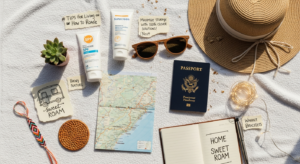


Master Your Guest Experience: Crafting Vacation Rental Welcome Books That Drastically Reduce Repeat Questions
Imagine a world where these questions are preemptively answered, where your guests feel empowered and informed from the moment they arrive. This isn’t a pipe dream; it’s the reality you can create with a meticulously crafted vacation rental welcome book. This isn’t just a binder of rules; it’s your silent co-host, your ultimate guest concierge, designed to anticipate needs, provide essential information, and elevate their stay from good to truly unforgettable. In this comprehensive guide, we’ll explore how to design, implement, and leverage a welcome book that not only reduces repeat questions but transforms your guest experience and boosts your bottom line.
Why a Welcome Book is Non-Negotiable for Modern Vacation Rentals
In today’s competitive vacation rental market, simply providing a place to stay isn’t enough. Guests expect a seamless, professional, and personalized experience. A well-designed welcome book is no longer a nice-to-have; it’s an essential tool that underpins a successful operation. Here’s why it’s absolutely non-negotiable:
- Enhanced Guest Satisfaction: Guests appreciate clear communication and having information readily available. A comprehensive welcome book reduces anxiety upon arrival, allowing them to settle in quickly and feel at home. According to recent travel industry surveys, properties with clear and accessible information consistently receive higher satisfaction ratings regarding “communication” and “ease of check-in.”
- Significant Time Savings for Hosts: Think about the cumulative time you spend answering text messages, emails, or phone calls about basic property functions or local recommendations. A robust welcome book acts as your 24/7 assistant, providing answers without your direct involvement. Many hosts report a 30-50% reduction in routine guest inquiries after implementing a detailed welcome book.
- Professional Image and Branding: A polished welcome book signals professionalism and attention to detail. It demonstrates that you’ve thought about every aspect of your guests’ stay, reinforcing your brand as a high-quality, reliable vacation rental provider. This elevates your property above competitors who might only offer sparse, disorganized information.
- Reduced Negative Reviews: Frustration often stems from a lack of information or unexpected issues. If a guest can’t find the Wi-Fi password or operate an appliance, their experience sours, potentially leading to a lower rating or a negative comment about communication. A welcome book proactively addresses these pain points, safeguarding your reputation.
- Improved Guest Autonomy: Empowering guests to find answers themselves fosters a sense of independence and comfort. They don’t have to wait for your reply, which is especially critical in different time zones or during off-hours.
- Fewer Property-Related Issues: Clear instructions on how to use appliances, manage waste, or operate heating/cooling systems can prevent damage, misuse, and unnecessary maintenance calls. For instance, explaining proper septic system usage in rural properties can save thousands in repairs.
Expert Tip: Don’t just list rules; explain the ‘why’ behind them. For example, instead of “No loud music after 10 PM,” try “To ensure all our neighbors enjoy a peaceful night, we kindly request quiet hours from 10 PM to 8 AM. We appreciate your understanding and cooperation!” This fosters compliance through empathy, not just enforcement.
The Anatomy of an Exceptional Welcome Book: What to Include

A truly effective welcome book goes far beyond a simple list of house rules. It’s a comprehensive guide designed to anticipate every possible guest need and question. Here are the essential sections you absolutely must include:
- Welcome Message & Contact Information:
- A warm, personalized greeting from you.
- Primary contact details (your phone, email, emergency contact).
- Emergency services numbers (police, fire, ambulance, local hospital).
- Local maintenance/support contacts if applicable.
- Property Basics & Essentials:
- Wi-Fi Information: Network name and password – make it prominent!
- Check-in/Check-out Procedures: Clear, step-by-step instructions.
- House Rules: Be specific but polite (e.g., quiet hours, smoking policy, pet rules, visitor policy).
- Parking Information: Where to park, any restrictions.
- Trash & Recycling: Collection days, where bins are located, sorting instructions.
- Appliance & System Instructions:
- Thermostat/HVAC: How to operate heating and air conditioning.
- Kitchen Appliances: Oven, microwave, dishwasher, coffee maker (especially if it’s a specialty machine).
- Laundry Facilities: Washer and dryer instructions.
- Entertainment: TV, streaming services, sound systems, game consoles – how to turn them on and navigate.
- Hot Tub/Pool: Usage rules, safety guidelines, operating instructions, cleaning schedule.
- Safety & Emergency Information:
- Location of fire extinguisher, first aid kit, smoke/CO detectors.
- Evacuation plan and nearest exits.
- Local emergency services contacts.
- Information on potential local hazards (e.g., wildlife, weather warnings).
- Local Area Guide & Recommendations:
- Dining: Your favorite restaurants (casual, fine dining, breakfast spots).
- Groceries: Nearest supermarkets, specialty stores.
- Attractions & Activities: Parks, museums, beaches, hiking trails, local tours.
- Transportation: Public transport info, taxi services, ride-sharing apps.
- Pharmacies & Medical Clinics: Important for peace of mind.
- Local Events: If seasonal, mention where to find current listings.
- Checkout Procedures:
- A clear checklist of what guests need to do before leaving (e.g., lock doors, turn off lights, start dishwasher, gather trash).
- Where to leave keys/how to lock up.
- A polite thank you and invitation to leave a review.
Expert Tip: For complex appliances, consider including a QR code that links directly to a short video tutorial you’ve recorded or the manufacturer’s online manual. This is particularly effective for smart home devices or unique coffee machines.
Beyond the Basics: Expert Tips for Adding Value and Personalization
While covering the essentials is critical, truly outstanding welcome books go a step further. They transform from a mere instruction manual into a thoughtful, personalized guide that makes guests feel truly special and connected to their surroundings. Here’s how to elevate yours:
- Personalized Recommendations: Don’t just list restaurants; describe *why* you love them. “Our favorite spot for brunch is ‘The Sunny Side Up Café’ – try their avocado toast!” Or, “For an unforgettable sunset view, head to ‘Lover’s Point Beach’ just 10 minutes away.” These personal touches resonate deeply.
- Hidden Gems and Local Secrets: Share places only a local would know – a secluded hiking trail, a quaint antique shop, a specific bakery with the best croissants. This makes guests feel like they’re getting an exclusive, insider experience, which is highly valued. A study by Booking.com revealed that 60% of travelers seek unique, local experiences.
- Curated Experiences & Local Discounts: Partner with local businesses (restaurants, tour operators, spas) to offer your guests exclusive discounts or perks. Include a small coupon or mention a special code in your welcome book. This adds tangible value and can even create a small revenue stream for you through affiliate partnerships.
- A Taste of Local Culture: Include a brief history of your town or neighborhood, explain local customs, or suggest local festivals/events happening during their stay. This enriches their travel experience beyond just the property itself.
- “What Not To Miss” List: Create a concise list of your top 3-5 must-do activities or sights. This helps guests prioritize, especially if they have limited time.
- Guestbook Section/Prompt: Encourage guests to leave their own tips or experiences for future visitors, either within the physical book or via an online form. This builds community and provides valuable, authentic content.
- Thoughtful Amenities Guide: If you offer special amenities like bikes, beach gear, or board games, list them and explain how guests can access/use them.
Expert Tip: Use high-quality photos! A picture of that delicious local dish or the stunning view from your recommended hike will be far more enticing than just text. Visuals make your recommendations come alive and are processed much faster by the brain.
Digital vs. Physical: Choosing the Right Format for Your Welcome Book

The debate between digital and physical welcome books often comes down to personal preference, guest demographics, and property characteristics. Many hosts find a hybrid approach to be the most effective. Let’s break down the pros and cons and see how they compare.
Welcome Book Format Comparison
| Feature | Physical Welcome Book | Digital Welcome Book | Hybrid Approach |
|---|---|---|---|
| Accessibility | Always available on-site, no device needed. | Accessible via smartphone/tablet, anywhere, anytime. Requires device and internet. | On-site reference + remote access. |
| Updates & Maintenance | Manual updates, printing, potential for outdated info. | Easy, instant digital updates. Ensures current info. | Digital updates for main content, physical for static essentials. |
| Cost | Printing, binding, design. Can be higher initially and for updates. | Software subscription, design. Generally lower long-term cost. | Initial cost for both, but digital reduces update frequency for physical. |
| Personalization | Can feel more personal, tactile experience. | Can be highly interactive with links, videos, maps. | Best of both: tactile feel with interactive depth. |
| Durability | Subject to wear and tear, spills, loss. | Indestructible, always available (barring tech issues). | Physical acts as backup if digital fails. |
| Interactivity | Limited to text and static images. | Hyperlinks, videos, embedded maps, direct booking links. | Physical encourages browsing, digital provides deep dives. |
| Guest Preference | Preferred by some for simplicity, no tech required. | Preferred by tech-savvy travelers, convenient on the go. | Catches all preferences, ensures no guest is left out. |
Digital Welcome Books: Many hosts utilize dedicated software platforms (e.g., Hostfully, Touch Stay, RueBaRue) or simply create a well-organized PDF that can be emailed or linked via QR code. These often allow for multimedia integration, easy updates, and analytics on what guests are viewing. With over 80% of travelers using smartphones during their trips, digital accessibility is paramount.
Hybrid Approach: The Best of Both Worlds:
This strategy involves a condensed, beautifully printed physical welcome book for immediate, easy reference upon arrival (Wi-Fi, quick house rules, emergency contacts). Alongside this, you provide a QR code or a short URL that links to a more comprehensive digital version. This digital version can include:
- Detailed appliance instructions with videos.
- Interactive maps for local recommendations.
- Links to local event calendars.
- A direct feedback form.
This ensures guests have essential information at their fingertips regardless of their tech comfort level, while also providing the depth and interactivity of a digital guide. It caters to the immediate “I need Wi-Fi NOW” need and the “Where’s the best hike?” planning later.
Expert Tip: If going digital, ensure your digital welcome book is mobile-responsive and easily navigable on a small screen. Test it thoroughly on different devices before sharing it with guests.
Crafting Clear & Concise Content: Language and Design Best Practices
Even the most comprehensive welcome book will fall short if its content is difficult to read, understand, or visually unappealing. Here’s how to ensure your message is received clearly and effectively:
- Keep it Concise and Scannable: Guests are on vacation; they don’t want to read a novel. Use short paragraphs, bullet points, and numbered lists. Break up large blocks of text.
- Use Simple, Direct Language: Avoid jargon or overly formal language. Write as if you’re speaking directly to a friend. For example, instead of “Please ensure the HVAC system is set to an appropriate temperature range,” try “Kindly adjust the thermostat to a comfortable setting, remembering to turn it off when you leave to save energy.”
- Prioritize Information: Put the most critical information (Wi-Fi, emergency contacts, check-in/out) on the first few pages or at the top of digital sections. Guests should never have to hunt for essentials.
- Visual Appeal is Key:
- High-Quality Photos: As mentioned, visuals make a huge difference. Include photos of your property (e.g., how to use the coffee machine), local attractions, or recommended dishes.
- Consistent Branding: Use your property’s colors, fonts, and logo (if you have one). This reinforces your professional image.
- Ample White Space: Don’t cram too much text onto a page. White space makes the content less intimidating and easier to read.
- Clear Headings and Subheadings: Use H2s, H3s, and bold text to guide the reader through the information.
- Positive and Welcoming Tone: Frame rules and instructions positively. Instead of “DO NOT leave trash outside,” try “Please place all trash in the designated bins to keep our property tidy and pest-free.”
- Proofread Meticulously: Typos and grammatical errors undermine your professionalism. Have a fresh pair of eyes review your welcome book before finalizing it.
- Multilingual Options (Optional but Recommended): If you frequently host international travelers, consider translating key sections into common languages of your guests. Or, provide a link to a Google Translate version of your digital guide.
Expert Tip: Test your welcome book on someone unfamiliar with your property. Ask them to find specific pieces of information (e.g., “How do I turn on the TV?” or “Where’s the nearest grocery store?”). Their feedback will highlight areas needing improvement in clarity or organization.
Implementing and Updating Your Welcome Book: A Seamless Process
Creating a fantastic welcome book is only half the battle; effectively implementing it and keeping it current are equally important for its long-term success. Here’s a practical guide to ensuring your welcome book remains a valuable asset:
- Placement and Accessibility:
- Physical Book: Place it prominently in a central location, like the coffee table, kitchen counter, or a dedicated welcome nook. Make sure it’s the first thing guests see.
- Digital Book: Send the link via your booking platform’s messaging system immediately after booking confirmation and again a few days before arrival. Include it in your check-in instructions email. For hybrid, place a QR code prominently in the physical book.
- Introduction and Encouragement:
- In your pre-arrival communications, mention the welcome book and highlight its value (“Your comprehensive guide to a fantastic stay!”).
- In your in-person or digital welcome message upon arrival, explicitly direct guests to the welcome book.
- Regular Review and Updates:
- Schedule Annual Reviews: Set a reminder to review your entire welcome book at least once a year. Check for outdated information (restaurant closures, new local attractions, changes in Wi-Fi provider).
- Ad-Hoc Updates: Update immediately if there are significant changes, like new appliances, revised house rules, or major local events.
- Leverage Guest Feedback: Pay attention to questions guests still ask, even after having access to the welcome book. This indicates information that might be missing, unclear, or hard to find.
- Version Control (for Digital): If using a digital platform, ensure you’re always linking to the most current version. For PDFs, make sure you replace the old file with the new one wherever it’s linked.
- Backup and Storage: Keep a digital master copy of your welcome book in a secure cloud storage (Google Drive, Dropbox) so you can easily access and update it from anywhere.
Expert Tip: Consider creating a small, laminated “Quick Start” card for your physical book. This card should contain only the absolute essentials: Wi-Fi password, your contact number, and perhaps a QR code to the full digital guide. This ensures guests can immediately find critical information even if they don’t dive into the full book.
Measuring Success: How a Great Welcome Book Impacts Your Business
The effort you put into creating an exceptional welcome book isn’t just about being a good host; it’s a strategic investment that yields tangible returns for your vacation rental business. Measuring its success helps you understand its value and identify areas for continuous improvement.
Here’s how a great welcome book positively impacts your business:
- Reduced Inquiry Rates: The most direct measure of success. Track the number of repetitive questions you receive before and after implementing or significantly improving your welcome book. A noticeable drop in “What’s the Wi-Fi?” or “How do I work the TV?” messages indicates success. Many hosts report a 40%+ reduction in these types of inquiries.
- Improved Review Scores: Guests often mention “communication,” “information provided,” and “ease of stay” in their reviews. A stellar welcome book directly contributes to positive comments in these categories. Monitor your review ratings and text feedback for these specific keywords. Properties with comprehensive guides often see an uplift in overall review scores by 0.2-0.5 stars.
- Higher Guest Satisfaction: While harder to quantify directly, increased satisfaction translates into happy guests. Happy guests are more likely to treat your property with respect, leave positive reviews, and recommend your rental to others.
- Increased Rebooking Rates: Guests who have a smooth, enjoyable, and well-supported stay are far more likely to rebook your property for future vacations. A welcome book contributes significantly to this overall positive impression.
- Enhanced Brand Reputation: A professional and thoughtful welcome book reinforces your brand as a meticulous, guest-focused host. This builds trust and credibility, which is invaluable in a competitive market.
- Reduced Friction and Stress for You: Less time spent answering repetitive questions means more time for other business priorities, marketing, or simply enjoying your own time. This reduction in host stress is a significant, albeit indirect, business benefit.
Expert Tip: Encourage guests to provide feedback on the welcome book itself. Include a small section in your checkout message asking, “Did you find our welcome book helpful? Was there anything missing or unclear?” This direct feedback loop is invaluable for continuous improvement and demonstrating your commitment to guest satisfaction.
Leveraging Technology: Integrating Smart Home Guides and QR Codes
The modern vacation rental is increasingly equipped with smart technology, from smart locks and thermostats to voice assistants and elaborate entertainment systems. Your welcome book needs to evolve with these advancements, and technology itself offers powerful tools to enhance it.
- Smart Home Device Instructions:
- Smart Locks: Clear, step-by-step instructions for keypad entry, mobile app access (if applicable), and troubleshooting.
- Smart Thermostats: How to set temperature, use schedules, and any specific quirks of the system.
- Voice Assistants (e.g., Alexa, Google Home): Explain their basic functions (e.g., “Ask Alexa to play music,” “Ask Google for the weather”), and any specific commands tied to your property (e.g., “Alexa, turn on the living room lights”).
- Smart Entertainment Systems: How to navigate smart TVs, streaming apps, soundbars, or projector systems.
- QR Codes for Instant Access:
- Video Tutorials: As mentioned, use QR codes to link to short, self-recorded videos demonstrating how to use complex appliances (e.g., “How to operate the espresso machine”) or troubleshoot common issues (e.g., “Resetting the Wi-Fi router”).
- Online Manuals: Link directly to the manufacturer’s online manual for specific devices if a full PDF is too much to include.
- Interactive Maps: Link to a custom Google Map with all your local recommendations pinned.
- Feedback Forms: A QR code linking to a quick online survey about their stay or the welcome book.
- Local Business Links: Direct links to restaurant menus, attraction websites, or tour booking pages.
- Digital Welcome Book Platforms: Utilize specialized platforms (Hostfully, Touch Stay) that offer:
- Centralized Updates: Update once, and it reflects everywhere.
- Analytics: See what sections guests are viewing most, helping you refine content.
- Interactive Elements: Embedded videos, clickable links, dynamic maps.
- Multi-language Support: Often built-in translation features.
- Integration: Connects with booking platforms or property management systems.
- Pre-programmed Devices: For very tech-heavy properties, consider pre-programming smart remotes or tablets with quick access buttons to common functions or links to your digital guide.
Expert Tip: When integrating smart home tech instructions, prioritize user-friendliness. Assume your guests have varying levels of tech proficiency. Provide both simple instructions for basic use and more detailed guidance for advanced features. Always include a “what to do if it doesn’t work” section, with your contact information readily available.
Key Takeaways
- A comprehensive welcome book is essential for improving guest satisfaction, saving hosts time, and enhancing your property’s professional image.
- Include vital information like Wi-Fi, house rules, appliance instructions, emergency contacts, and a curated local guide.
- Go beyond the basics with personalized recommendations, local secrets, and high-quality visuals to truly impress your guests.
- Consider a hybrid approach (physical book with a digital extension via QR codes) to cater to all guest preferences and allow for easy updates.
- Prioritize clear, concise, and scannable content with a positive tone, and regularly update your book based on guest feedback and property changes.
Frequently Asked Questions
Q: How often should I update my vacation rental welcome book?
A: You should conduct a full review and update of your welcome book at least once a year to ensure all information is current. Additionally, make immediate updates whenever there are significant changes to your property (e.g., new appliances, revised house rules) or local area (e.g., new attractions, restaurant closures). Pay attention to recurring guest questions, as these often indicate areas needing clarification or new information.
Q: Is it better to have a physical or digital welcome book?
A: The best approach is often a hybrid one. A concise physical book, prominently displayed, provides immediate access to essentials like Wi-Fi and emergency contacts. A QR code or link within the physical book can then lead to a more comprehensive digital version, offering interactive maps, video tutorials, and detailed local recommendations. This caters to all guest preferences and allows for easy, instant updates.
Q: What’s the most important piece of information to include?
A: Without a doubt, the Wi-Fi network name and password. This is almost always the first thing guests look for upon arrival. Make it incredibly prominent and easy to find, ideally on the very first page or section of your welcome book, regardless of format.
Q: Can a welcome book really reduce negative reviews?
A: Absolutely. Many negative reviews stem from guest frustration due to a lack of information or confusion about property features. By proactively providing clear instructions and comprehensive guides in your welcome book, you empower guests to resolve common issues themselves, prevent misunderstandings, and ensure a smoother, more enjoyable stay, thereby reducing the likelihood of negative feedback related to communication or property functionality.
Q: Should I include pricing for local attractions in the welcome book?
A: It’s generally best to avoid including specific pricing for local attractions, restaurants, or services directly in your welcome book, as prices can change frequently and quickly become outdated. Instead, provide links (for digital books) or direct guests to websites where they can find the most current pricing information. You can mention if an attraction is “budget-friendly” or “a splurge” to give a general idea, but avoid exact figures.
In the dynamic world of vacation rentals, providing an exceptional guest experience is paramount to your success. A thoughtfully designed, comprehensive, and accessible welcome book isn’t just a convenience; it’s a powerful strategic tool. It empowers your guests, saves you invaluable time, elevates your property’s professionalism, and ultimately fosters the kind of positive reviews and repeat bookings that drive a thriving business.
By investing the time to create a welcome book that anticipates needs, answers questions, and shares local insights, you’re not just offering a place to stay—you’re offering a truly memorable and stress-free vacation. Start crafting your ultimate guest guide today, and watch your hosting experience transform!
Article by Eleanor Vance, Senior Travel Editor at vacationrentalplanners.com