

Pre-Booking & Vetting: The Foundation of a Safe Stay
The journey to a safe vacation rental experience begins long before arrival, rooted deeply in diligent pre-booking research and vetting. For Vacation Rental Planners, this phase is critical for curating a portfolio of trustworthy properties. For guests, it’s the first opportunity to exercise due diligence and ensure their chosen accommodation meets rigorous safety standards. It’s about making informed decisions that lay a strong foundation for a secure and enjoyable trip, whether you’re planning a serene escape to one of the Best Vacation Destinations US 2026 or a bustling city adventure.
Researching Platforms and Hosts
- Choose Reputable Platforms: Stick to well-known and established vacation rental platforms (e.g., Airbnb, Vrbo, Booking.com). These platforms often have robust host verification processes, secure payment systems, and customer support channels, providing a layer of protection that independent listings might lack. While exploring options, consider how you might How To Use Travel Rewards Points to book through these trusted partners, often securing additional benefits or insurance options.
- Verify Host Identity: Look for hosts with verified profiles, a history of positive reviews, and a clear communication style. Established hosts are generally more invested in maintaining a good reputation and ensuring guest safety.
- Read Reviews Thoroughly: Pay close attention to reviews, specifically those mentioning safety, security, cleanliness, and responsiveness of the host. Look for recurring themes, both positive and negative. Reviews often provide invaluable insights into the actual guest experience beyond what marketing photos might portray.
- Examine Property Descriptions and Photos: Scrutinize the listing description for details about security features (e.g., smart locks, alarm systems, exterior cameras). Cross-reference photos with satellite imagery if available, to get a sense of the neighborhood and property surroundings.
Communication Before Booking
- Ask Targeted Questions: Don’t hesitate to ask the host specific questions about safety measures. Inquire about smoke detectors, carbon monoxide detectors, fire extinguishers, emergency exits, and local emergency contact information. A responsive and transparent host is a good sign.
- Clarify House Rules and Policies: Understand the property’s specific rules, especially those related to guests, noise, and security. Familiarize yourself with cancellation policies and any guest requirements, ensuring they align with your safety expectations.
- Request a Virtual Tour or Additional Photos: If available, a virtual tour can provide a more comprehensive view of the property and its immediate surroundings, helping you identify potential safety concerns that might not be obvious from static images.
Location, Location, Location
- Research the Neighborhood: Use online resources (news, local police reports, forums) to research the safety of the specific neighborhood or area where the rental is located. Understand local crime rates, pedestrian safety, and accessibility to essential services.
- Proximity to Emergency Services: Check the rental’s proximity to hospitals, police stations, and fire departments. In an emergency, every minute counts.
- Transportation Access: Assess the safety and availability of transportation options. Is public transport reliable and safe? Are ride-sharing services readily available?
By investing time in this initial vetting process, Vacation Rental Planners and guests alike can significantly reduce potential risks, paving the way for a worry-free stay. This proactive approach ensures that your chosen rental is not just a place to stay, but a secure sanctuary.
Arrival & Initial Assessment: Your First Line of Defense
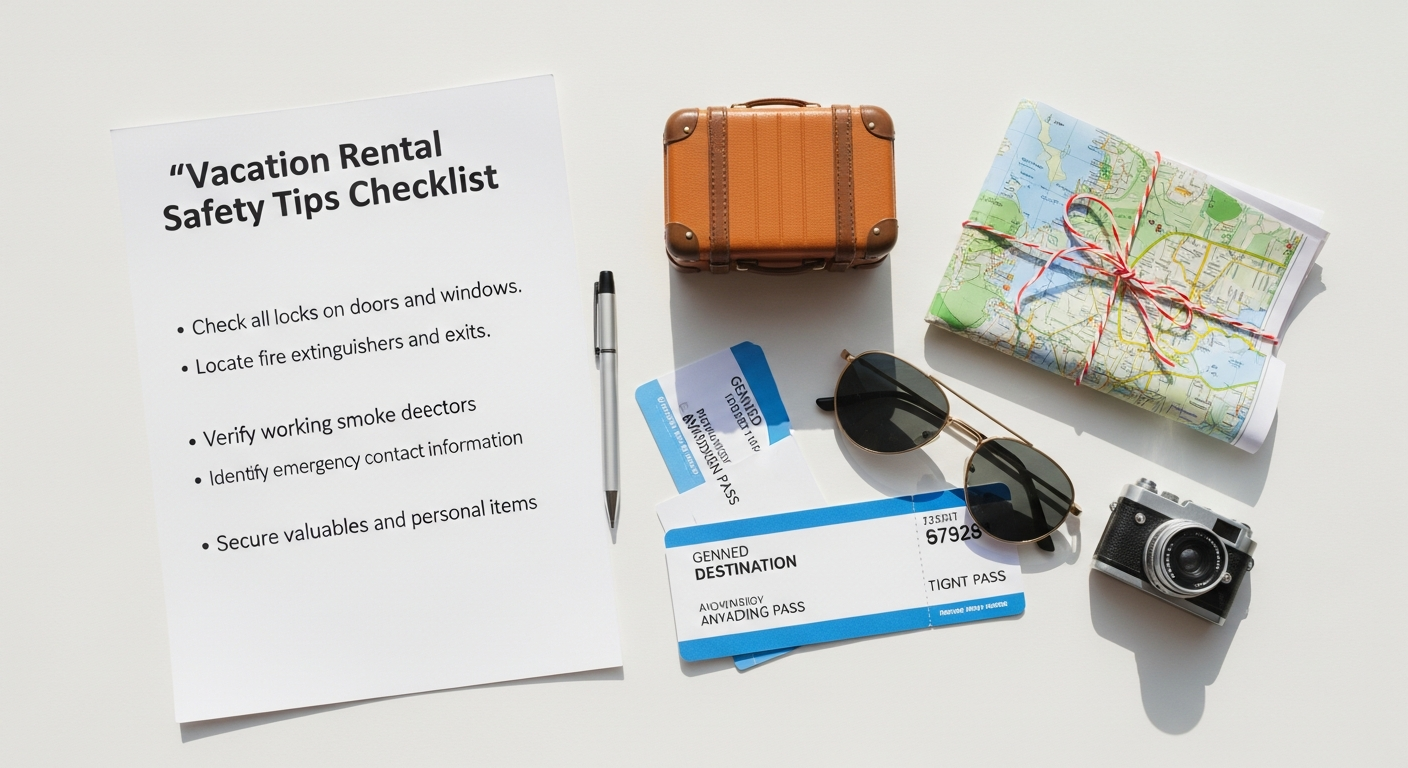
The moment you arrive at your vacation rental is a critical juncture for validating the safety assurances made during the booking process. This initial assessment acts as your first line of defense, allowing you to confirm that the property is not only as described but also equipped with essential safety features. For Vacation Rental Planners, ensuring a flawless arrival experience means regular property audits and clear communication with guests about what to expect and where to find key safety information. For guests, it’s about a systematic check-in to ensure peace of mind.
Exterior Check
- Lighting: Evaluate exterior lighting around entrances, pathways, and parking areas. Adequate lighting deters intruders and prevents slips or falls, especially important if arriving after dark.
- Locks and Entrances: Inspect all exterior doors and windows to ensure they lock securely. Check for deadbolts, sturdy frames, and functional latches. If the property uses smart locks, ensure you understand how they operate and that they are properly activated for your stay.
- Surroundings and Access Points: Take note of the immediate surroundings. Are there clear paths? Are fences or gates secure? Identify any potential hidden access points or areas that seem unusually secluded.
- Emergency Exits and Pathways: Locate all emergency exits and ensure they are unobstructed. Understand the quickest way to exit the property from various rooms.
Interior Safety Check
- Smoke Detectors and Carbon Monoxide (CO) Detectors: Crucially, locate and test all smoke and CO detectors immediately upon arrival. Ensure they are present, visible, and functional. If you cannot locate them or they don’t seem to be working, contact the host or property manager immediately. These are non-negotiable safety features.
- Fire Extinguishers: Locate the fire extinguisher(s). Verify it is easily accessible, fully charged (check the gauge), and that you know how to operate it. Familiarity with its location and function can be life-saving.
- Emergency Exits and Escape Routes: Re-confirm interior emergency exits and plan escape routes from each room, especially bedrooms. Ensure windows open easily and are not blocked.
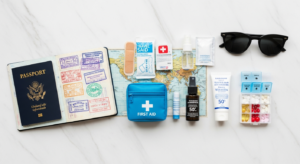
- First-Aid Kit: Check for a well-stocked first-aid kit and note its location. It should contain essentials for minor injuries.
- Hazardous Materials: Ensure cleaning supplies, chemicals, or other hazardous materials are stored securely and out of reach, particularly if traveling with children. This ties directly into the importance of a thorough Vacation Rental Cleaning Checklist, as proper storage of these items is a key component of a safe and sanitary environment.
- Electrical Safety: Look for frayed wires, overloaded outlets, or exposed electrical components. Report any such issues to the host promptly. Ensure all appliances appear to be in good working order.
- Water Heater and Boiler Access: While not typically a guest’s concern for operation, ensure that the access panels are not tampered with and that there are no visible leaks or unusual sounds, especially with gas appliances.
- Security Features: Identify any security cameras (confirming they are only in public exterior areas as per privacy policies), alarm systems, or additional locks. Understand how to arm/disarm alarm systems if they are for guest use.
- Stairs and Railings: If the property has stairs, check that railings are sturdy and secure. Note any uneven steps or poor lighting on staircases.
Information Hub
- Emergency Contact Information: Confirm the availability of a clearly posted list of emergency contacts, including the host/property manager, local police, fire department, and ambulance services.
- Local Area Information: Review any provided guides for local safety tips, neighborhood specifics, and recommended practices for visitors.
This systematic initial assessment empowers you to address any immediate concerns with the host and ensures that your vacation begins on a secure footing. A few minutes spent meticulously checking these points can prevent significant issues later, reinforcing the peace of mind that is essential for a truly relaxing stay.
During Your Stay: Ongoing Vigilance for Peace of Mind
Securing Your Personal Space
- Always Lock Up: Make it a habit to lock all doors and windows whenever you leave the property, even for short periods. Do the same when you are inside, especially at night. Utilize all available locks, including deadbolts and window latches.
- Protect Valuables: Store valuables (passports, cash, electronics, jewelry) out of sight, ideally in a secure safe if one is provided. Avoid leaving expensive items visible from windows or open doors.
- Be Mindful of Keys/Access Codes: Never leave keys unattended or share access codes with unauthorized individuals. If using a physical key, keep it in a secure place on your person. If using a smart lock code, ensure it’s not easily guessable and avoid writing it down in obvious places.
- Use Curtains/Blinds: Draw curtains or close blinds at night or when you are away to prevent outsiders from peering into the property and assessing its contents.
Awareness of Your Surroundings
- Local Area Safety: Stay informed about the safety of the local area. Ask your host for advice on safe areas to walk, dine, or explore, especially after dark. Be aware of your surroundings when out and about, and avoid displaying overt signs of wealth.
- Stranger Interactions: Be cautious about inviting strangers into your rental. If you order food delivery or services, meet them at the door or a designated safe spot rather than allowing unrestricted access.
- Noise and Disturbances: Be mindful of noise levels, respecting neighbors and local regulations. Conversely, if you notice unusual or excessive noise or activity around the property, particularly suspicious behavior, report it to your host.
Communication and Responsiveness
- Report Issues Promptly: If any safety concerns arise during your stay – a broken lock, a flickering smoke detector, or a suspicious person lingering nearby – contact your host or property manager immediately. Do not attempt to fix serious issues yourself.
- Keep Emergency Contacts Handy: Ensure you have your host’s contact information, local emergency services (police, fire, medical), and your personal emergency contacts readily accessible.
- Trust Your Gut: If something feels off or makes you uncomfortable, trust your instincts. Prioritize your safety above all else, even if it means altering plans or seeking alternative accommodation.
Health and Personal Well-being
- Food and Water Safety: Be aware of local recommendations regarding tap water quality. Practice good food hygiene, especially when preparing meals in an unfamiliar kitchen.
- Environmental Awareness: Depending on the location, be mindful of local environmental factors like wildlife, extreme weather conditions, or natural hazards. The host should provide information on these.
- Personal Safety During Excursions: When venturing out, especially for activities like hiking or water sports, inform someone of your plans and expected return time. Carry a fully charged phone and emergency contacts.
By integrating these practices into your daily routine at the vacation rental, you reinforce the safety measures initiated during the pre-booking and arrival phases. Continuous vigilance ensures that your focus remains on enjoying your vacation, confident in the knowledge that you are actively contributing to your own security.
Emergency Preparedness: Knowing What to Do When Things Go Wrong
While we hope every vacation is seamless and free of incident, being prepared for emergencies is a critical component of responsible travel. For Vacation Rental Planners, providing clear, actionable emergency information is paramount. For guests, taking a few moments to understand these protocols can make all the difference in a crisis. This section details essential emergency preparedness strategies, ensuring you know exactly what to do when unforeseen circumstances arise.
Developing a Personal Emergency Plan
- Identify Escape Routes: Reiterate and memorize primary and secondary escape routes from all areas of the property, especially bedrooms. Practice mentally navigating these routes.
- Designate a Meeting Point: If traveling with others, establish an outdoor meeting point a safe distance from the property in case of evacuation (e.g., across the street, a landmark).
- Know Local Emergency Numbers: Beyond the universal 911 (or equivalent in your destination), understand if there are specific local emergency numbers for police, fire, or ambulance services. The host should provide these.
- Host/Property Manager Contact: Ensure you have the host’s direct contact information readily available, preferably stored in your phone and written down. They can be a vital resource for local assistance.
Fire Safety Protocols
- Fire Extinguisher Use: If you located the fire extinguisher upon arrival, quickly review how to use it (P.A.S.S. method: Pull, Aim, Squeeze, Sweep). Only attempt to extinguish small, contained fires if it is safe to do so.
- Smoke/CO Detector Alarms: If an alarm sounds, evacuate immediately. Do not re-enter the property until emergency services declare it safe.
- “Stop, Drop, and Roll”: Remind yourself and those traveling with you of basic fire safety principles.
Medical Emergencies
- First-Aid Kit Location and Contents: Ensure you know where the first-aid kit is and what it contains. Replenish anything you use if possible, or inform the host.
- Nearest Medical Facilities: Know the location of the nearest hospital, urgent care clinic, or pharmacy. Have their addresses and phone numbers handy.
- Personal Medical Information: Carry essential personal medical information (allergies, medications, pre-existing conditions) in case you are unable to communicate.
Natural Disasters and Severe Weather
- Local Risks: Research common natural disaster risks for your chosen destination (e.g., hurricanes, earthquakes, floods, wildfires). Vacation Rental Planners should always provide guests with information specific to the region, especially in popular spots in the Best Vacation Destinations US 2026.
- Evacuation Plans: Understand if there are local evacuation routes or shelters. The host should provide guidance on what to do in such events.
- Emergency Supplies: In areas prone to disasters, the rental might have an emergency kit with water, non-perishable food, and a flashlight. Familiarize yourself with its contents.
- Stay Informed: Monitor local news and weather alerts for any developing situations.
Security Incidents
- Intruder Protocols: If you suspect an intruder, prioritize your safety. If safe to do so, secure yourself in a room and call emergency services. Do not confront intruders.
- Theft/Vandalism: If your property is stolen or the rental is vandalized, report it to local police and your host immediately. Document everything with photos.
Proactive emergency preparedness isn’t about dwelling on worst-case scenarios; it’s about empowering yourself with knowledge and strategies to act effectively if an unforeseen event occurs. By taking these steps, you enhance your resilience and ensure that you are ready to respond to any challenge, protecting yourself and your loved ones.
Digital & Personal Safety: Protecting More Than Just the Property
In our increasingly connected world, safety extends beyond physical premises to encompass our digital footprint and personal well-being. Vacation rentals, while offering convenience, can also present unique challenges in these areas. For Vacation Rental Planners, it’s about recommending secure digital practices and ensuring property infrastructure doesn’t compromise guest data. For guests, it’s about maintaining vigilance in how they interact with technology and the environment. This section focuses on safeguarding your digital identity and personal security during your stay.
Securing Your Digital Footprint
- Wi-Fi Security:
- Avoid Public Wi-Fi: If the rental offers public or unsecured Wi-Fi, exercise caution. For sensitive transactions (banking, personal logins), use a Virtual Private Network (VPN) or your mobile data.
- Change Default Passwords: If the rental provides a Wi-Fi router for your exclusive use and allows password changes, consider updating it to a strong, unique password for the duration of your stay.
- Disable Auto-Connect: Turn off automatic Wi-Fi connection on your devices to prevent inadvertently connecting to insecure networks.
- Device Security:
- Password Protect Devices: Ensure all your personal devices (phones, laptops, tablets) are password or biometric protected.
- Keep Software Updated: Regularly update your device operating systems and applications to benefit from the latest security patches.
- Back Up Data: Before traveling, back up important data. In case of loss or theft, your information remains safe.
- Beware of Phishing and Scams: Be highly skeptical of unsolicited emails, texts, or calls claiming to be from your host, booking platform, or local authorities, especially if they request personal information or payment outside of the official channels. This is particularly relevant when considering how to How To Use Travel Rewards Points, as legitimate platforms will always handle transactions securely.
Personal Security & Awareness
- Inform Someone of Your Whereabouts: Let a trusted friend or family member know your travel itinerary, including your rental address and expected return dates. Check in with them regularly.
- Solo Travel Precautions: If traveling solo, be extra cautious. Avoid sharing your rental address with strangers. When going out, stick to well-lit, populated areas, especially at night.
- Responsible Social Media Use: While it’s tempting to share your vacation moments in real-time, consider posting about your rental after you’ve departed. Geo-tagging or posting photos that reveal your exact location can alert potential criminals to your absence from home or current whereabouts.
- Doorbell Cameras and Smart Devices: Be aware that many modern rentals may have exterior doorbell cameras or other smart home devices. While these can enhance security, ensure they are not infringing on your privacy inside the rental. Vacation Rental Planners should explicitly disclose all monitoring devices.
- Physical Activity Safety: When engaging in outdoor activities like jogging, cycling, or exploring, be aware of your surroundings, carry identification, and ideally, your phone. Inform someone of your route and expected return.
- Managing Deliveries: If expecting deliveries (food, groceries), meet the delivery person at the door rather than allowing them inside, unless the host has specific instructions.
By adopting these digital and personal safety practices, you create an additional layer of protection, ensuring that your vacation rental experience remains secure and enjoyable from all perspectives. It’s about empowering yourself to travel smartly and safely in an interconnected world.
Departure Best Practices: Leaving Safely and Responsibly
The final phase of your vacation rental experience, departure, is just as crucial for safety and responsibility as arrival. A mindful departure ensures that the property is left secure, any issues are communicated, and you conclude your trip without incident. For Vacation Rental Planners, clear departure instructions are key to maintaining property integrity and guest satisfaction. For guests, it’s about respecting the property and ensuring a smooth transition.
Securing the Property
- Double-Check All Locks: Before you leave, meticulously check that all doors and windows are securely locked. This is paramount for preventing unauthorized access after your departure.
- Return Keys/Access Devices: Follow the host’s instructions precisely for returning keys, keycards, or smart lock devices. If there’s a lockbox, ensure the keys are properly secured inside. If using a smart lock, confirm that the system is engaged.
- Turn Off Appliances and Lights: Switch off all non-essential lights and unplug small appliances (toasters, coffee makers) to prevent fire hazards and conserve energy. Ensure the oven and stove are off.
- Waste Disposal: Dispose of all trash and recycling according to the host’s instructions. Improper waste disposal can attract pests and create unsanitary conditions, directly impacting the property’s safety and cleanliness for future guests – a point often highlighted in a thorough Vacation Rental Cleaning Checklist.
Final Property Scan
- Personal Belongings: Do a final sweep of all rooms, closets, drawers, and under beds to ensure you haven’t left any personal items behind. This prevents the hassle of forgotten items and avoids potential security risks if sensitive documents are left.
- Damage or Issues: Conduct a quick visual inspection for any accidental damage that may have occurred during your stay.
- Evidence of Tampering: While rare, quickly check for any signs of tampering with security devices or locks that might have occurred during your stay and report them.
Communication with the Host
- Report Any Issues: If you discovered any safety concerns during your stay (e.g., a smoke detector with a low battery, a loose railing, an appliance malfunction), report them to the host before or immediately upon departure. This allows them to address issues promptly for future guests.
- Provide Feedback: Consider leaving constructive feedback for the host regarding safety and security. Your insights can help them improve the experience for others.
- Confirm Departure: Send a quick message to your host to confirm your departure, especially if they require it. This helps them manage cleaning schedules and ensures the property isn’t left unattended longer than necessary.
Travel Safely Home
- Travel Plans: Ensure your onward travel plans are secure. Confirm flight or train times, and arrange reliable transportation to the airport or station.
- Share Updates: Inform your trusted contacts about your safe departure and expected arrival home.
A responsible departure is the final act of a safe and respectful vacation rental experience. By following these best practices, you contribute to the safety and well-being of the property and future guests, leaving with the satisfaction of a trip well-managed from start to finish.
Frequently Asked Questions
Recommended Resources
Check out Innoshima Japan Travel Guide on Onomichi Guide for a deeper dive.
You might also enjoy Cycling Across Shimanami Kaido from Onomichi Guide.