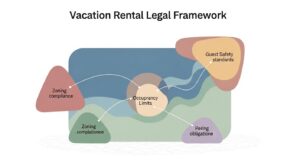


Navigating the 2026 Vacation Rental Landscape: Your Essential Guide to Seamless Stays and Compliant Hosting
There’s an undeniable magic to vacation rentals. Imagine waking up to the gentle rhythm of ocean waves from your private balcony, sipping morning coffee on a Parisian rooftop overlooking the bustling streets, or gathering your family around a crackling fireplace in a cozy mountain cabin. Vacation rentals offer a unique blend of comfort, privacy, and local immersion that hotels simply can’t replicate. They’re not just places to stay; they’re gateways to authentic experiences, providing the space and freedom to truly live like a local, even if just for a short while.
However, as the popularity of short-term rentals (STRs) has surged, so too has the focus on their regulation. The landscape is continuously evolving, with cities, states, and even entire countries introducing new rules designed to balance the benefits of tourism with the needs of local communities. As we look towards 2026, understanding these regulations isn’t just about avoiding penalties; it’s about ensuring peace of mind, fostering responsible tourism, and securing the future of this incredible way to travel and host.
At Vacation Rental Planners, we believe that informed travelers and hosts are happy travelers and hosts. Consider us your trusted compass, guiding you through the sometimes-complex world of short-term rental regulations. Whether you’re dreaming of your next family adventure or considering sharing your beloved property with guests, this comprehensive guide will equip you with the knowledge to navigate the 2026 landscape with confidence, ensuring seamless stays and compliant hosting experiences under the clear blue skies of understanding.
Why Regulations Matter: A Traveler’s Perspective on Peace of Mind
For many years, the short-term rental market operated in a relatively unregulated space, offering an exciting, if sometimes unpredictable, frontier for travelers. Today, the shift towards clearer, more structured regulations isn’t just about bureaucracy; it’s fundamentally about enhancing the traveler’s experience, safeguarding their interests, and ensuring a predictable, high-quality stay. From a guest’s perspective, these evolving rules bring a profound sense of peace of mind, transforming the vacation rental experience into something even more reliable and enjoyable.
One of the primary benefits for travelers is enhanced safety and quality assurance. Regulations often mandate specific safety standards for properties, such as requiring working smoke detectors, carbon monoxide detectors, fire extinguishers, and clear emergency exit plans. In some regions, properties may even undergo regular inspections to ensure compliance with health and building codes. This means when you book a licensed rental, you’re not just trusting the host; you’re benefiting from a layer of official oversight designed to keep you and your family safe. Imagine arriving at a charming historic villa in Tuscany, knowing that its ancient walls are backed by modern safety protocols – it allows you to truly relax and immerse yourself in the experience.
Beyond safety, regulations often lead to clearer booking terms and more reliable transactions. Cities and platforms are increasingly requiring hosts to disclose all fees upfront, adhere to specific cancellation policies, and manage disputes through defined channels. This transparency helps prevent unpleasant surprises like hidden charges or last-minute cancellations without recourse. It fosters an environment of trust, where travelers can confidently plan their journeys, knowing their bookings are protected and their expectations will be met.
Furthermore, the rise of regulations is intrinsically linked to the concept of “responsible tourism.” When hosts operate within established legal frameworks, they are contributing positively to the local economy and community. This often includes paying appropriate taxes (like tourism or occupancy taxes), which in turn fund local infrastructure, services, and attractions that benefit both residents and visitors. By choosing a compliant rental, you become part of this virtuous cycle, supporting sustainable travel practices and ensuring that your visit leaves a positive footprint. This sense of contributing to the well-being of the place you’re visiting adds an enriching layer to your travel experience, transforming a simple vacation into a meaningful journey.
While some might worry that regulations could limit options or increase prices, the reality is that they professionalize the industry. This professionalism often translates into higher standards of hospitality, better maintained properties, and a more consistent experience across the board. In essence, regulations serve as a quality filter, ensuring that the vacation rental you choose not only meets your aesthetic desires but also adheres to a baseline of safety, fairness, and community respect. It allows you to book that idyllic beachfront cottage in the Florida Keys or that vibrant loft in Barcelona with renewed confidence, knowing that your peace of mind is built into the very foundation of your stay.
Deciphering the 2026 Regulatory Tapestry: What’s New and What to Expect
The short-term rental regulatory landscape is less like a single, uniform blanket and more like a vibrant, intricate tapestry woven with threads of local ordinances, state laws, and even international guidelines. As we look towards 2026, the dominant trend is one of increased specificity and localization. There isn’t a “one-size-fits-all” answer; rather, understanding the regulatory environment means delving into the unique requirements of each specific destination you plan to visit or host within.
One of the most significant shifts continues to be the proliferation of registration and licensing requirements. Many jurisdictions now demand that all short-term rental properties obtain a specific permit or license from the local government. This often involves an application process, a fee, and adherence to specific criteria such as safety inspections, proof of insurance, and sometimes even character checks for hosts. Cities like San Diego, CA, and Edinburgh, Scotland, are prime examples where a mandatory licensing scheme is firmly in place or rapidly evolving.
Occupancy limits and quiet hours are also becoming standard. To mitigate concerns about noise and overcrowding in residential neighborhoods, many regulations specify the maximum number of guests allowed per property (often tied to the number of bedrooms) and enforce strict quiet hours, particularly late at night. This is especially prevalent in dense urban areas or tranquil residential communities where maintaining neighborhood character is a priority.
Taxation remains a critical component. Beyond standard income tax, hosts are increasingly required to collect and remit various local taxes, such as transient occupancy taxes (TOT), tourism taxes, or even VAT in some countries. These taxes are often a significant revenue stream for local governments, funding public services and infrastructure, and ensuring STRs contribute fairly to the community they operate within. Understanding these tax obligations is crucial for both hosts (to ensure compliance) and travelers (to understand the full cost of their stay).
We’re also seeing diverse approaches to zoning and land use. Some cities have implemented strict zoning overlays, designating specific areas where STRs are permitted, restricted, or outright prohibited. For instance, some residential zones might only allow “owner-occupied” STRs (where the host lives on-site), while others might permit non-owner-occupied rentals only in commercial or tourist-designated districts. There are even cases, albeit rare, where outright bans on certain types of STRs have been implemented to address housing supply concerns, such as in certain districts of New York City or Berlin.
Furthermore, safety and health standards are under increasing scrutiny. Beyond basic smoke detectors, some regulations now demand more robust fire safety plans, accessibility features, and even specific cleaning protocols, particularly in a post-pandemic world. This emphasis on guest well-being is a positive development, ensuring a safer and healthier environment for all travelers.
The overall trend points towards a professionalization of the STR industry. Gone are the days when hosting was an entirely casual endeavor in many places. The 2026 landscape demands a more diligent, business-minded approach from hosts, involving thorough research, proactive compliance, and a commitment to being a good neighbor. For travelers, this means a more reliable and regulated market, where the properties you choose are more likely to meet higher standards and contribute positively to the local fabric. Navigating this tapestry requires attention to detail, but the rewards are well worth the effort: a flourishing, responsible, and ultimately more enjoyable vacation rental ecosystem for everyone.
For the Savvy Traveler: Booking with Confidence in a Regulated World
As vacation rentals become more integrated into the formal tourism economy, savvy travelers have an incredible opportunity to book with greater confidence than ever before. The key to a seamless and stress-free vacation lies in understanding how to leverage these regulations to your advantage, ensuring your chosen retreat is not just beautiful, but also fully compliant and respectful of its surroundings.
Before You Book: Your Due Diligence Checklist
- Research Your Destination’s STR Rules: Before falling in love with a property, take a few minutes to research the general short-term rental rules for your destination. Start with the official city, county, or regional tourism board website. Look for sections on “short-term rentals,” “vacation rentals,” or “transient occupancy.” This initial step can give you a clear picture of what’s generally allowed and what to look out for.
- Look for Compliance Indicators: Many regulated jurisdictions require hosts to display their permit or license number directly on their listing. When browsing platforms like Airbnb, VRBO, or Booking.com, actively look for phrases like “Licensed Property,” “Permit # [number],” or “Registered with the City of [City Name].” If a property states it’s compliant, that’s a huge green flag. If it doesn’t, consider sending a polite message to the host to inquire about their compliance status.
- Read Reviews with a Critical Eye: Reviews are always valuable, but in a regulated environment, pay special attention to comments about neighborhood interactions, noise, or any mentions of issues with local authorities. A host who actively communicates local rules (like quiet hours or trash disposal) within their welcome message is often a sign of a responsible operator.
- Understand Cancellation Policies: Regulations can sometimes influence cancellation policies. Always review these carefully before confirming your booking, and consider purchasing travel insurance, especially for high-value bookings or if your plans are subject to change.
During Your Stay: Being a Responsible Guest
Once you’ve arrived, remember that you’re not just a tourist; you’re a temporary resident. Respecting local rules and customs is paramount. Be mindful of noise levels, especially during evening hours, and adhere to any specific guidelines provided by your host regarding trash disposal, parking, or common area usage. Being a good neighbor ensures a pleasant stay for you and helps foster positive community relations for the entire STR industry.
Platform Roles: Your Allies in Booking
Major booking platforms are increasingly adapting to the regulatory landscape. They often provide filters to search for licensed properties, offer educational resources for hosts on local laws, and sometimes even remove non-compliant listings. While they serve as valuable intermediaries, remember that ultimate compliance responsibility lies with the host and, to a lesser extent, with your informed choices as a traveler.
Destination Spotlight: Seamless Stays in Compliant Havens
-
Family-Friendly Beach Getaway: Outer Banks, North Carolina, USA
The Outer Banks, a beloved stretch of barrier islands, offers a relatively straightforward regulatory environment for vacation rentals, though specific rules can vary by town (e.g., Kill Devil Hills vs. Nags Head). Most properties are well-established and professionally managed, making compliance a standard. You’ll find sprawling beach houses perfect for multi-generational families. Avg. price: $300-$800/night for a multi-bedroom home, depending on proximity to the ocean and amenities. Best season: Late Spring (April-May) and Early Fall (September-October) offer pleasant weather, fewer crowds, and often better value than peak summer. Many properties are clearly licensed and adhere to local safety standards, offering peace of mind for families.
-
Urban Escape: Paris, France
Paris has some of the strictest STR regulations globally, primarily allowing short-term rentals only for primary residences (meaning the host lives there most of the year) and requiring registration numbers for all listings. For travelers, this means looking for properties that clearly display their 13-digit registration number, ensuring you’re booking a legitimate stay and avoiding potential cancellations. Avg. price: €150-€400/night ($160-$430 USD) for a 1-2 bedroom apartment. Best season: Shoulder seasons (April-May, September-October) provide delightful weather for exploring the city’s iconic landmarks and charming neighborhoods, often with slightly more availability than peak summer.
-
Mountain Retreat: Asheville, North Carolina, USA
Asheville’s STR regulations are specific: non-owner-occupied rentals are generally permitted only in certain commercial or mixed-use zones, not in traditional residential areas. Owner-occupied rentals are allowed with a permit. For travelers, this means paying close attention to the location and ensuring the listing specifies its permit type. Many compliant rentals are located just outside city limits or in designated zones. Avg. price: $250-$700/night for a charming cabin or chalet. Best season: Fall (September-November) for breathtaking foliage and vibrant festivals, though prices can be higher. Winter offers cozy, snow-dusted escapes, while spring brings blooming beauty.
By taking these proactive steps, you’re not just booking a place to stay; you’re securing a responsible, reliable, and ultimately more enjoyable vacation experience. Embrace the regulated world of vacation rentals, and unlock a new level of confidence in your travel planning!
For the Aspiring & Existing Host: Navigating Compliance and Thriving in 2026
For hosts, the evolving regulatory landscape of 2026 presents both challenges and tremendous opportunities. While the initial thought of permits, taxes, and inspections might feel daunting, viewing compliance as an investment in professionalism and sustainability will set you apart. Embracing these regulations isn’t just about avoiding penalties; it’s about building a robust, reputable, and thriving short-term rental business that benefits both you and your community.
Your Compliance Compass: Essential Steps for Hosts
- Know Your Local Laws Inside Out: This is the absolute cornerstone of compliant hosting. Do not assume. Your first step should always be to contact your local city or county planning department, business licensing office, or tourism board. Ask about:
- The definition of a short-term rental in your area.
- Required permits or licenses, including application processes, fees, and renewal schedules.
- Zoning restrictions (e.g., are STRs allowed in your specific neighborhood?).
- Occupancy limits and quiet hours.
- Parking requirements.
- Waste disposal guidelines.
- Safety Standards are Non-Negotiable: Prioritize guest safety. Ensure your property has working smoke detectors, carbon monoxide detectors, and fire extinguishers. Provide clear exit paths, and consider a detailed fire escape plan. If you have a pool, understand and implement all local safety regulations (fencing, alarms, etc.). Regular maintenance and proactive checks are vital.
- Secure the Right Insurance: Your standard homeowner’s insurance policy almost certainly will NOT cover commercial short-term rental activity. You need a specialized STR insurance policy or a specific rider/endorsement to your existing policy. This protects you from liability, property damage, and lost income. Platforms like Airbnb and VRBO offer some host protection, but these are not substitutes for comprehensive independent insurance.
- Master Your Tax Obligations: Beyond federal or state income tax on your rental earnings, you will likely be required to collect and remit local taxes, such as transient occupancy taxes (TOT), tourism taxes, or sales taxes. These vary significantly by jurisdiction. Consult with a local tax professional to ensure you are accurately collecting, reporting, and remitting all applicable taxes. Failing to do so can result in substantial fines and back taxes.
- Be a Good Neighbor: Many regulations are born from community concerns. Proactively address potential issues:
- Noise: Provide clear quiet hours. Consider smart noise monitoring devices (which only detect decibel levels, not record conversations).
- Parking: Clearly communicate parking options and restrictions.
- Trash: Provide clear instructions for waste and recycling collection.
- Communication: Provide guests with a clear point of contact for emergencies or questions, and a local emergency number.
- Update Your Listings: Once you are compliant, prominently display your permit or license number on all your listings across platforms like Airbnb, VRBO, and Booking.com. This builds trust with guests and helps platforms verify your legitimacy.
- Embrace Technology & Tools: Leverage smart home technology for guest convenience and operational efficiency. Smart locks allow for seamless check-ins. Noise sensors can help you monitor and address issues discreetly. Property management software can assist with booking, cleaning schedules, and even tracking compliance documentation.
- Consider Professional Help: If the regulatory landscape in your area is particularly complex, don’t hesitate to consult with legal counsel specializing in STRs or a local property management company. Their expertise can save you time, money, and headaches in the long run.
Hosting Spotlight: Navigating Specific Regulatory Environments
- Sedona, Arizona, USA: This stunning red-rock destination has seen significant regulatory changes, moving towards more stringent permit requirements, particularly for non-owner-occupied STRs. Hosts must navigate a detailed application process, adhere to specific safety and occupancy rules, and pay a local transaction privilege tax. While demand is high, diligent compliance is key to operating successfully here.
- Nashville, Tennessee, USA: Nashville employs a tiered system for STR permits, distinguishing between owner-occupied and non-owner-occupied rentals, and often restricts non-owner-occupied STRs to specific zones. This requires hosts to understand their property’s zoning classification and apply for the correct permit type, which can involve a lottery system in some areas.
- Vancouver, British Columbia, Canada: Vancouver has implemented some of the most restrictive STR rules, requiring that hosts only rent out their primary residence (where they live) and obtain a business license. This largely prevents investors from purchasing properties solely for STR purposes, aiming to preserve housing stock for residents. Hosts must be meticulous about demonstrating primary residency.
By proactively addressing these areas, you’re not just meeting requirements; you’re building a foundation of trust, quality, and responsibility. This approach ensures your hosting journey is not only compliant but also sustainable and highly rewarding, contributing positively to the vibrant vacation rental community of 2026.
The Future is Bright: Embracing Responsible Tourism and Sustainable Stays
It’s easy to view regulations as obstacles, but for those with vision, they are the very stepping stones to a more sustainable, trusted, and ultimately more rewarding future for vacation rentals. The 2026 landscape, with its emphasis on compliance and community integration, is not a burden; it’s an invitation to embrace responsible tourism and champion sustainable stays.
When regulations are thoughtfully crafted and diligently followed, they foster an environment of trust. Travelers gain confidence knowing their chosen rental meets established safety and quality standards. They appreciate the transparency in pricing and the clarity in booking terms. This increased trust translates into more positive guest experiences, fewer disputes, and a stronger reputation for the entire vacation rental industry. Imagine booking a charming cottage in the Cotswolds, knowing that its authenticity is matched by its adherence to local guidelines – it elevates the entire experience.
For communities, responsible short-term rental operations mean a balanced approach. Local residents see that their concerns about noise, parking, and housing affordability are being addressed. When STRs contribute fairly through taxes, those funds can be reinvested into local infrastructure, public services, and cultural preservation – aspects that benefit both residents and visitors alike. This harmonious integration is key to ensuring that tourism remains a welcome and enriching force, rather than a disruptive one.
Moreover, the regulatory push often aligns seamlessly with the growing demand for sustainable travel. Many hosts, already committed to compliance, naturally gravitate towards eco-friendly practices. This might include:
- Energy Efficiency: Smart thermostats, LED lighting, and well-insulated properties reduce carbon footprints.
- Waste Reduction: Providing recycling bins, encouraging guests to conserve water, and offering reusable amenities.
- Local Sourcing: Recommending local businesses, artisans, and farmers’ markets, thereby boosting the local economy and reducing transportation emissions.
- Cultural Preservation: Educating guests about local customs, history, and sensitive natural environments.
These sustainable practices not only resonate with an increasingly conscious traveler base but also contribute to the long-term viability and appeal of the destination itself.
The future of vacation rentals is not one of unrestricted growth, but of intelligent, integrated growth. It’s a future where hosts are recognized as professional hospitality providers, where guests can discover unique accommodations with complete peace of mind, and where communities benefit from a thriving, yet respectful, tourism sector. The azure waters of compliance are clearing the path for a brighter horizon, one where every stay is not just a memorable escape, but also a step towards a more responsible and sustainable world of travel. Embrace this evolution, and you’ll find that the opportunities for both unforgettable travel and successful hosting are more abundant than ever before.
Frequently Asked Questions About Short-Term Rental Regulations in 2026
- Q: How can I find out the specific STR regulations for my dream destination?
- A: The best starting point is always the official city, county, or regional government website for your destination. Look for departments like “Planning & Zoning,” “Business Licensing,” or “Tourism.” Many official tourism boards also provide clear guidance. Additionally, local real estate agents or property managers specializing in vacation rentals can be excellent resources for insider knowledge.
- Q: Do I need special insurance if I plan to rent out my home short-term?
- A: Absolutely. Standard homeowner’s insurance typically doesn’t cover commercial activities like short-term rentals, leaving you vulnerable to significant financial risk in case of guest injury or property damage. You’ll need a specific short-term rental insurance policy or a robust endorsement to your existing homeowner’s policy. While platforms like Airbnb and VRBO offer some host protection, these are usually secondary and not a substitute for your own dedicated coverage.
- Q: What’s the biggest mistake travelers make regarding STR regulations?
- A: The biggest mistake travelers make is assuming that short-term rental rules are universal or non-existent. Each city, county, and country can have drastically different regulations. Ignoring these local nuances can lead to canceled bookings, fines for hosts (which might indirectly affect your stay), or even being asked to leave a non-compliant property. Always take a moment to verify your chosen rental’s legitimacy, especially in popular urban areas with known strict rules.
- Q: As a host, what’s the first step I should take to ensure compliance?
- A: Your very first step is comprehensive research at the local level. Contact your city or county’s planning and zoning department or business licensing office. Understand their definition of an STR, whether your property’s specific zoning allows for it, what permits or licenses are required, and what safety, occupancy, and taxation rules apply. Do this before you even list your property to avoid costly retrofitting or penalties.
- Q: Will regulations make vacation rentals more expensive or harder to find?
- A: While regulations can sometimes lead to increased operating costs for hosts (which may be partially passed on to guests) or a temporary reduction in available listings as non-compliant properties exit the market, they ultimately professionalize the industry. This often results in higher quality, safer, and more reliable rentals. You might need to book further in advance or pay a slightly higher price in some areas, but in return, you gain peace of mind and often a superior, more dependable guest experience.
Your Journey Starts Here: Embrace the Future of Vacation Rentals
The world of vacation rentals is dynamic, exciting, and perpetually evolving. As we journey into 2026, the regulatory landscape is maturing, moving towards a future where unique stays and local immersion are harmonized with community well-being and responsible tourism. This evolution isn’t something to fear; it’s an opportunity to elevate the entire experience for everyone involved.
For you, the intrepid traveler, understanding these changes empowers you to book your next adventure with unwavering confidence. It means selecting a charming bungalow, a bustling city apartment, or a serene mountain cabin, knowing that your stay is not only beautiful but also safe, legitimate, and respectful of the local fabric. Your peace of mind transforms into pure enjoyment, allowing you to fully immerse yourself in the magic of your chosen destination.
And for you, the visionary host, embracing compliance is the pathway to building a sustainable, profitable, and respected business. It’s about becoming an integral, positive part of your community, attracting discerning guests, and contributing to a thriving ecosystem. Your diligence today ensures your success tomorrow, painting a future where your property is a sought-after gem, renowned for its quality and integrity.
At Vacation Rental Planners, we are thrilled to be your trusted companion on this journey. We believe that an informed traveler is a happy traveler, and an empowered host is a successful host. The horizon of possibilities is vast and inviting, filled with unforgettable moments and rewarding ventures. Your next incredible vacation, or your thriving hosting journey, begins with understanding.
Let’s step forward, together, into the brilliant future of vacation rentals. Happy travels, and happy hosting!
“`json
{
“@context”: “https://schema.org”,
“@graph”: [
{
“@type”: “Article”,
“mainEntityOfPage”: {
“@type”: “WebPage”,
“@id”: “https://www.vacationrentalplanners.com/short-term-rental-regulations-guide-2026”
},
“headline”: “Navigating the 2026 Vacation Rental Landscape: Your Essential Guide to Seamless Stays and Compliant Hosting”,
“image”: [