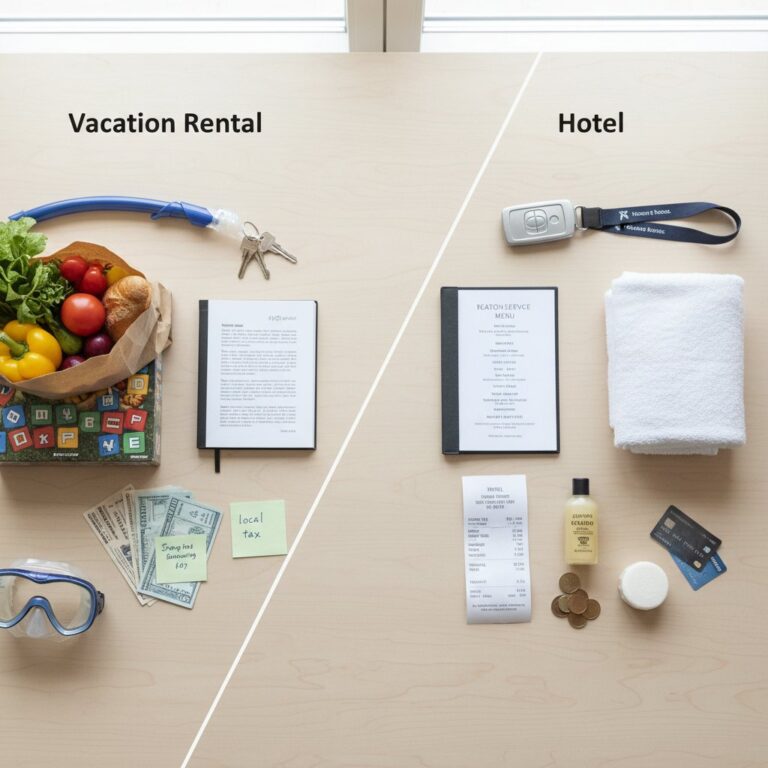


How Does Airbnb Work? Your Ultimate Guide to Navigating Short-Term Rentals
Affiliate disclosure: This article may contain affiliate links. Recommendations are independent and editorially driven.
In the vast and ever-evolving landscape of travel and accommodation, one name consistently stands out: Airbnb. Since its inception, this revolutionary platform has transformed the way millions of people experience travel, offering unique stays ranging from cozy apartments and sprawling villas to treehouses and yachts. But for many, the intricate mechanics of this global phenomenon remain a mystery. You might be asking, “Exactly how does Airbnb work, both for those seeking adventure and those opening their homes?”
This comprehensive guide from vacationrentalplanners is designed to demystify Airbnb, providing a meticulous breakdown for both prospective guests and aspiring hosts. Whether you’re planning your next dream vacation, considering turning your spare room into an income generator, or simply curious about the short-term rental ecosystem, we’ve got you covered. We’ll explore the core functionalities, delve into the guest experience from search to checkout, illuminate the hosting journey from listing creation to guest management, and offer expert tips to maximize your success and satisfaction on the platform.
Understanding how Airbnb operates is crucial for anyone looking to engage with it effectively. It’s more than just a booking website; it’s a community-driven marketplace built on trust, transparency, and tailored experiences. Let’s embark on this journey to unlock the full potential of Airbnb for your travel and financial aspirations.
Understanding the Core Airbnb Business Model
At its heart, Airbnb functions as a two-sided marketplace, connecting individuals with spare rooms or entire properties (hosts) with travelers seeking accommodation (guests). Unlike traditional hotels, Airbnb doesn’t own any of the properties listed on its platform. Instead, it acts as an intermediary, facilitating transactions and providing a robust infrastructure that includes search capabilities, booking systems, secure payment processing, communication tools, and conflict resolution services.
The Two Pillars: Guests and Hosts
- Guests: Travelers who use the platform to search, discover, and book unique accommodations for various durations, from a single night to several months. They benefit from a wide array of choices, often more personalized experiences, and typically more space and amenities than a standard hotel room.
- Hosts: Property owners or managers who list their spaces on Airbnb, setting their own prices, availability, and house rules. Hosts are responsible for maintaining their properties, communicating with guests, and providing hospitality.
How Airbnb Generates Revenue
Airbnb’s business model is primarily commission-based, deriving revenue from both sides of the transaction. This fee structure is a critical component of how does Airbnb work financially:
- Guest Service Fee: Guests typically pay a service fee, which usually ranges from 0% to 14.2% of the booking subtotal (excluding taxes and fees). This fee is displayed clearly before booking confirmation.
- Host Service Fee: Hosts also pay a service fee, which can vary depending on the type of booking and the host’s preferences.
- Split Fee (Standard): The most common model, where hosts pay a fee typically around 3% (but can be higher for specific booking types like Airbnb Plus or those with stricter cancellation policies). Guests pay a separate service fee.
- Host-Only Fee (Simplified Pricing): In certain regions or for specific booking types (especially for hotels and traditional hospitality providers), the host pays a larger service fee, typically between 14% and 16%, and no guest service fee is charged. This allows hosts to present an all-inclusive price to guests.
- Experiences: Airbnb also profits from its “Experiences” offerings, which are guided activities hosted by local experts. A commission is usually taken from the experience provider.
These fees cover the operational costs of the platform, including marketing, customer support, payment processing, insurance, and ongoing technological development.
[INLINE IMAGE 1: place after second H2 | alt=”how does airbnb work concept illustration”]
The Guest Journey: Booking Your Perfect Stay
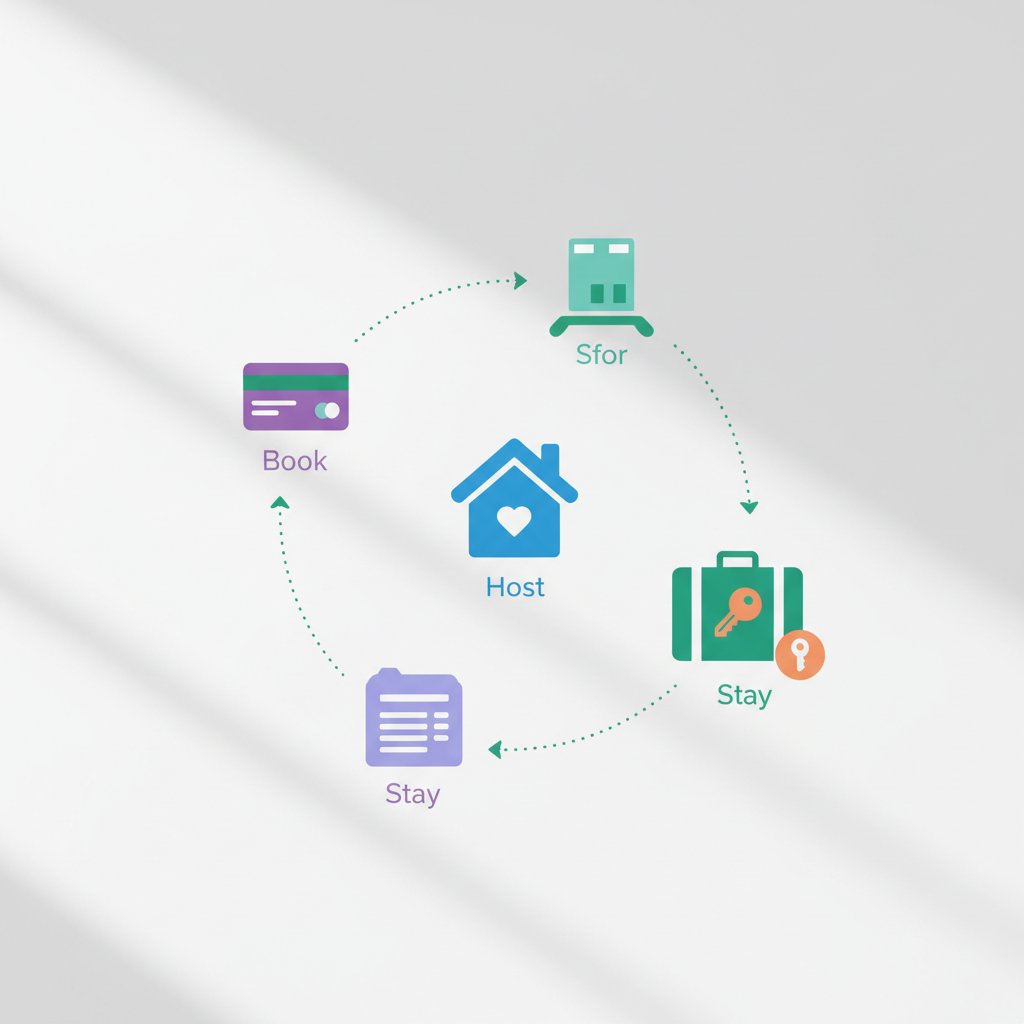
For guests, the process of finding and booking an Airbnb is designed to be intuitive and user-friendly, offering detailed control over search parameters and preferences. Understanding the steps involved is key to a smooth vacation planning experience.
1. Creating an Account and Setting Up Your Profile
Before you can book, you’ll need to create an Airbnb account. This typically involves using an email address, Google account, or Apple ID. It’s highly recommended to complete your profile, including a profile picture and a brief description, as many hosts prefer to see who they are hosting. Verification steps, such as phone number and ID verification, are also common and contribute to the platform’s security and trust.
2. Searching for Listings
The core of the guest experience begins with the search function. You’ll input fundamental details:
- Location: Where do you want to go? You can search by city, neighborhood, or even specific landmarks.
- Check-in and Check-out Dates: When will you be traveling?
- Number of Guests: How many adults, children, and infants will be staying?
Beyond these basics, Airbnb offers extensive filters to refine your search:
- Property Type: Entire place, private room, shared room.
- Price Range: Set your budget.
- Number of Bedrooms/Beds/Bathrooms: Essential for group travel.
- Amenities: Wi-Fi, kitchen, pool, air conditioning, free parking, pet-friendly, hot tub, and many more.
- Instant Book: Filter for listings that allow immediate booking without host approval.
- Superhost Status: Find highly-rated, experienced hosts.
- Accessibility Features: Step-free access, wide doorways, etc.
3. Evaluating Listings and Reading Reviews
Once you have a list of potential properties, thorough evaluation is crucial. Each listing page provides a wealth of information:
- Photos: High-quality images are vital. Look for multiple angles and details.
- Description: Read about the space, neighborhood, unique features, and the host’s personality.
- Amenities List: Double-check that all your must-have amenities are included.
- House Rules: Understand what’s expected of you during your stay (e.g., no parties, quiet hours, pet policies).
- Cancellation Policy: This is critically important. Airbnb offers several standard policies (Flexible, Moderate, Strict, etc.), each with different refund percentages based on the timing of cancellation.
- Reviews: This is arguably the most important section. Read what previous guests have said about the property, the host, cleanliness, accuracy of the listing, and communication. Look for patterns in feedback.
- Host Profile: Click on the host’s profile to learn more about them, their response rate, and their other listings.
4. Booking Your Stay: Instant Book vs. Request to Book
- Instant Book: If a listing has this feature enabled, you can book immediately without waiting for host approval, provided you meet any specific host requirements (e.g., verified ID). This is ideal for last-minute trips or when you want quick confirmation.
- Request to Book: For other listings, you’ll send a booking request to the host. This typically involves submitting your desired dates, number of guests, and a short message introducing yourself and your reason for travel. The host then has 24-48 hours to approve or decline the request.
During the booking process, you’ll see a detailed price breakdown, including the nightly rate, cleaning fee, Airbnb service fee, and taxes. Be sure to review this carefully before confirming.
5. Communication and Pre-Arrival
Once your booking is confirmed, Airbnb’s messaging system becomes your primary tool for communicating with the host. You can coordinate check-in details, ask questions about the property or local area, and discuss any special requests. Many hosts will send detailed check-in instructions (e.g., key codes, directions) a few days before your arrival. Timely and clear communication with your host is a hallmark of how does Airbnb work smoothly.
6. During Your Stay and Checkout
During your stay, if any issues arise, the first point of contact should always be your host. Most hosts are eager to ensure you have a pleasant experience. Before checking out, review the house rules for any specific instructions, such as taking out the trash, washing dishes, or turning off lights. Leaving the property in good condition respects your host and aids in securing a positive review.
7. Leaving Reviews
After your stay, both you and the host will have the opportunity to leave reviews for each other. This feedback system is foundational to Airbnb’s trust and reputation model. Be honest and constructive in your review, highlighting positives and areas for improvement. Hosts are also encouraged to review guests, contributing to your guest profile for future bookings.
For more detailed insights into optimizing your search, check out our guide on Airbnb booking tips.
The Host Journey: Turning Your Space into an Income Stream
Becoming an Airbnb host can be a rewarding way to earn extra income and meet people from around the world. However, it requires careful planning, dedication, and attention to detail. Let’s delve into how does Airbnb work from the host’s perspective.
1. Deciding What to Host and Understanding Regulations
The first step is to decide what type of space you’ll offer:
- Entire Place: Renting out an entire home, apartment, or independent structure.
- Private Room: Guests have a private sleeping area but share other spaces (bathroom, kitchen, living room) with you or other guests.
- Shared Room: Guests sleep in a shared space, like a bunk bed in a hostel-style setup.
Crucially, before listing, you must research and understand local laws and regulations. Short-term rental laws vary significantly by city, state, country, and even within specific building HOAs. These can include:
- Zoning laws
- Business licenses or permits
- Occupancy taxes
- Building codes
- Lease agreements (if you’re a renter)
- HOA or condominium rules
Failure to comply can result in significant fines or legal issues. Airbnb provides resources to help hosts understand local regulations, but ultimately, it’s the host’s responsibility to ensure compliance.
2. Creating Your Listing: The Foundation of Success
A compelling and accurate listing is paramount to attracting guests. This involves several key steps:
- Crafting a Catchy Title: Something descriptive and appealing to potential guests.
- Writing a Detailed Description: Highlight unique features, nearby attractions, and what makes your space special. Be honest about any quirks or limitations.
- Taking High-Quality Photos: This is non-negotiable. Invest in good photography or learn how to take clear, well-lit photos that showcase your space accurately and attractively. Include images of all rooms, amenities, and key features.
- Setting Up Amenities: Select all available amenities (Wi-Fi, kitchen, AC, parking, toiletries, etc.). Be accurate to avoid guest disappointment.
- Pinpointing Your Location: Airbnb uses your address to show guests a general location on a map before booking, and the exact address after booking confirmation.
- Developing House Rules: Clearly state your expectations for guests (e.g., no smoking, no parties, pet policies, quiet hours, check-in/out times).
- Choosing a Cancellation Policy: Select from Flexible, Moderate, Strict, or other options. This impacts how much guests are refunded if they cancel.
3. Pricing Strategy and Availability
Setting the right price is a critical balancing act. Too high, and you’ll deter guests; too low, and you’ll undervalue your space. Airbnb offers tools to help:
- Smart Pricing: An optional feature that automatically adjusts your nightly price based on demand, seasonality, local events, and other factors.
- Manual Pricing: You can set your own nightly rates for specific dates.
- Minimum/Maximum Stay: Define the shortest and longest booking periods you’ll accept.
- Discounts: Offer weekly or monthly discounts to encourage longer stays.
- Cleaning Fee: A one-time charge added to each booking to cover the cost of cleaning.
- Security Deposit: An amount held by Airbnb against potential damages, refunded after checkout if no issues occur.
Managing your calendar accurately is equally important. Block out dates when your property is unavailable to prevent double bookings. Proactive calendar management is a central pillar of how does Airbnb work efficiently for hosts.
[INLINE IMAGE 2: place after fourth H2 | alt=”how does airbnb work comparison illustration”]
4. Receiving Bookings and Communicating with Guests
- Responding to Inquiries: Be prompt and helpful when guests send questions. A high response rate and fast response time are valued metrics.
- Reviewing Booking Requests: If you don’t use Instant Book, carefully review guest profiles, past reviews, and messages before accepting a request.
- Pre-Arrival Communication: Send check-in instructions, directions, and any other pertinent information a few days before arrival. Offer local recommendations.
5. Preparing for Guests: The Guest Experience
The guest experience determines your reviews and future bookings:
- Cleanliness: The property must be immaculately clean. This is consistently one of the most important factors for guests.
- Essentials: Provide fresh linens, towels, soap, toilet paper, and basic kitchen supplies.
- Welcome Guide: A printed or digital guide with Wi-Fi passwords, emergency contacts, local recommendations, instructions for appliances, and house rules.
- Personal Touch: A small welcome gift or note can go a long way.
- Maintenance: Ensure everything is in good working order. Address any issues or repairs proactively.
6. During the Stay and Problem Resolution
Be available to guests for questions or issues, but also respect their privacy. If problems arise (e.g., a broken appliance, noisy neighbors), address them quickly and professionally. Airbnb’s Resolution Center can help mediate disputes or compensation requests for damages. Understanding when and how to utilize these tools is another facet of how does Airbnb work for hosts when challenges arise.
7. After Checkout: Reviews and Payouts
- Post-Stay Follow-up: Thank guests for their stay.
- Leaving Reviews: Provide honest and fair feedback for guests. Your review contributes to their guest profile.
- Payouts: Airbnb typically releases your payout approximately 24 hours after the guest’s scheduled check-in time. The exact timing of funds reaching your bank depends on your payout method (e.g., bank transfer, PayPal).
8. Earning Superhost Status
Superhost status is a recognition of top-performing, experienced hosts. To qualify, hosts must meet several criteria over a 12-month period:
- Maintain a 4.8+ overall rating.
- Have completed at least 10 stays (or 3 bookings totaling 100 nights).
- Maintain a 90% response rate or higher.
- Have a cancellation rate of 1% or less (with exceptions for valid reasons).
Superhosts often benefit from increased visibility, more bookings, and a special badge on their listings. It’s a testament to consistent excellence in hospitality.
Delve deeper into maximizing your rental income with our resources on short-term rental management.
Key Features and Services Offered by Airbnb
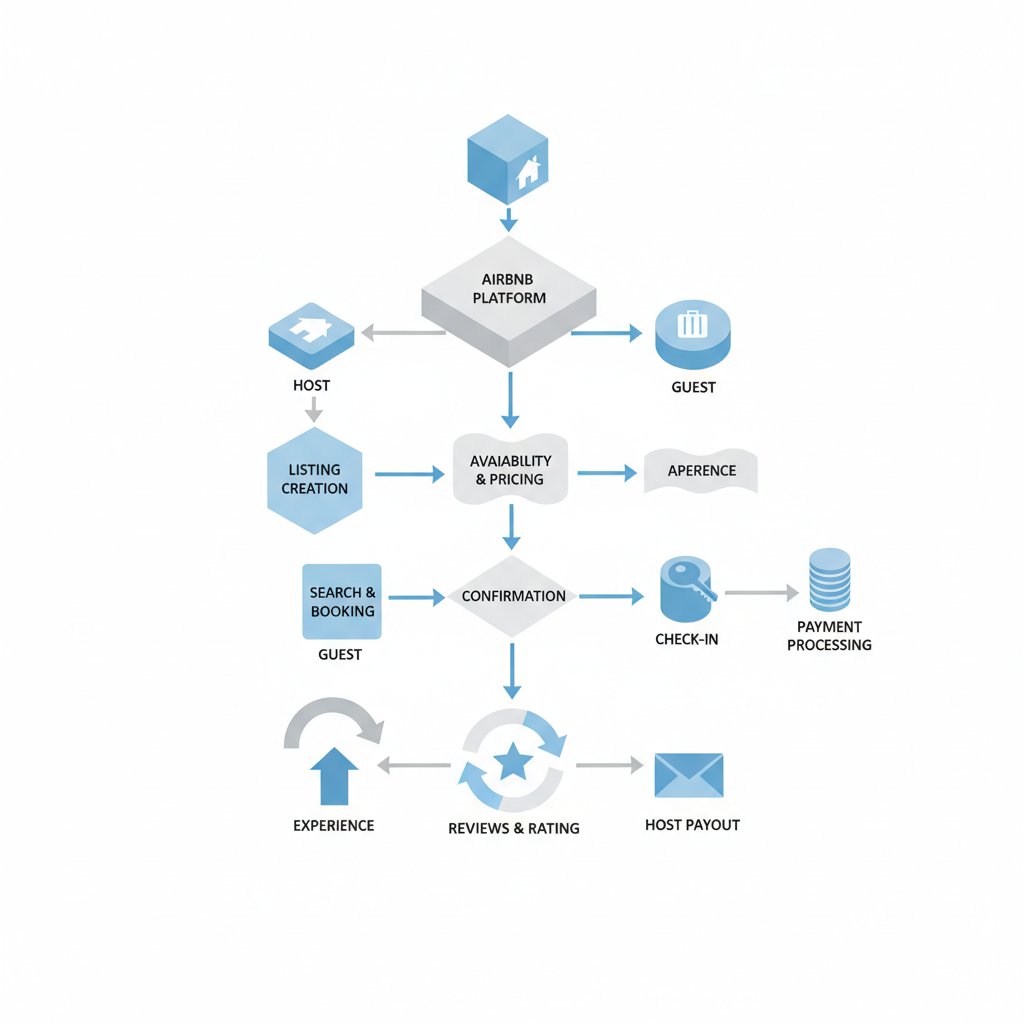
Beyond the basic booking and hosting functions, Airbnb provides a suite of features and services designed to enhance the experience for both users.
A. Trust and Safety Measures
Building trust is paramount in a community-driven platform. Airbnb employs several mechanisms to ensure safety and security:
- Identity Verification: Guests and hosts may be required to verify their identities using government IDs.
- Secure Payment System: All transactions are processed through Airbnb’s secure platform, protecting financial information.
- Reviews and Ratings: The two-way review system holds both parties accountable and helps build reputation.
- Host Guarantee & Host Protection Insurance:
- Host Guarantee: Provides protection for up to $1 million USD for certain damages to eligible property in the rare event of guest damage. This is not insurance and has specific terms and conditions.
- Host Protection Insurance: Provides primary liability coverage up to $1 million USD per occurrence in the event of third-party claims of bodily injury or property damage due to an Airbnb stay.
- 24/7 Global Customer Support: Available to assist with booking issues, emergencies, or disputes.
- Extenuating Circumstances Policy: Addresses unforeseen events like natural disasters, allowing for cancellations without penalties under specific conditions.
B. Payment Processing and Payouts
Airbnb simplifies financial transactions by acting as the payment processor. Guests pay Airbnb directly, and Airbnb then disburses funds to hosts after the guest checks in. This method increases security and reduces fraud risk for both parties.
- Payment Methods for Guests: Credit/debit cards, PayPal, Google Pay, Apple Pay, and various country-specific payment options.
- Payout Methods for Hosts: Direct deposit, PayPal, Payoneer, Western Union (depending on region). Hosts can set their preferred payout method.
C. Communication Tools
The in-platform messaging system is crucial for seamless interaction:
- Secure Messaging: All communication happens within the Airbnb app or website, allowing Airbnb to monitor interactions and assist in disputes if needed.
- Automated Messages: Hosts can set up automated messages for common interactions, like booking confirmations or pre-arrival instructions, saving time and ensuring consistent communication.
D. Experiences and Adventures
Airbnb has expanded beyond just accommodations to offer “Experiences.” These are curated activities designed and led by local experts, allowing travelers to immerse themselves in local culture, learn new skills, or explore unique corners of a destination. Examples include cooking classes, guided hikes, art workshops, or historical tours. This diversification is another way how does Airbnb work to provide comprehensive travel solutions.
E. Airbnb for Work
Recognizing the growing trend of business travel, Airbnb offers tailored features for corporate clients. Airbnb for Work provides companies with management dashboards, expensing tools, and access to business-ready listings, often with amenities like Wi-Fi, workspaces, and flexible cancellation policies.
F. Airbnb Plus and Luxe
- Airbnb Plus: A selection of high-quality homes that have been inspected in person for quality and design, offering exceptional comfort and hospitality. These listings are verified for a 100+ point quality checklist.
- Airbnb Luxe: For the ultimate luxury travel experience, Airbnb Luxe offers extraordinary properties with dedicated trip designers to curate bespoke itineraries and arrange premium services like chefs, drivers, and massage therapists.
Choosing Between Airbnb and Traditional Accommodation
When planning your next trip, the choice between an Airbnb and a traditional hotel often comes down to your priorities, budget, and desired experience. Each option offers distinct advantages and disadvantages.
Comparison Table: Airbnb vs. Hotels
| Feature/Factor | Airbnb | Traditional Hotel | Notes & Considerations |
|---|---|---|---|
| Accommodation Type | Unique homes, apartments, rooms, villas, treehouses, boats. Wide variety, often more spacious. | Standardized rooms, suites, consistent branding across chains. | Airbnb offers more personalized and often more authentic local experiences. |
| Amenities | Often includes full kitchens, laundry, private outdoor space. Varies greatly by listing. | Hotel-specific amenities: room service, gym, pool, concierge, daily housekeeping. | Your preference for self-catering vs. full service dictates the better option. |
| Privacy & Space | Often higher privacy, especially with entire home bookings. More living space. | Less private in common areas, rooms can feel smaller. | Good for families or groups needing separate sleeping arrangements and common areas. |
| Cost Effectiveness | Can be more affordable for groups or longer stays. Cleaning fees can add up for short visits. | Predictable pricing, though can be expensive for groups and long stays. | Consider the total cost including all fees (Airbnb) vs. nightly rate (hotel). |
| Standardization/Consistency | Highly variable based on host and property. Read reviews carefully. | Generally consistent service and quality across a brand. Predictable experience. | Hotels offer reliability; Airbnb offers unique experiences but with more variability. |
| Guest Interaction | Direct communication with host, potential for local tips. | Staffed front desk, professional customer service. | Airbnb offers a more personal, local connection. |
| Booking Flexibility | Varies by host’s cancellation policy (Flexible, Moderate, Strict). | Often more flexible with cancellations, especially at higher price points. | Always check the specific cancellation policy before booking on either platform. |
| Security & Support | Host Guarantee, Host Protection Insurance, 24/7 support. | On-site security, emergency services readily available, professional staff for issues. | Both have systems in place, but the immediate response mechanism differs. |
| Location | Can be in residential neighborhoods, offering unique local immersion. | Typically in commercial or tourist-centric areas. | Airbnb can provide access to off-the-beaten-path locations. |
| Local Regulations | Hosts must navigate local short-term rental laws, which can impact availability. | Hotels operate under established hospitality regulations. | Awareness of local laws can affect your Airbnb options in certain cities. |
When to Choose Airbnb:
- For Longer Stays: Weekly or monthly discounts often make Airbnb more economical than hotels.
- For Groups or Families: Multiple bedrooms, combined living spaces, and kitchens accommodate groups better and can be more cost-effective.
- For Unique Experiences: If you want to stay in a historic home, a quirky tiny house, a secluded cabin, or experience a neighborhood like a local.
- For Self-Catering: Access to a kitchen for cooking your own meals can save money and cater to dietary needs.
- For Specific Amenities: If you need a private laundry, a specific type of outdoor space, or a dedicated workspace.
When to Choose a Traditional Hotel:
- For Short Stays: The cumulative effect of Airbnb cleaning fees might make a hotel more competitive for one or two nights.
- For Consistent Service: You value daily housekeeping, room service, a concierge, and professional staff readily available.
- For Business Travel: While Airbnb for Work exists, hotels often have dedicated business amenities, meeting rooms, and easier expensing processes.
- For Last-Minute Bookings: Hotels often have more readily available inventory for immediate check-ins, less reliance on host communication.
- For Loyalty Programs: If you have elite status or collect points with a hotel chain.
Ultimately, the best choice depends on your individual travel style and needs. By understanding how does Airbnb work in comparison to traditional hotels, you can make an informed decision for your next trip. You can find more insights on trip planning through our family and couples trip planning guide.
Advanced Tips for Guests and Hosts
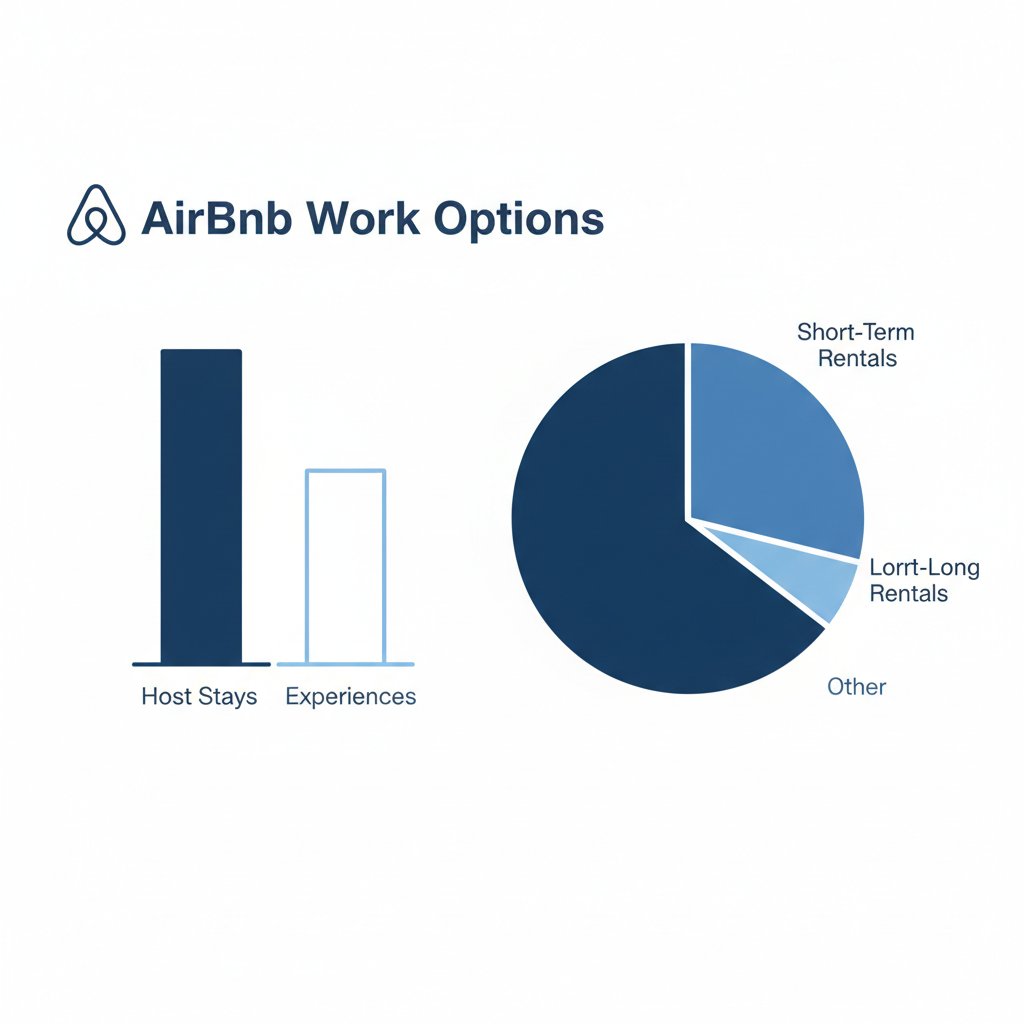
To truly master Airbnb, both guests and hosts can adopt advanced strategies to enhance their experience and maximize satisfaction.
Tips for Guests:
- Be Hyper-Specific with Filters: Don’t just search by location and dates. Use every relevant filter to narrow down to your ideal stay, saving time and avoiding unsuitable options.
- Read Between the Lines in Reviews: Look for consistent issues or glowing praise, but also consider the context. A single negative review might be an outlier. Pay attention to reviews on cleanliness, accuracy, and communication.
- Communicate Clearly from the Start: When sending a booking request, a polite, personalized message introducing yourself and stating your purpose for travel can significantly increase your chances of being accepted, especially for listings without Instant Book.
- Understand the Airbnb Resolution Center: If an issue arises during your stay that your host can’t resolve, familiarize yourself with the Resolution Center. Document everything (photos, messages) to support your claim.
- Leverage the “Wishlist” Feature: Create wishlists to save potential listings, categorize them by destination or trip type, and even share them with travel companions.
- Consider Long-Term Stays: For trips over a month, many hosts offer significant discounts. This can be listed as a “monthly discount” on the listing page.
- Always Check the Cancellation Policy: Before booking, confirm the policy – Flexible, Moderate, Strict. This directly impacts your refund eligibility if plans change.
Tips for Hosts:
- Optimize Your Pricing Strategy: Don’t just set it and forget it. Regularly review competitor listings, adjust for local events, holidays, and seasonality. Use Airbnb’s Smart Pricing as a guide, but manually override when necessary. Consider dynamic pricing tools if you have multiple properties.
- Invest in Professional Photography: It’s often the single best investment a host can make. High-quality photos drastically improve listing appeal and booking rates. Seriously, this cannot be stressed enough when thinking about how does Airbnb work to attract guests.
- Create an Outstanding Welcome Guide: Go beyond the basics. Include local recommendations for restaurants, attractions, hidden gems, and transportation. Make it clear and easy to navigate.
- Master Communication: Respond promptly and professionally to all inquiries and messages. Set up automated messages for common questions or reminders. Clear communication prevents misunderstandings.
- Focus on Cleanliness: This is consistently the most important factor for guest satisfaction and good reviews. Consider hiring a professional cleaning service.
- Proactive Maintenance: Regularly inspect your property for wear and tear. Address small issues before they become big problems. Ensure all appliances are working correctly.
- Ask for Private Feedback: In addition to the public review, ask guests if they have any private feedback for you that could help you improve. This shows you’re receptive and dedicated.
- Consider Self-Check-in Options: Keyless entry (smart locks), lockboxes, or building access codes offer convenience for both guests and hosts, especially for late arrivals.
- Build a Strong Host Network: Connect with other local Airbnb hosts. Share tips, discuss local regulations, and potentially find backup if you need assistance with an urgent guest issue.
- Stay Informed on Local Regulations: Laws are constantly changing. Subscribe to local government updates or Airbnb’s host resources to ensure continuous compliance.
- Utilize Tools and Integrations: Explore third-party tools for channel management, dynamic pricing, and guest communication to streamline your hosting operations, especially if you manage multiple properties.
Navigating Challenges and Ensuring a Positive Experience
While Airbnb offers incredible opportunities, like any platform, occasional challenges can arise. Knowing how to navigate these situations gracefully is key to ensuring a positive experience for everyone.
For Guests:
- Unmet Expectations: If the listing significantly differs from its description or photos, document the discrepancies immediately with photos and contact your host. If the issue isn’t resolved, reach out to Airbnb support within 24 hours of check-in.
- Host Communication Issues: If a host is unresponsive, use Airbnb’s messaging system as your primary record. If critical information (like check-in instructions) isn’t provided, contact Airbnb support.
- Damage or Accidents: Report any accidental damage to the host immediately. Most hosts are understanding, and it’s better to be upfront.
- Emergency Situations: For immediate safety concerns, contact local emergency services first. Then, notify your host and Airbnb support.
For Hosts:
- Difficult Guests: Maintain professional communication. If a guest violates house rules or causes significant problems, document the issues and communicate with Airbnb support. Remember, you can decline future booking requests from guests you don’t feel are a good fit.
- Property Damage: Use the Airbnb Resolution Center. Provide clear evidence (photos, repair estimates) within the required timeframe (usually within 14 days of checkout or before the next guest checks in).
- Negative Reviews: While disappointing, a negative review isn’t the end of the world. Respond to it politely and professionally on your listing, addressing the concerns raised without being defensive. Future guests often appreciate a host who takes feedback seriously.
- Technical Issues: If you encounter problems with the Airbnb platform (e.g., calendar sync issues, payout problems), contact their customer support team.
- Cancellation by Guest: Understand your chosen cancellation policy. If a guest cancels, ensure your calendar is immediately updated and consider adjusting your pricing for the newly available dates to attract new bookings.
The beauty of how does Airbnb work lies in its community-driven problem-solving features. Both guests and hosts have access to tools and support to resolve issues, maintaining the platform’s integrity and user satisfaction.
The Future of Airbnb and Short-Term Rentals
The short-term rental market is dynamic, and Airbnb continues to innovate. Understanding these trends can help both guests and hosts stay ahead of the curve.
- Continued Growth in Experiences: Airbnb’s investment in Experiences is likely to grow, offering more diverse activities and solidifying its position as a holistic travel platform, not just an accommodation provider.
- Focus on Longer Stays and “Work From Anywhere”: With the increase in remote work, Airbnb is leaning into longer-term stays and “work-from-anywhere” accommodations, offering features tailored for digital nomads and extended travel.
- Enhanced Safety Measures: Expect ongoing improvements in safety protocols, verification processes, and support mechanisms to build even greater trust among users.
- Refined Search and Personalization: Airbnb is continually refining its search algorithms to better match guests with unique properties and experiences, often leveraging AI and machine learning for more personalized recommendations.
- Sustainability and Responsible Tourism: There’s a growing emphasis on sustainable travel. Airbnb may further promote eco-friendly listings, highlight hosts using renewable energy, or offer tips for responsible tourism.
- Evolving Regulations: As short-term rentals become more mainstream, local governments will continue to adapt and implement new regulations. Staying informed will remain crucial for hosts.
The core ethos of Airbnb – offering unique, local, and personalized travel experiences – will likely remain its driving force. For guests, this means an ever-expanding array of choices. For hosts, it means continued opportunities in a vibrant and supportive marketplace, provided they adapt to evolving trends and maintain high standards of hospitality. Understanding how does Airbnb work in this evolving landscape is essential for long-term engagement and success.
Frequently Asked Questions
Q1: Is Airbnb safe to use for both guests and hosts?
A1: Yes, Airbnb has implemented numerous safety and security measures to protect both guests and hosts. This includes identity verification, a secure payment system, 24/7 customer support, and comprehensive insurance programs like the Host Guarantee and Host Protection Insurance. The two-way review system also promotes accountability and helps foster trust within the community. While no platform can guarantee absolute safety, Airbnb continuously invests in tools and policies to mitigate risks.
Q2: How does payment work on Airbnb?
A2: For guests, your payment is processed by Airbnb at the time of booking. The funds are held by Airbnb until approximately 24 hours after your scheduled check-in time, at which point they are released to the host. This provides a buffer for guests to ensure everything is as expected upon arrival. Hosts receive their payouts typically 24 hours after guest check-in via their chosen payout method (e.g., direct deposit, PayPal), though the exact transfer time may vary.
Q3: What happens if a guest or host cancels a booking?
A3: The consequences of cancellation depend heavily on the host’s chosen cancellation policy (Flexible, Moderate, Strict, etc.) and when the cancellation occurs relative to the check-in date. Guests may receive a partial or full refund according to the policy. For hosts, cancellations can impact Superhost status or incur penalties depending on the reason and timing. Airbnb’s Extenuating Circumstances Policy provides exceptions for unforeseen events like natural disasters, allowing for penalty-free cancellations under specific conditions for both parties.
Q4: What are the main differences between an Airbnb and a traditional hotel?
A4: The primary differences lie in the experience, space, and amenities. Airbnb typically offers unique, often more spacious accommodations (from private rooms to entire homes) with local character and amenities like full kitchens and laundry. Hotels provide standardized rooms, consistent services like daily housekeeping and room service, and often on-site facilities like gyms and pools. Airbnb generally offers a more personalized, local immersion, while hotels offer predictable, full-service hospitality. Cost-effectiveness can vary, with Airbnb often being more economical for groups or longer stays, while hotels might be better for very short stays or those prioritizing loyalty programs.
Q5: Can I really make money hosting on Airbnb?
A5: Yes, many individuals successfully generate significant income by hosting on Airbnb. The amount you can earn depends on various factors: your property’s location, type, size, amenities, local demand, your pricing strategy, and the quality of your hosting (e.g., cleanliness, communication, reviews). It’s crucial to research local regulations, accurately price your listing, provide excellent guest experiences, and manage your calendar effectively. While it requires effort and attention, Airbnb can be a lucrative venture for property owners.
How Does Airbnb Work? Your Ultimate Guide to Navigating Short-Term Rentals
Affiliate disclosure: This article may contain affiliate links. Recommendations are independent and editorially driven.
In the vast and ever-evolving landscape of travel and accommodation, one name consistently stands out: Airbnb. Since its inception, this revolutionary platform has transformed the way millions of people experience travel, offering unique stays ranging from cozy apartments and sprawling villas to treehouses and yachts. But for many, the intricate mechanics of this global phenomenon remain a mystery. You might be asking, “Exactly how does Airbnb work, both for those seeking adventure and those opening their homes?”
This comprehensive guide from vacationrentalplanners is designed to demystify Airbnb, providing a meticulous breakdown for both prospective guests and aspiring hosts. Whether you’re planning your next dream vacation, considering turning your spare room into an income generator, or simply curious about the short-term rental ecosystem, we’ve got you covered. We’ll explore the core functionalities, delve into the guest experience from search to checkout, illuminate the hosting journey from listing creation to guest management, and offer expert tips to maximize your success and satisfaction on the platform.
Understanding how Airbnb operates is crucial for anyone looking to engage with it effectively. It’s more than just a booking website; it’s a community-driven marketplace built on trust, transparency, and tailored experiences. Let’s embark on this journey to unlock the full potential of Airbnb for your travel and financial aspirations.
Understanding the Core Airbnb Business Model
At its heart, Airbnb functions as a two-sided marketplace, connecting individuals with spare rooms or entire properties (hosts) with travelers seeking accommodation (guests). Unlike traditional hotels, Airbnb doesn’t own any of the properties listed on its platform. Instead, it acts as an intermediary, facilitating transactions and providing a robust infrastructure that includes search capabilities, booking systems, secure payment processing, communication tools, and conflict resolution services.
The Two Pillars: Guests and Hosts
- Guests: Travelers who use the platform to search, discover, and book unique accommodations for various durations, from a single night to several months. They benefit from a wide array of choices, often more personalized experiences, and typically more space and amenities than a standard hotel room.
- Hosts: Property owners or managers who list their spaces on Airbnb, setting their own prices, availability, and house rules. Hosts are responsible for maintaining their properties, communicating with guests, and providing hospitality.
How Airbnb Generates Revenue
Airbnb’s business model is primarily commission-based, deriving revenue from both sides of the transaction. This fee structure is a critical component of how does Airbnb work financially:
- Guest Service Fee: Guests typically pay a service fee, which usually ranges from 0% to 14.2% of the booking subtotal (excluding taxes and fees). This fee is displayed clearly before booking confirmation.
- Host Service Fee: Hosts also pay a service fee, which can vary depending on the type of booking and the host’s preferences.
- Split Fee (Standard): The most common model, where hosts pay a fee typically around 3% (but can be higher for specific booking types like Airbnb Plus or those with stricter cancellation policies). Guests pay a separate service fee.
- Host-Only Fee (Simplified Pricing): In certain regions or for specific booking types (especially for hotels and traditional hospitality providers), the host pays a larger service fee, typically between 14% and 16%, and no guest service fee is charged. This allows hosts to present an all-inclusive price to guests.
- Experiences: Airbnb also profits from its “Experiences” offerings, which are guided activities hosted by local experts. A commission is usually taken from the experience provider.
These fees cover the operational costs of the platform, including marketing, customer support, payment processing, insurance, and ongoing technological development.
[INLINE IMAGE 1: place after second H2 | alt=”how does airbnb work concept illustration”]
The Guest Journey: Booking Your Perfect Stay
For guests, the process of finding and booking an Airbnb is designed to be intuitive and user-friendly, offering detailed control over search parameters and preferences. Understanding the steps involved is key to a smooth vacation planning experience.
1. Creating an Account and Setting Up Your Profile
Before you can book, you’ll need to create an Airbnb account. This typically involves using an email address, Google account, or Apple ID. It’s highly recommended to complete your profile, including a profile picture and a brief description, as many hosts prefer to see who they are hosting. Verification steps, such as phone number and ID verification, are also common and contribute to the platform’s security and trust.
2. Searching for Listings
The core of the guest experience begins with the search function. You’ll input fundamental details:
- Location: Where do you want to go? You can search by city, neighborhood, or even specific landmarks.
- Check-in and Check-out Dates: When will you be traveling?
- Number of Guests: How many adults, children, and infants will be staying?
Beyond these basics, Airbnb offers extensive filters to refine your search:
- Property Type: Entire place, private room, shared room.
- Price Range: Set your budget.
- Number of Bedrooms/Beds/Bathrooms: Essential for group travel.
- Amenities: Wi-Fi, kitchen, pool, air conditioning, free parking, pet-friendly, hot tub, and many more.
- Instant Book: Filter for listings that allow immediate booking without host approval.
- Superhost Status: Find highly-rated, experienced hosts.
- Accessibility Features: Step-free access, wide doorways, etc.
3. Evaluating Listings and Reading Reviews
Once you have a list of potential properties, thorough evaluation is crucial. Each listing page provides a wealth of information:
- Photos: High-quality images are vital. Look for multiple angles and details.
- Description: Read about the space, neighborhood, unique features, and the host’s personality.
- Amenities List: Double-check that all your must-have amenities are included.
- House Rules: Understand what’s expected of you during your stay (e.g., no parties, quiet hours, pet policies).
- Cancellation Policy: This is critically important. Airbnb offers several standard policies (Flexible, Moderate, Strict, etc.), each with different refund percentages based on the timing of cancellation.
- Reviews: This is arguably the most important section. Read what previous guests have said about the property, the host, cleanliness, accuracy of the listing, and communication. Look for patterns in feedback.
- Host Profile: Click on the host’s profile to learn more about them, their response rate, and their other listings.
4. Booking Your Stay: Instant Book vs. Request to Book
- Instant Book: If a listing has this feature enabled, you can book immediately without waiting for host approval, provided you meet any specific host requirements (e.g., verified ID). This is ideal for last-minute trips or when you want quick confirmation.
- Request to Book: For other listings, you’ll send a booking request to the host. This typically involves submitting your desired dates, number of guests, and a short message introducing yourself and your reason for travel. The host then has 24-48 hours to approve or decline the request.
During the booking process, you’ll see a detailed price breakdown, including the nightly rate, cleaning fee, Airbnb service fee, and taxes. Be sure to review this carefully before confirming.
5. Communication and Pre-Arrival
Once your booking is confirmed, Airbnb’s messaging system becomes your primary tool for communicating with the host. You can coordinate check-in details, ask questions about the property or local area, and discuss any special requests. Many hosts will send detailed check-in instructions (e.g., key codes, directions) a few days before your arrival. Timely and clear communication with your host is a hallmark of how does Airbnb work smoothly.
6. During Your Stay and Checkout
During your stay, if any issues arise, the first point of contact should always be your host. Most hosts are eager to ensure you have a pleasant experience. Before checking out, review the house rules for any specific instructions, such as taking out the trash, washing dishes, or turning off lights. Leaving the property in good condition respects your host and aids in securing a positive review.
7. Leaving Reviews
After your stay, both you and the host will have the opportunity to leave reviews for each other. This feedback system is foundational to Airbnb’s trust and reputation model. Be honest and constructive in your review, highlighting positives and areas for improvement. Hosts are also encouraged to review guests, contributing to your guest profile for future bookings.
For more detailed insights into optimizing your search, check out our guide on Airbnb booking tips.
The Host Journey: Turning Your Space into an Income Stream
Becoming an Airbnb host can be a rewarding way to earn extra income and meet people from around the world. However, it requires careful planning, dedication, and attention to detail. Let’s delve into how does Airbnb work from the host’s perspective.
1. Deciding What to Host and Understanding Regulations
The first step is to decide what type of space you’ll offer:
- Entire Place: Renting out an entire home, apartment, or independent structure.
- Private Room: Guests have a private sleeping area but share other spaces (bathroom, kitchen, living room) with you or other guests.
- Shared Room: Guests sleep in a shared space, like a bunk bed in a hostel-style setup.
Crucially, before listing, you must research and understand local laws and regulations. Short-term rental laws vary significantly by city, state, country, and even within specific building HOAs. These can include:
- Zoning laws
- Business licenses or permits
- Occupancy taxes
- Building codes
- Lease agreements (if you’re a renter)
- HOA or condominium rules
Failure to comply can result in significant fines or legal issues. Airbnb provides resources to help hosts understand local regulations, but ultimately, it’s the host’s responsibility to ensure compliance.
2. Creating Your Listing: The Foundation of Success
A compelling and accurate listing is paramount to attracting guests. This involves several key steps:
- Crafting a Catchy Title: Something descriptive and appealing to potential guests.
- Writing a Detailed Description: Highlight unique features, nearby attractions, and what makes your space special. Be honest about any quirks or limitations.
- Taking High-Quality Photos: This is non-negotiable. Invest in good photography or learn how to take clear, well-lit photos that showcase your space accurately and attractively. Include images of all rooms, amenities, and key features.
- Setting Up Amenities: Select all available amenities (Wi-Fi, kitchen, AC, parking, toiletries, etc.). Be accurate to avoid guest disappointment.
- Pinpointing Your Location: Airbnb uses your address to show guests a general location on a map before booking, and the exact address after booking confirmation.
- Developing House Rules: Clearly state your expectations for guests (e.g., no smoking, no parties, pet policies, quiet hours, check-in/out times).
- Choosing a Cancellation Policy: Select from Flexible, Moderate, Strict, or other options. This impacts how much guests are refunded if they cancel.
3. Pricing Strategy and Availability
Setting the right price is a critical balancing act. Too high, and you’ll deter guests; too low, and you’ll undervalue your space. Airbnb offers tools to help:
- Smart Pricing: An optional feature that automatically adjusts your nightly price based on demand, seasonality, local events, and other factors.
- Manual Pricing: You can set your own nightly rates for specific dates.
- Minimum/Maximum Stay: Define the shortest and longest booking periods you’ll accept.
- Discounts: Offer weekly or monthly discounts to encourage longer stays.
- Cleaning Fee: A one-time charge added to each booking to cover the cost of cleaning.
- Security Deposit: An amount held by Airbnb against potential damages, refunded after checkout if no issues occur.
Managing your calendar accurately is equally important. Block out dates when your property is unavailable to prevent double bookings. Proactive calendar management is a central pillar of how does Airbnb work efficiently for hosts.
[INLINE IMAGE 2: place after fourth H2 | alt=”how does airbnb work comparison illustration”]
4. Receiving Bookings and Communicating with Guests
- Responding to Inquiries: Be prompt and helpful when guests send questions. A high response rate and fast response time are valued metrics.
- Reviewing Booking Requests: If you don’t use Instant Book, carefully review guest profiles, past reviews, and messages before accepting a request.
- Pre-Arrival Communication: Send check-in instructions, directions, and any other pertinent information a few days before arrival. Offer local recommendations.
5. Preparing for Guests: The Guest Experience
The guest experience determines your reviews and future bookings:
- Cleanliness: The property must be immaculately clean. This is consistently one of the most important factors for guests.
- Essentials: Provide fresh linens, towels, soap, toilet paper, and basic kitchen supplies.
- Welcome Guide: A printed or digital guide with Wi-Fi passwords, emergency contacts, local recommendations, instructions for appliances, and house rules.
- Personal Touch: A small welcome gift or note can go a long way.
- Maintenance: Ensure everything is in good working order. Address any issues or repairs proactively.
6. During the Stay and Problem Resolution
Be available to guests for questions or issues, but also respect their privacy. If problems arise (e.g., a broken appliance, noisy neighbors), address them quickly and professionally. Airbnb’s Resolution Center can help mediate disputes or compensation requests for damages. Understanding when and how to utilize these tools is another facet of how does Airbnb work for hosts when challenges arise.
7. After Checkout: Reviews and Payouts
- Post-Stay Follow-up: Thank guests for their stay.
- Leaving Reviews: Provide honest and fair feedback for guests. Your review contributes to their guest profile.
- Payouts: Airbnb typically releases your payout approximately 24 hours after the guest’s scheduled check-in time. The exact timing of funds reaching your bank depends on your payout method (e.g., bank transfer, PayPal).
8. Earning Superhost Status
Superhost status is a recognition of top-performing, experienced hosts. To qualify, hosts must meet several criteria over a 12-month period:
- Maintain a 4.8+ overall rating.
- Have completed at least 10 stays (or 3 bookings totaling 100 nights).
- Maintain a 90% response rate or higher.
- Have a cancellation rate of 1% or less (with exceptions for valid reasons).
Superhosts often benefit from increased visibility, more bookings, and a special badge on their listings. It’s a testament to consistent excellence in hospitality.
Delve deeper into maximizing your rental income with our resources on short-term rental management.
Key Features and Services Offered by Airbnb
Beyond the basic booking and hosting functions, Airbnb provides a suite of features and services designed to enhance the experience for both users.
A. Trust and Safety Measures
Building trust is paramount in a community-driven platform. Airbnb employs several mechanisms to ensure safety and security:
- Identity Verification: Guests and hosts may be required to verify their identities using government IDs.
- Secure Payment System: All transactions are processed through Airbnb’s secure platform, protecting financial information.
- Reviews and Ratings: The two-way review system holds both parties accountable and helps build reputation.
- Host Guarantee & Host Protection Insurance:
- Host Guarantee: Provides protection for up to $1 million USD for certain damages to eligible property in the rare event of guest damage. This is not insurance and has specific terms and conditions.
- Host Protection Insurance: Provides primary liability coverage up to $1 million USD per occurrence in the event of third-party claims of bodily injury or property damage due to an Airbnb stay.
- 24/7 Global Customer Support: Available to assist with booking issues, emergencies, or disputes.
- Extenuating Circumstances Policy: Addresses unforeseen events like natural disasters, allowing for cancellations without penalties under specific conditions.
B. Payment Processing and Payouts
Airbnb simplifies financial transactions by acting as the payment processor. Guests pay Airbnb directly, and Airbnb then disburses funds to hosts after the guest checks in. This method increases security and reduces fraud risk for both parties.
- Payment Methods for Guests: Credit/debit cards, PayPal, Google Pay, Apple Pay, and various country-specific payment options.
- Payout Methods for Hosts: Direct deposit, PayPal, Payoneer, Western Union (depending on region). Hosts can set their preferred payout method.
C. Communication Tools
The in-platform messaging system is crucial for seamless interaction:
- Secure Messaging: All communication happens within the Airbnb app or website, allowing Airbnb to monitor interactions and assist in disputes if needed.
- Automated Messages: Hosts can set up automated messages for common interactions, like booking confirmations or pre-arrival instructions, saving time and ensuring consistent communication.
D. Experiences and Adventures
Airbnb has expanded beyond just accommodations to offer “Experiences.” These are curated activities designed and led by local experts, allowing travelers to immerse themselves in local culture, learn new skills, or explore unique corners of a destination. Examples include cooking classes, guided hikes, art workshops, or historical tours. This diversification is another way how does Airbnb work to provide comprehensive travel solutions.
E. Airbnb for Work
Recognizing the growing trend of business travel, Airbnb offers tailored features for corporate clients. Airbnb for Work provides companies with management dashboards, expensing tools, and access to business-ready listings, often with amenities like Wi-Fi, workspaces, and flexible cancellation policies.
F. Airbnb Plus and Luxe
- Airbnb Plus: A selection of high-quality homes that have been inspected in person for quality and design, offering exceptional comfort and hospitality. These listings are verified for a 100+ point quality checklist.
- Airbnb Luxe: For the ultimate luxury travel experience, Airbnb Luxe offers extraordinary properties with dedicated trip designers to curate bespoke itineraries and arrange premium services like chefs, drivers, and massage therapists.
Choosing Between Airbnb and Traditional Accommodation
When planning your next trip, the choice between an Airbnb and a traditional hotel often comes down to your priorities, budget, and desired experience. Each option offers distinct advantages and disadvantages.
Comparison Table: Airbnb vs. Hotels
| Feature/Factor | Airbnb | Traditional Hotel | Notes & Considerations |
|---|---|---|---|
| Accommodation Type | Unique homes, apartments, rooms, villas, treehouses, boats. Wide variety, often more spacious. | Standardized rooms, suites, consistent branding across chains. | Airbnb offers more personalized and often more authentic local experiences. |
| Amenities | Often includes full kitchens, laundry, private outdoor space. Varies greatly by listing. | Hotel-specific amenities: room service, gym, pool, concierge, daily housekeeping. | Your preference for self-catering vs. full service dictates the better option. |
| Privacy & Space | Often higher privacy, especially with entire home bookings. More living space. | Less private in common areas, rooms can feel smaller. | Good for families or groups needing separate sleeping arrangements and common areas. |
| Cost Effectiveness | Can be more affordable for groups or longer stays. Cleaning fees can add up for short visits. | Predictable pricing, though can be expensive for groups and long stays. | Consider the total cost including all fees (Airbnb) vs. nightly rate (hotel). |
| Standardization/Consistency | Highly variable based on host and property. Read reviews carefully. | Generally consistent service and quality across a brand. Predictable experience. | Hotels offer reliability; Airbnb offers unique experiences but with more variability. |
| Guest Interaction | Direct communication with host, potential for local tips. | Staffed front desk, professional customer service. | Airbnb offers a more personal, local connection. |
| Booking Flexibility | Varies by host’s cancellation policy (Flexible, Moderate, Strict). | Often more flexible with cancellations, especially at higher price points. | Always check the specific cancellation policy before booking on either platform. |
| Security & Support | Host Guarantee, Host Protection Insurance, 24/7 support. | On-site security, emergency services readily available, professional staff for issues. | Both have systems in place, but the immediate response mechanism differs. |
| Location | Can be in residential neighborhoods, offering unique local immersion. | Typically in commercial or tourist-centric areas. | Airbnb can provide access to off-the-beaten-path locations. |
| Local Regulations | Hosts must navigate local short-term rental laws, which can impact availability. | Hotels operate under established hospitality regulations. | Awareness of local laws can affect your Airbnb options in certain cities. |
When to Choose Airbnb:
- For Longer Stays: Weekly or monthly discounts often make Airbnb more economical than hotels.
- For Groups or Families: Multiple bedrooms, combined living spaces, and kitchens accommodate groups better and can be more cost-effective.
- For Unique Experiences: If you want to stay in a historic home, a quirky tiny house, a secluded cabin, or experience a neighborhood like a local.
- For Self-Catering: Access to a kitchen for cooking your own meals can save money and cater to dietary needs.
- For Specific Amenities: If you need a private laundry, a specific type of outdoor space, or a dedicated workspace.
When to Choose a Traditional Hotel:
- For Short Stays: The cumulative effect of Airbnb cleaning fees might make a hotel more competitive for one or two nights.
- For Consistent Service: You value daily housekeeping, room service, a concierge, and professional staff readily available.
- For Business Travel: While Airbnb for Work exists, hotels often have dedicated business amenities, meeting rooms, and easier expensing processes.
- For Last-Minute Bookings: Hotels often have more readily available inventory for immediate check-ins, less reliance on host communication.
- For Loyalty Programs: If you have elite status or collect points with a hotel chain.
Ultimately, the best choice depends on your individual travel style and needs. By understanding how does Airbnb work in comparison to traditional hotels, you can make an informed decision for your next trip. You can find more insights on trip planning through our family and couples trip planning guide.
Advanced Tips for Guests and Hosts
To truly master Airbnb, both guests and hosts can adopt advanced strategies to enhance their experience and maximize satisfaction.
Tips for Guests:
- Be Hyper-Specific with Filters: Don’t just search by location and dates. Use every relevant filter to narrow down to your ideal stay, saving time and avoiding unsuitable options.
- Read Between the Lines in Reviews: Look for consistent issues or glowing praise, but also consider the context. A single negative review might be an outlier. Pay attention to reviews on cleanliness, accuracy, and communication.
- Communicate Clearly from the Start: When sending a booking request, a polite, personalized message introducing yourself and stating your purpose for travel can significantly increase your chances of being accepted, especially for listings without Instant Book.
- Understand the Airbnb Resolution Center: If an issue arises during your stay that your host can’t resolve, familiarize yourself with the Resolution Center. Document everything (photos, messages) to support your claim.
- Leverage the “Wishlist” Feature: Create wishlists to save potential listings, categorize them by destination or trip type, and even share them with travel companions.
- Consider Long-Term Stays: For trips over a month, many hosts offer significant discounts. This can be listed as a “monthly discount” on the listing page.
- Always Check the Cancellation Policy: Before booking, confirm the policy – Flexible, Moderate, Strict. This directly impacts your refund eligibility if plans change.
Tips for Hosts:
- Optimize Your Pricing Strategy: Don’t just set it and forget it. Regularly review competitor listings, adjust for local events, holidays, and seasonality. Use Airbnb’s Smart Pricing as a guide, but manually override when necessary. Consider dynamic pricing tools if you have multiple properties.
- Invest in Professional Photography: It’s often the single best investment a host can make. High-quality photos drastically improve listing appeal and booking rates. Seriously, this cannot be stressed enough when thinking about how does Airbnb work to attract guests.
- Create an Outstanding Welcome Guide: Go beyond the basics. Include local recommendations for restaurants, attractions, hidden gems, and transportation. Make it clear and easy to navigate.
- Master Communication: Respond promptly and professionally to all inquiries and messages. Set up automated messages for common questions or reminders. Clear communication prevents misunderstandings.
- Focus on Cleanliness: This is consistently the most important factor for guest satisfaction and good reviews. Consider hiring a professional cleaning service.
- Proactive Maintenance: Regularly inspect your property for wear and tear. Address small issues before they become big problems. Ensure all appliances are working correctly.
- Ask for Private Feedback: In addition to the public review, ask guests if they have any private feedback for you that could help you improve. This shows you’re receptive and dedicated.
- Consider Self-Check-in Options: Keyless entry (smart locks), lockboxes, or building access codes offer convenience for both guests and hosts, especially for late arrivals.
- Build a Strong Host Network: Connect with other local Airbnb hosts. Share tips, discuss local regulations, and potentially find backup if you need assistance with an urgent guest issue.
- Stay Informed on Local Regulations: Laws are constantly changing. Subscribe to local government updates or Airbnb’s host resources to ensure continuous compliance.
- Utilize Tools and Integrations: Explore third-party tools for channel management, dynamic pricing, and guest communication to streamline your hosting operations, especially if you manage multiple properties.
Navigating Challenges and Ensuring a Positive Experience
While Airbnb offers incredible opportunities, like any platform, occasional challenges can arise. Knowing how to navigate these situations gracefully is key to ensuring a positive experience for everyone.
For Guests:
- Unmet Expectations: If the listing significantly differs from its description or photos, document the discrepancies immediately with photos and contact your host. If the issue isn’t resolved, reach out to Airbnb support within 24 hours of check-in.
- Host Communication Issues: If a host is unresponsive, use Airbnb’s messaging system as your primary record. If critical information (like check-in instructions) isn’t provided, contact Airbnb support.
- Damage or Accidents: Report any accidental damage to the host immediately. Most hosts are understanding, and it’s better to be upfront.
- Emergency Situations: For immediate safety concerns, contact local emergency services first. Then, notify your host and Airbnb support.
For Hosts:
- Difficult Guests: Maintain professional communication. If a guest violates house rules or causes significant problems, document the issues and communicate with Airbnb support. Remember, you can decline future booking requests from guests you don’t feel are a good fit.
- Property Damage: Use the Airbnb Resolution Center. Provide clear evidence (photos, repair estimates) within the required timeframe (usually within 14 days of checkout or before the next guest checks in).
- Negative Reviews: While disappointing, a negative review isn’t the end of the world. Respond to it politely and professionally on your listing, addressing the concerns raised without being defensive. Future guests often appreciate a host who takes feedback seriously.
- Technical Issues: If you encounter problems with the Airbnb platform (e.g., calendar sync issues, payout problems), contact their customer support team.
- Cancellation by Guest: Understand your chosen cancellation policy. If a guest cancels, ensure your calendar is immediately updated and consider adjusting your pricing for the newly available dates to attract new bookings.
The beauty of how does Airbnb work lies in its community-driven problem-solving features. Both guests and hosts have access to tools and support to resolve issues, maintaining the platform’s integrity and user satisfaction.
The Future of Airbnb and Short-Term Rentals
The short-term rental market is dynamic, and Airbnb continues to innovate. Understanding these trends can help both guests and hosts stay ahead of the curve.
- Continued Growth in Experiences: Airbnb’s investment in Experiences is likely to grow, offering more diverse activities and solidifying its position as a holistic travel platform, not just an accommodation provider.
- Focus on Longer Stays and “Work From Anywhere”: With the increase in remote work, Airbnb is leaning into longer-term stays and “work-from-anywhere” accommodations, offering features tailored for digital nomads and extended travel.
- Enhanced Safety Measures: Expect ongoing improvements in safety protocols, verification processes, and support mechanisms to build even greater trust among users.
- Refined Search and Personalization: Airbnb is continually refining its search algorithms to better match guests with unique properties and experiences, often leveraging AI and machine learning for more personalized recommendations.
- Sustainability and Responsible Tourism: There’s a growing emphasis on sustainable travel. Airbnb may further promote eco-friendly listings, highlight hosts using renewable energy, or offer tips for responsible tourism.
- Evolving Regulations: As short-term rentals become more mainstream, local governments will continue to adapt and implement new regulations. Staying informed will remain crucial for hosts.
The core ethos of Airbnb – offering unique, local, and personalized travel experiences – will likely remain its driving force. For guests, this means an ever-expanding array of choices. For hosts, it means continued opportunities in a vibrant and supportive marketplace, provided they adapt to evolving trends and maintain high standards of hospitality. Understanding how does Airbnb work in this evolving landscape is essential for long-term engagement and success.
Frequently Asked Questions
Q1: Is Airbnb safe to use for both guests and hosts?
A1: Yes, Airbnb has implemented numerous safety and security measures to protect both guests and hosts. This includes identity verification, a secure payment system, 24/7 customer support, and comprehensive insurance programs like the Host Guarantee and Host Protection Insurance. The two-way review system also promotes accountability and helps foster trust within the community. While no platform can guarantee absolute safety, Airbnb continuously invests in tools and policies to mitigate risks.
Q2: How does payment work on Airbnb?
A2: For guests, your payment is processed by Airbnb at the time of booking. The funds are held by Airbnb until approximately 24 hours after your scheduled check-in time, at which point they are released to the host. This provides a buffer for guests to ensure everything is as expected upon arrival. Hosts receive their payouts typically 24 hours after guest check-in via their chosen payout method (e.g., direct deposit, PayPal), though the exact transfer time may vary.
Q3: What happens if a guest or host cancels a booking?
A3: The consequences of cancellation depend heavily on the host’s chosen cancellation policy (Flexible, Moderate, Strict, etc.) and when the cancellation occurs relative to the check-in date. Guests may receive a partial or full refund according to the policy. For hosts, cancellations can impact Superhost status or incur penalties depending on the reason and timing. Airbnb’s Extenuating Circumstances Policy provides exceptions for unforeseen events like natural disasters, allowing for penalty-free cancellations under specific conditions for both parties.
Q4: What are the main differences between an Airbnb and a traditional hotel?
A4: The primary differences lie in the experience, space, and amenities. Airbnb typically offers unique, often more spacious accommodations (from private rooms to entire homes) with local character and amenities like full kitchens and laundry. Hotels provide standardized rooms, consistent services like daily housekeeping and room service, and often on-site facilities like gyms and pools. Airbnb generally offers a more personalized, local immersion, while hotels offer predictable, full-service hospitality. Cost-effectiveness can vary, with Airbnb often being more economical for groups or longer stays, while hotels might be better for very short stays or those prioritizing loyalty programs.
Q5: Can I really make money hosting on Airbnb?
A5: Yes, many individuals successfully generate significant income by hosting on Airbnb. The amount you can earn depends on various factors: your property’s location, type, size, amenities, local demand, your pricing strategy, and the quality of your hosting (e.g., cleanliness, communication, reviews). It’s crucial to research local regulations, accurately price your listing, provide excellent guest experiences, and manage your calendar effectively. While it requires effort and attention, Airbnb can be a lucrative venture for property owners.