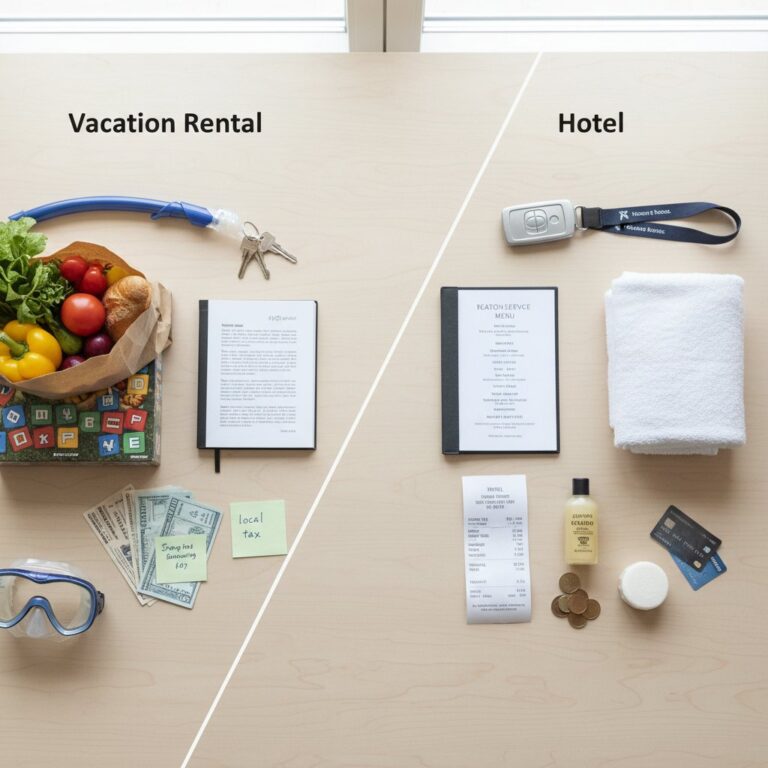


Your Ultimate Guide to End-to-End Family Reunion Vacation Rental Planning
This is where the magic of a vacation rental truly shines. Imagine a spacious home where cousins can play freely, grandparents can relax on a private patio, and everyone can gather for shared meals in a fully equipped kitchen. A vacation rental provides the intimacy, flexibility, and value that traditional hotels simply can’t match for large family gatherings. At vacationrentalplanners.com, we understand the nuances of group travel, and we’re here to empower you with the knowledge and tools to plan an extraordinary family reunion, from the very first spark of an idea to the final farewells. Get ready to embark on a journey of meticulous yet exciting planning that will culminate in a reunion your family will talk about for years to come!
Why a Vacation Rental is the Perfect Hub for Your Family Reunion
When it comes to hosting a large family reunion, the choice of accommodation sets the tone for the entire event. While hotels offer convenience, they often compartmentalize your family into separate rooms, limiting spontaneous interactions and shared experiences. A vacation rental, however, transforms your reunion into an immersive, communal adventure. It’s not just a place to sleep; it’s your family’s private resort, designed for togetherness.
Unmatched Space and Privacy
One of the most significant advantages of a vacation rental is the sheer amount of space. You’ll find properties with multiple bedrooms, spacious common areas, and often expansive outdoor spaces like yards, patios, or balconies. This allows everyone to spread out, enjoy personal downtime, and come together without feeling cramped. Imagine a dedicated living room for board games, a separate den for quiet conversations, and a large dining area capable of seating your entire clan. Plus, the privacy of a stand-alone home or villa means you won’t have to worry about disturbing other guests or being disturbed by them, fostering a relaxed atmosphere where everyone can truly be themselves.
Cost-Effectiveness for Large Groups
Shared Experiences and Personalized Amenities
A vacation rental fosters an environment where shared experiences are not just possible, but inevitable. From morning coffee together to late-night chats, every moment becomes an opportunity for connection. Many large rentals come equipped with amenities designed for group fun, such as private swimming pools, hot tubs, game rooms with billiards or foosball, home theaters, and even private sports courts. These features provide built-in entertainment for all ages, catering to diverse interests without ever leaving the property. Data suggests that properties with unique amenities like private pools or dedicated entertainment spaces see up to a 20% higher booking rate for large groups, indicating their value in creating memorable stays.
Flexibility and Freedom
Unlike hotels with strict schedules for dining and common area use, a vacation rental offers unparalleled flexibility. You set your own pace, eat when you want, and organize activities on your own terms. This freedom is invaluable for families with young children, teenagers, or elderly members who may have specific routines or needs. You can truly make the space your own, decorating for a special occasion, rearranging furniture for a group photo, or simply enjoying the comfort of a home away from home.
The Early Stages: Defining Your Family Reunion Vision

Every successful family reunion begins with a clear vision. Before you even start browsing properties, it’s crucial to lay the groundwork by making some fundamental decisions. This initial planning phase, often overlooked, is critical for streamlining the entire process and ensuring everyone feels included and excited.
Forming Your Core Planning Committee
Don’t try to be a one-person show! Gather a small, dedicated committee of 3-5 family members who are enthusiastic, organized, and willing to commit time and effort. This group will be responsible for making key decisions, delegating tasks, and communicating with the wider family. Choose individuals from different branches or generations to ensure diverse perspectives are represented. Assign roles early on: a lead coordinator, a budget manager, a communications liaison, and an activities planner.
Who, When, and How Long? Gauging Interest and Availability
The first practical step is to determine who will be attending, when they can come, and for how long. This can be the trickiest part, as coordinating schedules for a large group is a logistical puzzle. Here’s a plan:
- Create a comprehensive family contact list: Ensure you have up-to-date emails and phone numbers for everyone.
- Send out an initial “Save the Date” inquiry: Use online polling tools like Doodle Poll or SurveyMonkey to gather availability for several potential date ranges (e.g., “Summer 2025, first two weeks of July, last two weeks of August”). Ask about preferred duration (e.g., 3 nights, 5 nights, a full week).
- Gauge interest in destinations and activities: Include open-ended questions about preferred reunion styles (e.g., “Relaxing beach vacation,” “Adventurous mountain getaway,” “City exploration”). This feedback will be invaluable for destination selection.
- Set a clear RSVP deadline: Emphasize the importance of timely responses, as property bookings depend on accurate headcounts.
Establishing a Realistic Budget Range
Money matters are often sensitive, but transparency is paramount. Your planning committee needs to establish a realistic budget range early on. This isn’t about setting a fixed price per person yet, but rather understanding what the family collectively can afford. Consider:
- What is the maximum amount most families are willing to spend on accommodation?
- Are there any family members who might need financial assistance, and is there a mechanism to provide it discreetly?
- What are the expected major costs: rental, travel, food, activities?
Communicate openly with the family about the general cost expectations from the outset. This prevents sticker shock later and allows individuals to plan accordingly.
Defining the Reunion Vibe and Goals
What kind of reunion do you envision? Is it a laid-back gathering focused on relaxation and catching up? An adventurous trip with group excursions? A milestone celebration with formal events? Defining the overall “vibe” and specific goals will guide all subsequent decisions, from choosing a destination to planning activities. For example, if the goal is to celebrate a grandparent’s 80th birthday, you might prioritize accessibility features and quiet common areas. If it’s about connecting young cousins, a property with a pool and game room would be ideal.
Finding the Perfect Destination & Vacation Rental Property
With your vision in place, it’s time for the exciting hunt for the ideal location and property. This phase requires balancing accessibility, attractions, amenities, and budget to find a spot that delights every family member.
Destination Selection: Balancing Accessibility and Attractions
Choosing the right destination is a critical decision. Consider these factors:
- Centrality and Accessibility: Where is the majority of your family located? Aim for a destination that minimizes travel burden for most. Consider major airports, train stations, and drive times.
- Attractions and Activities: Does the destination offer something for everyone?
- For nature lovers: National parks, beaches, mountains, lakes.
- For culture seekers: Cities with museums, historical sites, theaters.
- For thrill-seekers: Amusement parks, water sports, hiking trails.
- For relaxation: Spas, quiet retreats, scenic views.
- Weather Considerations: Research average temperatures and seasonal events for your chosen dates. No one wants a beach reunion during hurricane season or a skiing trip with no snow!
- Budgetary Impact: Some destinations are inherently more expensive than others. Factor in typical costs for local activities, dining, and transportation.
For large groups, popular choices often include family-friendly beach towns (like the Outer Banks or Gulf Shores), mountain resorts (like Breckenridge or Gatlinburg), or destinations near major theme parks (like Orlando or Anaheim).
Property Search: Size, Amenities, and Location, Location, Location!
Once you’ve narrowed down a few destinations, the real search begins. Utilize reputable vacation rental platforms (VRBO, Airbnb Luxe, local property management sites) and filter extensively.
- Size and Layout:
- Bedrooms & Bathrooms: How many does your family need? More bathrooms are always better for large groups. Consider properties with multiple master suites for couples and bunk rooms for kids.
- Common Areas: Look for spacious living rooms, multiple seating areas, and a large dining table.
- Kitchen: A well-equipped kitchen with double ovens, multiple refrigerators, and ample counter space is a game-changer for group meals.
- Essential Amenities:
- Kitchen: Fully stocked with cookware, dishes, serving platters, and perhaps even specialty appliances like a large coffee maker or slow cooker.
- Laundry: In-unit washer and dryer are essential for longer stays with kids.
- Entertainment: WiFi, smart TVs, game rooms, board games, and outdoor play areas.
- Accessibility: If you have elderly family members or those with mobility challenges, look for properties with ramps, ground-floor bedrooms, and accessible bathrooms.
- Desired Amenities:
- Private Pool/Hot Tub: A huge draw for families, especially in warmer climates.
- Outdoor Space: Large yard, patio with BBQ grill, fire pit.
- Pet-Friendly: If family members wish to bring their furry companions.
- Unique Features: Home theater, private gym, specific views (oceanfront, mountain views).
- Location within the Destination:
- Proximity to Attractions: Is it walkable to the beach? A short drive to theme parks?
- Quiet vs. Lively: Do you prefer a secluded retreat or a bustling neighborhood?
- Safety: Research the neighborhood to ensure it’s safe and suitable for families.
Reading Reviews and Communicating with Owners/Managers
Never book a property without thoroughly reading reviews, especially those from other large groups. Look for comments on cleanliness, communication with the host, accuracy of the listing, and suitability for families. Don’t hesitate to reach out to the property owner or manager with specific questions before booking. Ask about:
- Exact bed configurations.
- Availability of cribs or high chairs.
- Parking arrangements.
- Local noise ordinances or specific house rules for large groups.
- Emergency contact procedures.
A responsive and helpful host is a good indicator of a smooth experience.
Comparison Table: Popular Family Reunion Destinations & Features
To help you visualize your options, here’s a comparison of three popular types of family reunion destinations:
| Destination Type | Typical Location Examples | Average Weekly Rental Cost (Large Home, 5+ BR) | Key Features & Activities | Best For |
|---|---|---|---|---|
| Coastal Retreat | Outer Banks, NC; Gulf Shores, AL; San Diego, CA | $4,000 – $12,000+ | Beach access, water sports, fishing, fresh seafood, private pools, spacious decks, ocean views. | Families who love the beach, relaxation, and outdoor activities. Multi-generational groups with diverse interests. |
| Mountain Escape | Breckenridge, CO; Gatlinburg, TN; Lake Tahoe, CA/NV | $3,500 – $10,000+ | Hiking, skiing/snowboarding (seasonal), scenic views, cabin aesthetics, hot tubs, national parks, wildlife viewing. | Active families, nature enthusiasts, those seeking adventure or cozy winter gatherings. |
| Theme Park Adjacent | Orlando, FL; Anaheim, CA | $3,000 – $9,000+ | Proximity to major theme parks, private pools, game rooms, home theaters, resort-style amenities, dining variety. | Families with children of all ages, those seeking high-energy entertainment and convenience to attractions. |
Budgeting & Financial Management for Large Groups

Managing the finances for a family reunion can be one of the most challenging aspects, but with a clear, transparent strategy, it doesn’t have to be. Open communication and a well-defined system are your best allies.
Creating a Comprehensive and Transparent Budget
Before collecting a single dollar, create a detailed budget spreadsheet. This should include all anticipated costs:
- Accommodation: Rental cost, cleaning fees, taxes, security deposit.
- Travel: Estimated flight/gas costs (if shared), airport transfers.
- Food & Drink: Groceries, dining out, catering, special events (e.g., celebratory dinner).
- Activities: Entrance fees for attractions, equipment rentals, guided tours, entertainment.
- Miscellaneous: Welcome gifts, decorations, first-aid supplies, contingency fund (always include 10-15% for unexpected expenses).
Share this budget with your planning committee and, eventually, with the entire family. Transparency builds trust and helps everyone understand where their contributions are going.
Collecting Funds: A Designated Treasurer and Payment Platform
Appoint one highly organized and trustworthy family member as the “treasurer.” This person will be responsible for collecting and tracking all funds. To simplify the process:
- Choose a Payment Platform: Utilize tools like Venmo, PayPal, Zelle, or even a dedicated group payment app like Splitwise (for tracking shared expenses, not necessarily collecting initial large sums). For larger, upfront payments, direct bank transfers or checks might be more appropriate.
- Set Clear Payment Deadlines: Break down payments into manageable installments. For example, an initial deposit due at booking, a second payment a few months later, and the final balance closer to the reunion date. This spreads the financial burden and makes it easier for families to plan.
- Communicate Payment Schedules: Send regular reminders and clearly state what each payment covers.
Expert tip: “Consider setting up a separate bank account specifically for reunion funds to keep finances clear and easily traceable. This avoids mixing personal and reunion money, simplifying accounting and reducing potential disputes.”
Understanding Deposits, Payment Schedules, and Cancellation Policies
When booking a vacation rental, pay close attention to the financial terms:
- Booking Deposit: Often 25-50% of the total rental cost, due at the time of booking.
- Final Payment Due Date: Typically 30-90 days before check-in. Missing this deadline can result in cancellation.
- Security Deposit: A refundable deposit to cover potential damages, usually returned within a few weeks post-stay. Understand the conditions for its return.
- Cancellation Policy: This is crucial. Large rentals often have strict cancellation policies (e.g., no refunds within 60-90 days of arrival). Discuss this with your family and consider purchasing travel insurance that covers “cancel for any reason” if this is a major concern.
Clarifying these details upfront will prevent misunderstandings and financial stress later on.
Contingency Fund and Managing Unexpected Costs
Even the best-laid plans can encounter bumps. A contingency fund (10-15% of your total budget) is essential. This fund can cover:
- Small damages not covered by the security deposit.
- Last-minute grocery runs.
- An impromptu group activity.
- Minor emergencies.
Decide beforehand how unexpected costs will be handled. Will they be absorbed by the contingency fund, or will a supplementary collection be necessary? Having this discussion early minimizes stress during the reunion itself.
Logistics & On-Site Experience Planning
Once the booking is confirmed, the focus shifts to the practicalities of getting everyone there and ensuring a smooth, enjoyable stay. This involves meticulous logistical planning that anticipates needs and streamlines the on-site experience.
Travel Coordination: Getting Everyone There Seamlessly
For a large family, travel coordination can be complex. While individual families are typically responsible for their own travel, you can provide valuable assistance:
- Share Travel Information: Create a shared document with details on the nearest airports, train stations, and recommended driving routes. Include estimated travel times.
- Carpooling & Ride-Sharing: Facilitate connections between family members traveling from the same area or arriving at similar times to encourage carpooling or sharing ride-shares/taxis from the airport.
- Airport Transfers: For large groups arriving at the same airport, research and recommend shuttle services or large van rentals that can accommodate everyone. Consider booking a private transfer if budget allows, to streamline arrivals.
- Parking: Confirm the parking capacity at your vacation rental and communicate this clearly. If additional parking is needed, research nearby public lots or alternative solutions.
A well-organized communication hub (like a dedicated group chat or email thread) can be invaluable for real-time travel updates and coordination.
Check-in/Check-out Procedures and Welcome Information
The first impression sets the tone. Ensure a smooth arrival for everyone:
- Designated Point Person: Appoint one or two family members to handle the official check-in process. They should have all necessary codes, keys, and contact information for the property manager.
- Welcome Packet: Prepare a digital or printed welcome packet for each family unit. This should include:
- WiFi network name and password (a top priority for almost everyone!).
- House rules: Quiet hours, trash disposal, pool safety, pet policies.
- Emergency contacts: Local police, fire, medical services, and property manager.
- Local recommendations: Grocery stores, pharmacies, urgent care, popular restaurants, and attractions.
- Itinerary overview: A brief schedule of planned group activities and meals.
- Check-out Instructions: Clearly communicate departure times and requirements (e.g., loading dishes, taking out trash, locking doors). Delegate tasks to ensure the property is left in good order, helping to secure the return of your security deposit.
Sleeping Arrangements: Comfort and Harmony
Assigning rooms can be a delicate dance. Aim for fairness and consider everyone’s needs:
- Gather Preferences: Before arrival, ask about preferences (e.g., “quiet room,” “room near the kids,” “ground floor”).
- Prioritize Needs: Give priority to elderly family members, those with young children, or individuals with specific medical needs for the most convenient rooms.
- Flexible Options: Utilize properties with bunk rooms for kids, sofa beds for extra flexibility, or even air mattresses if necessary.
- Clear Assignments: Create a simple room assignment chart and share it before arrival. Consider labeling rooms or placing small notes on doors.
The goal is to minimize friction and ensure everyone has a comfortable personal space.
Grocery Shopping and Meal Preparation Strategy
Feeding a crowd is a significant undertaking. Plan your approach to meals:
- Pre-Arrival Grocery Delivery: Many services allow you to order groceries online for delivery directly to your rental on or shortly after your arrival. This saves immense time and effort. Designate one person to manage the order.
- Meal Planning Schedule: Create a rotating schedule for who cooks which meal. This distributes the responsibility and allows everyone to contribute. Include “free nights” for dining out or individual family meals.
- Potluck Dinners: Encourage family members to bring a favorite dish or assign categories (e.g., “desserts,” “appetizers,” “side dishes”).
- Catering or Restaurant Nights: Plan one or two special catered meals or reservations at a local restaurant to give everyone a break from cooking.
- Snack Station: Set up a communal snack and drink station that’s always accessible, preventing constant questions about food.
Activities, Meals, and Making Unforgettable Memories
A family reunion is about more than just staying together; it’s about doing things together. Thoughtful planning of activities and meals can elevate your reunion from a simple gathering to an unforgettable memory-making event.
Balancing Structured Activities with Free Time
The key to successful reunion planning is finding the right balance between organized fun and spontaneous relaxation. Over-scheduling can lead to exhaustion and resentment, while too little structure might leave people feeling bored or disconnected.
- Mix it Up: Plan 1-2 main group activities per day, leaving ample time for individual families to explore, relax, or pursue their own interests.
- Optional Activities: Offer a variety of optional activities. Some might want to hike, others might prefer a spa day, and some might just want to read by the pool. Make sure everyone knows participation is voluntary.
- Downtime is Crucial: Emphasize and protect free time. This allows for spontaneous conversations, naps, or simply enjoying the rental’s amenities.
Remember, the goal is connection, not cramming every minute with an agenda.
Group Activities for All Ages and Interests
When planning activities, consider the diverse age range and interests of your family. The most successful activities are often those that allow for interaction and cater to multiple generations. Industry data shows that families value shared experiences, with over 70% prioritizing activities that cater to multiple generations during group travel.
- On-Site Fun:
- Game Nights: Board games, card games, charades, trivia.
- Themed Dinners/Parties: A “Taco Tuesday,” an “Italian Night,” or a “Decades Dress-Up” party.
- Talent Show/Karaoke: A fun way for everyone to share their hidden talents.
- Outdoor Games: Cornhole, giant Jenga, volleyball (if space allows).
- Movie Night: Utilize a home theater or set up a projector outdoors.
- Local Excursions:
- Local Attractions: Museums, zoos, historical sites, amusement parks, botanical gardens.
- Nature Outings: Group hike, beach day, boat tour, kayaking, fishing.
- Food & Drink: Brewery/winery tour (for adults), cooking class, local market visit.
- Special Touches:
- Professional Photographer: Hire one for an hour or two to capture candid moments and a large group photo.
- Family History Sharing: Designate time for older family members to share stories and photos.
- Crafts/Art Projects: Especially good for younger children, but can be fun for all.
Create a shared document or whiteboard at the rental where daily activities are posted, allowing everyone to see what’s happening and sign up for optional events.
Meal Planning: From Potlucks to Catered Feasts
Food is often the centerpiece of family gatherings. Planning meals strategically ensures everyone is fed well without overwhelming one person.
- Potluck Power: Assign each family unit a meal to prepare (e.g., “The Smiths handle breakfast on Tuesday,” “The Johnsons are on dinner duty Wednesday”). This spreads the workload and showcases family culinary talents.
- BBQ Nights: A classic for a reason! Easy to scale for large groups