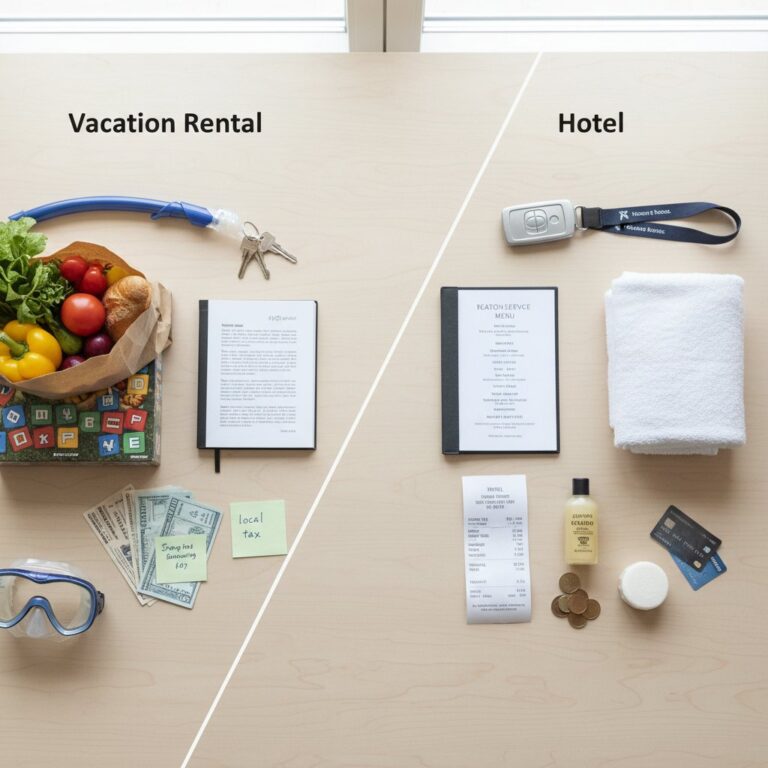


Effective Marketing Strategies for Your Vacation Rental Property
By John Doe, a marketing specialist at Vacation Rental Planners
Establishing Your Foundation: Professional Presentation & Optimization
Before any marketing efforts can truly take root, your vacation rental property needs a flawless foundation. This begins with how your property is presented across all platforms, from its visual appeal to its descriptive narrative. Think of your listing as your storefront; it must be inviting, informative, and persuasive enough to capture attention in a crowded marketplace. Effective marketing vacation rentals starts right here, at the core of your property’s digital identity.
High-Quality Photography: The Ultimate Visual Hook
Visuals are king in the vacation rental industry. Properties featuring professional photography consistently outperform those with amateur shots. Potential guests rely heavily on images to envision their stay, so every photo must evoke desire and trust. Invest in a professional photographer who specializes in real estate or hospitality. They understand lighting, composition, and angles that highlight your property’s best features. Consider including:
- Wide-angle shots: To showcase spaciousness.
- Detail shots: Highlighting unique amenities, décor, or luxurious touches.
- Lifestyle shots: Suggesting activities (e.g., a cozy reading nook, a beautifully set dining table).
- Exterior shots: Capturing curb appeal, outdoor living spaces, or stunning views.
- Virtual tours or drone footage: For a truly immersive experience, especially for larger or unique properties.
Actionable Tip: Aim for at least 20-25 high-resolution photos that tell a story of your property. Ensure they are well-lit, professional, and regularly updated to reflect any changes or seasonal decor.
Crafting Compelling Descriptions: Storytelling That Sells
Your property description isn’t just a list of features; it’s an opportunity to tell a story and connect with potential guests on an emotional level. Use vivid, descriptive language that paints a picture of the experience awaiting them. Highlight unique selling points (USPs) – perhaps it’s a historic home, a pet-friendly oasis, or offers unparalleled access to local attractions. Structure your description to be easily scannable, starting with a captivating headline and a concise summary, followed by detailed sections on amenities, sleeping arrangements, and nearby activities.
Real-world Example: Instead of “3-bedroom house near beach,” try “Escape to our charming beachfront bungalow, just steps from the pristine sands of [Beach Name]. Indulge in breathtaking sunsets from your private deck and unwind in our tastefully decorated, family-friendly retreat.”
Actionable Tip: Identify your ideal guest persona (e.g., families, couples, remote workers) and tailor your language to appeal directly to their needs and desires. Incorporate relevant keywords they might use in their search (e.g., “beachfront villa,” “pet-friendly cottage,” “remote work retreat”).
Optimizing Amenities & Features: Meeting Guest Expectations
A comprehensive and accurate list of amenities is crucial for matching guests with their ideal property. Guests often filter their searches based on specific features like Wi-Fi, air conditioning, a hot tub, or a fully equipped kitchen. Ensure every amenity is clearly listed and accurately represented. Beyond the basics, consider adding thoughtful touches that elevate the guest experience, such as a curated local guide, a welcome basket with regional treats, or high-speed internet suitable for remote work.
Actionable Tip: Regularly review your amenities list. Are there new trends guests are looking for? Is everything still functioning perfectly? Consider a “smart home” upgrade for modern appeal.
Strategic Distribution: Mastering OTAs and Exploring Alternatives
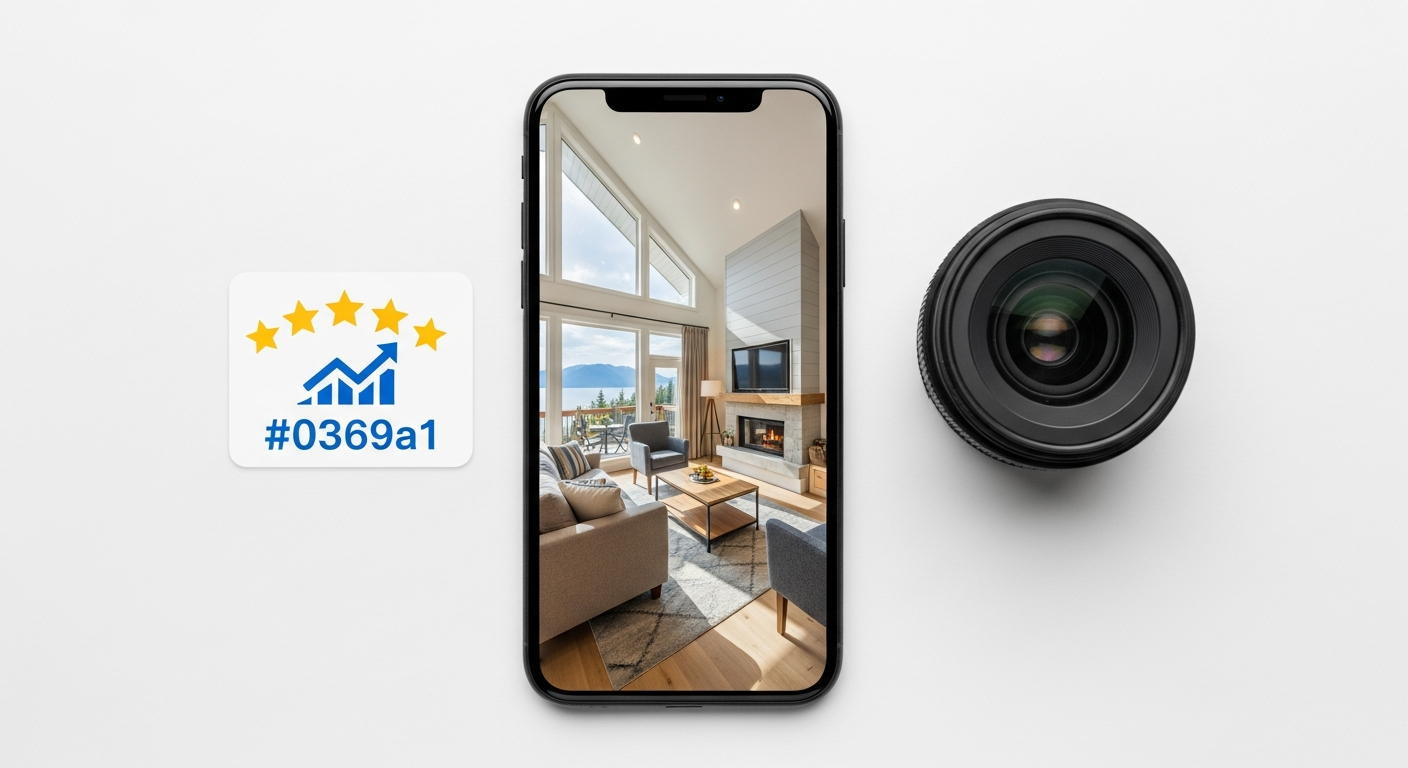
Once your property’s foundation is solid, the next step in effective marketing vacation rentals is to ensure it’s seen by as many potential guests as possible. This involves strategic distribution across various online platforms, each with its own advantages and reach.
Leveraging Major Online Travel Agencies (OTAs)
OTAs like Airbnb, Booking.com, and Vrbo are indispensable for reaching a global audience. They provide massive exposure and built-in trust for travelers. To maximize your presence on these platforms:
- Complete Profiles: Fill out every section of your listing, including house rules, check-in instructions, and local recommendations. Incomplete profiles often rank lower.
- Competitive Pricing: Use dynamic pricing tools or manually adjust rates based on seasonality, local events, and competitor pricing. OTAs often favor properties with competitive and flexible pricing.
- Instant Book: Enable instant booking to improve conversion rates and potentially boost your listing’s visibility in search results. Data shows that properties with instant book enabled receive significantly more bookings.
- Calendar Synchronization: Use a channel manager or directly sync your calendars across all platforms to avoid double bookings, which can severely damage your reputation.
- Achieve Superhost/Premier Partner Status: These programs reward hosts who consistently deliver outstanding experiences, offering increased visibility and credibility.
Real-world Example: A host in Miami saw a 30% increase in bookings after optimizing their Airbnb listing with professional photos, enabling instant book, and consistently responding to inquiries within an hour, leading to Superhost status.
Actionable Tip: Dedicate time each week to review your OTA listings. Check your ranking, compare your pricing to similar properties, and ensure all information is current and accurate.
Exploring Niche OTAs and Specialized Platforms
Beyond the giants, a world of niche OTAs caters to specific traveler segments. These platforms can connect you with highly targeted audiences who are often willing to pay a premium for properties that meet their unique requirements.
- Luxury rentals: Platforms like Luxury Retreats (now Airbnb Luxe), Onefinestay.
- Glamping & unique stays: Hipcamp, Glamping Hub.
- Pet-friendly rentals: BringFido, Petswelcome.
- Sustainable/eco-friendly: Green Key Global, Book Different.
- Long-term rentals: Extended Stay America, Blueground.
Actionable Tip: Research 1-2 niche platforms that align perfectly with your property’s unique characteristics. Listing on these can provide access to less saturated markets and higher conversion rates.
Building Your Brand & Direct Booking Channel: Website, SEO, & Content
While OTAs offer broad reach, relying solely on them means paying commissions and having less control over your brand and guest relationships. A cornerstone of effective marketing vacation rentals is establishing your own direct booking channel. This empowers you, reduces dependency on third parties, and fosters long-term guest loyalty.
The Power of a Dedicated Direct Booking Website
A professional website for your vacation rental property is more than just an online brochure; it’s your brand’s hub. It offers:
- Full Control: Over branding, content, pricing, and policies.
- Commission-Free Bookings: Saving you 15-20% per booking compared to OTAs.
- Enhanced Guest Experience: You can offer a richer experience, more information, and direct communication.
- Data Ownership: Collect valuable guest data for future marketing efforts.
Your website should feature high-quality images and videos, compelling descriptions, a user-friendly booking engine, glowing testimonials, and a clear call to action. Ensure it’s mobile-responsive, as a significant portion of traffic comes from smartphones.
Real-world Example: A property owner in Hawaii invested in a well-designed website with an integrated booking engine. Within a year, their direct bookings increased by 25%, significantly reducing their overall commission spend and allowing them to reinvest those savings into property upgrades.
Search Engine Optimization (SEO) for Direct Bookings
Getting your website found by potential guests requires solid SEO. This means optimizing your site so search engines like Google rank it highly for relevant queries. For marketing vacation rentals, focus on:
- Keyword Research: Identify terms guests use to find properties like yours (e.g., “luxury villa [city name],” “pet-friendly cabin [region],” “vacation rentals with pool [town]”).
- On-Page SEO: Optimize your website content (titles, headings, descriptions, image alt text) with these keywords.
- Local SEO: Crucial for vacation rentals. Create and optimize a Google My Business profile with accurate information, photos, and encourage guests to leave reviews there.
- Content Marketing: Start a blog on your website. Write articles about local attractions, events, best restaurants, or tips for visiting your area. This not only attracts visitors through search engines but also positions you as a local expert. For instance, an article titled “Top 5 Family Activities in [Your Area] for Your Next Vacation” would attract relevant traffic.
- Backlinks: Get other reputable websites (local tourism boards, relevant blogs) to link back to your site, boosting your authority.
Actionable Tip: Invest in a professional website and booking engine (e.g., using platforms like WordPress with a booking plugin like WP Booking System, or specialized vacation rental website builders). Dedicate time to optimizing your Google My Business profile and start a blog with at least one new article per month.
Engaging Your Audience: Social Media & Community Building

Social media is an incredibly powerful, visual, and direct way to connect with potential guests, build your brand, and showcase the unique appeal of your property. It’s an essential component of modern marketing vacation rentals efforts, allowing for storytelling and community engagement.
Choosing the Right Platforms
Not all social media platforms are created equal for vacation rentals. Focus your efforts where your target audience spends their time and where your visual content can shine:
- Instagram: Ideal for highly visual content – stunning photos, short videos (Reels), and Stories. Use relevant hashtags (#vacationrentals #[yourcity] #travelgram) and location tags.
- Facebook: Great for building a community, sharing longer updates, running targeted ads, and engaging with potential guests through comments and messages.
- Pinterest: Perfect for inspiring travel planners. Create visually appealing boards featuring your property, local attractions, activities, and interior design inspiration.
- TikTok: If your audience skews younger or you have a quirky, unique property, short, engaging video content can go viral and reach a massive audience.
Content Strategy: What to Share
Your social media content should be a mix of inspirational, informative, and engaging posts:
- High-Quality Visuals: The same professional photos and videos from your listing should be repurposed here.
- Behind-the-Scenes: Show glimpses of property upgrades, cleaning routines, or local preparations for a festival.
- Local Area Highlights: Showcase nearby restaurants, attractions, hiking trails, beaches, or unique local experiences. Position your property as the perfect base for exploring.
- Guest Features: (With permission) Reshare user-generated content, showing happy guests enjoying your property. This builds social proof.
- Seasonal & Event-Based Content: Promote special offers for holidays, local festivals, or off-season stays.
- Q&A / Polls: Engage your audience by asking questions about their travel preferences or what they look for in a vacation rental.
Engagement & Community Building
Social media is a two-way street. Don’t just post; interact!
- Respond Promptly: Reply to comments and messages quickly and thoughtfully.
- Engage with Others: Follow and interact with local businesses, tourism boards, and influencers.
- Run Contests & Giveaways: A weekend stay or a local experience can generate significant buzz and followers.
- Collaborate with Local Influencers: Offer a free stay to a local travel blogger or Instagrammer in exchange for authentic content about your property and the area.
Data Point: Properties actively engaging on social media platforms can see up to a 15-20% increase in direct inquiries and website traffic, especially when leveraging visual platforms like Instagram. Brands that respond to social media comments and messages typically have higher customer satisfaction rates.
Actionable Tip: Create a social media content calendar. Aim for 3-5 posts per week on your primary platforms. Use scheduling tools to maintain consistency and analyze your performance to see what resonates most with your audience.
Cultivating Loyalty: Email Marketing, CRM, and Repeat Business
One of the most cost-effective strategies for marketing vacation rentals is to focus on repeat business. Acquiring a new guest can be five times more expensive than retaining an existing one. Email marketing, coupled with a robust Customer Relationship Management (CRM) system, is your most powerful tool for turning one-time visitors into loyal, recurring guests.
Building Your Email List
The first step is to collect email addresses. Guests who have already stayed with you are your most valuable leads. Others might be interested in future stays.
- Website Signup Forms: Place clear calls to action on your direct booking website (e.g., “Sign up for exclusive offers and local tips!”).
- Post-Booking Confirmation: Include an option during the booking process or in your confirmation email to subscribe to your newsletter.
- Guest Book/Wifi Landing Page: Offer a digital guest book or a Wi-Fi landing page where guests can opt-in to your mailing list.
- Contests & Giveaways: Use social media contests to collect emails in exchange for entry.
Strategic Email Campaigns
Once you have an email list, segment your audience (e.g., past guests, potential guests, inquiries) and send targeted emails.
- Welcome Series (for New Subscribers): Introduce your property, share local insights, and offer a small discount on a future direct booking.
- Pre-Arrival Emails: Build excitement with local recommendations, check-in instructions, and special offers for add-on services.
- During-Stay Check-ins: A simple email asking if everything is going well can prevent issues and show you care.
- Post-Stay Follow-up: Thank them for their stay, request a review, and offer a discount for their next booking.
- Promotional Campaigns: Announce seasonal specials, last-minute deals, or packages tailored to specific events.
- Nurturing Content: Share blog posts about local hidden gems, upcoming festivals, or property updates, keeping your property top-of-mind.
Real-world Example: A property manager used an automated email sequence to thank guests after their stay, ask for a review, and offer a 10% discount on their next direct booking within 6 months. This strategy resulted in a 15% increase in repeat bookings year-over-year.
Customer Relationship Management (CRM)
A CRM system, even a simple spreadsheet or a specialized vacation rental CRM, helps you manage guest information, track communication, and personalize interactions. Knowing guest preferences (e.g., pet owner, prefers specific amenities, travels with kids) allows for highly targeted marketing.
Actionable Tip: Choose an email marketing service (Mailchimp, ConvertKit, ActiveCampaign) and set up an automated post-stay email sequence that includes a request for a review and a direct booking offer. Start collecting guest preferences to personalize future communications.
Beyond the Digital: Local Marketing, Partnerships, and Unique Experiences
While digital strategies are crucial for marketing vacation rentals, don’t underestimate the power of local connections and crafting memorable, unique experiences. These can lead to organic word-of-mouth referrals, positive reviews, and a distinctive brand identity.
Cultivating Local Partnerships
Forge relationships with local businesses that cater to tourists or offer services complementary to your property. These partnerships can create mutually beneficial marketing opportunities and enhance the guest experience.
- Restaurants & Cafes: Offer discounts or welcome vouchers from local eateries. They, in turn, might refer guests to your property.
- Tour Operators & Activity Providers: Partner with local guides for hiking, kayaking, fishing, or historical tours. You can offer curated packages, and they can recommend your property.
- Local Shops & Artisans: Feature local products in your welcome basket or recommend unique boutiques for souvenir shopping.
- Event Venues: If your property is suitable for small gatherings or special events, connect with local wedding planners, retreat organizers, or corporate event coordinators.
- Tourism Boards & Chambers of Commerce: Ensure your property is listed on their official websites and participate in local tourism initiatives.
Real-world Example: A mountain cabin rental partnered with a local whitewater rafting company. Guests received a 15% discount on rafting, and the rafting company provided a small commission for referrals leading to bookings at the cabin. This cross-promotion broadened their reach significantly.
Creating Unique Guest Experiences
In a saturated market, an exceptional experience is a powerful marketing tool. Guests aren’t just booking a place to sleep; they’re booking an experience. What can you offer that’s truly unique?
- Curated Welcome Baskets: Go beyond basic toiletries. Include local snacks, wine, a personalized note, or a small gift.
- Personalized Local Guides: Create a digital or physical guide with your personal recommendations for dining, activities, and hidden gems.
- Concierge Services: Offer to arrange grocery delivery, private chefs, in-house massages, or transportation.
- Experiential Add-ons: Partner with local experts to offer unique experiences directly at your property, such as private yoga sessions, cooking classes, or guided stargazing.
- Themed Stays: If your property lends itself, consider themed decor or packages (e.g., a “romantic getaway” package, a “family adventure” package).
Data Point: A study by Deloitte found that consumers are increasingly prioritizing experiences over possessions. Vacation rentals that offer unique experiences or local connections can command higher rates and achieve greater guest satisfaction, leading to more positive reviews and word-of-mouth referrals.
Actionable Tip: Identify 2-3 local businesses that align with your property’s brand and reach out to propose a partnership. Brainstorm one truly unique experience you can offer guests that sets your property apart.
Data-Driven Decisions: Analytics, Pricing, and Continuous Improvement
The most effective marketing vacation rentals strategies are not static; they evolve based on performance data and market trends. Embracing a data-driven approach allows you to understand what’s working, optimize your efforts, and continuously improve your property’s profitability.
Monitoring Key Performance Indicators (KPIs)
Regularly track the following metrics to gauge the health and effectiveness of your marketing strategies:
- Occupancy Rate: The percentage of nights your property is booked over a given period.
- Average Daily Rate (ADR): The average revenue earned per occupied room per day.
- Revenue Per Available Room (RevPAR): Calculated by multiplying your ADR by your occupancy rate, or by dividing total room revenue by total available rooms.
- Booking Window: The average time between a booking being made and the check-in date.
- Source of Bookings: Which channels (OTAs, direct website, referrals) are generating the most bookings.
- Guest Acquisition Cost (GAC): How much it costs to acquire a new guest through marketing efforts.
- Guest Lifetime Value (GLV): The total revenue you expect to earn from a guest over their entire relationship with your property.
Actionable Tip: Set up a dashboard or use a property management system (PMS) that tracks these KPIs. Review them monthly to identify trends and areas for improvement.
Dynamic Pricing Strategies
Pricing is one of the most powerful levers in your marketing arsenal. A static pricing model will leave money on the table. Implement dynamic pricing tools that adjust based on:
- Seasonality: Higher rates during peak seasons, lower during off-peak.
- Local Events: Price surges during festivals, concerts, or major holidays.
- Demand: Adjust based on real-time booking trends and competitor pricing.
- Booking Window: Offer discounts for last-minute bookings or incentivize early bookings.
- Length of Stay: Offer discounts for longer stays.
Many property management systems and specialized tools (e.g., Beyond Pricing, PriceLabs, Wheelhouse) can automate dynamic pricing, ensuring you always have optimal rates.
Real-world Example: A vacation rental in a popular ski town used a dynamic pricing tool. During peak ski season weekends, their rates automatically increased by 20-30%, while midweek rates were slightly lower. This resulted in a 10% increase in overall revenue compared to their previous static pricing model, without impacting occupancy.
A/B Testing and Continuous Optimization
Experiment with different elements of your marketing to see what resonates best with your audience.
- Listing Titles & Descriptions: Test different headlines or opening paragraphs on your direct website or OTAs.
- Photos: Experiment with the order of your photos or highlight different features in your primary image.
- Special Offers: Test different discount percentages, package deals, or booking incentives.
- Email Subject Lines: See which subject lines yield higher open rates for your email campaigns.
Use guest feedback (reviews, direct comments) as a continuous loop for improvement. Address negative feedback promptly and use positive feedback to highlight your strengths in future marketing.
Actionable Tip: Make one small change to your primary OTA listing photo or description each month and track its impact on views and bookings. Actively solicit guest feedback after every stay and use it to refine your property and service offerings.
Conclusion
Effective marketing vacation rentals is a multi-faceted endeavor that requires dedication, creativity, and a data-driven approach. From crafting an irresistible online presence and leveraging powerful distribution channels to building your own brand and cultivating guest loyalty, each strategy plays a vital role in your property’s success. The vacation rental market is dynamic, and staying ahead means continuously adapting, learning, and refining your tactics. By embracing professional presentation, strategic distribution, direct booking efforts, active social engagement, loyalty programs, local partnerships, and data-informed decision-making, you are not just marketing a property—you are building a thriving vacation rental business.
The journey to maximized bookings and increased revenue is ongoing. We encourage you to start implementing these strategies today, track your progress, and consistently seek ways to enhance your guest experience. The effort you put into marketing your vacation rental property will undoubtedly be reflected in its popularity and your bottom line. Take the next step and transform your property into a consistent success story!
Frequently Asked Questions