

Embarking on the Annapurna Circuit is an experience that combines breathtaking mountain scenery with cultural immersion and personal achievement. Every year, thousands of trekkers from across the globe tackle the circuit, enticed by its challenging trails and the allure of the majestic Himalayas.
The circuit spans various terrains and climates, demanding a blend of physical preparedness and mental resilience. Whether you’re a seasoned hiker or a daring novice, understanding the necessities of the Annapurna Circuit is vital for a successful and enjoyable trek.
Preparing for the Annapurna Circuit Trek: Essential Steps

Embarking on the Annapurna Circuit requires careful planning and preparation. One must consider the physical demands of the trek, which include distances of up to 160 miles and elevations reaching over 17,700 feet. Physical training months in advance, focusing on cardiovascular and strength exercises, is advisable to build the necessary endurance and muscle strength.
Securing the appropriate gear is equally important, as weather conditions on the circuit can be unpredictable. Investing in quality hiking boots, thermal wear, a durable backpack, and a sleeping bag rated for sub-zero temperatures can make a significant difference. Additionally, travelers should budget for their trip by factoring in expenses such as permits, food, accommodation, and guides; the Annapurna Circuit Trek cost can vary widely depending on the choices made.
Moreover, it is fundamental to research and choose a reliable trekking agency, as skilled guides can enhance the journey with their knowledge and expertise. Preparing a comprehensive first-aid kit, including medication for altitude illness, is also a step that should not be overlooked.
Navigating the Trails: Maps, Routes, and Itineraries
Navigating the Annapurna Circuit’s trails is a critical aspect of the trekking experience. Seasoned hikers often opt for the classic 21-day itinerary, which allows for proper acclimatization and the enjoyment of diverse landscapes and cultural sites. However, shorter variations are available for those with time constraints, which focus on specific sections of the circuit.
Utilizing detailed topographical maps and GPS services can assist trekkers in staying on course. It’s essential to be aware of the key waypoints, such as the Thorong La Pass, the highest point of the circuit, and picturesque villages like Manang and Marpha.
Possible diversions to natural hot springs, ancient temples, or viewpoints like Poon Hill should be planned in advance. Local tea houses often provide updates on trail conditions, and consulting them along with fellow trekkers can give valuable insights for on-the-spot itinerary adjustments.
Acclimatization and Safety Measures for High Altitude Hiking
Acclimatization is a decisive factor in the success of the Annapurna Circuit Trek. Altitude sickness can affect anyone, regardless of fitness level, and can become life-threatening if not managed correctly. To mitigate risks, trekkers should gradually ascend, allowing time for their bodies to adapt to the decreasing oxygen levels as they climb higher.
Incorporating rest days into the itinerary is an effective strategy for acclimatization. For example, spending extra time in Manang to adapt to the altitude, engaging in short hikes to higher elevations, and then sleeping at a lower altitude is a practice endorsed by experienced hikers. Keeping hydrated and maintaining a moderate, steady pace can further prevent the onset of symptoms.
It’s also crucial to understand the early signs of altitude sickness, including headaches, nausea, and dizziness. Should these symptoms present themselves, descend immediately to a lower altitude and seek medical attention. Investing in travel insurance that covers emergency evacuation can provide peace of mind should serious health issues emerge.
Cultural Encounters and Ethical Travel along the Annapurna Circuit
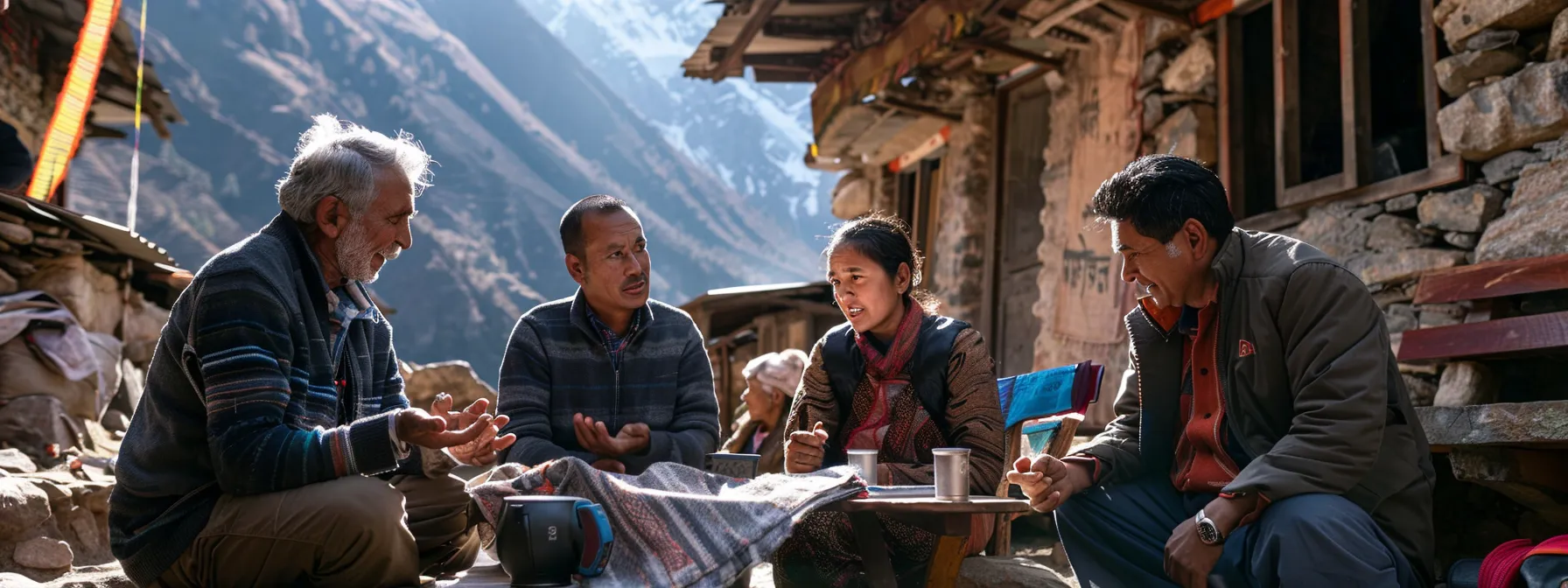
Trekking the Annapurna Circuit is not just a physical journey but a cultural odyssey. The trail winds through regions inhabited by communities such as the Gurung and Thakali, whose unique traditions and hospitality enrich the trekking experience. Engaging respectfully with locals, participating in cultural exchanges, and contributing to the local economy by purchasing authentic crafts and dining at local eateries are ways to immerse oneself in the regional culture.
Responsible travel also involves being mindful of environmental impacts. Disposing of waste properly, using water responsibly, and minimizing plastic use by carrying a reusable water bottle are important. Many villages along the circuit have embraced sustainability efforts, offering safe drinking water stations to reduce plastic waste from bottled water.
Additionally, learn a few phrases in Nepali or the local dialects to connect more deeply with villagers. Small gestures like greeting someone with “Namaste” or expressing gratitude with “Dhanyabad” can go a long way in showing respect for the local culture. Understanding religious customs and dress codes, such as avoiding shorts and sleeveless tops in sacred sites, is another aspect of ethical travel.
Ultimately, the Annapurna Circuit offers an unforgettable adventure that requires thorough preparation, keen awareness, and cultural sensitivity. Remember, the journey isn’t just about reaching the heights—it’s about the depth of encounters along the way.
Recommended Resources
Related reading: Onomichi To Imabari Cycling Route (Onomichi Guide).
Learn more about this topic in Hiroshima Castle History And Visit at Onomichi Guide.