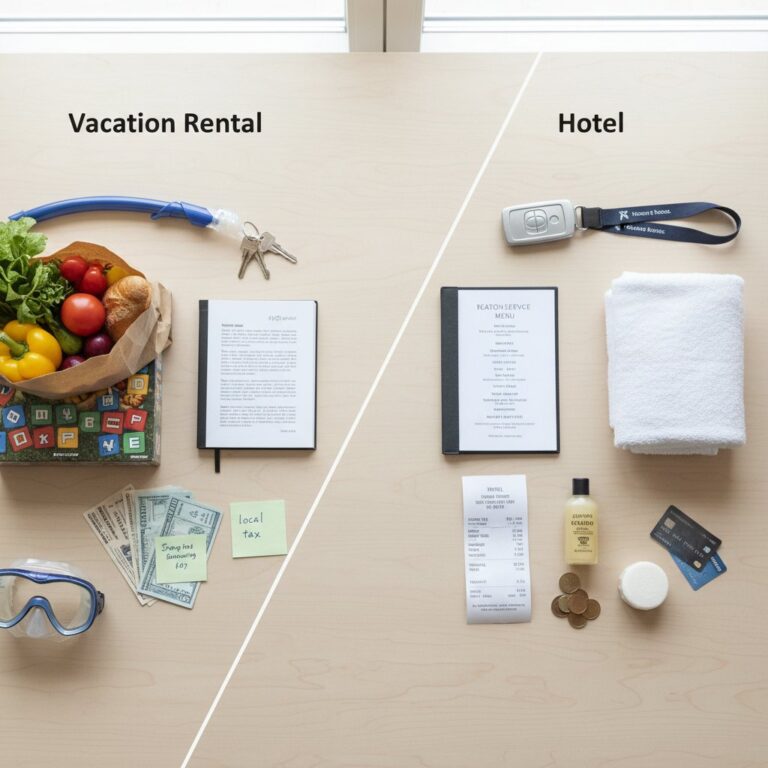

Airbnb vs. VRBO Fees: The Ultimate Guide to Understanding Costs for Guests and Hosts in 2026
Affiliate disclosure: This article may contain affiliate links. Recommendations are independent and editorially driven.
Planning a vacation or considering renting out your property? The world of short-term rentals, dominated by giants like Airbnb and VRBO, offers incredible flexibility and unique experiences. However, navigating the myriad of fees associated with these platforms can often feel like deciphering a complex financial puzzle. For both guests seeking the perfect getaway and hosts aiming to maximize their earnings, a clear understanding of Airbnb vs. VRBO fees is absolutely crucial in 2026.
This comprehensive guide dives deep into the fee structures of both platforms, dissecting every potential charge you might encounter. We’ll explore guest service fees, host commission models, cleaning fees, taxes, and those often-overlooked “hidden” costs. Our goal is to empower you with the knowledge to make informed decisions, whether you’re booking your dream vacation or optimizing your rental income. By the end of this article, you’ll be able to confidently compare Airbnb and VRBO, understand where your money is going, and implement strategies to save or earn more effectively.
Understanding the Fee Landscape: A Primer on Short-Term Rental Costs
Before we dissect the specifics of Airbnb and VRBO, it’s essential to grasp the general categories of fees that are common across most short-term rental platforms. These fees serve various purposes, from covering operational costs and payment processing to ensuring property cleanliness and compliance with local regulations. Understanding these fundamental charges will provide a solid foundation for comparing the two major players.
The Purpose of Rental Platform Fees
Rental platforms like Airbnb and VRBO aren’t just simple listing services; they offer a robust ecosystem of tools, services, and protections. The fees they charge help to sustain this infrastructure. This includes:
- Platform Maintenance & Development: Constant updates, new features, security enhancements, and server costs.
- Customer Support: 24/7 assistance for both guests and hosts, dispute resolution, and emergency services.
- Marketing & Branding: Attracting millions of users globally, which benefits both guests (more choices) and hosts (more bookings).
- Payment Processing: Securely handling transactions, currency conversions, and payouts.
- Insurance & Guarantees: Offering host protection programs and guest rebooking assistance in case of issues.
- Trust & Safety Initiatives: Identity verification, fraud prevention, and community guidelines enforcement.
Common Fee Categories for Guests and Hosts
While the exact percentages and names may vary, most fees fall into these overarching categories:
- Service Fees (Guest): This is the primary charge levied by the platform on guests for using their booking services. It’s often a percentage of the booking subtotal (the nightly rate plus any additional guest fees, but not cleaning or taxes).
- Host Commission/Service Fees (Host): This is what hosts pay to the platform for facilitating bookings, marketing their property, and providing tools. It can be a percentage of the booking total or an annual subscription.
- Cleaning Fees: Charged by the host to cover the cost of cleaning the property between guest stays. This fee is typically added to the nightly rate and can vary significantly based on property size, location, and host preferences.
- Occupancy Taxes: These are local, state, or national taxes that guests are required to pay, similar to hotel taxes. Platforms often collect and remit these on behalf of hosts, especially in regions with agreements in place.
- Additional Guest Fees: Some hosts charge extra if the number of guests exceeds a certain threshold, often to cover increased utility usage or wear and tear.
- Pet Fees: If a property is pet-friendly, hosts may charge a non-refundable fee or an additional deposit to cover potential pet-related cleaning or damage.
- Security Deposits: A refundable amount held by the platform (or pre-authorized on a credit card) to cover potential damages to the property or its contents.
Understanding these general categories sets the stage for our detailed comparison of Airbnb and VRBO’s specific fee structures.
[INLINE IMAGE 1: place after second H2 | alt=”airbnb vs vrbo fees concept illustration”]
Airbnb Fees Explained: What Guests and Hosts Pay
Airbnb, the global pioneer in the short-term rental market, has a robust and evolving fee structure designed to cater to a diverse range of properties and user preferences. Understanding these fees is paramount for both travelers seeking unique accommodations and property owners looking to capitalize on the sharing economy. Airbnb’s fee model primarily revolves around service fees for both guests and hosts, with some nuances depending on the host’s chosen setup.
Airbnb Guest Service Fees
For guests, Airbnb typically charges a “guest service fee” to cover the cost of running the platform, customer support, and payment processing. This fee is usually:
- Percentage-Based: It typically ranges from 14% to 16% of the booking subtotal (nightly rate + additional guest fees, excluding cleaning fees and taxes).
- Visible at Checkout: Airbnb is generally transparent about this fee, displaying it clearly before a guest confirms their booking. This allows guests to see the total cost upfront.
- Sometimes Lower for Longer Stays: In some instances, for very long-term stays (typically 28 nights or more), the guest service fee might be slightly lower.
It’s important to note that the guest service fee can fluctuate slightly based on the booking value and other factors, but the advertised range is a good benchmark. Guests should always review the “Total Price” breakdown before clicking “Book” to understand exactly what they are paying.
Airbnb Host Service Fees
Airbnb offers hosts two primary service fee structures:
- Split-Fee (Most Common):
- Host Pays: 3% of the booking subtotal (can be higher for Airbnb Plus hosts or those with strict cancellation policies, sometimes up to 5%).
- Guest Pays: The standard 14-16% guest service fee described above.
- How it Works: This model divides the service fee between the guest and the host. The guest sees their service fee added to the booking, and the host’s fee is automatically deducted from their payout. This is the most common model globally and is typically the default for new hosts.
- Host-Only Fee (Simplified Pricing):
- Host Pays: Typically 14% to 16% of the booking subtotal.
- Guest Pays: 0% service fee (meaning guests see no additional service charge from Airbnb).
- How it Works: With this model, the entire service fee burden is shifted to the host. Hosts using this model might adjust their nightly rates upwards to compensate for the higher fee. It’s often preferred by hotels, serviced apartments, and professional property managers who want to offer guests a “no service fee” experience, making their listing appear more attractive on first glance. This model is mandatory for certain types of listings (e.g., hotels, “software-connected” hosts in some regions).
Hosts have some flexibility in choosing their fee model, though platform defaults and regional policies can influence this. It’s crucial for hosts to understand which model they are operating under, as it directly impacts their net earnings per booking.
Other Airbnb Fees and Charges
- Cleaning Fees: Set entirely by the host. These are one-time charges added to each booking to cover the cost of cleaning the property after guest departure. Airbnb encourages hosts to be transparent and reasonable with these fees, as overly high cleaning fees can deter bookings.
- Occupancy Taxes: Airbnb collects and remits occupancy taxes on behalf of hosts in many jurisdictions worldwide. These taxes vary significantly by location and are added to the guest’s total booking cost. In areas where Airbnb does not collect and remit, hosts are responsible for understanding and remitting these taxes themselves.
- Extra Guest Fees: If a host has set an additional charge for guests beyond a certain number, this will be added to the booking subtotal.
- Security Deposits: Hosts can choose to require a security deposit, which Airbnb holds and only charges if the host reports damage within a specific timeframe after checkout. Alternatively, Airbnb’s AirCover for Hosts includes damage protection which can cover issues without a traditional security deposit.
- Currency Conversion Fees: If a guest pays in a currency different from the host’s listing currency, Airbnb may apply a small currency conversion fee, typically included in the exchange rate.
In summary, Airbnb’s fee structure is designed to be relatively straightforward for guests, with most costs consolidated into the “Total Price.” For hosts, the choice between split-fee and host-only fee models offers some strategic flexibility, influencing both pricing strategy and guest perception.
VRBO Fees Explained: Deciphering the Cost Structure
VRBO (Vacation Rentals By Owner), part of the Expedia Group, has long been a go-to platform for families and groups seeking traditional vacation homes, condos, and cabins. Its fee structure, while similar in categories to Airbnb, has some distinct differences, particularly for hosts, which can significantly impact both guest booking costs and host profitability. Understanding these specifics is key to making an informed choice between the platforms.
VRBO Guest Service Fees
Like Airbnb, VRBO charges guests a service fee for using its platform, which helps cover customer support, site maintenance, and payment processing. Here’s how it generally works:
- Percentage-Based: VRBO’s guest service fee typically ranges from 5% to 15% of the rental amount (the nightly rate, excluding taxes and cleaning fees).
- Variable Nature: The exact percentage can vary based on the booking total. Generally, lower booking totals might see a slightly higher percentage, while larger bookings might approach the lower end of the range. However, it’s capped, usually around $499 USD, preventing it from becoming excessively high on very expensive stays.
- Transparency: VRBO clearly displays the guest service fee as part of the total price breakdown before a guest confirms their reservation, ensuring transparency.
Guests using VRBO can expect to see this service fee as a separate line item, allowing them to understand the platform’s charge alongside the host’s charges. The 5-15% range is often cited as being potentially lower than Airbnb’s typical 14-16% guest fee, though direct comparison requires looking at the total price.
VRBO Host Fees: Two Distinct Models
This is where VRBO significantly diverges from Airbnb. VRBO offers hosts two distinct models for paying their platform fees:
- Per-Booking Commission (Pay-per-booking model):
- Commission Rate: Hosts pay a commission of 8% on the booking total (including the rental amount and any additional fees like cleaning or pet fees, but excluding taxes). This 8% typically includes a 3% payment processing fee, effectively making the platform’s share 5% plus payment processing.
- Flexibility: This model is ideal for hosts who rent out their property infrequently, are just starting out, or prefer not to pay an upfront annual fee. You only pay when you get a booking.
- Payment Processing Fee: An additional 3% payment processing fee is usually included within the 8% commission. If a host opts out of VRBO’s payment processing and uses their own, this 3% might be removed from the commission, but it’s rare for individual hosts to do so.
- Annual Subscription Fee:
- Upfront Cost: Hosts pay a flat annual fee of $499 USD (this price can sometimes vary slightly with promotions).
- Commission: With the subscription model, hosts pay 0% commission on bookings.
- Payment Processing Fee: However, hosts are still subject to a separate 3% payment processing fee on the booking total for each reservation.
- Best For: This model is more suitable for hosts with consistently high occupancy rates and significant rental income. By paying the upfront fee, they can save money on commissions over time, especially if their rental income exceeds what the 8% commission would amount to.
The choice between per-booking and annual subscription is a critical decision for VRBO hosts, directly impacting their overall profitability. A host with an annual rental income over approximately $6,000-$7,000 USD might find the annual subscription more cost-effective, but careful calculation based on projected bookings is necessary.
[INLINE IMAGE 2: place after fourth H2 | alt=”airbnb vs vrbo fees comparison illustration”]
Other VRBO Fees and Charges
- Cleaning Fees: As with Airbnb, hosts set their own cleaning fees on VRBO. These are added to the guest’s total and paid to the host to cover post-stay cleaning.
- Occupancy Taxes: VRBO facilitates the collection and remittance of occupancy taxes in many areas. Where they don’t, hosts are responsible. These taxes are an additional charge to the guest.
- Extra Guest Fees: Hosts can configure additional charges for guests beyond a specified number.
- Pet Fees: If a property allows pets, hosts can add a non-refundable pet fee.
- Security Deposits: VRBO allows hosts to require a refundable security deposit to cover potential damages. This is typically collected by VRBO and held until after checkout.
- Refundable Damage Deposits vs. Damage Protection: VRBO also offers damage protection insurance options for guests, which is different from a traditional security deposit and is typically a non-refundable upfront payment that covers a certain amount of accidental damage.
VRBO’s strength lies in its focus on traditional vacation rentals and its flexible fee models for hosts. Guests will find a transparent service fee, and hosts have the distinct advantage of choosing a fee structure that aligns best with their business volume. Understanding these different host models is crucial for optimizing your rental strategy.
A Side-by-Side Comparison: Airbnb vs. VRBO Fees at a Glance
To truly understand the implications of Airbnb vs. VRBO fees, it’s helpful to see a direct comparison of their primary charges and fee structures. While specific percentages can vary slightly based on booking value, host status, and regional factors, this table provides a general overview of what guests and hosts can expect on each platform in 2026.
This comparison table aims to distill the key fee differences, making it easier to decide which platform might be more cost-effective for your specific needs, whether you’re a traveler or a property owner.
| Fee Category | Airbnb | VRBO |
|---|---|---|
| Guest Service Fee | Typically 14% – 16% of booking subtotal (excluding cleaning/taxes). Sometimes lower for long stays. | Typically 5% – 15% of rental amount (excluding cleaning/taxes), capped around $499 USD. Generally lower than Airbnb’s guest fee. |
| Host Fee Model(s) | 1. Split-Fee (Default): Host pays 3% (or 4-5% for Plus/strict cancellation) + Guest pays 14-16%. 2. Host-Only Fee: Host pays 14-16% + Guest pays 0%. (Mandatory for some professional hosts). |
1. Per-Booking Commission: Host pays 8% of total booking (includes 3% payment processing fee). 2. Annual Subscription: Host pays $499 USD/year + 3% payment processing fee per booking. |
| Average Cleaning Fee | Set by Host. Varies widely by property size, location, and host. Paid by guest. | Set by Host. Varies widely by property size, location, and host. Paid by guest. |
| Occupancy Taxes | Collected and remitted by Airbnb in many jurisdictions. Added to guest’s total. Hosts responsible where not collected. | Collected and remitted by VRBO in many jurisdictions. Added to guest’s total. Hosts responsible where not collected. |
| Payment Processing Fee | Integrated into host service fee; no separate line item for hosts in most cases. | Included in 8% commission (per-booking) or a separate 3% for subscription hosts. |
| Security Deposit Options | Host can set a refundable deposit (held by Airbnb) OR rely on AirCover damage protection. | Host can set a refundable deposit (held by VRBO) OR offer/recommend Damage Protection Insurance. |
| Types of Properties | Wide variety: rooms, apartments, houses, unique stays (treehouses, igloos), experiences. | Primarily whole homes, condos, cabins, traditional vacation rentals. Less focus on shared spaces or unique “experiences.” |
| Target Audience | Diverse travelers: solo, couples, families, business. Values unique experiences, local immersion. | Primarily families and groups seeking full homes. Values privacy, space, and amenities. |
Key Takeaways from the Comparison
- Guest Fees: VRBO generally boasts a slightly lower guest service fee percentage range (5-15%) compared to Airbnb (14-16%). However, the ultimate “best deal” always comes down to the total price, including nightly rates, cleaning fees, and taxes.
- Host Fees: This is the most significant differentiator. Airbnb primarily uses a percentage-based host fee (either split or host-only), while VRBO offers a choice between a per-booking commission (8%) and an annual subscription ($499 + 3% processing). For high-volume hosts, VRBO’s subscription model can be more cost-effective.
- Property Types: Airbnb offers a broader range of listing types, from shared rooms to unique stays, appealing to a wider demographic. VRBO is more focused on traditional, entire vacation homes, making it a strong contender for family and group travel.
- Transparency: Both platforms have made strides in recent years to display total prices more clearly to guests upfront, though the exact breakdown can still require careful review.
Ultimately, the “better” platform depends heavily on individual circumstances. Guests prioritizing unique experiences and a wide array of options might lean towards Airbnb, while those seeking traditional whole-home rentals for groups might prefer VRBO. For hosts, a careful calculation of expected bookings and revenue is essential when deciding between VRBO’s commission and subscription models, or Airbnb’s host-only fee versus the split fee.
Hidden Costs and Unexpected Charges: What to Watch Out For
While both Airbnb and VRBO have made efforts to increase transparency regarding their fees, the total cost of a vacation rental can sometimes include charges that aren’t immediately obvious or might catch first-time users by surprise. Understanding these “hidden” or less common costs is crucial for accurate budgeting and avoiding unwelcome surprises.
Beyond the Core Fees: Charges You Might Encounter
- Security Deposits vs. Damage Protection:
- Security Deposits: Both platforms allow hosts to require a refundable security deposit. This amount isn’t typically charged upfront but is pre-authorized on your credit card and only processed if damage occurs. However, it can temporarily reduce your available credit limit.
- Damage Protection Insurance: Some hosts, particularly on VRBO, might offer or require guests to purchase non-refundable damage protection insurance instead of a traditional security deposit. This is an upfront cost that covers accidental damages up to a certain limit, but it’s not refundable if no damage occurs.
- Pet Fees: If you’re traveling with furry friends, expect to pay a pet fee. This can be a one-time non-refundable charge, an additional nightly fee, or an increased cleaning fee, depending on the host. Always check the listing details carefully if you plan to bring pets.
- Extra Guest Fees: Many hosts set a base price for a certain number of guests (e.g., 4 people) and charge an additional fee per person beyond that. This covers increased utility usage, wear and tear, and often, additional cleaning time. Make sure your guest count is accurate when booking.
- Resort Fees or Amenity Fees (Less Common but Possible): While more typical in hotels, some professionally managed vacation rentals, particularly those within larger resort complexes or condo associations, might levy a separate “resort fee” for access to shared amenities like pools, gyms, or shuttles. These should be clearly disclosed in the listing.
- Early Check-in/Late Check-out Fees: If you request to check in before the standard time or check out later, hosts may charge an additional fee to accommodate this, as it can impact their cleaning schedule or the next booking.
- Cancellation Policy Penalties: While not a “fee” in the traditional sense, understanding a host’s cancellation policy is vital. Canceling outside the free cancellation window can result in losing a significant portion, or even all, of your booking payment. Both Airbnb and VRBO have various cancellation tiers (flexible, moderate, strict, etc.).
- Currency Conversion Fees: If you’re booking a property listed in a different currency than your payment method, your bank or the platform itself might charge a small fee for currency conversion. This can add a small percentage to your total cost.
- Local Tourism or Environmental Taxes: Beyond standard occupancy taxes collected by the platform, some regions have additional, smaller tourism or environmental levies that might be collected directly by the host upon arrival, though this is becoming less common as platforms streamline tax collection.
How to Avoid Surprises
The best way to avoid unexpected charges is thorough research and clear communication:
- Read the Listing Details Carefully: Don’t just skim. Look for sections on “House Rules,” “Additional Fees,” “Other things to note,” and the specific breakdown of charges during the booking process.
- Review the Total Price Breakdown: Before confirming your booking, both Airbnb and VRBO will show you a detailed breakdown of all charges, including nightly rate, service fees, cleaning fees, and taxes. Scrutinize this section.
- Communicate with the Host: If anything is unclear, or you have specific needs (e.g., bringing a pet, needing a late check-out), message the host through the platform’s messaging system before booking. Get any agreements in writing via the platform’s chat.
- Understand Cancellation Policies: Always know what you’re agreeing to regarding cancellations. Consider travel insurance if you anticipate needing flexibility.
By being diligent and proactive, guests can minimize the chances of encountering any unwelcome financial surprises and ensure their vacation planning remains smooth and stress-free. For hosts, transparently listing all potential charges upfront builds trust and prevents negative reviews.
Strategies for Minimizing Fees: Tips for Guests
For travelers, navigating the various fees on Airbnb and VRBO can feel like a game of whack-a-mole. However, with a strategic approach, guests can significantly reduce the total cost of their short-term rental booking. It’s not always about finding the cheapest nightly rate, but rather optimizing the entire fee structure to get the best value.
1. Compare Total Prices, Not Just Nightly Rates
This is arguably the most important tip. Cleaning fees, service fees, and taxes can add 20-50% (or more!) to the advertised nightly rate. Always use the “Total Price” filter on both platforms when searching or carefully review the full breakdown before booking. A cheaper nightly rate might have a disproportionately high cleaning fee, making it more expensive than a property with a slightly higher nightly rate but reasonable additional charges.
2. Be Mindful of Cleaning Fees and Stay Length
Cleaning fees are typically one-time charges per booking. This means they have a much larger impact on short stays (1-2 nights) than on longer stays (7+ nights). If you’re staying for only a weekend, a $100 cleaning fee significantly inflates your per-night cost. Strategies include:
- Book Longer Stays: If your travel plans are flexible, consolidating multiple short trips into one longer stay can spread the cleaning fee cost over more nights, reducing your effective per-night expense.
- Consider “No Cleaning Fee” Listings: Some hosts, especially on Airbnb with the Host-Only fee model, might advertise “no cleaning fee,” absorbing it into their nightly rate. While the total price might be similar, it can sometimes offer better value for very short stays.
- Look for Lower Cleaning Fees: Actively filter or sort by properties with lower cleaning fees if you know you’re planning a short trip.
3. Leverage VRBO’s Potentially Lower Guest Service Fee
As noted in the comparison, VRBO’s guest service fee (5-15%) can often be lower than Airbnb’s (14-16%). For certain bookings, especially those with higher nightly rates where the service fee percentage plays a larger role, checking VRBO first could yield savings. This is particularly true for traditional vacation homes.
4. Book Directly (If Possible and Safe)
Once you’ve stayed at a property and built a relationship with a host, some hosts might offer the option to book directly for future stays, bypassing platform fees entirely. However, this comes with risks as you lose the protections offered by the platform (payment security, dispute resolution, insurance). Only consider this with trusted hosts and understand the risks involved. It is generally not recommended for first-time bookings.
5. Be Accurate with Guest Count
Ensure your guest count is accurate when searching and booking. Adding more guests later might incur additional guest fees that were not initially factored into your budget. If your plans change, update your booking details promptly.
6. Understand and Utilize Cancellation Policies
Familiarize yourself with the host’s cancellation policy before booking. If your plans are uncertain, opt for listings with more flexible cancellation terms, even if they are slightly more expensive. This can save you from losing significant funds if you need to cancel.
7. Look for Discounts and Promotions
Both platforms occasionally offer seasonal promotions or discounts for longer stays (e.g., weekly or monthly discounts). Hosts also sometimes offer last-minute discounts to fill vacant dates. Keep an eye out for these opportunities.
8. Consider New Listings
New hosts on both platforms often price their properties competitively and may have lower cleaning fees or offer introductory discounts to attract their first bookings and reviews. While reviews might be sparse, it can be a way to find good value.
By thoughtfully applying these strategies, guests can effectively manage and minimize the overall fees associated with their vacation rental bookings, leading to a more budget-friendly and enjoyable travel experience.
Optimizing Your Earnings: Fee Management Strategies for Hosts
For hosts, the various fees on Airbnb and VRBO directly impact profitability. While some fees are fixed by the platforms, hosts have significant control over how they manage and present their own charges, such as cleaning fees, extra guest fees, and pricing strategies. Mastering fee management is crucial for maximizing income, attracting bookings, and maintaining a competitive edge in 2026.
1. Strategic Pricing: Accounting for Platform Fees
Your nightly rate should not just cover your costs but also account for the platform’s host service fees. Whether you’re on Airbnb’s split-fee (3-5%), host-only (14-16%), or VRBO’s 8% commission, factor this deduction into your pricing model. For VRBO’s annual subscription, remember to amortize the $499 annual fee across your projected bookings. Smart hosts often increase their nightly rate slightly to absorb a portion of the guest service fee, making the total price more competitive if the guest is comparing listings with varying fee structures.
- Airbnb Host-Only Fee Strategy: If you’re on Airbnb’s host-only fee model, you’re paying the full 14-16%. You will likely need to price your nightly rate higher than if you were on the split-fee model to achieve the same net payout. This can be beneficial if you want guests to see a “0% service fee” for Airbnb, which can be a psychological draw.
- VRBO Subscription Model Calculation: Calculate your break-even point. If your annual rental income (before the 3% processing fee) exceeds $6,238 USD (approx. $499 / 0.08), the annual subscription will likely be more profitable than the 8% commission.
2. Optimizing Cleaning Fees
Cleaning fees are a common point of frustration for guests, especially on short stays. While essential, an excessively high cleaning fee can deter bookings. Consider these strategies:
- Calculate Accurately: Base your cleaning fee on actual costs (cleaner’s wages, supplies). Don’t try to make a profit from the cleaning fee; it should be cost-recovery.
- Consider Your Target Audience & Stay Length: If you primarily attract short-stay guests, a high cleaning fee will be a major barrier. You might consider a slightly higher nightly rate and a lower cleaning fee, or even integrating a small “cleaning allowance” into your nightly rate for very short stays.
- Offer a “Light Clean” Option (Rare, but Possible): For very short, budget-conscious stays, some hosts might offer a slightly reduced cleaning fee if guests agree to perform certain light cleaning tasks (e.g., taking out trash, stripping beds). This requires clear communication.
- Discounts for Longer Stays: Consider reducing the cleaning fee or offering a deeper discount on the nightly rate for longer bookings (e.g., weekly or monthly) where the cleaning cost is spread out over more nights.
3. Transparent Communication About All Charges
Transparency builds trust. Ensure all potential charges are clearly outlined in your listing description, house rules, and any direct communications. This includes:
- Extra guest fees (beyond your base number).
- Pet fees and any specific pet rules.
- Security deposit requirements.
- Any specific rules that could incur additional charges (e.g., excessive mess, unapproved late check-out).
Clear expectations upfront reduce the likelihood of negative reviews or disputes later on. Effective communication is the cornerstone of a successful vacation rental business.
4. Managing Occupancy Taxes
Understand your local and state tax obligations. In many areas, both Airbnb and VRBO collect and remit occupancy taxes on your behalf. However, in some regions, you are still responsible. Verify this for your specific location and ensure you are compliant. Factor these into your overall pricing strategy, as they add to the guest’s total cost.
5. Strategic Use of Security Deposits and Damage Protection
Decide whether to use a traditional refundable security deposit or rely on platform-provided damage protection. While security deposits can deter some guests, they offer a tangible recourse for damage. AirCover for Hosts (Airbnb) and Damage Protection Insurance (VRBO) offer peace of mind, but understand their coverage limits and claim processes.
6. Dynamic Pricing and Discounts
Utilize the platforms’ dynamic pricing tools or third-party software to adjust your nightly rates based on demand, seasonality, and local events. Offering weekly or monthly discounts can encourage longer stays, which amortize cleaning fees and provide more predictable income. Last-minute discounts can also help fill otherwise vacant dates.
7. Focus on Value, Not Just Price
While fees are important, guests also seek value. Invest in amenities, provide excellent hospitality, and maintain a pristine property. A well-regarded property with glowing reviews can command slightly higher rates and fees, as guests are willing to pay for a superior experience. Differentiate your listing beyond just price point.
By implementing these fee management strategies, hosts can optimize their earnings, attract more bookings, and provide a transparent and positive experience for their guests, ultimately leading to a thriving short-term rental business.
The Impact of Fee Structures on Booking Decisions and Profitability
The intricate web of fees woven by Airbnb and VRBO does more than just add line items to a bill; it profoundly influences both guest booking behavior and host profitability. Understanding this impact is vital for making strategic decisions, whether you’re planning a trip or managing a property in 2026.
For Guests: Perceived Value and Decision-Making
- The “Total Price” Movement: Guests are increasingly savvy. The industry trend towards displaying the “total price” (including nightly rate, service fees, cleaning fees, and taxes) upfront has made the comparison of Airbnb vs. VRBO fees more direct. This transparency means guests are less likely to be surprised, but it also means they are scrutinizing the overall cost more closely.
- Impact of Cleaning Fees: High cleaning fees, particularly for short stays, are a frequent complaint. A guest searching for a single-night stay will heavily weigh a $100 cleaning fee, which could double their effective nightly rate. This can push guests towards hotels or listings with lower cleaning fees. Hosts who understand this may adjust their cleaning fee or overall pricing strategy accordingly.
- Platform Preference: Some guests develop a preference for one platform over the other based on perceived fairness of fees. If a guest consistently finds VRBO’s guest service fees lower for the types of properties they book (e.g., traditional whole-home rentals), they may default to VRBO for future searches. Conversely, guests seeking unique stays or rooms might find Airbnb’s selection justifies its fees.
- Budget Sensitivity: For budget-conscious travelers, even a few percentage points difference in service fees can sway their decision. They are more likely to spend extra time comparing identical or similar properties across both platforms to find the lowest total cost.
For Hosts: Profitability and Competitive Strategy
- Net Payout Discrepancies: The differing host fee structures on Airbnb and VRBO directly lead to different net payouts for hosts, even for bookings of the same value. A host on Airbnb’s split-fee (3%) will earn more than a host on VRBO’s 8% commission for the same gross booking value, assuming no annual subscription. However, a high-volume VRBO host on the annual subscription could potentially earn more than an Airbnb host on the 14-16% host-only fee.
- Pricing Flexibility and Control: Hosts need to decide whether to absorb more of the fees into their nightly rate or let the platforms add them separately. The host-only fee on Airbnb gives hosts more control over the “total price” presented to guests, potentially making their listing look more attractive initially, but requires a higher base price to maintain profitability.
- Platform Choice for Diverse Portfolios: Property managers with multiple listings might strategically choose different platforms for different types of properties. A high-end, frequently booked vacation home might thrive on VRBO’s annual subscription model, while a unique city apartment might perform better on Airbnb due to its broader audience and unique search filters.
- Conversion Rates: Guest perception of fees can impact conversion rates. A transparent pricing strategy, even if the total price is higher, often converts better than a listing where numerous hidden fees are revealed only at the final checkout step. Hosts who are clear about their cleaning fees, for example, tend to receive better reviews regarding value.
- Tax Implications: The way fees are structured can also have different tax implications for hosts, depending on local regulations and how platform fees are categorized as business expenses.
In essence,
Airbnb vs. VRBO Fees: The Ultimate Guide to Understanding Costs for Guests and Hosts in 2026
Affiliate disclosure: This article may contain affiliate links. Recommendations are independent and editorially driven.
Planning a vacation or considering renting out your property? The world of short-term rentals, dominated by giants like Airbnb and VRBO, offers incredible flexibility and unique experiences. However, navigating the myriad of fees associated with these platforms can often feel like deciphering a complex financial puzzle. For both guests seeking the perfect getaway and hosts aiming to maximize their earnings, a clear understanding of Airbnb vs. VRBO fees is absolutely crucial in 2026.
This comprehensive guide dives deep into the fee structures of both platforms, dissecting every potential charge you might encounter. We’ll explore guest service fees, host commission models, cleaning fees, taxes, and those often-overlooked “hidden” costs. Our goal is to empower you with the knowledge to make informed decisions, whether you’re booking your dream vacation or optimizing your rental income. By the end of this article, you’ll be able to confidently compare Airbnb and VRBO, understand where your money is going, and implement strategies to save or earn more effectively.
Understanding the Fee Landscape: A Primer on Short-Term Rental Costs
Before we dissect the specifics of Airbnb and VRBO, it’s essential to grasp the general categories of fees that are common across most short-term rental platforms. These fees serve various purposes, from covering operational costs and payment processing to ensuring property cleanliness and compliance with local regulations. Understanding these fundamental charges will provide a solid foundation for comparing the two major players.
The Purpose of Rental Platform Fees
Rental platforms like Airbnb and VRBO aren’t just simple listing services; they offer a robust ecosystem of tools, services, and protections. The fees they charge help to sustain this infrastructure. This includes:
- Platform Maintenance & Development: Constant updates, new features, security enhancements, and server costs.
- Customer Support: 24/7 assistance for both guests and hosts, dispute resolution, and emergency services.
- Marketing & Branding: Attracting millions of users globally, which benefits both guests (more choices) and hosts (more bookings).
- Payment Processing: Securely handling transactions, currency conversions, and payouts.
- Insurance & Guarantees: Offering host protection programs and guest rebooking assistance in case of issues.
- Trust & Safety Initiatives: Identity verification, fraud prevention, and community guidelines enforcement.
Common Fee Categories for Guests and Hosts
While the exact percentages and names may vary, most fees fall into these overarching categories:
- Service Fees (Guest): This is the primary charge levied by the platform on guests for using their booking services. It’s often a percentage of the booking subtotal (the nightly rate plus any additional guest fees, but not cleaning or taxes).
- Host Commission/Service Fees (Host): This is what hosts pay to the platform for facilitating bookings, marketing their property, and providing tools. It can be a percentage of the booking total or an annual subscription.
- Cleaning Fees: Charged by the host to cover the cost of cleaning the property between guest stays. This fee is typically added to the nightly rate and can vary significantly based on property size, location, and host preferences.
- Occupancy Taxes: These are local, state, or national taxes that guests are required to pay, similar to hotel taxes. Platforms often collect and remit these on behalf of hosts, especially in regions with agreements in place.
- Additional Guest Fees: Some hosts charge extra if the number of guests exceeds a certain threshold, often to cover increased utility usage or wear and tear.
- Pet Fees: If a property is pet-friendly, hosts may charge a non-refundable fee or an additional deposit to cover potential pet-related cleaning or damage.
- Security Deposits: A refundable amount held by the platform (or pre-authorized on a credit card) to cover potential damages to the property or its contents.
Understanding these general categories sets the stage for our detailed comparison of Airbnb and VRBO’s specific fee structures.
[INLINE IMAGE 1: place after second H2 | alt=”airbnb vs vrbo fees concept illustration”]
Airbnb Fees Explained: What Guests and Hosts Pay
Airbnb, the global pioneer in the short-term rental market, has a robust and evolving fee structure designed to cater to a diverse range of properties and user preferences. Understanding these fees is paramount for both travelers seeking unique accommodations and property owners looking to capitalize on the sharing economy. Airbnb’s fee model primarily revolves around service fees for both guests and hosts, with some nuances depending on the host’s chosen setup.
Airbnb Guest Service Fees
For guests, Airbnb typically charges a “guest service fee” to cover the cost of running the platform, customer support, and payment processing. This fee is usually:
- Percentage-Based: It typically ranges from 14% to 16% of the booking subtotal (nightly rate + additional guest fees, excluding cleaning fees and taxes).
- Visible at Checkout: Airbnb is generally transparent about this fee, displaying it clearly before a guest confirms their booking. This allows guests to see the total cost upfront.
- Sometimes Lower for Longer Stays: In some instances, for very long-term stays (typically 28 nights or more), the guest service fee might be slightly lower.
It’s important to note that the guest service fee can fluctuate slightly based on the booking value and other factors, but the advertised range is a good benchmark. Guests should always review the “Total Price” breakdown before clicking “Book” to understand exactly what they are paying.
Airbnb Host Service Fees
Airbnb offers hosts two primary service fee structures:
- Split-Fee (Most Common):
- Host Pays: 3% of the booking subtotal (can be higher for Airbnb Plus hosts or those with strict cancellation policies, sometimes up to 5%).
- Guest Pays: The standard 14-16% guest service fee described above.
- How it Works: This model divides the service fee between the guest and the host. The guest sees their service fee added to the booking, and the host’s fee is automatically deducted from their payout. This is the most common model globally and is typically the default for new hosts.
- Host-Only Fee (Simplified Pricing):
- Host Pays: Typically 14% to 16% of the booking subtotal.
- Guest Pays: 0% service fee (meaning guests see no additional service charge from Airbnb).
- How it Works: With this model, the entire service fee burden is shifted to the host. Hosts using this model might adjust their nightly rates upwards to compensate for the higher fee. It’s often preferred by hotels, serviced apartments, and professional property managers who want to offer guests a “no service fee” experience, making their listing appear more attractive on first glance. This model is mandatory for certain types of listings (e.g., hotels, “software-connected” hosts in some regions).
Hosts have some flexibility in choosing their fee model, though platform defaults and regional policies can influence this. It’s crucial for hosts to understand which model they are operating under, as it directly impacts their net earnings per booking.
Other Airbnb Fees and Charges
- Cleaning Fees: Set entirely by the host. These are one-time charges added to each booking to cover the cost of cleaning the property after guest departure. Airbnb encourages hosts to be transparent and reasonable with these fees, as overly high cleaning fees can deter bookings.
- Occupancy Taxes: Airbnb collects and remits occupancy taxes on behalf of hosts in many jurisdictions worldwide. These taxes vary significantly by location and are added to the guest’s total booking cost. In areas where Airbnb does not collect and remit, hosts are responsible for understanding and remitting these taxes themselves.
- Extra Guest Fees: If a host has set an additional charge for guests beyond a certain number, this will be added to the booking subtotal.
- Security Deposits: Hosts can choose to require a security deposit, which Airbnb holds and only charges if the host reports damage within a specific timeframe after checkout. Alternatively, Airbnb’s AirCover for Hosts includes damage protection which can cover issues without a traditional security deposit.
- Currency Conversion Fees: If a guest pays in a currency different from the host’s listing currency, Airbnb may apply a small currency conversion fee, typically included in the exchange rate.
In summary, Airbnb’s fee structure is designed to be relatively straightforward for guests, with most costs consolidated into the “Total Price.” For hosts, the choice between split-fee and host-only fee models offers some strategic flexibility, influencing both pricing strategy and guest perception.
VRBO Fees Explained: Deciphering the Cost Structure
VRBO (Vacation Rentals By Owner), part of the Expedia Group, has long been a go-to platform for families and groups seeking traditional vacation homes, condos, and cabins. Its fee structure, while similar in categories to Airbnb, has some distinct differences, particularly for hosts, which can significantly impact both guest booking costs and host profitability. Understanding these specifics is key to making an informed choice between the platforms.
VRBO Guest Service Fees
Like Airbnb, VRBO charges guests a service fee for using its platform, which helps cover customer support, site maintenance, and payment processing. Here’s how it generally works:
- Percentage-Based: VRBO’s guest service fee typically ranges from 5% to 15% of the rental amount (the nightly rate, excluding taxes and cleaning fees).
- Variable Nature: The exact percentage can vary based on the booking total. Generally, lower booking totals might see a slightly higher percentage, while larger bookings might approach the lower end of the range. However, it’s capped, usually around $499 USD, preventing it from becoming excessively high on very expensive stays.
- Transparency: VRBO clearly displays the guest service fee as part of the total price breakdown before a guest confirms their reservation, ensuring transparency.
Guests using VRBO can expect to see this service fee as a separate line item, allowing them to understand the platform’s charge alongside the host’s charges. The 5-15% range is often cited as being potentially lower than Airbnb’s typical 14-16% guest fee, though direct comparison requires looking at the total price.
VRBO Host Fees: Two Distinct Models
This is where VRBO significantly diverges from Airbnb. VRBO offers hosts two distinct models for paying their platform fees:
- Per-Booking Commission (Pay-per-booking model):
- Commission Rate: Hosts pay a commission of 8% on the booking total (including the rental amount and any additional fees like cleaning or pet fees, but excluding taxes). This 8% typically includes a 3% payment processing fee, effectively making the platform’s share 5% plus payment processing.
- Flexibility: This model is ideal for hosts who rent out their property infrequently, are just starting out, or prefer not to pay an upfront annual fee. You only pay when you get a booking.
- Payment Processing Fee: An additional 3% payment processing fee is usually included within the 8% commission. If a host opts out of VRBO’s payment processing and uses their own, this 3% might be removed from the commission, but it’s rare for individual hosts to do so.
- Annual Subscription Fee:
- Upfront Cost: Hosts pay a flat annual fee of $499 USD (this price can sometimes vary slightly with promotions).
- Commission: With the subscription model, hosts pay 0% commission on bookings.
- Payment Processing Fee: However, hosts are still subject to a separate 3% payment processing fee on the booking total for each reservation.
- Best For: This model is more suitable for hosts with consistently high occupancy rates and significant rental income. By paying the upfront fee, they can save money on commissions over time, especially if their rental income exceeds what the 8% commission would amount to.
The choice between per-booking and annual subscription is a critical decision for VRBO hosts, directly impacting their overall profitability. A host with an annual rental income over approximately $6,000-$7,000 USD might find the annual subscription more cost-effective, but careful calculation based on projected bookings is necessary.
[INLINE IMAGE 2: place after fourth H2 | alt=”airbnb vs vrbo fees comparison illustration”]
Other VRBO Fees and Charges
- Cleaning Fees: As with Airbnb, hosts set their own cleaning fees on VRBO. These are added to the guest’s total and paid to the host to cover post-stay cleaning.
- Occupancy Taxes: VRBO facilitates the collection and remittance of occupancy taxes in many areas. Where they don’t, hosts are responsible. These taxes are an additional charge to the guest.
- Extra Guest Fees: Hosts can configure additional charges for guests beyond a specified number.
- Pet Fees: If a property allows pets, hosts can add a non-refundable pet fee.
- Security Deposits: VRBO allows hosts to require a refundable security deposit to cover potential damages. This is typically collected by VRBO and held until after checkout.
- Refundable Damage Deposits vs. Damage Protection: VRBO also offers damage protection insurance options for guests, which is different from a traditional security deposit and is typically a non-refundable upfront payment that covers a certain amount of accidental damage.
VRBO’s strength lies in its focus on traditional vacation rentals and its flexible fee models for hosts. Guests will find a transparent service fee, and hosts have the distinct advantage of choosing a fee structure that aligns best with their business volume. Understanding these different host models is crucial for optimizing your rental strategy.
A Side-by-Side Comparison: Airbnb vs. VRBO Fees at a Glance
To truly understand the implications of Airbnb vs. VRBO fees, it’s helpful to see a direct comparison of their primary charges and fee structures. While specific percentages can vary slightly based on booking value, host status, and regional factors, this table provides a general overview of what guests and hosts can expect on each platform in 2026.
This comparison table aims to distill the key fee differences, making it easier to decide which platform might be more cost-effective for your specific needs, whether you’re a traveler or a property owner.
| Fee Category | Airbnb | VRBO |
|---|---|---|
| Guest Service Fee | Typically 14% – 16% of booking subtotal (excluding cleaning/taxes). Sometimes lower for long stays. | Typically 5% – 15% of rental amount (excluding cleaning/taxes), capped around $499 USD. Generally lower than Airbnb’s guest fee. |
| Host Fee Model(s) | 1. Split-Fee (Default): Host pays 3% (or 4-5% for Plus/strict cancellation) + Guest pays 14-16%. 2. Host-Only Fee: Host pays 14-16% + Guest pays 0%. (Mandatory for some professional hosts). |
1. Per-Booking Commission: Host pays 8% of total booking (includes 3% payment processing fee). 2. Annual Subscription: Host pays $499 USD/year + 3% payment processing fee per booking. |
| Average Cleaning Fee | Set by Host. Varies widely by property size, location, and host. Paid by guest. | Set by Host. Varies widely by property size, location, and host. Paid by guest. |
| Occupancy Taxes | Collected and remitted by Airbnb in many jurisdictions. Added to guest’s total. Hosts responsible where not collected. | Collected and remitted by VRBO in many jurisdictions. Added to guest’s total. Hosts responsible where not collected. |
| Payment Processing Fee | Integrated into host service fee; no separate line item for hosts in most cases. | Included in 8% commission (per-booking) or a separate 3% for subscription hosts. |
| Security Deposit Options | Host can set a refundable deposit (held by Airbnb) OR rely on AirCover damage protection. | Host can set a refundable deposit (held by VRBO) OR offer/recommend Damage Protection Insurance. |
| Types of Properties | Wide variety: rooms, apartments, houses, unique stays (treehouses, igloos), experiences. | Primarily whole homes, condos, cabins, traditional vacation rentals. Less focus on shared spaces or unique “experiences.” |
| Target Audience | Diverse travelers: solo, couples, families, business. Values unique experiences, local immersion. | Primarily families and groups seeking full homes. Values privacy, space, and amenities. |
Key Takeaways from the Comparison
- Guest Fees: VRBO generally boasts a slightly lower guest service fee percentage range (5-15%) compared to Airbnb (14-16%). However, the ultimate “best deal” always comes down to the total price, including nightly rates, cleaning fees, and taxes.
- Host Fees: This is the most significant differentiator. Airbnb primarily uses a percentage-based host fee (either split or host-only), while VRBO offers a choice between a per-booking commission (8%) and an annual subscription ($499 + 3% processing). For high-volume hosts, VRBO’s subscription model can be more cost-effective.
- Property Types: Airbnb offers a broader range of listing types, from shared rooms to unique stays, appealing to a wider demographic. VRBO is more focused on traditional, entire vacation homes, making it a strong contender for family and group travel.
- Transparency: Both platforms have made strides in recent years to display total prices more clearly to guests upfront, though the exact breakdown can still require careful review.
Ultimately, the “better” platform depends heavily on individual circumstances. Guests prioritizing unique experiences and a wide array of options might lean towards Airbnb, while those seeking traditional whole-home rentals for groups might prefer VRBO. For hosts, a careful calculation of expected bookings and revenue is essential when deciding between VRBO’s commission and subscription models, or Airbnb’s host-only fee versus the split fee.
Hidden Costs and Unexpected Charges: What to Watch Out For
While both Airbnb and VRBO have made efforts to increase transparency regarding their fees, the total cost of a vacation rental can sometimes include charges that aren’t immediately obvious or might catch first-time users by surprise. Understanding these “hidden” or less common costs is crucial for accurate budgeting and avoiding unwelcome surprises.
Beyond the Core Fees: Charges You Might Encounter
- Security Deposits vs. Damage Protection:
- Security Deposits: Both platforms allow hosts to require a refundable security deposit. This amount isn’t typically charged upfront but is pre-authorized on your credit card and only processed if damage occurs. However, it can temporarily reduce your available credit limit.
- Damage Protection Insurance: Some hosts, particularly on VRBO, might offer or require guests to purchase non-refundable damage protection insurance instead of a traditional security deposit. This is an upfront cost that covers accidental damages up to a certain limit, but it’s not refundable if no damage occurs.
- Pet Fees: If you’re traveling with furry friends, expect to pay a pet fee. This can be a one-time non-refundable charge, an additional nightly fee, or an increased cleaning fee, depending on the host. Always check the listing details carefully if you plan to bring pets.
- Extra Guest Fees: Many hosts set a base price for a certain number of guests (e.g., 4 people) and charge an additional fee per person beyond that. This covers increased utility usage, wear and tear, and often, additional cleaning time. Make sure your guest count is accurate when booking.
- Resort Fees or Amenity Fees (Less Common but Possible): While more typical in hotels, some professionally managed vacation rentals, particularly those within larger resort complexes or condo associations, might levy a separate “resort fee” for access to shared amenities like pools, gyms, or shuttles. These should be clearly disclosed in the listing.
- Early Check-in/Late Check-out Fees: If you request to check in before the standard time or check out later, hosts may charge an additional fee to accommodate this, as it can impact their cleaning schedule or the next booking.
- Cancellation Policy Penalties: While not a “fee” in the traditional sense, understanding a host’s cancellation policy is vital. Canceling outside the free cancellation window can result in losing a significant portion, or even all, of your booking payment. Both Airbnb and VRBO have various cancellation tiers (flexible, moderate, strict, etc.).
- Currency Conversion Fees: If you’re booking a property listed in a different currency than your payment method, your bank or the platform itself might charge a small fee for currency conversion. This can add a small percentage to your total cost.
- Local Tourism or Environmental Taxes: Beyond standard occupancy taxes collected by the platform, some regions have additional, smaller tourism or environmental levies that might be collected directly by the host upon arrival, though this is becoming less common as platforms streamline tax collection.
How to Avoid Surprises
The best way to avoid unexpected charges is thorough research and clear communication:
- Read the Listing Details Carefully: Don’t just skim. Look for sections on “House Rules,” “Additional Fees,” “Other things to note,” and the specific breakdown of charges during the booking process.
- Review the Total Price Breakdown: Before confirming your booking, both Airbnb and VRBO will show you a detailed breakdown of all charges, including nightly rate, service fees, cleaning fees, and taxes. Scrutinize this section.
- Communicate with the Host: If anything is unclear, or you have specific needs (e.g., bringing a pet, needing a late check-out), message the host through the platform’s messaging system before booking. Get any agreements in writing via the platform’s chat.
- Understand Cancellation Policies: Always know what you’re agreeing to regarding cancellations. Consider travel insurance if you anticipate needing flexibility.
By being diligent and proactive, guests can minimize the chances of encountering any unwelcome financial surprises and ensure their vacation planning remains smooth and stress-free. For hosts, transparently listing all potential charges upfront builds trust and prevents negative reviews.
Strategies for Minimizing Fees: Tips for Guests
For travelers, navigating the various fees on Airbnb and VRBO can feel like a game of whack-a-mole. However, with a strategic approach, guests can significantly reduce the total cost of their short-term rental booking. It’s not always about finding the cheapest nightly rate, but rather optimizing the entire fee structure to get the best value.
1. Compare Total Prices, Not Just Nightly Rates
This is arguably the most important tip. Cleaning fees, service fees, and taxes can add 20-50% (or more!) to the advertised nightly rate. Always use the “Total Price” filter on both platforms when searching or carefully review the full breakdown before booking. A cheaper nightly rate might have a disproportionately high cleaning fee, making it more expensive than a property with a slightly higher nightly rate but reasonable additional charges.
2. Be Mindful of Cleaning Fees and Stay Length
Cleaning fees are typically one-time charges per booking. This means they have a much larger impact on short stays (1-2 nights) than on longer stays (7+ nights). If you’re staying for only a weekend, a $100 cleaning fee significantly inflates your per-night cost. Strategies include:
- Book Longer Stays: If your travel plans are flexible, consolidating multiple short trips into one longer stay can spread the cleaning fee cost over more nights, reducing your effective per-night expense.
- Consider “No Cleaning Fee” Listings: Some hosts, especially on Airbnb with the Host-Only fee model, might advertise “no cleaning fee,” absorbing it into their nightly rate. While the total price might be similar, it can sometimes offer better value for very short stays.
- Look for Lower Cleaning Fees: Actively filter or sort by properties with lower cleaning fees if you know you’re planning a short trip.
3. Leverage VRBO’s Potentially Lower Guest Service Fee
As noted in the comparison, VRBO’s guest service fee (5-15%) can often be lower than Airbnb’s (14-16%). For certain bookings, especially those with higher nightly rates where the service fee percentage plays a larger role, checking VRBO first could yield savings. This is particularly true for traditional vacation homes.
4. Book Directly (If Possible and Safe)
Once you’ve stayed at a property and built a relationship with a host, some hosts might offer the option to book directly for future stays, bypassing platform fees entirely. However, this comes with risks as you lose the protections offered by the platform (payment security, dispute resolution, insurance). Only consider this with trusted hosts and understand the risks involved. It is generally not recommended for first-time bookings.
5. Be Accurate with Guest Count
Ensure your guest count is accurate when searching and booking. Adding more guests later might incur additional guest fees that were not initially factored into your budget. If your plans change, update your booking details promptly.
6. Understand and Utilize Cancellation Policies
Familiarize yourself with the host’s cancellation policy before booking. If your plans are uncertain, opt for listings with more flexible cancellation terms, even if they are slightly more expensive. This can save you from losing significant funds if you need to cancel.
7. Look for Discounts and Promotions
Both platforms occasionally offer seasonal promotions or discounts for longer stays (e.g., weekly or monthly discounts). Hosts also sometimes offer last-minute discounts to fill vacant dates. Keep an eye out for these opportunities.
8. Consider New Listings
New hosts on both platforms often price their properties competitively and may have lower cleaning fees or offer introductory discounts to attract their first bookings and reviews. While reviews might be sparse, it can be a way to find good value.
By thoughtfully applying these strategies, guests can effectively manage and minimize the overall fees associated with their vacation rental bookings, leading to a more budget-friendly and enjoyable travel experience.
Optimizing Your Earnings: Fee Management Strategies for Hosts
For hosts, the various fees on Airbnb and VRBO directly impact profitability. While some fees are fixed by the platforms, hosts have significant control over how they manage and present their own charges, such as cleaning fees, extra guest fees, and pricing strategies. Mastering fee management is crucial for maximizing income, attracting bookings, and maintaining a competitive edge in 2026.
1. Strategic Pricing: Accounting for Platform Fees
Your nightly rate should not just cover your costs but also account for the platform’s host service fees. Whether you’re on Airbnb’s split-fee (3-5%), host-only (14-16%), or VRBO’s 8% commission, factor this deduction into your pricing model. For VRBO’s annual subscription, remember to amortize the $499 annual fee across your projected bookings. Smart hosts often increase their nightly rate slightly to absorb a portion of the guest service fee, making the total price more competitive if the guest is comparing listings with varying fee structures.
- Airbnb Host-Only Fee Strategy: If you’re on Airbnb’s host-only fee model, you’re paying the full 14-16%. You will likely need to price your nightly rate higher than if you were on the split-fee model to achieve the same net payout. This can be beneficial if you want guests to see a “0% service fee” for Airbnb, which can be a psychological draw.
- VRBO Subscription Model Calculation: Calculate your break-even point. If your annual rental income (before the 3% processing fee) exceeds $6,238 USD (approx. $499 / 0.08), the annual subscription will likely be more profitable than the 8% commission.
2. Optimizing Cleaning Fees
Cleaning fees are a common point of frustration for guests, especially on short stays. While essential, an excessively high cleaning fee can deter bookings. Consider these strategies:
- Calculate Accurately: Base your cleaning fee on actual costs (cleaner’s wages, supplies). Don’t try to make a profit from the cleaning fee; it should be cost-recovery.
- Consider Your Target Audience & Stay Length: If you primarily attract short-stay guests, a high cleaning fee will be a major barrier. You might consider a slightly higher nightly rate and a lower cleaning fee, or even integrating a small “cleaning allowance” into your nightly rate for very short stays.
- Offer a “Light Clean” Option (Rare, but Possible): For very short, budget-conscious stays, some hosts might offer a slightly reduced cleaning fee if guests agree to perform certain light cleaning tasks (e.g., taking out trash, stripping beds). This requires clear communication.
- Discounts for Longer Stays: Consider reducing the cleaning fee or offering a deeper discount on the nightly rate for longer bookings (e.g., weekly or monthly) where the cleaning cost is spread out over more nights.
3. Transparent Communication About All Charges
Transparency builds trust. Ensure all potential charges are clearly outlined in your listing description, house rules, and any direct communications. This includes:
- Extra guest fees (beyond your base number).
- Pet fees and any specific pet rules.
- Security deposit requirements.
- Any specific rules that could incur additional charges (e.g., excessive mess, unapproved late check-out).
Clear expectations upfront reduce the likelihood of negative reviews or disputes later on. Effective communication is the cornerstone of a successful vacation rental business.
4. Managing Occupancy Taxes
Understand your local and state tax obligations. In many areas, both Airbnb and VRBO collect and remit occupancy taxes on your behalf. However, in some regions, you are still responsible. Verify this for your specific location and ensure you are compliant. Factor these into your overall pricing strategy, as they add to the guest’s total cost.
5. Strategic Use of Security Deposits and Damage Protection
Decide whether to use a traditional refundable security deposit or rely on platform-provided damage protection. While security deposits can deter some guests, they offer a tangible recourse for damage. AirCover for Hosts (Airbnb) and Damage Protection Insurance (VRBO) offer peace of mind, but understand their coverage limits and claim processes.
6. Dynamic Pricing and Discounts
Utilize the platforms’ dynamic pricing tools or third-party software to adjust your nightly rates based on demand, seasonality, and local events. Offering weekly or monthly discounts can encourage longer stays, which amortize cleaning fees and provide more predictable income. Last-minute discounts can also help fill otherwise vacant dates.
7. Focus on Value, Not Just Price
While fees are important, guests also seek value. Invest in amenities, provide excellent hospitality, and maintain a pristine property. A well-regarded property with glowing reviews can command slightly higher rates and fees, as guests are willing to pay for a superior experience. Differentiate your listing beyond just price point.
By implementing these fee management strategies, hosts can optimize their earnings, attract more bookings, and provide a transparent and positive experience for their guests, ultimately leading to a thriving short-term rental business.
The Impact of Fee Structures on Booking Decisions and Profitability
The intricate web of fees woven by Airbnb and VRBO does more than just add line items to a bill; it profoundly influences both guest booking behavior and host profitability. Understanding this impact is vital for making strategic decisions, whether you’re planning a trip or managing a property in 2026.
For Guests: Perceived Value and Decision-Making
- The “Total Price” Movement: Guests are increasingly savvy. The industry trend towards displaying the “total price” (including nightly rate, service fees, cleaning fees, and taxes) upfront has made the comparison of Airbnb vs. VRBO fees more direct. This transparency means guests are less likely to be surprised, but it also means they are scrutinizing the overall cost more closely.
- Impact of Cleaning Fees: High cleaning fees, particularly for short stays, are a frequent complaint. A guest searching for a single-night stay will heavily weigh a $100 cleaning fee, which could double their effective nightly rate. This can push guests towards hotels or listings with lower cleaning fees. Hosts who understand this may adjust their cleaning fee or overall pricing strategy accordingly.
- Platform Preference: Some guests develop a preference for one platform over the other based on perceived fairness of fees. If a guest consistently finds VRBO’s guest service fees lower for the types of properties they book (e.g., traditional whole-home rentals), they may default to VRBO for future searches. Conversely, guests seeking unique stays or rooms might find Airbnb’s selection justifies its fees.
- Budget Sensitivity: For budget-conscious travelers, even a few percentage points difference in service fees can sway their decision. They are more likely to spend extra time comparing identical or similar properties across both platforms to find the lowest total cost.
For Hosts: Profitability and Competitive Strategy
- Net Payout Discrepancies: The differing host fee structures on Airbnb and VRBO directly lead to different net payouts for hosts, even for bookings of the same value. A host on Airbnb’s split-fee (3%) will earn more than a host on VRBO’s 8% commission for the same gross booking value, assuming no annual subscription. However, a high-volume VRBO host on the annual subscription could potentially earn more than an Airbnb host on the 14-16% host-only fee.
- Pricing Flexibility and Control: Hosts need to decide whether to absorb more of the fees into their nightly rate or let the platforms add them separately. The host-only fee on Airbnb gives hosts more control over the “total price” presented to guests, potentially making their listing look more attractive initially, but requires a higher base price to maintain profitability.
- Platform Choice for Diverse Portfolios: Property managers with multiple listings might strategically choose different platforms for different types of properties. A high-end, frequently booked vacation home might thrive on VRBO’s annual subscription model, while a unique city apartment might perform better on Airbnb due to its broader audience and unique search filters.
- Conversion Rates: Guest perception of fees can impact conversion rates. A transparent pricing strategy, even if the total price is higher, often converts better than a listing where numerous hidden fees are revealed only at the final checkout step. Hosts who are clear about their cleaning fees, for example, tend to receive better reviews regarding value.
- Tax Implications: The way fees are structured can also have different tax implications for hosts, depending on local regulations and how platform fees are categorized as business expenses.
In essence,