Your Ultimate 2026 Hawaii Vacation Planning Guide: Aloha Dreams Await!
Imagine the gentle caress of a warm Pacific breeze, the vibrant hues of a Hawaiian sunset painting the sky, the rhythmic lull of waves against a pristine beach, and the irresistible scent of plumeria filling the air. This isn’t just a daydream; it’s your 2026 Hawaii vacation, waiting to be meticulously crafted into an unforgettable reality. At Vacation Rental Planners, we understand that planning the perfect island escape is both an art and a science, especially for a destination as sought-after as Hawaii. For families dreaming of beachfront tranquility, adventurers craving volcanic landscapes, or couples seeking romantic seclusion, 2026 offers a golden opportunity to experience the Aloha State at its finest. But the secret to securing your slice of paradise lies in foresight and expert guidance. Join us as we unlock the ultimate guide to planning your dream Hawaiian getaway, ensuring every detail from your ideal vacation rental to your island adventures is perfectly aligned with your vision.
Why 2026 is Your Year for Hawaii & The Art of Early Planning
Hawaii’s allure is timeless, but planning your visit for 2026 offers unique advantages and necessitates a strategic approach. As global travel continues to rebound and demand for premier destinations like Hawaii intensifies, securing your preferred dates, flights, and, most importantly, your perfect vacation rental, becomes a competitive endeavor. Planning ahead isn’t just a recommendation for 2026; it’s an absolute necessity to guarantee the best selection and value.
When to Begin Your 2026 Hawaii Vacation Planning
For a trip of this magnitude, we recommend starting your research and initial bookings 12 to 18 months out. Yes, you read that right! Especially for peak seasons like summer (June-August), winter holidays (December-January), and spring break (March-April), prime vacation rentals on platforms like Airbnb, VRBO, and Booking.com get snatched up quickly. The earlier you book, the greater your choice of locations, amenities, and price points. Flights also tend to be more affordable when booked well in advance, though the absolute sweet spot for airfare can sometimes be around 6-9 months out. However, for vacation rentals, the earlier, the better.
Budgeting for Paradise: What to Expect
Hawaii is a premium destination, and a realistic budget is key to an enjoyable trip. While prices fluctuate based on season, island choice, and your travel style, here’s a general breakdown for a family of four for a week-long stay in 2026:
- Flights: Expect $600 – $1,200+ per person roundtrip from the mainland US, depending on your departure city and booking time. Inter-island flights typically range from $70 – $150 per person per leg.
- Vacation Rentals: This is where savvy planning shines.
- Budget-Friendly (Studio/1-BR condo): $150 – $300 per night. You might find these further from prime beaches or with fewer amenities.
- Mid-Range (2-3 BR condo/small house): $350 – $700 per night. Often closer to attractions, with pools, kitchens, and more space. This is where most families find excellent value.
- Luxury (Large home/villa): $800 – $2,000+ per night. Expect beachfront locations, private pools, gourmet kitchens, and concierge services.
For a week, a mid-range family rental could be $2,450 – $4,900.
- Car Rental: Essential on most islands. Expect $70 – $150+ per day, or $490 – $1,050+ for a week, especially for larger vehicles or during peak season. Book early!
- Food: Dining out can be expensive. Budget $100 – $200+ per day for a family, including a mix of cooking at your rental and eating out. Grocery costs are higher than the mainland.
- Activities: Luaus, snorkeling tours, surf lessons, helicopter rides, and national park entries add up. Budget $500 – $1,500+ for a week’s worth of memorable experiences.
A comprehensive 7-day family trip to Hawaii in 2026 can realistically range from $6,000 – $15,000+, excluding luxury extremes. By booking your vacation rental and flights early, you can significantly impact the lower end of this spectrum.
Choosing Your Aloha Island: A Deep Dive into Hawaii’s Gems
Each Hawaiian island boasts a unique personality, offering distinct experiences for every type of traveler. Deciding which island (or islands!) best fits your 2026 vision is your first exciting step.
Oahu: The Gathering Place – Bustling Culture & Iconic Beaches
Oahu, home to Honolulu and the world-famous Waikiki Beach, is Hawaii’s most populous island and often the entry point for international travelers. It perfectly blends vibrant city life with stunning natural beauty and historical significance, making it a fantastic choice for first-time visitors and families.
- Why Oahu? If you crave a dynamic vacation with endless dining, shopping, and entertainment options alongside iconic beaches and historical sites, Oahu is for you. It’s family-friendly with plenty of activities for all ages.
- Must-See & Do:
- Waikiki Beach: Learn to surf, relax on the sand, or enjoy sunset cocktails.
- Pearl Harbor: A deeply moving historical experience. Book tickets well in advance.
- Diamond Head State Monument: Hike to the summit for panoramic views of Waikiki.
- North Shore: Famous for massive winter waves (December-February) and charming surf towns like Haleiwa. Visit in summer for calmer waters, perfect for snorkeling and paddleboarding.
- Polynesian Cultural Center: An immersive journey through Polynesian island nations, ideal for families.
- Vacation Rental Hotspots:
- Waikiki: High-rise condos, easy access to everything. Expect higher prices, typically $200-$600/night for a 1-2BR.
- Ko Olina: Luxury resorts and upscale vacation rentals on the west side, perfect for families seeking lagoons and resort amenities. $400-$1000+/night for larger units.
- North Shore: More laid-back, surf-town vibe with beach houses and condos. Ideal for those seeking a quieter, more local experience. $250-$800/night for a 2-3BR house.
- Best Time to Visit: Year-round, but shoulder seasons (April-May, September-November) offer fewer crowds and slightly better prices. Winter for big surf, summer for calm waters.
Maui: The Valley Isle – Romantic Sunsets & Adventurous Roads
Maui strikes a perfect balance between Oahu’s vibrancy and Kauai’s tranquility. It’s renowned for its stunning beaches, luxurious resorts, the iconic Road to Hana, and the breathtaking sunrise from Haleakala volcano, appealing to honeymooners, families, and adventurers alike.
- Why Maui? For those seeking a mix of relaxation, adventure, and breathtaking natural beauty with a touch of luxury. It’s an excellent choice for a romantic escape or a family vacation with a diverse itinerary.
- Must-See & Do:
- Haleakala National Park: Witness an unforgettable sunrise from the summit (reservations required for sunrise entry).
- Road to Hana: A scenic, winding drive through lush rainforests, waterfalls, and coastal views. Allow a full day.
- Molokini Crater: A crescent-shaped volcanic caldera, famous for world-class snorkeling and diving. Book a boat tour.
- Whale Watching (December-May): Witness majestic humpback whales in their natural habitat.
- Ka’anapali & Wailea Beaches: Pristine white sands, perfect for swimming, sunbathing, and water sports.
- Vacation Rental Hotspots:
- Kihei & Wailea: South Maui offers sunny weather, beautiful beaches, and a range of rentals from budget condos to luxury villas. Kihei $200-$500/night, Wailea $500-$1500+/night.
- Lahaina & Ka’anapali: West Maui features historic Lahaina town, expansive resorts, and beachfront condos. $300-$800+/night.
- Upcountry Maui: For a cooler, more rural experience amidst lavender farms and ranches. $250-$600/night for charming cottages.
- Best Time to Visit: Shoulder seasons (April-May, September-November) for fewer crowds and good weather. December-May for whale watching.
Kauai: The Garden Isle – Lush Landscapes & Dramatic Coasts
Kauai is Hawaii’s oldest and northernmost island, a verdant paradise characterized by dramatic cliffs, emerald valleys, cascading waterfalls, and pristine beaches. It’s ideal for nature lovers, hikers, and those seeking a more tranquil, unspoiled Hawaiian experience.
- Why Kauai? If your dream vacation involves stunning natural scenery, outdoor adventure, and a slower pace of life, Kauai is your perfect match. It’s particularly appealing for active families and couples.
- Must-See & Do:
- Na Pali Coast: Famous for its towering sea cliffs. Best viewed by helicopter tour, catamaran cruise, or a challenging hike (Kalalau Trail, partial access only).
- Waimea Canyon State Park: The “Grand Canyon of the Pacific,” offering breathtaking vistas and hiking trails.
- Poipu Beach: Consistently ranked among the best beaches, great for families with calm waters and often Hawaiian monk seals lounging on the sand.
- Kayak or Paddleboard the Wailua River: Explore hidden grottoes and waterfalls.
- Tunnels Beach (Makua Beach): Excellent snorkeling and diving on the North Shore (seasonal access due to weather).
- Vacation Rental Hotspots:
- Poipu (South Shore): Sunny, family-friendly with resorts and condos. Popular for vacation rentals. $300-$800+/night.
- Princeville & Hanalei (North Shore): Lush, scenic, and dramatic. Offers luxury homes and condos, though weather can be wetter in winter. $400-$1200+/night.
- Lihue/Kapaa (East Side): More central and affordable options, good base for exploring both sides of the island. $200-$500/night.
- Best Time to Visit: Summer (June-September) for the driest weather, especially on the North Shore for accessing trails and beaches. Shoulder seasons also great.
Hawaii Island: The Big Island – Volcanic Wonders & Diverse Ecosystems
The Big Island lives up to its name, being larger than all other Hawaiian islands combined. It’s a land of incredible diversity, from active volcanoes and black sand beaches to snow-capped mountains and lush rainforests, offering a truly unique Hawaiian experience.
- Why the Big Island? For adventurers, science enthusiasts, and those who want to experience Hawaii’s raw, volcanic power and incredible ecological variety. It’s perfect for families looking for educational and active exploration.
- Must-See & Do:
- Hawaii Volcanoes National Park: Home to Kīlauea, one of the world’s most active volcanoes. Witness steam vents, lava tubes, and (if conditions allow) glowing lava flows. Essential booking for park entry.
- Mauna Kea Summit: Stargazing at one of the world’s premier astronomical sites. Guided tours recommended.
- Punalu’u Black Sand Beach: Famous for its unique black sands and frequent sea turtle sightings.
- Snorkel/Dive with Manta Rays (Kona Coast): An unforgettable nighttime experience.
- Kona Coffee Farms: Tour a working coffee farm and sample world-renowned Kona coffee.
- Vacation Rental Hotspots:
- Kona Coast (West Side): Sunny, drier, with resorts, condos, and homes. Excellent for snorkeling, diving, and nightlife. $250-$700+/night.
- Hilo (East Side): Wetter, lush, and more local. Closer to Volcanoes National Park. More affordable rentals, often charming bungalows. $150-$400/night.
- Kohala Coast (Northwest): Upscale resorts and luxury vacation homes, known for golf and beautiful beaches. $500-$1500+/night.
- Best Time to Visit: Year-round. Check volcano activity reports before your trip for the latest viewing opportunities.
For those seeking even greater seclusion, the smaller islands of Molokai (the “Friendly Isle”) and Lanai (the “Pineapple Isle”) offer unique, more untouched experiences, though vacation rental options are fewer and often more exclusive.
Mastering Vacation Rental Bookings for Your 2026 Trip
At Vacation Rental Planners, we champion the vacation rental experience for Hawaii. It offers space, privacy, local immersion, and often significant cost savings, especially for families or groups. Here’s how to navigate the booking process like a pro for 2026.
The Power of Platforms: Airbnb, VRBO, and Booking.com
These platforms are your best friends in finding the perfect Hawaiian home-away-from-home:
- Airbnb: Known for unique stays, from charming cottages to luxury villas. Great for finding local hosts and distinct properties.
- VRBO (Vacation Rentals By Owner): Specializes in entire homes and condos, often with a more traditional vacation rental feel. Excellent for larger families or groups.
- Booking.com: While famous for hotels, it also has a robust selection of vacation rentals, often listed by property management companies. Good for competitive pricing and flexible cancellation policies.
Insider Tip: Don’t limit yourself to just one platform. Search across all three, as listings can vary, and you might find hidden gems or better deals by comparing. Also, consider local property management websites for specific islands, as they sometimes have exclusive inventory.
What to Look For: Crafting Your Ideal Stay
When browsing for your 2026 Hawaiian rental, keep these critical factors in mind:
- Location, Location, Location: Do you want beachfront, walkable to shops, secluded in the jungle, or near specific attractions? Use map views on platforms to pinpoint your ideal spot.
- Amenities:
- Kitchen: A fully equipped kitchen is a game-changer for saving money on food and catering to dietary needs.
- Laundry: Especially important for longer stays or families with kids.
- Air Conditioning: While trade winds are lovely, AC can be a lifesaver on humid days.
- Pool/Hot Tub: A huge bonus for relaxation after a day of exploring.
- Beach Gear: Many rentals include beach chairs, towels, coolers, and even snorkel gear, saving you rental costs.
- Parking: Crucial if you’re renting a car (which you likely will be!).
- Reviews: Read them thoroughly! Pay attention to consistent feedback about cleanliness, host communication, accuracy of description, and any recurring issues.
- Host Communication: A responsive and helpful host can make a significant difference in your stay. Don’t hesitate to ask questions before booking.
- Photos: Are they high-quality and consistent? Look for multiple angles of rooms and outdoor spaces.
Booking Smart: Policies and Preparation
- Book Early, Seriously: For 2026, especially if you have specific dates or a unique property in mind, secure your rental as soon as you solidify your travel window.
- Understand Cancellation Policies: Life happens. Choose a policy that offers flexibility, especially for bookings made so far in advance. “Free cancellation” within a certain window is ideal.
- Consider Travel Insurance: For a significant trip like Hawaii, travel insurance can protect your investment against unforeseen cancellations, medical emergencies, or travel disruptions.
- Read the House Rules: Be aware of noise ordinances, guest limits, pet policies, and any specific Hawaiian regulations (e.g., quiet hours, no parties).
- Check for Hidden Fees: Be mindful of cleaning fees, service fees, and local taxes that can add to the total cost.
Beyond the Rental: Flights, Cars, and Experiences
Your Hawaiian vacation is more than just your accommodation; it’s the seamless journey and the incredible moments you create. Planning these elements concurrently with your rental bookings ensures a stress-free and fulfilling trip.
Air Travel Savvy for 2026
- Flights to Hawaii: Major airlines like Hawaiian Airlines, United, Delta, American, and Alaska Airlines offer direct flights to Honolulu (HNL) on Oahu, Kahului (OGG) on Maui, Lihue (LIH) on Kauai, and Kona (KOA) or Hilo (ITO) on the Big Island from various mainland hubs.
- Booking Strategy: While 12-18 months out is great for rentals, for flights, start monitoring prices 9-12 months out. Set price alerts on Google Flights, Kayak, or Skyscanner. The optimal booking window often falls between 6-9 months prior for the best balance of price and availability.
- Inter-Island Flights: If you plan to island-hop, book these well in advance too. Hawaiian Airlines and Southwest Airlines are the primary carriers. They are typically short (20-45 minutes) and can be part of your exciting itinerary.
Navigating the Islands: Car Rentals are Key
Unless you plan to stay exclusively in Waikiki and use public transport/rideshares, a car rental is virtually essential for exploring most Hawaiian islands. The freedom to discover hidden beaches, scenic lookouts, and local eateries is invaluable.
- Book Early, Really Early: Car rental shortages have been an issue in Hawaii. For 2026, book your car as soon as your flights are confirmed, especially if you need a specific type of vehicle (SUV for rougher roads, minivan for families).
- Major Companies: All major rental companies (Hertz, Avis, Enterprise, Budget, etc.) operate in Hawaii. Compare prices across platforms like Expedia, Kayak, and directly with the companies.
- Consider Turo: A peer-to-peer car-sharing service, Turo can sometimes offer more unique vehicle options and competitive pricing.
- Parking: Factor in parking costs, especially in busier areas like Waikiki, where resort parking can be $30-$50 per night.
Curating Your Itinerary: Activities & Dining
Hawaii offers a kaleidoscope of experiences. Pre-booking popular activities ensures you don’t miss out, especially for 2026 when demand will be high.
- Luaus: An iconic Hawaiian experience. Book 3-6 months out, especially for prime dates. Prices range from $120-$200+ per person.
- Snorkel/Diving Tours: Spots like Molokini Crater (Maui) or Manta Ray Dives (Big Island) fill up quickly. Book 2-4 months ahead.
- National Parks: Haleakala sunrise reservations (Maui) and Pearl Harbor tickets (Oahu) require advance booking. Check official park websites for specific reservation windows (often 60 days out for Haleakala).
- Hiking Permits: Some popular trails, like sections of Kauai’s Kalalau Trail, require permits that are released in advance and sell out instantly.
- Dining: For popular restaurants or fine dining experiences, make reservations a few weeks in advance, especially in tourist hubs. Don’t forget to seek out local food trucks and markets for authentic, delicious, and often more affordable eats.
Sustainable & Respectful Travel in Hawaii: Malama Aina
Hawaii is a precious and fragile ecosystem, deeply rooted in a rich culture. Traveling responsibly isn’t just a suggestion; it’s a profound respect for the land (Malama Aina), its people, and its future. As a visitor in 2026, you have the opportunity to be a part of preserving its magic.
Embrace Malama Aina: Care for the Land
The Hawaiian philosophy of Malama Aina encourages a reciprocal relationship with the land, emphasizing care and guardianship. As you plan your trip:
- Reef-Safe Sunscreen: Hawaii has banned sunscreens containing oxybenzone and octinoxate to protect its coral reefs. Pack or purchase reef-safe alternatives (zinc oxide or titanium dioxide based).
- Reduce Waste: Bring reusable water bottles, shopping bags, and avoid single-use plastics. Recycle whenever possible.
- Stay on Marked Trails: Protect delicate flora and fauna by not venturing off designated paths.
- Do Not Touch Wildlife: Maintain a respectful distance from all marine life, including turtles (honu) and monk seals. It’s illegal to harass them.
- Support Local: Choose locally owned businesses, restaurants, and tour operators. This ensures your tourism dollars directly benefit the Hawaiian community.
Cultural Etiquette: Showing Respect
Hawaii is a melting pot of cultures, but its indigenous Hawaiian culture is the heart of the islands. Show respect by:
- Learning Basic Hawaiian Phrases: “Aloha” (hello, goodbye, love), “Mahalo” (thank you), “E komo mai” (welcome).

- Respecting Sacred Sites: Observe signage at historical and cultural sites. Do not disturb ancient structures (heiau) or take lava rocks/sand, which are considered sacred and bad luck to remove.
- Understanding Local Customs: “Talk story” (chatting) is common, and a slower pace of life is embraced. Be patient and polite.
- Asking Permission: Before photographing locals, especially children, always ask for permission.
Environmental Responsibility: Preserving Paradise
Your choices have an impact. Consider these steps to minimize your footprint:
- Conserve Water & Energy: Use your vacation rental’s resources wisely.
- Choose Eco-Friendly Tours: Look for operators committed to sustainable practices and education about Hawaii’s natural environment.
- Leave No Trace: Pack out everything you pack in. Dispose of trash properly.
By consciously integrating these practices into your 2026 Hawaii vacation, you’re not just a tourist; you’re a mindful visitor contributing to the preservation of this extraordinary place.
Frequently Asked Questions About Your 2026 Hawaii Vacation
As you plan your dream Hawaiian getaway, some common questions often arise. Here are answers to help you navigate your 2026 adventure.
- Q: What’s the best time to visit Hawaii for families in 2026?
- A: For families, the shoulder seasons (April-May and September-November) often offer a fantastic balance of good weather, fewer crowds, and potentially better prices on flights and accommodations compared to peak summer or holiday periods. These months provide pleasant temperatures and calm waters, ideal for beach activities and exploring. However, if your family’s schedule dictates summer travel, booking 12-18 months out is crucial to secure your preferred vacation rental and flight deals.
- Q: How much does a 7-day Hawaii vacation cost for a typical family of four?
- A: A realistic budget for a comfortable 7-day Hawaii vacation for a family of four in 2026, including flights, a mid-range vacation rental, car rental, food (mixing cooking and dining out), and some activities, would typically range from $8,000 to $12,000+. This can fluctuate significantly based on your departure city, chosen island, level of luxury, and how far in advance you book. Savvy planning, especially booking flights and rentals early, can help keep costs closer to the lower end of this estimate.
- Q: Is a car rental necessary on all Hawaiian islands?
- A: A car rental is highly recommended and almost essential for truly exploring and experiencing the beauty of Maui, Kauai, and the Big Island. Public transportation on these islands is limited, and many attractions, hikes, and local eateries are spread out. On Oahu, if you plan to stay exclusively in Waikiki and use tour buses or rideshares for specific attractions like Pearl Harbor, you might manage without one. However, to truly explore the North Shore, Kailua, or other parts of Oahu, a car offers invaluable freedom and flexibility. We strongly advise booking your car rental 6-12 months in advance for 2026.
- Q: What should I pack for my Hawaii trip?
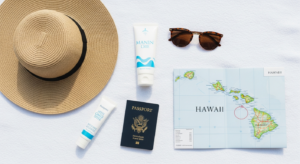
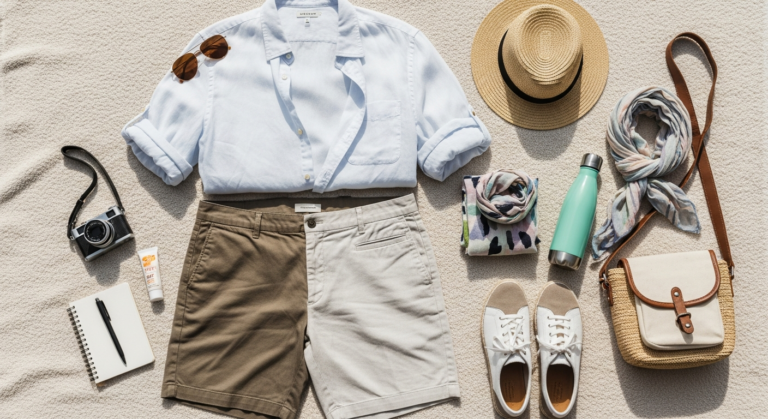
- A: Pack light, comfortable, and breathable clothing suitable for warm, humid weather (shorts, t-shirts, sundresses). Don’t forget swimsuits, a wide-brimmed hat, sunglasses, and comfortable walking shoes or hiking sandals. A light jacket or sweater is useful for cooler evenings, air-conditioned interiors, or higher elevations (like Haleakala). Crucially, bring plenty of reef-safe sunscreen, insect repellent, and a reusable water bottle. For dining out, a smart casual outfit will suffice. Most importantly, pack your sense of adventure!
- Q: Can