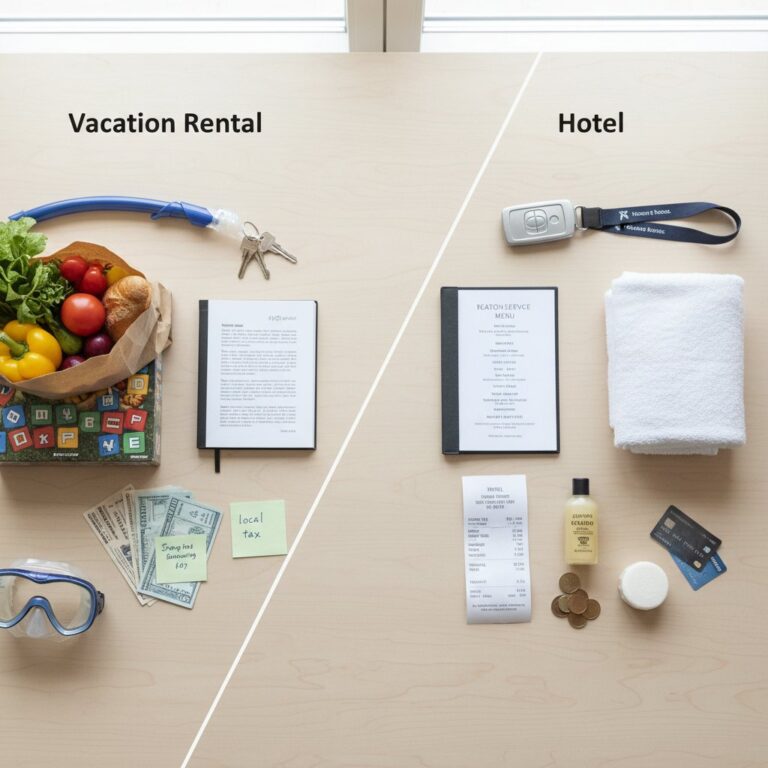


The Evolving Landscape of Vacation Rentals in 2026
The vacation rental industry in 2026 is a testament to constant innovation and shifting consumer preferences. Gone are the days when a simple listing sufficed; today’s travelers, increasingly discerning and tech-savvy, seek more than just a place to stay. They demand experiences, seamless booking processes, and transparent communication. For vacation rental planners, this means a heightened focus on quality, efficiency, and adaptability. We’re seeing a continued trend towards personalized stays, sustainable tourism, and properties equipped with smart home technologies that enhance guest comfort and convenience.
The market has also matured considerably, with professional management becoming more prevalent. This professionalization raises the bar for all listings, requiring planners to invest in high-quality photography, detailed descriptions, and robust operational frameworks. Furthermore, the global travel resurgence post-pandemic has brought with it new expectations regarding cleanliness, safety, and flexible cancellation policies, which platforms like VRBO and Airbnb have had to address with varying degrees of success. Understanding these overarching trends is crucial before diving into the specifics of each platform, as they inform the strategic choices you’ll make for your portfolio.
The competitive environment is also intensified by the continued growth of alternative booking channels and direct booking websites. While VRBO and Airbnb remain the titans, their strategies for attracting both hosts and guests are constantly being refined. In 2026, we anticipate even greater emphasis on AI-driven personalization, enhanced host tools, and loyalty programs designed to capture market share. For planners, the ability to leverage these platform-specific innovations will be a significant differentiator, allowing you to optimize your listings and maximize your return on investment in a marketplace that demands excellence and foresight.
VRBO in 2026: A Deep Dive for Planners
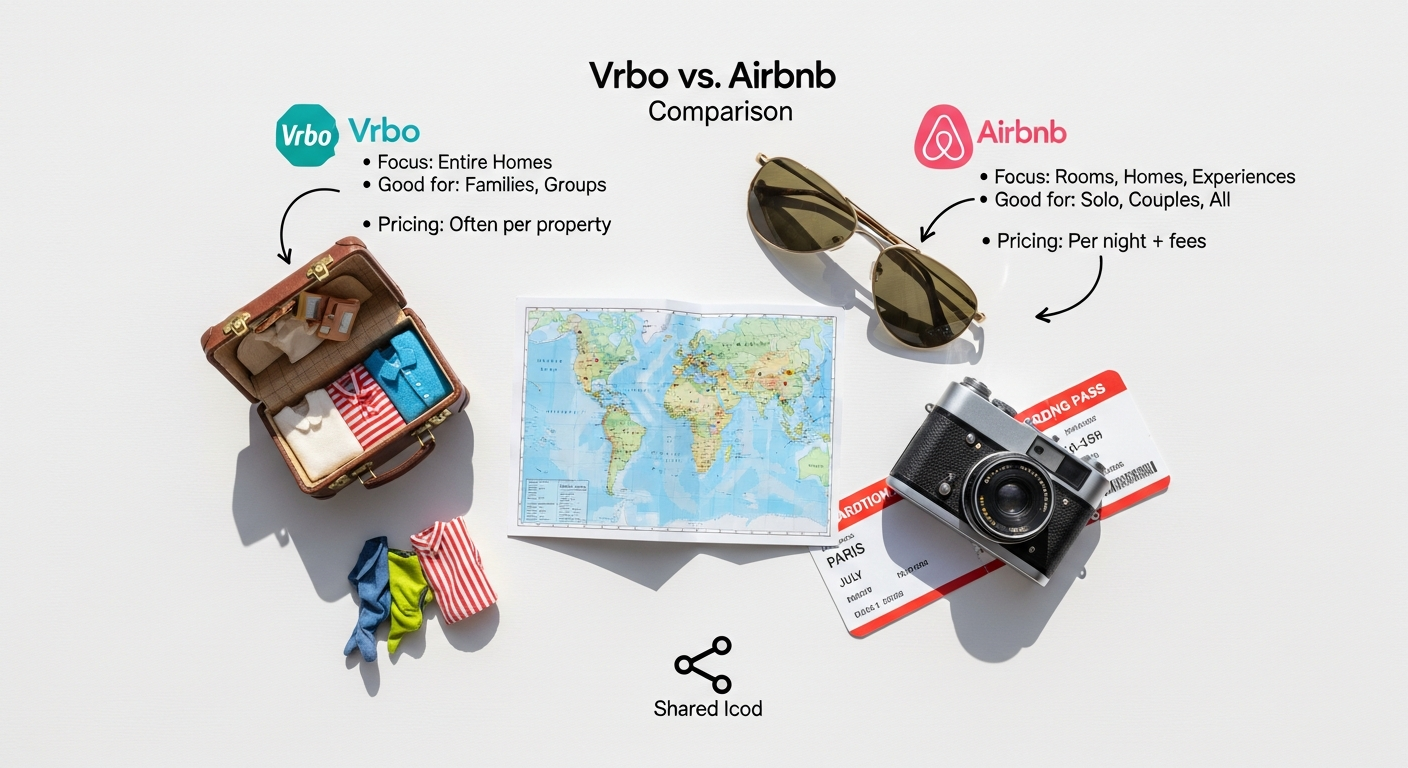
VRBO, an acronym for “Vacation Rentals By Owner,” has a storied history rooted in the concept of renting entire homes for family vacations. Acquired by Expedia Group, it has maintained its core identity while benefiting from the technological and marketing prowess of its parent company. In 2026, VRBO continues to be a formidable player, particularly for properties catering to specific segments of the travel market.
Its primary focus remains on entire homes, condos, and villas, making it an ideal platform for properties that offer privacy and space. This emphasis naturally attracts a distinct target audience: families, large groups, and travelers seeking longer stays for traditional leisure trips. Think multi-generational family reunions, group getaways to popular destinations, or extended vacations where a full kitchen and separate living areas are priorities. For planners managing properties in destinations renowned for family tourism or group retreats, VRBO often provides a highly relevant guest match.
VRBO’s fee structure for hosts typically offers two main options: a subscription model or a per-booking commission. The subscription model, often an annual fee, allows hosts to pay a flat rate regardless of how many bookings they receive. This can be highly advantageous for properties with high occupancy rates or those that generate substantial revenue. Alternatively, the per-booking commission model, which is more common, involves a percentage of the booking total (typically around 8% plus processing fees) charged to the host. For guests, VRBO’s service fees are generally transparent and displayed upfront, which can contribute to a perception of straightforward pricing. This clarity is a selling point for guests who prefer to see the full cost before committing.
Key features for planners utilizing VRBO include robust calendar synchronization, allowing for seamless integration with other booking channels, and comprehensive owner tools that facilitate managing bookings, communicating with guests, and tracking performance metrics. VRBO also provides significant flexibility in listing customization, enabling planners to highlight unique amenities, local attractions, and specific property rules. The platform’s focus on the entire property rather than shared spaces simplifies many aspects of guest management and expectation setting.
Pros for planners using VRBO in 2026:
- Attracts a highly desirable demographic of reliable, often repeat, guests seeking dedicated vacation experiences.
- Focus on entire properties often leads to higher average daily rates (ADR) and longer booking durations.
- Lower cancellation rates compared to platforms with more transient guests.
- Integrated with the broader Expedia Group network, potentially offering additional exposure.
- Clearer distinction from hotel-like experiences, appealing to guests specifically seeking private home rentals.
Cons for planners:
- Generally has a smaller global market share compared to Airbnb, potentially limiting reach in certain urban or non-traditional destinations.
- Less flexibility for listing unique or shared-space accommodations.
- The platform’s design, while functional, may feel less modern or “experiential” than some competitors for certain traveler segments.
- Subscription model might not be cost-effective for properties with low seasonal demand or limited availability.
For properties strategically located in prime traditional vacation spots, particularly those identified among the Best Vacation Destinations Us 2026, VRBO offers a direct pipeline to a loyal and high-value customer base. Its continued emphasis on the classic vacation rental experience ensures it remains a critical component of a diversified listing strategy for many planners.
Airbnb in 2026: What Planners Need to Know
Airbnb’s target audience is incredibly broad and diverse, ranging from solo adventurers and couples seeking unique stays to business travelers, budget-conscious backpackers, and luxury seekers through Airbnb Luxe. This vast demographic appeal means that almost any type of property, from a shared room in a bustling city to a secluded treehouse or a lavish mansion, can find its niche on the platform. For planners managing a varied portfolio, Airbnb offers unparalleled flexibility in listing different property types and catering to a multitude of traveler personas.
Airbnb’s fee structure for hosts typically involves two main models: the split-fee model and the host-only fee model. In the split-fee model, which is the most common, a portion of the service fee is paid by the guest (usually 14.2% of the subtotal) and a portion by the host (typically 3% of the subtotal). This model is popular because it reduces the upfront cost for the host and spreads the fee burden. However, for certain regions or property types (especially hotels or properties using API-connected software), Airbnb offers a host-only fee model, where the host pays the entire service fee (ranging from 14% to 20%), making the guest’s price appear lower. For guests, Airbnb has been actively pushing for “all-in” pricing, aiming to display the total cost including service fees, cleaning fees, and taxes upfront, enhancing transparency and reducing sticker shock at checkout. This move is a direct response to past guest feedback and aims to improve the overall booking experience.
Key features for planners leveraging Airbnb include its powerful Smart Pricing tool, which dynamically adjusts rates based on demand, seasonality, and local events. The platform also heavily promotes Airbnb Experiences, allowing hosts to offer unique activities alongside their accommodations, creating an additional revenue stream and enhancing guest stays. Features like co-hosting capabilities and a robust Resolution Center provide valuable support for property managers and hosts in handling bookings, guest inquiries, and potential issues.
Pros for planners using Airbnb in 2026:
- Unparalleled global reach and massive brand recognition, leading to high visibility for listings.
- Extremely diverse guest base and property types, allowing for flexible listing strategies.
- Strong marketing campaigns and a focus on unique experiences, attracting a wide range of travelers.
- User-friendly interface and mobile app, enhancing the booking and communication process.
- “Experiences” feature provides additional revenue opportunities and a competitive edge.
Cons for planners:
- Intense competition due to the sheer volume of listings, requiring significant effort to stand out.
- More diverse guest expectations can sometimes lead to varied reviews or unique challenges.
- Fee structure can be perceived as more complex, especially with different models and guest/host splits.
- Potential for lower average daily rates in highly competitive urban markets due to the breadth of supply.
- Managing communication and guest inquiries can be demanding given the platform’s emphasis on host responsiveness.
For properties seeking maximum exposure across a wide spectrum of travelers, particularly those in bustling urban centers or offering truly unique stays, Airbnb remains an indispensable platform. Its continuous innovation and vast community make it a cornerstone for any modern vacation rental planner.
Key Comparison Points for 2026: VRBO vs. Airbnb

Understanding the nuances between VRBO and Airbnb in 2026 requires a direct comparison across several critical dimensions. For vacation rental planners, these differences are not merely cosmetic; they dictate the optimal strategy for listing properties and attracting the right guests.
Audience Demographics: This is perhaps the most significant differentiator. VRBO consistently appeals to families, multi-generational groups, and travelers seeking traditional, private vacation homes for leisure trips. Their guests often prioritize space, amenities like full kitchens, and a clear distinction from hotel stays. They are typically planning longer, more structured vacations. Airbnb, on the other hand, boasts a much broader demographic, encompassing solo travelers, couples, business travelers, digital nomads, and groups seeking unique, experiential stays. Its audience is more diverse in terms of age, budget, and travel purpose, ranging from quick weekend getaways to extended stays in unconventional accommodations. For planners, matching your property’s appeal to the platform’s dominant audience is crucial for high conversion rates.
Property Focus: VRBO’s strength lies in its exclusive focus on entire homes, villas, cabins, and condos. It does not allow listings for shared rooms or private rooms within a host’s residence. This specialization simplifies the listing process for many planners and ensures guests are always looking for a private rental. Airbnb, conversely, offers an expansive range of property types, from shared rooms and private rooms to entire homes, apartments, glamping sites, treehouses, and even castles. This flexibility makes Airbnb suitable for virtually any accommodation offering, but also means your entire home might be listed alongside a spare bedroom, impacting how it’s perceived.
Fee Structures: As discussed, both platforms have evolved their fee models. VRBO offers a choice between an annual subscription (beneficial for high-occupancy properties) and a per-booking commission (around 8% for hosts, plus payment processing fees). Guest service fees are typically around 5-12%. Airbnb primarily uses a split-fee model (3% host fee, ~14.2% guest fee), with a host-only fee (14-20%) available for certain property types and regions. The trend for both platforms in 2026 is towards greater transparency in guest pricing, but understanding the net payout for hosts under each model is vital for your financial planning.
Cancellation Policies: Both platforms offer various cancellation policy options that hosts can choose from, ranging from very flexible (free cancellation up to a few days before arrival) to very strict (no refunds). However, the default recommendations and guest expectations can differ. VRBO, with its family-focused demographic, sometimes sees guests booking further in advance, making stricter policies more acceptable. Airbnb’s diverse audience might necessitate more flexible options, especially for shorter stays or more unique properties. Planners must carefully select policies that protect their revenue while remaining competitive.
Search Experience & Filters: VRBO’s search experience is often geared towards finding specific types of vacation homes in traditional destinations. Its filters are robust for amenities like pools, pet-friendliness, and number of bedrooms, catering to groups. Airbnb’s search is highly dynamic, often showcasing “unique stays,” “experiences,” and location-based suggestions. Its filters are equally comprehensive but include options for specific architectural styles, accessibility features, and “superhost” status, appealing to a broader range of preferences. Understanding how guests search on each platform can inform how you optimize your listing’s keywords and amenities.
Host Tools & Support: Both platforms provide dashboards, communication tools, and resolution centers. VRBO offers strong integration with property management software and emphasizes tools for managing full-home rentals. Its support is often praised for being responsive on host-related issues. Airbnb provides an extensive suite of tools including Smart Pricing, co-hosting features, and a robust community forum. While Airbnb’s support can sometimes be overwhelmed by its sheer volume of users, its self-help resources are extensive. For planners, evaluating the ease of use, automation capabilities, and responsiveness of support is critical for efficient operations.
Marketing & Brand Perception: VRBO’s marketing in 2026 continues to emphasize the joy of family vacations and group travel, promoting the idea of “making memories.” Its brand evokes trust and reliability for traditional vacationers. Airbnb’s marketing is broader, often highlighting unique cultural experiences, local immersion, and the ability to “belong anywhere.” Its brand resonates with adventurous, open-minded travelers seeking more than just a bed. Your property’s brand alignment with either platform’s marketing message can significantly influence its appeal.
In essence, while both platforms are marketplaces for short-term rentals, their underlying philosophies, target markets, and operational frameworks remain distinct in 2026. A strategic planner will recognize these differences and tailor their approach accordingly, potentially leveraging both to maximize reach and revenue.
Strategic Considerations for Vacation Rental Planners in 2026
For vacation rental planners, the choice between VRBO and Airbnb, or indeed listing on both, is a strategic decision that requires careful consideration of your property, your target guest, and your operational capabilities. In 2026, a nuanced approach will yield the best results.
Determining Your Ideal Guest: The first step is to clearly define who your property is designed for. If you manage large homes in traditional leisure destinations like beach towns, ski resorts, or national park gateways, and your ideal guest is a family or group planning a dedicated vacation, VRBO’s audience will likely align more closely. If your property is an urban apartment, a quirky rural retreat, or offers a unique experience, and you aim to attract a diverse range of travelers including solo adventurers, business guests, or couples, then Airbnb’s broader appeal may be more suitable. Understanding your niche helps you select the platform where your listing will naturally shine and attract the most relevant inquiries.
Diversification vs. Specialization: Many planners opt for a diversified strategy, listing their properties on both VRBO and Airbnb (and potentially other channels). This “multi-channel” approach maximizes exposure, reduces reliance on a single platform, and can lead to higher occupancy rates. However, it also demands more sophisticated management tools, such as channel managers, to prevent double-bookings and ensure seamless calendar synchronization. For some properties, particularly those with a very specific niche, specializing on one platform where they excel might be more efficient. The key is to weigh the benefits of increased reach against the operational complexities of managing multiple channels. For example, if you have a unique property near one of the Best Vacation Destinations Us 2026 that caters to a very specific type of traveler, specializing might be more effective than trying to appeal to everyone.
Pricing Strategy: The optimal pricing strategy can differ between the platforms. VRBO guests, often planning longer stays, may be less sensitive to minor price fluctuations but expect value for a whole home. Airbnb’s dynamic pricing tools and diverse guest base mean that frequent adjustments based on demand, local events, and competitor pricing are often necessary. Planners should analyze the fee structures of both platforms to calculate their net earnings and adjust their base rates accordingly. Consider seasonal demand and local events; for properties in top destinations, understanding peak travel times can help you maximize revenue on both platforms.
Guest Communication: While both platforms provide messaging systems, the nature of communication can vary. VRBO guests often have more specific questions about property amenities and local activities relevant to their group. Airbnb guests might inquire about local experiences, check-in flexibility, or unique aspects of the property. Tailoring your communication style and pre-arrival information to match the expectations of each platform’s typical guest can significantly enhance the guest experience and improve reviews.
Leveraging Unique Selling Propositions (USPs): Regardless of the platform, highlighting your property’s unique features is crucial. Is it pet-friendly? Does it have a stunning view? Is it equipped with smart home technology? For VRBO, emphasize family-friendly amenities, spaciousness, and privacy. For Airbnb, highlight unique design elements, proximity to local attractions, or any special experiences you offer. Crafting compelling descriptions and using high-quality photography that showcases these USPs will help your listing stand out in a crowded market.
Ultimately, the strategic planner in 2026 will conduct thorough market research, analyze their property’s strengths, and understand the distinct advantages of both VRBO and Airbnb. This will enable them to make informed decisions that optimize visibility, attract the ideal guest, and drive consistent bookings and positive reviews.
Optimizing Your Listings for Success
Having chosen your platform(s), the next critical step for vacation rental planners in 2026 is to optimize your listings to not just appear, but to genuinely stand out and convert lookers into bookers. This goes beyond mere presence; it’s about crafting an irresistible offering that resonates with your target audience and consistently delivers a superior guest experience.
Photography & Description: High-quality visuals are non-negotiable. Professional photography that captures the best angles, lighting, and unique features of your property is paramount. Invest in a skilled photographer who understands interior and travel photography. Your descriptions must be equally compelling, weaving a narrative that paints a vivid picture of the guest experience. Highlight key amenities, proximity to attractions (especially if you’re in one of the Best Vacation Destinations Us 2026), and any unique selling points. Use evocative language and clear, concise bullet points to make the information digestible. Remember to optimize your titles with relevant keywords that guests are likely to search for.
Pricing Dynamism: Stagnant pricing is a lost opportunity. Utilize the dynamic pricing tools offered by both Airbnb (Smart Pricing) and third-party revenue management software. These tools analyze demand, seasonality, local events, and competitor pricing to suggest optimal rates. Regularly review and adjust your pricing strategy to maximize occupancy during off-peak seasons and capitalize on high demand during peak times. Consider offering discounts for longer stays or last-minute bookings to fill gaps in your calendar.
Guest Experience: The Foundation of Success: A five-star guest experience begins long before check-in. Prompt and clear communication, a well-prepared property, and thoughtful touches elevate a stay from good to exceptional. Provide a comprehensive digital welcome guide with Wi-Fi passwords, local recommendations, and instructions for appliances. Anticipate guest needs and be responsive to inquiries throughout their stay. Small gestures, like a local welcome gift or personalized recommendations, can significantly enhance satisfaction and lead to glowing reviews.
Operational Excellence: The Indispensable Vacation Rental Cleaning Checklist: Consistency in cleanliness is non-negotiable and directly impacts guest satisfaction and your review ratings. Implement a rigorous Vacation Rental Cleaning Checklist to ensure every property meets the highest standards before each guest arrival. This checklist should cover every detail, from sparkling bathrooms and kitchens to fresh linens, dusted surfaces, and well-stocked essentials. It should include:
- General Areas: Dusting, vacuuming/mopping, emptying trash, cleaning windows/mirrors, straightening decor.
- Kitchen: Cleaning appliances (microwave, oven, fridge), wiping counters, washing dishes, sanitizing sink, restocking coffee/tea.
- Bathrooms: Cleaning and sanitizing toilet, shower, sink; replacing towels, restocking toiletries, wiping down surfaces.
- Bedrooms: Changing and washing all linens, making beds, checking under beds, dusting furniture.
- Exterior: Sweeping porch/patio, tidying outdoor furniture, checking for trash.
- Supplies Check: Ensuring adequate toilet paper, paper towels, soap, dish detergent, light bulbs, etc.
- Maintenance Check: Reporting any damage, burnt-out bulbs, or appliance issues to maintenance.
A detailed checklist ensures nothing is overlooked, guaranteeing a consistently pristine environment that guests will appreciate and review positively. For properties in highly competitive areas like the Best Vacation Destinations Us 2026, immaculate cleanliness is a key differentiator.
Reviews Management: Proactively managing reviews is paramount. Encourage guests to leave feedback, and respond to every review, both positive and negative, professionally and promptly. Thank guests for their positive comments and address any constructive criticism with a commitment to improvement. This demonstrates your dedication to guest satisfaction and can turn a potentially negative experience into a positive perception of your responsiveness.
By meticulously optimizing each aspect of your listing and operations, from captivating visuals and dynamic pricing to impeccable cleanliness and proactive review management, vacation rental planners can ensure their properties not only attract attention but also consistently deliver memorable experiences that drive repeat bookings and sustained success in 2026 and beyond.
Future Trends and Final Recommendations
As vacation rental planners look towards 2026, staying ahead of emerging trends is not just an advantage, but a necessity. The industry is in a constant state of flux, driven by technological advancements, evolving traveler preferences, and a growing emphasis on sustainability and personalized experiences.
AI Integration: Artificial intelligence will play an even greater role in 2026. Expect more sophisticated AI-powered tools for dynamic pricing, personalized guest recommendations, automated communication, and predictive maintenance. AI can analyze vast amounts of data to optimize listing visibility, suggest opportune times for promotions, and even anticipate guest needs before they arise. Smart home devices, integrated with AI, will offer guests seamless control over their environment, from lighting and temperature to entertainment systems, enhancing the perception of a modern, convenient stay.
Sustainability & Eco-Tourism: The demand for sustainable travel options is rapidly increasing. Guests in 2026 will actively seek out properties that demonstrate a commitment to environmental responsibility. Planners should consider incorporating eco-friendly practices such as energy-efficient appliances, water-saving fixtures, recycling programs, and sourcing local, sustainable products. Highlighting these initiatives in your listings can attract a growing segment of environmentally conscious travelers.
Hyper-Personalization: Generic stays are becoming less appealing. Travelers desire experiences tailored to their specific interests and needs. This could mean pre-stocking groceries based on dietary preferences, providing curated local guides for specific hobbies (e.g., hiking trails, art galleries), or offering unique add-ons like private chef services or local tours. Leveraging guest data (with privacy in mind) to offer these personalized touches will become a significant differentiator.
Seamless Connectivity: In a world reliant on digital connections, robust and reliable Wi-Fi is no longer an amenity; it’s an expectation. Furthermore, seamless integration of technology within the rental, from smart locks for easy check-in to streaming services and charging stations, will be crucial. Guests expect the same level of connectivity and convenience they have at home, if not better.
Leveraging Loyalty and Rewards: While VRBO and Airbnb don’t typically offer direct travel rewards points programs for guests in the same way airlines or hotels do, understanding How To Use Travel Rewards Points is still relevant for planners. Guests often use their accumulated points (from credit cards, airline programs, etc.) to fund their overall travel budget, freeing up cash for accommodation. Planners can indirectly appeal to this segment by offering competitive pricing, exceptional value, or unique local experiences that make their property a compelling choice within a points-funded trip. Additionally, for repeat guests, planners can create their own ‘loyalty’ incentives outside the platforms, such as direct booking discounts or exclusive perks, encouraging them to bypass platform fees and build a direct relationship. This strategy fosters brand loyalty and reduces reliance on commission-based platforms for your most valued customers.
Final Recommendations for Planners in 2026:
- Stay Informed and Adaptable: The industry will continue to evolve. Regularly review platform updates, market trends, and guest feedback.
- Prioritize Guest Experience: Immaculate cleanliness, clear communication, and thoughtful amenities are foundational to success.
- Embrace Technology: Leverage AI, smart home devices, and property management software to streamline operations and enhance guest stays.
- Diversify Smartly: Consider a multi-channel strategy, but always with a clear understanding of each platform’s target audience and operational demands.
- Build Your Brand: Cultivate a strong brand identity for your properties, whether you’re listed on VRBO, Airbnb, or both. This includes consistent branding across all touchpoints and an unwavering commitment to quality.
By proactively embracing these trends and implementing strategic best practices, vacation rental planners can not only navigate the VRBO vs Airbnb comparison in 2026 but also position their properties for sustained growth and profitability in an increasingly competitive market.
Recommended Resources
Check out Shukkeien Garden Hiroshima Guide on Onomichi Guide for a deeper dive.
Check out Hiroshima To Kyoto Travel Guide on Onomichi Guide for a deeper dive.