
Defining Your “One Last Road Trip”: Purpose, Theme, and Companions
Before you even think about routes or packing lists, the very first step in planning your one last road trip is to deeply understand its purpose. Why is this journey significant? What emotional void or celebratory need is it fulfilling? This foundational understanding will inform every subsequent decision, from your destinations to your travel companions.
Understanding Your “Why” and “What Next”
- A Grand Farewell: Are you saying goodbye to a certain phase of life? Perhaps you’re leaving a beloved region before a move, or taking a final solo adventure before settling down. This trip can be a reflective journey, visiting places that hold sentimental value or exploring new ones as a symbolic closure to an era.
- Pre-Emptive Celebration: Is this trip a celebration of an impending change? For example, if you’re planning on how to get ready for a move to a new city, this road trip could be the ultimate send-off, a chance to explore your current surroundings one last time or even scout out areas near your new home. Similarly, for couples, this could be an incredible anniversary gift idea, marking a significant milestone before a new chapter begins.
- Recharging Before a Challenge: If you’re about to embark on a demanding career, like understanding how to get started in travel nursing, this road trip could be your last chance to truly disconnect and recharge. It’s an opportunity to fill your cup with open-road freedom, preparing you for the exciting yet challenging demands ahead.
Crafting a Meaningful Theme
Once your “why” is clear, give your trip a theme. This isn’t just a whimsical idea; it’s a guiding principle that helps shape your itinerary and experiences. Themes can be:
- Nostalgic Road Trip: Revisit places from your childhood, college days, or early relationship. Drive through old neighborhoods, stop at beloved diners, and rekindle memories.
- Epic Adventure Quest: Focus on thrill-seeking – national park hikes, white-water rafting, exploring remote wilderness areas, or tackling a challenging scenic drive.
- Culinary Journey: Plan your route around specific food experiences – barbecue trails, wine country tours, seafood shacks, or farm-to-table restaurants.
- Relaxation & Rejuvenation: Prioritize serene landscapes, spa towns, beachfront retreats, or cozy cabins away from the hustle and bustle. The goal here is pure unwinding.
- Cultural Immersion: Seek out historical sites, art galleries, music festivals, or local traditions that offer a deeper understanding of a region.
Choosing Your Companions Wisely
The people you share this “one last” journey with are crucial to its success and memory-making potential. Consider:
- Solo Sojourn: An incredible opportunity for self-discovery, reflection, and complete freedom. You set the pace, make all the decisions, and truly connect with your own thoughts.
- Romantic Getaway: For couples, this can be an intimate and deeply bonding experience, perhaps even serving as one of the most memorable anniversary gift ideas. Plan activities that foster connection, conversation, and shared joy.
- Family Fun: If this is a “last hurrah” before kids grow up or before a big family move, tailor the trip to create lasting memories for everyone. Think amusement parks, child-friendly museums, and plenty of outdoor play.
- Friends Forever: A road trip with close friends can be a hilarious, spontaneous, and deeply supportive experience. Ensure everyone is on the same page regarding expectations, budget, and desired activities.
Open and honest communication with your chosen companions from the outset will prevent misunderstandings and ensure everyone cherishes the journey as much as you do. This intentional planning sets the stage for a truly unforgettable adventure.
Crafting the Perfect Itinerary: Routes, Destinations, and Pacing
With your purpose, theme, and companions established, it’s time to translate your vision into a tangible route. This stage is where the magic of “one last road trip” truly begins to take shape, blending aspiration with practical logistics. The goal is to design an itinerary that maximizes enjoyment, minimizes stress, and creates a seamless flow of discovery.
Selecting Your Route: Iconic Drives and Hidden Gems
The backbone of any great road trip is the route itself. Don’t just pick destinations; consider the journey between them. Research:
- Scenic Byways & Historic Routes: Look for designated scenic drives that prioritize beauty over speed. Think California’s Highway 1, the Blue Ridge Parkway, or Route 66 for a nostalgic trip. These routes often have charming towns, natural wonders, and unique roadside attractions.
- National Parks & Monuments: If your theme is adventure or nature, weave in several national parks. Book accommodations and entry passes well in advance, especially for popular parks in peak season leading up to 2026.
- Coastal vs. Mountain vs. Desert: Decide what kind of landscapes call to you. Do you crave ocean breezes, majestic peaks, or vast, open desert skies? Each offers a distinct experience.
- Off-the-Beaten-Path Explorations: While iconic spots are great, consider adding a few lesser-known gems. These can often provide some of the most authentic and memorable experiences, from quirky small towns to serene natural areas.
Choosing Destinations: Bucket List Meets Practicality
Your destinations should align with your trip’s theme and purpose. This isn’t just about ticking boxes; it’s about experiencing places deeply.
- Personal Significance: Revisit a college town, the place you got engaged (perhaps for a special anniversary gift!), or a childhood vacation spot. These sentimental stops can add powerful emotional layers to your “one last” journey.
- New Discoveries: Balance nostalgia with novelty. Explore a city you’ve always wanted to see, try a new outdoor activity, or visit a unique cultural site. This keeps the adventure fresh and inspiring.
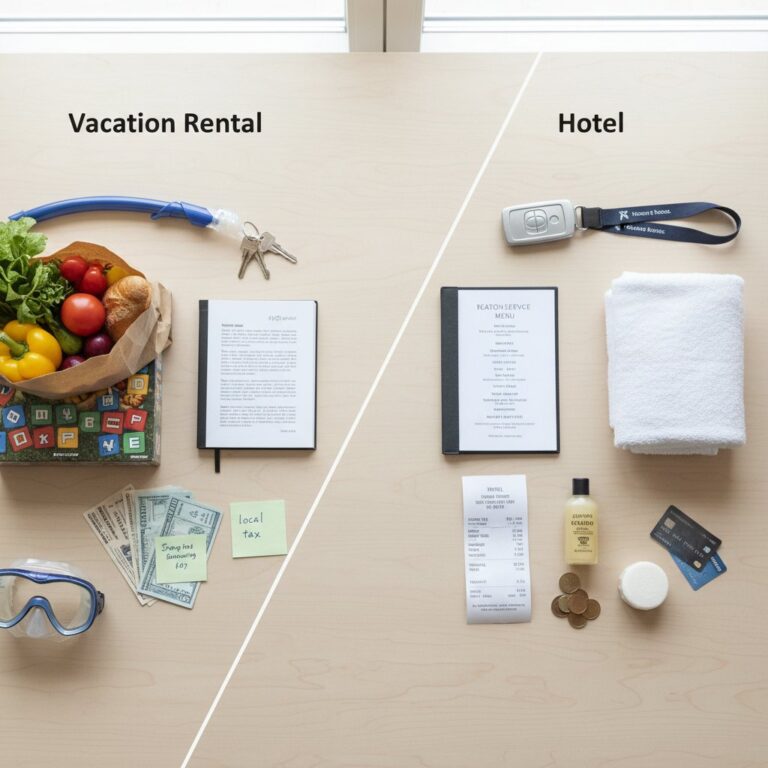
- Vacation Rental Focus: As planners, you know the value of a great stay. Integrate unique vacation rentals into your itinerary. Imagine a charming cottage in wine country, a mountain cabin with stunning views, or a beachfront condo. Booking these in advance ensures you get the best options and can plan your stays around comfort and local experiences.
- Proximity and Logistics: While dreaming big is encouraged, ensure your chosen destinations are geographically sensible. Avoid excessive backtracking unless it’s intentional for a specific experience.
Pacing Your Journey: The Art of Slow Travel
The biggest mistake in road trip planning is often over-scheduling. For your “one last road trip,” quality over quantity is paramount. You want to savor every moment, not rush through it.
- Realistic Driving Times: Factor in stops for gas, food, photos, and stretching. Google Maps estimates are often optimistic. Aim for no more than 4-6 hours of driving on most days, especially if you plan activities upon arrival.
- Built-in Downtime: Schedule “rest days” at appealing locations. These days allow you to explore a town more deeply, relax at your vacation rental, or simply catch up on sleep without the pressure of moving on.
- Flexibility is Key: While an itinerary is important, leave room for spontaneity. A charming diner, an unexpected detour, or a local festival might be worth shifting your plans for. This adaptability is especially useful if you’re used to the structured planning of something like how to get ready for a move to a new city, as it allows for a refreshing change of pace.
- Morning Rituals: Don’t rush out the door every morning. Enjoy a leisurely breakfast, take a walk, or simply enjoy your accommodation. Starting the day calmly sets a positive tone.
- Evening Wind-Downs: Plan for relaxed evenings. Cook a meal at your vacation rental, enjoy a local restaurant, or simply unwind with a book or a movie.
By meticulously crafting your route, choosing meaningful destinations, and adopting a relaxed pace, you’ll create an itinerary that feels both adventurous and restorative, a truly fitting send-off into your next chapter.
Budgeting for an Unforgettable Journey: From Savings to Splurges
Establishing Your Overall Budget
Begin by determining a realistic total budget for your trip. Consider your savings, income, and any specific financial goals you might have, such as those related to how to get ready for a move to a new city or setting up for a new career like travel nursing. This overall figure will then be broken down into categories.
Key Cost Categories to Consider
- Fuel: This is often the largest variable cost. Estimate mileage, research average gas prices along your route (apps like GasBuddy can help), and factor in potential price fluctuations.
- Accommodation: A significant expense, but also an area where you can optimize.
- Vacation Rentals: As vacation rental planners, you know the benefits! They offer space, amenities like kitchens (saving on food costs), and often a more authentic local experience. Book well in advance, especially for popular areas or peak seasons in 2026, to secure better rates and availability.
- Hotels/Motels: For shorter stays or specific locations.
- Camping: A budget-friendly option for nature lovers.
- Food & Drink:
- Eating Out: Budget for restaurant meals, coffee breaks, and snacks. Research local eateries, especially those that align with a culinary theme.
- Groceries: Utilize the kitchen in your vacation rental to prepare some meals, especially breakfast and packed lunches. This saves a significant amount and allows for healthier options.
- Special Treats: Factor in money for local delicacies, fine dining experiences, or a celebratory drink.
- Activities & Attractions:
- Entry Fees: National parks, museums, theme parks, tours.
- Experiences: A guided hike, a cooking class, a boat tour, or a unique local workshop. These are often where the most cherished memories are made.
- Miscellaneous & Souvenirs: Unexpected expenses, small purchases, and mementos to remember your journey.
- Emergency Fund: Crucial for unexpected vehicle repairs, medical issues, or last-minute changes. Aim for 10-15% of your total budget.
Smart Saving Strategies
- Travel Off-Peak: If your schedule allows, traveling during shoulder seasons (spring/fall) or weekdays can significantly reduce costs for accommodations and attractions.
- Loyalty Programs & Discounts: Utilize points for hotels, rental cars, or even flights if part of your journey involves flying. Look for senior, student, or military discounts.
- Pack Smart: Bring your own snacks, reusable water bottles, and even some basic cooking supplies to minimize impulse purchases.
- DIY Entertainment: Instead of always paying for attractions, plan free activities like hiking, beach visits, scenic drives, or exploring charming towns on foot.
- Vehicle Efficiency: Ensure your car is well-maintained for optimal fuel efficiency. Consider carpooling if traveling with others.
Strategic Splurges: Where to Make it Count
This is your “one last road trip,” so identify a few areas where you truly want to elevate the experience. These splurges should align with your trip’s purpose and theme.
- Signature Stays: Book that dream vacation rental with the incredible view, the unique architecture, or the perfect amenities for a few nights.
- Gourmet Dining: Indulge in a memorable meal at a highly-rated restaurant, perhaps celebrating an anniversary or a personal milestone.
- Unforgettable Experiences: Invest in a hot air balloon ride, a private guided tour, or an exclusive cultural experience that you wouldn’t typically do.
- Souvenir of Significance: Purchase one truly meaningful keepsake that will remind you of this special journey for years to come.
By balancing prudent savings with strategic splurges, your budget will serve as a tool to enhance your adventure, ensuring that your “one last road trip” is not only unforgettable but also financially comfortable as you prepare for your exciting next chapter in 2026.
Logistics and Preparations: Vehicles, Gear, and Essential Documents
The spirit of a road trip is freedom and spontaneity, but the reality requires meticulous preparation. For your “one last road trip,” you want to minimize preventable hiccups and maximize enjoyment. This means focusing on the practicalities of your vehicle, what you pack, and ensuring all your paperwork is in order. Think of it as a dress rehearsal for the organizational skills you might need when you’re getting ready for a move to a new city or starting a demanding new role like travel nursing.
Vehicle Readiness: Your Trusted Steed
Your vehicle is the heart of your road trip. Ensure it’s in top condition:
- Full Service Check-up: Schedule a comprehensive inspection with your mechanic a few weeks before your departure. Check oil, fluids, belts, hoses, and brakes.
- Tire Health: Inspect tire pressure (including the spare!), tread depth, and rotate if necessary. Ensure you know how to change a flat tire or have roadside assistance.
- Emergency Kit: Pack jumper cables, a flashlight, basic tools, a first-aid kit, reflective triangles, and a blanket. Consider a portable air compressor.
- Registration & Insurance: Ensure your vehicle registration is current and your insurance policy provides adequate coverage for your trip, including any rental car coverage if applicable.
- Cleaning & Organizing: A clean car makes for a more pleasant journey. Clear out unnecessary clutter and organize your essentials for easy access.
If you’re renting a car, book well in advance, especially if you need a specific type of vehicle (e.g., SUV for national parks). Inspect the car thoroughly before leaving the lot and understand its features.
Packing Smart: Essentials & Comfort
What you pack impacts your comfort and convenience. Think layers, versatility, and practicality.
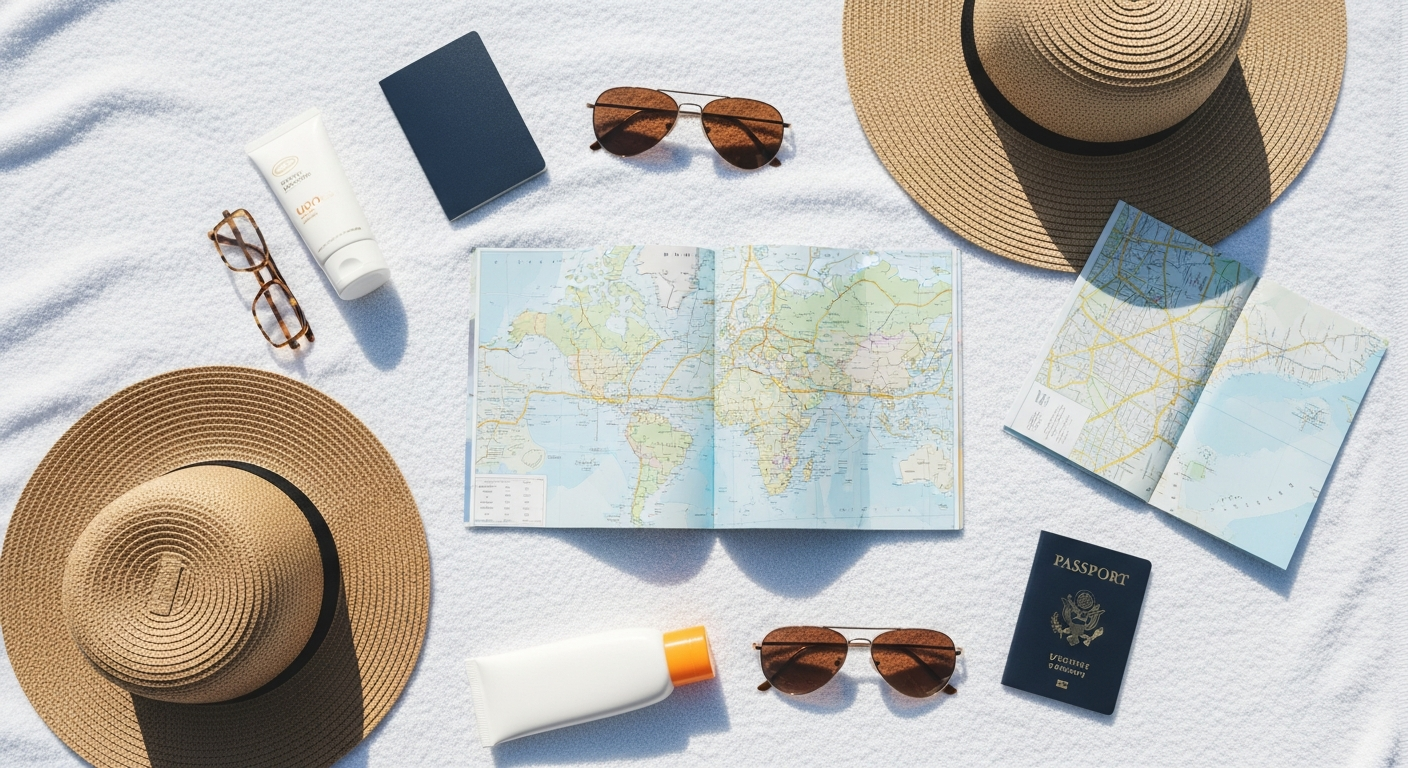
- Clothing: Pack for varying weather conditions. Layers are key. Include comfortable driving clothes, active wear for adventures, and something a bit nicer for special dinners (perhaps an anniversary celebration). Don’t forget swimwear if your route includes beaches or pools.
- Toiletries & Personal Items: Don’t forget sunscreen, insect repellent, any necessary medications (with copies of prescriptions), and your preferred toiletries.
- Electronics & Chargers: Phone, camera, portable power bank, car chargers, and any adapters you might need. Consider a dedicated GPS device as a backup to your phone.
- Entertainment: Curate playlists, download podcasts or audiobooks, pack physical books, or bring travel games for downtime at your vacation rental.
- Cooler & Reusable Bags: Essential for snacks, drinks, and packing lunches, saving money and reducing waste. Reusable shopping bags are great for groceries or souvenirs.
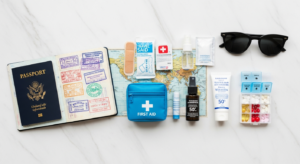
- First-Aid Kit: Beyond the car emergency kit, pack a personal one with pain relievers, band-aids, antiseptic wipes, allergy medication, and any personal prescriptions.
- Comfort Items: A travel pillow, a favorite blanket, or a comfortable pair of walking shoes can make a huge difference.
Essential Documents & Digital Preparedness
Having your important paperwork organized and accessible is non-negotiable.
- Identification: Driver’s license, passport (if traveling internationally), and any other necessary IDs.
- Vehicle Documents: Registration, insurance cards, and rental agreement (if applicable).
- Accommodation Confirmations: Printouts or digital copies of all your vacation rental and hotel bookings.
- Emergency Contacts: A physical list of important phone numbers (family, doctor, insurance company) in case your phone battery dies.
- Financials: Credit/debit cards, a small amount of cash, and a note of your bank’s international travel numbers if applicable.
- Digital Backups: Scan important documents and save them to a cloud service or send them to yourself via email. Make sure you have offline access to maps and critical information.
- Travel Insurance: Consider comprehensive travel insurance, especially if your trip involves costly bookings or international travel.
By meticulously addressing these logistical details, you’ll embark on your “one last road trip” with confidence and peace of mind, knowing you’re prepared for whatever the open road, or your next big adventure in 2026, throws your way.
Making Memories: Experiences, Photography, and Journaling
The essence of your “one last road trip” isn’t just about the destinations you reach, but the experiences you gather and the memories you forge along the way. This journey is a tapestry woven with moments, both grand and subtle, that will serve as cherished recollections as you transition into your next life phase, whether that’s a new city, a new career path like travel nursing, or simply a new personal chapter. Making these memories intentional and lasting is key.
Embracing the Experience: Be Present
In our hyper-connected world, it’s easy to get caught up in documenting rather than experiencing. For this special trip, prioritize being present.
- Engage with Locals: Strike up conversations with people you meet – at a diner, a local market, or in a small town. They can offer insights, recommendations, and a genuine connection to the place.
- Try New Things: Step outside your comfort zone. Taste an unfamiliar dish, try a local craft, or participate in an impromptu festival. These spontaneous moments often become the most vivid memories.
- Savor the Scenery: Don’t just drive through beautiful landscapes; pull over, get out of the car, and truly soak it in. Take a short walk, find a quiet spot, and appreciate the view.
- Digital Detox Moments: Schedule periods where you put away your phone and camera. Allow yourself to simply observe, listen, and feel. This is especially important if this trip is an anniversary gift, focusing on connection with your partner.
- Embrace the Unexpected: Road trips inherently come with detours, changes in weather, or minor mishaps. View these as part of the adventure, not as problems. Some of the best stories come from adapting to the unforeseen.
Capturing the Journey: Photography with Purpose
Photography is a powerful tool for preserving memories, but aim for quality and meaning over quantity.
- Storytelling Through Images: Instead of just snapping landmarks, try to capture the essence of your trip. Photograph the details: a quirky sign, a delicious meal, your companions laughing, the textures of a landscape.
- Candid Moments: Some of the best photos are unposed. Capture genuine emotions, interactions, and moments of quiet reflection.
- Vary Your Shots: Mix wide-angle landscape shots with close-ups, portraits, and abstract compositions. Play with different perspectives.
- Golden Hour Magic: Take advantage of the soft, warm light during sunrise and sunset for stunning photos.
- Self-Portraits & Group Shots: Don’t forget to get yourself (and your companions) in the frame! Use a tripod or ask a friendly stranger to help. These photos are invaluable reminders that you were there, living the experience.
- Organize as You Go: Consider backing up photos to a cloud service or external hard drive periodically. This prevents loss and makes post-trip organization much easier.
Preserving Thoughts and Feelings: Journaling
While photos capture what you see, journaling captures what you feel, think, and discover. This is particularly poignant for a “one last” trip.
- Daily Reflections: Dedicate 10-15 minutes each evening to jot down your thoughts. What did you see? What did you learn? How did you feel? What surprised you?
- Sensory Details: Describe the smells, sounds, tastes, and textures of your day. These details bring memories vividly back to life.
- Quotes & Observations: Record interesting snippets of conversation, funny anecdotes, or profound thoughts inspired by your surroundings.
- Sketches & Mementos: If you enjoy drawing, add small sketches. Tape in ticket stubs, leaves, or postcards to create a tactile record.
- A Letter to Your Future Self: Write a letter in your journal reflecting on this transition, your hopes for your new city or career, and what you hope to remember about this journey. Seal it and plan to open it in 2026 or 2027.
By intentionally engaging with your surroundings, capturing meaningful images, and reflecting through journaling, you’ll ensure that your “one last road trip” provides a rich archive of memories and emotions, a perfect bridge to your exciting future.
Seamless Transitions: Post-Trip Planning and Future Adventures
The road trip might end, but its impact doesn’t have to. For your “one last road trip,” the transition back to daily life and onward to your next big adventure – whether it’s getting ready for a move to a new city, diving into travel nursing, or embracing a new family dynamic – is just as important as the journey itself. Thoughtful post-trip planning helps you integrate the experience, cherish the memories, and prepare for what comes next, ensuring the inspiration from the road carries forward into 2026 and beyond.
Integrating the Experience: Post-Trip Reflection
Don’t let the magic of the road fade immediately upon return. Give yourself time to process and reflect.
- Unpack Gradually: Instead of rushing, unpack slowly. As you put things away, reminisce about where you used them. This can extend the feeling of the trip.
- Review Photos and Journals: Go through your photos and read your journal entries. This is an excellent way to relive moments, identify your favorite memories, and appreciate the journey’s depth.
- Share Your Stories: Talk about your trip with friends and family. Sharing your adventures helps solidify them in your memory and allows others to experience a piece of your journey.
- Create a Keepsake: Compile a photo album (digital or physical), create a scrapbook with your journal entries and mementos, or even write a blog post about your experience. This tangible outcome ensures the memories are preserved. This could even be a unique way to present the “anniversary gift ideas for couples” – a beautifully curated photo book of your trip.
Organizing Your Memories for the Long Term
As vacation rental planners, you understand the importance of organization. Apply that same principle to your trip memories.
- Digital Photo Management: Back up all your photos to multiple locations (cloud, external hard drive). Organize them into clearly labeled folders by date and location.
- Physical Souvenir Display: Find a special place for your souvenirs. A curated display can serve as a daily reminder of your adventure.
- Storytelling Archive: Keep your journal safe. It’s a personal treasure that you’ll want to revisit years down the line, perhaps sharing it with future generations.
Dealing with Re-Entry Blues
It’s common to feel a sense of melancholy after a significant trip, especially one that marks a transition. This is often called “post-travel depression” or “re-entry blues.”
- Ease Back In: If possible, schedule a buffer day or two between returning from your trip and jumping back into work or major responsibilities.
- Maintain a Sense of Adventure: Find ways to incorporate small adventures into your daily life – explore a new neighborhood, try a new restaurant, or visit a local park.
- Connect with Your Next Chapter: If this trip was a prelude to something big, like getting ready for a move to a new city, start focusing on the exciting aspects of that transition. Channel your organizational energy from trip planning into move planning.
- Plan Your Next Small Escape: Having something else to look forward to, even a weekend getaway, can help combat the blues.
Applying Lessons Learned to Future Adventures (and Life)
Every journey teaches us something. Reflect on what you learned from this “one last road trip” and how those insights can apply to your future, particularly if you’re embarking on something like travel nursing, which demands adaptability and good planning.
- Adaptability: Road trips often throw curveballs. How did you handle them? This resilience is invaluable for new cities or demanding careers.
- Budget Management: What worked well with your trip budget? What could be improved? These skills are transferable to managing finances for a move or a new job.
- Prioritization: What experiences truly mattered most on your trip? This can help you prioritize what’s important in your new phase of life.
- The Spirit of Exploration: Just because it’s your “one last road trip” in a specific context, doesn’t mean your spirit of adventure ends. Keep exploring your new surroundings, finding hidden gems, and embracing new experiences, whether local or far-flung.
Your “one last road trip” is more than just a vacation; it’s a powerful rite of passage. By thoughtfully planning its conclusion and intentionally integrating its lessons, you ensure it serves as a robust foundation for the exciting, unknown adventures that await you in 2026 and beyond.
FAQs: Your One Last Road Trip Questions Answered
What makes a road trip “one last”?
A “one last” road trip is often defined by a significant life transition that prompts a shift in travel priorities or possibilities. This could be before a major relocation (e.g., how to get ready for a move to a new city), starting a demanding new career (like travel nursing), having children, retiring, or simply closing out a specific life chapter. It’s about creating a memorable journey that marks this transition, offering a final hurrah or a reflective pause before embracing the next big thing.
How far in advance should I plan a “one last road trip”?
For a truly epic and “one last” adventure, planning 6-12 months in advance is ideal, especially if you’re aiming for peak seasons, popular national parks, or unique vacation rentals in 2026. This timeframe allows for thorough research, securing the best accommodations and activities, and saving up sufficient funds. However, even 3-4 months can be enough for a well-executed trip if you’re flexible and decisive.
What are some unique accommodation ideas for a special road trip?
Beyond standard hotels, consider unique vacation rentals such as charming cabins in the mountains, beachfront bungalows, glamping tents, treehouses, or even restored vintage Airstreams. Boutique hotels, historic inns, or farm stays can also offer a distinctive and memorable experience. For couples, a particularly luxurious or secluded rental could serve
Recommended Resources
Learn more about this topic in Best Ryokan In Onomichi Japan at Onomichi Guide.
You might also enjoy Onomichi History And Culture Guide from Onomichi Guide.