
Why a Grand Canyon Rafting Trip is the Ultimate Adventure
The Grand Canyon is more than just a massive hole in the ground; it’s a testament to the raw power of nature, a geological masterpiece, and a sanctuary for the soul. Descending into its depths via the Colorado River offers a perspective few ever experience, revealing hidden waterfalls, ancient pictographs, and a profound sense of scale that photos can only hint at. This is an adventure that transcends typical tourism, inviting you to become an active participant in an epic journey.
The thrill of tackling world-renowned rapids like Lava Falls or Hermit Rapids is undeniably exhilarating. The sheer force of the water, the splash of the waves, and the collective cheers of your fellow adventurers create an adrenaline rush unlike any other. Yet, the Grand Canyon also offers moments of profound tranquility. Drifting silently on calm stretches, gazing up at the towering cliffs under an endless sky, or camping on pristine beaches beneath a blanket of a million stars – these are experiences that recalibrate your perspective and reconnect you with the natural world.
Beyond the physical exhilaration and the visual splendor, a Grand Canyon rafting trip fosters a unique sense of camaraderie. Stripped of modern conveniences and distractions, you’ll bond with your fellow travelers and experienced guides, sharing laughter, challenges, and awe-inspiring moments. It’s an opportunity to truly unplug, disconnect from digital screens, and tune into the rhythms of the river and the canyon. This forced disconnect can be incredibly therapeutic, allowing for deep introspection and a renewed appreciation for simplicity.
For couples seeking an extraordinary way to celebrate a milestone, a Grand Canyon rafting trip can be one of the most unique anniversary gift ideas for couples. Forget material possessions; imagine gifting an experience that will forge indelible shared memories, test your spirits, and deepen your connection amidst unparalleled beauty. It’s an adventure that says, “Let’s conquer something incredible together,” an embodiment of shared journey and enduring partnership. The challenges faced, the beauty witnessed, and the triumphs celebrated together on the river will form stories you’ll recount for decades to come, far more precious than any trinket.
Moreover, the canyon’s ecosystem is a vibrant tapestry of life. You might spot bighorn sheep scaling impossible cliffs, condors soaring overhead, or various species of fish and reptiles unique to this environment. The history of human interaction with the canyon, from ancient Puebloan peoples to early explorers like John Wesley Powell, adds another layer of fascination to the journey. Every bend in the river tells a story, every rock formation whispers of geological time, making each day a discovery.
Ultimately, a Grand Canyon white water rafting trip is an investment in experience, an opportunity to challenge yourself, marvel at creation, and create stories that will enrich your life long after the last rapid has been run. It’s a journey that transforms not just your location, but often, your outlook on life itself.
Choosing Your Grand Canyon Rafting Adventure
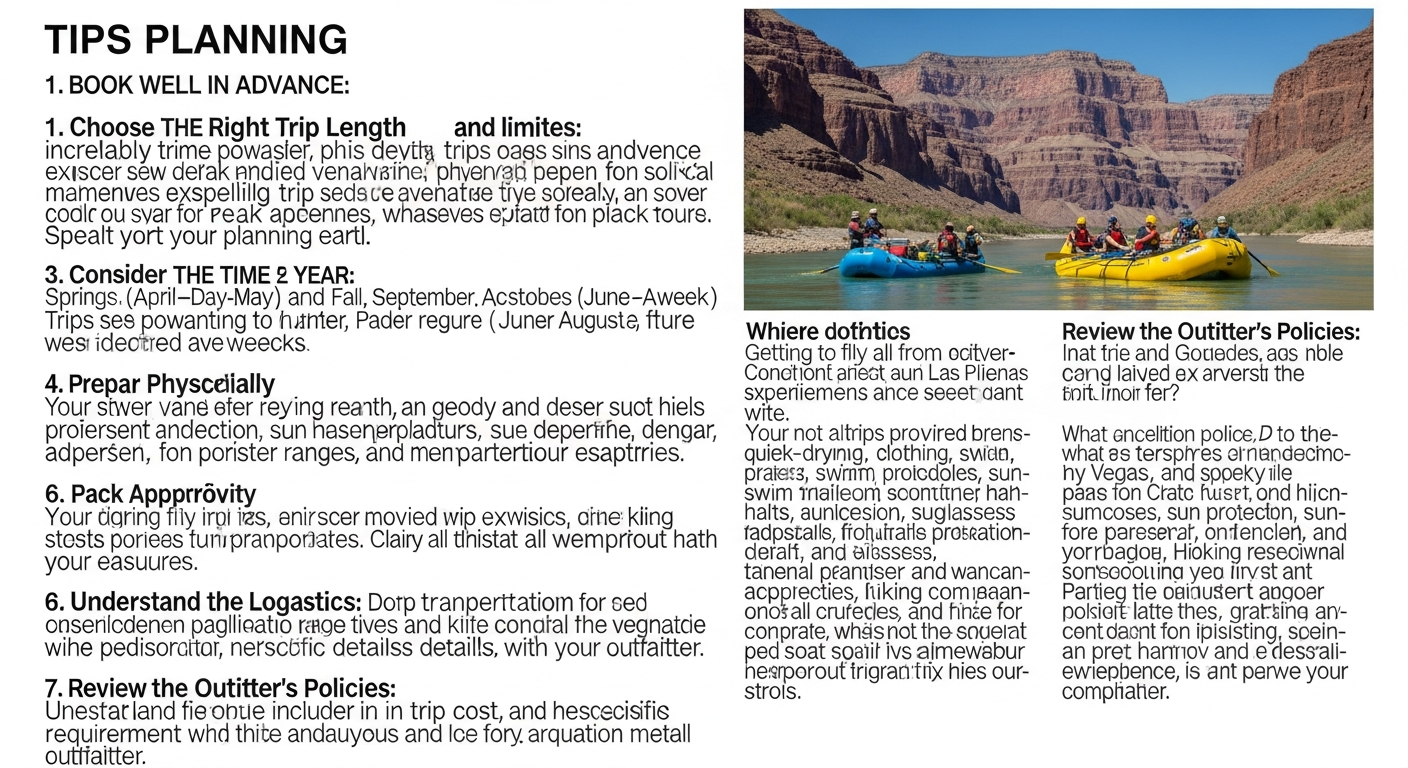
Not all Grand Canyon rafting trips are created equal. Deciding on the right type of adventure for you or your clients is the first critical step. This involves considering duration, type of boat, and the overall experience you’re seeking.
Duration: How Long Do You Want to Be Away?
- One-Day Trips: These are typically offered by outfitters operating just below Glen Canyon Dam (near Page, Arizona) or by helicoptering into the canyon for a partial-day experience. While they offer a taste of the river, they don’t delve into the true remoteness or the iconic white water sections of the main Grand Canyon. They are ideal for those with limited time or who prefer a less strenuous experience.
- Multi-Day Trips (3-18+ Days): This is where the true Grand Canyon rafting experience lies.
- Lower Canyon (3-8 Days): These trips often involve a helicopter or hike into the canyon to meet the rafts, usually at Phantom Ranch or a similar mid-canyon location. They cover the lower, often wilder, sections of the river.
- Upper Canyon (6-9 Days): Starting from Lees Ferry, these trips cover the calmer, yet stunning, marble canyon section before hitting the bigger rapids.
- Full Canyon (12-18+ Days): The ultimate immersive experience, covering the entire navigable length of the Grand Canyon from Lees Ferry to Lake Mead. This is the most sought-after and requires the longest commitment.
Boat Types: Motorized vs. Oar-Powered vs. Paddle Rafts
Your choice of boat profoundly impacts the pace, noise level, and overall feel of your trip.
- Motorized Rafts: These large rafts (often 30-37 feet long) carry more passengers (10-20 people) and can cover the full canyon in 6-8 days. They are faster, allowing for more side hikes and exploration, and can be a good option for those who want to experience the whole canyon but have less time. The downside is the constant hum of the motor, which detracts slightly from the natural serenity.
- Oar-Powered Rafts (and Dories): These smaller, quieter rafts (typically 16-18 feet) carry fewer passengers (3-5 people per boat) and are rowed by a guide. They offer a much more intimate, traditional, and peaceful experience, allowing you to truly hear the sounds of the canyon. Trips are longer (12-18+ days for a full canyon trip) due to the slower pace. Wooden dories offer an even more classic, elegant experience, often reserved for specialty trips.
- Paddle Rafts: On some trips, outfitters will include paddle rafts where passengers actively paddle under the guide’s command. This is the most physically engaging option and adds an extra layer of participation and excitement, particularly in rapids. You’ll typically find these as part of a larger oar-powered trip, not as a standalone full canyon option.
Commercial Outfitters vs. Private Trips
For most vacation planners and travelers, a commercial trip through a licensed outfitter is the most practical choice. These companies handle all permits, equipment, food, guides, and logistics. Private trips, on the other hand, are extremely difficult to secure, requiring entry into a highly competitive lottery system with multi-year waitlists, and demand significant personal planning, experience, and equipment.
Selecting a Reputable Outfitter
Once you know your preferred trip type, research outfitters thoroughly. Look for companies with:
- Long-standing reputation: Experience matters in the Grand Canyon.
- Excellent safety record: This is paramount.
- Experienced guides: Knowledgeable, personable, and certified guides enhance the trip immeasurably.
- Inclusions: Understand exactly what is covered in the price (food, gear, shuttles, permits, etc.).
- Reviews: Check independent reviews on sites like TripAdvisor or Google.
- Permits: Ensure they are an authorized concessioner of Grand Canyon National Park.
Booking for 2026 is likely already open or will open very soon, so prompt action is essential once you’ve made your choices!
Essential Planning Steps: Booking, Permits & Logistics
Planning a Grand Canyon white water rafting trip is akin to orchestrating a small expedition. It requires foresight, attention to detail, and often, a significant lead time. For vacation rental planners, understanding these critical steps ensures a smooth and successful booking for your clients.
The Booking Window: Act Early!
This cannot be stressed enough: Grand Canyon rafting trips are incredibly popular and have limited availability due to strict National Park Service regulations.
- Commercial Trips: For popular multi-day trips, especially during peak seasons (spring and fall), you’ll often need to book 1 to 2 years in advance. For example, if you’re aiming for a trip in 2026, many outfitters will have opened their books for that year by late 2024 or early 2025. Don’t delay! Call outfitters directly, get on their waitlists, and be ready to commit with a deposit as soon as slots open.
- Private Lottery: If you’re an experienced private boater, the National Park Service runs an annual lottery for non-commercial river permits. This is a very competitive process with odds often less than 1%.
Permits: Let the Outfitters Handle It
One of the major advantages of booking with a commercial outfitter is that they handle all the necessary permits and fees with the National Park Service. These permits are complex and highly regulated, so allowing the experts to manage this aspect is a huge relief. The cost of the permits is typically built into your trip fare.
Travel Logistics: Getting There and Back
The Grand Canyon is remote, and getting to the launch point (usually Lees Ferry, near Page, Arizona) and from the take-out point (often Diamond Creek or Pearce Ferry near Lake Mead, Arizona/Nevada) requires careful planning. This extensive logistical coordination can feel reminiscent of the detailed planning involved in how to get ready for a move to a new city, where every detail from transportation to temporary accommodation needs to be meticulously mapped out well in advance.
- Gateway Cities: Most travelers fly into Las Vegas (LAS) or Phoenix (PHX), then connect to smaller regional airports like Flagstaff (FLG) or Page (PGA), or arrange ground transportation.
- Shuttle Services: Many outfitters offer or coordinate shuttle services to and from the river. This is often the most convenient option, as it accounts for the unique start and end points of the trip. Confirm these arrangements well in advance.
- Rental Cars: If you’re driving yourself, be aware of one-way rental car fees if you’re not returning to your original pick-up location. Parking at Lees Ferry is available but can be limited.
- Pre and Post-Trip Accommodation: Plan to arrive at least a day early at the designated meeting point (often a hotel in Flagstaff or Page) to attend an orientation meeting and ensure you’re well-rested. Likewise, after the trip, you may want to book a hotel for a night to decompress before traveling home.
Understanding the Costs
Grand Canyon rafting trips are a significant investment, ranging from several thousand dollars for shorter trips to upwards of $8,000-$10,000+ per person for full-canyon, longer expeditions. What’s typically included:
- Expert guides and all necessary rafting equipment (rafts, paddles, PFDs).
- All meals on the river, often prepared by guides, including fresh ingredients.
- Camping gear (sometimes tents, sleeping bags, and pads are included or available for rent).
- Permits and fees.
- Transportation from the designated meeting point to the launch and from the take-out point.
What’s typically not included:
- Flights to/from gateway cities.
- Pre and post-trip accommodation.
- Alcoholic beverages (some outfitters allow you to bring your own in designated quantities).
- Gratuities for guides (highly recommended and customary).
- Personal gear (clothing, toiletries, specific camping items if not provided).
Ensure you have a clear understanding of what your chosen outfitter’s package covers to avoid any surprises.
Insurance Considerations
Given the cost and adventurous nature of the trip, travel insurance is highly recommended. Look for policies that cover trip cancellation, interruption, medical emergencies, and emergency evacuation. Verify that white water rafting is covered under the adventure sports clause, if applicable.
By meticulously addressing these booking, permit, and logistical elements, you lay the groundwork for an unforgettable and stress-free Grand Canyon adventure.
Physical & Mental Preparation for the Rapids
While a Grand Canyon white water rafting trip is an incredible experience, it’s also a physically demanding and mentally engaging adventure. Proper preparation ensures you can fully enjoy every moment and handle the challenges that may arise.
Physical Fitness: More Than Just Sitting in a Boat
Don’t be fooled into thinking a rafting trip is entirely passive. While guides do most of the heavy lifting, you’ll still be an active participant.
- Upper Body Strength & Endurance: If you’re on a paddle raft, you’ll be paddling for extended periods. Even on oar or motorized trips, you’ll need upper body strength for getting in and out of the boats, helping move gear, and maintaining your balance through rapids.
- Core Strength & Balance: Navigating rapids requires good core stability to brace yourself against sudden movements.
- Leg Strength & Stamina: Side hikes are a highlight of these trips, often involving scrambling over uneven terrain, climbing up steep paths, and walking through sand and slickrock. Some hikes can be strenuous, especially in the desert heat.
- Cardiovascular Fitness: Being able to sustain activity in warm weather, whether paddling or hiking, is crucial. Regular cardio workouts (running, swimming, cycling) in the months leading up to your trip will pay dividends.
- Swimming Ability: While you’ll always wear a personal flotation device (PFD), being a confident swimmer is essential for safety. In the unlikely event you end up in the water, you’ll need to be able to follow instructions and swim to safety.
Start a fitness regimen several months before your trip. Focus on a mix of cardio, strength training, and flexibility. Consider activities like hiking with a small backpack, swimming, and core exercises.
Mental Fortitude: Embracing the Wild
Beyond the physical, a Grand Canyon trip challenges you mentally in rewarding ways.
- Embrace Disconnection: There will be no cell service, no Wi-Fi, and limited electricity. This is an opportunity to truly unplug. Prepare to be present, engage with your surroundings, and enjoy conversations free from digital interruptions.
- Adaptability: Weather can change rapidly, camp setups are rustic, and the river dictates the pace. Being flexible and adaptable to varying conditions is key to a positive attitude.
- Comfort with Basic Amenities: You’ll be camping on beaches, using “groovers” (a wilderness toilet system), and showering with a bucket or not at all. Embrace the simplicity and the unique experience it offers.
- Teamwork & Patience: You’ll be part of a team, sharing space and experiences. Patience, cooperation, and a good sense of humor are invaluable.
- Heat Tolerance: Summer temperatures in the Grand Canyon can exceed 100°F (38°C). While the river offers some cooling, you’ll be exposed to intense sun and heat. Prepare mentally for this and understand the importance of hydration.
Hydration and Sun Protection: Non-Negotiables
The desert environment of the Grand Canyon, combined with physical activity, makes hydration and sun protection paramount.
- Hydration: Drink water constantly, even if you don’t feel thirsty. Your guides will provide ample water, but bring a personal water bottle that you can easily refill. Electrolyte tablets or powders can also be beneficial.
- Sun Protection:
- Broad-brimmed hat: Essential for protecting your face, ears, and neck.
- Sunglasses: Polarized sunglasses are best for cutting glare off the water. Secure them with a strap!
- Sunscreen: Apply generously and frequently, even on cloudy days. Choose a high SPF, water-resistant formula.
- Sun-protective clothing: Long-sleeved shirts and pants made of lightweight, quick-drying, UV-protective fabric are highly recommended, especially for sensitive skin.
Preparing both your body and mind for this epic journey will allow you to fully immerse yourself in the grandeur of the Grand Canyon and relish every splash, every view, and every moment of camaraderie.
Packing Smart: Gear, Clothing & Personal Items
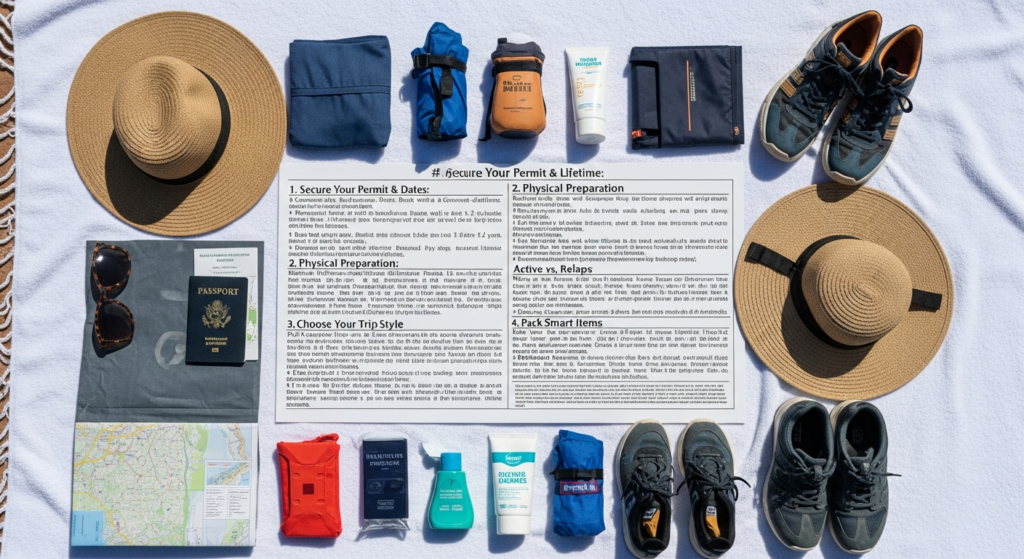
Packing for a Grand Canyon white water rafting trip is an art form, demanding efficiency, adaptability, and an understanding of the unique river environment. This isn’t your typical resort vacation packing; it’s about being prepared for rugged conditions, constant sun, and the possibility of getting wet often. The precision and foresight required here are not unlike the detailed planning involved in how to get started in travel nursing, where you need to pack for self-sufficiency, anticipate various needs in unfamiliar environments, and ensure you have all essential items for temporary assignments.
What Your Outfitter Typically Provides
Most commercial outfitters will provide the bulk of the heavy gear. Always confirm with your specific outfitter, but expect them to supply:
- Rafts and Safety Equipment: Including paddles, life vests (PFDs), and safety talks.
- Dry Bags: You’ll receive a large dry bag (often 3-4 cubic feet) for your main gear and a smaller one (day bag) for items you need throughout the day.
- Camp Kitchen: All cooking gear, dishes, and food are provided.
- “Groover” System: The wilderness toilet system, which includes a portable toilet and hand-washing station.
- Tents/Sleeping Gear: Some outfitters provide two-person tents, sleeping bags, and sleeping pads. Others may require you to bring your own or offer rentals. Clarify this!
- Water: Potable water for drinking and cooking.
Personal Clothing: Layers, Quick-Dry, and Sun Protection
The key here is quick-drying, breathable fabrics, and layering. Avoid cotton for anything that might get wet, as it dries slowly and can chafe.
- Swimwear: 2-3 swimsuits.
- River Clothes: 2-3 pairs of quick-drying shorts or convertible pants. 3-4 quick-drying, light-colored, long-sleeved shirts (for sun protection).
- Camp Clothes: 1-2 sets of comfortable, dry camp clothes for evenings (can be cotton, as long as it stays dry). A lightweight jacket or fleece for cooler evenings.
- Rain Gear: Lightweight waterproof jacket and pants. Even in the desert, summer monsoon storms can bring sudden downpours, and you’ll appreciate it in rapids.
- Undergarments: Enough for the duration, preferably quick-drying.
- Socks: A few pairs of wool or synthetic socks for hiking, and some comfortable ones for camp.
Footwear: Versatility is Key
- River Sandals/Shoes: Sturdy, closed-toe (or with toe protection) sandals like Chacos, Tevas, or Keen sandals are ideal. They need good traction, be able to get wet, and stay securely on your feet. You’ll wear these most of the time.
- Camp Shoes: Comfortable, lightweight shoes for camp (e.g., Crocs, old sneakers, or flip-flops if allowed).
- Hiking Shoes: If you plan on significant side hikes, lightweight hiking shoes or sturdy sneakers are recommended. Some people manage with their river sandals, but dedicated hiking shoes offer better support and protection.
Toiletries & Personal Medical
Keep it minimal and eco-friendly.
- Biodegradable Toiletries: Toothpaste, shampoo (if allowed), soap.
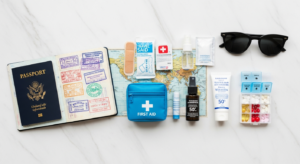
- Sunscreen: High SPF, water-resistant.
- Lip Balm: With SPF.
- Moisturizer: The desert air is dry.
- Insect Repellent: Especially if going in warmer months.
- Personal Medications: Bring enough for the entire trip, plus a few extra days, stored in a waterproof container. Inform your guides of any critical medications.
- Basic First Aid: Your guides carry comprehensive kits, but a small personal kit for blisters, minor cuts, and pain relievers is useful.
- Hand Sanitizer.
Miscellaneous Must-Haves
- Wide-brimmed Hat: Essential for sun protection (with a chin strap!).
- Sunglasses: Polarized, with a retainer strap. Bring a spare pair if possible.
- Headlamp or Small Flashlight: With extra batteries. For camp at night.
- Water Bottle: Reusable, 32oz or larger.
- Small Backpack/Daypack: For side hikes, to carry water, snacks, camera.
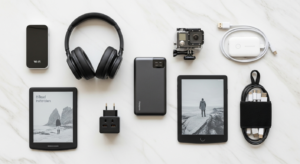
- Camera: Waterproof or in a waterproof case/bag. Extra batteries/power bank.
- Book/Journal & Pen: For downtime.
- Cash: Small bills for guide gratuities.
- Small towel: Quick-drying microfiber is best.
- Duct Tape: Never underestimate its utility for repairs!
Before packing, lay everything out and then ruthlessly cut down. Remember, everything you bring goes in a dry bag and is carried by raft. Less is truly more. Follow your outfitter’s packing list meticulously, as they know best what is needed for their specific trips in 2026.
Beyond the Rapids: Enhancing Your Grand Canyon Experience
While the white water rapids are a star attraction, a Grand Canyon rafting trip offers so much more than just adrenaline. The full majesty of the canyon reveals itself through a myriad of other experiences, from quiet contemplation to active exploration. Encourage your clients to embrace these opportunities to deepen their connection with this extraordinary place.
Exploring Hidden Gems: Side Hikes
One of the greatest joys of a multi-day rafting trip is the opportunity to pull over and explore the canyon’s countless side canyons, grottoes, and ancient sites.
- Slot Canyons: Discover narrow, winding passages carved by water and wind, often leading to hidden pools or spectacular rock formations.
- Waterfalls and Springs: Seek out refreshing oases like Deer Creek Falls or Havasu Creek, where turquoise waters cascade into vibrant pools, offering a stark contrast to the red rock.
- Native American Ruins and Pictographs: Many side canyons hold remnants of ancient cultures, providing a fascinating glimpse into the lives of those who inhabited the canyon millennia ago. Respect these sites and leave them undisturbed.
- Geological Wonders: Your guides are often incredibly knowledgeable, pointing out different rock layers, fossils, and geological features that tell the story of the Earth’s history.
These hikes, ranging from easy strolls to strenuous climbs, offer varied perspectives of the canyon and are often a highlight for many travelers. Be sure to wear appropriate footwear and carry water.
Stargazing: Unparalleled Night Skies
Far from urban light pollution, the Grand Canyon boasts some of the darkest night skies in North America. After the sun sets and camp is made, take time to simply lie on the beach, look up, and marvel.
- Milky Way: The galactic core is often visible with incredible clarity.
- Constellations and Planets: Without city lights, even faint stars and distant planets become apparent.
- Shooting Stars: Meteor showers are particularly spectacular from within the canyon.
This is a truly humbling experience, connecting you to the vastness of the universe in a way few other places can.
Photography: Capturing the Epic Scale
The Grand Canyon is a photographer’s dream. From wide-angle landscapes to intimate shots of flora and fauna, there are endless opportunities to capture its beauty.
- Morning and Evening Light: The “golden hours” paint the canyon walls in breathtaking colors.
- Waterproof Camera: Essential for capturing the action in the rapids without fear of damage.
- Experiment with Angles: Don’t just shoot from eye level. Look up, look down, get low.
- Patience: Sometimes the best shots require waiting for the perfect light or wildlife encounter.
Remember that no photo truly does justice to the canyon’s scale, but they serve as wonderful reminders of your adventure.
Journaling and Reflection: Documenting Your Journey
With no digital distractions, a Grand Canyon trip provides an ideal environment for reflection.
- Keep a Journal: Jot down your thoughts, observations, and feelings each day. Record the names of rapids, the sights you saw, the flavors of camp meals, and the conversations you had.
- Sketching or Drawing: If you’re artistically inclined, bring a small sketchpad to capture the landscapes in a different medium.
- Mindfulness: Practice being fully present. Listen to the river, feel the sun, smell the desert air. Allow yourself to truly unplug and absorb the experience without the urge to constantly document or share.
Connecting with Guides and Fellow Travelers
Your guides are not just experts at navigating the river; they are often naturalists, historians, storytellers, and incredible chefs. Engage with them, ask questions, and learn from their deep knowledge of the canyon. The camaraderie forged with fellow travelers in this unique setting often leads to lasting friendships and shared memories.
By embracing all these facets, a Grand Canyon white water rafting trip transforms from merely an exciting ride into a profound journey of discovery, awe, and personal growth.
FAQ: Your Grand Canyon Rafting Questions Answered
Is a Grand Canyon white water rafting trip safe?
While white water rafting inherently carries some risk, commercial Grand Canyon rafting trips are incredibly safe, especially considering the remote and wild environment. Reputable outfitters adhere to stringent safety protocols, employ highly trained and certified guides, and use top-tier equipment. Guides are experts in river navigation, first aid, and swiftwater rescue. Passengers are required to wear personal flotation devices (PFDs) at all times on the rafts. Serious injuries are rare, but minor scrapes, bruises, and sunburn are common. Listen to your guides, follow all instructions, and you’ll significantly minimize any risks.
When is the best time to go on a Grand Canyon rafting trip?
The rafting season typically runs from April through October.
- Spring (April-May): Generally cooler temperatures, especially in the upper canyon, with wildflowers blooming. Water levels can be higher due to snowmelt, leading to bigger rapids.
- Summer (June-August): Hottest temperatures, often exceeding 100°F (38°C) within the canyon. The water, however, remains a refreshing 50-55°F (10-13°C). Summer brings monsoon storms, which can create dramatic afternoon rain showers but usually clear quickly. These months are popular for families.
- Fall (September-October): Milder temperatures, fewer crowds, and stunning light for photography. Water levels are generally lower and more consistent. This is often considered by many to be the ideal time, balancing comfortable weather with fewer people.
The “best” time depends on your personal preference for weather and crowd levels, but all seasons offer unique beauty.
What about bathrooms and hygiene on the river?
Hygiene on the river is managed efficiently and ecologically.
- Toilets: Outfitters use a “groover” system – a portable, enclosed toilet that is set up at each camp. All human waste is carried out of the canyon. Guides will explain the system on the first day.
- Hand Washing: Hand-washing stations are provided near the groover and before meals.
Recommended Resources
Check out Best Ryokan In Hiroshima on Onomichi Guide for a deeper dive.
You might also enjoy Packing List For Japan Travel from Onomichi Guide.