
Pre-Hike Preparations: Health, Training, and Gear
Before you even think about stepping foot on a trail, a successful and safe hiking adventure begins long before you leave the driveway. Comprehensive preparation is the cornerstone of any great outdoor excursion, especially when your four-legged companion is involved. This isn’t just about packing a bag; it’s about ensuring your dog is physically ready, mentally prepared, and equipped for the demands of the trail. Think of it as a methodical approach, similar to how one might approach how to get ready for a move to a new city – a lot of planning, a lot of lists, and a lot of foresight.
Assessing Your Dog’s Health and Fitness
- Veterinary Check-up: The absolute first step is a visit to the vet. Discuss your hiking plans, especially if your dog is older, very young, or has any pre-existing health conditions. Ensure they are up-to-date on vaccinations, flea and tick prevention, and heartworm medication. A vet can also advise on appropriate distances and terrains based on your dog’s breed, age, and overall health.
- Gradual Conditioning: Just like humans, dogs need to build up their stamina. Don’t take a couch potato dog on a strenuous 10-mile hike. Start with shorter, easier walks and gradually increase the distance and difficulty over several weeks. Observe their energy levels and breathing. Look for signs of fatigue rather than pushing them too hard too fast.
- Paw Pad Toughening: Your dog’s paw pads are their primary interface with the trail. Regularly walking on varied surfaces (grass, pavement, gravel) can help toughen them naturally. For extra protection, consider using paw balms or waxes, especially in extreme temperatures or on rough terrain.
Essential Training for the Trail
A well-behaved dog is a safe dog, and a pleasure to hike with. Basic obedience is non-negotiable for trail safety and etiquette.
- Recall (Come!): This is arguably the most critical command for off-leash hiking (where permitted). Your dog must reliably come back to you, even with distractions. Practice in varied environments and reward heavily.
- Leave It/Drop It: These commands are vital for preventing your dog from ingesting something harmful (e.g., poisonous plants, discarded food, animal waste) or interacting inappropriately with wildlife.
- Leash Manners: Even if you plan on off-leash hiking, there will be times when a leash is necessary (e.g., crowded areas, wildlife encounters, specific trail regulations). Your dog should walk politely on a leash without pulling.
- Stay/Wait: Useful for holding your dog in place while you navigate tricky terrain, tie a shoe, or step aside for other hikers.
- Socialization: Ensure your dog is comfortable around other dogs, people, and unfamiliar sights and sounds they might encounter on the trail.
Must-Have Gear for Dog and Owner
Packing correctly ensures comfort, safety, and preparedness for both of you. Don’t overlook any item; each serves a crucial purpose.
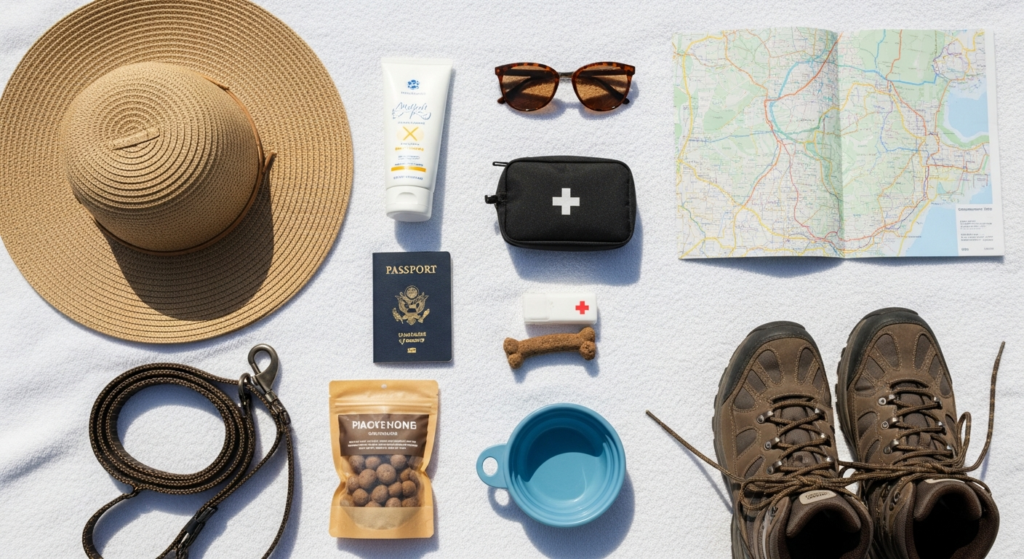
- Leash and Collar/Harness: A sturdy 6-foot leash is standard. For harnesses, choose one that is comfortable, doesn’t chafe, and allows for a full range of motion. Some harnesses have handles for lifting your dog over obstacles. Always have identification tags on their collar.
- Water and Bowl: This is non-negotiable. Dogs can dehydrate quickly. Carry ample water for both of you and a collapsible bowl for your dog. Consider a hydration pack for yourself with an extra hose for your dog.
- Dog Food and Treats: Pack enough food for the duration of the hike, plus a little extra. High-value treats are excellent for training reinforcement and motivation.
- First-Aid Kit (Human & Canine):
- For Humans: Bandages, antiseptic wipes, pain relievers, blister treatment, bug spray, sunscreen.
- For Dogs: Paw booties (for injuries or rough terrain), antiseptic wipes, gauze, vet wrap, small scissors, tweezers (for splinters/ticks), hydrogen peroxide (to induce vomiting, but only under vet guidance), Benadryl (for allergic reactions, consult vet for dosage), a small towel.
- Waste Bags: Always pack out what your dog packs in. Leave no trace.
- Headlamp or Flashlight: Even if you plan to be back before dark, unforeseen delays can happen.
- Dog Backpack (Optional): If your dog is fit and healthy, they can carry their own water, food, and waste bags in a specially designed dog pack. Start with light loads and gradually increase.
- Appropriate Footwear and Clothing for You: Comfortable hiking boots are a must. Dress in layers to adapt to changing weather conditions.
- GPS or Map & Compass: Don’t rely solely on your phone.
By dedicating time to these pre-hike preparations, you’re not just getting ready for a single outing; you’re investing in countless future adventures, creating a foundation for a lifetime of shared exploration and joy with your best friend. This level of meticulous planning is a hallmark of any successful endeavor, whether it’s a cross-country move or simply a memorable day on the trails in 2026.
Trail Etiquette and Safety for Paws and People
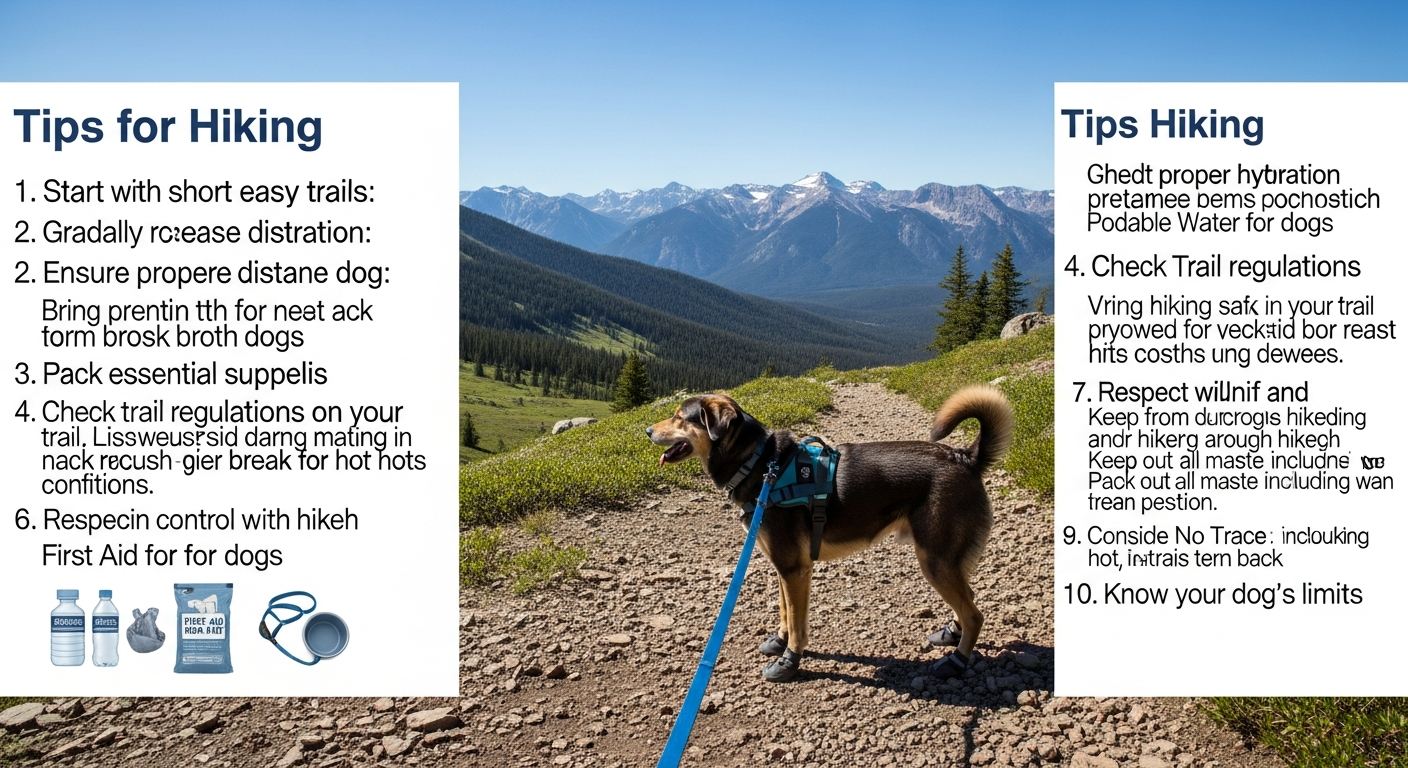
Hitting the trail with your dog is a privilege, and with that comes a responsibility to ensure the safety and enjoyment of everyone – two-legged and four-legged alike. Adhering to proper trail etiquette and prioritizing safety measures not only protects your dog but also preserves the natural environment and fosters a positive experience for all trail users. It’s about being a conscientious ambassador for dog owners on the trails, much like a professional travel nurse adapts to new hospital environments, always respecting local rules and patient needs.
Understanding and Respecting Trail Rules
- Leash Laws: The most fundamental rule. Always check if a trail requires dogs to be on-leash. Many popular trails and national parks have strict leash laws to protect wildlife, sensitive ecosystems, and other hikers. Always err on the side of caution. Even if a trail allows off-leash, consider your dog’s recall and the trail conditions before letting them roam free.
- Waste Management: Pack it in, pack it out. This applies to dog waste too. Always carry enough waste bags and be prepared to carry full bags until you reach a proper disposal bin. Leaving bags on the side of the trail, even with the intention of picking them up later, is not acceptable.
- Wildlife Protection: Keep your dog away from wildlife. Not only can your dog disturb or injure animals, but wildlife can also pose a threat to your dog (e.g., coyotes, bears, snakes). A strong “leave it” command is essential here.
- Right of Way: Hikers going uphill generally have the right of way. Yield to horses and mountain bikers. Keep your dog close to you and under control when others pass.
- Sensitive Areas: Some trails or parts of trails might be marked as off-limits to dogs to protect fragile habitats or water sources. Respect these signs without exception.
Navigating Encounters on the Trail
Interactions with other trail users, whether human or animal, are inevitable. Being prepared for these encounters ensures a smooth experience.
- Approaching Other Hikers: If you see other hikers approaching, especially with children or other dogs, immediately leash your dog (if off-leash) and keep them close to you. Step off the trail to allow others to pass comfortably. A simple “hello” or “good morning” can also set a friendly tone.
- Passing Other Dogs: Not all dogs are friendly, and not all people are comfortable with dogs. Maintain control of your dog. If your dog is prone to barking or lunging, work on desensitization and counter-conditioning training, or choose less crowded trails. Always ask before allowing your dog to greet another dog.
- Encountering Wildlife: If you spot wildlife, leash your dog immediately. Keep your dog quiet and calm. Do not allow them to chase or harass animals. If the animal seems agitated or is a large predator, slowly back away.
- Dealing with Mountain Bikers/Horses: These users move faster or are larger. Step well off the trail, keep your dog leashed and close, and allow them to pass. Announce your presence if you’re coming up behind them.
Safety Considerations Beyond Etiquette
- Weather Awareness: Check the forecast before you go. Extreme heat can lead to paw burns and heatstroke. Cold weather can cause hypothermia. Rain can make trails slippery. Always carry appropriate gear for unexpected changes.
- Trail Conditions: Be aware of sharp rocks, thorny bushes, slippery mud, or unstable ground. These can injure paws or cause falls. Consider paw booties for particularly rugged terrain.
- Parasites and Pests: Ticks, fleas, and mosquitoes are common on trails. Use preventative treatments and perform a thorough tick check on yourself and your dog after every hike. Be aware of venomous snakes or spiders in your area.
- Heatstroke Prevention: Dogs don’t sweat like humans. They pant to cool down. Watch for excessive panting, lethargy, drooling, or staggering. Provide frequent water breaks and rest in the shade. Never leave your dog in a hot car.
- Hypothermia Prevention: In cold or wet conditions, small or short-haired dogs can get cold quickly. Consider a dog jacket or sweater. Keep them moving to stay warm, but don’t overexert them.
- Getting Lost: Always carry a map, compass, or GPS device. Know your route. Make sure your dog has up-to-date ID tags and consider microchipping. If you get lost, stay calm and retrace your steps if possible.
By embracing these safety protocols and practicing good trail etiquette, you not only ensure a positive experience for yourself and your dog but also contribute to the preservation of our natural spaces for everyone to enjoy, now and in 2026. It’s about creating harmony between recreation and conservation, a balance that makes every journey more meaningful.
Hydration and Nutrition on the Trail
The Critical Importance of Hydration
Water is life, especially when expending energy on a hike. Dogs are more susceptible to heatstroke than humans because they primarily cool themselves by panting. Even on cooler days, vigorous exercise can lead to rapid dehydration.
- Carry Ample Water: This cannot be stressed enough. Always carry more water than you think you’ll need for both yourself and your dog. A good rule of thumb is to have at least 0.5 to 1 liter of water per hour of hiking for an average-sized dog, depending on temperature and exertion. If you’re hiking for several hours, this means a significant amount.
- Collapsible Bowls: A lightweight, collapsible water bowl is an absolute necessity. Offer water frequently, especially during breaks and after any strenuous uphill climbs. Don’t wait for your dog to show signs of thirst.
- Avoid Stagnant Water: While it might be tempting to let your dog drink from puddles, ponds, or slow-moving streams, these can harbor harmful bacteria, parasites (like Giardia or Leptospirosis), or even toxic algae. Stick to the water you brought or use a reliable water filter if drawing from natural sources for yourself and your dog.
- Hydration Packs: Consider a hydration pack for yourself that allows easy access to water, and some even have an extra hose attachment or capacity for your dog’s water.
- Electrolyte Replenishment (Carefully): For very long or strenuous hikes in hot weather, discuss with your vet if electrolyte-enhanced water or dog-specific electrolyte supplements are appropriate. Never give human sports drinks to your dog.
Fueling Your Canine Hiker
Hiking burns calories, and your dog needs proper fuel to maintain energy levels and recover effectively.
- Pre-Hike Meal: Feed your dog their regular breakfast a few hours before the hike. Avoid feeding immediately before setting out, as this can lead to stomach upset or bloat, especially in deep-chested breeds.
- High-Quality Dog Food: Ensure your dog is on a high-quality, nutritionally complete diet in their daily life. This forms the foundation for their hiking endurance.
- Trail Snacks/Treats: Pack easily digestible, high-energy treats. These aren’t just for training; they provide quick boosts of energy. Small pieces of cooked chicken, specific dog training treats, or even small portions of their regular kibble can work. Offer these during rest breaks.
- Energy-Boosting Foods (Moderation): Some dog-safe human foods can be good trail snacks in moderation, such as small pieces of apple (no seeds), banana, or plain cooked sweet potato. Always research foods carefully to ensure they are safe for dogs.
- Post-Hike Meal: Once you’re back home and your dog has rested and rehydrated, offer their regular meal. They’ll likely be ravenous!
- Carrying Food: If your dog is wearing a backpack, they can carry their own food and treats. Otherwise, use sturdy, resealable bags to prevent spills and keep food fresh.
Recognizing Signs of Dehydration and Fatigue
Being able to spot the early warning signs of trouble is crucial for preventing a medical emergency.
- Dehydration Symptoms:
- Excessive panting: While normal during exertion, prolonged, heavy panting with no recovery during rest is a red flag.
- Dry, sticky gums: Healthy gums are moist and pink.
- Sunken eyes: A more severe sign.
- Loss of skin elasticity: Gently pinch a fold of skin on your dog’s neck or back. If it doesn’t spring back quickly, they are dehydrated.
- Lethargy or weakness: Unusual sluggishness or difficulty moving.
- Heatstroke Symptoms: This is a medical emergency.
- Very rapid, noisy breathing (gasping):
- Bright red tongue and gums:
- Thick, sticky saliva:
- Vomiting or diarrhea:
- Dizziness, stumbling, or collapse:
- Seizures:
- Body temperature above 104°F (40°C):
If you suspect heatstroke, immediately move your dog to a cooler spot, apply cool (not icy) water to their body (especially belly and paws), offer small amounts of water, and seek veterinary attention immediately.
- Fatigue Symptoms:
- Lagging behind:
- Excessive lying down during breaks:
- Reluctance to move:
- Stiffness or limping:
- Change in gait:
If you observe these signs, it’s time to shorten the hike, take an extended break, or turn back. Pushing an exhausted dog can lead to injuries.
By proactively managing hydration and nutrition, you’re not just planning a hike; you’re orchestrating a safe and enjoyable expedition that ensures your dog remains a vibrant and happy partner on every trail, ready for whatever 2026 throws their way. This attention to detail contributes to a memorable experience, much like selecting the perfect anniversary gift ideas for couples – thoughtful, considerate, and deeply appreciated.
Reading Your Dog: Recognizing Signals and Pacing
One of the most profound joys of hiking with your dog comes from the unspoken communication you develop on the trail. Your dog constantly sends signals about their comfort, energy levels, and needs. Learning to accurately read these subtle cues, and then adjusting your pace and plans accordingly, is a hallmark of a truly responsible and empathetic hiking partner. This skill is as vital as the ability of a travel nurse to quickly assess a new patient’s needs, adapting their approach for optimal care.
Understanding Canine Body Language on the Trail
Dogs communicate primarily through body language. Paying close attention to their posture, tail position, ear set, and facial expressions can tell you a great deal.
- Positive Signals (Happy, Engaged, Comfortable):
- Relaxed body posture: Loose, fluid movements, tail at a natural height, maybe a gentle wag.
- Ears relaxed: Held in a natural position, not pinned back or stiffly forward.
- Soft eyes: Not wide or staring, no excessive whites showing.
- Open mouth, relaxed pant: Healthy panting indicating exertion but not distress.
- Engaged sniffing: Showing interest in the environment.
- Checking in: Looking back at you periodically, staying relatively close.
- Stress or Discomfort Signals (Pay Attention!):
- Stiff body, hunched posture: Indicates tension or pain.
- Tail tucked low or stiffly held: Sign of fear, anxiety, or discomfort.
- Ears pinned back or constantly swiveling: Anxiety or heightened alert.
- Yawning (when not tired): A common stress signal.
- Lip licking, excessive drooling: Can indicate nausea, anxiety, or heat stress.
- Panting heavily without exertion: Could be stress or heat.
- Whale eye: When the whites of their eyes are visible at the sides, often a sign of fear or discomfort.
- Shaking or trembling: Fear, cold, or pain.
- Reluctance to move: Could be pain, fatigue, or fear of an obstacle.
- Excessive scratching or licking: Can be a displacement behavior due to stress.
- Aggression Warning Signals (Act Immediately):
- Stiff body, direct stare:
- Growling or snarling:
- Raised hackles:
- Lip curling, showing teeth:
- Snapping or biting:
If you see these, remove your dog from the situation immediately and calmly. This highlights the importance of good leash control and recall training.
Pacing Your Hike Appropriately
Your dog’s endurance and capabilities are likely different from yours. Pacing is key to a safe and enjoyable hike for both of you.
- Start Slow, Go Easy: Especially at the beginning of a hike or if your dog is new to the trails, allow them time to warm up. Don’t immediately tackle the steepest climb.
- Frequent Breaks: Plan for regular breaks – every 20-30 minutes for a few minutes, longer breaks every hour or so. Use these times to offer water, a small treat, and allow your dog to rest and sniff around. This is especially important for breeds that overheat easily.
- Observe Energy Levels: Continuously monitor your dog. Are they still eager to move? Are they lagging behind? Are they panting excessively? If they seem tired, it’s time to slow down, take a longer break, or consider turning back.
- Consider Breed and Age:
- Brachycephalic (short-nosed) breeds: Bulldogs, pugs, etc., struggle with heat and exertion. Shorter, cooler hikes are best.
- Young puppies: Their bones and joints are still developing. Avoid long, strenuous hikes until they are fully grown (usually 1-2 years old, depending on breed).
- Senior dogs: May have arthritis or reduced stamina. Opt for shorter, flatter trails.
- Working breeds/high-energy dogs: Often thrive on longer, more challenging hikes but still need conditioning.
- Listen to Your Dog: If your dog stops, lies down, or shows reluctance to continue, respect that. They might be tired, have a sore paw, or just need a moment. Never drag or force your dog to continue.
- Turn Back When Necessary: Ego has no place on the trail. If your dog is struggling, if the weather turns, or if you encounter unexpected difficulties, be prepared to turn back. Your dog’s safety and well-being are paramount. A successful hike isn’t always about reaching the summit; it’s about enjoying the journey safely.
Mastering the art of reading your dog and pacing your adventures isn’t just a practical skill; it’s an act of love and respect. It deepens the bond you share, transforming each hike into a truly collaborative journey where both partners are understood and cared for. This thoughtful approach ensures that every adventure, whether it’s a short stroll or a multi-hour trek in 2026, is a rewarding experience for both of you.
Post-Hike Care and Recovery
The adventure doesn’t end when you step off the trail. Just as thorough preparation is vital before a hike, diligent post-hike care is crucial for your dog’s recovery, preventing injuries, and ensuring they’re ready for the next adventure. This period of cool-down and inspection is often overlooked but is just as important as any other stage of the hike, much like the meticulous planning required when considering anniversary gift ideas for couples – the follow-through makes all the difference.
Immediate Post-Hike Actions
- Hydration and Small Meal: Immediately offer your dog fresh water. Once they’ve had a chance to rehydrate and settle, offer a small, easily digestible meal or a few treats. Avoid overfeeding a very tired dog.
- Cool-Down Walk: Just like human athletes, dogs benefit from a cool-down. A leisurely, short walk (5-10 minutes) on a leash around your campsite or vacation rental helps their muscles gradually cool down and prevents stiffness.
- Paw Inspection and Cleaning: This is perhaps the most critical post-hike check.
- Thoroughly inspect all four paw pads for cuts, scrapes, thorns, foxtails, blisters, or embedded debris.
- Check between their toes for anything caught there.
- Clean their paws with a damp cloth to remove dirt, mud, and potential irritants.
- Apply paw balm if their pads seem dry or rough.
- Full Body Check:
- Run your hands over their entire body, checking for any new lumps, bumps, scratches, or signs of pain or tenderness.
- Check their ears for dirt, seeds, or signs of irritation.
- Inspect their coat for ticks, burrs, or any other unwanted hitchhikers. Pay special attention around their ears, armpits, groin, and tail.
- Look for any signs of limping or stiffness as they walk around after the hike.
Longer-Term Recovery and Monitoring
The effects of a strenuous hike can sometimes manifest hours later or even the next day.
- Rest and Relaxation: Provide a comfortable, quiet space for your dog to rest. They’ll likely sleep deeply. Don’t disturb them unnecessarily.
- Monitor for Delayed Symptoms: Keep an eye on your dog for the next 24-48 hours. Watch for:
- Excessive stiffness or lameness: More than just typical muscle soreness.
- Loss of appetite or thirst:
- Vomiting or diarrhea: Could indicate they ingested something harmful or are overly fatigued.
- Lethargy or unusual sluggishness: Beyond normal tiredness.
- Swelling or tenderness: Anywhere on their body.
- Hydration Continued: Ensure fresh water is always available. They may continue to drink more than usual.
- Nutrition Adjustment: If your dog had a particularly strenuous hike, they might benefit from a slightly larger meal or a calorie-dense snack the evening of the hike or the next day to help replenish their energy stores.
- Grooming: If your dog got particularly muddy or wet, a bath might be in order to prevent skin irritation or hot spots.
Addressing Common Post-Hike Issues
- Sore Muscles: Mild stiffness is normal after exertion. Gentle massage can help. If soreness persists or is severe, consult your vet.
- Minor Cuts/Scrapes: Clean with antiseptic wipes and apply a pet-safe antibiotic ointment. Monitor for infection.
- Ticks: If you find a tick, remove it carefully with tweezers, grasping as close to the skin as possible and pulling straight up. Clean the area. Save the tick in a sealed bag or jar if you’re concerned about Lyme disease or other tick-borne illnesses, and consult your vet.
- Blisters/Pad Injuries: For minor issues, clean and apply a protective bootie to keep the area clean and allow it to heal. Severe injuries require veterinary attention.
- Dehydration/Heat Exhaustion (Delayed): If your dog continues to show signs of dehydration or heat-related illness, seek veterinary care immediately.
By making post-hike care a routine part of your adventure, you’re not just tending to immediate needs; you’re investing in your dog’s long-term health and happiness. This thoughtful attention ensures that your furry friend remains a willing and able hiking companion for many trails to come, ready to explore new vacation rental destinations with you well into 2026. It’s an integral part of the overall journey, much like how a comprehensive plan helps someone get ready for a move to a new city, anticipating every step of the transition.
Choosing the Right Trails and Destinations
The success and enjoyment of hiking with your dog depend significantly on selecting appropriate trails and destinations. Not every trail is dog-friendly, and not every dog is suited for every trail. Thoughtful consideration of your dog’s capabilities, local regulations, and the specific characteristics of a trail will set you up for a rewarding experience, much like a meticulous vacation planner researches the perfect location for a client’s getaway.
Assessing Trail Suitability for Your Dog
- Distance and Elevation Gain: Be realistic about your dog’s fitness level. Start with shorter, flatter trails and gradually increase distance and elevation. A 5-mile hike with 1,000 feet of elevation gain is very different from a flat 5-mile stroll.
- Terrain:
- Smooth dirt paths: Generally ideal and easy on paws.
- Rocky trails: Can be tough on paw pads, cause cuts, or lead to sprains. Consider paw booties.
- Sandy trails: Can get hot and abrade paws.
- Muddy trails: Can be slippery and messy.
- Water crossings: Assess depth and current. Some dogs love them, others are wary.
- Shade and Water Access: Especially important in warmer climates. Trails with ample tree cover and natural water sources (if safe to drink from, or if you have a filter) are preferable.
- Crowd Levels: Consider your dog’s temperament. If they are easily stressed by crowds, other dogs, or children, choose less popular trails or hike during off-peak hours.
- Wildlife Presence: Research the types of wildlife in the area. Trails known for high populations of aggressive wildlife (e.g., coyotes, bears, venomous snakes) might not be the best choice for a dog hike unless you are experienced and know how to mitigate risks.
Researching Dog-Friendly Destinations and Regulations
Navigating the rules for dogs in different outdoor spaces can be tricky, as they vary widely from one location to another. This is where your planner’s hat comes on!
- National Parks vs. State Parks vs. Local Trails:
- National Parks: Generally have the strictest rules. Dogs are often restricted to paved roads, campgrounds, and specific designated trails (if any). Always check the specific park’s website.
- State Parks: Rules vary significantly by state and even by individual park. Many are more dog-friendly than national parks, often allowing leashed dogs on most trails.
- National Forests/BLM Land: Often more lenient, usually allowing leashed dogs on most trails, sometimes even off-leash in certain areas. Always confirm local regulations.
- Local/County Parks: Varies widely. Some are very dog-friendly with designated off-leash areas, others have strict leash laws or prohibit dogs entirely.
- Online Resources: Websites like AllTrails, BringFido, and local tourism boards are excellent resources for finding dog-friendly trails and checking current regulations. Read recent reviews for up-to-date information on trail conditions and dog experiences.
- Pet-
Recommended Resources
Explore Tomonoura Fishing Village Guide for additional insights.
Related reading: Cycling Across Shimanami Kaido (Onomichi Guide).