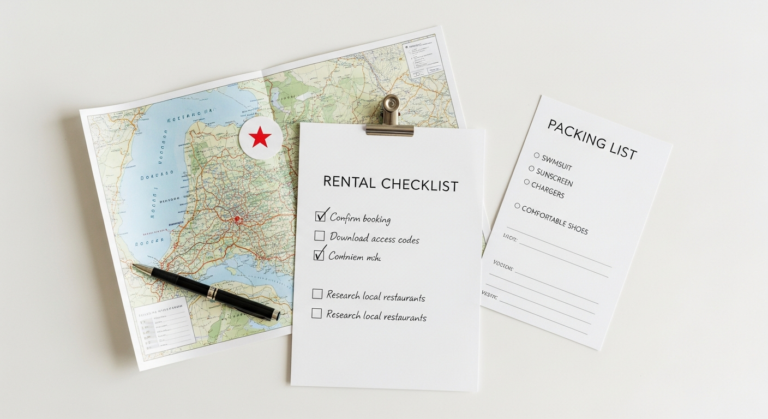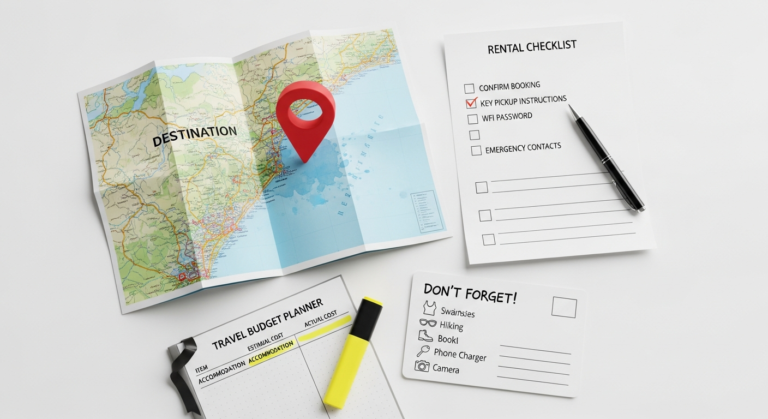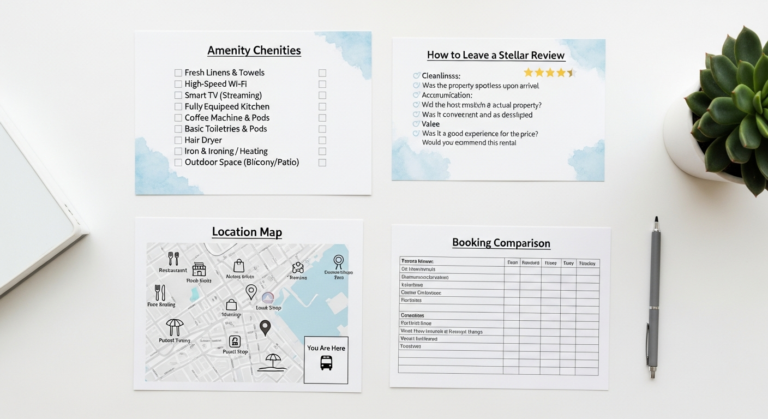

Laying the Groundwork: Vision, Budget, and Timeline for Your 2026 Adventure
Before you even think about packing a single bag or gassing up the car, the most crucial first step in any successful road trip is establishing a clear vision, a realistic budget, and a well-defined timeline. These foundational elements will serve as your compass throughout the planning process, guiding all subsequent decisions.
Defining Your Road Trip Vision
- What’s Your “Why”? Are you seeking thrilling outdoor adventures, a relaxing coastal escape, a deep dive into historical sites, or a culinary tour? Understanding the primary purpose of your trip will help you select appropriate destinations and activities. Do you dream of exploring national parks, or are you more inclined towards vibrant cityscapes?
- Who’s Coming Along? A solo journey offers unparalleled freedom, but a family trip requires considering different interests and needs. Traveling with friends might mean shared expenses and responsibilities, while a romantic getaway calls for specific types of accommodations and experiences. The dynamics of your travel companions will heavily influence everything from your vehicle choice to your daily itinerary.
- Pace and Style: Do you prefer a fast-paced journey, hitting multiple destinations each day, or a leisurely drive with plenty of time for spontaneous stops and relaxation? Some beginners opt for a “hub-and-spoke” model, staying in one vacation rental for several days and taking day trips, which can be less stressful than moving every night. Others embrace the classic cross-country trek, moving constantly. Decide what feels right for your first experience.
Crafting a Realistic Road Trip Budget
Money matters are often the biggest source of stress for beginners. A well-structured budget not only prevents overspending but also ensures you have enough funds for emergencies. Break down your budget into key categories:
- Fuel: This will likely be your largest variable expense. Research average gas prices along your intended route and estimate your vehicle’s miles per gallon (MPG). Online calculators can help you estimate fuel costs based on distance. Always factor in a buffer for unexpected detours or price fluctuations.
- Accommodation: This is where strategic planning can save you significant money. Options range from free camping (if you’re prepared) to budget motels, mid-range hotels, and luxurious resorts. For many, especially families or groups, vacation rentals offer exceptional value, providing more space, amenities like kitchens (reducing food costs), and a local feel. We’ll delve deeper into vacation rentals later, but start thinking about how much you’re willing to spend per night.
- Food & Drink: Eating out for every meal quickly adds up. Plan to pack a cooler with snacks, drinks, and ingredients for simple meals, especially if your accommodation has kitchen facilities. Balance restaurant meals with grocery store stops and picnics.
- Activities & Entertainment: Factor in entrance fees for national parks, museums, attractions, tours, or special events. Don’t forget small splurges like souvenirs or impromptu coffee stops.
- Vehicle Maintenance & Emergencies: Always set aside a contingency fund. This covers unexpected car troubles, medical emergencies, or last-minute changes in plans. A good rule of thumb is to allocate 10-15% of your total budget for incidentals.
- Tolls & Parking: Research potential toll roads along your route and anticipate parking fees, especially in urban areas.
Establishing Your Timeline for 2026
How much time do you realistically have? This will determine the scope of your trip.
- Duration: A weekend getaway is vastly different from a two-week expedition. Be honest about your available time off and energy levels. Don’t try to cram too much into too few days, especially for your first road trip.
- Seasonality: When you travel significantly impacts your experience. Summer offers warm weather and longer daylight hours but also larger crowds and higher prices. Fall boasts beautiful foliage and pleasant temperatures. Winter can be magical for snowy landscapes but requires careful driving preparation. Spring brings blooming flowers but also unpredictable weather. Consider your chosen destinations – do they have a “best” season? For example, exploring the northern states in winter might not be ideal for a beginner.
- Flexibility: While having a timeline is important, building in some flexibility is crucial for a stress-free road trip. Don’t overschedule every hour. Allow for spontaneous stops, unexpected delays, or simply a desire to linger longer in a particularly captivating spot.
Crafting Your Route: Destinations and Navigation for a Seamless Journey
With your vision, budget, and timeline in place, it’s time to plot your course. This section focuses on selecting your destinations and mastering the art of navigation, ensuring you don’t just drive, but truly explore.
Choosing Your Destinations Wisely
The beauty of a road trip is the ability to connect multiple points of interest. For beginners, it’s often best to start with a manageable route, perhaps focusing on a specific region or a handful of major attractions.
- Research & Inspiration: Dive into travel blogs, guidebooks, and online forums. Consider themes that align with your vision. For instance, if you’re looking for iconic American experiences, you might explore some of the Best Vacation Destinations US 2026, perhaps focusing on a particular region like the Pacific Northwest, the majestic Rockies, or the historic East Coast.
- Consider Driving Distances: For beginners, aim for daily driving segments of no more than 4-6 hours. This allows for ample breaks, sightseeing, and prevents driver fatigue. Remember that navigating through cities or scenic routes will take longer than cruising on open highways.
- Popular Routes vs. Hidden Gems: While popular routes offer well-established infrastructure and plenty of attractions, don’t be afraid to seek out charming small towns or lesser-known natural wonders. These can often provide some of the most memorable experiences. If you’re heading south, for example, consider some of the diverse Florida Vacation Spots Worth Visiting, which range from bustling theme park cities to serene Gulf Coast beaches and unique Everglades adventures.
- Logistics: Check opening hours for attractions, potential road closures (especially seasonal ones), and any reservation requirements. Some popular national parks, for instance, now require timed entry passes during peak seasons.
Mastering Navigation
While GPS technology has revolutionized road trips, a multi-pronged approach to navigation is always best.
- Smartphone GPS Apps: Google Maps, Waze, Apple Maps, and HERE WeGo are invaluable. Download offline maps for areas where cell service might be spotty. Familiarize yourself with their features, such as real-time traffic updates, estimated arrival times, and points of interest.
- Dedicated GPS Devices: While less common now, a standalone GPS unit can be a reliable backup, as it doesn’t rely on cell service. Ensure its maps are updated.
- Physical Maps & Atlases: Never underestimate the power of a good old-fashioned paper map. They don’t run out of battery, don’t require a signal, and provide a fantastic overview of the region. They are excellent for understanding the broader context of your route and for planning detours. Keep one in the glove compartment.
- Route Planning Apps/Websites: Tools like Roadtrippers or Furkot allow you to plan multi-stop itineraries, estimate fuel costs, and discover attractions along your route. They can be incredibly helpful for visualizing your entire journey.
- Share Your Itinerary: Inform a trusted friend or family member of your general route and estimated daily stops. This is a crucial safety measure, especially for solo travelers.
Vehicle Readiness: Your Trusty Companion for the Open Road
Pre-Trip Vehicle Inspection
Schedule a thorough check-up with a trusted mechanic a few weeks before your departure. Inform them you’re planning a long road trip. Here’s what they should look at, and what you can check yourself:
- Tires: Check tire pressure (including the spare!) and tread depth. Ensure there are no bulges, cracks, or embedded objects. Proper tire pressure improves fuel efficiency and handling, and reduces the risk of blowouts.
- Fluids: Ensure oil, coolant, brake fluid, power steering fluid, and windshield washer fluid are all at optimal levels and in good condition. Top up or replace as needed.
- Brakes: Have your mechanic inspect brake pads and rotors. You want reliable stopping power, especially when driving on unfamiliar terrain or in varied weather conditions.
- Battery: Check the battery terminals for corrosion and ensure the battery is holding a charge well. A weak battery can strand you far from help.
- Lights & Wipers: Test all exterior and interior lights (headlights, tail lights, turn signals, brake lights, hazard lights). Ensure your windshield wipers are not cracked or worn and that they effectively clear the windshield.
- Belts & Hoses: Have the mechanic inspect all belts and hoses for cracks, fraying, or leaks.
- Air Conditioning/Heating: Ensure both are working efficiently for comfort in varying climates.
Essential Emergency Kit
Even with perfect preparation, unexpected events can occur. A well-stocked emergency kit is non-negotiable.
- First-Aid Kit: Bandages, antiseptic wipes, pain relievers, allergy medication, gauze, medical tape, tweezers, and any personal prescription medications.
- Jumper Cables: A lifesaver for a dead battery.
- Basic Tool Kit: Screwdrivers, pliers, adjustable wrench, duct tape.
- Flashlight with Extra Batteries: Essential for nighttime breakdowns or navigating in the dark.
- Spare Tire, Jack, and Lug Wrench: Know how to change a tire before you leave! Check the spare’s pressure.
- Safety Triangle/Flares: To alert other drivers if you’re pulled over on the side of the road.
- Fire Extinguisher: Small, automotive-specific.
- Water & Non-Perishable Food: Enough for at least 24 hours in case of a breakdown in a remote area.
- Warm Blanket/Emergency Poncho: For unexpected weather or breakdowns in cold conditions.
- Phone Charger & Power Bank: Crucial for communication.
- Maps: Paper maps as a backup to electronics.
- Tire Pressure Gauge: To regularly check your tires.
Important Documentation
Keep these easily accessible, but secure, within your vehicle:
- Driver’s License: Valid and current.
- Vehicle Registration: Current and in your name.
- Proof of Insurance: Both physical and digital copies.
- Emergency Contacts: Written down, not just in your phone.
- Roadside Assistance Information: Membership cards and phone numbers for AAA or your insurance provider’s roadside assistance.
Comfort and Convenience Additions
- Car Charger/USB Hub: For multiple devices.
- AUX Cable/Bluetooth Adapter: For entertainment.
- Sun Shades: For passenger comfort and to keep the car cooler when parked.
- Small Trash Bag/Container: To keep your car tidy.
Packing Smart: Essentials for the Open Road
Packing for a road trip is an art form. You want to be prepared for anything without overpacking and cluttering your vehicle. The key is to organize your items logically for easy access and efficient use of space.
Clothing: Layers are Your Friend
- Versatility: Pack items that can be mixed and matched. Choose comfortable, wrinkle-resistant fabrics.
- Layers: Weather can change dramatically across different regions or even within a single day. Pack base layers, mid-layers (sweaters, fleeces), and an outer layer (waterproof and windproof jacket).
- Footwear: Comfortable walking shoes are a must. Include sandals or flip-flops for relaxation and perhaps a dressier pair if your itinerary includes nice dinners.
- Specifics: Depending on your activities, pack swimwear, hiking gear, or formal wear.
- Laundry Strategy: If your vacation rental includes laundry facilities, you can pack less and wash clothes on the go.
Personal Care & Medications
- Toiletries: Travel-sized versions are great for saving space. Don’t forget sunscreen, insect repellent, and lip balm.
- Prescription Medications: Keep these in your carry-on or easily accessible bag, along with copies of prescriptions if necessary.
- Over-the-Counter Meds: Pain relievers, antacids, motion sickness medication, allergy pills.
Food & Drink: Fueling Your Journey
A well-stocked cooler can save you a lot of money and keep you energized between stops.
- Water: Stay hydrated! Bring a reusable water bottle and a large jug of water.
- Snacks: Non-perishable, easy-to-eat snacks like nuts, granola bars, dried fruit, crackers, and jerky.
- Cooler Contents: Sandwiches, cheese sticks, yogurt, fresh fruit and vegetables (carrots, bell peppers), and drinks.
- Coffee/Tea Supplies: If you’re a connoisseur, bring a small travel mug and your preferred brew.
- Utensils & Plates: Reusable plates, cups, and cutlery are environmentally friendly and practical. Don’t forget a can opener, bottle opener, and small cutting board.
Entertainment & Connectivity
- Music & Podcasts: Curate playlists and download podcasts or audiobooks for offline listening.
- Books & Magazines: For passengers during long stretches or for relaxation at your stops.
- Games: Card games, travel-sized board games, or even road trip specific games to pass the time.
- Chargers & Power Banks: For all your electronic devices.
- Headphones: For personal listening.
Important Documents & Money
- Physical Copies: Keep copies of your driver’s license, passport (if applicable), vehicle registration, insurance, and accommodation reservations in a separate bag from the originals.
- Credit Cards & Cash: Carry a mix of payment methods. Cash is useful for small vendors, tolls, or emergencies in remote areas. Inform your bank of your travel plans to avoid card freezes.
Safety & Security Items
- First-Aid Kit: As mentioned in vehicle readiness, but also a smaller personal one.
- Sunscreen & Insect Repellent: Crucial for outdoor activities.
- Pepper Spray/Personal Alarm: For personal safety, especially for solo travelers.
- Hidden Cash/Emergency Card: A small amount of money stashed in a non-obvious place.
Accommodation & Rest: Sleeping Soundly on Your Journey
Where you lay your head each night can significantly impact your road trip experience. For beginners, understanding the various options and how to book them effectively is key to a comfortable and stress-free journey.
Exploring Your Accommodation Options
The road offers a spectrum of lodging, each with its own advantages:
- Hotels & Motels: Convenient, often with amenities like breakfast and pools. Easy to find along major highways. However, they can lack personality and space, especially for families.
- Camping: For the adventurous and budget-conscious. Requires specific gear and comfort with outdoor living. National and state parks offer incredible scenic campsites.
- Bed & Breakfasts: Offer a more intimate, personalized experience with a homey feel and often a gourmet breakfast.
- Vacation Rentals: Your Home Away From Home. This is where the expertise of Vacation Rental Planners truly shines. For many road trippers, especially those traveling for more than a night or with families/groups, vacation rentals (like homes, apartments, or cabins booked through platforms like Airbnb, Vrbo, or local agencies) offer unparalleled benefits:
- Space & Privacy: Far more room than a typical hotel room, allowing everyone to spread out and relax.
- Full Kitchens: A game-changer for saving money on food. You can cook healthy meals, store snacks, and enjoy coffee in the morning without rushing out.
- Laundry Facilities: Essential for longer trips, enabling you to pack lighter and refresh your wardrobe.
- Authentic Local Experience: Staying in a local neighborhood provides a more immersive feel than a generic hotel.
- Cost-Effectiveness: Often more economical than booking multiple hotel rooms for groups, and the ability to cook further reduces overall trip costs.
- Amenities: Many rentals offer unique amenities like hot tubs, private yards, game rooms, or specific views that enhance your stay.
When selecting a vacation rental, pay close attention to reviews, location, and specific amenities. For example, if you’re exploring the diverse Florida Vacation Spots Worth Visiting, a beachfront condo in Destin or a charming bungalow in St. Augustine could provide an ideal base for multi-day explorations.
Booking Strategy: Advance vs. Spontaneity
- Advance Booking: For popular destinations, peak seasons (like summer 2026), or specific types of accommodation (e.g., unique vacation rentals, national park lodges), booking several months in advance is highly recommended. This secures your preferred spot and often better rates. It also removes the stress of searching for a place to stay after a long day of driving.
- Spontaneity: If you enjoy the freedom to alter your route or extend a stay, you might prefer to book accommodations a day or two in advance, or even on the same day. This works best in off-peak seasons or in areas with ample lodging options. However, be prepared for potentially higher prices or limited choices. For beginners, a hybrid approach – booking key stops in advance and leaving some flexibility for others – is often the sweet spot.
- Check-in/Check-out Times: Always confirm these, especially with vacation rentals which may have specific instructions for key collection or digital access.
Ensuring a Quality Stay
Regardless of your choice, read reviews carefully. For vacation rentals, look for hosts with high ratings for cleanliness, communication, and accuracy of listing. While you won’t be doing the cleaning, understanding the standards of a good Vacation Rental Cleaning Checklist can give you an idea of what to expect from a professionally managed or well-maintained property. A clean, comfortable, and well-equipped space is paramount for recharging after a day on the road.
On the Road: Safety, Fun, and Flexibility
Once you’ve hit the highway, the journey truly begins. This section focuses on making the most of your driving time, staying safe, and embracing the spontaneous magic of a road trip.
Driving Safely and Responsibly
- Rest, Rest, Rest: Driver fatigue is a major hazard. Plan for frequent breaks every 2-3 hours to stretch, grab a snack, or switch drivers. If you feel drowsy, pull over for a short nap.
- Avoid Distractions: Put your phone away. Focus solely on the road, traffic, and your surroundings. If you need to navigate, have a passenger assist or use voice commands.
- Maintain Safe Distances: Always leave ample space between your vehicle and the one in front, especially at higher speeds or in adverse weather.
- Adhere to Traffic Laws: Speed limits, seatbelt laws, and local driving regulations are there for your safety.
- Be Prepared for Weather Changes: Check forecasts along your route. Be ready for rain, fog, strong winds, or even sudden snowstorms depending on the season and region. Adjust your driving accordingly.
- Fuel Up Strategically: Don’t wait until your tank is nearly empty, especially in remote areas where gas stations can be few and far between.
- Stay Alert: Be aware of your surroundings, both on the road and when making stops. Keep valuables out of sight when parked.
Keeping Spirits High: Entertainment and Engagement
- Curated Playlists & Podcasts: Create diverse playlists for different moods or download engaging podcasts and audiobooks to make long stretches fly by.
- Road Trip Games: Classic games like “I Spy,” license plate bingo, or the alphabet game can entertain all ages.
- Audio Tours: Many apps offer location-based audio tours that provide historical and cultural context as you drive through specific areas.
- Photography: Encourage passengers to capture the journey – the landscapes, the quirky roadside attractions, and the candid moments.
- Journaling: Document your experiences, thoughts, and discoveries. It’s a wonderful way to reflect on your adventure.
Embracing Spontaneity and Discovery
While planning is crucial, the true joy of a road trip often lies in the unexpected.
- Roadside Attractions: Keep an eye out for quirky monuments, local museums, or scenic overlooks that weren’t on your original itinerary. These often lead to the most memorable stories.
- Local Flavors: Skip the chain restaurants and seek out local diners, cafes, and food trucks. Ask locals for recommendations – they know the best spots!
- Detours: If a sign points to an interesting state park or a charming small town, and you have the time, take the detour! Some of the most beautiful Best Vacation Destinations US 2026 might be just a short diversion away.
- Flexibility with Plans: Don’t be afraid to adjust your itinerary if you discover a place you love and want to spend more time there, or if a planned stop isn’t living up to expectations. This is where the advantage of flexible accommodation bookings comes into play.
Post-Trip Wrap-Up: Cherishing Memories and Preparing for the Next Adventure
Your road trip doesn’t truly end when you pull into your driveway. A thoughtful post-trip wrap-up helps preserve memories, maintains your vehicle, and prepares you for future adventures.
Vehicle Post-Trip Care
- Inspection: Give your car a quick once-over. Check tire pressure, fluid levels, and listen for any new unusual noises. Address any issues promptly.
- Cleaning: Empty out all trash, vacuum the interior, and give the exterior a good wash. A clean car feels good and helps prevent long-term wear.
- Re-stock Emergency Kit: Replace any items used from your emergency kit.
Unpacking and Organization
- Laundry: Get all your dirty clothes into the wash as soon as possible.
- Organize Gear: Put away specific road trip items (cooler, maps, emergency kit) so they’re ready for your next adventure.
- Donation/Discard: Go through anything you packed but didn’t use. Consider if you truly need it for future trips, or if it’s time to donate or discard.
Cherishing Your Memories
- Photos & Videos: Upload and back up all your photos and videos immediately. Organize them into albums. Consider creating a photo book or a short video montage.
- Journal Review: Reread your travel journal. Add any details you forgot or reflect on your favorite moments.
- Souvenirs: Display any souvenirs you collected. They serve as tangible reminders of your journey.
- Share Your Story: Tell friends and family about your adventures. Sharing your experiences can be almost as enjoyable as the trip itself.
Reflect and Plan for 2026 and Beyond
- What Went Well? What were your favorite parts? What planning strategies worked best?
- What Could Be Improved? Were there any challenges? Did you overpack or under-budget? Learn from any hiccups.
- Dreaming Up the Next Trip: The end of one road trip is often the beginning of planning the next. Use your newfound experience to start envisioning future journeys to other Best Vacation Destinations US 2026 or even international routes.
Embarking on your first road trip is a monumental step towards independent travel and unforgettable experiences. While the initial planning might seem extensive, remember that each step is designed to build your confidence and ensure a smoother, more enjoyable journey. From meticulously preparing your vehicle and selecting the perfect vacation rentals to embracing the spontaneity of the open road, you now have the tools to make your 2026 road trip dream a vibrant reality. So, prepare your playlists, pack your bags, and get ready to create stories that will last a lifetime. Happy travels!
Frequently Asked Questions
Recommended Resources
Check out Onomichi Art Galleries And Culture on Onomichi Guide for a deeper dive.
You might also enjoy Hiroshima Peace Memorial Guide from Onomichi Guide.