
Step 1: Define Your Budget & Travel Goals
The very first, and arguably most critical, step in planning any budget vacation is to clearly define what “budget” means to you. This isn’t just about having a vague idea; it requires setting a concrete, realistic financial limit for your entire trip. Without this foundational number, all subsequent planning will lack direction, potentially leading to overspending or unmet expectations. Start by calculating how much disposable income you can realistically allocate to your vacation without compromising your regular financial commitments. Factor in savings you can accumulate between now and your departure date.
Once you have your total budget, begin to break it down into key categories. A common allocation might include: accommodation (30-40%), transportation (20-30%), food and drink (15-20%), activities and entertainment (10-15%), and a crucial contingency fund (5-10%) for unexpected expenses. This breakdown provides a framework, but remember that flexibility is key; if a luxurious stay is your priority, you might allocate more to accommodation and less to activities, for instance. Understanding these percentages will guide your choices as you move through the planning process.
Simultaneously, articulate your core travel goals. Are you seeking relaxation on a beach, cultural immersion in a vibrant city, thrilling outdoor adventures, or a mix of everything? Who are you traveling with – solo, a romantic partner, family with young children, or a group of friends? The answers to these questions profoundly influence your destination choice, the type of accommodation you’ll seek, and the activities you’ll prioritize. For example, a family traveling with young children might prioritize a vacation rental with a kitchen for self-catering, while a solo adventurer might opt for a hostel or guesthouse to meet new people. Defining these goals early helps ensure that your budget-friendly choices still deliver the kind of experience you truly desire, preventing buyer’s remorse and ensuring your trip feels like a genuine escape, not just a series of compromises.
Consider the duration of your trip as well. A longer trip might require a lower daily spend, pushing you towards more self-sufficient options like cooking your own meals, whereas a shorter trip might allow for a few more splurges. Be honest with yourself about what you can afford and what you truly want out of your vacation. This initial clarity sets the stage for a well-planned, enjoyable, and financially responsible journey.
Step 2: Researching Destinations & Timing Wisely
Once your budget is set and your travel goals are clear, the exciting part begins: choosing your destination and the optimal time to visit. This step is where strategic thinking can yield significant savings and enhance your overall experience. The key here is to think beyond the obvious and consider places and periods that offer exceptional value without sacrificing quality.
Embracing Off-Peak Travel for Maximum Savings
One of the most effective strategies for budget travel is to embrace off-peak or shoulder season travel. Avoiding peak tourist seasons—typically summer holidays, major public holidays, and school breaks—can drastically reduce costs for flights, accommodation, and even popular attractions. During these times, demand is lower, leading to more competitive pricing across the board. For example, visiting a European city in early spring or late autumn offers milder weather, fewer crowds, and often 20-40% cheaper rates compared to the bustling summer months. Similarly, a beach destination might be more affordable during its rainy season (if you don’t mind a few showers) or just before/after the main dry season.
Considering Alternative & Emerging Destinations
While iconic destinations hold undeniable appeal, they often come with premium price tags. Expand your horizons by researching less-traveled alternatives that offer similar experiences at a fraction of the cost. For instance, if you dream of ancient ruins, consider destinations in Southeast Asia or parts of Eastern Europe instead of solely focusing on Rome or Athens. For those looking at Best Vacation Destinations Us 2026, consider exploring emerging cities like Chattanooga, Tennessee, or Boise, Idaho, which offer vibrant cultural scenes and outdoor activities without the exorbitant costs of major hubs like New York or San Francisco. National parks, particularly those less famous than Yosemite or Yellowstone, can also provide breathtaking natural beauty at a much lower cost for park entry, camping, or nearby lodging. Charming small towns across the Midwest or Pacific Northwest often offer unique experiences, local festivals, and excellent food at budget-friendly prices. These domestic gems for 2026 can provide incredible value and a refreshing change of pace.
Flexibility with Dates and Duration
Flexibility is your best friend when it comes to saving on flights and accommodation. If your schedule allows, use tools like Google Flights’ “explore” feature or Skyscanner’s “everywhere” search to see where you can go for your budget on specific dates, or conversely, what dates are cheapest for your desired destination. Flying mid-week (Tuesday, Wednesday) or on Saturdays often yields lower prices than Fridays or Sundays. Similarly, consider slightly longer or shorter trips if it brings down the cost of flights significantly. Sometimes, adding an extra day or two to your trip can paradoxically make the overall cost per day cheaper if it allows you to hit a lower flight price point.
Leveraging Research Tools
Utilize a variety of online resources for your destination research. Beyond flight and accommodation aggregators, delve into travel blogs, forums (like Reddit’s r/travel or r/solotravel), and official tourism board websites. These sources often provide invaluable insights into local customs, affordable dining options, free activities, and transportation tips that won’t show up on generic booking sites. Look for information on average daily costs in your potential destinations to ensure they align with your overall budget breakdown. A little upfront research can save you hundreds, if not thousands, of dollars, ensuring your chosen destination perfectly matches your budget and travel aspirations.
Step 3: Smart Accommodation Choices & Booking Strategies
Embracing Vacation Rentals for Value
For many, especially families, groups, or those planning longer stays, vacation rentals are an absolute game-changer. Platforms like Airbnb, Vrbo, and local rental agencies offer a diverse range of properties from cozy apartments to spacious homes. The primary advantage of a vacation rental is often the kitchen facilities. The ability to cook some of your own meals, prepare packed lunches, and enjoy breakfast in your rental can lead to substantial savings on food costs, which quickly add up when dining out three times a day. Furthermore, vacation rentals typically offer more space and privacy than a standard hotel room, making them ideal for groups who can split the cost, effectively lowering the per-person nightly rate.
When booking vacation rentals, consider properties managed by owners who leverage efficient systems. Many property owners adeptly how to manage vacation rental remotely, allowing them to streamline operations, reduce overhead, and often pass those savings onto guests through more competitive pricing. This remote management doesn’t diminish the quality of service; rather, it often enhances efficiency, ensuring a smooth check-in, responsive communication, and well-maintained properties. Look for rentals with good reviews mentioning cleanliness, accurate descriptions, and helpful hosts. Booking directly through an owner’s website, if available, can sometimes even bypass platform fees, offering additional savings.
Exploring Alternatives to Hotels
Beyond vacation rentals, a plethora of other budget-friendly accommodation options exist:
- Hostels: Far from just dorm rooms, many hostels now offer private rooms with en-suite bathrooms, providing a social atmosphere at a fraction of hotel prices. They often include free breakfast and organize affordable tours.
- Guesthouses & B&Bs: These smaller, often family-run establishments provide a more personal touch and can be more affordable than larger hotels, particularly in destinations where hospitality is a strong cultural element.
- Camping & Glamping: For nature lovers, camping or glamping can be an incredibly inexpensive way to explore national parks and scenic areas. Many campsites offer basic amenities and stunning views for minimal fees.
- House-Sitting & Home Exchanges: For the truly adventurous and flexible, platforms connecting house-sitters with homeowners or facilitating home exchanges can provide free accommodation in exchange for property care or a swap of residences.
Strategic Booking Practices
Regardless of your chosen accommodation type, smart booking practices are essential:
- Book in Advance (Usually): For popular destinations or during peak seasons, booking several months ahead can lock in better rates before demand drives prices up. This is especially true for unique vacation rentals.
- Read Reviews Diligently: Always read recent reviews to get an accurate picture of the property, its location, cleanliness, and the host/staff. Pay attention to common complaints or praises.
- Compare Across Platforms: Don’t just stick to one booking site. Compare prices across various aggregators (e.g., Booking.com, Expedia) and the property’s direct website. Sometimes direct booking offers perks or loyalty discounts.
- Look for Included Amenities: Free breakfast, Wi-Fi, laundry facilities, or airport shuttles might seem small, but they add up and can make a seemingly slightly more expensive option ultimately cheaper.
- Consider Location Carefully: While staying further out from the city center might be cheaper, weigh that against transportation costs and time spent commuting. Sometimes a slightly more expensive, centrally located option saves money and hassle in the long run.
By thoughtfully considering your accommodation options and employing these booking strategies, you can secure a comfortable and cost-effective base for your budget vacation, leaving more funds for experiences.
Step 4: Transportation Hacks & Maximizing Value
Transportation, encompassing flights, ground travel, and local transit, is another significant budget component. Strategic planning and resourcefulness in this area can lead to substantial savings, allowing you to allocate more funds to experiences at your destination. From airfare to local commutes, every choice offers an opportunity to optimize your spend.
Mastering Airfare Savings
Finding affordable flights is often the biggest hurdle for budget travelers. Here are key strategies:
- Flexibility is Gold: As mentioned before, being flexible with your travel dates and even your departure/arrival airports can unlock significantly lower fares. Use flight comparison sites like Google Flights, Skyscanner, or Kayak with their flexible date search options (“entire month” or “cheapest month”) and “explore” features.
- Book at the Right Time: While there’s no magic bullet, general advice suggests booking international flights 2-8 months in advance and domestic flights 1-4 months out. Tuesdays and Wednesdays are often cited as the cheapest days to fly.
- Incognito Mode & VPNs: Some theories suggest that airline websites track your searches and may increase prices. While not definitively proven, using your browser’s incognito mode or clearing cookies can’t hurt. Occasionally, using a VPN to search from a different country might show different pricing, though this is less common.
- Budget Airlines: Don’t shy away from budget carriers (e.g., Spirit, Frontier, Ryanair, EasyJet). Just be aware of their business model: low base fares but extra charges for everything from checked bags and seat selection to printing boarding passes. Factor these potential add-ons into your total cost.
- Consider Layovers: Direct flights are convenient but often pricier. A flight with one or more layovers can significantly reduce the fare, especially for international travel. Just ensure the layover times are manageable.
Leveraging Travel Rewards Points
One of the most powerful tools for reducing travel costs is understanding how to use travel rewards points. Credit card points, airline miles, and hotel loyalty programs can transform expensive flights and accommodations into nearly free experiences. Here’s how to maximize them:
- Strategic Credit Card Usage: Sign up for travel rewards credit cards that offer generous sign-up bonuses (e.g., 50,000+ points after meeting spending requirements). Use these cards for everyday expenses to accumulate points. Look for cards with no foreign transaction fees if you travel internationally.
- Airline & Hotel Loyalty Programs: Enroll in loyalty programs for airlines you frequently fly and hotel chains you prefer. Even if you don’t fly or stay often, these points can add up, especially if you link them to credit card spending.
- Smart Redemption: Don’t just redeem points for the first available option. Research redemption values. Sometimes, transferring points to a partner airline or hotel chain yields a higher value than redeeming directly through the credit card portal. Look for “sweet spots” – specific routes or hotel categories where points provide exceptional value. For example, some airline programs offer great value for business class redemptions.
- Booking Award Travel: Award availability can be limited, especially for popular routes. Plan well in advance if you intend to use points for flights, particularly for peak travel times.
Cost-Effective Ground Transportation
Once you’ve arrived, getting around efficiently and affordably is key:
- Public Transportation: In many cities worldwide, public transport (buses, subways, trams) is the most economical way to get around. Purchase multi-day passes if available, as they often offer unlimited travel at a reduced daily rate.
- Walking & Biking: The cheapest and often most enjoyable way to explore a new city is on foot. Pack comfortable shoes! Many cities also offer bike-sharing programs for short distances.
- Ride-Sharing & Taxis (with caution): Services like Uber or Lyft can be convenient, but compare prices with local taxis and public transport. Always confirm the fare before getting in or starting the trip.
- Car Rentals: If you need a car for exploring rural areas or road trips, book well in advance for better rates. Compare prices across different rental companies and use aggregators. Decline unnecessary insurance add-ons if your personal car insurance or credit card provides coverage. Consider smaller, more fuel-efficient cars.
- Intercity Buses & Trains: For travel between cities, buses (e.g., FlixBus in Europe, Greyhound in the US) or regional trains can be significantly cheaper than flying, especially for shorter distances.
By employing these transportation hacks and effectively utilizing travel rewards, you can dramatically reduce one of the most substantial costs of your budget vacation, freeing up funds for more memorable experiences.
Step 5: Savvy Spending While Traveling
Even after meticulously planning your budget and booking your flights and accommodation, the daily spending during your trip can quickly spiral out of control if not managed wisely. Savvy spending while traveling is about making conscious choices that allow you to enjoy your destination fully without overshooting your budget. It’s about finding the balance between experiencing local culture and being financially responsible.
Mastering Mealtime Economics
Food and drink are often hidden budgetbusters. Here’s how to eat well without breaking the bank:
- Cook Your Own Meals: If you’ve opted for a vacation rental with a kitchen, make the most of it! Grocery shopping at local markets or supermarkets and preparing some of your meals is one of the biggest money-savers. This is particularly effective for breakfast and packed lunches.
- Embrace Street Food & Local Eateries: In many parts of the world, street food is not only delicious and authentic but also incredibly cheap. Seek out places where locals eat – these are typically the best value and offer a true taste of the culture. Avoid tourist traps near major attractions.
- Lunch Specials & Happy Hours: Many restaurants offer more affordable lunch menus or daily specials. Take advantage of happy hour deals for drinks and appetizers.
- Picnics: Grab some local bread, cheese, fruit, and charcuterie from a market and enjoy a scenic picnic in a park or by a landmark. It’s a delightful experience and much cheaper than a restaurant meal.
- Water Bottle: Carry a reusable water bottle and refill it whenever possible. Buying bottled water constantly adds up and isn’t eco-friendly.
Free & Low-Cost Activities
Experiences don’t always have to come with a hefty price tag. Many of the most memorable moments are free or very affordable:
- Walking Tours: Many cities offer free walking tours (tip-based) led by local guides. They’re a fantastic way to get acquainted with a city, learn its history, and get insider tips.
- Parks & Gardens: Explore local parks, botanical gardens, and public spaces. They offer relaxation, beauty, and often free entertainment like street performers or local events.
- Museum Free Days: Research museums and galleries for free admission days or hours. Some major institutions have permanent free collections.
- Self-Guided Exploration: Simply wandering through neighborhoods, observing local life, and people-watching can be incredibly enriching. Use free offline maps apps to navigate.
- Hiking & Nature Trails: If your destination offers natural beauty, take advantage of free hiking trails, beaches, or scenic viewpoints.
- Local Events: Check local tourism websites or event listings for free festivals, concerts, or markets happening during your visit.
Mindful Shopping & Souvenirs
Shopping can be a major budget drain. Approach it mindfully:
- Prioritize Experiences Over Things: Often, the memories created are more valuable than physical souvenirs. If you do buy souvenirs, seek out local artisan markets for unique items and better prices than tourist shops.
- Bargain Respectfully: In cultures where bargaining is common, do so respectfully and with a smile.
- Avoid Impulse Buys: Give yourself a “cooling off” period before making significant purchases.
Managing Daily Expenses & Tracking
- Daily Budget: Stick to a daily spending limit for food, activities, and miscellaneous items.
- Track Your Spending: Use a simple notebook, a spreadsheet, or a budgeting app to track every expense. This makes you aware of where your money is going and helps you adjust if you’re overspending.
- Local SIM Card: Purchase a local SIM card upon arrival for affordable data and calls, rather than relying on expensive international roaming.
- ATM Withdrawals: Use ATMs affiliated with major banks to avoid excessive fees. Try to withdraw larger amounts less frequently to minimize transaction charges. Always decline the ATM’s dynamic currency conversion option; let your bank do the conversion.
By implementing these savvy spending strategies, you can ensure that your budget vacation remains on track, allowing you to immerse yourself in the local culture and create lasting memories without financial stress.
Step 6: Preparing for Departure & Unexpected Costs
The final stage of planning a budget vacation involves meticulous preparation for departure and, crucially, anticipating and mitigating unexpected costs. Even the most carefully laid plans can encounter unforeseen circumstances, and having a buffer, along with proper preparations, can prevent minor hiccups from turning into major financial setbacks.
Travel Insurance: Your Budget’s Safety Net
For a budget vacation, travel insurance might seem like an unnecessary expense, but it is, in fact, one of the most critical investments you can make. A medical emergency, lost luggage, flight cancellations, or trip interruptions can quickly lead to astronomical costs that far exceed the price of a comprehensive insurance policy. Look for policies that cover medical emergencies, trip cancellation/interruption, lost or delayed baggage, and emergency evacuation. Compare different providers and read the fine print to understand what is and isn’t covered. Sometimes, credit cards offer basic travel insurance, so check your card benefits before purchasing a separate policy.
Packing Smart: Avoiding Extra Fees
Every dollar counts on a budget trip, and baggage fees can quickly eat into your savings. Learn the baggage allowances of your chosen airline, especially if flying budget carriers. The golden rule for budget travelers is to pack light. Aim for a carry-on only, if possible, to avoid checked bag fees altogether. If you must check a bag, ensure it’s within weight limits to prevent overweight charges. Invest in lightweight, versatile clothing that can be mixed and matched. Use packing cubes to maximize space and keep things organized. Remember to check restrictions on liquids and prohibited items for carry-on luggage.
Financial Safeguards & Notifications
- Notify Your Bank/Credit Card Company: Before you leave, inform your bank and credit card companies of your travel dates and destinations. This prevents them from flagging your overseas transactions as fraudulent and freezing your accounts.
- Emergency Fund: While you’ve budgeted for a contingency fund, it’s wise to have an easily accessible emergency fund separate from your main travel money. This could be a small amount of cash, an emergency credit card, or accessible savings.
- Multiple Payment Methods: Don’t rely on just one payment method. Carry a mix of cash (small denominations for immediate needs), debit cards, and credit cards. Keep them in separate, secure places to minimize risk if one is lost or stolen.
- Understand Currency Exchange: Research the local currency and its exchange rate. Avoid exchanging money at airports, as they typically offer the worst rates. Use ATMs affiliated with major banks for better rates, and always decline the option for dynamic currency conversion (DCC), which allows the merchant to convert the currency for you, often at a less favorable rate than your bank.
Document Management & Local Research
- Digital Copies of Important Documents: Scan your passport, visa, flight tickets, accommodation bookings, and insurance policy. Save them to a cloud service (like Google Drive or Dropbox) and email them to yourself or a trusted contact. This provides backup if physical documents are lost.
- Research Local Customs & Etiquette: A little research into local customs, tipping practices, and common scams can save you from awkward situations or becoming a target for unscrupulous individuals.
- Local Communication: Consider purchasing a local SIM card upon arrival for affordable calls and data, or investigate international eSIM options. This is crucial for navigation, communication, and looking up information on the go without incurring exorbitant roaming charges.
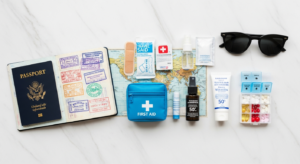
- Health & Safety: Research any necessary vaccinations or health precautions for your destination. Pack a basic first-aid kit with essentials like pain relievers, band-aids, and any personal medications. Understand emergency contact numbers for your destination.
By diligently addressing these pre-departure preparations and acknowledging the potential for unexpected costs, you can embark on your budget vacation with greater peace of mind, knowing you’re well-equipped to handle whatever comes your way, allowing you to focus on enjoying the journey.
Frequently Asked Questions
Recommended Resources
Check out Japan Pocket Wifi Vs Sim Card on Onomichi Guide for a deeper dive.
For more on how to plan, see Onomichi Ferry To Mukaishima on Onomichi Guide.