Unlock Peace of Mind: Your Essential Safety Checklist for a Serene Vacation Rental Escape

vacation rental safety tips checklist

Unlock Peace of Mind: Your Essential Safety Checklist for a Serene Vacation Rental Escape

Imagine this: You’ve found it – that perfect vacation rental. Perhaps it’s a sun-drenched villa overlooking the cerulean Mediterranean, a cozy cabin nestled among the whispering pines of the Rockies, or a chic urban loft with breathtaking city views. The excitement bubbles, the countdown begins, and you start dreaming of unforgettable moments. Here at Vacation Rental Planners, we believe that the foundation of every truly memorable trip is a sense of unwavering peace of mind. That’s why we’ve curated this comprehensive guide – your trusted companion to ensuring every aspect of your vacation rental experience, from booking to checkout, is not just delightful, but also wonderfully secure. Think of this as your sky-blue roadmap to a worry-free escape, empowering you to relax deeply, explore freely, and create cherished memories, knowing you’ve laid the groundwork for safety and serenity.

By Vacation Rental Planners Editorial Team — Travel writers covering vacation rentals, property management, and short-term stay planning.

1. Before You Book: The Art of Savvy Selection and Vetting

Your journey to a safe vacation rental begins long before you pack your suitcase. It starts with meticulous research and a keen eye for detail. Think of yourself as a detective, gathering clues to ensure your chosen haven is everything it promises to be.

First, choose your booking platform wisely. While giants like Airbnb, VRBO, and Booking.com offer unparalleled selection and various layers of guest protection (including secure payment systems and dispute resolution), always book directly through their official channels. Avoid off-platform communications or payments that bypass these safeguards, as they can leave you vulnerable to scams. These platforms are constantly evolving their safety features, from identity verification for hosts and guests to enhanced communication tools, all designed to foster trust and transparency.

Next, dive deep into the listing itself. Don’t just admire the stunning photos; scrutinize the details.
* Read the entire description thoroughly. Are there any clauses about security cameras, noise policies, or specific local regulations? A transparent host will clearly outline these.
* Examine the photos for clues. Do they look professionally taken, or are they grainy and sparse? Are there consistent themes, or do rooms seem to shift between images? Pay attention to exterior shots – do they show the neighborhood?
* Check the host’s profile. A super host or premier partner badge is often a good sign, indicating a track record of excellent service and responsiveness. Look for a verified identity, a completed profile, and a history of positive interactions. A host with multiple listings and a long history on the platform generally signifies reliability.

The reviews are your goldmine. This is where past guests share their unfiltered experiences.
* Prioritize recent reviews. A stellar review from three years ago might not reflect the current state of affairs.
* Look for mentions of safety, security, cleanliness, and accuracy. Did guests feel safe in the neighborhood? Were locks secure? Was the description accurate?
* Pay attention to how the host responds to reviews, both positive and negative. A gracious, problem-solving response to a critical review speaks volumes about their commitment to guest satisfaction. If you see recurring complaints about safety issues, trust your gut and move on.
* Insider Tip: Filter reviews for keywords like “safe,” “secure,” “lock,” “neighborhood,” and “cleanliness.” This can quickly highlight common concerns or praises.

Communication is key. Before booking, send the host a message with a simple question, even if it’s just about check-in procedures or local recommendations. This tests their responsiveness and gives you a feel for their communication style. A prompt, polite, and helpful reply is a good indicator of a dedicated host. For instance, if you’re planning a trip to a bustling city like Rome and found a charming apartment in Trastevere, asking about public transport links or local market hours can initiate a helpful dialogue.

Finally, understand the cancellation policy and consider travel insurance. Life happens, and sometimes plans change. Knowing your options for cancellation can prevent financial headaches. For international trips or high-value rentals, especially during peak seasons like summer in Santorini or the ski season in Lake Tahoe, travel insurance that covers trip interruptions, medical emergencies, and even rental damage can be an invaluable safety net. Many policies offer “cancel for any reason” options, providing ultimate flexibility. For example, a family planning a winter escape to a luxury chalet in Park City, Utah (where peak season rates can hit $1,000-$3,000/night), would find comprehensive travel insurance a wise investment against unforeseen events.

2. Arrival & First Impressions: Securing Your Sanctuary

The moment you step foot into your vacation rental is critical. This is your opportunity to conduct a quick but thorough safety audit, transforming your temporary abode into a true sanctuary.

Upon arrival, take a moment to assess the immediate surroundings.
* Neighborhood Scan: What’s the vibe of the neighborhood? Is it well-lit at night? Are there active businesses or homes nearby, or does it feel isolated? Trust your instincts. If something feels off, address it immediately with your host or platform support.
* Exterior Check: Look for clear pathways, adequate outdoor lighting, and secure gates or fences, especially if the property has a pool or garden area. If you’re staying in a charming beachfront cottage on Anna Maria Island, Florida, for example, ensure the path to the beach is clear and secure.

Inside, your priority is to verify essential safety features.
* Locks and Entryways: Check all exterior doors and windows. Do they lock securely? Are there deadbolts or additional security measures? For rentals with keypads, ensure the code is unique to your stay and has been recently changed. If you’re provided with physical keys, verify that all copies work and understand the re-entry procedure. If you notice any signs of tampering or weak locks, inform your host immediately and request a fix.
* Emergency Exits and Escape Routes: Locate all possible exits. In multi-story rentals, identify a clear escape route in case of fire. Know where the fire extinguisher is located (typically in the kitchen) and ensure smoke detectors and carbon monoxide detectors are present and functional. A quick press of the “test” button on these devices takes seconds and provides immense peace of mind. Some modern rentals, particularly those in newer developments in places like Scottsdale, Arizona, will have integrated smart home safety systems.
* Local Emergency Information: Look for a laminated sheet or magnet with local emergency numbers (police, fire, ambulance), the host’s direct contact, and the Wi-Fi password. If it’s not readily available, ask your host to provide it. Save these numbers in your phone, along with the rental’s full address. For international travel, know the local emergency hotline (e.g., 112 in most of Europe, 911 in the US and Canada).

Familiarize yourself with the property’s unique features.
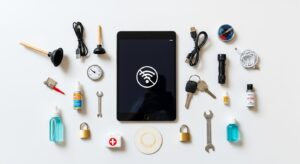
* Appliances and Utilities: Understand how to operate the heating/air conditioning, water heater, and major kitchen appliances. If anything seems faulty or unsafe (e.g., exposed wires, gas smell), do not use it and contact your host.
* Stairs and Railings: If the rental has stairs, especially in older properties or multi-level townhouses in historic districts like Charleston, South Carolina, check that railings are sturdy and steps are well-lit. This is particularly important for families with young children or elderly travelers.
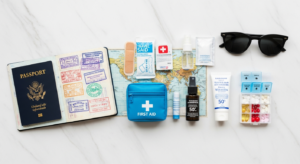
* First Aid Kit: Locate the first aid kit. A well-equipped rental should have one.

Taking these initial steps ensures that your arrival is not just exciting, but also grounded in a strong sense of security, allowing you to truly unwind into your vacation.

3. While You Stay: Everyday Vigilance & Thoughtful Living

Once you’ve settled in, maintaining a mindful approach to safety throughout your stay will ensure your vacation remains serene and stress-free. It’s about integrating smart habits into your daily routine, allowing you to fully enjoy your surroundings, whether it’s the bustling streets of Paris or the tranquil shores of a private lake.

Secure Your Belongings:
* Lock Up: Always lock doors and windows, even if you’re just stepping out for a few minutes or are relaxing by the pool. Treat your rental as you would your own home.
* Valuables: Use any provided safe for passports, cash, and small electronics. If no safe is available, keep valuables out of sight and consider using a hidden bag or discreet location within the rental. Never leave expensive items in plain view, especially near ground-floor windows.
* Vehicle Safety: If you have a rental car, ensure it’s locked, and don’t leave luggage or valuables visible inside. In urban environments or popular tourist spots, parking in well-lit, secure areas is always a good practice.

Kitchen and Appliance Safety:
* Cooking: Be attentive while cooking. Never leave stovetops or ovens unattended, especially when dealing with high heat or oil. Familiarize yourself with the location of the fire extinguisher and ensure it’s easily accessible.
* Electrical Outlets: Avoid overloading electrical outlets. If you notice any flickering lights or strange smells from appliances, unplug them and notify your host.
* Gas Appliances: If your rental uses gas appliances (oven, stovetop, water heater), be vigilant for any gas smells. If detected, open windows immediately, evacuate the property, and contact your host and emergency services from a safe distance.

Pool & Water Safety (if applicable):
* Supervision: Never leave children unsupervised around pools, hot tubs, or any body of water, even for a moment.
* Fencing: Ensure any pool gates are self-latching and self-closing. Check the depth markers.
* Rules: Adhere to any posted pool rules, such as no diving or running. Be mindful of slippery surfaces around water. For properties in popular destinations like Orlando, Florida (a family favorite), or Scottsdale, Arizona, pool safety is paramount, and many rentals will have specific guidelines.

Be Aware of Your Surroundings:
* Neighborhood Exploration: When exploring the local area, especially after dark, stick to well-lit, populated streets. Ask your host for recommendations on safe areas and those to avoid.
* Social Media Caution: While it’s tempting to share your amazing vacation photos in real-time, consider waiting until after your trip to post specific location details. This prevents signaling that your rental is currently empty.
* Stranger Interaction: Be polite but cautious if approached by strangers, particularly those asking for personal information or trying to sell you something aggressively.

Host Communication:
* Questions or Concerns: Don’t hesitate to reach out to your host if you have any questions or concerns, no matter how small. A good host prefers to address issues promptly rather than have them escalate.
* Maintenance: If any maintenance is required, ensure you’re comfortable with the timing and presence of the maintenance person. Always verify with your host that they authorized the visit. Never grant access to someone claiming to be maintenance without prior confirmation from your host.

By practicing these simple yet effective safety habits, you can immerse yourself fully in the joys of your vacation, confident that you’re taking proactive steps to protect yourself and your loved ones. Whether you’re enjoying a gourmet meal cooked in your rental’s kitchen or taking a refreshing dip in its private pool, thoughtful living ensures peace of mind.

4. Family-Focused Safety: Protecting Your Precious Cargo

For families, the definition of a safe vacation rental extends to ensuring a secure and stimulating environment for every member, especially the little ones. Vacation Rental Planners understands that parental peace of mind is paramount, which is why we emphasize these family-specific safety considerations.

Childproofing Your Rental:
* Pre-arrival Inquiry: Before booking, especially if traveling with infants or toddlers, ask the host about existing childproofing measures. Do they have outlet covers, safety gates for stairs, or window guards? Some family-friendly rentals, particularly in destinations like Anaheim (near Disneyland) or Pigeon Forge (Great Smoky Mountains), are specifically equipped with these.
* DIY Solutions: Pack a few essential childproofing items: outlet covers, duct tape (for securing cabinet doors or sharp corners), and even temporary door stoppers. These small additions can make a huge difference.
* Hazard Hunt: Upon arrival, do a quick sweep for potential hazards:
* Small Objects: Are there small decorative items within reach that could be choking hazards?
* Cleaning Supplies/Medication: Are these stored securely and out of reach in high cabinets?
* Cords and Blinds: Check for dangling cords from blinds or curtains, which can pose a strangulation risk. Tie them up or use safety clips.
* Furniture Stability: Ensure bookshelves and dressers are stable and not prone to tipping if climbed on.
* Balcony and Window Safety: If your rental has a balcony or high windows, ensure railings are secure and that furniture isn’t placed in a way that allows children to climb over them. In multi-story rentals, always be extra vigilant.

Baby Gear and Equipment:
* Cribs/High Chairs: If the host offers baby gear like cribs or high chairs, inquire about their age, condition, and safety certifications. Reputable hosts will ensure these items meet current safety standards. Some platforms even allow you to request specific gear ahead of time.
* Bringing Your Own: Many families prefer to bring their own travel cribs or portable booster seats for guaranteed familiarity and safety.

Pool and Water Safety (Revisited for Families):
* Fencing is Non-Negotiable: For rentals with private pools, ensure there is a secure, self-latching, and self-closing fence around the entire pool area. This is a critical safety feature for families with young children. Always verify this with the host before booking.
Constant Supervision: Reiterate that constant, active adult supervision is the only* guarantee of pool safety for children. Never rely solely on fences or alarms.
* Life Vests: Consider bringing properly fitted life vests for non-swimmers, even if the rental provides flotation devices.

Local Medical Resources:
* Identify Closest Facilities: Before or upon arrival, know the location of the nearest urgent care center, hospital, or pharmacy. Save their addresses and phone numbers in your phone.
* Pediatric Care: For extended stays or specific medical needs, research pediatric clinics or English-speaking doctors if you’re traveling internationally (e.g., a family vacation to Tuscany, Italy, would require knowledge of local medical services).
* Insurance: Ensure your health insurance covers you and your family for medical emergencies while traveling, both domestically and internationally.

Pet Safety (if applicable):
* Pet-Friendly Policies: If traveling with a furry family member, always confirm the rental’s pet policy and any associated fees.
* Secure Environment: Check the yard or outdoor areas for secure fencing. Look for any hazards like toxic plants, unsecured cleaning chemicals, or gaps in fences where a pet could escape.
* Local Vets: Have the contact information for a local vet clinic on hand, just in case.

By taking these thoughtful, family-centric precautions, you can transform your vacation rental into a worry-free haven where every family member, from the smallest to the tallest, can thrive and enjoy the magic of travel.

5. Digital & Personal Security: Beyond the Front Door

In our increasingly connected world, vacation rental safety extends beyond physical locks and smoke detectors. It encompasses your digital footprint and personal vigilance. Protecting your information and exercising smart judgment are crucial elements of a secure and stress-free getaway.

Wi-Fi Security:
* Public vs. Private: While the convenience of in-rental Wi-Fi is undeniable, remember that it’s a shared network. Avoid conducting highly sensitive transactions (online banking, major purchases) over public or rental Wi-Fi, especially if you’re unsure of its security.
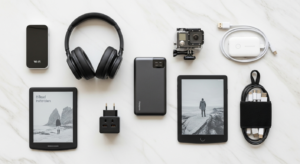
* VPN Use: Consider using a Virtual Private Network (VPN) for an added layer of encryption when connecting to any Wi-Fi network outside your home. Many reputable VPN services are affordable and easy to use.
* Password Hygiene: Never use the rental’s Wi-Fi password for any of your personal accounts. If you must log into personal accounts, ensure you are using strong, unique passwords.

Personal Data & Documents:
* Copies of IDs: Before you leave, make digital and physical copies of your passport, driver’s license, and travel insurance policy. Store digital copies securely (e.g., in a cloud service with two-factor authentication) and keep physical copies separate from the originals. This is invaluable if your primary documents are lost or stolen, especially when navigating international travel, say, a cultural immersion trip to Kyoto, Japan.
* Sharing Itinerary: Share your itinerary, including rental address and contact details, with a trusted friend or family member back home. Check in periodically to let them know you’re safe.
* Rental Information: Keep a printed copy of your booking confirmation, host contact information, and rental address in your carry-on, in case your phone battery dies or you lose service.

Avoiding Scams and Fraud:
* Off-Platform Requests: Be extremely wary of any host who asks you to communicate or pay outside of the official booking platform. This is a major red flag for scams. Platforms like Airbnb and VRBO have robust security measures in place precisely to prevent this.
* “Too Good to Be True” Deals: If a luxury rental in a prime location, like a high-end villa in Malibu, is listed at an unbelievably low price, proceed with extreme caution. It’s often a ploy to lure unsuspecting travelers into fraudulent bookings. Do your research on comparable properties.
* Phishing Attempts: Be vigilant against phishing emails or messages that appear to be from your booking platform or host, asking for personal details or payment. Always verify the sender’s email address and, if in doubt, log directly into your account on the official website to check messages.

Travel Insurance (Revisited):
* Comprehensive Coverage: Beyond trip cancellations, a good travel insurance policy can cover lost luggage, medical emergencies, rental car damage, and even personal liability. This is particularly important for longer trips or those to remote destinations like a cabin in Big Sur, California, where services might be less accessible.
* Emergency Assistance: Many policies offer 24/7 emergency assistance, which can be a lifesaver for navigating unfamiliar situations or languages.

Local Laws and Customs:
* Research: Before traveling, especially internationally, research local laws, customs, and cultural norms. Understanding these can help you avoid unintentional offenses and stay safe. For instance, in some European countries, jaywalking can incur a fine, while in others, specific dress codes are expected in certain public places.
* Local Advisories: Check government travel advisories for your destination to be aware of any safety concerns, health risks, or civil unrest.

By being mindful of your digital presence and exercising common sense in your interactions, you add another vital layer of protection to your vacation rental experience, ensuring peace of mind that extends far beyond the physical boundaries of your temporary home.

Frequently Asked Questions About Vacation Rental Safety

Q: What if I arrive and the rental looks nothing like the pictures or feels unsafe?
A: Immediately document the discrepancies with photos and videos. Contact your host first to see if they can resolve the issue (e.g., missing amenities, cleaning issues). If the host is unresponsive or the safety concern is serious (e.g., broken locks, gas smell), contact the booking platform’s customer support immediately. Most platforms have dedicated support lines for urgent issues and guest protection policies for such situations, often allowing for rebooking or refunds.
Q: Should I share my itinerary with anyone back home?
A: Absolutely! It’s always a good practice to share your detailed itinerary, including your rental’s address, host contact information, and expected dates of arrival and departure, with a trusted friend or family member. Establish a check-in schedule (e.g., daily text, weekly call) so they know you’re safe. This provides an important safety net in case of an emergency.
Q: Are security cameras common in vacation rentals, and should I be concerned?
A: Yes, outdoor security cameras (e.g., doorbell cameras, cameras monitoring driveways or pools) are increasingly common for host security and liability. Reputable platforms require hosts to disclose the presence of all cameras, indoor and outdoor, in the listing description. Indoor cameras, if allowed at all, must be disclosed and should never be in private spaces like bedrooms or bathrooms. If you discover an undisclosed camera, report it to the platform immediately.
Q: How can I ensure the Wi-Fi in my rental is secure?
A: While a private Wi-Fi network in a rental is generally safer than public Wi-Fi, it’s still a good idea to use a VPN (Virtual Private Network) for sensitive online activities like banking or shopping. Avoid using the rental’s Wi-Fi password for any of your personal accounts. If you have any doubts about the network’s security, limit personal data transmission or use your cellular data instead.
Q: What if I lose my keys or forget the keypad code?
A: Your first point of contact should always be your host. They will typically have a backup plan, whether it’s providing a spare key from a lockbox, remotely resetting a keypad code, or arranging for a locksmith. Ensure you have your host’s contact information readily accessible, perhaps saved in your phone and written down in a safe place. Charges for lost keys or locksmith services might apply, so clarify this with your host if possible.

Your Journey to a Safer, Happier Vacation Awaits!

As you can see, ensuring a safe and secure vacation rental experience isn’t about fear; it’s about empowerment. It’s about taking proactive steps that build a foundation of confidence, allowing you to fully immerse yourself in the joy of discovery and relaxation. From the moment you begin your search for that perfect beachfront villa in the Maldives (perhaps around $800-$2000/night in the shoulder seasons of April-May or September-October for a luxury overwater bungalow) to the exciting day you unlock its doors, every tip and trick shared here is designed to enhance your peace of mind.

Here at Vacation Rental Planners, we believe that a safe traveler is a happy traveler. By embracing these checklists, asking the right questions, and staying vigilant, you transform potential worries into absolute certainties: the certainty of a secure space, the certainty of open communication, and the certainty of an unforgettable, stress-free escape. So go ahead, dream big, plan smart, and embark on your next vacation rental adventure with the ultimate confidence. Your safe and serene journey awaits!

“`json
{
“@context”: “https://schema.org”,
“@graph”: [
{
“@type”: “Article”,
“mainEntityOfPage”: {
“@type”: “WebPage”,
“@id”: “https://www.vacationrentalplanners.com/blog/vacation-rental-safety-tips-checklist”
},
“headline”: “Unlock Peace of Mind: Your Essential Safety Checklist for a Serene Vacation Rental Escape”,
“image”: [
“https://www.vacationrentalplanners.com/images/safety-checklist-hero.jpg”,
“https://www.vacationrentalplanners.com/images/rental-safety-family.jpg”,
“https://www.vacationrentalplanners.com/images/digital-security-travel.jpg”
],
“datePublished”: “2023-10-27T09:00:00+00:00”,
“dateModified”: “2023-10-27T14:30:00+00:00”,
“author”: {
“@type”: “Person”,
“name”: “Vacation Rental Planners Team”
},
“publisher”: {
“@type”: “Organization”,
“name”: “Vacation Rental Planners”,
“logo”: {
“@type”: “ImageObject”,
“url”: “https://www.vacationrentalplanners.com/images/vrp-logo.png”
}
},
“description”: “Discover comprehensive vacation rental safety tips for travelers and hosts. This ultimate checklist covers everything from booking and arrival to family-focused security and digital awareness, ensuring a serene and worry-free vacation.”,
“articleBody”: “Imagine this: You’ve found it – that perfect vacation rental. Perhaps it’s a sun-drenched villa overlooking the cerulean Mediterranean, a cozy cabin nestled among the whispering pines of the Rockies, or a chic urban loft with breathtaking city views. The excitement bubbles, the countdown begins, and you start dreaming of unforgettable moments. Here at Vacation Rental Planners, we believe that the foundation of every truly memorable trip is a sense of unwavering peace of mind. That’s why we’ve curated this comprehensive guide – your trusted companion to ensuring every aspect of your vacation rental experience, from booking to checkout, is not just delightful, but also wonderfully secure. Think of this as your sky-blue roadmap to a worry-free escape, empowering you to relax deeply, explore freely, and create cherished memories, knowing you’ve laid the groundwork for safety and serenity.\n\nYour journey to a safe vacation rental begins long before you pack your suitcase. It starts with meticulous research and a keen eye for detail. Think of yourself as a detective, gathering clues to ensure your chosen haven is everything it promises to be.\n\nFirst, choose your booking platform wisely. While giants like Airbnb, VRBO, and Booking.com offer unparalleled selection and various layers of guest protection (including secure payment systems and dispute resolution), always book directly through their official channels. Avoid off-platform communications or payments that bypass these safeguards, as they can leave you vulnerable to scams. These platforms are constantly evolving their safety features, from identity verification for hosts and guests to enhanced communication tools, all designed to foster trust and transparency.\n\nNext, dive deep into the listing itself. Don’t just admire the stunning photos; scrutinize the details.\n\nRead the entire description thoroughly. Are there any clauses about security cameras, noise policies, or specific local regulations? A transparent host will clearly outline these.\n\nExamine the photos for clues. Do they look professionally taken, or are they grainy and sparse? Are there consistent themes, or do rooms seem to shift between images? Pay attention to exterior shots – do they show the neighborhood?\n\nCheck the host’s profile. A super host or premier partner badge is often a good sign, indicating a track record of excellent service and responsiveness. Look for a verified identity, a completed profile, and a history of positive interactions. A host with multiple listings and a long history on the platform generally signifies reliability.\n\nThe reviews are your goldmine. This is where past guests share their unfiltered experiences.\n\nPrioritize recent reviews. A stellar review from three years ago might not reflect the current state of affairs.\n\nLook for mentions of safety, security, cleanliness, and accuracy. Did guests feel safe in the neighborhood? Were locks secure? Was the description accurate?\n\nPay attention to how the host responds to reviews, both positive and negative. A gracious, problem-solving response to a critical review speaks volumes about their commitment to guest satisfaction. If you see recurring complaints about safety issues, trust your gut and move on.\n\nInsider Tip: Filter reviews for keywords like \”safe,\” \”secure,\” \”lock,\” \”neighborhood,\” and \”cleanliness.\” This can quickly highlight common concerns or praises.\n\nCommunication is key. Before booking, send the host a message with a simple question, even if it’s just about check-in procedures or local recommendations. This tests their responsiveness and gives you a feel for their communication style. A prompt, polite, and helpful reply is a good indicator of a dedicated host. For instance, if you’re planning a trip to a bustling city like Rome and found a charming apartment in Trastevere, asking about public transport links or local market hours can initiate a helpful dialogue.\n\nFinally, understand the cancellation policy and consider travel insurance. Life happens, and sometimes plans change. Knowing your options for cancellation can prevent financial headaches. For international trips or high-value rentals, especially during peak seasons like summer in Santorini or the ski season in Lake Tahoe, travel insurance that covers trip interruptions, medical emergencies, and even rental damage can be an invaluable safety net. Many policies offer \”cancel for any reason\” options, providing ultimate flexibility. For example, a family planning a winter escape to a luxury chalet in Park City, Utah (where peak season rates can hit $1,000-$3,000/night), would find comprehensive travel insurance a wise investment against unforeseen events.\n\nThe moment you step foot into your vacation rental is critical. This is your opportunity to conduct a quick but thorough safety audit, transforming your temporary abode into a true sanctuary.\n\nUpon arrival, take a moment to assess the immediate surroundings.\n\nNeighborhood Scan: What’s the vibe of the neighborhood? Is it well-lit at night? Are there active businesses or homes nearby, or does it feel isolated? Trust your instincts. If something feels off, address it immediately with your host or platform support.\n\nExterior Check: Look for clear pathways, adequate outdoor lighting, and secure gates or fences, especially if the property has a pool or garden area. If you’re staying in a charming beachfront cottage on Anna Maria Island, Florida, for example, ensure the path to the beach is clear and secure.\n\nInside, your priority is to verify essential safety features.\n\nLocks and Entry