
Updated October 2023. The allure of new horizons, vibrant cultures, and breathtaking landscapes is often the driving force behind our travel plans. We meticulously choose destinations, scout for the perfect vacation rental, and map out itineraries filled with unforgettable experiences. Yet, amidst the excitement of planning, one crucial aspect often takes a backseat: our health. A health setback while abroad can quickly transform a dream vacation into a nightmare, incurring unexpected costs, stress, and missed opportunities.
At Vacation Rental Planners, we believe a truly successful trip is a healthy trip. That is why equipping yourself with comprehensive travel health tips is not just an option; it is a non-negotiable step for any conscientious traveler looking to stay healthy abroad. This extensive guide provides authoritative, actionable advice designed to help you prepare, protect, and manage your well-being, ensuring your next international adventure is as healthy as it is memorable.
Disclaimer: The information provided in this guide is for general informational purposes only and does not constitute medical advice. Always consult with a qualified healthcare professional for any health concerns or before making any decisions related to your health or treatment.
The Foundation of Pre-Trip Health Preparations
The foundation of a healthy trip is laid long before you step foot on foreign soil. Proactive preparation can mitigate many potential health risks, saving you from unnecessary worry and expense. Incorporating these steps into your vacation planning guide ensures you are ready for any environment.
Consult Your Healthcare Provider
Your first step should always be a visit to your doctor or a specialized travel clinic, ideally 4-6 weeks before your departure. This allows ample time for vaccinations to become effective and for any necessary medications to be obtained. Discuss your itinerary, including countries you will visit, planned activities, and any pre-existing health conditions. Your doctor can provide personalized advice tailored to your specific needs.
- Vaccinations: Depending on your destination, you may need routine vaccines (like MMR, tetanus, diphtheria, pertussis) to be up-to-date, as well as specific travel vaccines such as Hepatitis A, Typhoid, Yellow Fever, Rabies, or Japanese Encephalitis. The Centers for Disease Control and Prevention (CDC) and the World Health Organization (WHO) offer country-specific recommendations. For instance, Yellow Fever vaccination is required for entry into certain countries, especially in parts of Africa and South America, and proof of vaccination may be requested. For travel to Southeast Asia, consider vaccinations against diseases like malaria, and if you are heading to high-altitude regions like the Andes or Himalayas, discuss altitude sickness prevention.
- Prescription Medications: Ensure you have enough of any regular medications to last your entire trip, plus a few extra days supply in case of delays. Keep medications in their original, labeled containers and carry a copy of your prescription and a doctor letter explaining why you need them. This is particularly important for controlled substances, as regulations vary by country. Some medications that are legal in your home country might be illegal abroad, so research local laws or consult the embassy of your destination.
- Dental and Eye Health: Consider a pre-travel dental check-up to avoid painful emergencies abroad. If you wear glasses or contacts, pack an extra pair or a copy of your prescription.
Secure Comprehensive Travel Insurance
While often overlooked, robust travel insurance, specifically one with significant medical coverage and emergency evacuation benefits, is one of the most vital precautions we can offer. Standard health insurance policies often provide limited or no coverage outside your home country.
- Medical Emergencies: According to the U.S. State Department, medical emergencies abroad can be incredibly costly, potentially running into tens of thousands of dollars for hospital stays or complex treatments. Comprehensive insurance can cover these expenses.
- Medical Evacuation: In severe cases, you might need to be airlifted to a better-equipped facility or even back home. Medical evacuation can cost upwards of $100,000 without insurance. Ensure your policy covers this critical aspect.
- Pre-existing Conditions: Disclose any pre-existing medical conditions when purchasing insurance to ensure they are covered.
Pack a Smart Travel Health Kit
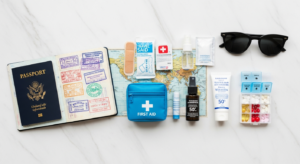
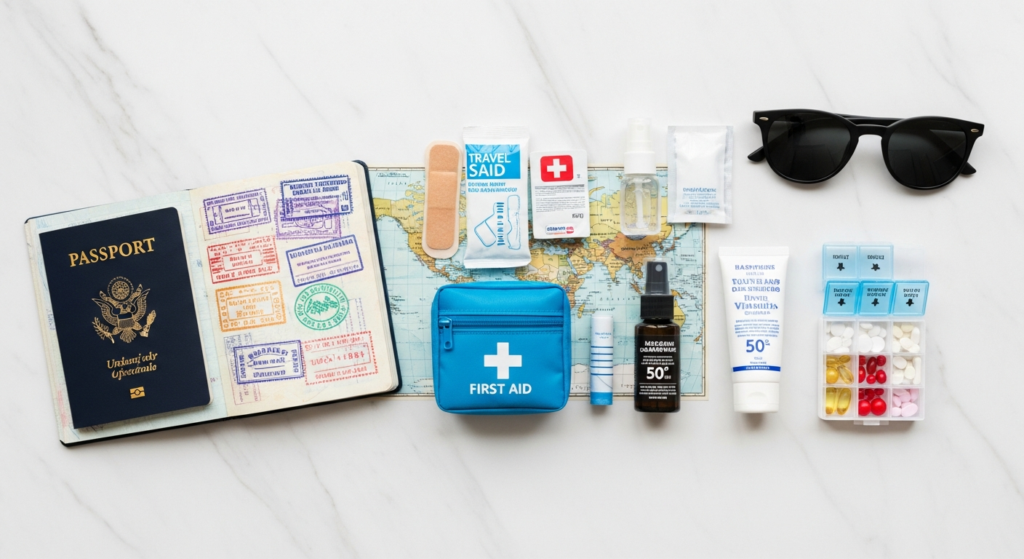
A well-stocked personal health kit can address minor ailments and injuries, preventing them from escalating. Be sure to add these items to your comprehensive packing guide.
- Over-the-Counter Medications: Pain relievers (ibuprofen/acetaminophen), antidiarrheal medication (loperamide), antacids, antihistamines, motion sickness pills.
- First Aid Supplies: Band-aids, antiseptic wipes, gauze, medical tape, antibiotic ointment, hydrocortisone cream (for bites/rashes), blister treatment.
- Other Essentials: Hand sanitizer, insect repellent (containing DEET or picaridin), sunscreen, lip balm with SPF, water purification tablets/filter, rehydration salts, thermometer.
How Can You Protect Yourself from Common Travel Ailments?
Once you are at your destination, vigilance is key. Many travel-related illnesses are preventable with simple, consistent precautions.
Food and Water Safety: The Boil It, Cook It, Peel It, or Forget It Rule
Contaminated food and water are leading causes of illness for travelers, with traveler diarrhea being the most common complaint. Adhering to strict food and water safety practices is fundamental. When staying in your chosen vacation rental, you have the distinct advantage of a private kitchen. Utilizing a vacation rental kitchen allows you to control your food preparation, wash ingredients thoroughly with safe water, and cook meals to the proper temperature, significantly reducing the risk of foodborne illnesses.
- Water: Drink only bottled, sealed water, or water that has been boiled or purified (with tablets or a filter). Avoid ice cubes in drinks, as they might be made from unsafe tap water. Be cautious when brushing your teeth, opting for bottled water if tap water quality is questionable.
- Food: Stick to hot, thoroughly cooked foods. Avoid raw or undercooked meats, fish, and eggs. Freshly peeled fruits and vegetables are generally safe; avoid salads washed in local water. Be wary of street food unless you can see it being freshly prepared and served hot from a clean vendor with a high turnover. Foods left at room temperature for extended periods are risky.
- Hand Hygiene: Wash your hands frequently with soap and water, especially before eating and after using the restroom. If soap and water are not available, use an alcohol-based hand sanitizer (at least 60% alcohol).
Preventing Insect-Borne Diseases
Mosquitoes, ticks, and other insects can transmit serious diseases like malaria, dengue fever, Zika virus, Lyme disease, and chikungunya. Protecting yourself from bites is a critical preventative measure. If your tropical vacation rental offers mosquito nets or screened-in porches, ensure they are properly used.
- Repellent: Use insect repellent containing DEET (30-50% for adults), picaridin, oil of lemon eucalyptus, or IR3535 on exposed skin.
- Clothing: Wear long-sleeved shirts and long pants, especially at dawn and dusk when mosquitoes are most active. Treat clothing and gear with permethrin for added protection.
- Mosquito Nets: If staying in areas without air conditioning or screened windows, sleep under an insecticide-treated mosquito net.
- Awareness: Research the prevalent insect-borne diseases in your destination and their peak seasons.
Sun Exposure and Heat-Related Illnesses
Sunburn, heatstroke, and dehydration can quickly ruin a trip, especially in tropical or desert climates.
- Sun Protection: Apply broad-spectrum sunscreen with an SPF of 30 or higher, and reapply every two hours, or more frequently if swimming or sweating. Wear a wide-brimmed hat, sunglasses, and protective clothing.
- Hydration: Drink plenty of safe fluids (water, rehydration salts) throughout the day, even if you do not feel thirsty. Avoid excessive alcohol and sugary drinks, which can lead to dehydration.
- Seek Shade: Limit direct sun exposure, especially between 10 AM and 4 PM when UV rays are strongest.
[INLINE IMAGE 2: Traveler preparing a healthy meal in a vacation rental kitchen, emphasizing food and water safety]
Types of Pre-Existing Conditions and How to Manage Them Abroad
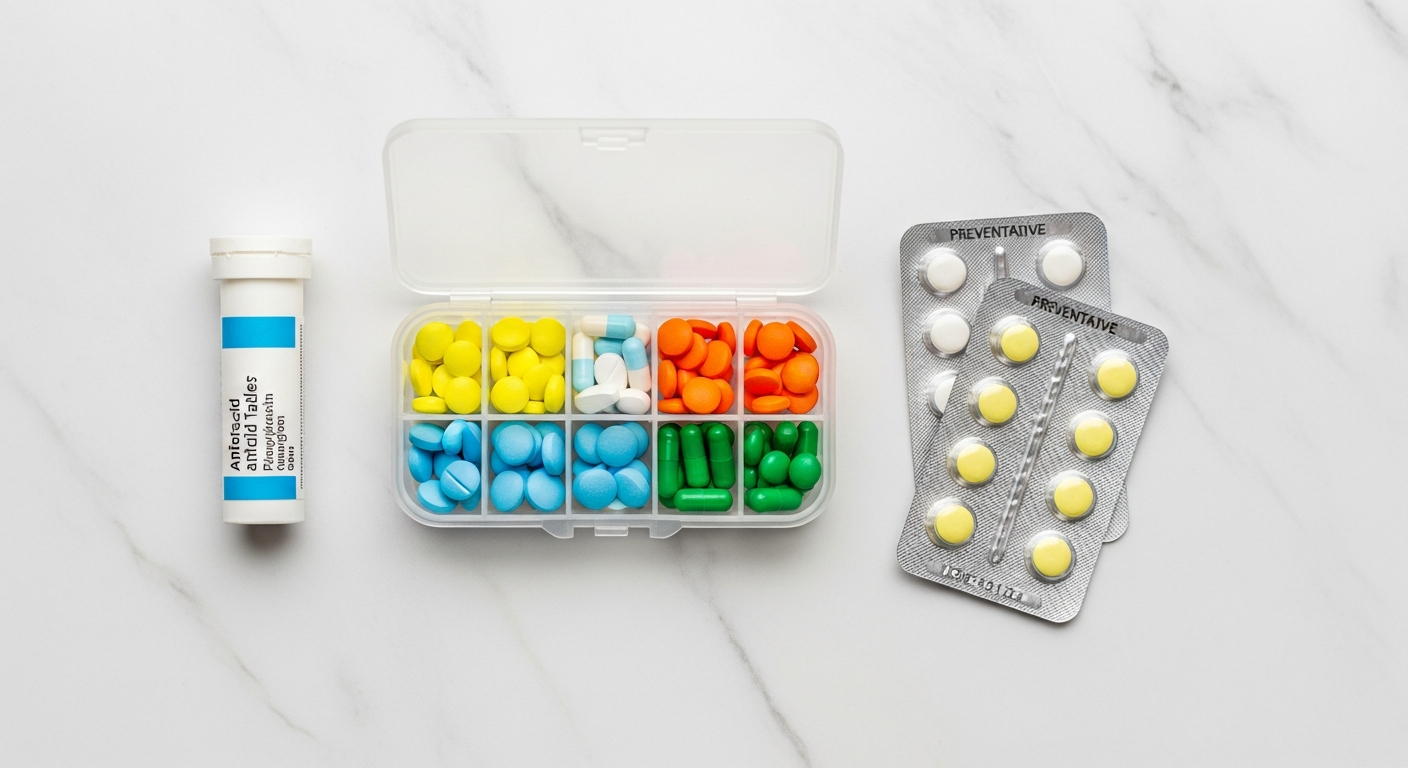
Travel can pose unique challenges for individuals with chronic health conditions. Careful planning ensures continuity of care and peace of mind.
Medication Management and Documentation
As mentioned, carrying sufficient medication in original containers with proper documentation is essential. This also includes devices like insulin pumps, CPAP machines, or EpiPens.
- Doctor Letter: Obtain a detailed letter from your doctor outlining your medical conditions, all medications (generic and brand names, dosages), and any necessary medical supplies. This can be crucial for customs, security, and in case you need medical attention abroad. Have it translated into the local language if possible.
- Medical Alert Information: Wear a medical alert bracelet or necklace if you have a serious condition (e.g., diabetes, severe allergies) that first responders should know about. Store relevant medical information on your phone and accessible for emergencies.
- Research Destination Healthcare: If you have a specific condition that might require specialized care (e.g., dialysis, specific types of blood work), research facilities in your destination beforehand and know where to go if needed.
Adapting to Different Environments
Changes in altitude, climate, and time zones can impact pre-existing conditions.
- Altitude Sickness: If traveling to high altitudes, ascend gradually, stay hydrated, and avoid strenuous activity for the first 24-48 hours. Discuss prophylactic medications with your doctor if you are particularly susceptible or traveling to very high altitudes.
- Climate Changes: Extreme heat or cold can exacerbate certain conditions. Plan your activities and clothing accordingly.
- Jet Lag: While a common annoyance, severe jet lag can disrupt medication schedules and worsen chronic fatigue. Strategies include gradually adjusting sleep patterns before departure, staying hydrated, avoiding caffeine/alcohol on flights, and exposure to natural light at your destination.
Strategies for Maintaining Physical and Mental Well-being
Physical and mental well-being are interconnected, and both are vital for a fulfilling travel experience. Do not overlook these holistic approaches to staying healthy.
Maintain a Healthy Lifestyle on the Go
It is easy to fall out of routine while traveling, but maintaining some healthy habits can make a big difference.
- Exercise: Incorporate walking, swimming, or local fitness activities into your itinerary. Many private accommodations and rental properties offer private gyms or are located near scenic walking and biking paths, making it easy to stay active. Even simple stretches on a long flight can improve circulation and reduce stiffness.
- Nutrition: While indulging in local cuisine is part of the experience, try to balance it with healthy choices. Opt for fresh fruits and vegetables when available, and avoid excessive processed foods. Having access to a kitchen in your rental property makes this balance much easier to achieve.
- Sleep: Aim for adequate sleep. While time zone changes can make this challenging, prioritize rest, especially in the first few days of your trip. Consider earplugs and eye masks for better sleep in unfamiliar environments.
Prioritizing Mental Well-being
Travel can be exhilarating, but also stressful, especially with unexpected delays or cultural differences. Protecting your mental health is as important as your physical health.
- Manage Stress: Practice mindfulness, meditation, or deep breathing exercises. Build flexibility into your itinerary to allow for downtime and spontaneous changes, reducing pressure.
- Stay Connected: Keep in touch with friends and family back home. Knowing you have a support system can alleviate feelings of isolation or anxiety.
- Realistic Expectations: Not every moment will be perfect. Embrace the unexpected, learn from challenges, and remember that travel is about the journey, not just the destination.
- Digital Detox: While staying connected is good, excessive screen time can detract from the travel experience and lead to mental fatigue. Try to set aside time to unplug and immerse yourself in your surroundings.
What Should You Do During a Medical Emergency in a Foreign Country?
Despite all precautions, emergencies can happen. Knowing how to react calmly and efficiently can make a critical difference.
Know Your Emergency Contacts and Information
Keep a readily accessible list of vital contact information, both physical and digital.
- Local Emergency Numbers: Research and know the emergency services number for your destination (e.g., 911 in the U.S. and Canada, 112 in most of Europe, 999 in the UK).
- Embassy/Consulate: Have the contact information for your country embassy or consulate. They can offer assistance in dire situations, including medical emergencies.
- Travel Insurance Provider: Crucially, have your travel insurance policy number and their 24/7 emergency contact details. They are your first point of contact for medical assistance, evacuation, and payment guarantees.
- Personal Contacts: Keep emergency contact numbers for family or friends back home.
Communicate Effectively
Language barriers can complicate medical emergencies. Being prepared can help.
- Translation Apps: Download offline translation apps or carry a small phrasebook with common medical terms.
- Medical ID: As mentioned, wear a medical ID that lists critical conditions and medications, ideally in English and the local language.
- Clear Information: When seeking medical help, try to articulate your symptoms clearly and concisely.
Utilize Your Travel Insurance
Your travel insurance is your primary tool in a medical emergency.
- Call Immediately: Contact your insurance provider emergency assistance line as soon as possible. They can guide you to appropriate medical facilities, arrange for direct payment (avoiding upfront costs for you), and coordinate any necessary medical transfers or evacuations.
- Document Everything: Keep all medical reports, receipts, and any correspondence with healthcare providers or your insurance company. This documentation is vital for claims processing.
Traveler Profiles and Their Specific Health Considerations
While general advice applies to everyone, certain groups may require specific additional planning to ensure a safe journey.
Families with Children
- Children Medications: Pack child-specific dosages of fever reducers, antihistamines, and any prescription medications. Always carry a doctor note for children prescriptions.
- Vaccinations: Ensure all children are up-to-date on routine childhood vaccinations in addition to any travel-specific ones.
- Car Seat Safety: Research car seat laws and availability in your destination if renting a car.
- Sun and Insect Protection: Children skin is more sensitive; use appropriate sunscreens and repellents.
Senior Travelers
- Comprehensive Check-up: A thorough pre-trip medical evaluation is especially important for seniors, who may have multiple chronic conditions.
- Mobility Aids: Plan for accessibility. If using mobility aids, confirm their compatibility with your destination infrastructure and transportation. Look for rental properties that highlight accessible features.
- Insurance: Secure robust travel insurance that specifically covers pre-existing conditions and offers high limits for medical evacuation.
- Pace Yourself: Plan a less strenuous itinerary with ample rest days to avoid overexertion.
Adventure and Remote Travelers
- Specialized First Aid: Beyond a basic kit, consider packing items like high-altitude sickness medication, snake bite kits (if applicable), water purifiers, and a satellite phone for truly remote areas.
- Specific Vaccinations: Rabies vaccination is often recommended for those spending extended time in remote areas or engaging in activities that might expose them to wild animals.
- Advanced Skills: Consider taking a wilderness first aid course before your trip.
Solo Travelers and Digital Nomads
- Buddy System: Even if traveling solo, establish a check-in system with a friend or family member back home.
- Mental Health Support: Prolonged solo travel or living abroad can lead to loneliness or burnout. Be proactive about seeking community, maintaining routines, and reaching out if needed.
- Ergonomics: If working remotely, ensure your workspace setup is ergonomic to prevent aches and pains.
Post-Travel Health Checks and Returning Home Safely
Your health journey does not end when you return home. Post-travel monitoring is another key aspect of comprehensive care.
Monitor Your Health
Pay attention to any symptoms that develop after your return, especially if you visited areas with specific disease risks.
- Common Symptoms: Fever, rash, persistent diarrhea, muscle aches, or unusual fatigue could indicate a travel-related illness.
- When to See a Doctor: If you develop any concerning symptoms, particularly fever, within a few weeks or even months of returning, seek medical attention. Inform your doctor about your travel history, including specific destinations and activities, as this information is crucial for diagnosis.
- Jet Lag Recovery: Continue to practice good sleep hygiene and expose yourself to natural light to help your body readjust to your home time zone.
Follow-up Care
If you received medical treatment abroad, follow up with your local doctor to ensure continuity of care. Share any medical reports or treatment details from your trip.
Embarking on an international adventure is an exhilarating experience, and with the right preparation, it can also be a remarkably healthy one. By integrating these essential practices into your trip planning, you are not just safeguarding your well-being; you are ensuring that your chosen vacation rental becomes a true sanctuary for rest and rejuvenation, rather than a place for unexpected recovery. From pre-trip consultations and vaccinations to vigilant practices on the ground and post-travel monitoring, prioritizing your health empowers you to fully embrace every moment, every sight, and every cultural nuance your destination has to offer. Equip yourself with these insights and embark on your next adventure with confidence, knowing you are prepared for whatever comes your way.
Frequently Asked Questions About Vacation Health
What are the most important travel health tips before I leave?
The most important pre-trip tips include visiting your doctor or a travel clinic 4-6 weeks before departure for necessary vaccinations and medication refills, securing comprehensive travel insurance with medical and evacuation coverage, and packing a well-stocked personal health kit.
How can I prevent traveler diarrhea?
To prevent traveler diarrhea, strictly follow the Boil it, cook it, peel it, or forget it rule. Drink only bottled or purified water, avoid ice, raw or undercooked foods, and unpeeled fruits/vegetables. Practice frequent hand hygiene with soap and water or an alcohol-based hand sanitizer. Preparing meals in your rental property kitchen is also a great way to ensure food safety.
Is travel insurance really necessary for health?
Yes, absolutely. Travel insurance with medical coverage and emergency evacuation benefits is crucial. Your domestic health insurance may not cover you abroad, and medical emergencies, hospital stays, or evacuations in foreign countries can be incredibly expensive, often costing tens of thousands of dollars without adequate coverage.
What should be in a basic travel health kit?
A basic travel health kit should include pain relievers, antidiarrheal medication, antacids, antihistamines, band-aids, antiseptic wipes, antibiotic ointment, hydrocortisone cream, insect repellent (with DEET or picaridin), sunscreen, hand sanitizer, and any personal prescription medications in their original containers.
How do I manage jet lag effectively?
To manage jet lag, try to gradually adjust your sleep schedule a few days before departure. Once at your destination, expose yourself to natural light during the day, stay hydrated, avoid excessive caffeine and alcohol, and try to sleep according to the local time, even if it is difficult at first. Melatonin can sometimes help with sleep adjustment.
Sources & References
- Centers for Disease Control and Prevention (CDC). “Travelers’ Health.” https://wwwnc.cdc.gov/travel
- World Health Organization (WHO). “Travel advice.” https://www.who.int/travel-advice
- U.S. Department of State. “Your Health Abroad.” https://travel.state.gov/content/travel/en/international-travel/before-you-go/your-health-abroad.html
Reviewed by Dr. Anya Sharma, Senior Hospitality & Tourism Analyst — Last reviewed: May 02, 2026