
Embarking on Your New City Adventure: The Early Planning & Research Phase
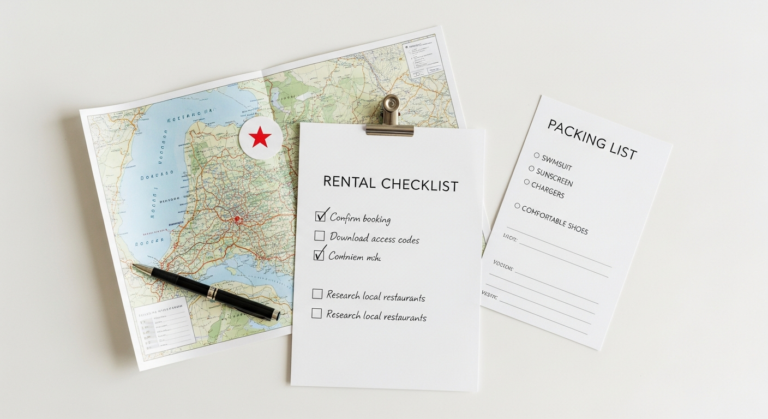
The foundation of a successful move is laid long before the first box is packed. Think of this initial phase as the detailed itinerary for an epic journey, much like how to prepare for a 6 month long road trip. Comprehensive research and strategic planning are your compass and map.
Deep Dive into Your Destination
- Neighborhood Scouting: Beyond the city’s main attractions, delve into specific neighborhoods. Are you looking for a bustling urban vibe, a quiet suburban retreat, or something in between? Research average rental costs, property values, proximity to amenities (grocery stores, parks, hospitals), and commute times. Use online maps, local forums, and social media groups to gather authentic insights.
- Job Market Analysis: If your move isn’t tied to a pre-secured job, understand the local employment landscape for your industry. Network virtually, update your resume for local standards, and begin applying before you arrive.
- Cost of Living Comparison: Create a detailed budget for your potential new city. Research everything from utility costs and property taxes to average prices for groceries, transportation, and entertainment. This will help you adjust your financial expectations and plan accordingly.
- Culture and Community: Every city has its unique rhythm. Explore local events, cultural institutions, community groups, and recreational opportunities. Understanding the local culture will help you feel at home faster and identify potential communities to join.
- Climate and Environment: Prepare for a different climate if applicable. Research local weather patterns, natural disaster preparedness (if relevant), and the availability of outdoor activities. If you have a family, consider creating a safe outdoor environment for your family once you arrive, researching local parks, hiking trails, and community gardens.
Crafting Your Moving Timeline
A well-structured timeline is paramount. Break down the entire moving process into manageable steps with deadlines. For a major move in 2026, you might start planning 6-12 months in advance.
- 12-6 Months Out: Begin initial research, visit the city if possible, explore job opportunities, and start saving money specifically for the move.
- 5-3 Months Out: Secure employment or housing, research moving companies, start decluttering (more on this later), and begin gathering important documents.
- 2 Months Out: Book your movers, notify landlords (if renting), arrange for utility transfers, and finalize travel plans.
- 1 Month Out: Change your address with the post office, update subscriptions, pack non-essentials, and confirm all moving arrangements.
- 2 Weeks Out: Pack essentials, clean out the fridge, confirm travel and accommodation, and prepare a “first night” box.
- Moving Week: Final packing, deep cleaning, farewells, and ensuring everything is ready for moving day.
Consider a pre-move visit to your new city. This allows you to experience neighborhoods firsthand, visit potential schools or workplaces, and get a feel for the local vibe. If a long visit isn’t feasible, temporary stays in various vacation rentals can offer different perspectives on neighborhoods.
Financial & Administrative Mastery: Securing Your New Start
Moving is an investment, both emotionally and financially. A solid grasp of your finances and administrative tasks will prevent undue stress and ensure a smooth transition.
Budgeting for the Big Move and Beyond
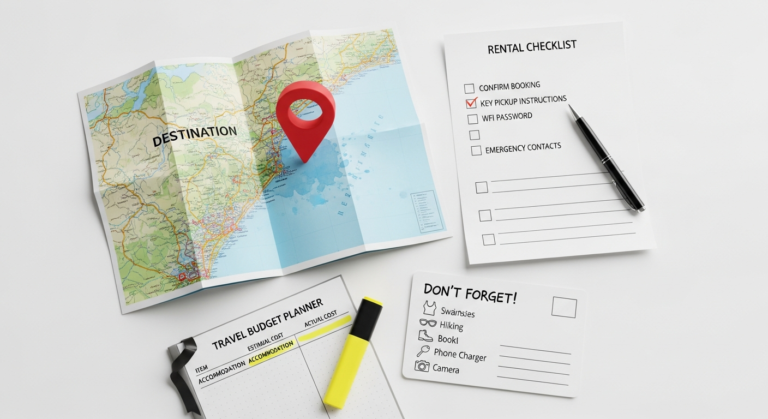
Create a detailed moving budget that accounts for every potential expense:
- Moving Company/Truck Rental: Get multiple quotes and understand what’s included (packing, insurance, specialty items).
- Travel Costs: Flights, gas, hotels, food during transit.
- Temporary Housing: If you’re not moving directly into your permanent residence, factor in the cost of a vacation rental or hotel.
- Security Deposits & First/Last Month’s Rent: These can be substantial upfront costs for new housing.
- Utility Setup Fees: Many services charge connection fees.
- New Furniture/Home Goods: You might need to purchase new items or replace old ones.
- Emergency Fund: Aim to have at least 3-6 months of living expenses saved for unexpected costs or delays in employment.
Beyond the move itself, develop a realistic budget for your first few months in the new city. Account for higher initial costs as you get settled, explore, and establish new routines.
Administering Your Life: Documents and Services
This is where the less glamorous but equally crucial work happens. Being organized with your paperwork will save you headaches down the line.
- Gather Important Documents: Create a secure, easily accessible folder (physical and digital backup) for vital papers: birth certificates, passports, social security cards, marriage licenses, medical records, school transcripts, pet vaccination records, insurance policies, and legal documents.
- Update Your Address:
- Post Office: Set up mail forwarding.
- Banks & Financial Institutions: Notify them of your new address.
- Credit Card Companies: Update billing addresses.
- Government Agencies: DMV (driver’s license, vehicle registration), IRS, Social Security Administration.
- Insurance Providers: Update home, auto, health, and life insurance policies to reflect your new location.
- Subscriptions: Magazines, streaming services, online retailers.
- Healthcare Transfers:
- Doctors & Specialists: Obtain copies of medical records for all family members and get referrals if needed.
- Prescriptions: Ensure you have enough medication to last until you find a new pharmacy and doctor. Transfer prescriptions.
- Dentists & Optometrists: Follow the same procedure as general practitioners.
- Banking: Research banks in your new city. If your current bank has branches there, great! If not, consider opening an account with a local institution to facilitate easier transactions and bill payments.
- Utilities & Services: Contact current providers to schedule disconnection dates. Research and arrange for new utility connections (electricity, gas, water, internet, trash, sewage) at your new residence well in advance of your arrival.
- Vehicle Registration & Licensing: Understand the requirements for registering your vehicle and obtaining a new driver’s license in your new state/city. There are often deadlines for these changes.
Decluttering & Packing Strategically: Lightening Your Load
The Art of the Purge: Less is More
Before you even think about boxes, dedicate significant time to decluttering. This isn’t just about making packing easier; it’s about reducing moving costs and starting fresh with intention.
- The “Keep, Donate, Sell, Trash” Method: Go room by room, item by item. Be ruthless. If you haven’t used it in a year, it’s broken, or it holds no sentimental value, seriously consider letting it go.
- Clothes & Accessories: Review your wardrobe. Donate items you no longer wear or that don’t fit. Sell high-value items online.
- Books, Media & Papers: Digitize important documents. Donate books to libraries or charity. Recycle old magazines and newspapers.
- Kitchenware: Get rid of duplicates, chipped items, or appliances you rarely use.
- Furniture & Decor: Assess if larger pieces will fit or suit your new space. Selling larger items locally can save significantly on moving costs.
- Sentimental Items: Be selective. Keep what truly brings joy or holds significant meaning, but avoid hoarding. Take photos of items you want to remember but don’t need to keep physically.
Smart Packing for a Smooth Unpack
Once you’ve purged, it’s time to pack with purpose. Proper packing protects your belongings and simplifies the unpacking process in your new home.
- Quality Supplies: Invest in sturdy moving boxes, packing tape, bubble wrap, packing paper, and markers. Labeling is key!
- Categorize & Label: Label each box clearly with its contents (e.g., “Kitchen – Pots & Pans”), the room it belongs in at the new place (e.g., “Master Bedroom”), and whether it’s fragile or essential. Consider numbering boxes and keeping an inventory list.
- Pack Room by Room: This keeps items organized and makes unpacking logical.
- Heavy Items in Small Boxes: Books, canned goods, and tools should go in smaller, sturdier boxes to prevent them from becoming too heavy to lift.
- Light Items in Large Boxes: Linens, pillows, and towels can fill larger boxes.
- Protect Fragile Items: Wrap breakables individually with plenty of padding. Use towels and blankets for extra cushioning.
- Disassemble Furniture: Take photos before disassembling to aid in reassembly. Keep all screws and hardware in labeled bags attached to the corresponding furniture piece.
- The “First Night” Box: Pack a separate box with essentials you’ll need immediately upon arrival. This includes toiletries, a change of clothes, basic kitchen items (coffee maker, mugs, snacks), medications, pet supplies, phone chargers, important documents, and a small toolkit.
- Valuables & Documents: Keep highly valuable items (jewelry, important papers) with you during the move, rather than entrusting them to movers.
If you’re considering a move that mirrors the complexity of how to prepare for a 6 month long road trip, you understand the importance of meticulous planning for what you bring. Every item packed represents a choice for your new life.
The Grand Arrival: Moving Day & Settling In
The day has come! While the actual move can be chaotic, a well-orchestrated plan will make it manageable. Once you arrive, the real fun of settling in begins.
Mastering Moving Day Logistics
- Confirm with Movers: Reconfirm arrival times and any last-minute details a few days before.
- Be Present: If using movers, be there to oversee the loading and unloading process. Direct them to place boxes in the correct rooms at your new home based on your labels.
- Protect Your Home: Use floor coverings, door stoppers, and wall protectors to prevent damage during the move.
- Stay Hydrated & Fueled: Moving is physically demanding. Have water, snacks, and perhaps pre-ordered food ready for yourself and any helpers.
- Final Walk-Through: Before leaving your old residence, do a thorough walk-through to ensure nothing is left behind and everything is clean.
- Inspect Upon Arrival: Check for any damage to your belongings or the new property immediately. Document everything with photos.
The First Few Days: Creating Your Haven
The first 72 hours in your new city are crucial for establishing a sense of normalcy and comfort.
- Unpack the Essentials: Prioritize your “first night” box. Set up beds, bathroom essentials, and a functional kitchen space.
- Connect Utilities: Ensure electricity, water, gas, and internet are all connected and working.
- Change Locks: For safety and peace of mind, consider changing the locks on your new home.
- Locate Key Services: Find the nearest grocery store, pharmacy, gas station, and urgent care center.
- Secure Your Space: If you have a family, ensuring a safe outdoor environment for your family might be a priority. This could involve checking fences, gates, and identifying safe play areas nearby.
- Explore Locally: Take short walks around your immediate neighborhood to get acquainted with the surroundings. Find local coffee shops or parks.
- Order Takeout: Give yourself a break from cooking. Celebrate your arrival with a local meal!
Embracing Your New City: Integration & Exploration
Moving is more than just changing an address; it’s about building a new life. This phase focuses on connecting with your new environment and making it truly feel like home.
Becoming a Local
- Explore Systematically: Don’t try to see everything at once. Pick one neighborhood or area each weekend to explore. Visit local markets, museums, parks, and unique shops.
- Use Public Transportation: It’s a great way to learn the city’s layout and often offers a different perspective than driving.
- Support Local Businesses: Frequent local cafes, restaurants, and boutiques. This helps you integrate into the community and discover hidden gems.
- Attend Local Events: Check community calendars for festivals, farmers’ markets, concerts, and art shows. These are excellent ways to meet people and experience the local culture.
- Volunteer: Contributing to a local cause is a fulfilling way to meet like-minded individuals and give back to your new community.
Building Your New Network
Loneliness can be a challenge after a move, but actively seeking connections will make a significant difference.
- Join Clubs & Groups: Pursue your hobbies. Join a book club, sports league, hiking group, photography club, or a professional association. Meetup.com and local community centers are great resources.
- Connect Through Work/School: Be open to socializing with colleagues, parents of your children’s classmates, or fellow students.
- Online Communities: Join local Facebook groups or online forums to ask questions, get recommendations, and connect with neighbors.
- Be Open and Friendly: A simple smile, greeting, or conversation starter can go a long way. Be proactive in initiating interactions.
- Host a Housewarming: Once you’re settled, invite new acquaintances and neighbors over. It’s a wonderful way to foster connections.
Just as you’d plan an intricate itinerary for how to prepare for a 6 month long road trip, meticulously plan your social outreach. It’s an investment in your happiness.
Special Considerations: Tailoring Your Move
Every move is unique, and certain circumstances require extra planning and attention.
Moving with Family
Relocating with children presents its own set of challenges and opportunities. Their well-being and smooth transition are paramount.
- School Research: Begin researching schools early. Understand enrollment procedures, deadlines, and school district boundaries. Visit schools if possible.
- Childcare: If applicable, secure childcare arrangements (daycare, after-school programs) well in advance, as waitlists can be long.
- Involve Your Children: Let them participate in the process where appropriate – choosing paint colors for their new room, packing their own toys, or researching fun things to do in the new city.
- Maintain Routines: As much as possible, try to maintain familiar routines during and after the move to provide a sense of stability.
- Creating a Safe Outdoor Environment: Once settled, prioritize creating a safe outdoor environment for your family. This could mean finding parks with age-appropriate playgrounds, researching local sports leagues, or ensuring your own backyard is secure for children and pets. Look for community gardens or nature centers to engage children with the outdoors.
Moving with Pets
Your furry (or feathered, or scaled) friends are part of the family and require special attention during a move.
- Veterinary Records: Gather all vaccination records and health certificates. Find a new veterinarian in advance.
- Travel Arrangements: Plan how your pet will travel. Ensure carriers are comfortable and meet airline/travel requirements. Acclimate pets to carriers beforehand.
- Pet-Friendly Housing: Confirm your new residence is pet-friendly and understand any breed or size restrictions.
- During the Move: Keep pets in a quiet, secure room on moving day. Provide familiar toys and bedding.
- After Arrival: Allow pets time to adjust to the new environment. Keep them contained initially, and gradually introduce them to new areas. Update ID tags with new contact information.
Temporary Housing Solutions
Sometimes, moving directly into a permanent home isn’t feasible. Vacation rentals can be a lifesaver in these scenarios.
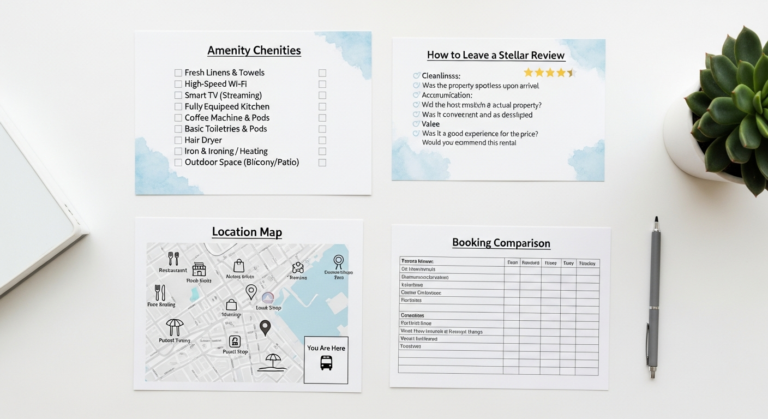
- Short-Term Rentals: Utilize vacation rentals for a few weeks or months while you search for your ideal long-term home. This allows you to explore neighborhoods without the pressure of a permanent commitment.
- Furnished Options: Many vacation rentals come fully furnished, saving you the hassle of immediately unpacking and setting up essential furniture.
- Flexibility: They offer more flexibility than a standard lease, perfect for transitional periods.
- Cost-Effective for Families: Often more spacious and affordable than multiple hotel rooms for families.
Maintaining Connections & Well-being: Nurturing Your New Life
While establishing new roots is exciting, it’s equally important to stay grounded by maintaining connections and prioritizing your mental and physical health.
Bridging the Distance: Staying Connected
Don’t let distance erode precious relationships. Actively work to maintain ties with friends and family from your previous home.
- Regular Communication: Schedule video calls, phone calls, or regular check-ins. Make an effort to keep up with their lives.
- Planned Visits: Plan trips back to your old city or invite old friends and family to visit you in your new home. Having visitors can be a wonderful way to showcase your new city and alleviate homesickness.
- Shared Experiences: Watch a movie together virtually, play online games, or start a remote book club.
- The Power of Thoughtful Gestures: Sending holiday cards, birthday wishes, or small care packages can make a huge difference. Consider the benefits of sending holiday cards not just for formal greetings, but as a genuine expression of continued friendship and love, especially during your first year in a new place. It’s a tangible reminder that distance doesn’t diminish care.
Prioritizing Your Well-being
Moving is a significant life event that can take a toll. Be proactive in caring for yourself.
- Acknowledge Your Feelings: It’s normal to feel a mix of excitement, anxiety, sadness, and even grief for what you’ve left behind. Allow yourself to feel these emotions without judgment.
- Establish New Routines: Create healthy routines that include regular exercise, balanced meals, adequate sleep, and time for relaxation.
- Seek Support: Don’t hesitate to reach out to new friends, family, or even a therapist if you’re struggling with the transition. Many therapists offer virtual sessions.
- Explore Your New City: Regularly schedule time for fun and exploration. Discover local parks, cafes, or cultural attractions. This helps build positive associations with your new home.
- Be Patient with Yourself: Building a new life takes time. It won’t happen overnight. Celebrate small victories and be kind to yourself during the adjustment period.
Just as a long road trip requires mental fortitude and self-care to enjoy the journey, so does moving to a new city. Embrace the adventure, learn from every experience, and watch as your new city slowly but surely becomes your cherished home. It’s an investment in yourself, your future, and your boundless capacity for new horizons.
Frequently Asked Questions
Recommended Resources
You might also enjoy Fukuyama Castle Day Trip from Onomichi Guide.
Learn more about this topic in Onomichi Ferry To Mukaishima at Onomichi Guide.