
Your Ultimate Road Trip Planning Guide for 2026: Epic Adventures & Perfect Stays
1. Dreaming Big: Choosing Your Road Trip Adventure
Every legendary road trip begins with a spark of inspiration. For beginners, narrowing down the vast possibilities can be the trickiest part. Think about what kind of experience you’re craving. Do you dream of towering mountains, sun-kissed beaches, historic routes, or vibrant cityscapes? The beauty of a road trip is its versatility.
Iconic Routes & Destination Inspiration:
* National Parks Galore (Western USA): For nature lovers and adventurers, a loop through the American West is unparalleled. Imagine a journey through Utah’s “Mighty 5” (Zion, Bryce Canyon, Capitol Reef, Arches, Canyonlands National Parks) combined with a swing up to Yellowstone and Grand Teton in Wyoming.
* Best Time to Visit: Shoulder seasons (April-May or September-October) offer pleasant weather, fewer crowds, and stunning photography opportunities. Summer (June-August) is popular but can be very crowded and hot in some desert parks.
* Vacation Rental Focus: Look for charming cabins near park entrances, spacious homes in gateway towns like Springdale (for Zion) or Jackson Hole (for Grand Teton), or even unique glamping options. Platforms like Airbnb and VRBO are excellent for finding these, often with amenities like fully equipped kitchens for preparing park lunches.
* Price Range: Expect to pay $150-$350/night for a family-friendly rental in popular gateway towns during peak season. Budget options might be found further afield for $100-$180/night, while luxury cabins or larger homes can easily exceed $400-$600/night.
* Pacific Coast Highway (California): The quintessential coastal drive, Highway 1 offers breathtaking ocean views, charming beach towns, and iconic landmarks from San Francisco to San Diego.
* Best Time to Visit: Spring (April-May) for wildflowers and fewer crowds, or Fall (September-October) for warm weather and clear skies. Summer is popular but can have “June Gloom” fog.
* Vacation Rental Focus: Quaint cottages in Carmel-by-the-Sea, oceanfront condos in Santa Barbara, or larger family homes in Laguna Beach. Search on VRBO for specific beachfront properties or local rental agencies for hidden gems.
* Price Range: Coastal rentals can be pricier. Smaller apartments or studios might start at $180-$300/night, while larger homes with ocean views can range from $400-$800+ per night. Booking well in advance is crucial.
* Historic Route 66 (Midwest to West Coast): For a nostalgic journey through Americana, tackling parts or all of “The Main Street of America” from Chicago to Santa Monica is an epic adventure.
* Best Time to Visit: Late spring (May-June) or early fall (September-October) for comfortable driving weather across multiple states.
* Vacation Rental Focus: Unique themed rentals in historic towns, cozy bungalows, or modern apartments in larger cities along the route. Airbnb offers many quirky and unique stays perfect for capturing the spirit of Route 66.
* Price Range: More budget-friendly in many smaller towns, with options from $80-$180/night for a full home or apartment. Major cities like Chicago or Los Angeles will see prices jump to $200-$500+/night.
* Blue Ridge Parkway (Virginia & North Carolina): A stunning scenic drive through the Appalachian Mountains, offering unparalleled fall foliage, hiking trails, and charming mountain towns.
* Best Time to Visit: Fall (late September-October) for peak leaf colors, but spring (April-May) for blooming rhododendrons and mild weather is also beautiful.
* Vacation Rental Focus: Secluded mountain cabins, cozy chalets with fire pits, or family-friendly homes in towns like Asheville, NC, or Roanoke, VA. Check Airbnb and local property management sites for cabin rentals.
* Price Range: Cabins typically range from $150-$400/night, with luxury options fetching $500+. Booking early for fall foliage season is non-negotiable.
Consider the time of year and any specific events you might want to catch. Researching peak seasons for your chosen destination helps you anticipate crowds and adjust your budget and booking strategy accordingly.
2. Mapping Your Masterpiece: Route & Itinerary Planning
Once you have a general destination in mind, it’s time to get down to the nitty-gritty of mapping. This is where your road trip truly starts to take shape!
Practical Steps for Route Planning:
* Define Your Pace: Are you a “see everything” type or a “linger longer” traveler? For beginners, we recommend a slower pace. Aim for 3-5 hours of driving per day, allowing ample time for stops, sightseeing, and relaxation. Include “buffer days” where you stay put for two nights, giving you a chance to do laundry, explore a town in depth, or simply relax without packing up.
* Utilize Planning Tools:
* Google Maps: Essential for basic routing, estimating drive times, and finding points of interest. Use its “add stop” feature to build your multi-stop journey.
* Roadtrippers: An excellent tool for finding attractions, restaurants, and accommodation along your route. It helps visualize your journey with points of interest.
* AllTrails: Indispensable if hiking is part of your plan, offering trail maps, difficulty ratings, and user reviews.
* RVShare or Outdoorsy (even if not renting an RV): These sites often have excellent blog posts and itineraries for popular routes that can inspire your planning.
* Identify Key Stops: Pinpoint your must-see attractions, national parks, and specific cities you want to explore. These will be your main overnight stops.
* Consider Detours and Flexibility: While a plan is crucial, be open to spontaneity! Some of the best road trip memories come from unexpected detours. Build a little wiggle room into your schedule.
* Logistical Checkpoints: Where will you refuel? Are there any ferry crossings or toll roads? Knowing these details in advance saves time and stress.
Remember, a good itinerary balances driving with experiences. Don’t try to cram too much into one day. Road trips are about savoring the journey, not just reaching the destination.
3. Home Away From Home: Mastering Vacation Rental Bookings
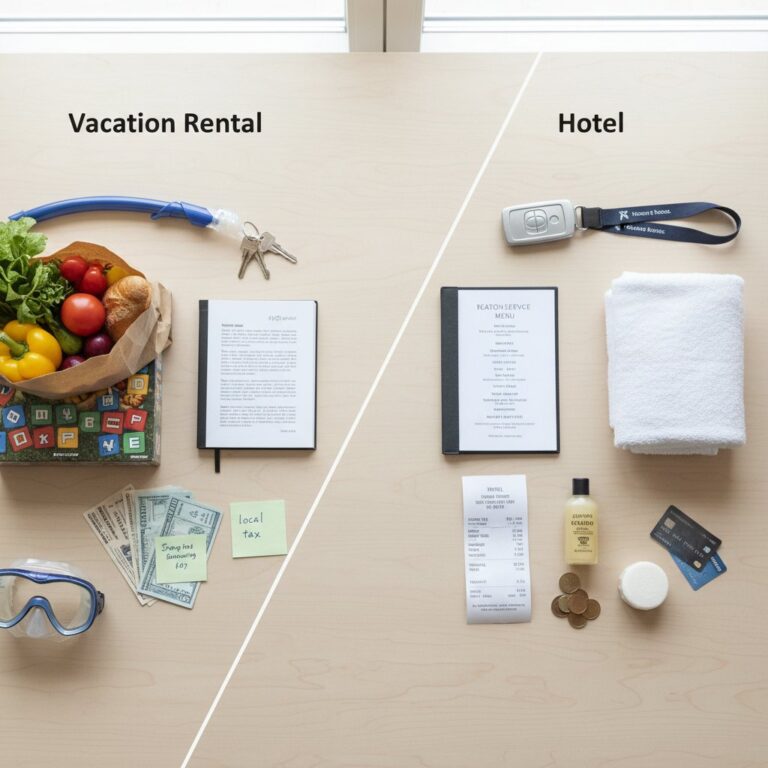
This is where Vacation Rental Planners shines! Choosing the right accommodation is paramount for a comfortable and enjoyable road trip, especially for families. Vacation rentals offer space, privacy, and amenities that hotels often can’t match.
Your Go-To Platforms & Booking Strategies:
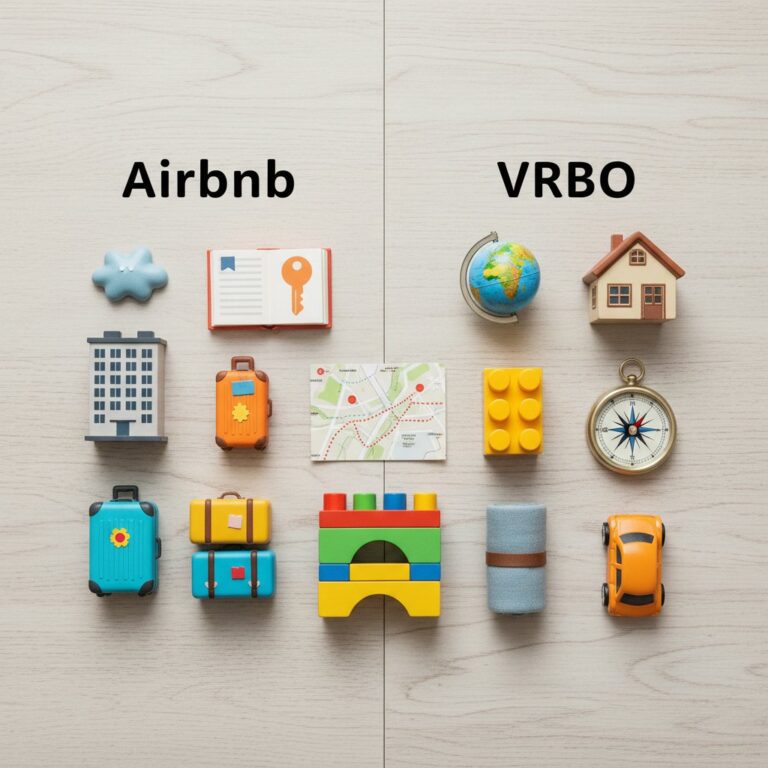
* Airbnb: Known for its diverse and unique offerings, from cozy studios to treehouses and sprawling family homes. Excellent for finding local character.
* Tips: Pay close attention to cleaning fees, check-in instructions (keypad entry versus meeting a host), and cancellation policies. Use filters extensively (number of beds, pet-friendly, specific amenities like a hot tub or crib).
* VRBO (Vacation Rentals By Owner): Often features more traditional vacation homes, frequently with larger spaces and more family-friendly amenities. Great for beach houses, cabins, and properties with outdoor space.
* Tips: VRBO often lists properties managed by professional agencies, which can mean more consistent service. Again, filters are your best friend – search for specific features like a fenced yard for pets or a swimming pool for kids.
* Booking.com & Expedia: While known for hotels, both platforms also list a vast number of vacation rentals, often from property management companies. They can be good for comparing prices across different types of accommodation.
* Tips: Use the “property type” filter to select “apartments,” “villas,” or “holiday homes.” These sites sometimes offer package deals with flights if you’re flying into your starting point.
* Local Property Management Companies: For specific destinations (e.g., Outer Banks, Cape Cod, Lake Tahoe), searching for local rental agencies can sometimes uncover hidden gems not listed on major platforms, or offer more tailored customer service.
* Tips: A quick Google search like “[Destination] vacation rentals” can reveal these.
* Direct Booking: If you find a rental you love, sometimes searching for the property or host directly can lead to a slight discount by avoiding platform fees, but always verify legitimacy.
Booking Essentials for 2026:
* Book Early, Especially for Peak Season! For popular routes and destinations (like National Parks or coastal towns in summer), vacation rentals can be fully booked 6-12 months in advance for 2026. Aim to secure your key stays as soon as your itinerary solidifies.
* Read Reviews Thoroughly: Don’t just skim the star rating. Look for comments on cleanliness, accuracy of description, responsiveness of the host, noise levels, and neighborhood safety.
Check Amenities: What do you really* need? A fully equipped kitchen? Laundry facilities? Wi-Fi? Air conditioning? Pet-friendly options? Make a list and filter accordingly.
* Understand Pricing:
* Budget-Friendly: Expect to find studios or smaller apartments in less touristy areas for $80-$150/night. These often require booking further from the main attractions.
* Mid-Range: A comfortable 1-2 bedroom home or apartment in a good location typically ranges from $200-$400/night. This is ideal for most families.
* Luxury/Larger Homes: Expect to pay $500-$1000+ per night for spacious homes, prime locations, or unique features like private pools or stunning views.
Always factor in cleaning fees, service fees, and local taxes.* These can add a significant amount to the nightly rate.
* Communication is Key: Don’t hesitate to message hosts with questions before booking. A responsive host usually indicates a good experience.
A well-chosen vacation rental isn’t just a place to sleep; it’s a sanctuary that enhances your entire road trip experience, offering space to relax, cook, and recharge for the next day’s adventures.
4. Budgeting for the Open Road: Smart Spending & Saving
A successful road trip doesn’t have to break the bank. With smart budgeting, you can enjoy incredible experiences without financial stress.
Key Budget Categories:
* Accommodation (25-40%): As discussed, vacation rentals are a significant cost. Factor in nightly rates, cleaning fees, and service charges.
* Saving Tip: Consider staying just outside major tourist hubs, or opt for rentals with kitchens to save on dining out. Traveling in shoulder seasons can significantly reduce prices.
* Fuel (20-35%): This is often the biggest variable. Estimate your total mileage using your route planner, and then research average gas prices along your route.
* Saving Tip: Use apps like GasBuddy to find the cheapest gas nearby. Drive efficiently (avoid harsh acceleration/braking, use cruise control). Consider a fuel-efficient vehicle.
* Food (15-25%): Eating out for every meal adds up quickly.
* Saving Tip: Utilize the kitchen in your vacation rental! Cook breakfast, pack lunches for your day trips, and enjoy home-cooked dinners a few nights a week. Stock up on snacks, water, and drinks at local grocery stores. Allow yourself a few splurge meals at local restaurants.
* Activities & Attractions (10-20%): National Park entrance fees, museum tickets, tours, adventure sports, etc.
* Saving Tip: Look into national park passes (like the America the Beautiful Pass if visiting multiple parks). Seek out free activities like hiking, scenic drives, and exploring charming towns. Many cities offer free walking tours.
* Miscellaneous & Contingency (5-10%): Always budget for unexpected expenses – a flat tire, a souvenir you can’t resist, or an extra night in a charming town.
* Saving Tip: Having a separate “emergency fund” gives peace of mind.
Tracking Your Spending:
* Use a spreadsheet or a budgeting app (like Mint or YNAB) to track your expenses before and during the trip.
* Set daily or weekly spending limits for categories like food and activities.
* Don’t forget to include pre-trip expenses like vehicle maintenance, road trip insurance (if desired), and new gear.
5. Packing Smart & Staying Safe: Essentials for Every Journey
Thoughtful packing and prioritizing safety are crucial for a smooth road trip.
Packing Essentials:
* For the Car:
* Emergency Kit: Jumper cables, flashlight, basic tool kit, first-aid kit, reflective triangles, blankets, non-perishable food/water.
* Navigation: GPS (phone apps are great, but a physical map or downloaded offline maps are wise for areas with no signal).
* Entertainment: Audiobooks, podcasts, road trip playlists, physical games for kids, charging cables, portable power bank.
* Comfort: Travel pillows, sunglasses, reusable water bottles, cooler for snacks/drinks.
* Cleaning Supplies: Hand sanitizer, wet wipes, small trash bags.
* For Your Vacation Rental Stays:
* Minimalist Toiletries: Most rentals provide basics, but bring your favorites.
* Laundry Pods: If your rental has a washer/dryer, a few pods are handy.
* Reusable Shopping Bags: Great for grocery runs.
* Basic Spices/Oils: If you plan to cook extensively, small containers of your go-to spices can be a lifesaver.
* Personal Gear:
* Layered Clothing: Essential for varying climates and temperatures.
* Comfortable Shoes: For driving, walking, and hiking.
* Sun Protection: Hat, sunscreen, lip balm.
* Important Documents: Driver’s license, car registration, insurance, rental confirmations (digital and printed backups).
Vehicle Maintenance Check (Before You Go!):
* Tires: Check pressure and tread depth, including the spare.
* Fluids: Oil, coolant, brake fluid, windshield wiper fluid.
* Brakes: Ensure they’re in good working order.
* Lights: Headlights, taillights, turn signals.
* Wipers: Functionality and blade condition.
* Battery: Check for corrosion and ensure it’s holding a charge.
* Roadside Assistance: Sign up for AAA or ensure your car insurance includes it.
Safety First:
* Share Your Itinerary: Let family or friends know your route and approximate schedule.
* Stay Alert: Get enough rest, switch drivers if possible, and take frequent breaks.
* Be Aware of Your Surroundings: Especially in unfamiliar areas or at rest stops.
* Secure Your Vehicle: Always lock doors and keep valuables out of sight.
* Wildlife Awareness: Drive cautiously in rural and national park areas, especially at dawn and dusk.
* Weather Conditions: Check forecasts regularly and be prepared for sudden changes, especially in mountainous regions.
6. Beyond the Wheel: Enhancing Your Road Trip Experience
A road trip isn’t just about getting from point A to point B; it’s about the entire immersive experience.
Embrace Local Flavors & Culture:
* Eat Local: Seek out diners, food trucks, and family-owned restaurants. Ask locals for recommendations – they often know the best spots!
* Farmers Markets: A fantastic way to pick up fresh produce for your vacation rental kitchen and experience local life.
* Community Events: Check local town calendars for festivals, concerts, or markets happening during your stay.
* Visit Unique Museums & Historical Sites: Beyond the major attractions, often small towns have quirky museums or significant historical markers that tell a compelling story.
* Support Local Businesses: Buy souvenirs from independent shops, not just chain stores.
Making Memories on the Move:
* Photography: Document your journey! Take photos of landscapes, people, food, and even quirky roadside attractions. Consider a travel journal.
* Music & Podcasts: Curate playlists that match the mood of your destination, or dive into engaging podcasts and audiobooks.
* Road Trip Games: Keep spirits high with classic games like “I Spy,” license plate bingo, or create your own trivia.
* Embrace Spontaneity: While you have an itinerary, leave room for serendipity. A beautiful overlook you hadn’t planned for, a charming small town that catches your eye – sometimes these become the most cherished memories.
* Connect with Nature: If your trip involves national parks or scenic drives, take time to stop, breathe, and truly immerse yourself in the natural beauty. Go for a short hike, have a picnic with a view, or simply sit and observe.
Your vacation rental isn’t just a place to sleep; it’s your temporary base camp. Use it to relax, plan the next day’s adventure, cook a delicious meal, or simply unwind with your fellow travelers. The comfort and space a rental provides can truly elevate your road trip experience from good to absolutely glorious.