

Unlock Your Wanderlust: The Ultimate Budget Travel Guide for 2026
Mastering the Art of Off-Peak & Shoulder Season Travel
The secret sauce to budget travel often lies not just in where you go, but when you go. Peak season travel comes with peak prices – for flights, accommodation, and even popular attractions. By simply shifting your travel dates, you can unlock significant savings and a more authentic, less crowded experience. We’re talking about embracing the “shoulder season” (the periods immediately before and after peak) and the “off-peak” season.
Think about it: who wants to fight through throngs of tourists in Rome in August, paying top dollar for a sweltering apartment? Instead, imagine strolling through ancient ruins in October, enjoying crisp air, fewer crowds, and a charming Trastevere vacation rental for 30-40% less.
* Europe: For many iconic European destinations like Paris, Rome, Barcelona, or Lisbon, the sweet spot is April-May or September-October. Flights from major US hubs can drop from $800-$1200+ in summer to $400-$700 roundtrip. Vacation rentals, whether a cozy apartment in the heart of the city or a sprawling villa in the Tuscan countryside, see similar reductions, often ranging from $100-$200 per night for family-friendly options. The weather is usually delightful, and you’ll find locals reclaiming their cities.
* Caribbean & Mexico: If you’re eyeing the turquoise waters of the Caribbean or the vibrant culture of Mexico, consider late April-May or early September-November. While you need to be mindful of hurricane season (which peaks August-October), travel insurance can mitigate risks, and the savings are substantial. Picture a beautiful two-bedroom condo in Barbados for $150-$250/night, a stark contrast to peak winter rates. Flights from the US often dip below $500 roundtrip. You’ll find quieter beaches and more personalized service.
* US National Parks: For breathtaking natural wonders like Zion, Yosemite, or the Grand Canyon, late fall (October-November) or early spring (March-April) offers stunning scenery, fewer visitors, and more affordable lodging. A charming cabin or spacious Airbnb near Zion in Springdale, Utah, might cost $120-$200/night outside the summer rush, allowing you to explore with greater tranquility. Just be sure to check specific park road closures and weather conditions, as some higher elevation areas might be inaccessible.
Insider Tip: Always check local holiday calendars! A “shoulder season” date might coincide with a national holiday or major festival, which can temporarily inflate prices. A quick Google search can save you from an unexpected price hike.
Strategic Vacation Rental Selection: Your Budget’s Best Friend

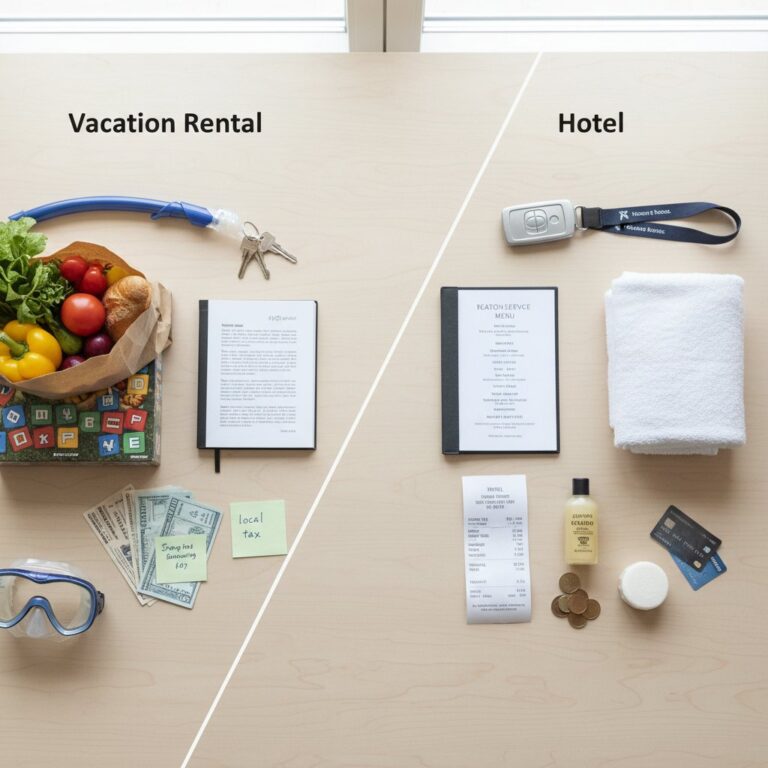
When it comes to budget travel, vacation rentals are truly your secret weapon. They offer space, privacy, and crucial amenities that hotels simply can’t match at the same price point. But finding the right rental requires strategy.
1. Leverage the Power of Platforms & Filters:
Start with the big players: Airbnb, VRBO, Booking.com, and local rental agencies. Don’t just browse aimlessly! Use every filter available:
* Price Range: Set your maximum early to avoid temptation.
* Number of Bedrooms/Beds: Crucial for families or groups splitting costs.
* Amenities: A fully equipped kitchen is your non-negotiable budget cornerstone. Laundry facilities are also a huge money-saver, allowing you to pack lighter and avoid expensive hotel laundry services. Wi-Fi, air conditioning, and free parking can also be significant.
* Location: This is where you can save big. While a rental right in the heart of a major city like New York or Paris will always command a premium, consider staying just slightly outside the absolute city center. For example, a charming Airbnb in Montmartre (Paris) or Bushwick (Brooklyn) might be significantly cheaper than one in Le Marais or Manhattan, respectively. As long as it’s well-connected by public transport (which is often excellent in global cities), you’re golden. For Orlando, look at Kissimmee for family-friendly condos and villas that offer incredible value compared to on-property resorts.
2. Book Smart, Book Early, Book Long:
* Advance Booking: For popular destinations and peak shoulder seasons, booking 6-12 months in advance can secure better rates and more choice. The best deals often go first.
* Length of Stay Discounts: This is huge! Many hosts offer weekly (7+ nights) or monthly (28+ nights) discounts, often ranging from 10% to a staggering 50% off the nightly rate. If your itinerary allows for a longer stay in one base, you can dramatically cut your accommodation costs. Imagine spending a month in a beautiful apartment in Lisbon for the price of two weeks in a hotel!
* Consider Emerging Destinations: While everyone flocks to Venice, look at Trieste. Instead of the French Riviera, explore the charming coastal towns of Portugal’s Silver Coast. These places often have equally beautiful scenery and rich culture but at a fraction of the cost for vacation rentals (e.g., a multi-bedroom villa for $80-$150/night).
3. Dig Deeper: Reviews & Communication:
* Read Reviews Religiously: Look for consistent feedback on cleanliness, accuracy of the listing, and hidden costs. Pay attention to how hosts handle issues.
* Communicate with Hosts: Don’t be afraid to ask questions before booking. Is there an early check-in option? What are the actual cleaning fees? Are utilities included? A good host can also be a treasure trove of local, budget-friendly recommendations!
By strategically choosing your vacation rental, you’re not just finding a place to sleep; you’re setting up a home base that empowers you to save money on food, activities, and overall travel expenses.
Beyond the Rental: Savvy Transportation & Activity Hacks
Once you’ve secured your budget-friendly rental, the next big areas for savings are how you get there and what you do when you arrive.
1. Airfare Alchemy: Flights for Less
Flights are often the biggest single expense, but they don’t have to be.
* Flexibility is Key: If you can be flexible with your travel dates (even by a day or two) and departure/arrival airports, you’ll find better deals. Mid-week flights are often cheaper.
* Incognito Mode & VPNs: Always search for flights in incognito or private browsing mode to prevent dynamic pricing based on your search history. Some travelers even use VPNs to search from different countries, though results vary.
* Flight Aggregators & Price Alerts: Use tools like Skyscanner, Google Flights, Kayak, and Momondo. Set up price alerts for your desired routes. They’ll notify you when prices drop. Use Skyscanner’s “Everywhere” search to discover cheap destinations from your home airport.
* Budget Airlines: Don’t shy away from budget carriers like Spirit, Frontier (US), Ryanair, EasyJet, Vueling (Europe), or AirAsia (Asia). Just be aware of their baggage rules and extra fees. Factor these into your overall cost. Often, even with a checked bag, they’re still cheaper.
* Fly During Off-Peak Times: As mentioned, flying during shoulder or off-peak seasons can save hundreds of dollars.
2. Ground Transportation on a Dime:
* Public Transport is Your Friend: In most major cities worldwide, public transport (subways, buses, trams) is incredibly efficient, affordable, and often a cultural experience in itself. A weekly pass in London or a Metro card in NYC can save you a fortune compared to taxis or ride-shares.
* Walk Everywhere: Not only is walking free, but it’s also the best way to truly soak in a destination. You’ll discover hidden gems and get great exercise. Exploring Rome on foot allows you to stumble upon charming piazzas and ancient fountains you might otherwise miss.
* Bike Rentals: Many cities offer inexpensive bike-sharing programs, perfect for exploring parks or waterfronts.
* Car Rental Comparison: If you need a car for a road trip (e.g., exploring the Scottish Highlands or California’s coast), use aggregators like Rentalcars.com or Discover Cars to compare prices. Book well in advance, especially for automatic transmissions outside North America.
3. Free & Low-Cost Activities:
* Embrace the Outdoors: Parks, beaches, hiking trails, and public gardens are almost always free. Spend a day picnicking in Central Park in NYC, hiking in a national forest, or relaxing on a beach in Florida.
* Free Museum Days/Evenings: Many museums offer free admission on specific days or evenings. Check their websites in advance. The British Museum in London and the Smithsonian museums in Washington D.C. are famously free every day!
* Self-Guided Walking Tours: Download free walking tour apps or create your own itinerary using Google Maps. You’ll learn about the city and see the sights at your own pace.
* Local Markets & Festivals: Soak in the local atmosphere, sample free tastes, and enjoy street performers. Attending a local festival can be an unforgettable, budget-friendly experience.
* Scenic Views: Find a free viewpoint. The Staten Island Ferry offers incredible, free views of the Manhattan skyline and the Statue of Liberty. Climb to the top of a hill or mountain for panoramic vistas.
By being mindful of your transportation choices and prioritizing free or low-cost activities, you can significantly stretch your travel budget, allowing for more experiences rather than just expenses.
Eating Well on a Dime: Culinary Adventures for Less
Food can be a significant travel expense, but with a vacation rental, you have the ultimate weapon: a kitchen! Eating on a budget doesn’t mean sacrificing deliciousness; it means embracing local flavors and smart planning.
1. The Power of Your Rental Kitchen:
* Breakfast & Coffee: Start your day right without restaurant prices. Stock your rental kitchen with local bread, fruits, eggs, and coffee. This alone can save $10-$20 per person per day.
* Pack Lunches & Snacks: Before heading out for the day’s adventures, make sandwiches, salads, or pack some fruit and nuts. This avoids overpriced tourist trap cafes and allows for spontaneous picnics in scenic spots. Imagine enjoying a baguette with local cheese and olives under the Eiffel Tower!
* Cook Some Dinners: After a long day of exploring, there’s nothing better than unwinding in your rental and cooking a meal together. Head to a local market (see below!) for fresh ingredients and experiment with regional recipes. Making your own pasta in a Tuscan villa is an experience in itself, far cheaper and more memorable than a restaurant meal every night.
2. Embrace Local Markets & Grocery Stores:
* Farmer’s Markets: These are a goldmine for fresh, seasonal produce, local cheeses, meats, and baked goods, often at prices far lower than supermarkets. They’re also a vibrant cultural experience. Think about the sensory explosion of a market in Provence or Mexico City!
* Supermarkets: Explore local grocery stores. It’s fascinating to see what staples are available and often much cheaper than eating out. Look for discount aisles or daily specials.
* Street Food & Food Trucks: In many cultures, street food is the heart of the culinary scene – delicious, authentic, and incredibly affordable. From tacos in Mexico City to pad Thai in Bangkok, this is where you find the true flavors of a destination without the restaurant markup.
3. Smart Restaurant Strategies:
* Lunch Specials (Prix Fixe): Many restaurants, especially in Europe, offer fixed-price lunch menus (menu del día or formule midi) that are a fraction of their dinner prices. It’s a fantastic way to experience fine dining on a budget.
* Happy Hours & Early Bird Specials: Keep an eye out for these. Many places offer discounted appetizers and drinks during specific hours.
* Water & BYOB: Always ask for tap water (l’eau du robinet in France, aqua del grifo in Spain) instead of bottled water to save a few dollars per meal. If your rental allows, consider bringing your own wine or beer to accompany your home-cooked meals.
* Picnics: Grab ingredients from a local deli or market and find a beautiful park or viewpoint for an unforgettable, inexpensive meal.
By adopting these culinary hacks, you’ll not only save money but also immerse yourself deeper into the local food culture, creating delicious memories along the way.
Unlocking Local Secrets & Unexpected Savings
True budget travel isn’t just about cutting costs; it’s about maximizing value and enriching your experience through local insights.
1. Tap into Local Wisdom:
* Your Vacation Rental Host: This is your absolute best resource! Your host lives in the destination and knows the ins and outs. Ask them for their favorite, non-touristy restaurants, hidden beaches, free events, or the cheapest way to get around. They often have a wealth of knowledge that guidebooks can’t provide.
* Local Tourism Boards: Check their official websites or visit their physical offices. They often list free events, local discount programs, walking tour information, and sometimes even offer free maps.
* Online Forums & Social Media Groups: Join Facebook groups for “expats in [destination]” or “budget travel [destination].” Locals and frequent visitors often share invaluable tips and current deals.
2. Smart Spending & Prevention:
City Discount Cards (Evaluate Carefully): Cards like the Paris Pass, Rome Pass, or Lisbon Card can save money if you plan to visit many paid attractions. However, do the math! List all the attractions you actually* want to see and compare the individual entry fees to the card’s cost. Don’t buy it if you only plan to visit 1-2 places.
* Pre-Book Popular Attractions: For must-see sights (e.g., the Colosseum, the Louvre), booking online in advance not only saves money (sometimes) but, more importantly, saves precious time by letting you skip long lines. Time is money, especially on vacation!
* Travel Insurance: Non-Negotiable: While it’s an upfront cost, travel insurance is a crucial budget-saver in case of unforeseen circumstances. A medical emergency, lost luggage, or trip cancellation can cost thousands, far outweighing the cost of a comprehensive policy. Shop around for plans that cover medical emergencies, trip interruption, and baggage loss.
* Cash vs. Card: While credit cards offer fraud protection and rewards, some smaller, local businesses (especially markets or street food vendors) might be cash-only, or offer a discount for cash. Always have some local currency on hand. Use an ATM from a reputable bank (avoid airport ATMs) for the best exchange rates, and decline dynamic currency conversion.
* Consider Extended Stays / Digital Nomad Visas: If you have the flexibility, exploring options for long-term stays (1-3 months) in lower-cost countries can be incredibly budget-friendly. Destinations like Portugal, Mexico, Colombia, or parts of Southeast Asia offer digital nomad visas or relaxed long-stay options, allowing you to rent an apartment for a significantly reduced monthly rate and truly immerse yourself. This is the ultimate hack for deep savings and rich experiences.
By thinking like a local, planning proactively, and being prepared for the unexpected, you can significantly enhance your travel experience while keeping your budget firmly in check.