
Your Ultimate Vacation Rental Checklist: What to Bring Guide for 2026 and Beyond
The Pre-Arrival Deep Dive: Your Digital Detective Work
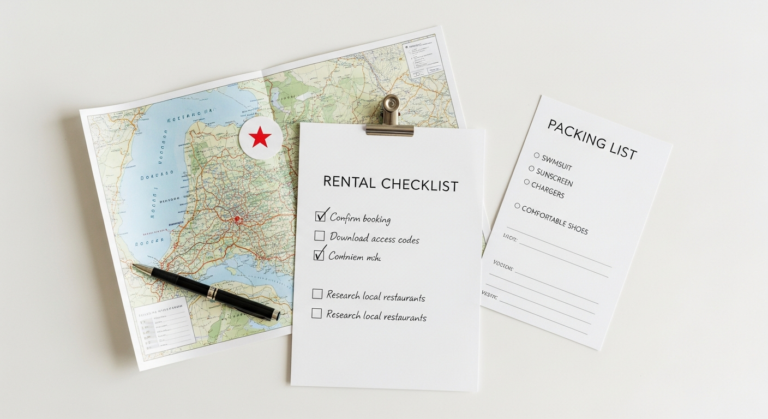
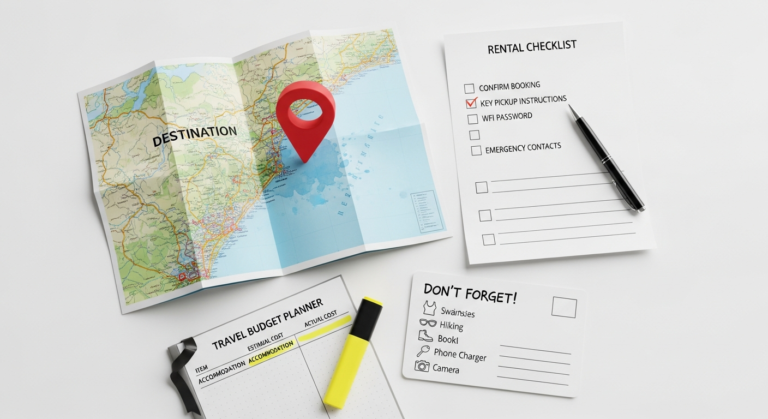
Before you even think about packing a single sock, your adventure begins with meticulous research. Think of yourself as a digital detective, uncovering every nuance of your chosen vacation rental. This crucial first step ensures you pack only what you need and arrive prepared for the specific amenities and local flavor of your destination.
Reviewing the Listing with a Keen Eye
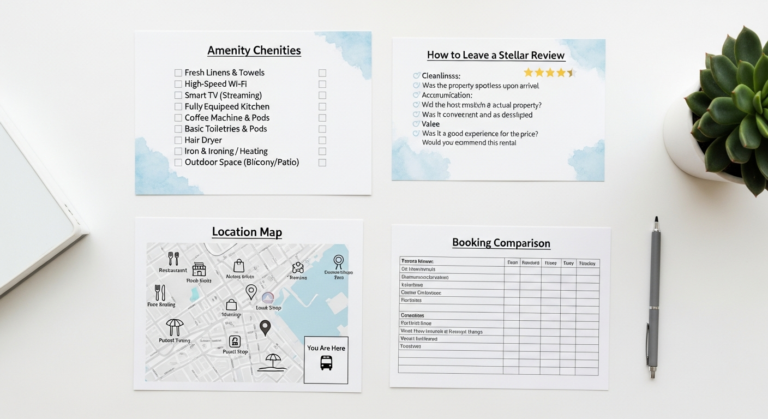
Start by thoroughly re-reading the property description on platforms like Airbnb, VRBO, or Booking.com. Pay close attention to the “Amenities” and “What’s Included” sections. Does it list a fully equipped kitchen, or just a kitchenette? Are towels and linens provided, or should you bring your own? Is there a washer/dryer, a grill, beach chairs, or perhaps even a coffee maker with a specific pod type? For a family trip to the Outer Banks, for example, knowing if beach towels and toys are provided by a local rental agency can save significant luggage space and rental fees. For a luxury villa in Tuscany booked via a specialized platform, they often include high-end kitchen appliances and pantry staples, so detailed reading is key.
Next, scrutinize the photos. Are they recent? Do they show every room clearly? Use the map feature to understand the neighborhood – is it walkable to attractions, or will you need a car? For a mid-range Airbnb in Asheville, you might want to confirm proximity to downtown breweries or hiking trails.
Finally, dive into the guest reviews. These are gold! Look for consistent feedback on cleanliness, comfort, noise levels, and the accuracy of the listing. Past guests often share invaluable tips on what they wished they had brought or what surprised them about the rental or the area. If previous guests mention the Wi-Fi is spotty, you know to download movies or bring a portable hotspot.
Communication is Key: Chatting with Your Host
Don’t hesitate to reach out to your host with specific questions. This is especially helpful for clarifying ambiguous points in the listing or getting personalized recommendations. Ask about:
* Kitchen specifics: “Is there an espresso machine or just a drip coffee maker? What basic spices are usually on hand?”
* Bathroom essentials: “Are shampoo/conditioner provided, or just hand soap?”
* Local insights: “Do you recommend a specific grocery store nearby? Is there anything unique about the area we should know?”
* Accessibility: “Are there stairs? Is parking readily available?”
For a stay in a charming Cotswolds cottage (often found on Airbnb or specialized UK cottage rental sites), asking about logs for the fireplace or local pub recommendations can enhance your experience significantly. A proactive host will appreciate your thoroughness and often provide useful insights.
Understanding the Local Vibe and Climate
Your destination dictates much of what you’ll need. Research the local climate for your travel dates (e.g., a humid Maui summer vs. a crisp Telluride autumn). For a vibrant urban getaway to Rome in the spring, you’ll pack comfortable walking shoes, light layers, and perhaps a stylish scarf, rather than bulky ski gear. Consider local customs, specific local activities (e.g., surfing, hiking, wine tasting), and dining options. Knowing if you’ll be cooking most meals in your rental or eating out helps determine what food-related items to bring.
Packing Smart: The Essentials for Every Vacation Rental Adventure
Once your digital detective work is done, it’s time for the fun part: packing! This section covers those universal items that often make or break your comfort, regardless of your destination.
Kitchen & Dining Savvy: From Gourmet Meals to Quick Bites
Even if your rental boasts a “fully equipped kitchen,” there are always a few items seasoned travelers bring to truly make it their own.
* Pantry Staples (Travel Size): Small containers of your favorite salt, pepper, olive oil, and perhaps a unique spice blend can elevate simple meals. Consider bringing your preferred coffee or tea.
* Reusable Bags: Indispensable for grocery runs, farmers’ markets, or carrying beach gear.
* Food Storage: Small containers, Ziploc bags, or foil can save leftovers and prevent waste.
* Specialty Tools: A sharp knife (many rental knives are dull!), a small cutting board, a bottle opener/corkscrew, or even a travel-size immersion blender for smoothies can be game-changers.
* Water Bottle/Travel Mug: Essential for staying hydrated and reducing plastic waste.
* Coffee Filters/Pods: If your rental has a specific machine, ensure you have your preferred brew.
* Dish Soap & Sponge/Dishcloth: While often provided, a fresh sponge or eco-friendly dishcloth is always a good idea.
Bathroom & Personal Care: Your Oasis of Comfort
While hotels typically provide toiletries, vacation rentals vary wildly.
* Full-Size Toiletries: If you’re staying for more than a few days, bringing your preferred shampoo, conditioner, body wash, and lotion in full sizes is often more economical and comfortable than relying on small samples.
* First-Aid Kit: Band-aids, antiseptic wipes, pain relievers, allergy medicine, and any personal prescriptions are non-negotiable.
* Sunscreen & Insect Repellent: Crucial for most outdoor destinations, from Maui’s beaches to Asheville’s trails.
* Laundry Supplies: Travel-size detergent pods or sheets are perfect if your rental has a washer/dryer. Don’t forget dryer sheets!
* Hair Dryer/Styling Tools: If the listing doesn’t specify one, bring your own.
* Towels: While linens are usually provided, you might want to bring specific beach towels, or even an extra bath towel if you prefer a fluffier one.
Entertainment & Connectivity: Staying Connected and Amused
Don’t let a rainy day or a quiet evening catch you unprepared.
* Portable Speaker: For music on the patio or while cooking.
* Chargers & Power Bank: For all your devices. Consider a multi-port charger to reduce clutter.
* Portable Wi-Fi Hotspot: If reliable internet is crucial for work or streaming, and the rental reviews suggest otherwise, this is a lifesaver.
* Books/E-Reader: For quiet moments.
* Travel Games/Cards: Great for family bonding or unwinding with friends.
* Headphones: Essential for privacy or blocking out noise.
* HDMI Cable: If you want to connect your laptop to the TV for streaming your own content.
Safety & Comfort: Peace of Mind on Your Journey
These small items contribute significantly to your overall well-being.
* Small Flashlight/Headlamp: For power outages or navigating unfamiliar surroundings at night.
* Multi-tool/Pocket Knife: Surprisingly useful for various minor repairs or tasks.
* Basic Tool Kit: Duct tape, zip ties, a small screwdriver set – for unexpected needs.
* Reusable Shopping Bags: Not just for groceries, but for laundry, beach items, or souvenirs.
* Earplugs/Eye Mask: For light sleepers or noisy environments.
* Comfortable Sleepwear: To help you relax in your new surroundings.
* Disinfecting Wipes/Hand Sanitizer: For quick clean-ups and peace of mind upon arrival.
Destination-Specific Packing: Tailoring Your Trunk to the Terrain
This is where your research truly pays off! Each destination presents unique packing challenges and opportunities.
Coastal Escapes: Sun, Sand, and Serenity
Imagine a luxury beachfront VRBO in Maui or a cozy family-friendly Airbnb in the Outer Banks.
* What to bring: Multiple swimsuits, cover-ups, wide-brimmed hats, sunglasses, reef-safe sunscreen, flip-flops/sandals, light layers for evenings, rash guards (especially for kids), a waterproof phone case, and perhaps a small cooler bag for beach drinks. For Maui (price range: $300-$1000+/night), consider snorkeling gear if not provided. For the Outer Banks ($150-$700+/night, booking via local agencies like Twiddy or Hatteras Realty often yields better value), beach chairs, umbrellas, and boogie boards are often provided, but check!
* Best time to visit: Shoulder seasons (April-May, September-October) for fewer crowds and pleasant weather.
Mountain Retreats: Peaks, Trails, and Cozy Firesides
Picture a chic Airbnb in Asheville or a grand ski-in/ski-out VRBO in Telluride.
* What to bring: Layers, layers, layers! Moisture-wicking base layers, insulating mid-layers, and waterproof/windproof outer shells are essential. Sturdy hiking boots (broken in!), warm socks, a daypack, trekking poles, a reusable water bottle, and a compact first-aid kit. For winter trips to Telluride (price range: $500-$2000+/night), ski gear (rentals are common, but personal items like gloves and goggles are key) and warm hats are a must. For Asheville ($150-$500+/night), focus on comfortable walking shoes for city exploration and trail shoes for Blue Ridge Parkway hikes.
* Best time to visit: Fall for stunning foliage (Asheville), winter for skiing (Telluride), or summer for hiking and milder temperatures.
Urban Adventures: Cityscapes, Culture, and Culinary Delights
Envision a stylish Booking.com apartment in New York City or a charming Airbnb in the heart of Rome.
* What to bring: Comfortable walking shoes (non-negotiable!), versatile clothing that can be dressed up or down, a cross-body bag or backpack for security, a portable charger for your phone (navigating and photos drain batteries fast!), a compact umbrella, and perhaps a travel adapter/converter for international trips (Rome, price range: $100-$400+/night). For NYC ($200-$800+/night), a light jacket is almost always useful, even in summer, due to air conditioning.
* Best time to visit: Spring and Fall offer the most pleasant weather for walking and outdoor activities.
Countryside Charms: Rolling Hills, Vineyards, and Tranquility
Think of a rustic-chic villa in Tuscany or a quaint cottage in the Cotswolds.
* What to bring: Comfortable shoes for walking country lanes, breathable clothing (linens, cottons), a light jacket for cooler evenings, a wide-brimmed hat, sunglasses, and perhaps a camera with extra memory cards to capture the picturesque scenery. If you plan on cooking, consider bringing your favorite apron or a specific spice. For Tuscany (price range: $250-$1500+/night, often booked through specialized villa rental sites), a good map or GPS is essential, and knowing a few basic Italian phrases will enhance your experience. For the Cotswolds ($180-$700+/night, many available on Airbnb), wellington boots might be useful if you plan on exploring muddy paths, and an umbrella is always a good idea.
* Best time to visit: Late spring (May-June) or early autumn (September-October) for ideal weather and fewer crowds.
Unpacking for Unwinding: Setting Up Your Home Away From Home
You’ve arrived! Don’t just dump your bags. A few simple steps upon arrival can transform your rental into a true sanctuary.
First Hour Priorities: Settle In, Secure, and Stock Up
* Security Check: Locate all exits, fire extinguishers, and the first-aid kit. Understand how to lock and unlock all doors and windows.
* Essential Tour: Familiarize yourself with the light switches, thermostat, and appliance operations.
* Grocery Run (or Delivery): For longer stays, a quick trip to the local market for milk, coffee, bread, and snacks makes a huge difference. In many destinations, you can even pre-order groceries for delivery upon arrival. For a family rental in Maui, stocking up on breakfast items saves time and money.
* Unpack Wisely: Put away perishables first. Then, unpack your toiletries, chargers, and immediate clothing needs. Use drawers and closets to keep your space tidy, preventing that “living out of a suitcase” feeling.
Maximizing Your Space and Comfort
* Personalize It: Lay out your favorite book, set up your portable speaker, or display a cherished photo. Small touches make a big difference.
* Designate Zones: Create a “charging station” for all your electronics, a “snack corner” in the kitchen, and a “drop zone” by the door for keys and wallets.
* Adjust the Environment: Set the thermostat to your preferred temperature, open windows for fresh air, or adjust curtains for privacy and light.
Local Immersion: Beyond the Rental
* Local Guides: Check if your host provides a welcome binder with local recommendations.
* Explore Immediately: A short walk around the neighborhood helps you get your bearings, find nearby cafes, and soak in the local atmosphere. This is especially true for urban rentals in places like Rome or NYC, where every street corner holds a discovery.
Leaving No Trace: Your Departure Checklist
A smooth departure is just as important as a well-planned arrival. It ensures a positive experience for both you and your host and contributes to a great review.
Tidy Up & Organize: Leaving it Better Than You Found It
* Dishes: Wash all dishes and put them away. If a dishwasher is available, load and run it.
* Trash: Gather all trash and recycling, taking it out to the designated bins.
* Linens: Follow host instructions – some prefer you strip beds, others do not. If you used your own towels, pack them.
* Surfaces: Wipe down kitchen counters and visible surfaces.
* Personal Items: Double-check drawers, closets, and under beds for forgotten items.
Final Checks: The Walk-Through
* Lights & Appliances: Turn off all lights and ensure appliances (stove, coffee maker) are off.
* Thermostat: Adjust according to host instructions (e.g., set to a specific temperature or turn off).
* Leftovers: Don’t leave perishable food unless explicitly instructed by the host. Consider donating unopened non-perishables if there’s a local food bank nearby.
Communication: A Gracious Goodbye
* Inform Your Host: Send a quick message confirming your departure and thanking them.
* Provide Feedback: If you have any constructive feedback, share it privately with the host. Save glowing public reviews for after your trip!