
Your Ultimate 2026 Guide: How to Travel with Kids for Unforgettable Family Adventures
At vacationrentalplanners.com, we understand the unique dynamics of family travel. Our mission is to equip you with the knowledge and tools to plan stress-free, budget-friendly, and incredibly fun trips. This comprehensive guide is designed to navigate the exciting world of family travel in 2026, from selecting the perfect destination and lodging to mastering travel days and keeping everyone engaged. Get ready to transform potential hurdles into stepping stones for incredible family experiences!
The Art of Pre-Trip Planning: Setting the Stage for Success
The foundation of any successful family trip lies in meticulous pre-trip planning. This isn’t just about booking flights; it’s about setting intentions, managing expectations, and involving the whole family in the process. Start early, and you’ll thank yourself later.
1. Involve the Kids in Decision-Making
Even young children can contribute to planning. Present them with a few family-friendly destination options and let them vote, or ask what activities they’d love to do. This fosters excitement and a sense of ownership over the trip. Studies show that children who are involved in planning are more engaged and less likely to complain during the trip. For 2026, consider destinations offering a mix of educational experiences and pure fun, like national parks with junior ranger programs or cities with interactive museums.
2. Budgeting Brilliance: Making Every Dollar Count
Family travel can be expensive, but smart budgeting makes it accessible. According to recent travel industry reports, families spend an average of 20-30% of their vacation budget on accommodation alone. Here’s how to optimize your spending:
- Set a Realistic Budget: Factor in transportation, accommodation, food, activities, and a buffer for unexpected expenses.
- Track Expenses: Use apps or spreadsheets to monitor spending before and during the trip.
- Prioritize: Decide what’s most important to your family – perhaps a splurge on a unique experience over luxury dining every night.
- Look for Deals: Sign up for airline and hotel alerts, and consider traveling during shoulder seasons for lower prices.
3. Destination Deep Dive: Picking the Perfect Spot
- Age-Appropriate Activities: Think playgrounds, splash pads, kid-friendly museums, or adventure parks.
- Safety: Research local safety conditions and healthcare access.
- Accessibility: Are strollers or wheelchairs easily accommodated?
- Climate: Avoid extreme weather conditions that could make travel uncomfortable for kids.
4. Packing Prowess: Less is More (But Don’t Forget the Essentials)
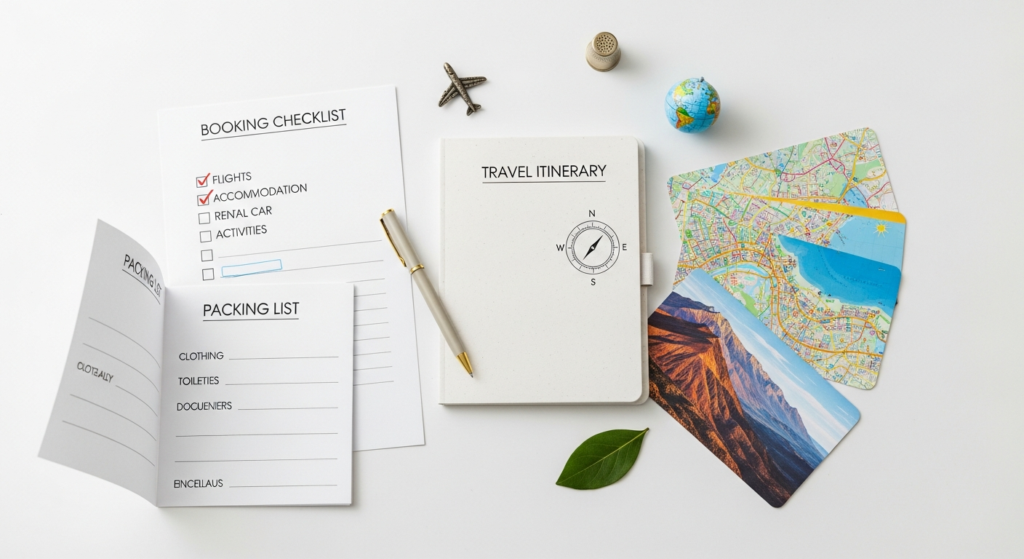
Overpacking is a common mistake. Create a master packing list and involve older kids in packing their own bags. Essential items for traveling with kids include:
- First-aid kit (band-aids, antiseptic wipes, children’s pain reliever)
- Comfort items (favorite blanket, stuffed animal)
- Snacks (non-perishable, mess-free options)
- Entertainment (books, small toys, downloaded movies/games)
- Change of clothes for each family member in a carry-on (especially for flights)
- Medications, prescriptions, and a copy of your child’s health records
- Reusable water bottles
Choosing Your Family’s Perfect Nest: Vacation Rentals vs. Hotels
When traveling with kids, your accommodation choice can significantly impact the success of your trip. While hotels offer convenience, vacation rentals, especially through platforms like Airbnb or VRBO, are increasingly becoming the preferred option for families. Industry data suggests that family bookings for vacation rentals have risen by over 40% in the last five years, highlighting their growing popularity.
Why Vacation Rentals Rule for Families
Vacation rentals offer a multitude of benefits tailored specifically for families:
- More Space: Unlike cramped hotel rooms, rentals often provide multiple bedrooms, living areas, and sometimes even outdoor spaces. This means kids can have their own rooms, and parents can relax after bedtime without disturbing them.
- Cost Savings: For families, especially larger ones, renting a whole house or apartment can often be more cost-effective than booking multiple hotel rooms. Plus, having a kitchen significantly reduces dining-out expenses, which can quickly add up.
- Home-Away-From-Home Amenities: Many rentals come equipped with full kitchens, laundry facilities, and separate living areas. Imagine being able to cook your kids’ favorite meals, do laundry on the go, and have a comfortable space to unwind.
- Privacy and Flexibility: Enjoy the privacy of your own space and the flexibility to set your own schedule, without worrying about hotel quiet hours or dining restrictions.
- Local Experience: Staying in a residential area often provides a more authentic cultural experience, allowing you to live like a local.
Tips for Booking the Best Family-Friendly Vacation Rental
To ensure you find the ideal rental for your 2026 family adventure, keep these tips in mind:
- Read Reviews Carefully: Pay close attention to reviews from other families. Look for comments on child-friendly features, safety, and host responsiveness.
- Filter for Family-Friendly Amenities: Use filters for “crib,” “high chair,” “kid-friendly,” “fenced yard,” or “pool fence” if applicable. Some rentals even offer toys, books, or board games.
- Check Location: Is it close to attractions, parks, grocery stores, and public transportation? Research the neighborhood’s safety and walkability.
- Communicate with the Host: Don’t hesitate to ask questions about specific amenities, sleeping arrangements, or childproofing measures. A responsive host is a good sign.
- Verify Safety Features: Inquire about smoke detectors, carbon monoxide detectors, and emergency exits. For rentals with pools, confirm there’s adequate fencing and safety measures.
Here’s a quick comparison to help you weigh your options:
| Feature | Traditional Hotel | Vacation Rental (e.g., Airbnb/VRBO) |
|---|---|---|
| Space & Privacy | Limited (1-2 rooms typically), less privacy for parents. | Ample (multiple bedrooms, living areas), enhanced privacy. |
| Kitchen Access | Often none, or small kitchenette. | Full kitchen, ideal for meal prep and cost savings. |
| Laundry Facilities | Usually none in room, sometimes communal service (extra cost). | Often in-unit washer/dryer, very convenient for families. |
| Cost for Families | Can be higher for multiple rooms or suites. | Often more budget-friendly for groups, especially longer stays. |
| Amenities for Kids | Pool, sometimes kids’ club; limited in-room options. | Often includes toys, books, yard, specific childproofing; highly variable. |
| Local Experience | More tourist-centric, less immersion. | Authentic, living in residential neighborhoods. |
| Daily Service | Daily housekeeping, front desk support. | Self-service, host support as needed. |
Mastering the Journey: Travel Day Strategies for Smooth Sailing
Travel days can be the most challenging part of a family trip, but with careful planning, they don’t have to be. Whether you’re flying, driving, or taking a train, preparation is key.
1. Flying with Little Ones and Beyond
- Book Smart: Choose flights that align with nap times or offer direct routes to minimize transitions. Consider booking an extra seat for a car seat if your budget allows for younger children.
- Pack a “Survival” Carry-On: Include snacks, a change of clothes for everyone (including parents!), small new toys, coloring books, and essential medications.
- Entertainment Load-Up: Download movies, shows, and games onto tablets before you leave. Don’t forget kid-friendly headphones.
- Boarding Strategy: Some families prefer to board early to get settled, while others opt for one parent to board with bags and the other to wait with kids until the last minute to minimize time on the plane.
- Snacks and Hydration: Pack plenty of non-messy snacks and empty water bottles to fill past security.
2. Road Trip Rulings: Keeping Everyone Happy on Four Wheels
Road trips offer flexibility and adventure. Make them enjoyable with these tips:
- Scheduled Stops: Plan frequent stops at parks, playgrounds, or interesting roadside attractions to let kids burn off energy. Aim for a stop every 2-3 hours.
- Entertainment Galore: Beyond screens, pack audiobooks, travel games, “I Spy,” and car bingo. Create a road trip playlist with everyone’s favorite tunes.
- Snack Station: Designate a snack cooler or bag that’s easily accessible. Avoid sugary drinks to prevent energy spikes and crashes.
- Comfort is Key: Bring pillows, blankets, and anything that makes the car feel more like home.
- Flexibility: Be prepared to adjust your itinerary. If a child is having a meltdown, a spontaneous stop might be the best solution.
3. Train Travel: A Relaxing Alternative
Train travel can be a wonderfully relaxed way to see the country, especially with kids. They can move around, visit the dining car, and watch the scenery unfold.
- Book a Compartment: If available and within budget, a private compartment offers space and privacy.
- Walk the Aisles: Encourage kids to stretch their legs by walking to the observation car or dining car.
- Window Watching: Make a game out of spotting landmarks or animals outside the window.
Keeping the Little Explorers Happy: On-Location Activities & Engagement
Once you’ve arrived at your destination, the real fun begins! Keeping kids engaged and happy requires a balance of planned activities, spontaneity, and downtime. Remember, a successful trip isn’t about packing every moment; it’s about creating joyful experiences.
1. Balance Structured Fun with Free Play
Avoid over-scheduling. While it’s great to have a list of attractions, leave plenty of room for unstructured play. Kids thrive on exploration and imagination. If you’re visiting a museum, follow it with a trip to a local park. If you’re having a busy day, plan a relaxed evening at your vacation rental.
2. Embrace Local Experiences
Go beyond the typical tourist traps. Seek out activities that offer a glimpse into local culture:
- Farmers’ Markets: A great way to try local produce and interact with vendors.
- Local Parks and Playgrounds: An excellent free activity where kids can play with local children.
- Cultural Workshops: Look for cooking classes, craft workshops, or traditional dance performances.
- Community Events: Check local listings for festivals, parades, or free concerts happening during your visit.
3. Age-Appropriate Engagement
Tailor activities to your children’s developmental stages:
- Toddlers & Preschoolers: Focus on sensory experiences, playgrounds, animal encounters (zoos, aquariums), and short, engaging activities.
- School-Aged Kids: They might enjoy interactive museums, historical sites with scavenger hunts, nature trails, or adventure parks.
- Teenagers: Involve them in planning, offer choices for more adventurous activities (e.g., ziplining, surfing lessons), and allow for some independent exploration if appropriate and safe.
4. Downtime is Essential
Kids (and parents!) need time to recharge. Schedule rest periods, especially for younger children. This could be a nap back at the vacation rental, quiet reading time, or simply lounging by the pool. A well-rested child is a happy child, leading to a happier family.
5. Safety First, Always
No matter where you are, prioritize safety:
- Buddy System: Implement a buddy system in crowded places.
- Meeting Point: Establish a clear meeting point if anyone gets separated.
- Emergency Contacts: Ensure children know your phone number and hotel/rental address. Consider ID bracelets for younger kids.
- Water Safety: Always supervise children near water, whether it’s a pool, beach, or lake.
- Local Laws: Be aware of local laws and customs, especially regarding child safety.
Budgeting Brilliance: Making Family Travel Affordable in 2026
Traveling with kids doesn’t have to break the bank. With strategic planning and smart choices, you can enjoy incredible family adventures without overspending. Financial planning is crucial, as family travel costs have seen an average increase of 5-7% year-over-year.
1. Embrace the Power of Vacation Rentals
As discussed, vacation rentals are a cornerstone of budget-friendly family travel. The ability to cook meals saves a significant amount compared to dining out three times a day. Preparing breakfast and packing lunches can slash your food budget by 30-50%.
2. Smart Food Strategies
- Grocery Shopping: Upon arrival, hit a local grocery store for staples, snacks, and ingredients for simple meals.
- Picnics: Pack picnic lunches for sightseeing days. It’s cheaper, often healthier, and can be a fun activity in itself.
- Kids Eat Free Deals: Research restaurants in your destination that offer “kids eat free” promotions.
- Cook at Home: Plan easy-to-prepare meals at your vacation rental. Pasta, tacos, or grilled cheese are family favorites that are both affordable and quick.
3. Seek Out Free and Low-Cost Activities
Many of the best family memories don’t cost a dime:
- Parks and Playgrounds: Always a hit with kids and free.
- Hiking and Nature Trails: Explore local natural beauty.
- Beaches or Lakes: Perfect for swimming, building sandcastles, or skipping stones.
- Free Museums/Galleries: Many cities offer free admission days or perpetually free institutions.
- Window Shopping: A fun way to explore local areas without spending.
- Local Libraries: Often have children’s programs or quiet corners for reading.
4. Transportation Savings
- Walk or Bike: If your destination is walkable or bike-friendly, it’s a great way to save on transportation costs and get some exercise.
- Public Transport: Utilize buses, subways, or trams. Many cities offer family passes that are more economical than taxis or ride-shares.
- Car Seat Alternatives: For older kids, consider booster seats that are easier to travel with than full car seats, or check if your rental car company offers suitable options.
5. Souvenir Smarts
Instead of expensive trinkets, encourage kids to collect natural items (shells, unique rocks), postcards, or press pennies. A family photo album or travel journal can be a more meaningful and lasting souvenir.
Health, Safety, and Unexpected Twists: Being Prepared for Anything
Even the most meticulously planned trips can encounter unexpected bumps. Being prepared for health concerns, minor mishaps, or even bigger emergencies ensures peace of mind and allows you to handle situations calmly.
1. The Essential Family First-Aid Kit
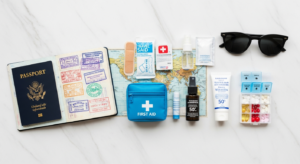
This is non-negotiable. Customize it based on your family’s needs but include:
- Band-aids in various sizes
- Antiseptic wipes and cream
- Children’s pain and fever reducer (e.g., ibuprofen, acetaminophen)
- Allergy medication (antihistamine)
- Motion sickness medication (if needed)
- Sunscreen and insect repellent
- Blister treatment
- Thermometer
- Any prescription medications (with copies of prescriptions)
2. Travel Insurance: Your Safety Net
While often overlooked, travel insurance is a wise investment, especially for families. It can cover:
- Medical Emergencies: Overseas medical treatment can be incredibly expensive.
- Trip Cancellation/Interruption: If a family emergency or unforeseen event forces you to cancel or cut short your trip.
- Lost Luggage: Reimbursement for lost or delayed bags.
- Evacuation: For extreme medical emergencies requiring transport.
Review policies carefully to understand what is covered and what isn’t, especially concerning pre-existing conditions or adventure activities.
3. Health & Hygiene on the Go
- Hand Sanitizer: Keep it readily available, especially before meals and after public transport.
- Hydration: Encourage frequent water intake to prevent dehydration, particularly in hot climates.
- Sun Protection: Hats, sunglasses, and regular sunscreen application are crucial.
- Food Safety: Be mindful of local food and water quality. Encourage kids to stick to bottled water and well-cooked foods.
4. Emergency Contacts and Important Documents
Keep a list of essential contacts (doctor, emergency services at your destination, embassy/consulate) and copies of important documents (passports, visas, insurance policies) both physically and digitally (e.g., cloud storage, email to yourself). For 2026, consider digital wallets for boarding passes and IDs, but always have physical backups.
5. Flexibility is Your Superpower
Despite all your planning, things will inevitably go awry. A flight might be delayed, a child might get sick, or a planned attraction might be closed. Your ability to adapt and maintain a positive attitude will determine the outcome. Teach your kids resilience by showing them how to handle unexpected changes with grace and a sense of adventure.
Tech-Savvy Travel: Balancing Screens and Real-World Exploration
In 2026, technology is an undeniable part of our lives, and family travel is no exception. The key is to leverage technology smartly to enhance your trip, not detract from it, striking a healthy balance between screen time and real-world exploration. Recent surveys indicate that 70% of parents use technology to entertain children during travel, but 60% also worry about excessive screen time.
1. Smart Screen Time Strategies
- Designated Screen Times: Establish clear rules for when and where screens can be used (e.g., during long flights/drives, during restaurant waits, or for a quiet wind-down period).
- Educational Content: Load tablets with educational apps, audiobooks, and documentaries relevant to your destination. This can turn screen time into a learning opportunity.
- Offline Access: Ensure all games, movies, and books are downloaded for offline access, especially when Wi-Fi is unreliable or unavailable.
- Interactive Learning: Use apps that help identify local flora/fauna, translate languages, or provide virtual tours of historical sites you plan to visit.
2. Tech Tools for Parents
- Navigation Apps: Google Maps or Waze can be lifesavers for finding your way, public transport routes, and even local kid-friendly spots.
- Communication: Keep in touch with family back home or with each other using messaging apps. Consider an international SIM card or local eSIM for connectivity.
- Photo & Video: Your smartphone is likely your primary camera. Use it to capture memories, but remember to put it away and be present.
- Travel Planning Apps: Apps for booking, itinerary management, and expense tracking can streamline your trip.
3. Encourage Digital Detox Moments
Actively encourage periods where devices are put away, allowing everyone to fully immerse themselves in the experience:
- Device-Free Meals: Make mealtimes a chance for conversation and connection.
- Nature Walks: Leave phones behind for a hike or a stroll on the beach.
- Card Games & Board Games: Pack small, travel-friendly games for evening entertainment at your vacation rental.
- Journaling/Sketching: Encourage kids to document their experiences offline.
4. Portable Power Solutions
With multiple devices, portable chargers (power banks) are essential. Ensure they are fully charged each night, and bring appropriate adapters for international travel.
Creating Lasting Memories: Documenting Your Family’s Adventures
The true treasure of family travel isn’t just the places you visit, but the memories you forge together. Documenting these adventures ensures you can relive them for years to come and share them with loved ones. For 2026, with advanced photography and digital tools, capturing every moment is easier than ever.
1. Photography Beyond the Smartphone
While smartphones are convenient, consider these tips for better photos:
- Delegate a “Photographer”: Even older kids can be given a simple camera or phone to capture their unique perspective.
- Candid Shots: Focus on capturing genuine moments – laughter, wonder, silly faces – rather than just posed pictures.
- Include Yourselves: Don’t forget to get in the frame! Use a tripod, selfie stick, or ask strangers to take a family photo.
- Local Details: Photograph local food, street art, signs, and everyday life to tell a richer story of your destination.
2. The Power of Storytelling: Travel Journals
Encourage each family member to keep a travel journal. This is a wonderful way to reflect on experiences and practice writing skills.
- For Younger Kids: Provide a journal with prompts, space for drawings, or even stickers to decorate.
- For Older Kids/Teens: Encourage them to write about their favorite moments, challenges, new things they learned, or people they met.
- Family Journal: Keep a shared journal where everyone contributes a thought or drawing each day.
3. Creative Souvenirs and Mementos
Beyond traditional souvenirs, think about unique ways to remember your trip:
- Postcard Collection: Buy a postcard at each stop and write a note on the back about a favorite memory from that location.
- Local Crafts: Support local artisans by purchasing handmade items unique to the region.
- Recipe Collection: If you enjoyed a local dish, try to get the recipe or buy a local cookbook.
- “Experience” Souvenirs: A ticket stub from a show, a pressed flower from a hike, or a unique coffee mug can be more meaningful.
- Photo Albums/Books: After the trip, compile your best photos into a physical album or a custom photo book.
4. Share Your Adventures Responsibly
Decide how you’ll share your trip with friends and family. A private online album, a shared video montage, or a simple slideshow can be great ways to recount your adventures without oversharing on public social media. Remember to be mindful of privacy, especially when posting photos of your children.
Key Takeaways
- Plan Early & Involve Everyone: Start planning well in advance and include your children in decision-making to build excitement and ownership.
- Embrace Vacation Rentals: They offer more space, cost savings, and home-like amenities crucial for family comfort and budget.
- Master Travel Days: Utilize strategic packing, entertainment, and scheduled breaks for smooth flights, road trips, and train journeys.
- Balance Activities & Downtime: Mix structured, age-appropriate activities with free play and essential rest periods to keep everyone happy.
- Budget Smart & Be Prepared: Leverage free activities, cook meals at your rental, invest in travel insurance, and pack a comprehensive first-aid kit for peace of mind.
Frequently Asked Questions
Q: What’s the best age to start traveling internationally with kids?
A: There’s no single “best” age, as every child is different. Many families find success traveling with infants (who often sleep a lot) or older children (who can better appreciate the experience). Toddlers can be challenging due to their need for routine and mobility. The key is to tailor the destination and travel style to your child’s developmental stage and temperament.
Q: How can I keep kids entertained on long flights without relying solely on screens?
A: Beyond screens, pack a variety of small, novel items: coloring books and crayons, sticker books, small LEGO sets, card games (like Uno), pipe cleaners, or a travel journal. Audiobooks and podcasts are also great screen-free options. Engage them with storytelling, “I Spy,” or simply looking out the window and discussing what they see.
Q: What are the top safety tips for kids when staying in a vacation rental?
A: Always check for smoke detectors and carbon monoxide detectors upon arrival. Look for accessible emergency exits. If there’s a pool, ensure it has proper fencing and safety gates. Secure any loose cords or small objects that could be choking hazards. Discuss house rules with your children, especially regarding balconies, stairs, or unfamiliar appliances. Consider bringing portable childproofing items like outlet covers or door stoppers.
Q: How can we stick to a budget for meals while traveling with picky eaters?
A: Staying in a vacation rental with a kitchen is your best friend here. You can prepare familiar meals, which often saves money and avoids restaurant meltdowns. Pack favorite snacks from home. When dining out, look for family-friendly restaurants with diverse menus or “kids eat free” deals. Don’t be afraid to order a simple side dish or appetizer for a picky eater if a full meal isn’t appealing.
Q: Is it worth bringing a stroller for older toddlers or preschoolers?
A: Absolutely! Even if your child rarely uses a stroller at home, the sheer amount of walking during travel can be exhausting for little legs. A lightweight, compact stroller or even a carrier for younger children can be a lifesaver for long sightseeing days, airport transfers, or when kids need to nap on the go. It also provides a convenient place to store your daypack.
Traveling with kids in 2026 is an incredible opportunity to bond, explore, and create a treasure trove of family memories. By embracing smart planning, choosing the right accommodations, preparing for travel days, and staying flexible, you can transform potential challenges into joyous adventures. Remember, the goal isn’t perfection, but connection and shared experiences. So pack your bags, prepare your little explorers, and get ready for the unforgettable journey ahead!