
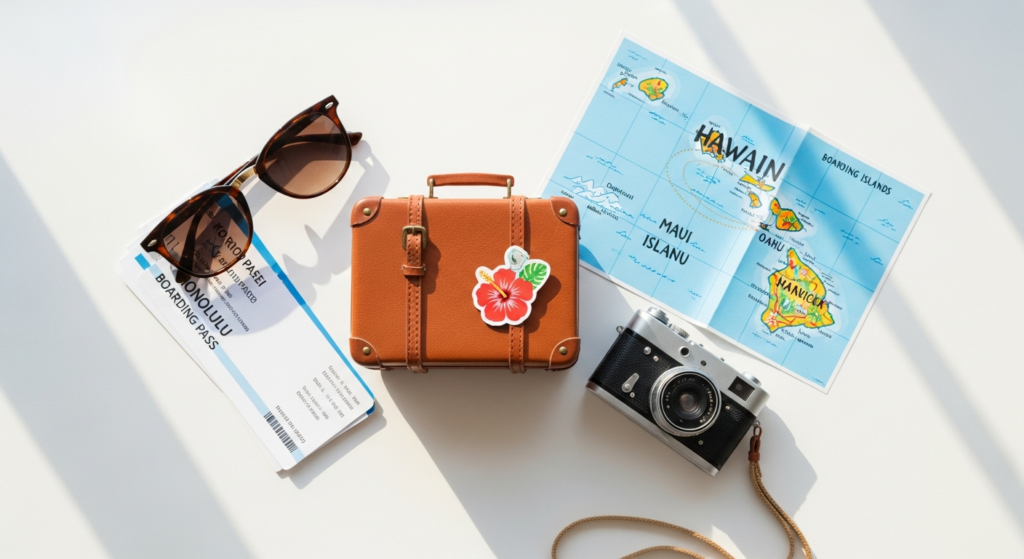
Why Hawaii in 2026? Unveiling the Aloha Spirit
Hawaii consistently ranks among the Best Vacation Destinations Us 2026, and for good reason. This cluster of volcanic islands in the heart of the Pacific offers a unique blend of natural wonders, rich history, and a welcoming culture that captivates every visitor. Unlike any other state, Hawaii provides an escape not just geographically, but also culturally and spiritually. In 2026, travelers are increasingly seeking authentic experiences, sustainable tourism options, and destinations that offer both relaxation and adventure – all hallmarks of the Hawaiian Islands.
The allure of Hawaii extends far beyond its iconic beaches. Imagine hiking through lush rainforests to discover cascading waterfalls, witnessing the raw power of active volcanoes, snorkeling in crystal-clear waters alongside vibrant marine life, or catching a sunrise from the summit of a dormant volcano. Each island presents its own distinct personality and array of activities, promising that no two Hawaiian vacations are ever truly alike. For those planning their 2026 adventures, Hawaii represents an opportunity to disconnect from the mundane and reconnect with nature, self, and a culture steeped in tradition and respect for the land.
Furthermore, as global travel patterns evolve, destinations that prioritize sustainability and community engagement are gaining prominence. Hawaii has been at the forefront of promoting responsible tourism, encouraging visitors to malama ‘aina (care for the land) and engage respectfully with local communities. This commitment to preserving its natural beauty and cultural heritage ensures that Hawaii will remain a pristine and enriching destination for 2026 and beyond. Whether you’re a first-time visitor or a seasoned island hopper, the magic of the Aloha Spirit promises a rejuvenating and inspiring journey that will leave an indelible mark on your soul.
Choosing Hawaii for your 2026 vacation means choosing an experience that transcends the typical beach holiday. It means embracing an adventure that combines exhilarating outdoor activities with moments of serene contemplation, gourmet dining with casual roadside delights, and luxurious resorts with charming, locally-run vacation rentals. The islands beckon with their diverse ecosystems, from arid lava fields to verdant valleys, all bathed in the warm Pacific sun. Prepare to be enchanted by the vibrant hues of the sunsets, the fragrant plumeria blossoms, and the rhythmic sound of the waves – elements that solidify Hawaii’s position as a premier global destination for 2026.
Choosing Your Island Paradise: Oahu, Maui, Kauai, or Big Island?
One of the most exciting, yet challenging, decisions for any Hawaii vacation planning guide 2026 is selecting which island, or islands, to visit. Each of the four main islands offers a unique charm and caters to different travel styles, making it crucial to understand their distinct characteristics before you book.
Oahu: The Gathering Place
Oahu is Hawaii’s most populous island and home to the capital city of Honolulu and the iconic Waikiki Beach. It’s the perfect choice for travelers seeking a vibrant mix of city life, historical landmarks, and world-class surfing. Here, you can delve into history at Pearl Harbor, explore the bustling streets of Waikiki with its endless dining and shopping options, or catch a wave at legendary surf breaks like the North Shore. Oahu is ideal for those who appreciate convenience, a wide array of activities, and a lively atmosphere. Public transportation is more accessible here than on other islands, and many attractions are within easy reach.
Maui: The Valley Isle
Often regarded as the most romantic island, Maui offers a blend of luxury resorts, stunning natural beauty, and a more relaxed pace than Oahu. It’s famous for the scenic Road to Hana, the majestic sunrise from Haleakala Crater, and some of the best whale watching opportunities (during winter months). Maui is perfect for honeymooners, families, and those seeking upscale dining, championship golf courses, and an emphasis on outdoor activities like snorkeling, surfing lessons, and exploring picturesque towns like Lahaina. The island strikes a beautiful balance between adventure and indulgence.
Kauai: The Garden Isle
If your vision of Hawaii involves dramatic, lush landscapes, towering cliffs, and a sense of untouched wilderness, then Kauai is your island. Known for its verdant mountains, stunning waterfalls, and the breathtaking Na Pali Coast, Kauai is a paradise for adventurers and nature lovers. Hiking the Kalalau Trail (permits often required well in advance for 2026), exploring Waimea Canyon (the “Grand Canyon of the Pacific”), or kayaking along tranquil rivers are just a few of the activities that draw visitors here. Kauai offers a slower, more serene pace, making it ideal for those looking to immerse themselves in nature and escape the crowds.
Hawaii Island (The Big Island): The Orchid Isle
The Big Island lives up to its name, offering an incredible diversity of landscapes across its vast expanse. From active volcanoes in Hawaii Volcanoes National Park to black sand beaches, lush rainforests, and snow-capped peaks (Mauna Kea), this island is a geological marvel. It’s the perfect destination for those eager to witness volcanic activity, stargaze from high altitudes, explore coffee plantations in Kona, or discover unique marine life while snorkeling in Kealakekua Bay. The Big Island is excellent for travelers who crave variety, scientific curiosity, and a sense of wide-open spaces.
When planning your 2026 trip, consider your priorities: do you crave vibrant nightlife and city amenities (Oahu), romantic luxury and scenic drives (Maui), rugged adventure and natural beauty (Kauai), or diverse landscapes and volcanic wonders (Big Island)? Many travelers opt to combine two islands to experience different facets of Hawaii, but remember that inter-island flights add to your travel time and budget. Carefully weighing these factors will help you select the perfect island(s) for your unforgettable 2026 Hawaiian vacation.
Budgeting for Your 2026 Hawaiian Getaway
Flights: This is often the largest single expense. Airfare to Hawaii can vary significantly based on your departure city, time of year, and how far in advance you book. For 2026, aim to book your flights 6-12 months out, especially if traveling during peak seasons (winter holidays, spring break, summer). Flexibility with your travel dates, even by a few days, can lead to substantial savings. Consider flying into Honolulu (HNL) as it often has the most competitive prices, then taking a short inter-island flight if your primary destination is another island.
Accommodation: Hawaii offers a spectrum of lodging options, from luxury resorts and boutique hotels to budget-friendly inns and, crucially for our niche, vacation rentals. Resorts and hotels, particularly in popular areas like Waikiki or Ka’anapali, can be quite costly. Vacation rentals, however, often provide more space, privacy, and the invaluable amenity of a full kitchen, which can significantly reduce food costs. For a family or group traveling in 2026, a vacation rental can often be more economical per person than multiple hotel rooms. Prices for vacation rentals will also fluctuate based on island, location (beachfront vs. inland), amenities, and time of year. Booking well in advance is key to securing desirable properties at reasonable rates for 2026.
Food: Dining out in Hawaii can be expensive due to the high cost of importing goods. A typical restaurant meal can easily run $20-40 per person, excluding drinks. To manage this, consider a vacation rental with kitchen facilities. Shopping at local grocery stores, farmers’ markets, and even Costco (on Oahu, Maui, and Big Island) can help you prepare some meals, pack lunches for excursions, and save a considerable amount. Look for local plate lunch spots, food trucks, and happy hour specials for more budget-friendly dining experiences.
Transportation: Unless you plan to stay exclusively in a walkable area like Waikiki and rely on tours, a rental car is almost essential for exploring most Hawaiian islands. Book your car well in advance for 2026, as demand can outstrip supply, especially during peak seasons. Factor in the cost of gas, which is typically higher than on the mainland, and parking fees, which can add up at hotels and popular attractions. Inter-island flights are also a transportation cost if you plan to visit multiple islands.
Activities and Entertainment: Hawaii offers a mix of free and paid activities. Enjoying the beaches, hiking scenic trails, and watching sunsets are free. However, popular excursions like luaus, surfing lessons, snorkeling tours, helicopter rides, and submarine trips can be pricey. Research activities in advance and prioritize those that align with your budget and interests. Look for package deals or discounts, and consider purchasing a multi-attraction pass if available.
Miscellaneous: Don’t forget to budget for travel insurance, souvenirs, tips, and unexpected expenses. A contingency fund is always a good idea. By meticulously tracking these categories and making conscious choices, your 2026 Hawaii vacation can be both magical and financially manageable. A rough estimate for a mid-range 7-day trip for two in 2026 might range from $4,000 to $8,000+, depending heavily on accommodation choices, dining habits, and chosen activities.
Booking Your Dream Vacation Rental in Hawaii
For many travelers heading to Hawaii in 2026, vacation rentals offer an unparalleled experience, providing a sense of home away from home that traditional hotels often cannot match. As a vacation rental planner, understanding the nuances of securing the perfect property is paramount to client satisfaction.
The appeal of vacation rentals in Hawaii is multifaceted. They typically offer more space, making them ideal for families, groups, or couples desiring extra room to spread out. The presence of a fully equipped kitchen is a significant advantage, allowing guests to prepare meals, save on dining costs, and cater to specific dietary needs. This also contributes to a more authentic, localized experience, as guests can shop at local markets and immerse themselves in the rhythm of island life. Furthermore, many rentals come with amenities like private lanais (balconies), laundry facilities, and unique decor that reflects the island’s charm, enhancing the overall vacation experience.
When searching for a 2026 Hawaiian vacation rental, several factors warrant careful consideration. First, location is key. Do your clients prefer beachfront access, a quiet neighborhood, proximity to specific attractions, or a bustling urban environment? Research the micro-climates of each area; some parts of an island might be sunnier or rainier than others. Second, amenities are crucial. Does the property offer air conditioning (essential in many areas), Wi-Fi, parking, a swimming pool, or ocean views? Confirm these details before booking. Third, always scrutinize guest reviews. Past guests’ experiences provide invaluable insights into the property’s accuracy, cleanliness, host responsiveness, and overall quality. Look for consistent positive feedback regarding these aspects.
Booking platforms like Airbnb, Vrbo, and local property management websites are excellent resources. It’s advisable to compare listings across multiple platforms and, if possible, consider booking directly with reputable local property managers for potentially better rates and more personalized service. For your 2026 Hawaiian trip, starting your search and booking at least 6-12 months in advance is highly recommended, especially for popular properties or during peak travel seasons. This foresight ensures you have the widest selection and best pricing.
A critical aspect of any successful vacation rental experience, particularly in a sought-after destination like Hawaii, is cleanliness. As vacation rental planners, we understand that a pristine environment is non-negotiable for guests. This is where a robust Vacation Rental Cleaning Checklist becomes paramount. Before your clients arrive, ensure the property has undergone a thorough, professional cleaning. This includes meticulous attention to bathrooms, kitchens, bedrooms, and common areas, with sanitization of high-touch surfaces. Fresh linens, sparkling dishes, and a dust-free environment set the tone for a comfortable and worry-free stay. Guests should feel confident that their temporary Hawaiian home is not just beautiful but also impeccably maintained to the highest hygiene standards. Communicating these cleaning protocols to guests, perhaps through a welcome message, can also enhance their peace of mind and overall satisfaction. A well-cleaned rental not only meets expectations but often exceeds them, leading to glowing reviews and repeat bookings – invaluable for any property owner or manager in 2026.
Finally, always clarify the rental agreement terms, including cancellation policies, check-in/check-out procedures, and any house rules. Clear communication with the host or property manager before and during the stay can prevent misunderstandings and ensure a smooth, enjoyable vacation rental experience in your Hawaiian paradise for 2026.
Crafting Your Itinerary: Must-Do Activities and Hidden Gems
Once you’ve chosen your island and secured your perfect 2026 Hawaiian vacation rental, the next exciting step is to plan your itinerary. Hawaii offers an overwhelming array of activities, from iconic landmarks to secluded natural wonders. The key is to balance popular attractions with opportunities for authentic cultural immersion and personal discovery.
Iconic Experiences Not to Miss:
- Snorkeling and Diving: Hawaii’s vibrant marine life is a major draw. Popular spots include Hanauma Bay (Oahu – reservations often required), Molokini Crater (Maui), Tunnels Beach (Kauai), and Kealakekua Bay (Big Island). Consider a guided boat tour for access to less crowded reefs.
- Surfing Lessons: Whether you’re a beginner or looking to refine your skills, taking a surf lesson on Waikiki Beach (Oahu) or the calmer breaks of Maui is an essential Hawaiian experience.
- Luau: Immerse yourself in Hawaiian culture with a traditional luau featuring delicious food, live music, hula dancing, and storytelling. Book well in advance for 2026, as popular luaus sell out quickly.
- Hiking: Each island boasts incredible trails. Conquer Diamond Head on Oahu, explore the Pipiwai Trail on Maui (part of the Road to Hana), marvel at the Na Pali Coast on Kauai (either by boat, helicopter, or hiking a portion of the Kalalau Trail), or trek through lava fields in Hawaii Volcanoes National Park on the Big Island.
- Volcanoes: Witnessing the power of Kilauea on the Big Island is a truly unique experience. Check the National Park Service website for current conditions and viewing opportunities in 2026. On Maui, catch a breathtaking sunrise or sunset from the summit of Haleakala.
Island-Specific Highlights:
- Oahu: Visit Pearl Harbor to pay respects, explore the bustling shops and restaurants of Waikiki, venture to the North Shore for epic surf watching (seasonal), and hike to Manoa Falls.
- Maui: Drive the scenic Road to Hana (plan a full day), go whale watching (seasonal, December-May), enjoy the luxurious resorts of Wailea, and stroll through the charming town of Lahaina.
- Kauai: Take a helicopter tour or boat trip along the dramatic Na Pali Coast, explore the vast Waimea Canyon, relax on Poipu Beach, and discover hidden waterfalls in the lush interior.
- Big Island: Explore Hawaii Volcanoes National Park, visit a Kona coffee farm, snorkel with manta rays at night, and stargaze from Mauna Kea (guided tours recommended).
Discovering Hidden Gems:
- Local Farmers’ Markets: Experience the vibrant local produce, crafts, and food. It’s a great way to support local businesses and try fresh island flavors.
- Botanical Gardens: Hawaii’s diverse flora is stunning. Seek out lesser-known gardens for a peaceful escape.
- Small Town Exploration: Wander through charming towns like Paia (Maui), Hanalei (Kauai), or Hilo (Big Island) for unique shops, art galleries, and local eateries away from the main tourist hubs.
- Sunrise/Sunset Spots: Beyond the famous ones, ask locals for their favorite spots to watch the sky ablaze with color.
When crafting your 2026 Hawaii itinerary, remember to allow for spontaneity and relaxation. Don’t overschedule every day. Build in downtime to simply enjoy the beach, read a book on your lanai, or explore without a rigid plan. Booking popular tours and restaurant reservations well in advance for 2026 is highly advisable, especially if traveling during peak times. Prioritize a mix of adventure, culture, and relaxation for a truly balanced and memorable Hawaiian vacation.
Travel Tips and Logistics for a Seamless 2026 Trip
A well-planned Hawaii vacation for 2026 involves more than just selecting an island and booking a rental; it requires attention to logistical details to ensure a smooth and stress-free experience. From arrival to departure, here are essential travel tips to keep in mind.
Flights and Inter-Island Travel:
- Book Early: For your 2026 trip, secure international or mainland flights to Hawaii as far in advance as possible (6-12 months) to get the best fares and availability.
- Main Hubs: Most international flights arrive at Honolulu International Airport (HNL) on Oahu. From there, you’ll take an inter-island flight if your primary destination is Maui, Kauai, or the Big Island.
- Inter-Island Flights: These are short, typically 20-45 minutes, and operate frequently between the major islands. Hawaiian Airlines and Southwest Airlines are the primary carriers. Book these flights in advance too, especially if you have specific times or connections to make for 2026.
- Luggage: Be mindful of baggage allowances for inter-island flights, which can sometimes be stricter than your long-haul flight.
Car Rentals:
- Essential for Exploration: With the exception of potentially staying exclusively in Waikiki on Oahu and relying on tours, a rental car is highly recommended, if not essential, for exploring the other islands. Public transport is limited outside of Oahu.
- Book in Advance (Crucial for 2026): Car rental demand often exceeds supply, leading to high prices and limited options, especially during peak seasons. Book your rental car as soon as your flights are confirmed for 2026.
- Island Hopping with Cars: You cannot take a rental car from one island to another. If you’re island hopping, you’ll need to rent a new car on each island.
- Parking: Factor in parking fees at hotels, resorts, and popular attractions. Vacation rentals often include parking, which is another benefit.
- Jeeps/Convertibles: While popular, these often come at a premium. Consider if it’s truly worth the extra cost.
Packing Essentials:
- Lightweight Clothing: Think shorts, t-shirts, sundresses. The climate is warm year-round.
- Swimwear: Multiple swimsuits are advisable.
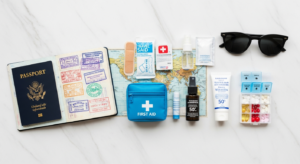
- Reef-Safe Sunscreen: Hawaii has banned sunscreens containing oxybenzone and octinoxate to protect its coral reefs. Bring or buy reef-safe alternatives.
- Comfortable Walking Shoes/Sandals: For exploring towns and casual strolls.
- Hiking Shoes: If you plan on tackling trails, especially in wet conditions.
- Light Jacket/Sweater: Evenings can be cool, especially at higher elevations (e.g., Haleakala, Mauna Kea).
- Rain Gear: A light rain jacket or umbrella can be useful, particularly on the wetter sides of islands (e.g., Hilo on Big Island, eastern Kauai).
- Reusable Water Bottle: Stay hydrated and reduce plastic waste.
- Snorkel Gear: If you plan to snorkel frequently, bringing your own can save rental costs.
Time Difference and Jet Lag:
- Hawaii observes Hawaii Standard Time (HST) and does not observe Daylight Saving Time. This means it’s typically 2-3 hours behind Pacific Time and 5-6 hours behind Eastern Time, depending on the time of year.
- Factor in jet lag, especially on arrival. Plan a relaxed first day for acclimatization.
Safety and Respect:
- Ocean Safety: Always heed warning signs, lifeguards, and local advice regarding ocean conditions. Rip currents can be dangerous.
- Hiking Safety: Stay on marked trails, carry water, and be aware of weather changes.
- Respect Local Culture: Malama Aina (care for the land) and make an effort to learn about and respect Hawaiian culture and traditions. Do not disturb ancient sites or take lava rocks/sand.
- Support Local: Patronize local businesses, artists, and restaurants.
By addressing these logistical aspects in your 2026 Hawaii vacation planning, you’ll be well on your way to a seamless, enjoyable, and enriching journey through paradise.
Beyond the Beaches: Cultural Immersion and Responsible Tourism
While Hawaii’s breathtaking beaches and stunning natural landscapes are undoubtedly a primary draw for travelers in 2026, a truly enriching Hawaiian vacation extends far beyond sunbathing and surfing. To fully appreciate the magic of the islands, it’s imperative to delve into its vibrant culture and embrace responsible tourism practices. This not only enhances your personal experience but also helps preserve this unique paradise for future generations.
Embracing Hawaiian Culture:
- Learn Basic Hawaiian Phrases: A simple “Aloha” (hello/goodbye/love) and “Mahalo” (thank you) can go a long way in showing respect and appreciation.
- Attend a Luau with Cultural Depth: While many luaus cater to tourists, seek out those that offer a genuine storytelling experience, showcasing the history of the hula, ancient chants, and traditional food preparation methods.
- Visit Cultural Sites and Museums: Explore historical landmarks like ʻIolani Palace on Oahu, the only official residence of royalty in the United States, or visit Bishop Museum to learn about Polynesian history and natural science. Each island has local museums and cultural centers that offer deeper insights into Hawaiian traditions.
- Engage with Local Artists and Craftsmen: Support local artisans by purchasing authentic Hawaiian crafts, such as leis, carved wood, or kapa cloth, directly from them. This helps sustain traditional art forms and provides unique souvenirs.
- Listen to Hawaiian Music: Seek out live performances of traditional Hawaiian music, which often tell stories of the land, sea, and people.
- Try Local Cuisine: Beyond the resorts, explore local eateries, food trucks, and farmers’ markets. Sample poke, shave ice, kalua pig, and fresh tropical fruits.
Practicing Responsible Tourism (Malama Aina – Care for the Land):
- Respect the Aina (Land) and Kai (Ocean): This is perhaps the most fundamental aspect of responsible tourism in Hawaii. Do not take sand, rocks, or coral from the beaches or ocean. Do not disturb historical sites or natural formations.
- Use Reef-Safe Sunscreen: As mentioned, Hawaii has banned sunscreens containing harmful chemicals. Always use mineral-based, reef-safe options to protect the delicate coral ecosystems.
- Reduce Waste: Carry a reusable water bottle, coffee cup, and shopping bags. Opt for vacation rentals that encourage recycling. Minimize single-use plastics.
- Conserve Resources: Be mindful of water and electricity usage, especially in drought-prone areas.
- Stay on Marked Trails: When hiking, stick to designated paths to prevent erosion and protect fragile ecosystems.
- Support Local Businesses: Direct your tourist dollars to local shops, restaurants, tour operators,
Recommended Resources
Related reading: Cycling Across Shimanami Kaido (Onomichi Guide).
Related reading: Best Time To Visit Japan (Onomichi Guide).