

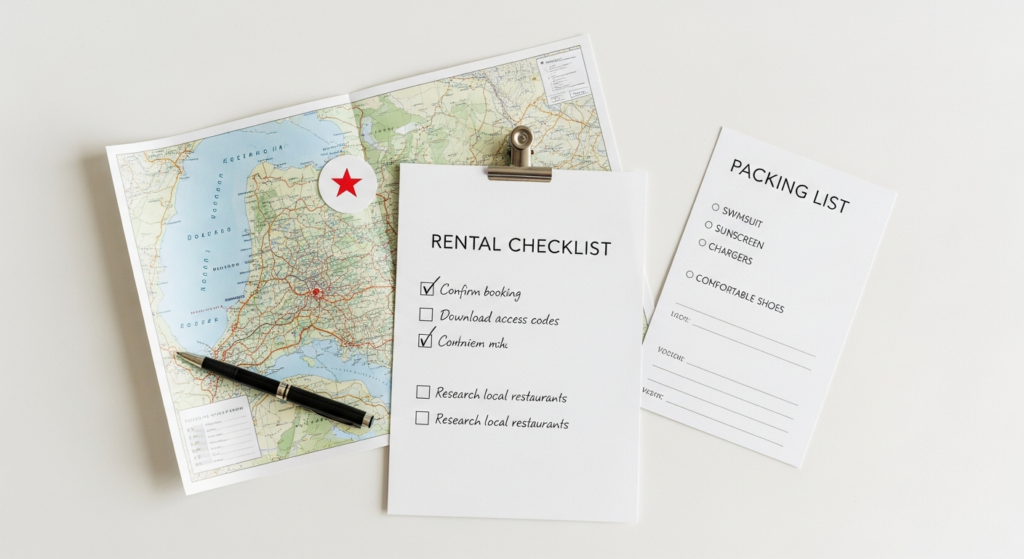
The Budget Travel & Vacation Planning Guide 2026
Welcome to the ultimate guide for savvy travelers looking to explore the world without breaking the bank in 2026! At VacationRentalPlanners.com, we believe that unforgettable adventures shouldn’t come with an exorbitant price tag. This comprehensive pillar page is your one-stop resource for mastering the art of affordable travel and vacation planning. Whether you’re dreaming of a sun-soaked beach getaway, an exciting city escape, or a memorable family road trip, we’ve packed this guide with practical strategies, insider tips, and up-to-date insights to help you maximize your travel budget. From meticulously planning your trip and uncovering the best vacation rental deals to smart packing and navigating family travel with ease, we’ll show you how to transform your travel dreams into budget-friendly realities. Get ready to discover how to unlock incredible experiences, save money, and create lasting memories without compromising on quality or fun!
TL;DR: This guide provides a complete blueprint for budget travel in 2026, covering everything from initial planning and finding the best deals on vacation rentals to smart packing and making family trips affordable. You’ll learn essential strategies to save money on every aspect of your vacation, ensuring a fantastic experience without overspending. Dive in to unlock expert tips and resources for your next budget-friendly adventure.
How to Plan a Vacation on Any Budget
Embarking on a journey doesn’t have to deplete your savings. The key to successful budget travel lies in meticulous planning and smart decision-making from the very beginning. In 2026, with evolving travel trends and economic considerations, mastering the art of affordable vacation planning is more crucial than ever. Our comprehensive guide, “How to Plan a Vacation on a Budget,” delves deep into these strategies, offering actionable advice to help you stretch every dollar.
Firstly, setting a realistic budget is paramount. Before you even choose a destination, understand how much you’re willing and able to spend. This involves accounting for flights, accommodation, food, activities, and a contingency fund. Once you have a clear financial framework, you can begin to make informed choices. One of the most effective ways to save is by traveling during the off-peak or shoulder seasons. While popular destinations might see millions of visitors during peak summer months, leading to inflated prices, opting for spring or fall can significantly reduce costs for flights and lodging. For example, industry reports indicate that booking flights on Tuesdays and Wednesdays can often result in savings of 15-20% compared to weekend bookings, and flexibility with travel dates can unlock even greater discounts.
Beyond timing, consider alternative destinations. Instead of heading to an internationally renowned city, explore its lesser-known, equally charming neighbors. These locations often offer a more authentic experience at a fraction of the cost. For instance, while major European capitals remain popular, smaller cities and towns across countries like Portugal, Greece, or even the Midwest US can provide rich cultural experiences without the hefty price tag. When it comes to transportation, be open to various options. Instead of direct flights, consider connecting flights, which are often cheaper, or explore ground transportation like trains or buses for shorter distances. For instance, in the US, domestic tourism continues to thrive, with many travelers discovering the cost-effectiveness and charm of road trips to national parks and smaller towns, often saving significantly on airfare.
Food is another major budget buster, but it doesn’t have to be. Staying in a vacation rental with a kitchen allows you to prepare some or all of your meals, drastically cutting down on dining expenses. A recent survey showed that travelers who cook at least half their meals in a vacation rental save an average of 30-50% on food costs compared to those who primarily eat out. Look for local markets for fresh, affordable ingredients, and pack snacks for day trips. Finally, seek out free or low-cost activities. Many cities offer free walking tours, parks, museums with free admission days, or public beaches that provide endless entertainment. Embracing these strategies will not only save you money but also often lead to more immersive and memorable travel experiences. Remember, a budget vacation doesn’t mean sacrificing enjoyment; it means making smarter choices to make your travel dreams a reality.
Finding the Best Vacation Rental Deals
In the landscape of modern travel, vacation rentals have emerged as a formidable and often more economical alternative to traditional hotels, especially for families and groups. The global vacation rental market continues to expand rapidly, with projections showing significant growth through 2026, driven by travelers seeking more space, privacy, and amenities like kitchens. However, simply choosing a vacation rental isn’t enough; the real savings come from knowing how to unearth the absolute best deals. Our specialized guide, “How to Find the Best Vacation Rental Deals,” provides an in-depth look at strategies to secure fantastic accommodations without overspending.
Timing is a critical factor in securing great deals. While last-minute bookings can sometimes yield discounts if hosts are desperate to fill vacancies, booking well in advance (3-6 months out) often provides the best selection and more competitive pricing, particularly for popular destinations or larger properties. Conversely, if you have extreme flexibility and are willing to take a chance, searching for deals a week or two before your desired travel date can sometimes reveal significant price drops, especially during off-peak seasons. It’s a risk-reward strategy, but one that can pay off handsomely. Utilizing price alerts on various platforms can also notify you when a desired property drops in price, giving you an edge.
Beyond timing, savvy travelers compare prices across multiple platforms. What might be listed at one price on Airbnb could be slightly different on VRBO or Booking.com, even for the same property. Some hosts list exclusively on one platform, so checking multiple sites ensures you see the widest array of options. Moreover, don’t shy away from looking beyond the first page of search results; hidden gems and better values are often found deeper within the listings. Always scrutinize the total cost, including cleaning fees, service charges, and local taxes, as these can significantly inflate the initial nightly rate. Some platforms are more transparent with these fees upfront than others.
Another powerful strategy is to consider booking longer stays. Many hosts offer weekly or monthly discounts, sometimes as much as 15-30% off the daily rate. If your itinerary allows, extending your trip by a few days could actually make the overall cost per night cheaper. Don’t be afraid to communicate directly with hosts, especially for longer stays or if you notice a property has been vacant for a while. While not always possible, some hosts may be open to slight negotiations, particularly during slower seasons. Finally, consider properties slightly outside the most popular tourist zones. These often offer better value, a more local experience, and are usually just a short public transport ride away from the main attractions. By implementing these strategies, you’re not just finding a place to stay; you’re finding a smart, budget-friendly home away from home.
Choosing the Right Platform: Airbnb vs VRBO vs Booking.com
With the proliferation of vacation rental platforms, deciding where to book your next stay can feel like navigating a maze. Each platform boasts unique strengths, fee structures, and property types, making the choice critical for budget-conscious travelers. Our in-depth comparison, “Airbnb vs VRBO vs Booking Comparison,” is designed to demystify these options, helping you select the best platform for your specific travel needs and budget.
Airbnb, perhaps the most recognizable name in the short-term rental market, is renowned for its vast inventory, ranging from spare rooms and quirky stays to entire homes. It’s often the go-to for unique experiences and a wide price spectrum, appealing to solo travelers, couples, and small families. Airbnb’s strength lies in its diverse offerings, including “Experiences” that allow travelers to book local activities. However, its service fees can sometimes be higher, and the sheer volume of listings means more sifting through options to find the perfect fit. According to recent reports, Airbnb continues to dominate the market share in many regions, especially for urban and unique property types, with millions of listings worldwide.
VRBO, on the other hand, stands for “Vacation Rentals By Owner” and primarily focuses on entire homes, cabins, condos, and villas – no shared spaces. This makes it an excellent choice for families and larger groups seeking more privacy and amenities like full kitchens and multiple bedrooms. VRBO tends to cater to more traditional vacation destinations, like beach towns and ski resorts. While its inventory might not be as quirky as Airbnb’s, the quality and consistency of full-home rentals are often a strong point. VRBO’s fee structure can sometimes be more transparent, but it’s essential to compare the total cost, including service fees and cleaning charges, which can vary significantly. Data suggests that VRBO remains a strong contender, particularly in leisure travel markets where whole-home rentals are preferred.
Booking.com, primarily known for hotels, has significantly expanded its vacation rental offerings. This platform often has competitive pricing due to its extensive network and sometimes offers properties not found on Airbnb or VRBO. Its strength lies in its user-friendly interface, often displaying the total price upfront, and its robust customer service. For budget travelers, Booking.com can be particularly useful for finding last-minute deals or comparing prices across hotels and vacation rentals simultaneously. While it might have fewer unique, owner-managed properties compared to Airbnb, its integration with hotels and resorts can provide a broader range of options, especially in regions where vacation rentals are less common. Ultimately, the best strategy for budget travel is to check all three platforms for your desired dates and destination. Each site has its own algorithms and promotions, and a property might be priced differently or have different availability depending on where you look. By cross-referencing, you significantly increase your chances of finding the ideal rental at the best possible price.
The Ultimate Travel Packing List
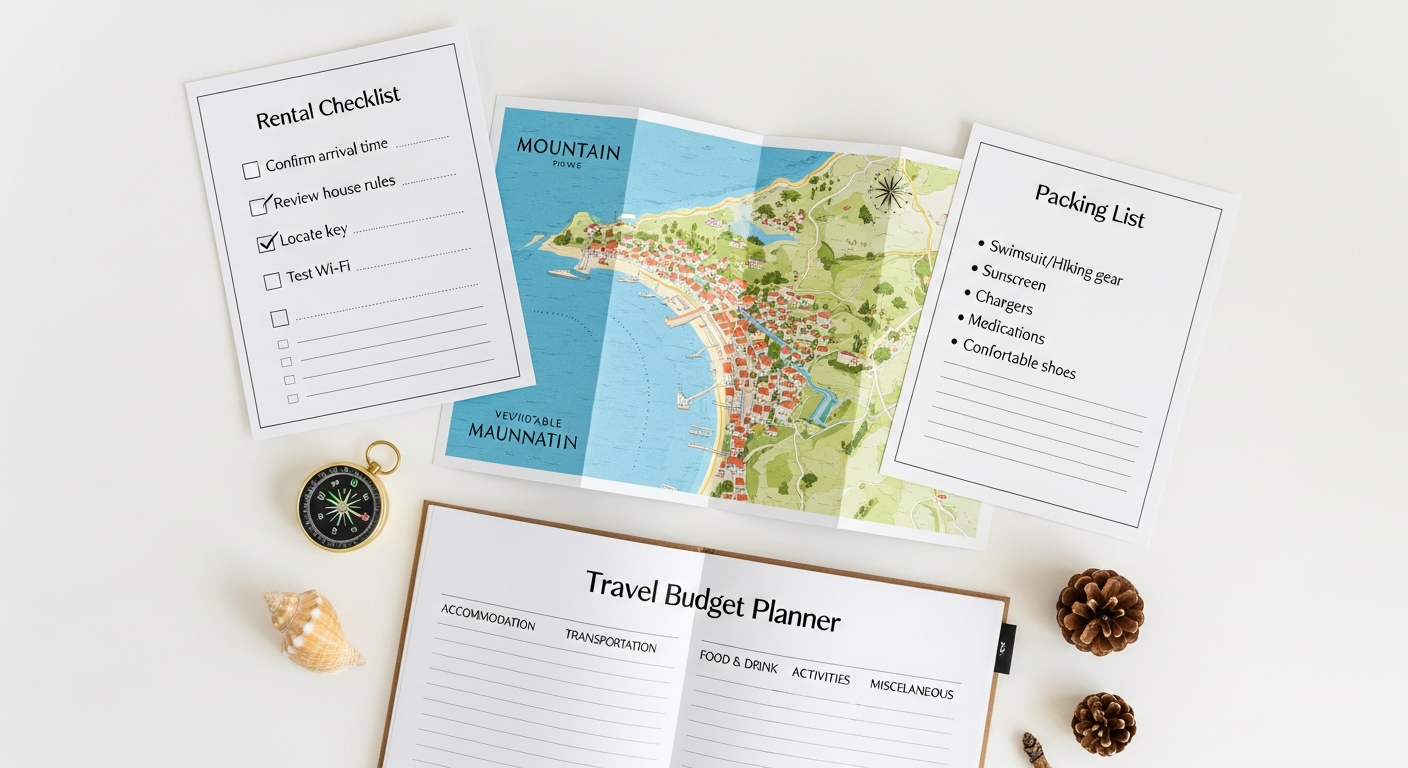
One of the most overlooked aspects of budget travel is the art of packing. While it might seem trivial, smart packing can significantly impact your travel expenses, primarily by helping you avoid costly airline baggage fees. As airlines continue to unbundle services, checked baggage fees have become a significant revenue stream, with some major carriers earning billions annually from these charges. Our comprehensive resource, “Travel Packing List Guide,” walks you through everything you need to know to pack efficiently, light, and smartly, ensuring you save money and stress.
The golden rule of budget packing is to pack light. This often means embracing a minimalist mindset and focusing on essentials. Start by creating a detailed list of what you truly need, considering the length of your trip, the climate of your destination, and the activities you’ll be doing. Instead of packing an outfit for every single day, aim for versatile pieces that can be mixed and matched to create multiple looks. Think neutral colors and layers that can adapt to varying temperatures. For instance, a lightweight scarf can serve as a fashion accessory, a head covering, a blanket on a chilly flight, or even a makeshift towel. Travel-size toiletries are another must-have; not only do they save space and weight, but they also comply with TSA liquid restrictions, allowing you to carry them on and avoid checking a bag.
Maximizing your carry-on space is crucial. Invest in a good quality, lightweight carry-on bag that meets airline size restrictions. Utilize packing cubes to compress clothing and organize your belongings, making it easier to find items and fit more into your bag. Roll your clothes tightly instead of folding them, as this often saves space and minimizes wrinkles. Wear your bulkiest items on the plane, such as heavy shoes or a jacket, to free up valuable luggage space. Remember to leave some room for souvenirs, but be realistic – you’re aiming for a budget trip, not a shopping spree!
Beyond clothing and toiletries, consider what essential items can save you money on the go. A reusable water bottle is a game-changer, allowing you to refill at airports and public fountains instead of constantly buying expensive bottled water. A portable power bank ensures your devices are charged, preventing reliance on potentially costly airport charging stations. A small first-aid kit can save you from buying overpriced remedies abroad. Don’t forget any necessary medications and copies of important documents. By thoughtfully curating your packing list and prioritizing efficiency, you not only avoid unnecessary fees but also gain the freedom and flexibility that comes with lighter travel. You’ll move faster through airports, public transport, and enjoy a more nimble and less stressful journey, making your budget vacation even more enjoyable.
Budget Family Travel: How to Travel with Kids
Traveling with children can be an incredibly rewarding experience, creating memories that last a lifetime. However, it often comes with the perception of increased costs and logistical challenges. The good news is that budget-friendly family travel is not only possible but can be incredibly enjoyable with the right strategies. Family travel continues to be a dominant segment of the tourism industry, with a significant percentage of all leisure trips including children. Our dedicated guide, “How to Travel with Kids Guide,” offers invaluable insights into making your family adventures affordable and stress-free.
One of the foundational pillars of budget family travel is choosing the right accommodation. Vacation rentals, as discussed earlier, are often ideal for families. They provide more space than a typical hotel room, allowing children to have separate sleeping areas and adults some privacy. Crucially, a fully equipped kitchen means you can prepare meals and snacks, saving a substantial amount compared to eating out for every meal. For example, a family of four can easily spend hundreds of dollars a day on restaurant meals, whereas grocery shopping for a week might cost a fraction of that. This strategy also caters to picky eaters and dietary restrictions, making meal times less of a battle and more of a bonding experience.
When it comes to activities, look for kid-friendly options that are either free or low-cost. Parks, playgrounds, public beaches, libraries, and nature trails are excellent sources of free entertainment. Many cities offer free museums or special family days with reduced admission. Instead of constant paid attractions, mix in simpler, more experiential activities. For younger children, the novelty of a new environment itself can be entertainment enough. Pack portable entertainment like books, small toys, and downloaded movies or games for travel days and downtime, reducing the need to purchase expensive distractions on the go.
Smart packing is even more critical when traveling with kids. Overpacking for children can quickly lead to extra baggage fees. Focus on versatile clothing, pack essentials like a small first-aid kit, and consider travel-sized versions of favorite comfort items. Utilizing car seats or booster seats that are approved for air travel can save on rental car costs or specific airline fees. Snacks are a budget-traveler’s best friend, especially with kids. Packing a variety of non-perishable snacks prevents impulse purchases at overpriced airport kiosks or tourist traps. Finally, involve your children in the planning process. Giving them a sense of ownership can make them more engaged and cooperative, and even teach them valuable lessons about budgeting and responsible travel. By adopting these practical strategies, your family can embark on incredible journeys without stretching your finances, proving that memorable family vacations don’t have to be expensive.
Best Affordable Destinations for Families
Choosing the right destination is perhaps the most exciting part of vacation planning, and for budget-conscious families, it’s a decision that can significantly impact the overall cost of a trip. While exotic international locales might capture the imagination, the United States offers an incredible array of diverse, family-friendly, and surprisingly affordable destinations that promise unforgettable experiences without requiring a passport or breaking the bank. Domestic travel has seen a resurgence in popularity, especially among families, due to its accessibility and often lower overall costs compared to international trips. We’ve dedicated two comprehensive guides to help you explore these options: “Best Beach Vacation Destinations in the US” and “Best Family Vacation Destinations in the US.”
When it comes to beach vacations, while iconic spots like Miami or Laguna Beach are beautiful, they often come with premium prices. For families on a budget, look to the Gulf Coast of Florida and Alabama, or the Outer Banks of North Carolina. Destinations like Gulf Shores, Alabama, or St. Petersburg, Florida, offer stunning white-sand beaches, calm waters ideal for children, and a plethora of affordable vacation rentals. These areas often feature free public access to beaches, budget-friendly seafood restaurants, and numerous state parks with low or no entry fees. The cost of living and tourism services in these regions are generally lower than their more famous counterparts, making them excellent value propositions for families seeking sun and sand without the hefty price tag. For example, average vacation rental prices in Gulf Shores can be 20-30% lower than comparable properties in South Florida during similar seasons.
Beyond the beaches, the US is rich with family-friendly destinations that excel in affordability and entertainment. National Parks, such as Zion, Yellowstone, or the Great Smoky Mountains, are incredible for families. An annual pass (America the Beautiful Pass) grants entry to all national parks and federal recreational lands for a year, a fantastic investment for adventurous families. Accommodation options range from budget-friendly campgrounds to charming small-town vacation rentals just outside park boundaries. These destinations offer a wealth of free activities like hiking, wildlife viewing, and ranger programs, immersing children in nature and education without added costs. The popularity of national parks continues to grow, attracting millions of visitors annually, many of whom are families seeking affordable outdoor adventures.
Another excellent category for budget family travel includes cities with a strong focus on history and culture, or those with unique, free attractions. Consider places like San Antonio, Texas, with its historic Riverwalk and The Alamo (free entry), or Washington D.C., where many Smithsonian museums offer free admission. Even cities like St. Louis, Missouri, boast attractions like Forest Park and the St. Louis Zoo, both free to enter. These cities often have a wide range of affordable dining options and public transportation, further reducing costs. By opting for these destinations, families can enjoy rich, engaging, and memorable vacations that are kind to their wallets, proving that incredible experiences are accessible to everyone, regardless of budget size.
Key Takeaways for Budget Travel & Vacation Planning 2026
- Plan Strategically: Always set a clear budget, be flexible with dates, and consider off-peak travel to significantly reduce costs on flights and accommodation.
- Leverage Vacation Rentals: Utilize platforms like Airbnb, VRBO, and Booking.com to find deals, compare prices, and benefit from amenities like kitchens to save on food expenses.
- Pack Smart & Light: Avoid airline baggage fees by packing efficiently, using packing cubes, and bringing only essentials. Wear bulky items on the plane.
- Master Family Travel: Choose family-friendly vacation rentals, prioritize free or low-cost activities, and pack plenty of snacks to keep kids happy and costs down.
- Choose Affordable Destinations: Explore budget-friendly US destinations like the Gulf Coast beaches or National Parks, which offer incredible experiences without premium prices.
Summary Comparison Table: Budget Travel Planning Essentials
| Category | Key Strategy for 2026 | Budget Impact | Best For |
|---|---|---|---|
| Trip Planning | Travel during off-peak seasons (shoulder months like April-May, Sept-Oct). Be flexible with dates and destinations. | Significant savings (20-40% on flights/lodging) | All travelers, especially those with flexible schedules. |
| Accommodation | Compare vacation rentals across Airbnb, VRBO, and Booking.com. Look for weekly/monthly discounts. | Up to 50% savings compared to hotels, plus food cost reduction. | Families, groups, travelers seeking privacy and amenities. |
| Transportation | Book flights in advance, consider connecting flights, utilize public transport, and explore road trips. | Reduces overall travel costs, avoids rental car expenses. | Everyone, particularly for domestic travel. |
| Food & Dining | Cook meals in vacation rentals, shop at local markets, pack snacks, and research affordable local eateries. | Substantial savings (30-50% on dining). | Families, long-term travelers, health-conscious individuals. |
| Packing | Pack light to avoid checked baggage fees. Use packing cubes and versatile clothing. | Eliminates airline baggage fees ($60-$100+ round trip per bag). | All travelers, especially those flying. |
| Activities | Seek out free attractions (parks, museums with free days, beaches). Look for local events. | Reduces daily entertainment costs significantly. | Families, cultural explorers, nature lovers. |
| Family Travel | Prioritize vacation rentals, pack smart for kids, and plan a mix of free & paid kid-friendly activities. | Manages overall family trip costs, enhances experience. | Families with children of all ages. |
| Destinations | Choose budget-friendly US locations like Gulf Coast beaches or National Parks over major tourist hubs. | Lower accommodation, activity, and dining costs. | Families, nature enthusiasts, domestic explorers. |
Frequently Asked Questions About Budget Travel & Vacation Planning 2026
Q: What are the absolute best times to book flights for budget travel in 2026?
A: For domestic flights, aim to book 1-3 months in advance. For international travel, 2-8 months out is generally recommended. Tuesdays and Wednesdays are often cited as the best days to find cheaper flights, and using flight comparison sites with price alerts can help you snag deals as they arise. Flexibility with your travel dates is the ultimate key, as flying mid-week or during shoulder seasons can save you hundreds.
Q: Is it always cheaper to stay in a vacation rental than a hotel for families?
A: For families, vacation rentals are often significantly more cost-effective. They provide more space, multiple bedrooms, and crucially, a kitchen, allowing you to save substantially on dining out. While a nightly rate might sometimes seem comparable to a hotel, the added value of amenities and the ability to cook your own meals almost always makes rentals the more budget-friendly choice for groups or longer stays.
Q: How can I save money on food while on vacation without always cooking?
A: Even if you don’t cook all your meals, there are ways to save. Opt for vacation rentals with kitchens to prepare breakfast and pack lunches/snacks. Look for local markets, food trucks, or casual eateries for dinner instead of high-end restaurants. Many destinations offer “happy hour” deals or early bird specials. Sharing larger portions, especially in family-style restaurants, can also cut costs.
Q: What’s the biggest mistake budget travelers make when planning?
A: One of the biggest mistakes is not accounting for all potential costs, especially hidden fees. This includes airline baggage fees, vacation rental cleaning fees, resort fees, local taxes, and transportation costs from the airport. Not having a contingency fund for unexpected expenses can also derail a budget. Comprehensive planning that considers every potential outlay is crucial for staying within budget.
Q: Are there specific apps or websites recommended for finding budget travel deals?
A: Absolutely! For flights, try Google Flights, Skyscanner, and Kayak, which allow you to compare prices across multiple airlines and set price alerts. For accommodations, Airbnb, VRBO, and Booking.com are essential for vacation rentals. For overall trip planning and deals, consider sites like Expedia, Travelocity, and specific hotel/airline loyalty programs. Don’t forget to check local tourism board websites for free activities and discounts at your destination.
Conclusion: Your Passport to Affordable Adventures in 2026
Congratulations, you’re now equipped with the ultimate blueprint for navigating the world of budget travel and vacation planning in 2026! We’ve journeyed through the essential strategies for planning affordable trips, uncovered the secrets to finding the best vacation rental deals, demystified the choice between platforms like Airbnb and VRBO, mastered the art of minimalist packing, and provided invaluable tips for making family travel both budget-friendly and immensely enjoyable. From choosing the perfect affordable destination to smart financial decisions every step of the way, this guide is your trusted companion.
Remember, a budget vacation doesn’t mean compromising on quality or excitement. It’s about making informed choices, being resourceful, and embracing the adventure of discovering new places without the burden of overspending. The travel landscape in 2026 offers countless opportunities for savvy planners, and by applying the insights and linking to the detailed guides provided here, you’re well on your way to crafting unforgettable experiences that are kind to your wallet.
So, what are you waiting for? It’s time to turn those travel dreams into tangible plans. Dive deeper into our specialized articles to get even more granular advice on each topic. Start exploring destinations, comparing rentals, and packing your bags with confidence. Your next incredible, budget-friendly adventure awaits!