The Allure of Cabin Rentals for Families
There’s a unique magic that draws families to cabin rentals, setting them apart from hotels or even traditional vacation homes. It’s an experience rooted in authenticity, offering a blend of rustic charm and modern comfort that caters perfectly to the diverse needs of family units. When considering a cabin rental guide for families, understanding this inherent appeal is the first step.
One of the primary draws is the unparalleled sense of privacy and space. Unlike hotel rooms that often feel cramped, cabins typically boast multiple bedrooms, spacious living areas, and expansive outdoor spaces. This means kids have room to play, parents have quiet corners to relax, and everyone can gather comfortably for meals or game nights. This ample room is crucial for maintaining harmony during extended family trips, allowing individuals to spread out and enjoy personal time without feeling on top of one another. For families with active children or teenagers, the ability to have separate areas for different activities can be a game-changer, ensuring everyone’s vacation preferences are met.
Furthermore, cabins inherently offer a deep connection to nature. Nestled amidst forests, beside tranquil lakes, or high in the mountains, they provide direct access to the great outdoors. This encourages families to step away from screens and engage in activities like hiking, fishing, stargazing, or simply exploring the immediate surroundings. The natural setting fosters a sense of wonder and adventure, creating opportunities for educational moments about local flora and fauna, and promoting physical activity. Imagine evenings spent around a crackling fire pit, sharing stories and roasting marshmallows under a canopy of stars – these are the indelible experiences that cabins facilitate, experiences often difficult to replicate in urban settings.
The self-sufficiency of a cabin rental also greatly appeals to families. Most cabins come equipped with full kitchens, allowing families to prepare their own meals. This not only offers significant cost savings compared to dining out for every meal but also accommodates dietary restrictions and preferences with ease. Cooking and sharing meals together becomes another bonding activity, transforming mundane tasks into cherished family rituals. The ability to pack a cooler for day trips, enjoy leisurely breakfasts, or host an outdoor barbecue adds a layer of convenience and flexibility that is invaluable when traveling with children of all ages. This autonomy over meal planning and scheduling is a key differentiator, empowering families to craft their vacation rhythm.
Finally, cabin rentals often come with unique amenities that enhance the family experience. Depending on the location and luxury level, these could include hot tubs, game rooms with pool tables or arcade games, private docks for boating, playgrounds, or even themed bedrooms for children. These features add an extra layer of entertainment and relaxation, ensuring there’s always something to do, regardless of the weather. For parents, a hot tub after a long day of hiking can be a welcome luxury, while a dedicated game room can keep teenagers engaged and happy. These thoughtful additions transform a simple stay into a truly enriching family vacation, making a cabin rental an ideal choice for creating lasting memories and fostering deeper family connections.
Choosing the Perfect Family-Friendly Cabin: What to Look For

Selecting the right cabin for your family vacation is paramount to ensuring a successful and enjoyable trip. With countless options available, knowing what factors to prioritize can make all the difference. This section of our cabin rental guide for families delves into the critical considerations when making your choice.
Location, Location, Location: Setting the Scene
The geographic setting of your cabin is arguably the most significant decision. Do you envision a serene lakeside retreat, a rugged mountain escape, or a secluded forest hideaway? Each offers a distinct experience and access to different activities. A lakeside cabin might offer swimming, boating, and fishing, while a mountain cabin could provide hiking trails, scenic views, and opportunities for wildlife spotting. Consider the age and interests of your family members. Younger children might prefer flatter, open spaces for play, while teenagers might crave adventure sports in a mountainous terrain. Researching the local attractions and amenities specific to each location is crucial. For instance, if you’re looking at some of the Best Vacation Destinations Us 2026, many of them, like the Smoky Mountains or parts of the Rocky Mountains, are renowned for their cabin offerings and family-friendly activities, making them excellent starting points for your search. Proximity to groceries, medical facilities, and emergency services should also be a practical consideration, especially when traveling with children.
Size, Layout, and Amenities: Comfort and Convenience
Once you’ve narrowed down the location, focus on the cabin itself. The size and layout must comfortably accommodate your family. Consider the number of bedrooms and bathrooms required to avoid queues and ensure everyone has adequate personal space. Open-plan living areas are often ideal for families, allowing for communal activities while still feeling spacious. Look for cabins with dedicated common areas for dining and relaxation. Outdoor space is also critical – a deck, patio, or yard can provide invaluable extra room for children to play and adults to unwind. A fully equipped kitchen is a non-negotiable for most families, allowing for meal preparation and cost savings. Beyond the basics, consider amenities that enhance your family’s experience: high-speed internet (a must for many, even on vacation), a washer and dryer, a grill for barbecues, and entertainment options like board games, a gaming console, or a hot tub. If you’re traveling with very young children, inquire about cribs, high chairs, or child-proofing features. For families with pets, ensure the cabin is genuinely pet-friendly and understand any associated fees or rules.
Safety and Accessibility: Peace of Mind
Safety should never be overlooked, particularly when traveling with children. Check for safety features such as smoke detectors, carbon monoxide detectors, and fire extinguishers. If the cabin has a hot tub or pool, ensure it has appropriate safety covers or fences. For cabins with multiple levels, consider stair gates if you have toddlers. Review property descriptions for any potential hazards, such as steep drop-offs on the property or proximity to busy roads. Accessibility is another important factor if any family member has mobility challenges. Look for cabins with ramp access, ground-floor bedrooms, or accessible bathrooms. Don’t hesitate to contact the host directly with specific questions about safety or accessibility features; a good host will be happy to provide detailed information.
Reviews and Host Communication: Trust and Transparency
Before booking, meticulously read past guest reviews. Pay close attention to comments regarding cleanliness, accuracy of the listing description, responsiveness of the host, and whether the cabin was genuinely family-friendly. Reviews often highlight aspects not immediately apparent from photos, such as noise levels, quirky features, or local insights. A host who communicates clearly and promptly before booking is a good indicator of a reliable and helpful host during your stay. Don’t be afraid to ask questions about anything that concerns you, from specific amenities to local recommendations. A transparent and communicative host can significantly contribute to a stress-free planning process and a more enjoyable vacation experience.
Top Destinations for Family Cabin Getaways in 2026
The Great Smoky Mountains, Tennessee/North Carolina
Consistently ranking high among the Best Vacation Destinations Us 2026 for nature lovers and families, the Great Smoky Mountains National Park area is a premier cabin destination. Towns like Gatlinburg, Pigeon Forge, and Sevierville are dotted with thousands of cabins, ranging from rustic retreats to luxurious lodges with every imaginable amenity. Families are drawn here for the unparalleled access to the national park, offering endless hiking trails suitable for all ages, scenic drives, and opportunities for wildlife viewing (including black bears!). Beyond the park, the region boasts an abundance of family entertainment, including Dollywood, Ripley’s Aquarium of the Smokies, mini-golf, dinner shows, and outlet shopping. Cabins here often come with stunning mountain views, hot tubs, and game rooms, making them perfect for both active days and relaxing evenings. The sheer volume of options means you can find a cabin to fit any budget and preference, ensuring a memorable family cabin rental experience.
The Rocky Mountains, Colorado
For families who dream of majestic peaks, crisp alpine air, and adventurous pursuits, the Colorado Rockies are an ideal choice. Destinations like Estes Park (gateway to Rocky Mountain National Park), Breckenridge, and Vail offer a fantastic selection of cabins, from cozy, secluded hideaways to larger, ski-in/ski-out chalets. In the summer, families can enjoy world-class hiking, mountain biking, white-water rafting, and fishing. Winter transforms the region into a snowy wonderland, perfect for skiing, snowboarding, snowshoeing, and cozying up by a fireplace. Many cabins in this region are designed to maximize the breathtaking views, often featuring large windows and spacious decks. The opportunities for outdoor education and invigorating activities make a cabin stay in the Rockies an enriching experience for active families looking for a mountain getaway in 2026.
Lakeside Retreats: Lake Tahoe, California/Nevada & Brainerd Lakes, Minnesota
If water-based activities are high on your family’s agenda, a lakeside cabin is unbeatable. Lake Tahoe, straddling California and Nevada, offers stunning azure waters framed by snow-capped peaks. Here, families can enjoy swimming, kayaking, paddleboarding, boating, and beach lounging in the summer, with skiing and snowboarding just minutes away in the winter. Cabins around Tahoe range from charming rustic homes to modern lakefront properties. Further inland, the Brainerd Lakes Area in Minnesota provides a quintessential “up north” cabin experience, popular for generations of Midwestern families. With hundreds of interconnected lakes, it’s a haven for fishing, pontooning, tubing, and exploring charming small towns. These destinations epitomize the family cabin rental ideal, where days are spent enjoying the water and evenings are for lakeside campfires and stargazing.
Pacific Northwest Forests, Oregon & Washington
For families who love lush forests, misty coastlines, and a temperate climate, the Pacific Northwest offers unique cabin experiences. Areas like the Oregon Coast (Cannon Beach, Pacific City) or the Olympic Peninsula in Washington provide cabins nestled in old-growth forests, often with easy access to dramatic beaches, tide pools, and hiking trails through ancient rainforests. These cabins are perfect for families seeking a blend of forest exploration and ocean adventures. The region’s focus on sustainable tourism and natural beauty makes it an excellent choice for environmentally conscious families. Imagine cozying up in a cabin after a day of exploring tide pools or hiking through a moss-draped forest – a truly immersive natural experience for your family in 2026.
The Ozarks, Missouri & Arkansas
The Ozark Mountains, particularly around Branson, Missouri, and Eureka Springs, Arkansas, are another fantastic choice for family cabin vacations. Branson is famed for its live entertainment, theme parks (Silver Dollar City), and lake activities on Table Rock Lake, offering a diverse array of attractions for all ages. Eureka Springs, with its Victorian architecture and unique charm, provides a more laid-back, artistic vibe. Cabins in the Ozarks often provide a tranquil escape while being within a short drive of major attractions. They are typically well-equipped and offer excellent value, making them a popular choice for families seeking both relaxation and entertainment.
When selecting your destination, remember to consider the time of year you plan to travel, as activities and availability can vary significantly. Each of these regions offers distinct advantages for a family cabin rental, ensuring your 2026 getaway will be filled with adventure, relaxation, and precious family moments.
Budgeting and Booking Your Family Cabin Vacation

Planning a family cabin vacation involves more than just picking a destination; it requires careful financial planning and smart booking strategies. A well-thought-out budget and an understanding of the booking process can save you money and ensure a smooth, stress-free trip. This section provides a practical cabin rental guide for families on managing costs and securing your ideal retreat.
Setting a Realistic Budget
The first step in financial planning is to establish a comprehensive budget. Break down your anticipated expenses into categories: the cabin rental itself, transportation (flights, car rental, gas), food and groceries, activities and entertainment, and a contingency fund for unexpected costs. Be realistic about what you can afford and stick to it. Cabin rental prices can vary wildly based on location, size, amenities, and time of year. Booking during off-peak seasons or weekdays can significantly reduce costs. For instance, a cabin in a popular destination during the peak summer months or ski season will naturally be more expensive than the same cabin in late fall or early spring. Compare prices across different platforms and for various dates to find the best value. Remember that a cabin with a fully equipped kitchen can save a fortune on dining out, making it a smart long-term investment for your budget.
Booking Platforms vs. Direct Bookings
You have two primary avenues for booking a cabin: online travel agencies (OTAs) like Airbnb, Vrbo, or Booking.com, or direct bookings through property management companies or individual owners. Each has its pros and cons. OTAs offer convenience, a wide selection, and often provide payment protection and dispute resolution services. However, they typically charge service fees that can add 5-15% to your total cost. Direct bookings, on the other hand, can sometimes offer better rates because you’re bypassing these fees. You might also find more flexibility in terms and conditions, and you’ll have a direct line of communication with the property manager or owner. However, direct bookings require more due diligence to ensure the legitimacy of the listing and the security of your payment. Whichever method you choose, always read reviews, verify the property’s existence, and be wary of deals that seem too good to be true.
Understanding Rental Agreements and Policies
Before you commit, thoroughly read and understand the rental agreement. Pay close attention to cancellation policies, payment schedules, check-in/check-out times, and any rules regarding pets, noise, or occupancy limits. A flexible cancellation policy can be invaluable, especially when planning a family trip where unforeseen circumstances can arise. Understand what is included in the rental price (e.g., cleaning fees, taxes, resort fees) and what might be an additional cost (e.g., firewood, hot tub usage, extra guests). Clarify what is expected of you upon departure, such as taking out the trash or starting a load of laundry, to avoid losing your security deposit.
Leveraging Travel Rewards Points
For savvy travelers, maximizing How To Use Travel Rewards Points can significantly reduce the overall cost of a family cabin vacation. While directly booking cabins with points can be less common than hotels or flights, points can still be incredibly useful. Consider using credit card points or airline miles to cover flights to your cabin destination, or for car rentals once you arrive. Some flexible points programs allow you to redeem points for statement credits that can offset the cost of any travel-related expense, including your cabin rental. Look for cards that offer generous sign-up bonuses and categories that align with your spending habits to accumulate points quickly. Strategic use of travel rewards can free up a substantial portion of your budget, allowing you to splurge on activities, dining, or a more luxurious cabin experience for your family in 2026.
Off-Peak Travel Advantages
If your family schedule allows, traveling during the shoulder or off-peak seasons can lead to substantial savings. Not only are cabin rental rates lower, but flights and car rentals are also often cheaper. You’ll also encounter fewer crowds at popular attractions, leading to a more relaxed and enjoyable experience. For example, visiting a mountain destination in late spring or early fall can offer pleasant weather for hiking without the high prices and throngs of summer tourists. Be aware of potential weather variations during these times and plan accordingly, but the financial benefits and calmer atmosphere often outweigh any minor inconveniences. A flexible travel window is one of the best tools in a family’s budgeting arsenal for a cabin getaway.
Preparing for Your Cabin Adventure: Packing and Pre-Arrival Checklist
A successful family cabin vacation hinges on thorough preparation. Beyond booking the perfect spot, ensuring you have everything you need and are well-informed before arrival will minimize stress and maximize enjoyment. This essential section of our cabin rental guide for families covers both packing strategies and crucial pre-arrival tasks.
The Smart Family Cabin Packing List
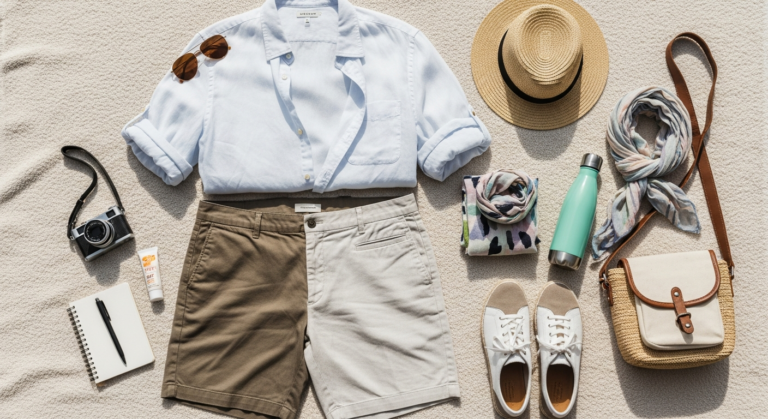
Packing for a cabin trip requires a blend of practicality and foresight. Think about the activities you’ll be doing and the amenities the cabin provides. Remember, layers are always a good idea, especially in natural settings where temperatures can fluctuate. Here’s a comprehensive list:
- Clothing:
- Casual wear for lounging
- Hiking clothes/activewear
- Swimsuits (for lakes, hot tubs)
- Rain gear (jacket, umbrella)
- Warm layers (sweaters, fleece, jacket)
- Pajamas
- Socks and underwear
- Sturdy shoes for outdoor activities
- Flip-flops or slippers for indoor comfort
- Toiletries & Personal Items:
- All personal hygiene items (shampoo, conditioner, soap, toothpaste, toothbrushes)
- Sunscreen and insect repellent
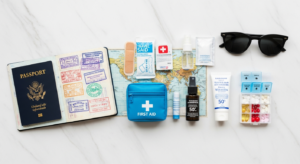
- First-aid kit (band-aids, antiseptic wipes, pain relievers, allergy medicine, any prescription meds)
- Basic medications (cold/flu, stomach upset)
- Contact lenses/glasses and solutions
- Hair dryer (if not provided)
- Food & Kitchen Supplies:
- Groceries for planned meals (consider non-perishables and basics like salt, pepper, oil, coffee)
- Snacks for hiking or day trips
- Beverages
- Reusable water bottles
- Coffee/tea, filters
- Aluminum foil, plastic wrap, Ziploc bags (often overlooked but invaluable)
- Dish soap, sponges (check if provided, but good to have backups)
- Paper towels, napkins
- Garbage bags
- Entertainment & Activities:
- Board games, card games, puzzles
- Books, magazines
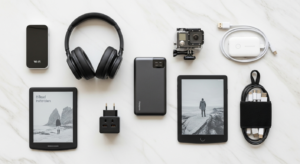
- Chargers for all electronics
- Portable speaker
- Outdoor gear: hiking poles, binoculars, fishing rods, frisbee, balls
- Flashlights or headlamps
- S’mores supplies (marshmallows, graham crackers, chocolate)
- Camera
- Art supplies for kids
- Backpacks for day trips
- Important Documents & Miscellaneous:
- Booking confirmations and contact information for the host
- IDs, driver’s license, insurance cards
- Cash for small purchases or emergencies
- Maps (downloaded offline or physical)
- Reusable shopping bags
Grocery Strategy: Plan Ahead
Decide whether you’ll grocery shop before you leave home or upon arrival. For remote cabins, it might be wise to bring non-perishables and specialty items with you. For others, a stop at a local supermarket on the way can be part of the adventure. Plan your meals for the duration of your stay to avoid over-buying or constant trips to the store. Don’t forget picnic supplies if you plan on hiking or exploring during the day.
Pre-Arrival Communication and Checklist
A few days before your trip, reach out to your host. Confirm check-in procedures, key access, and any last-minute instructions. Ask about Wi-Fi passwords, trash disposal guidelines, and emergency contacts. This is also a good time to double-check if any specific amenities you were counting on (like a hot tub or grill) are operational.
Create a personal pre-arrival checklist for your home as well:
- Stop mail/newspaper delivery.
- Water plants.
- Adjust thermostat.
- Unplug unnecessary electronics.
- Take out trash.
- Ensure all doors and windows are locked.
- Notify a trusted neighbor or friend of your travel dates.
Finally, remember to review any specific instructions from your host regarding the Vacation Rental Cleaning Checklist upon departure. While you won’t be doing a deep clean, many hosts expect guests to tidy up, wash dishes, take out trash, and leave the property in a respectable condition. Knowing these expectations beforehand ensures a smooth check-out and helps you avoid any additional cleaning fees. A little preparation goes a long way in making your family cabin adventure in 2026 as relaxing and enjoyable as possible.
Maximizing Your Family Cabin Experience: Activities and Safety Tips
Once you’ve arrived at your cabin and settled in, the real fun begins. Maximizing your family cabin experience means embracing both the natural surroundings and the cozy comforts of your rental. This section of our cabin rental guide for families offers ideas for engaging activities and crucial safety advice to ensure a memorable and secure trip.
Embrace the Outdoors: Adventure Awaits
The primary appeal of a cabin rental is its proximity to nature. Encourage your family to disconnect from screens and engage with the environment.
- Hiking & Nature Walks: Explore nearby trails. Choose routes appropriate for all family members, considering age and fitness levels. Look for designated family-friendly trails. Teach kids about local flora and fauna, turning a walk into an educational adventure.
- Water Activities: If your cabin is by a lake or river, make the most of it. Swimming, kayaking, canoeing, paddleboarding, and fishing are fantastic ways to spend the day. Always prioritize water safety, especially with children.
- Campfires & Stargazing: A quintessential cabin experience! Gather around a campfire for s’mores, storytelling, and singing. Away from city lights, the night sky offers an incredible canvas for stargazing. Bring a star chart or use an app to identify constellations.
- Wildlife Spotting: Be observant! From deer and rabbits to various bird species, wildlife is often abundant around cabins. Remind children to observe from a distance and never approach or feed wild animals.
- Photography: Capture the beauty of your surroundings and your family’s joy. Encourage everyone to take photos, creating a visual diary of your trip.
Indoor Fun: Rainy Day & Evening Entertainment
Not every moment has to be outdoors. Cabins are perfect for indoor bonding activities, especially on rainy days or quiet evenings.
- Board Games & Puzzles: Pack a selection of family favorites or check if the cabin provides any. These are fantastic for fostering friendly competition and laughter.
- Movie Nights: Snuggle up on the couch with popcorn and enjoy a family movie. Many cabins have smart TVs or DVD players.
- Cooking Together: Utilize that fully equipped kitchen! Involve everyone in preparing meals, baking cookies, or trying a new recipe. It’s a great life skill for kids and a fun way to collaborate.
- Reading & Relaxation: Encourage quiet time. Find a comfy spot to read a book, journal, or simply enjoy the peace and quiet.
- Creative Play: Bring along art supplies, building blocks, or other toys that encourage imaginative play, especially for younger children.
Essential Safety Tips for Families
Safety is paramount, particularly in unfamiliar natural environments. A responsible cabin rental guide for families must emphasize preparedness.
- Wildlife Awareness: Be aware of local wildlife. Secure food in bear-proof containers or inside the cabin. Never leave food outside. Educate children about not approaching or feeding animals. Keep a safe distance.
- Fire Safety: If you have a fireplace or fire pit, ensure you know how to use it safely. Always have water or a fire extinguisher nearby. Never leave a fire unattended, and ensure it’s completely extinguished before going to bed or leaving the area. Keep flammables away from heat sources.
- Water Safety: If near a lake, river, or pool, supervise children closely, even if they are strong swimmers. Use life jackets for all water activities. Be aware of currents and depths.
- Hiking Safety: Stay on marked trails. Carry a map, compass, or GPS device. Inform someone of your hiking plans. Pack water, snacks, a first-aid kit, and appropriate clothing. Be aware of changing weather conditions.
- Child-Proofing: Upon arrival, do a quick scan of the cabin for potential hazards, especially if you have toddlers. Look for unsecured cabinets, accessible cleaning supplies, or sharp corners.
- Emergency Contacts: Know the local emergency number (usually 911 in the US). Keep the host’s contact information readily available. Note the cabin’s exact address for emergency services.
- Weather Preparedness: Check the weather forecast daily. Mountain and forest weather can change rapidly. Be prepared for rain, sudden drops in temperature, or even unexpected snow.
By blending exciting activities with diligent safety practices, your family cabin experience in 2026 will be filled with joy, adventure, and cherished memories, fostering a deeper appreciation for nature and each other.
Frequently Asked Questions About Family Cabin Rentals
How far in advance should I book a family cabin rental?
For popular destinations, especially during peak seasons (summer, holidays, fall foliage), it’s highly recommended to book 6 to 12 months in advance. This gives you the best selection of cabins and often better rates. For off-peak travel or less popular areas, 3-6 months is usually sufficient. Last-minute bookings are possible but offer limited choices and may come with higher prices.
What amenities are essential for a family-friendly cabin?
Beyond basic necessities, look for a fully equipped kitchen, multiple bedrooms and bathrooms for privacy, a washer and dryer, and reliable Wi-Fi. Desirable extras include a hot tub, a grill, a fireplace, outdoor space (deck/yard), and entertainment options like board games, a game room, or a smart TV. If traveling with infants, inquire about cribs or high chairs.
Are cabin rentals generally pet-friendly for families with furry friends?
Many cabin rentals are pet-friendly, but policies vary widely by property and host. Always check the listing details carefully and confirm with the host before booking. There may be additional pet fees, specific rules (e.g., leash requirements, restricted areas), or breed/size limitations. Never assume a cabin is pet-friendly without explicit confirmation.
What should I do if there’s an emergency during our cabin stay?
First, know the cabin’s exact address and the local emergency number (e.g., 911 in the US). Keep the host’s contact information readily accessible. For medical emergencies, call emergency services immediately. For property-related issues (e.g., plumbing leak, power outage), contact your host or property manager first. They can provide guidance or dispatch assistance.
How can I ensure the cabin is clean upon arrival, especially with kids?
Read recent guest reviews, paying close attention to comments about cleanliness. A good host will follow a thorough Vacation Rental Cleaning Checklist between guests. If you have specific concerns (e.g., allergies), communicate them to the host beforehand. Upon arrival, do a quick visual inspection. If you find significant issues, document them with photos and contact the host immediately for resolution. Bringing your own sanitizing wipes can offer extra peace of mind.
Can I use travel rewards points to book a family cabin rental?
Directly booking cabin rentals with travel rewards points is less common than booking hotels or flights. However, you can still leverage How To Use Travel Rewards Points to reduce overall trip costs. Many flexible points programs allow you to redeem points for statement credits against any travel expense, including cabin rentals. You can also use points for flights, car rentals, or even to cover groceries purchased with a travel rewards credit card, freeing up cash for your cabin booking.
Recommended Resources
You might also enjoy Onomichi Temple Walk Guide from Onomichi Guide.
For more on cabin rental guide, see Hiroshima Sake Brewery Tour on Onomichi Guide.