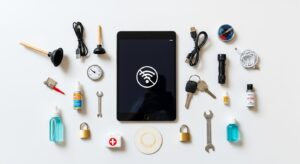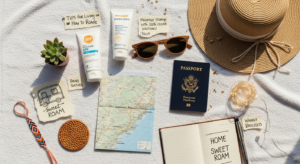


A vacation rental can feel more like a home than a hotel, but every property is stocked differently. One kitchen may have a full set of cookware while another has only the basics. A host may provide towels and soap but not the particular food, medication or outdoor gear your group expects to use. A short vacation rental packing list helps you prepare without filling every bag with items the property already supplies.
The best approach is to start with the listing, booking messages and house manual. Treat those sources as the property-specific answer. Then use the categories below to identify gaps before departure.
Start with the listing and house information
Before packing, check the amenities section and any arrival guide. Note the number of beds, whether linens and towels are supplied, the type of kitchen equipment, laundry access, outdoor features and any restrictions on pets or other items. Amenities can vary between listings, so do not assume that a picture proves an item will be available for your reservation.
Also look for practical details:
- The check-in and check-out times
- Whether the property has stairs or limited accessibility features
- The nearest grocery store and pharmacy
- Parking instructions and vehicle limitations
- Weather information for the dates of your stay
- Rules for a pool, hot tub, grill, fireplace or beach equipment
Save the address, host contact method and reservation details somewhere you can reach without an internet connection. You do not need to print every message, but a screenshot of the arrival instructions can help if mobile service is weak.
Kitchen and food items
Most guests do not need to pack an entire kitchen. Instead, bring the small items your group uses every day and verify the rest with the host. Useful possibilities include:
- Coffee, tea or another preferred morning drink
- A few shelf-stable snacks for arrival
- Reusable water bottles
- Food storage bags or a small container for leftovers
- A cooler or insulated bag for the drive
- A travel mug, if you will be out during the day
- A child’s cup, utensil or bottle if a young traveler needs a familiar item
If you plan to cook, look for the listing’s cookware and appliance descriptions before deciding what to bring. A favorite knife, spice blend or specialty tool may be worthwhile, but bulky equipment is usually easier to buy locally or leave at home. Check the house rules before bringing a portable appliance, outdoor cooking equipment or anything that creates heat or smoke.
Bathroom, health and personal care
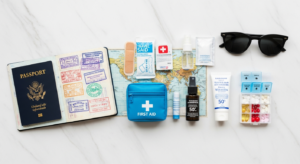
Pack the personal products you cannot easily replace at the destination. This often includes prescription medicine, contact-lens supplies, preferred toiletries, sunscreen, insect repellent and any first-aid items your household normally uses. If you take prescription medicine, plan how you will carry and store it according to the product label and advice from a clinician or pharmacist.
A rental may provide towels, toilet paper and basic soap, but the quantity and brand may not suit a longer stay. Ask what is supplied rather than relying on a broad assumption. A small toiletry bag, laundry bag and quick-dry towel can be useful even when the property advertises linens.
For children, add familiar sleep items, diapers or training supplies, and any bathing or feeding item that is difficult to replace. For pets, pack food, medication, waste bags, a leash and a washable sleeping surface if the listing permits animals. Never assume a pet-friendly property supplies pet equipment.
Clothing and sleep comfort
Pack layers that match the forecast and the activities you actually plan to do. Include comfortable clothes for relaxing indoors, shoes for the property’s terrain, sleepwear and one warmer layer even during a generally mild season. A light rain shell can be more useful than a second pair of dress shoes when plans involve walking or outdoor time.
For a rental with a washer and dryer, you may be able to pack fewer outfits. Confirm that laundry access is available to guests and check whether the host asks guests to use a particular detergent or setting. A compact laundry bag keeps worn clothing separate during the trip.
If you are sensitive to light or noise, bring the items that make sleep predictable: an eye mask, earplugs, a familiar pillowcase or a small white-noise device. Respect any quiet-hour rules and do not use equipment that violates the property’s policies.
Electronics, documents and navigation
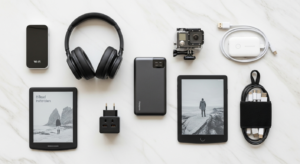
Bring chargers for each device, a charging cable that works in the car, and a power bank if you expect to spend time away from outlets. A small power strip can help a group share one bedside outlet, but check that its use is permitted and do not overload a circuit.
Keep identification, reservation details, insurance information and emergency contacts accessible. If driving, include a license, registration and any documents your travel provider or destination asks you to carry. Download maps or directions if you will travel through an area with unreliable service. A saved or printed address can also help a driver or emergency responder locate the property.
Avoid packing valuables that you do not need. Follow the host’s instructions for keys, smart locks and security systems, and never share access codes publicly.
Outdoor, beach and activity gear
The right gear depends on the property and destination. Consider bringing a daypack, refillable bottle, sunglasses, hat, weather-appropriate footwear and a small bag for wet or sandy clothing. For a beach, lake or pool stay, verify whether chairs, towels and flotation equipment are actually provided. For a cabin or mountain property, ask about firewood, trail conditions and wildlife-related storage rules before arrival.
Before packing any unusual equipment, confirm that it is allowed by the property and check current transport guidance that applies to your trip.
A final check before leaving home
Use the listing and house manual to remove items that are already supplied. Then make a short final checklist:
- Confirm the route, arrival window and check-in method.
- Put medication, identification, chargers and keys in your carry-on or day bag.
- Check the weather and adjust layers and footwear.
- Confirm pet, parking and equipment rules.
- Pack arrival snacks and water if the property is far from shops.
- Save the host’s contact information and the property address.
- Leave room for groceries and items you may buy at the destination.
A vacation rental packing list should reduce uncertainty, not create another source of stress. Pack the essentials that are personal, time-sensitive or difficult to replace, and confirm everything else against the specific property information. If an important detail is missing, ask the host before travel rather than guessing.
Sources
- Centers for Disease Control and Prevention, Travelers' Health (destination notices and general travel-health information; this checklist does not repeat medical advice): https://wwwnc.cdc.gov/travel
- Transportation Security Administration, "What Can I Bring?" (current air-travel item rules; confirm anything unusual before you pack it): https://www.tsa.gov/travel/security-screening/whatcanibring/all