
Embracing the Solo Journey: Why Now is Your Time
The decision to travel solo is often born from a deep-seated desire for personal growth, a longing to step outside one’s comfort zone, or simply the practical reality that your travel aspirations don’t always align with friends or family. Whatever the catalyst, the benefits of solo travel are immense and uniquely rewarding. It’s an unparalleled opportunity for introspection, allowing you to connect with yourself without external influences or compromises. Every decision, from where to eat to what sights to see, is entirely yours, leading to a profound sense of agency and self-reliance.
Many first-time solo travelers grapple with initial fears: loneliness, safety concerns, or the logistics of navigating a new place alone. It’s crucial to acknowledge these feelings but not let them dictate your journey. Instead, view them as challenges to be overcome, each one an opportunity for growth. Loneliness, for instance, often transforms into solitude, a precious commodity in our hyper-connected world, fostering creativity and self-reflection. Moreover, solo travel often pushes you to be more open, more observant, and more willing to engage with locals and fellow travelers, ironically leading to a deeper sense of connection than you might expect.
Embracing the solo journey means setting realistic expectations. It won’t always be a highlight reel; there will be moments of minor inconvenience, perhaps even a hiccup or two. But these moments are part of the adventure, teaching you resilience and problem-solving skills you never knew you possessed. It’s about shedding the inhibitions that hold you back and stepping into a world where you are the sole architect of your experience. As you plan your first solo adventure, remember that this is an investment in yourself, a journey that promises to enrich your perspective, bolster your confidence, and create a lifetime of cherished memories. It’s a chance to truly discover what you’re capable of, proving that you are more resourceful and resilient than you ever imagined.
How to Plan Your First Solo Trip in 2026 Step by Step
Planning your first solo trip can be both exciting and overwhelming. Here’s a step-by-step guide to help you prepare:
Pre-Trip Checklist Timeline
- 30 Days Before: Research destinations, check passport validity, and start budgeting.
- 14 Days Before: Book accommodations and flights, apply for visas or ETAs if necessary.
- 7 Days Before: Arrange travel insurance, notify your bank of travel plans, and download offline maps.
- 1 Day Before: Pack essentials, confirm bookings, and share your itinerary with a trusted contact.
Ideal Trip Length
For a first-time solo traveler, an ideal trip length is 3–7 days. This duration allows you to explore without feeling overwhelmed.
Arrival-Day Protocol
- Ensure smooth arrival logistics by confirming transportation from the airport to your accommodation.
- Familiarize yourself with the local area and amenities.
- Take time to relax and adjust to your new environment.
Meticulous Planning: The Foundation of a Successful Solo Trip
Successful solo travel, especially for your first time, hinges on meticulous planning. While spontaneity has its place, a solid framework provides security and reduces anxiety, allowing you to truly enjoy the experience. This foundational planning encompasses several key areas, from budgeting to choosing your ideal destination and securing comfortable accommodation.
Budgeting for Your Solo Adventure
One of the first and most critical steps is to create a realistic budget. Solo travel can sometimes be perceived as more expensive due to the lack of cost-sharing, but with careful planning, it can be incredibly cost-effective. Start by estimating major expenses: flights, accommodation (like a cozy vacation rental), transportation within your destination, food, activities, and travel insurance. Remember to factor in a buffer for unexpected costs, aiming for 10-15% of your total budget. Track your expenses before and during your trip using apps or a simple spreadsheet. Being mindful of your spending allows you to allocate resources effectively, perhaps splurging on an experience you truly desire while saving on others. Consider cooking some meals in your vacation rental’s kitchen to save on dining out, or opting for public transportation over taxis.
Destination Selection: Finding Your Perfect Solo Sanctuary
Choosing the right destination for your first solo trip is paramount. Look for places known for their safety, ease of navigation, and welcoming atmosphere. Destinations with good public transport, a vibrant culture, and plenty of solo-friendly activities are excellent choices. Researching “Best Vacation Destinations Us 2026” can offer a wealth of ideas, highlighting places that are well-equipped for tourists and offer diverse experiences. For instance, many cities within the United States, like Seattle, Portland, or even the scenic national parks, provide a safe and engaging environment for solo explorers. If you’re considering warmer climates, exploring “Florida Vacation Spots Worth Visiting” could lead you to vibrant cities like St. Petersburg or charming coastal towns, which often have excellent infrastructure and a friendly vibe for newcomers. Prioritize places where you feel inherently comfortable and excited to explore independently. Read travel blogs and forums specifically for solo travelers to gather insights on specific locations.
Accommodation: The Comfort and Security of Vacation Rentals
For first-time solo travelers, accommodation is not just a place to sleep; it’s a sanctuary. While hostels can be great for meeting people, a private vacation rental often provides an unparalleled sense of security, comfort, and independence. Imagine having your own space to unwind after a day of exploration, a kitchen to prepare meals, and a living area to relax without interruption. When selecting a vacation rental, prioritize properties with excellent reviews, especially those mentioning safety and responsive hosts. Look for rentals in well-lit, reputable neighborhoods. Utilize platforms that offer verified listings and secure payment systems. The privacy and amenities of a vacation rental can significantly enhance your solo experience, giving you a home away from home where you can truly relax and recharge.
Booking Flights & Transportation
Booking your flights and initial ground transportation well in advance can save you money and reduce pre-trip stress. Look for direct flights if possible to minimize layovers and potential delays. Once you’ve booked your accommodation, research the best way to get from the airport to your vacation rental. Pre-booking an airport transfer, knowing which public transport lines to take, or understanding local ride-share options will make your arrival smooth and stress-free. Having these logistics sorted before you even leave home provides a crucial layer of comfort and confidence for your first solo journey.
Safety First: Essential Strategies for the Solo Explorer
Share Your Itinerary and Stay Connected
Before you even depart, share your detailed itinerary with a trusted friend or family member back home. This should include flight details, accommodation addresses (including your vacation rental details), and your planned activities. Check in regularly, whether daily or every few days, to let them know you’re safe. Consider using apps that allow location sharing, but ensure you understand the privacy implications. Having someone aware of your whereabouts provides an important safety net.
Situational Awareness and Trusting Your Intuition
One of the most vital safety tools you possess is your own awareness. Pay attention to your surroundings, especially when walking alone, using public transport, or in crowded areas. Avoid walking alone at night in unfamiliar areas if possible, or opt for well-lit, busy streets. If a situation or a person makes you feel uncomfortable, trust that feeling and remove yourself from it. Your intuition is a powerful protector, and listening to it is key to staying safe. Don’t feel obligated to be polite if you feel threatened or uneasy.
Secure Valuables and Important Documents
Minimize the amount of cash and valuables you carry daily. Use a money belt or a secure cross-body bag worn in front of you. Keep your passport, extra cash, and other important documents locked safely in your vacation rental, perhaps in a hidden spot or a portable travel safe if your rental doesn’t provide one. Always have digital copies of your passport, visa, flight information, and accommodation bookings stored securely in a cloud service or emailed to yourself and your emergency contact. Consider carrying a dummy wallet with a small amount of cash and an expired card to hand over if you encounter a mugging, protecting your actual valuables.
Reputable Transportation and Local Knowledge
When using taxis or ride-share services, always opt for official, licensed providers. If using ride-share apps, verify the driver and vehicle before getting in. Research safe public transportation routes during the day and evening. Avoid accepting rides from strangers. Before heading out, familiarize yourself with the local area around your vacation rental. Know the names of major landmarks or streets that can help you orient yourself if you get lost. Ask your vacation rental host for local safety tips or areas to avoid; they are an invaluable source of on-the-ground knowledge.
Emergency Preparedness
Before you travel, know the local emergency numbers (e.g., police, ambulance). Have a list of important phone numbers stored both in your phone and written down, including your embassy or consulate. Ensure your phone is always charged, and consider carrying a portable power bank. Travel insurance is not just a recommendation; it’s a necessity. It covers everything from medical emergencies and trip cancellations to lost luggage, providing an essential layer of protection for any unforeseen circumstances that might arise during your solo adventure.
Respect Local Customs and Laws
Research and respect the local customs, dress codes, and laws of your chosen destination. Being aware of and adhering to these can help you avoid unintentional offenses and make you less of a target for scams or negative attention. Blending in rather than standing out can be a significant safety advantage for solo travelers. Understanding the cultural nuances will not only keep you safer but also enrich your overall travel experience.
Packing Smart & Preparing for the Unexpected
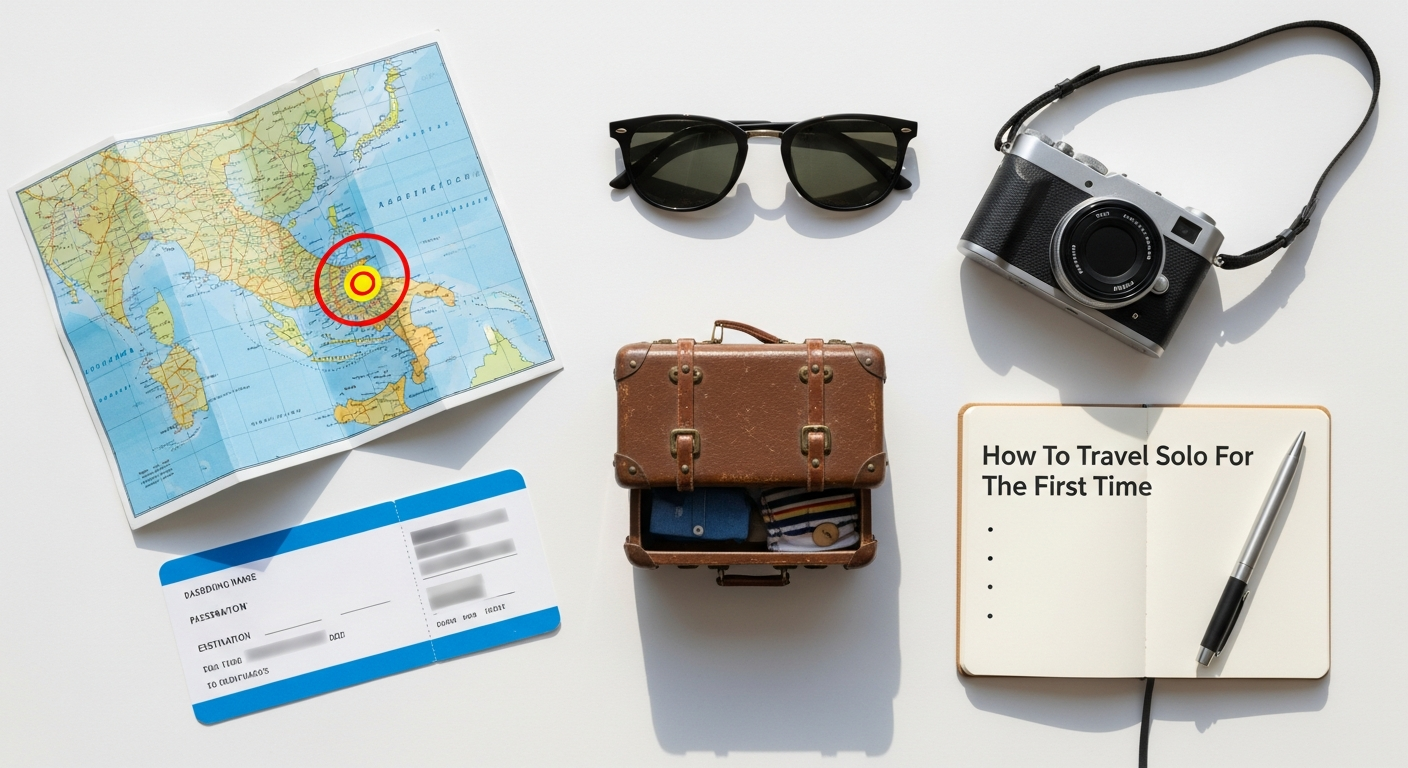
Packing for a solo trip, especially your first one, requires a strategic approach. Without someone to share the load or lend you an item you forgot, every piece of luggage needs to be carefully considered. Smart packing not only lightens your burden but also ensures you’re prepared for any eventuality, allowing you to focus on the joys of exploration.
The Art of Minimalist Packing
For solo travelers, less is definitely more. You’ll be carrying everything yourself, so aim for a light and manageable load. Create a detailed packing list and stick to it. Focus on versatile, multi-use clothing items that can be mixed and matched. Layers are your best friend, adapting to varying temperatures. Consider quick-dry fabrics. Don’t forget essentials like comfortable walking shoes, a small daypack for daily excursions, and a reusable water bottle. Remember to leave some space for souvenirs! When staying in a vacation rental, you might find laundry facilities, which can significantly reduce the amount of clothing you need to bring, allowing you to pack even lighter.
Travel Insurance: Your Essential Safety Net
This cannot be stressed enough: purchase comprehensive travel insurance. It’s an indispensable investment for any traveler, but particularly for those traveling solo for the first time. Travel insurance covers a multitude of potential mishaps, including medical emergencies, trip cancellations or interruptions, lost or stolen luggage, and personal liability. Imagine falling ill or having an accident in a foreign country without medical coverage; the costs could be astronomical. Knowing you’re protected provides immense peace of mind, allowing you to explore with confidence, knowing that if the unexpected happens, you have support.
Health & Wellness Preparedness
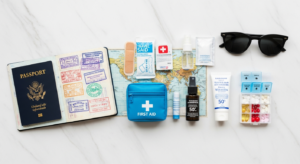
Carry any prescription medications you need in their original containers, along with a copy of your prescription. It’s also wise to pack a small first-aid kit with essentials like pain relievers, antiseptic wipes, band-aids, allergy medication, and any over-the-counter remedies you commonly use. Research local pharmacies and medical facilities in your destination. If you have specific health conditions, wear a medical alert bracelet and carry a card with relevant information in the local language if possible. Staying hydrated and getting enough rest are also crucial for maintaining your well-being on the road.
Tech Essentials for the Modern Solo Traveler
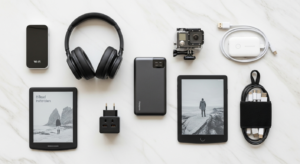
Your smartphone is a powerful tool for solo travel. Ensure it’s unlocked so you can purchase a local SIM card or eSIM for affordable data and calls. Download offline maps (Google Maps, Maps.me), translation apps, and any necessary travel apps before you go. A portable power bank is essential to keep your devices charged, especially when you’re out exploring all day. Don’t forget universal travel adapters if you’re traveling internationally. Consider a small, lightweight e-reader for entertainment during downtime, reducing the need for physical books.
Document Duplication and Accessibility
Beyond digital copies, carry physical photocopies of your passport, visa (if applicable), travel insurance policy, and flight/accommodation confirmations. Keep these separate from your originals. Consider carrying a list of important phone numbers, including your bank’s fraud department, your travel insurance provider, and your country’s embassy or consulate, again, separate from your phone. Being prepared with duplicate documents will save you immense stress if your originals are lost or stolen, allowing for quicker replacement and continued travel.
Navigating Your Destination & Connecting with Others
Once you’ve arrived at your chosen destination, the real adventure begins. Navigating a new environment solo can feel exhilarating, and while independence is a key benefit, there are also wonderful opportunities to connect with locals and fellow travelers. The key is to be open, confident, and well-prepared for exploring your surroundings.
Smooth Arrival Logistics
Your arrival can set the tone for your trip, so ensure it’s as smooth as possible. If you’ve pre-booked an airport transfer to your vacation rental, confirm the details before you land. If using public transport, have the route mapped out on an offline app and know the approximate cost. When you arrive at your vacation rental, take time to familiarize yourself with the property and its immediate surroundings. Locate emergency exits, understand how appliances work, and identify local amenities like grocery stores or pharmacies. Your host can often provide valuable insights into the neighborhood and local transportation options, making your initial hours much easier.
Embracing Local Exploration
Public transportation is often the most authentic and cost-effective way to get around. Learn how to use the local bus, train, or subway system – it’s a fantastic way to observe daily life. Walking tours are highly recommended for solo travelers; they’re an excellent way to get acquainted with a city’s history and culture, and you’ll often meet other travelers. Don’t be afraid to wander, but always have a general sense of direction and be aware of your surroundings, especially if you venture off the main tourist paths. Use your phone’s GPS, but also carry a physical map as a backup.
Dining Solo: A Culinary Adventure
One of the most common anxieties for first-time solo travelers is dining alone. Reframe this as an opportunity for introspection and people-watching, or even for connecting with others. Choose restaurants with counter seating or communal tables. Bring a book, journal, or simply enjoy the ambiance. Many cafes and bistros are perfect for a relaxed solo meal. Don’t hesitate to ask your vacation rental host for recommendations for local, solo-friendly eateries; they often know the best hidden gems. This is your chance to savor every bite without compromise.
Connecting with Others (Safely)
While solo travel emphasizes independence, it doesn’t mean you have to be alone all the time. Look for opportunities to connect with people. Group tours, cooking classes, language exchanges, or local workshops are excellent ways to meet like-minded individuals. Stay in vacation rentals that are centrally located, which can make it easier to access social activities. Be open to striking up conversations with locals or fellow travelers, but always exercise caution and good judgment. Use social apps designed for travelers (e.g., Meetup, Couchsurfing events) cautiously, always arranging to meet in public places and informing someone of your plans. Remember to prioritize your safety and comfort above all else.
Basic Language Skills: A Bridge to Connection
Even if you’re traveling to an English-speaking country, learning a few basic phrases in the local language (e.g., “hello,” “thank you,” “excuse me,” “please,” “where is the bathroom?”) goes a long way. It shows respect for the local culture and can open doors to more meaningful interactions. Locals often appreciate the effort, even if your pronunciation isn’t perfect. A simple phrase can turn a transactional interaction into a friendly exchange, enriching your solo experience.
Making the Most of Your Vacation Rental Experience
Choosing a vacation rental for your first solo trip is an excellent decision, offering a blend of comfort, privacy, and local immersion that hotels often can’t match. To ensure you maximize the benefits of your temporary home, a few considerations before, during, and after your stay will make all the difference.
Pre-Arrival Communication and Check-in
Before your arrival, establish clear communication with your vacation rental host. Confirm check-in procedures, key collection methods (e.g., lockbox, in-person meeting), and any specific instructions for accessing the property. Provide your estimated arrival time, especially if it’s outside standard hours. Having these details solidified well in advance reduces stress upon arrival and ensures a smooth transition into your temporary home. Ask about Wi-Fi access, local transport links, and essential amenities so you can hit the ground running.
Utilizing Your Rental’s Amenities
One of the biggest advantages of a vacation rental for solo travelers is the access to amenities like a fully equipped kitchen. This allows you to prepare some of your own meals, which can be a significant cost-saver compared to dining out for every meal. It also offers the flexibility to enjoy a quiet breakfast or a late-night snack on your own schedule. Take advantage of laundry facilities if available, which, as mentioned earlier, helps you pack lighter. A comfortable living space means you have a dedicated area to relax, read, or plan your next day’s adventures without the confines of a hotel room. Think of your vacation rental not just as a place to sleep, but as your personal base camp for exploration.
Respecting the Property and the Neighborhood
As a guest in a vacation rental, you become a temporary resident of a local neighborhood. It’s crucial to be respectful of the property itself and your neighbors. Adhere to any house rules provided by your host, such as quiet hours, waste disposal guidelines, or restrictions on guests. Keep the property clean and tidy during your stay. This respect extends beyond the property to the local community; be mindful of noise levels, especially late at night, and dispose of trash properly. Leaving the property in a good condition upon departure is not only courteous but also helps ensure positive experiences for future guests and contributes to the reputation of vacation rentals as a welcoming option for travelers.
Seamless Departure and Post-Stay Etiquette
Before your departure, review the check-out instructions provided by your host. This might include taking out the trash, locking doors and windows, or leaving keys in a specific spot. Ensure you haven’t left any personal belongings behind. A final sweep of the property is always a good idea. Once you’ve checked out, consider leaving a positive and honest review for your host. Good reviews are vital for hosts and helpful for future guests, especially those seeking safe and comfortable options for their first solo trip. By being a considerate guest, you contribute to a positive ecosystem for vacation rentals. Furthermore, you might notice that professional property managers often follow a detailed Vacation Rental Cleaning Checklist to prepare for the next guest, ensuring high standards of hygiene and presentation, which is reassuring for any traveler, solo or otherwise, knowing their rental is pristine.
Embarking on your first solo trip is a monumental step, a testament to your courage and desire for discovery. This journey, meticulously planned and thoughtfully executed, promises not only incredible adventures but also profound personal growth. You’ll return home with a newfound confidence, a broadened perspective, and stories uniquely your own. So, take the leap, embrace the unknown, and prepare to write the most exciting chapter of your travel life. The world awaits your solo exploration!
Frequently Asked Questions
Recommended Resources
Related reading: Onomichi Accommodation Guide (Onomichi Guide).
For more on how to travel, see Best Ryokan In Hiroshima on Onomichi Guide.
From Our Network
- Onomichi temple walk guide (en Onomichiguide)