

Beyond the Ordinary: Discovering Unique Vacation Rentals (Treehouses, Yurts & More)
By Vacation Rental Planners Team, seasoned travel experts specializing in unique accommodations and unforgettable experiences.
The Allure of the Extraordinary: Why Choose Unique Vacation Rentals?
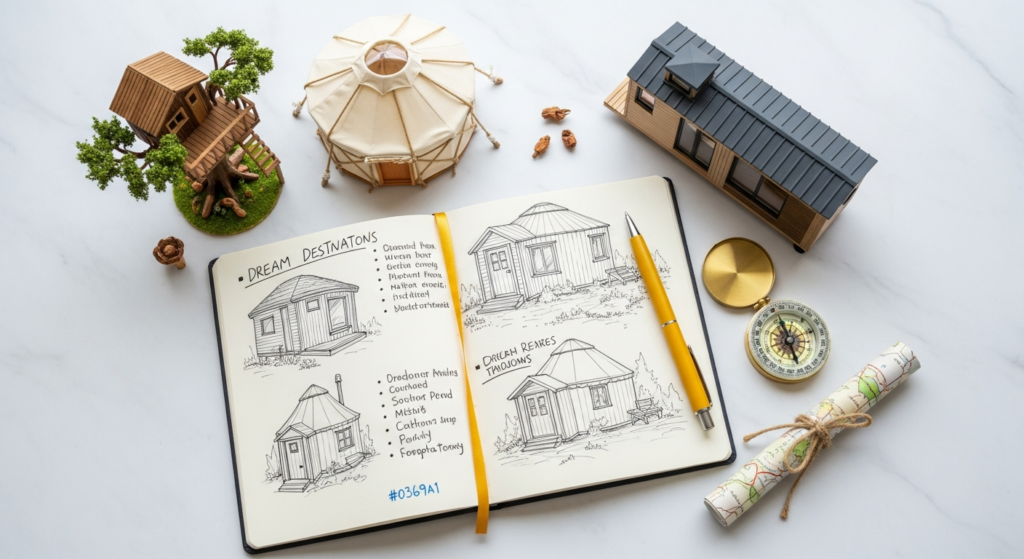
The appeal of stepping beyond the conventional hotel booking lies in the promise of an experience that is anything but ordinary. Choosing unique vacation rentals isn’t just about finding a quirky place to stay; it’s about curating a richer, more personal travel story. The market for these specialized lodgings has expanded exponentially, with platforms like Airbnb reporting millions of unique listings, and specialized sites focusing solely on these niche accommodations. For instance, data from Airbnb indicates that categories like ‘Treehouses,’ ‘Domes,’ and ‘Tiny Homes’ consistently rank among the most wish-listed types of stays, demonstrating a clear demand for novelty.
There are several compelling reasons why travelers are increasingly drawn to these distinctive dwellings:
- Experiential Immersion: Unlike a generic hotel, a unique rental often embodies the spirit of its location or offers an experience in itself. Staying in a restored castle in Ireland or a desert adobe home in New Mexico isn’t just a stay; it’s a deep dive into local culture and history.
- Unparalleled Privacy and Seclusion: Many unique rentals are situated in remote, breathtaking natural settings—think a cabin nestled deep in a forest or a yurt overlooking a vast expanse of desert. This offers a level of privacy and connection to nature rarely found in conventional lodging, fostering true relaxation and escape.
- Instagrammability and Shareability: Let’s be honest, in today’s digital age, the visual appeal of a unique stay is undeniable. These properties often boast incredible architecture, stunning views, or whimsical designs that are perfect for sharing across social media, inspiring friends and family to seek their own extraordinary escapes.
- Sustainability and Eco-Consciousness: Many eco-conscious unique vacation rentals, particularly tiny homes, yurts, and container homes, are designed with sustainability in mind. They often incorporate eco-friendly building materials, off-grid systems, and responsible resource management, appealing to environmentally conscious travelers.
- Novelty and Adventure: The sheer novelty of sleeping in a treehouse, on a houseboat, or within a geodesic dome adds an element of adventure and excitement to any trip. It breaks the routine and creates lasting memories that standard accommodations simply cannot.
Understanding these motivations is key for both travelers seeking their next adventure and property owners looking to capitalize on this growing trend. As travelers continue to prioritize unique experiences, the demand for truly one-of-a-kind stays will only continue to flourish, pushing the boundaries of what a “vacation rental” can be.
Reaching for the Sky: The Magic of Treehouse and Elevated Stays
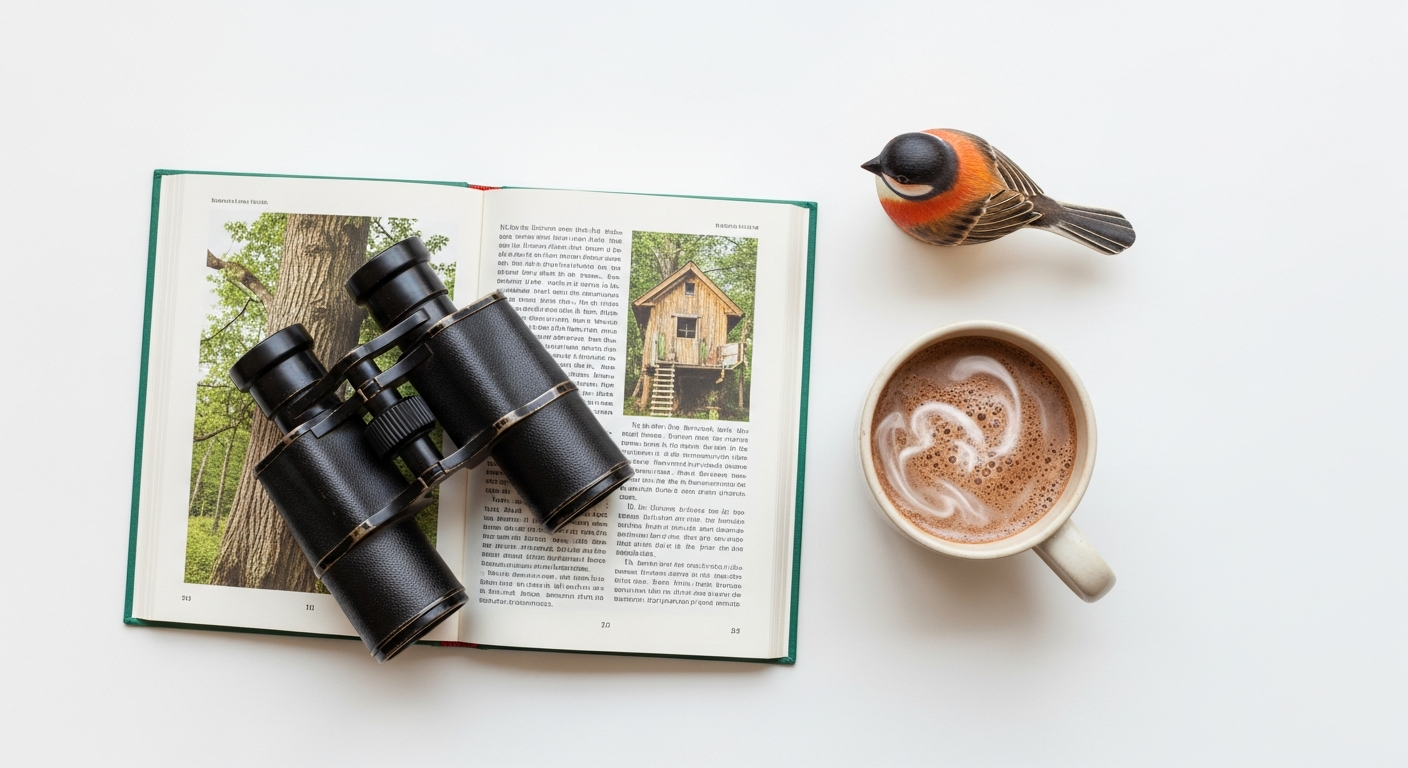
There’s a universal childhood fantasy of having a secret hideaway high among the branches, and Treehouse rentals bring this dream to life for adults. These elevated abodes offer an unparalleled blend of whimsy, seclusion, and breathtaking natural immersion. The allure of a treehouse isn’t just in its unique construction; it’s in the sensation of being suspended between earth and sky, with a canopy of leaves as your immediate neighbor.
Modern luxury treehouses range from rustic, back-to-basics platforms with essential amenities to luxurious, multi-story architectural marvels complete with full kitchens, hot tubs, and panoramic windows. Imagine waking up to the gentle chirping of birds, sipping coffee on a private deck overlooking a sprawling forest, or watching a sunset paint the sky from a vantage point only accessible by ladder or rope bridge. Some even incorporate elements of adventure, requiring guests to cross suspension bridges or climb spiral staircases to reach their private haven.
Types of Treehouse and Elevated Accommodations:
- Classic Treehouses: Built directly into or around a living tree, offering a true sense of natural integration.
- Elevated Cabins: While not always built directly “in” a tree, these cabins are typically perched on stilts or foundations high off the ground, often on a hillside or overlooking a valley, providing similar elevated views and seclusion.
- Luxury Treehouses: Often featuring modern amenities, heating/cooling, full bathrooms, and designer interiors, these offer a pampered experience in a unique setting.
- Glamping Tree Tents: Spherical or teardrop-shaped tents suspended from trees, combining the thrill of camping with the comfort of a unique structure.
Practical Tips for Booking Treehouse Rentals:
- Check Accessibility: Some treehouses involve ladders, steep stairs, or uneven terrain. If you have mobility concerns, ensure the property description and reviews confirm ease of access.
- Understand Amenities: While some are fully equipped, others might be more rustic (e.g., composting toilets, outdoor showers). Read descriptions carefully to manage expectations regarding water, electricity, and heating/cooling.
- Consider Seasons: A treehouse stay can be magical in any season, but consider the weather. A summer stay might mean open windows and cool breezes, while a winter trip could involve cozying up by a wood-burning stove amidst snow-laden branches.
- Pack Appropriately: Given the often natural settings, think about insect repellent, sturdy shoes, and layers of clothing, especially if outdoor activities are planned.
- Embrace the Disconnect: Many treehouses are designed for guests to unplug. While Wi-Fi might be available, embrace the opportunity to truly immerse yourself in nature and the unique experience.
The charm of these elevated abodes offers a literal fresh perspective on travel, allowing guests to reconnect with nature and their inner child simultaneously. It’s an extraordinary way to experience a destination, creating stories that linger long after you’ve descended to solid ground.
Embracing Simplicity and Nature: Yurts, Domes, and Glamping Tents
For those seeking a closer connection to nature without fully committing to traditional camping, Yurts, geodesic domes, and luxurious glamping tents offer an enticing middle ground. These structures blend the rugged beauty of the outdoors with unexpected comforts, providing unique vacation rentals that are both immersive and indulgent. They represent a significant segment of the experiential travel market, appealing to eco-conscious travelers and adventurers alike.
Yurts: Circular Sanctuaries
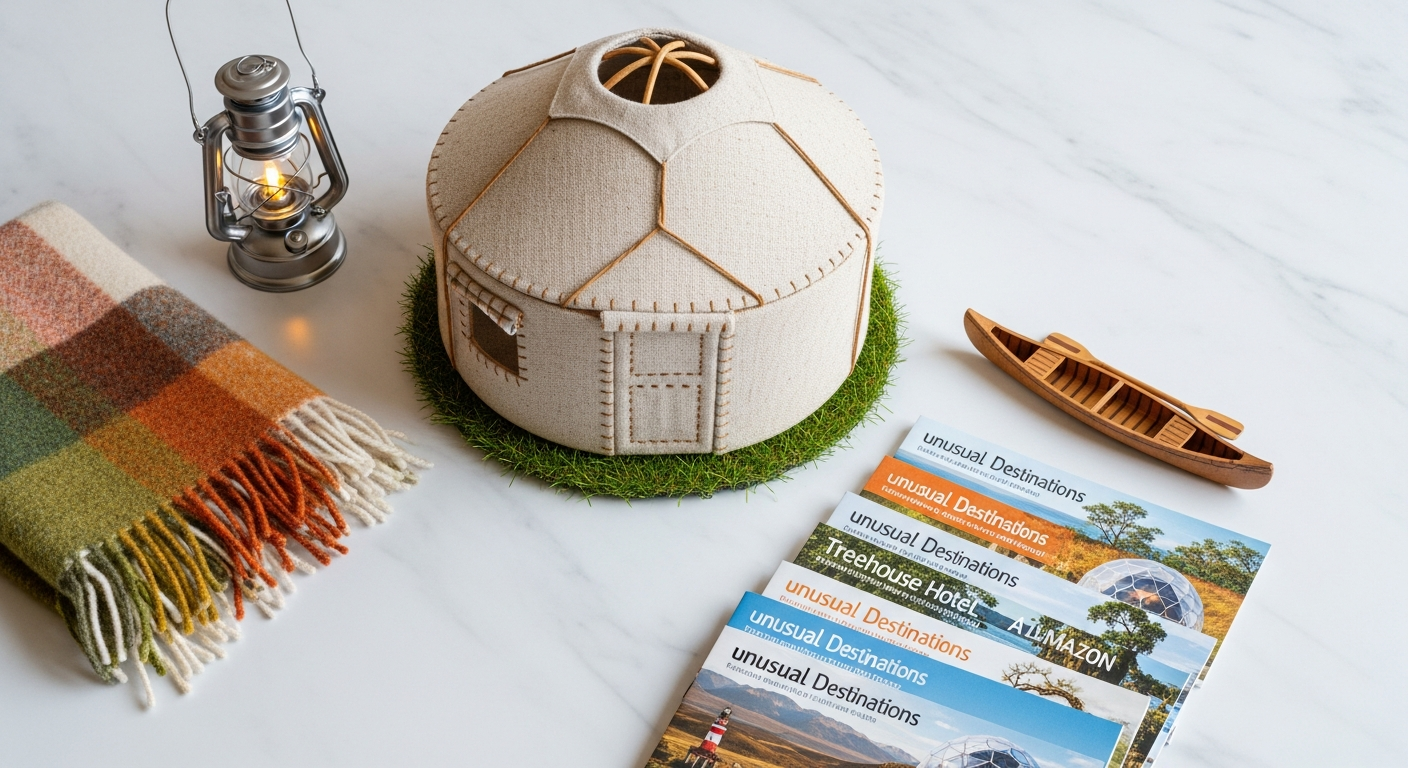
Originating from the nomadic cultures of Central Asia, yurts are circular, portable dwellings traditionally covered with felt or animal skins. Modern yurts, however, are typically built with durable canvas or vinyl over a wooden lattice frame, featuring insulated walls, wood floors, and often a clear dome at the apex for stargazing. Their round shape promotes a sense of warmth, community, and tranquility, making them ideal for mindful retreats. Many yurts come equipped with beds, heating (wood stoves are common), electricity, and even small kitchens or private decks.
Geodesic Domes: Futuristic Retreats
Inspired by Buckminster Fuller, geodesic domes are characterized by their striking, often transparent, spherical structures. These architectural wonders offer panoramic views, abundant natural light, and remarkable energy efficiency due to their unique shape. Domes often feature expansive windows or clear panels, allowing guests to feel fully enveloped by their surroundings—whether it’s a desert landscape, a mountain vista, or a starry night sky. Inside, you’ll often find modern furnishings, comfortable beds, and sometimes even en-suite bathrooms, providing a luxurious glamping experience.
Glamping Tents: Elevated Camping
“Glamping” – glamorous camping – takes the ruggedness out of camping while retaining its essence of outdoor connection. Glamping tents come in various forms, from sturdy safari-style tents with permanent foundations to elegant bell tents adorned with plush furnishings. These unique vacation rentals often feature real beds with quality linens, private bathrooms (sometimes en-suite, sometimes nearby private facilities), heating or air conditioning, and stylish decor. They allow guests to enjoy campfires, stargazing, and nature walks without the hassle of pitching a tent or roughing it. Popular glamping options include:
- Safari Tents: Large, robust canvas tents, often with multiple rooms and outdoor decks.
- Bell Tents: Cone-shaped, single-pole tents known for their spacious interiors and charming aesthetic.
- Tipis: Traditional Native American-inspired cone tents, often quite spacious and offering a unique cultural experience.
Practical Tips for Booking Yurts, Domes, and Glamping Tents:
- Verify Amenities: While “glamping” implies luxury, the level of comfort can vary greatly. Confirm plumbing, electricity, heating/cooling, and cooking facilities. Some might have shared bathroom facilities.
- Check Insulation and Weather Preparedness: Given their nature, ensure the structure is adequately insulated for your chosen season, especially for extreme temperatures.
- Location, Location, Location: These rentals are often in remote or natural settings. Confirm road access and proximity to attractions or basic services.
- Embrace the Elements: While comfortable, these stays are still close to nature. Expect natural sounds, potential wildlife sightings, and the occasional insect. It’s part of the charm!
- Pack Smart: Layers are always a good idea. Bring a flashlight or headlamp, appropriate footwear for outdoor exploration, and maybe a good book to enjoy the serenity.
Choosing a yurt, dome, or glamping tent provides an exceptional opportunity to disconnect from the digital world and reconnect with natural rhythms, all while enjoying a surprising degree of comfort and style.
Tiny Footprints, Big Experiences: The Rise of Tiny Homes and Container Conversions
The movement towards minimalism, sustainability, and affordability has propelled Tiny homes and converted shipping containers into the spotlight as highly sought-after unique vacation rentals. These compact dwellings challenge conventional notions of space, demonstrating that grand experiences don’t require grand square footage. They offer an intimate, often cleverly designed, and environmentally conscious way to travel, appealing to those who appreciate efficiency and thoughtful living.
Tiny Homes: Maximized Minimalism
Tiny homes are typically less than 400 square feet, but they are masters of ingenious design. Every inch is meticulously planned to maximize functionality, storage, and comfort. From transforming furniture to hidden compartments and multi-purpose spaces, these small abodes are a testament to creative engineering. Many tiny homes are built on wheels, offering portability and the ability to be situated in incredibly scenic or remote locations, providing unparalleled views and solitude. The appeal lies in their cozy intimacy, often bespoke craftsmanship, and the inherent message of living simply and sustainably.
Container Conversions: Industrial Chic with a Conscience
Shipping container homes are a prime example of upcycling, transforming robust, industrial steel boxes into stylish, modern living spaces. These unique vacation rentals offer a distinct aesthetic, often blending raw industrial elements with warm, contemporary interiors. Containers are incredibly durable, stackable, and easily transportable, allowing for innovative architectural designs, including multi-level structures, cantilevered sections, and large cut-outs for windows and doors that frame stunning vistas. Their inherent strength and modularity make them versatile for various environments, from urban settings to rugged wilderness.
Why Choose These Unique Vacation Rentals?
- Sustainability: Both options often involve reduced material consumption, lower energy usage, and smaller environmental footprints, aligning with eco-friendly travel values.
- Affordability: Generally, tiny homes and container rentals can offer a more budget-friendly option compared to larger, conventional accommodations, especially for solo travelers or couples.
- Unique Aesthetic: They provide a distinct visual appeal that stands out, offering a memorable backdrop for any trip.
- Intimacy: The compact nature encourages closeness and a focus on experiences outside the dwelling, fostering connection with travel companions and the surrounding environment.
- Portability & Location: Many tiny homes are mobile, allowing them to be placed in truly extraordinary locations that traditional buildings couldn’t access.
Practical Tips for Booking Tiny Homes and Container Conversions:
- Review Floor Plans & Photos Carefully: Space is at a premium. Ensure the layout suits your needs, especially regarding sleeping arrangements, bathroom facilities, and kitchen access.
- Understand Utilities: Many tiny homes and container conversions utilize alternative energy sources (solar, composting toilets, rainwater collection). Understand how these systems work and any guidelines for use.
- Pack Light: With limited storage, overpacking can make a small space feel cluttered. Bring only essentials.
- Embrace the Local Area: These rentals often encourage outdoor living and exploring the surroundings. Plan activities that take advantage of the unique location.
- Ask About Climate Control: Ensure there’s adequate heating or cooling for your comfort, as small spaces can heat up or cool down quickly.
Opting for a tiny home or container conversion is more than just choosing accommodation; it’s embracing a philosophy of intentional living and demonstrating that some of the greatest experiences come in the smallest packages.
Waterborne Wonders & Historic Havens: Houseboats, Lighthouses, and Castle Stays
For those whose imaginations are sparked by the romance of the sea or the grandeur of bygone eras, unique vacation rentals that float on water or stand as testaments to history offer unparalleled experiences. Houseboats, lighthouses, and castles provide not just a place to stay, but a journey into a distinct way of life, rich with atmosphere and narrative.
Houseboats: A Life Afloat
Imagine waking to the gentle rocking of the water, stepping out onto a private deck with the tranquil sounds of the river or lake, and watching the sunrise over the glistening surface. Houseboats offer a unique perspective on a destination, blending the comforts of home with the serenity of being on the water. From charming, rustic canal boats in Europe to luxurious floating villas in coastal towns, these unique rentals provide an intimate and ever-changing view. They are particularly popular in areas with extensive waterways, like Amsterdam’s canals, Florida’s Keys, or the serene lakes of the Pacific Northwest.
Lighthouses: Beacon of Solitude
Standing stoically against the elements, lighthouses are iconic symbols of coastal beauty and solitary vigil. Staying in a converted lighthouse or a lighthouse keeper’s cottage offers an extraordinary retreat for those seeking peace, dramatic ocean views, and a touch of maritime history. These properties often boast unparalleled panoramic vistas, the soothing sound of crashing waves, and a sense of splendid isolation. Many have been beautifully restored, offering modern comforts within their historic structures. They are perfect for writers, artists, or anyone seeking profound tranquility.
Castles, Forts, and Historic Estates: Stepping Back in Time
For travelers who dream of living like royalty or immersing themselves in history, renting a castle, a fortified tower, or a grand historic estate offers an unmatched opulent experience. From medieval strongholds in Scotland to Renaissance villas in Tuscany or colonial mansions in the American South, these unique vacation rentals provide a tangible connection to the past. They often feature original architectural details, antique furnishings, expansive grounds, and stories embedded in their very walls. Many are large enough to accommodate extended families or groups, making them ideal for truly memorable gatherings and celebrations.
Practical Tips for Booking Waterborne & Historic Stays:
- Houseboats:
- Water Safety: If you’re not an experienced boater, ensure the houseboat is permanently moored or that a captain is provided if you plan to navigate.
- Utilities: Understand how water, electricity, and waste systems work on a boat. Conservation is often key.
- Motion Sickness: Be mindful if you are prone to motion sickness, though most moored houseboats offer a gentle sway.
- Lighthouses:
- Accessibility: Lighthouse stairs can be steep and winding. Confirm accessibility if mobility is a concern.
- Remoteness: Many lighthouses are in isolated locations. Plan for groceries and transportation.
- Wind and Weather: Coastal weather can be dramatic. Embrace it as part of the authentic experience.
- Castles/Historic Estates:
- Scale and Maintenance: These properties are often very large. Understand the scope of the property and any specific rules regarding its care.
- Heating/Cooling: Historic buildings can be challenging to heat or cool efficiently. Inquire about climate control.
- Logistics: Often located in rural areas, consider transportation to and from the property and local amenities.
Choosing one of these extraordinary accommodations is not merely booking a place to sleep; it’s opting for a truly immersive narrative, allowing you to live a different story, even if just for a few magical nights.
Planning Your Extraordinary Escape: Essential Tips for Booking Unique Vacation Rentals
Embarking on a journey to find and book unique vacation rentals requires a slightly different approach than typical hotel or standard home bookings. Because of their distinctive nature, these properties often come with specific quirks, features, and considerations that can significantly impact your stay. Thoughtful planning is key to ensuring your extraordinary escape lives up to its promise.
1. Utilize Specialized Platforms and Filters
While mainstream sites like Airbnb and Vrbo offer extensive filters to search for “unique stays,” “treehouses,” “yurts,” or “houseboats,” don’t overlook specialized booking platforms. Websites dedicated specifically to glamping, unique hotels, or luxury unusual accommodations can provide a more curated selection and often feature properties not found elsewhere. Examples include Glamping Hub, Canopy & Stars, or Unique Homestays. These sites often provide more detailed information tailored to the unique aspects of the properties.
2. Read Reviews with a Critical Eye
For unique properties, reviews are invaluable. Look for comments that specifically address the unique aspects of the rental. Does the treehouse sway too much in the wind? Is the composting toilet in the tiny home user-friendly? Is the heating sufficient in the dome during winter? Pay close attention to descriptions of accessibility, noise levels (or lack thereof), internet connectivity, and the host’s responsiveness. A host who is communicative and transparent about the unique aspects of their property is usually a good sign.
3. Understand the “Unique” Amenities and Rules
Many unique rentals come with non-standard amenities or rules that are part of the experience. This could mean a limited water supply in a remote cabin, specific instructions for using an off-grid solar system, or a requirement to bring your own linens for a rustic yurt. Never assume standard hotel amenities. Clarify everything before booking: bathroom facilities (composting toilet vs. flush, indoor vs. outdoor shower), kitchen equipment, heating/cooling, and internet/cell service.
4. Assess Location and Accessibility
Unique properties are often chosen for their remote or unusual locations. While this offers unparalleled seclusion and views, it can also present logistical challenges. Research the exact location and access roads. Is a 4×4 vehicle required? How far is the nearest grocery store or emergency service? Is public transport an option, or will you need your own car? Some very remote rentals might require a substantial hike to reach, which needs to be factored into your packing and schedule.
5. Book Well in Advance, Especially for Peak Seasons
The demand for the most popular and truly unique vacation rentals is incredibly high. These properties often have limited availability and can be booked out months, or even a year, in advance, especially during peak travel seasons, holidays, or popular local events. If you have specific dates or a particular property in mind, start your search and booking process much earlier than you would for a conventional hotel.
6. Confirm Cancellation Policies and Travel Insurance
Given the specialized nature and often higher price point of many unique rentals, thoroughly understand the host’s cancellation policy. Furthermore, consider purchasing travel insurance. This can protect your investment in case unforeseen circumstances (weather events, personal emergencies) prevent you from reaching or enjoying your unique stay.
7. Communicate with Your Host
Don’t hesitate to ask questions before booking. A good host will be happy to clarify details, offer local recommendations, and ensure you have all the information needed for a comfortable and enjoyable stay. Open communication can prevent misunderstandings and enhance your overall experience.
By approaching your search for unique vacation rentals with diligence and an open mind, you’ll uncover an array of extraordinary properties that promise not just a place to stay, but an integral and unforgettable part of your travel adventure.
Conclusion: Your Passport to the Unordinary Awaits
The landscape of modern travel is undergoing a fascinating transformation, driven by an insatiable hunger for authentic experiences and memorable stories. As explored throughout this guide, unique vacation rentals—from the whimsical heights of treehouses to the tranquil embrace of yurts, the clever design of tiny homes, and the historic grandeur of castles—are at the forefront of this revolution. They offer more than just a bed for the night; they provide a stage for adventure, a canvas for creativity, and a sanctuary for the soul, redefining what it means to truly escape.
Choosing to step beyond the ordinary is an investment in experiences that enrich, inspire, and create lasting memories. It’s an opportunity to connect with destinations, cultures, and even ourselves in profound and unexpected ways. Whether you’re seeking a secluded romantic getaway, an adventurous family retreat, or a contemplative solo journey, the perfect unconventional dwelling is waiting to be discovered.
Ready to begin your extraordinary journey? Start browsing specialized booking platforms or refine your search on mainstream sites with the insights gained from this guide. Don’t be afraid to dream big, explore the niche, and ask questions. Your next unforgettable adventure, nestled in a truly unique vacation rental, is just a click away. Embrace the unusual, and let your travels tell a story worth sharing for years to come.
Frequently Asked Questions