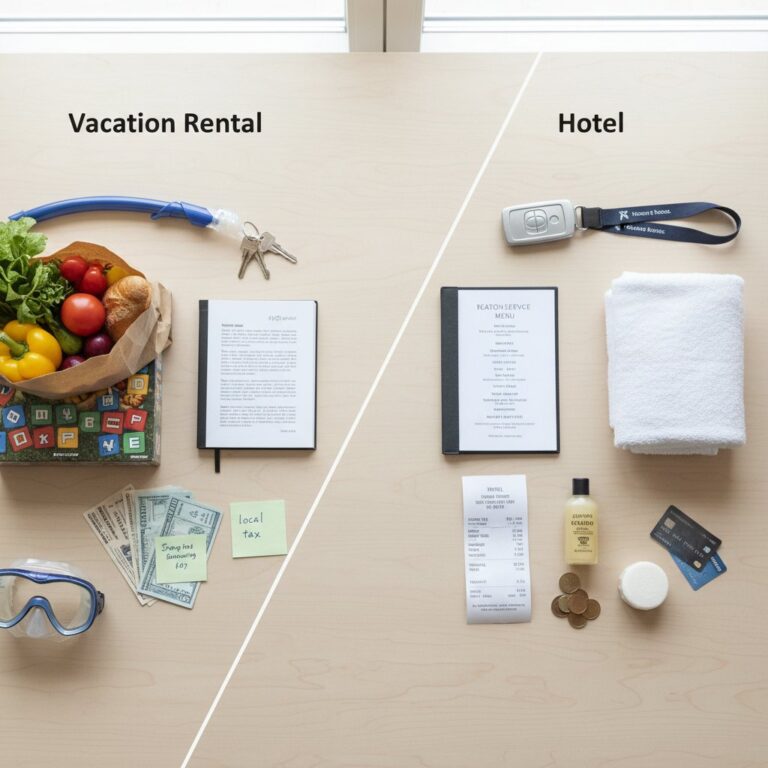


Understanding the Vacation Rental Market Landscape
The vacation rental market has transformed from a niche segment into a mainstream investment opportunity, driven by shifts in traveler preferences and technological advancements. Modern travelers often seek authentic, localized experiences, more space, and greater privacy than traditional hotels can offer, positioning vacation rentals as an increasingly attractive option. Understanding this dynamic landscape is the first critical step for any prospective investor.
Growth Trends and Demand Drivers
The global short-term rental market has demonstrated remarkable resilience and growth, even through economic fluctuations. Key drivers include the rise of digital nomadism, the increasing popularity of ‘work-from-anywhere’ policies, and a general consumer preference for unique accommodations over standardized hotel rooms. Platforms like Airbnb and Vrbo have democratized access to this market, making it easier for property owners to connect with a global audience of travelers. Looking ahead to 2026 and beyond, this upward trajectory is expected to continue, fueled by sustained demand for experiential travel and the convenience offered by short-term stays.
Types of Vacation Rental Properties
The diversity of vacation rental properties is vast, catering to a wide array of traveler needs and investor budgets. Common types include:
- Single-Family Homes: Often popular with families or groups seeking privacy and ample space.
- Condominiums/Apartments: Ideal for urban settings or resort communities, offering amenities like pools or gyms.
- Cabins/Chalets: Highly sought after in mountain or rural destinations, appealing to nature lovers.
- Beachfront Properties: Perennially popular, commanding premium rates during peak seasons.
- Unique Stays: Treehouses, yurts, tiny homes, and luxury villas offer distinct experiences and can fetch high nightly rates due to their novelty and appeal.
The choice of property type should align with your investment goals, target demographic, and the characteristics of your chosen market.
Seasonal vs. Year-Round Demand
Understanding the seasonality of your chosen market is crucial for accurate financial forecasting. Some destinations experience strong peak seasons (e.g., summer for beaches, winter for ski resorts) followed by slower off-peak periods. Other markets, particularly major cities or business hubs, may enjoy more consistent year-round demand. A well-researched vacation rental property investment guide will emphasize the importance of analyzing historical occupancy rates and future tourism trends to project potential earnings accurately. Diversifying your portfolio across different seasonal markets or choosing a property in a location with multiple demand drivers can help mitigate the impact of seasonality.
The Financial Deep Dive: Costs, Revenue, and ROI

A successful vacation rental property investment hinges on a thorough understanding of its financial dynamics. This section breaks down the essential monetary components, from initial outlays to ongoing expenses and projected returns, providing a robust framework for financial planning.
Initial Investment Costs
Before any rental income is generated, several significant costs must be accounted for:
- Property Purchase Price: This is typically the largest expense and varies wildly by location and property type.
- Closing Costs: Including legal fees, title insurance, property transfer taxes, and appraisal fees, which can range from 2-5% of the purchase price.
- Renovation and Upgrades: Depending on the property’s condition, this could involve minor cosmetic updates or major structural renovations to enhance appeal and functionality.
- Furnishing and Decor: Essential for a comfortable and attractive rental. Budget for quality furniture, appliances, kitchenware, linens, and aesthetic décor that aligns with your target guest and property style.
- Initial Marketing and Photography: Professional photos are non-negotiable for compelling listings.
- Permits and Licenses: Costs associated with obtaining necessary local permits and business licenses.
Ongoing Operational Expenses
Maintaining a profitable vacation rental requires diligent management of recurring costs:
- Mortgage Payments: If the property is financed.
- Property Taxes: Vary significantly by location.
- Insurance: Specialized short-term rental insurance is crucial, as standard homeowner’s policies often don’t cover commercial rental activity.
- Utilities: Electricity, water, gas, internet, and sometimes cable TV.
- Maintenance and Repairs: Regular upkeep, landscaping, and unexpected repairs.
- Cleaning Services: Professional cleaning after each guest stay is a standard expectation.
- Supplies: Toiletries, cleaning supplies, basic pantry items for guests.
- Management Fees: If you opt for a property management company, these can range from 15-30% of gross rental income.
- HOA Fees: Applicable for condos or properties within managed communities.
- Booking Platform Fees: Commissions charged by platforms like Airbnb or Vrbo.
Revenue Potential and Pricing Strategies
Maximizing revenue involves strategic pricing and understanding market demand. Revenue is primarily driven by:
- Average Nightly Rate (ADR): The average income earned per occupied night.
- Occupancy Rate: The percentage of nights the property is booked.
Dynamic pricing is key. This strategy involves adjusting nightly rates based on demand, seasonality, local events, competitor pricing, and even day of the week. Utilizing specialized software can automate this process, ensuring your property is priced competitively to maximize both occupancy and ADR. A robust vacation rental property investment guide will always stress the importance of understanding your market’s peak, shoulder, and off-peak seasons to optimize your pricing strategy effectively.
Calculating ROI and Cash Flow
Measuring the profitability of your investment requires calculating two key metrics:
- Return on Investment (ROI): This measures the gain or loss generated on an investment relative to its initial cost. A simple ROI calculation is (Net Profit / Total Investment Cost) x 100.
- Cash Flow: This is the net amount of cash and cash equivalents being transferred into and out of your business. Positive cash flow means your rental income exceeds your operating expenses.
Careful financial modeling, including conservative estimates for occupancy and expenses, is crucial to project profitability accurately and ensure your vacation rental property investment guide leads you to sound financial decisions.
Location, Location, Location: Choosing Your Investment Hotspot
Researching Potential Markets
Before committing to a property, extensive research into various markets is essential. Consider factors such as:
- Tourism Appeal: What draws visitors to the area? Beaches, mountains, national parks, theme parks, historical sites, cultural events, or unique local attractions?
- Accessibility: How easy is it for guests to reach the location? Proximity to airports, major highways, and public transportation can significantly impact appeal.
- Local Regulations: This is a critical factor. Many municipalities have specific zoning laws, permit requirements, and restrictions on short-term rentals. Some areas might have outright bans or strict limits on rental days. Understanding these regulations beforehand can save significant headaches and financial losses.
- Competition: Analyze the existing supply of vacation rentals in the area. High competition isn’t necessarily bad if demand is equally high, but it requires a stronger differentiation strategy.
- Infrastructure and Amenities: Access to restaurants, grocery stores, medical facilities, and recreational activities enhances guest experience and property value.
Identifying Emerging & Top Destinations for 2026
Keeping an eye on future travel trends is vital for long-term success. For instance, when considering the Best Vacation Destinations US 2026, you might look for areas experiencing significant infrastructure development, increased tourism marketing efforts, or shifts in demographic interest. Emerging hotspots could be smaller towns gaining popularity for outdoor recreation, culinary scenes, or unique cultural festivals. Established destinations that consistently rank high often offer reliable demand, but may also come with higher property prices and stricter regulations. Researching travel forecasts, local economic development plans, and even major upcoming events can help identify promising markets. For example, cities investing in new convention centers or entertainment venues could see a surge in demand for short-term stays, making them attractive for a vacation rental property investment guide focused on future growth.
Proximity to Attractions and Services
Guests prioritize convenience. A property within easy reach of popular attractions, dining, shopping, and essential services will naturally command higher occupancy rates and nightly prices. Consider what your target guest would value most: walkability to a vibrant downtown, a short drive to ski slopes, or direct beach access. Highlighting these proximity advantages in your listing is a powerful marketing tool.
Property Acquisition and Preparation: From Purchase to Profit

Once you’ve identified your ideal location, the next phase involves acquiring the right property and preparing it to deliver exceptional guest experiences. This stage is crucial for setting the foundation for long-term success.
Finding the Right Property
Partnering with a real estate agent who specializes in investment properties or short-term rentals in your target market can provide invaluable insights. They can help identify properties that align with your financial goals and meet local short-term rental regulations. Look for properties with:
- Desirable Features: Consider number of bedrooms/bathrooms, outdoor space, unique architectural elements, or amenities like a hot tub or pool.
- Good Condition: While renovations can add value, a property requiring minimal immediate repairs can accelerate your time to market and reduce initial costs.
- Strong Rental History (if applicable): If purchasing an existing vacation rental, analyze its past occupancy and income statements.
Due Diligence and Legalities
Before closing the deal, thorough due diligence is imperative:
- Property Inspection: Uncover any hidden issues that could lead to costly repairs down the line.
- Title Search: Ensure clear ownership and no outstanding liens.
- Review Local Regulations: Double-check all local ordinances, zoning laws, and HOA rules pertaining to short-term rentals. This cannot be overstated.
- Financing: Secure appropriate financing. Lenders may have different requirements for investment properties versus primary residences.
Design, Furnishing, and Setup
Creating an inviting and functional space is paramount. Your design choices should appeal to your target demographic and differentiate your property. Consider:
- Durability and Comfort: Invest in sturdy furniture and quality linens that can withstand frequent use. Guest comfort is key to positive reviews.
- Aesthetic Appeal: A cohesive, appealing design that reflects the local vibe or offers a unique theme can significantly boost bookings. Professional interior design advice can be a worthwhile investment.
- Essential Amenities: Fully equipped kitchens, high-speed Wi-Fi, smart TVs, sufficient towels and toiletries are basic expectations. Go above and beyond with thoughtful touches like a welcome basket, local guides, or board games.
- Safety Features: Smoke detectors, carbon monoxide detectors, fire extinguishers, and clear emergency exits are mandatory.
Once furnished, set up all utilities, internet, and smart home devices. Professional photography is essential to showcase your property’s best features and attract bookings. High-quality images are often the first thing a potential guest sees and can make or break their decision to book.
Mastering Operations: Management, Marketing, and Guest Experience
The day-to-day operation of a vacation rental property is where profitability is truly realized. Efficient management, effective marketing, and an unwavering focus on guest satisfaction are the pillars of a successful vacation rental business.
Choosing Your Management Strategy
Investors typically have two primary options for managing their vacation rental:
- Self-Management: This offers maximum control and potentially higher net income, but demands significant time and effort. It involves handling bookings, guest communication, cleaning coordination, maintenance, and marketing. It’s best suited for investors with properties close to home or those who are highly organized and enjoy direct guest interaction.
- Professional Property Management: Hiring a dedicated vacation rental management company alleviates the operational burden. They handle everything from marketing and pricing to guest services, cleaning, and maintenance. While they charge a percentage of your rental income (typically 15-30%), they can often secure higher occupancy rates and better reviews, making it a worthwhile investment, especially for remote owners or those with multiple properties.
How To Manage Vacation Rental Remotely
For investors not living near their property, remote management is not just possible but increasingly efficient with modern technology. This vacation rental property investment guide highly recommends embracing tools and strategies for seamless off-site operation:
- Smart Home Technology: Install smart locks for keyless entry, smart thermostats to control energy usage, and noise monitoring devices (with privacy in mind) to ensure house rules are respected.
- Local Support Team: Assemble a reliable team including a professional cleaning service, a handyman for minor repairs, and an emergency contact person. Clear communication and established protocols are vital.
- Property Management Software (PMS): Utilize PMS platforms that integrate with booking channels, automate guest communications, manage cleaning schedules, and track finances.
- Communication Apps: Use messaging apps for quick communication with your local team and guests.
- Online Tools: Leverage dynamic pricing tools, digital guidebooks, and virtual assistants to streamline various tasks.
Effective remote management requires trust in your local team and a commitment to leveraging technology for efficiency and oversight.
Marketing and Distribution Channels
To attract guests, your property needs visibility. Utilize a multi-channel marketing approach:
- Online Travel Agencies (OTAs): Platforms like Airbnb, Vrbo, Booking.com are essential for broad reach. Optimize your listings with compelling descriptions, high-quality photos, and competitive pricing.
- Direct Booking Website: Creating your own website allows you to bypass OTA fees, build brand loyalty, and collect guest data for future marketing.
- Social Media: Use platforms like Instagram, Facebook, and Pinterest to showcase your property, highlight local attractions, and engage with potential guests.
- Email Marketing: Build an email list from past guests for promotions and repeat bookings.
Guest Experience and Reputation Management
Exceptional guest experience is the cornerstone of positive reviews, repeat bookings, and strong referrals. Focus on:
- Seamless Check-in/Check-out: Provide clear, easy-to-follow instructions.
- Prompt Communication: Be responsive to guest inquiries before, during, and after their stay.
- Personalized Touches: A welcome basket, local recommendations, or a handwritten note can make a big difference.
- Cleanliness and Maintenance: Consistently spotless cleaning and quick resolution of maintenance issues are non-negotiable.
- Feedback Management: Actively solicit feedback and respond professionally to all reviews, positive or negative. A strong online reputation is your most valuable asset in the vacation rental market.
Leveraging Technology and Smart Strategies
In the competitive vacation rental landscape, technology is not just a convenience; it’s a strategic advantage. Integrating smart solutions can enhance guest experience, streamline operations, and boost profitability. Furthermore, savvy investors look for every opportunity to optimize their expenditures.
Smart Home Integration for Enhanced Experience and Efficiency
Modern travelers expect convenience, and smart home technology delivers. Consider integrating:
- Smart Locks: Enable keyless entry with unique codes for each guest, improving security and simplifying check-ins for remote management.
- Smart Thermostats: Allow guests to control climate while enabling you to monitor and adjust temperatures remotely, saving on energy costs between stays.
- Noise Monitoring Devices: Discreetly monitor noise levels to prevent parties or disturbances, ensuring house rules are respected (always with clear guest disclosure).
- Security Cameras: For exterior monitoring only, at entry points, to enhance security for both guests and your property (again, with clear disclosure).
- Voice Assistants: Devices like Amazon Echo or Google Home can provide local information, play music, or control other smart devices, adding a touch of luxury.
These technologies not only impress guests but also provide valuable operational insights and efficiencies for the property owner, a key aspect of any forward-thinking vacation rental property investment guide.
Utilizing Dynamic Pricing and Property Management Software
Manual pricing is a thing of the past. Dynamic pricing software automatically adjusts your nightly rates based on real-time market demand, local events, seasonality, and competitor pricing. This ensures your property is always optimally priced to maximize both occupancy and revenue. Similarly, comprehensive Property Management Software (PMS) is indispensable for efficiency. A good PMS can:
- Synchronize calendars across multiple booking platforms.
- Automate guest communications (pre-stay, during stay, post-stay messages).
- Manage cleaning schedules and maintenance tasks.
- Track financial performance and generate reports.
These tools significantly reduce the administrative burden, freeing up your time to focus on strategic growth.
Strategic Use of Travel Rewards Points
While primarily associated with personal travel, a smart vacation rental property investor can strategically leverage travel rewards points to optimize their investment. Consider the following applications:
- Property Scouting and Visits: When exploring new markets or visiting your existing property for maintenance checks or updates, using points for flights and hotel stays can significantly reduce operational travel expenses. This is particularly relevant when researching the Best Vacation Destinations US 2026 for potential expansion.
- Furnishing and Supplies: Some business credit cards offer significant rewards points on everyday spending. By using these cards for purchasing furniture, appliances, and ongoing supplies for your rental, you can accumulate points quickly. These points can then be redeemed for travel, gift cards, or even cash back, indirectly reducing your overall investment costs or providing funds for future upgrades.
- Guest Perks: In some cases, points can be redeemed for gift cards to local restaurants or attractions, which can be offered as a welcome amenity to high-value guests, enhancing their experience and encouraging positive reviews.
Understanding How To Use Travel Rewards Points effectively can become a subtle but impactful strategy in managing and growing your vacation rental portfolio, turning everyday business expenses into future savings or enhancements.
Legalities, Insurance, and Risk Mitigation
Navigating the legal and risk landscape is a critical, albeit often overlooked, component of successful vacation rental property investment. Compliance and protection are paramount to safeguard your asset and ensure long-term viability.
Understanding Local Regulations and Zoning Laws
The regulatory environment for short-term rentals is complex and constantly evolving, varying significantly by municipality, county, and even homeowners’ association (HOA). Before purchasing any property, it is absolutely essential to:
- Research Local Zoning Ordinances: Confirm that short-term rentals are permitted in the specific zone where your property is located. Some areas may prohibit them entirely, restrict them to certain zones, or limit the number of rental days per year.
- Obtain Necessary Permits and Licenses: Many jurisdictions require specific business licenses, short-term rental permits, or registration with the local tourism board. Non-compliance can lead to hefty fines or forced cessation of operations.
- Comply with Health and Safety Standards: Ensure your property meets all local building codes, fire safety regulations, and health standards. This includes working smoke detectors, carbon monoxide detectors, and clear egress paths.
- Understand Local Tax Requirements: Be aware of occupancy taxes, transient lodging taxes, sales taxes, and any other local levies that apply to short-term rental income. These often need to be collected from guests and remitted to the relevant authorities.
Consulting with a local attorney specializing in real estate or short-term rental law is highly recommended to ensure full compliance and mitigate legal risks associated with your vacation rental property investment guide journey.
Essential Insurance Coverage
Standard homeowner’s insurance policies are typically inadequate for vacation rental properties because they do not cover commercial activity. You need specialized insurance designed for short-term rentals. Key coverages to consider include:
- Commercial Property Coverage: Protects the physical structure and contents from damage due to fire, theft, natural disasters, etc.
- General Liability Coverage: Crucial for protecting you against claims of bodily injury or property damage sustained by guests on your property. This can cover medical expenses and legal fees if a guest is injured.
- Loss of Income Coverage: Provides financial protection in case your property becomes uninhabitable due to a covered peril, leading to a loss of rental income.
- Damage Protection: While security deposits help, specialized insurance can provide broader coverage for guest-caused damage that exceeds the deposit amount.
Work with an insurance broker who understands the unique risks of the short-term rental market to ensure you have comprehensive protection.
Risk Mitigation Strategies
Beyond legal compliance and insurance, proactive risk mitigation is vital:
- Robust Rental Agreements: Implement a clear, legally sound rental agreement that outlines house rules, liability waivers, check-in/out procedures, and cancellation policies.
- Guest Vetting: Consider minimum age requirements, identity verification, and potentially reviewing guest profiles or past reviews on booking platforms.
- Emergency Preparedness: Provide guests with a clear emergency contact list, location of fire extinguishers, and instructions for local emergency services.
- Regular Maintenance: Preventative maintenance can identify and fix potential hazards before they cause harm or damage, reducing liability risks.
- Noise Monitoring: As mentioned in the technology section, discreet noise monitoring devices can help prevent unauthorized parties and property damage, mitigating neighborhood complaints and potential fines.
By diligently addressing these legal and risk aspects, you can protect your investment and ensure a smooth, secure operation for your vacation rental business.
Frequently Asked Questions
Recommended Resources
Related reading: Onomichi Food And Drink Guide (Onomichi Guide).
Learn more about this topic in Onomichi Accommodation Guide at Onomichi Guide.